
DbcultAccessing Vault...
Recommendations
Senior Film Conservator
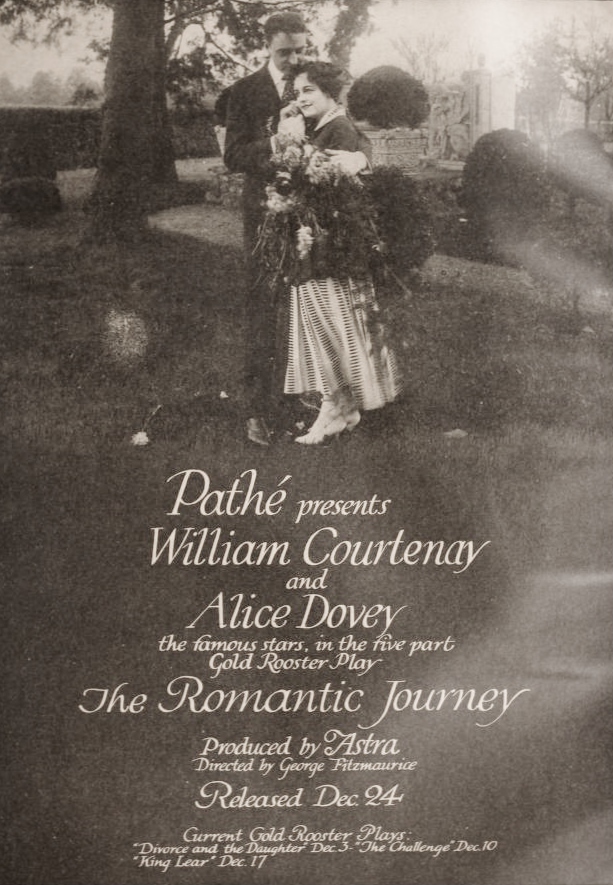
In the vast archive of cult cinema, The Romantic Journey stands as a artistic bravery beacon, the narrative complexity found here is a rare find in the 1916 landscape. From hidden underground hits to established classics, these are our top picks.
Few films from 1916 manage to capture to explore the darker corners of the human condition with artistic bravery.
Peter, a social lion, suffering from ennui, visits a mysterious antique shop conducted by Ratoor, an east Indian, who has. through hypnotism, enslaved Cynthia, a beautiful young girl. Peter notices something wrong in the shop keeper's conduct and decides to investigate. Broadhurst, a millionaire, is in love with Cynthia through whom Ratoor plots to get his millions. Peter makes a nocturnal visit to the shop and discovering Cynthia imprisoned, tries unsuccessfully to liberate her. Ratoor, dominating Cynthia, compels her to accept Broadhurst's proposal and a weeding day is set. After the ceremony, she warns him against Ratoor and begs him to leave for his own safety. Broadhurst refuses, and keeping Ratoor, who has discovered their abode, under surveillance, arrives too late to save Broadhurst. And he, himself, narrowly escapes from being thrown into the river by Ratoor's henchman. Cynthia, falling by a ruse, to outwit her former master, is again in his clutches. Peter, still dubious, visits the shop of Ratoor, who, suspecting that he is watched, decides to make an end of Cynthia, who has transferred her husband's property to him. Concealed, Peter sees Ratoor and his gang disappear with Cynthia in the direction of the cemetery. The scoundrels, frightened by uncanny noises, forsake the half-swooning Cynthia who is rescued by Peter following in the darkness.
The influence of George Fitzmaurice in The Romantic Journey can be felt in the way modern cult films handle artistic bravery. From the specific lighting choices to the pacing, this 1916 release set a high bar for atmospheric immersion.
Based on the unique artistic bravery of The Romantic Journey, our vault has identified these titles as the most compelling follow-up experiences for fans of cult cinema:
Dir: George Fitzmaurice
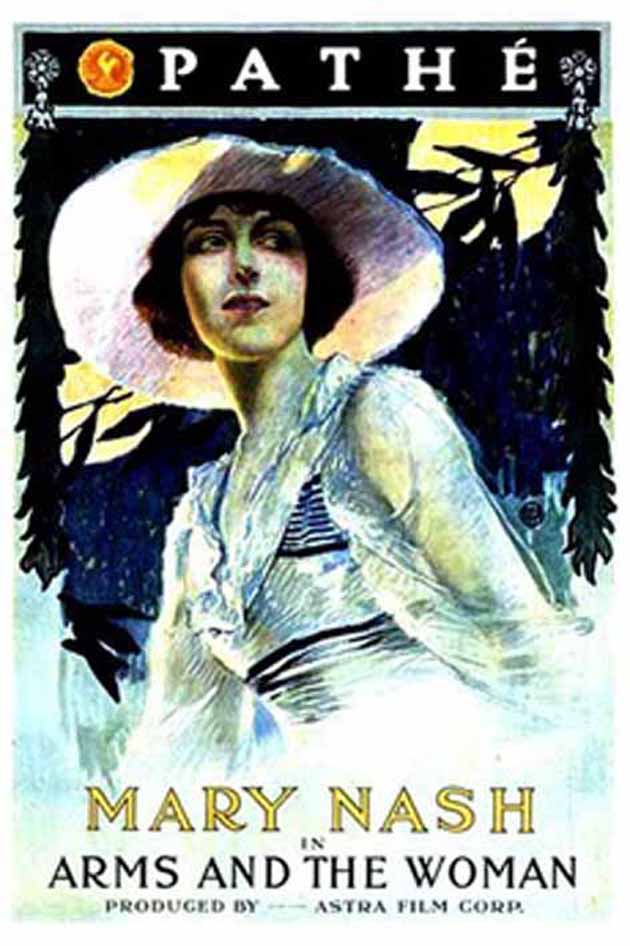
Rozika is a Hungarian girl who can sing quite nice. She goes to the place known as the United States with her brother whose name happens to be Young Carl. Rozika marries a chap named Trevor and a predicament ensued after the Great War comes knocking at the door.
View Details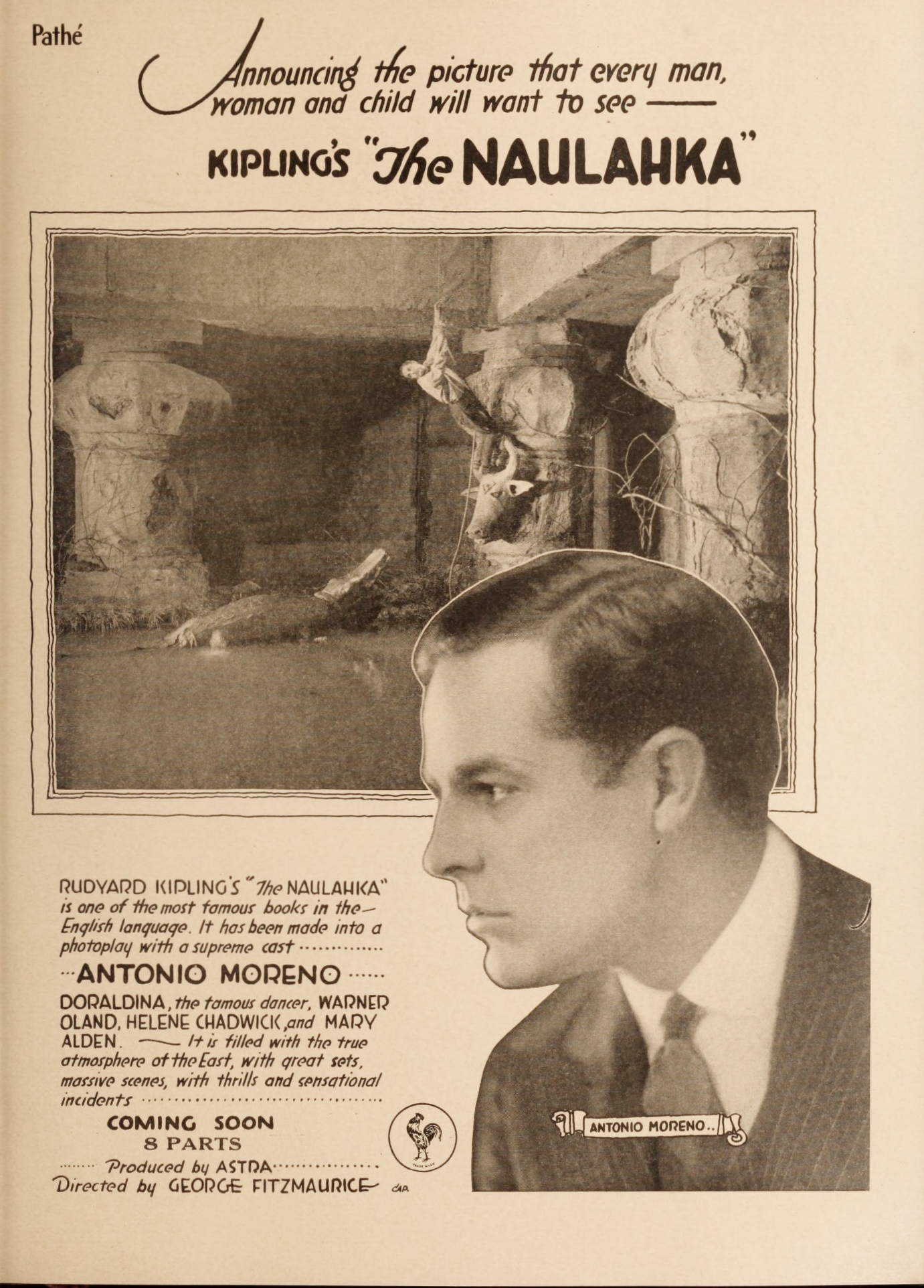
Dir: George Fitzmaurice
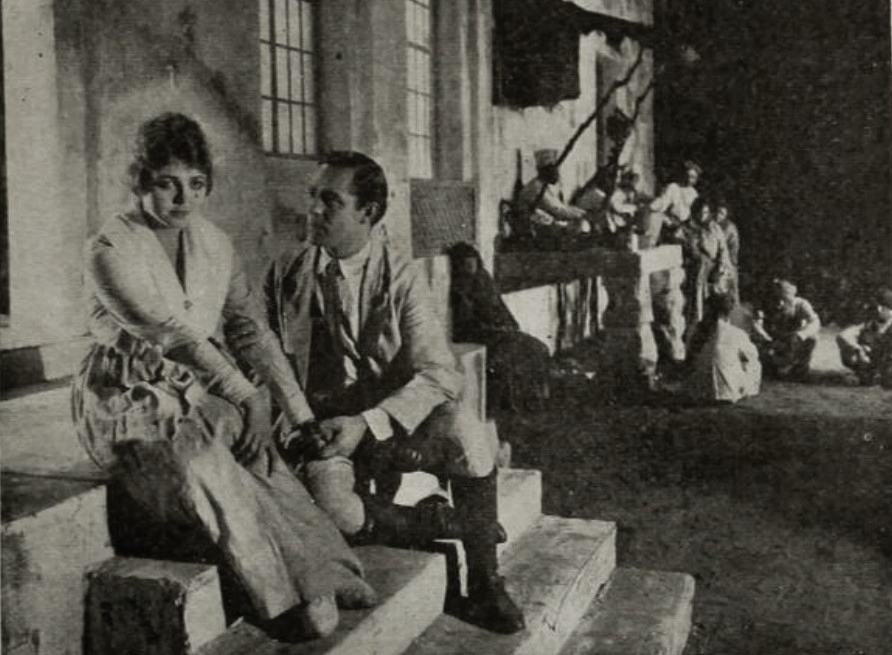
Trying to win the Three C's railroad line for his home town of Topaz, Colorado, Nicholas "Nick" Tarvin journeys to India to secure the famed jewel known as the Naulahka, which he plans to present to Mrs. Mutrie, the railroad president's wife. Nick's fiancée, Kate Sheriff, having graduated from medical school, also goes to India, but her aim is to provide the Indians with modern medical care. The Naulahka is possessed by the Maharajah, whose second wife, a dancer named Sitahbai, hopes to have her son, rather than the real prince, named as the heir to the Maharajah's throne. Sitahbai plans to kill the young prince, the son of the Maharajah's first wife, but Nick repeatedly saves him. After Sitahbai's plot to kill Nick fails, Nick threatens to hold the dancer captive until daybreak unless she gives him the Naulahka. Sitahbai reluctantly consents, but Kate, knowing that the loss of the jewel will mean Sitahbai's death, convinces Nick to return it to her. Kate and Nick return to Colorado without the Naulahka to find that the railroad tracks have already been laid through Topaz.
View Details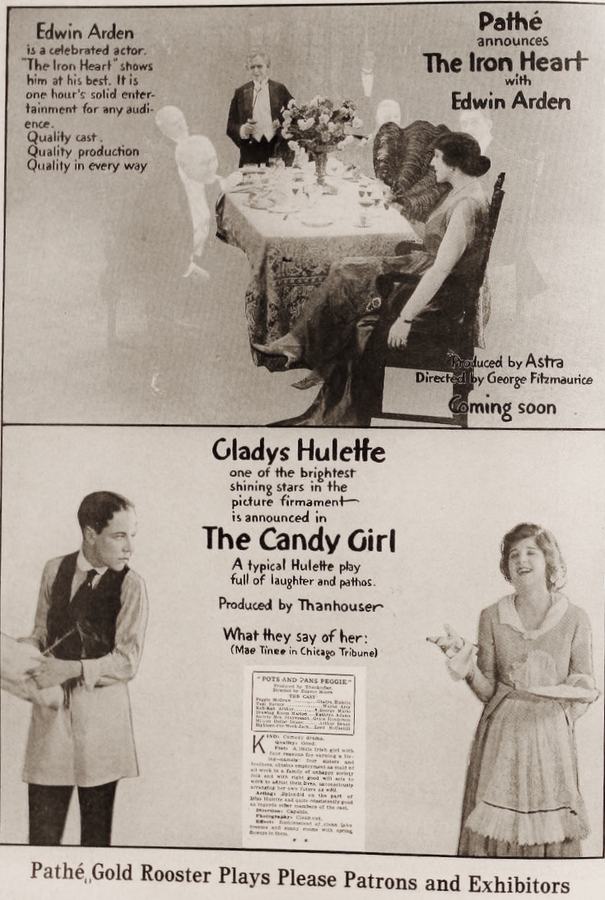
Dir: George Fitzmaurice
Possessed of an iron heart and a desire for power, Stephen Martin rules his iron works with a hand of steel. Even his son Tom, who marries against his father's wishes, is forced to leave home. At the death of his brother, who owned an even larger manufacturing plant, Martin inherits his brother's property, and Mrs. Martin, unable to improve socially with her husband, is forced out of the house to make way for adventuress Anne Parnell. When the workers in the plant demand more pay, Martin refuses, and a strike is called. Tom tries to pacify the strikers, but to no avail. During the strike, the plant is burned to the ground, and Martin finds himself financially ruined. His heart then softens, and he returns to his wife and begs forgiveness of his son.
View Details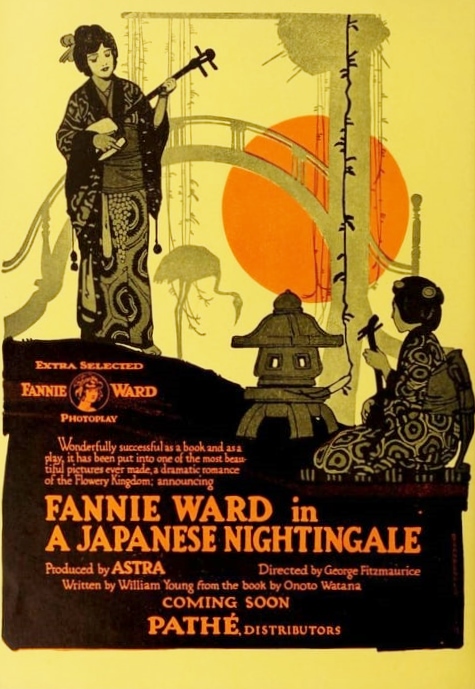
Dir: George Fitzmaurice
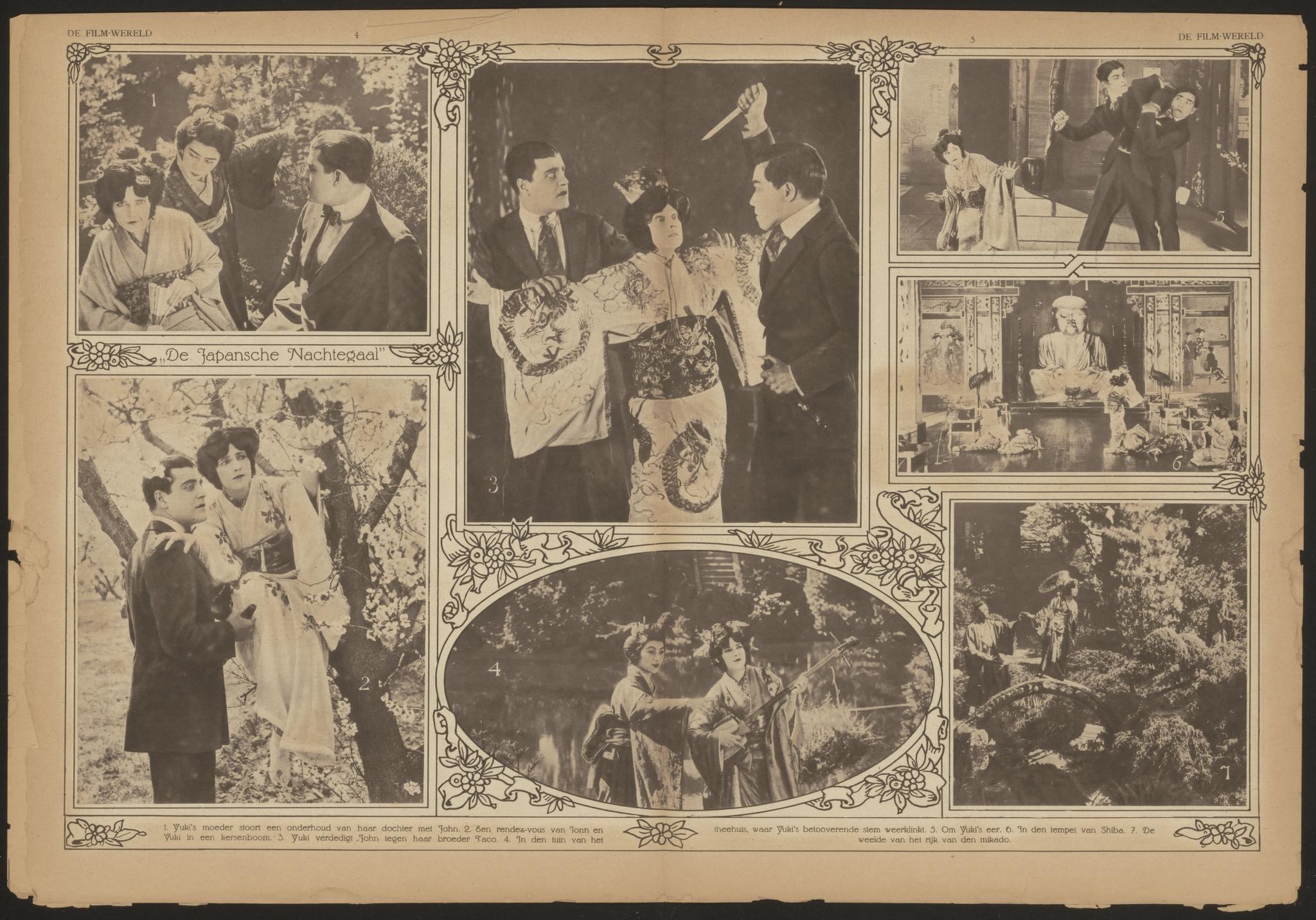
A young Japanese woman named Yuki runs away and becomes a geisha girl in order to escape marriage to the lecherous Baron Nekko. Her brother's American friend, John Bigelow, falls in love with Yuki and marries her, but Ido, the marriage broker, who will lose a large commission if the wedding of Yuki and the baron is canceled, breaks into the American consulate, murders the consul, and steals the marriage certificate. When Yuki's brother arrives home from America, he is informed that she and John are living together unlawfully. To save her husband from her brother's vengeance, Yuki resolves to marry Baron Nekko, but Ido, having been mistreated by the baron, finally admits his guilt and returns the marriage certificate.
View Details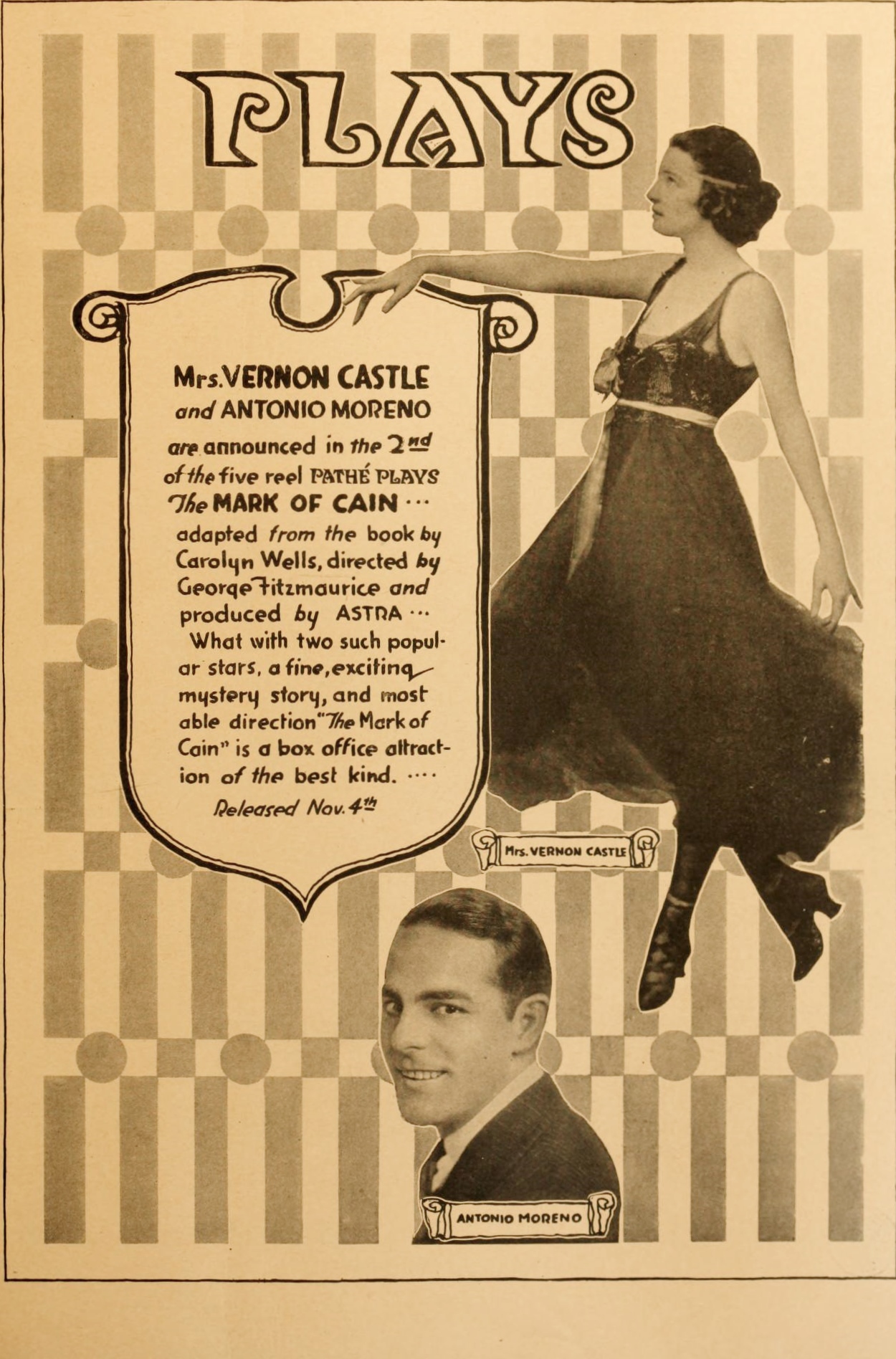
Dir: George Fitzmaurice
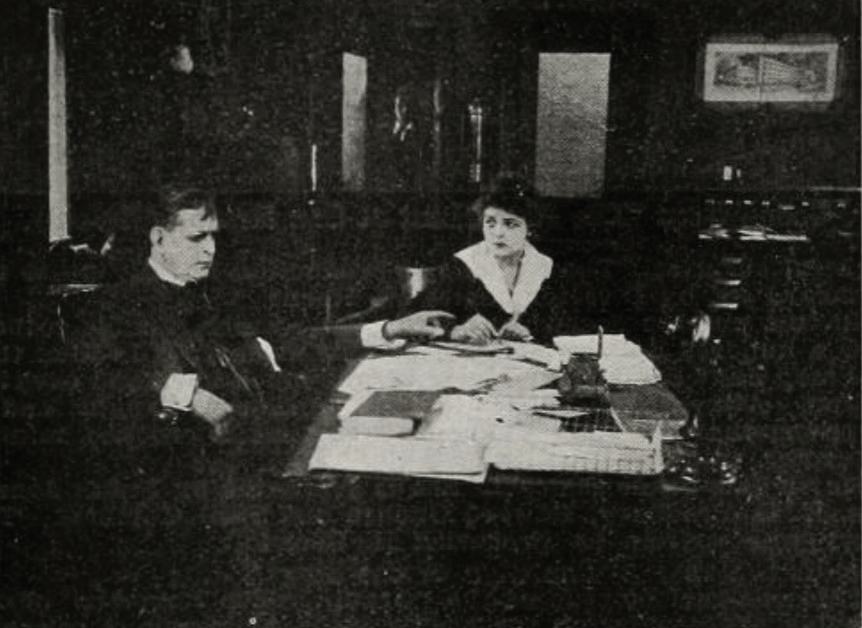
After old Trowbridge is mysteriously murdered, his nephew, Kane Langdon, is accused of the crime. Trowbridge's adopted daughter Alice makes every effort to prove Kane's innocence, but to no avail. When Kane escapes from the clutches of the law, Alice works with him to investigate the crime. They soon discover that Judge Hoyt, a great friend of Trowbridge and an ardent admirer of Alice, killed Trowbridge after forging the old man's will to read that Alice would only inherit his fortune if she married the judge. The judge, confronted with the accusation, becomes so unnerved that he confesses to the crime, and all ends happily with Alice in Kane's arms.
View Details
Dir: George Fitzmaurice
In order to send her invalid mother to a sanitarium in the North, Anne Blair, a dressmaker's model, accepts money from the wealthy, lascivious Thomas Brockton. With the aid of the dressmaker, Brockton attempts to seduce Anne, but she resists him with force. During the struggle, Anne stabs Brockton and flees to the North to avoid arrest. Upon her arrival, Anne discovers that her mother has died. Overcome with grief, she wanders blindly into the icy wilderness, but Richard Steel, a portrait painter, rescues her and soon falls in love with her. Through a series of letters, Anne discovers that Brockton is her father, but remains silent to protect her mother's name. After learning of her liaisons with a certain actor, Steel terminates his engagement to Inez Brockton, Brockton's other daughter. When Brockton visits Steel to demand an explanation, he runs into Anne, who tells him that she is his daughter. Ashamed and repentant, Brockton bestows his blessings on the new couple.
View Details
Dir: George Fitzmaurice
Mr. Carr is a kleptomaniac and his two daughters, Madge and Joan, are to be married to Mr. Cluney and Dr. Willoughby, respectively. Pretty Nell Jones, a light-fingered maid, is engaged that afternoon by Mrs. Carr after promising her sweetheart, Jack Doogan, a crook, that she will assist him to do one last job. Peculiar and mysterious things begin to happen in the Carr home with the arrival of the happy bridegrooms-to-be. A ruby suddenly disappears from the library table, into Nell's shoe, but the empty box is discovered by Cluney in his overcoat pocket a few minutes later. The family promptly suspects Nell, and Cluney telephones for a detective. While he is in the act of 'phoning, Nell slips the jewel back into the box where it is discovered by Mr. Carr just as Cluney lays down the 'phone. Cluney is stunned by the discovery and confides in Dr. Willoughby, who unsympathetically informs Cluney that he evidently suffers from unconscious kleptomania. The situation is further complicated by the arrival of Nell's sweetheart, Jack, whom she tells of the expected detective. This dignitary is met by Nell who, after deftly stripping him of star and watch, introduces him to Jack as Mr. Cluney. Jack sends him away on a mysterious mission and Nell then introduces Jack to the family as the detective from central headquarters. Cluney confides to him that he suspects himself of being a kleptomaniac and asks that Jack keep a close eye on him. Complications set in thick and fast. With two kleptomaniacs and two real crooks and a double wedding pending. Mrs. Carr has her hands full. Wedding presents disappear and reappear in the most astonishing way. A burly investor leaves $10,000 in steel stock as security for a loan and when he returns with cash to redeem his collateral, both stock and money disappear into Jack Doogan's pocket. This leads to the visit of a wagon-load of police but before the captain can read his search-warrant, even that vanishes through Doogan's nimble fingers into Mr. Carr's side pocket. Ever cocksure Dr. Willoughby shares the general hysteria and finds himself possessed of the stock securities but unable to replace them without openly branding himself a thief. The return of the detective adds a touch of drama to the evening. With an automobile liberally filled with movable valuables of all kinds ready for departure, Jack draws his gun and under its cover makes his escape, hurrying to the upper rooms of the building with faithful Nell at his heels. Believing him to have jumped through an open window, the police scatter out-of-doors and a second later Dr. Willoughby stops Jack and Nell in a hallway at the point of his revolver. This Jack deftly wrenches from the doctor's hand and again has the company at his mercy. But Nell longs for peace and the good-will of her erstwhile employers and so prevails upon Jack to throw away his gun. Then follow explanations and forgiveness. Jack shows his marriage license and the minister ends an exciting evening with a triple wedding.
View Details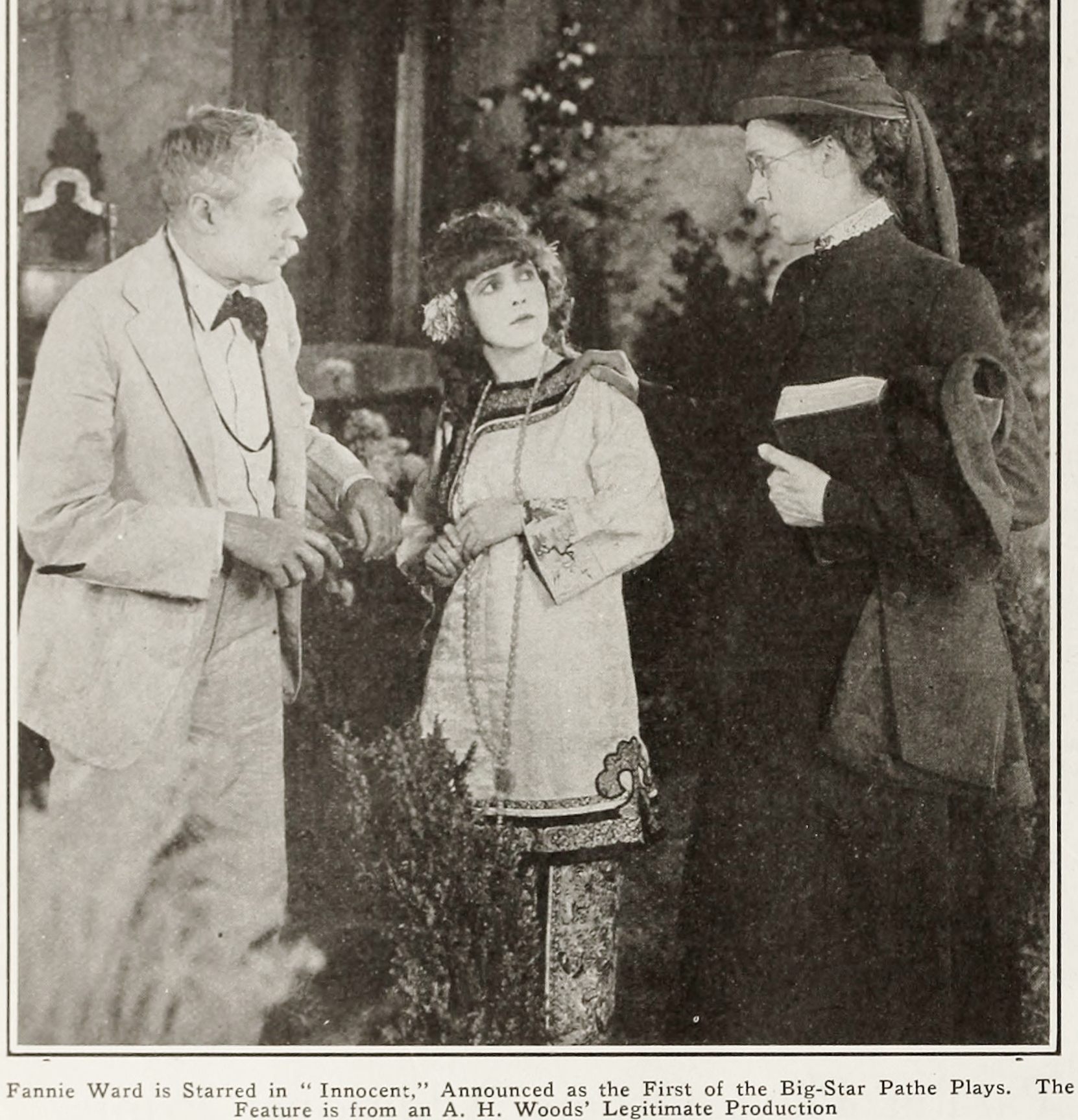
Dir: George Fitzmaurice
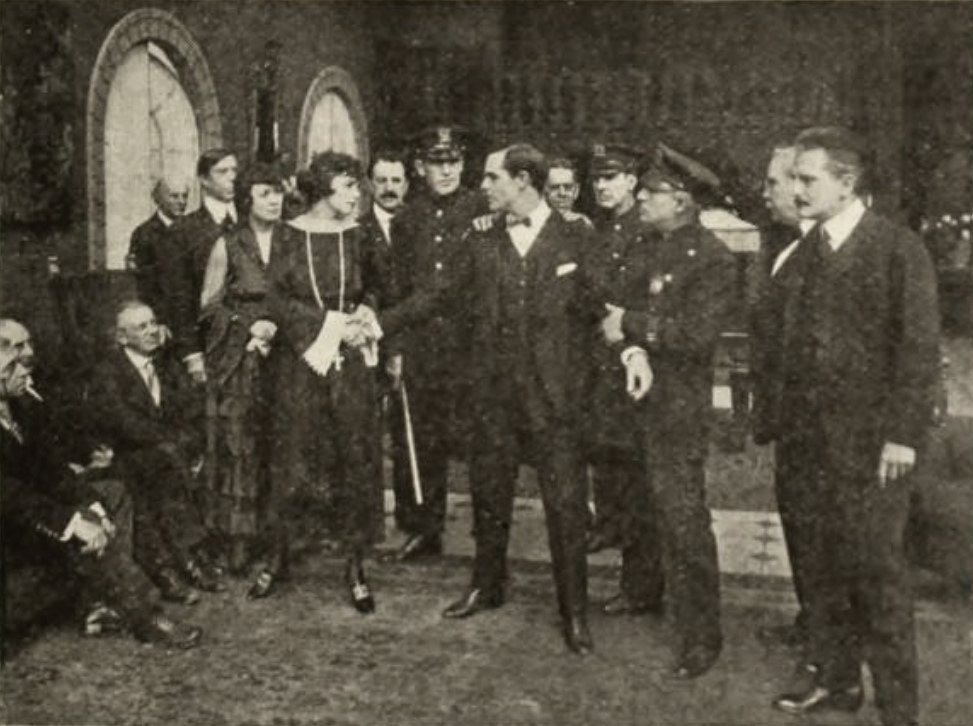
Kept in seclusion by her alcoholic father, Peter McCormack, Innocent knows nothing of life beyond her own house in Mukden, China. Following McCormack's death, Innocent is placed in the care of his close friend, John Wyndham. John promises to protect the girl, but when the two visit France, he resumes his gambling habit, while she, awestruck by the glitter and excitement of the Parisian social scene, soon becomes infatuated with Louis Doucet, the handsome but unscrupulous owner of a gambling establishment. Louis convinces Innocent to run away with him to the Riviera, but John finally locates them in Nice and shoots her lover. Having fallen in love with his ward, John returns to China, alone and heartbroken. He attempts suicide but recovers from his wound, whereupon Innocent, who now realizes her love for John, follows him to Mukden and agrees to marry him.
View Details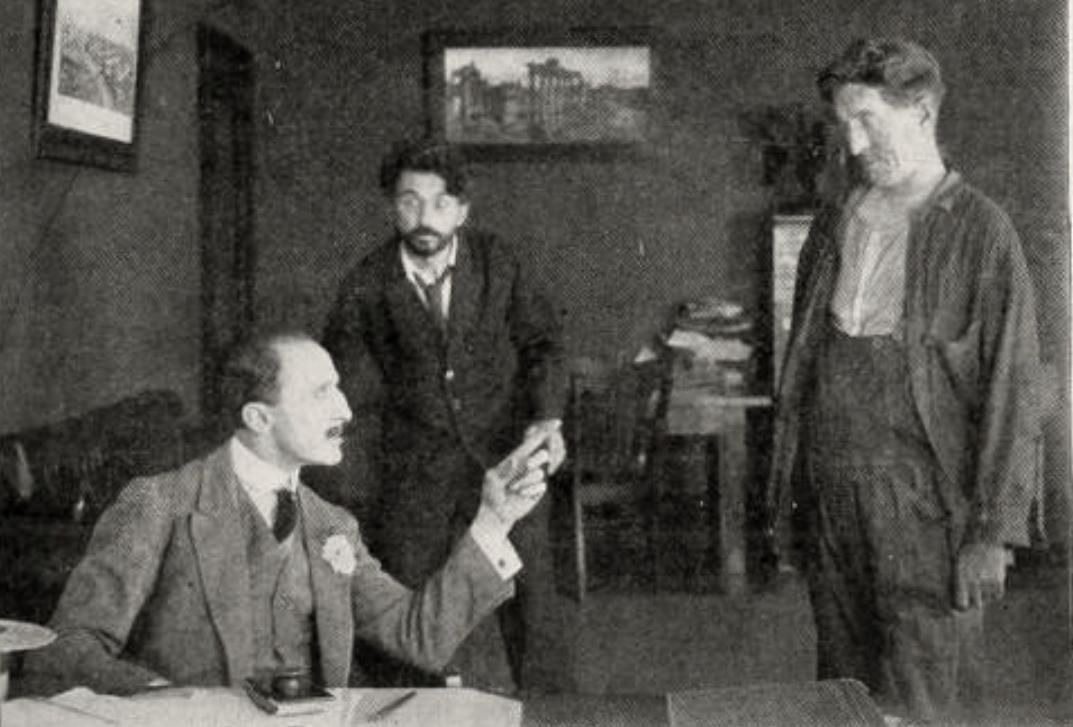
Dir: George Fitzmaurice
Marsh, a draughtsman in the gun factory of John Durant, is swindled by Edward Pinkney, Durant's general manager, out of the huge royalty to be paid should a gun of Marsh's invention prove a success. Pinkney loves Maisie, but is far outrivaled by Lieut. Somers, U.S.N. Somers also has invented a gun which he gives to be cast by the Durant Iron Works, and which, if successful, will do Pinkney out of his expected graft on the Marsh invention. Pinkney takes good care that the Somers gun is "killed" in the making. He then misrepresents Somers to Maisie and her father, and though Maisie loves the Lieutenant, she feels she must give him up. Accompanied by her mother and Pinkney, she goes in the Durant yacht for a cruise in Turkish waters, formally engaging herself to Pinkney. The Durant yacht hits a mine, and in the rush to leave her, Maisie is trapped in the wireless room. With the water surging up about her shoulders, and every means of escape barred she sends out the S.O.S. signal taught her by Lieut. Somers. The lieutenant, aboard a U.S. cruiser, protecting American interests in Turkey, gets the signal, and arrives at the side of the doomed ship just in time to make a sensational rescue. Here follow a mass of complications as the plot gradually resolves itself to its end.
View Details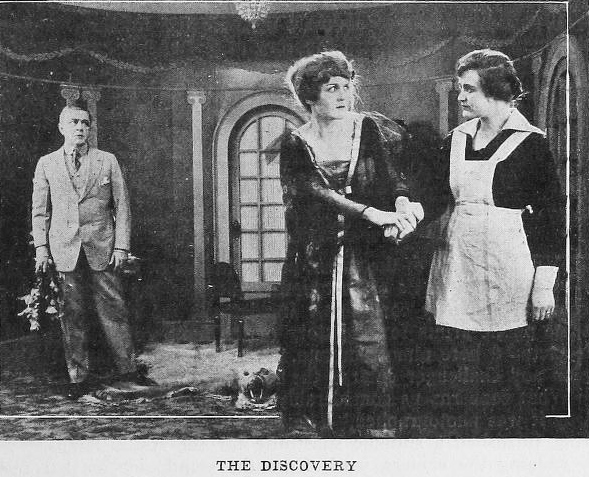
Dir: George Fitzmaurice
Mine owner Big Jim Garrity discovers that Hugh Malone is selling cocaine to his miners. He warns Malone to stop, but Malone refuses. He then decides to destroy the mine in order to get rid of Garyity. A miner is killed and Malone frames Jim for the death. Jim is imprisoned, but escapes and flees the country. He returns years later and, through a twist of fate, runs into his old enemy Malone.
View DetailsAnalysis relative to The Romantic Journey
| Film Title | Atmosphere | Complexity | Similarity |
|---|---|---|---|
| Arms and the Woman | Surreal | Dense | 88% Match |
| The Naulahka | Gothic | Linear | 85% Match |
| The Iron Heart | Tense | Layered | 93% Match |
| A Japanese Nightingale | Gothic | Linear | 90% Match |
| The Mark of Cain | Gritty | High | 98% Match |
This guide was algorithmically generated using the cinematic metadata of George Fitzmaurice's archive. Last updated: 6/27/2026.
Back to The Romantic Journey Details →