
DbcultAccessing Vault...
Recommendations
Senior Film Conservator
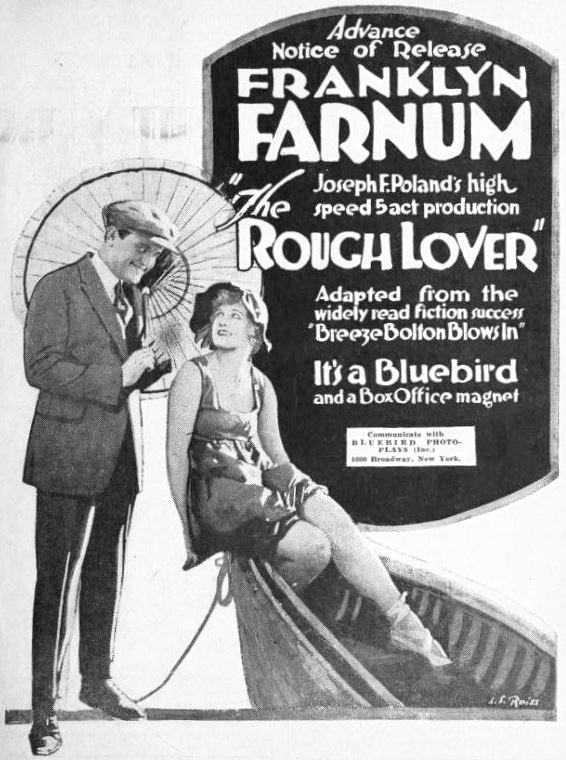
The 1918 release of The Rough Lover redefined the parameters of cult storytelling, the visual language established by Joseph De Grasse is something many try to emulate. Explore the following titles to broaden your appreciation for cult excellence.
Historically, The Rough Lover represents to synthesize diverse influences into a singular artistic statement.
Richard Bolton, a timid bookworm, is too shy to declare his love for the beautiful Helen. While she remains unimpressed, however, the Countess Wintershin pursues him relentlessly, to Richard's embarrassment and her jealous husband's dismay. On a seaside vacation, Richard is floating peacefully until the countess surprises him, whereupon he dives under water and does not come up. When the countess reports him drowned, Richard's Aunt Mary, a spiritualist, prepares to contact him through a séance. Meanwhile, Richard swims to an island where he meets fighter Spike O'Brien, who resembles him exactly. Spike is sent to fetch Richard's clothes and arrives just as Aunt Mary's ceremony reaches its climax. Possessed of a deep admiration for beautiful women, the pugilist first romances the countess, which so enrages the count that he challenges his rival to a duel, and then Helen, who, upon realizing that her overzealous lover is not Richard, begins to scream. In the end, the mix-up is straightened out, and Richard successfully defends Helen, who realizes that she prefers him to her rough lover.
Critics widely regard The Rough Lover as a cult-favorite piece of cult cinema. Its artistic bravery is frequently cited as its strongest asset, solidifying its place in United States's film legacy.
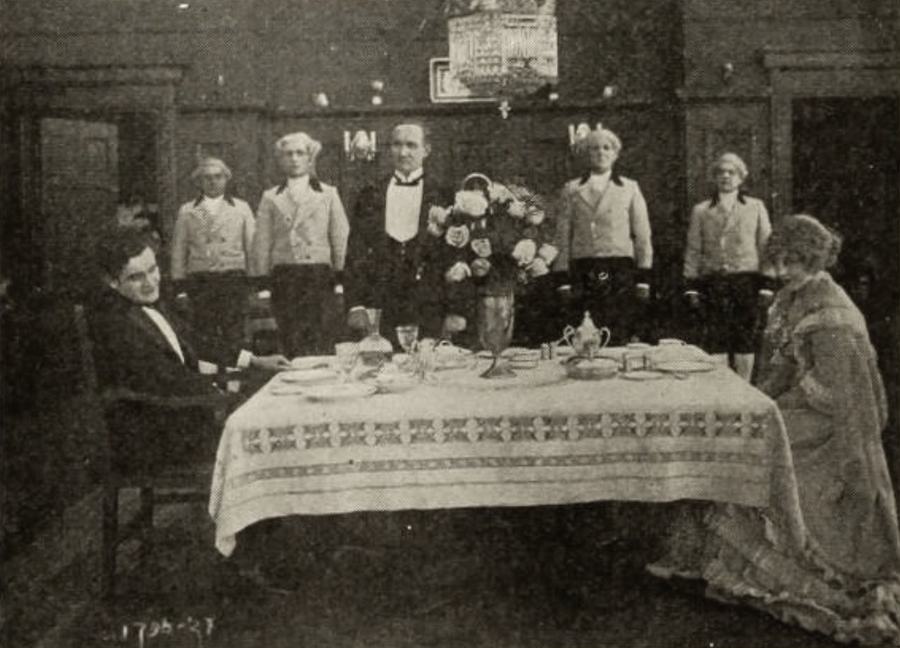
Based on the unique artistic bravery of The Rough Lover, our vault has identified these titles as the most compelling follow-up experiences for fans of cult cinema:
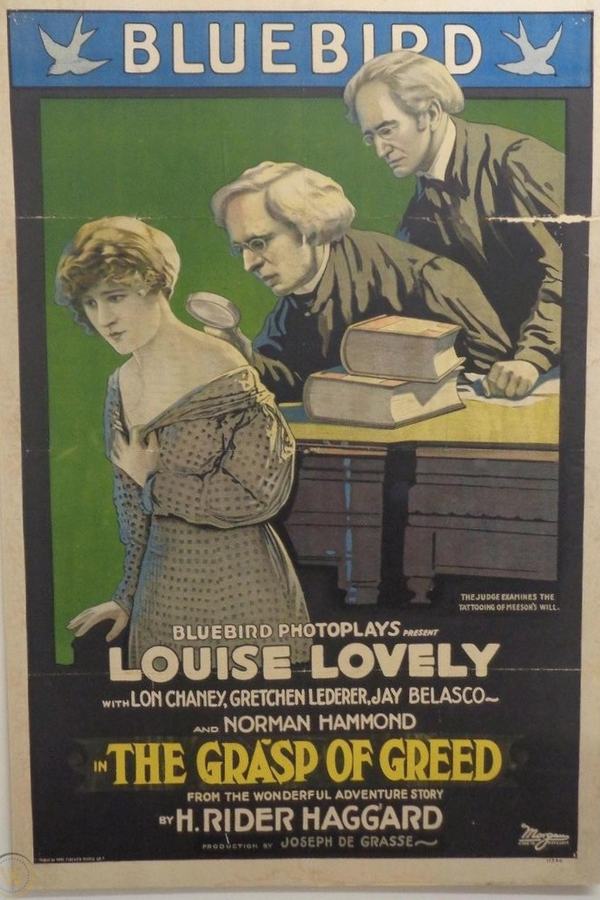
Dir: Joseph De Grasse
A young author is so overjoyed at selling her first book that she unknowingly signs over all her rights to the greedy publisher. Later, after the book becomes a best-seller, the publisher's nephew (who has fallen in love with her) tries to help her get her rights back.
View Details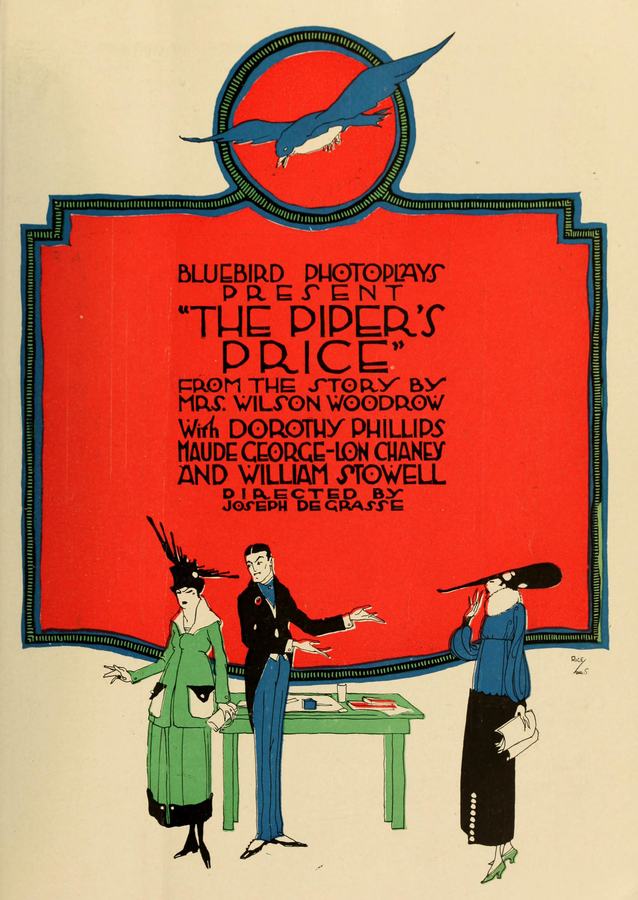
Dir: Joseph De Grasse
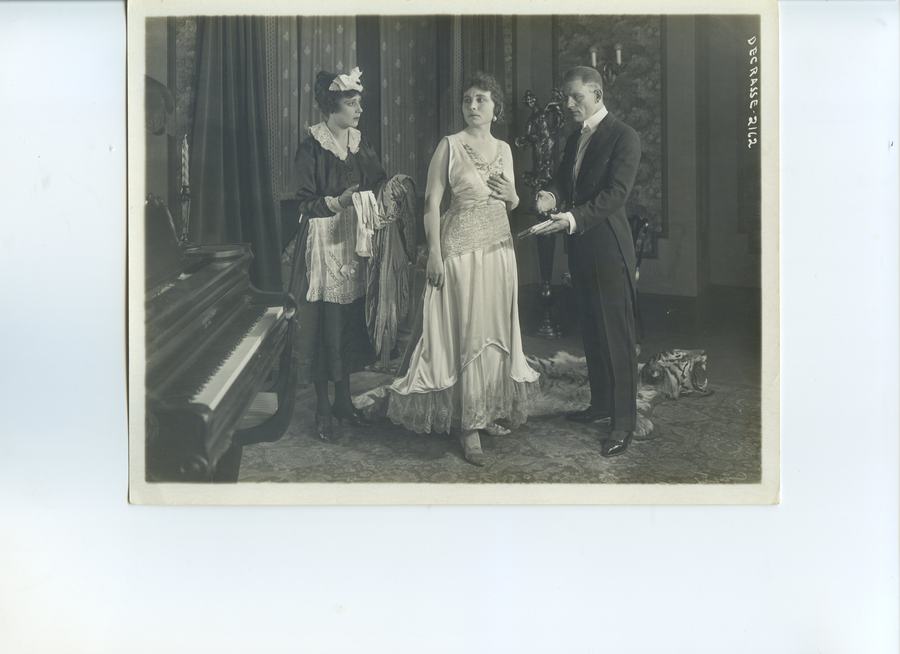
After divorcing his first wife and marrying a more gentle natured woman, Ralph Hadley finds himself again attracted to his ex-wife, a shrewd business woman. Trouble begins when he foolishly invites her to lunch, setting gossipy tongues-wagging. The news reaches his devoted wife who has discovered she is pregnant. She confronts the ex-wife who agrees to never see Ralph again and marries another admirer. Devasted, Ralph decides to kill himself ,luckily he is found in time by the doctor with the good news of the birth of his child. Ralph regains his senses and the couple are happily reunited.
View Details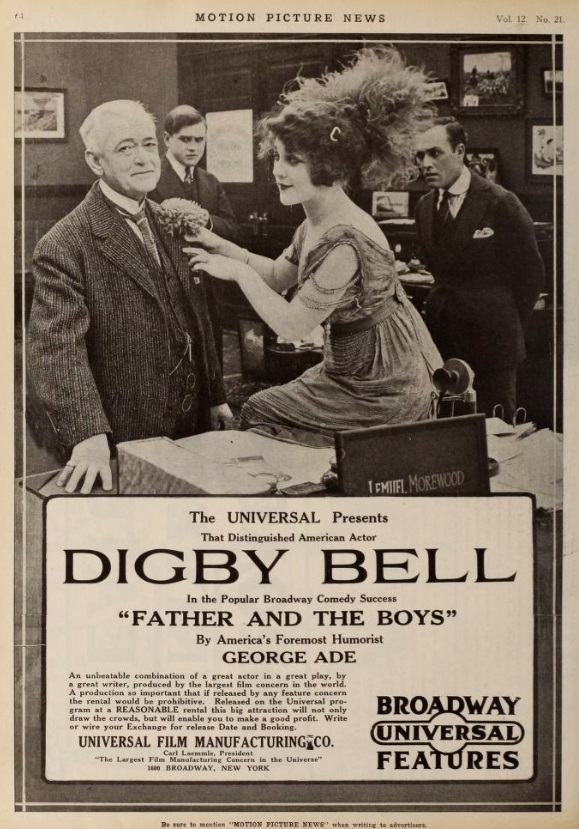
Dir: Joseph De Grasse
Lemuel Morewood is a wealthy businessman to whom riches bring no pleasure because he has entirely lost the sympathy of his sons, for whom he lives. Billy is society-mad and completely enthralled by Mrs. Bruce Guilford, a leader of the smart set. Tom thinks of nothing but sports; he is an amateur athlete of national prominence. Lemuel longs to see the boys interested in the business. He especially wants Tom to marry Frances Berkeley and Billy to marry Emily Donelson. But the boys will have none of them. Bessie Brayton is a Western orphan who has come to New York and taken up society entertaining for a living. Her only property is a half-interest in the Bluebird mine, which she supposes is worthless. One evening, the Morewoods employ Bessie to entertain at an exclusive dinner they are giving, and here she meets Major Bellamy Didsworth, who offers to sell her half-interest for her. Lemuel has run away from this dinner. But, goaded by Bessie's taunts that he is old-fashioned, he gets into his evening clothes and enters into the gambling that follows. Bessie encourages him and he cleans up on Didsworth, as the others look on, staggered by his plunging. Leaving them dazed, Lemuel makes a spectacular exit with Bessie to "blow his winnings." Lemuel keeps up the pace he has set. He goes to the races and there his conduct is so riotous, and his followers, Bessie and a sporting man, so conspicuous, that Mrs. Bruce Guildford is scandalized. She criticizes Lemuel to his son. Billy defends his father, and the quarrel results in a complete break. Bessie has a telegram from Didsworth saying he can get $1,000 for her stock. Lemuel suspects that Didsworth is planning to rob her and takes the matter into his own hands. He and Bessie go out to Nevada together. Lemuel's sons think he has run away to get married to Bessie, and they follow, with Emily, Frances, and Ford, the family lawyer. Out in Nevada, Lemuel and Bessie find that her half of the Bluebird is worth at least $75,000, and they discover that the other half is owned by Carl Higbee, Bessie's old sweetheart who disappeared in Alaska. On the way to Nevada, Tom becomes engaged to Emily and Billy to Frances, which is exactly contrary to what Lemuel planned. They arrive in time to stop the wedding, as they think, and are mortified to learn that they are all wrong, and that Bessie is to be married to Higbee. Lemuel is delighted that his sons are bringing the girls into the family, although they have shifted partners. Lemuel agrees to go back and help the boys run the business.
View Details
Dir: Joseph De Grasse
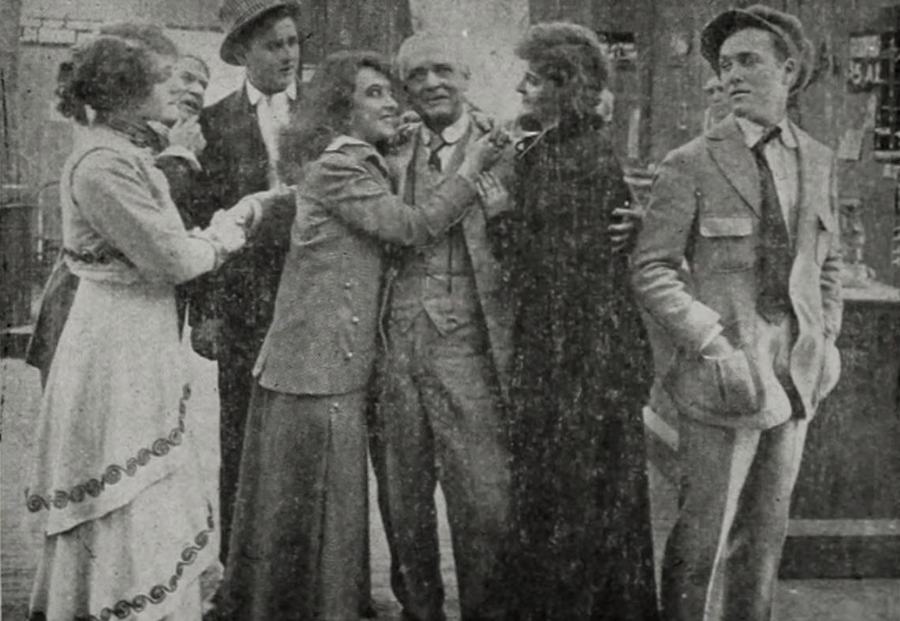
Montgomery Seaton, one of the idle rich, makes a hobby of befriending everybody upon whom he can intrude his good offices. Thus occupied, he neglects his wife considerably, and she in turn gives her entire attention to household duties. Vera Lane is a rich widow with whom Ernest Courtney is in love but too bashful to pursue. Mrs. Hammond comes to Seaton in distress with the story that some years earlier, she left home with a married man and lived with him for several months. Upon discovering that she had been deceived, she returned home and later wed John Hammond. Some weeks after her marriage, her husband was called away on a business trip; while he was gone Mrs. Hammond became the mother of a child, the result of her conduct previous to her becoming Mrs. Hammond. She concludes with the statement that the nurse who has always secretly cared for her child has just died and that the child must be provided with a home. Seaton goes to Hammond and relates a story which in substance makes Seaton the child's parents, and induces Hammond to adopt the child; thus Mrs. Hammond receives into her own home the child of her illicit adventure. Later Mrs. Hammond writes to Seaton, telling that the child safely arrived in her home, and further makes clear the unfortunate condition under which the baby was born. By mistake Seaton gives the note to Hammond; upon reading it, Hammond concludes that Seaton played a trick on him and induced him to adopt the issue of an affair between Mrs. Hammond and Seaton. That very night, while attending a reception, Hammond discovers Seaton and Mrs. Hammond in confidential conversation. Hammond shoots, but the bullet strikes Mrs. Hammond, who has thrown herself in front of Seaton to protect him. Coincident with these details, Seaton undertakes to present Ernest Courtney's love affair to Vera Lane, the widow, in convincing fashion. While progressing with this purpose. Mrs. Seaton becomes suspicious of her husband and is doubly mystified when she sees him carrying the child to Mrs. Hammond's home. Since she witnessed Mrs. Hammond's shooting and is a friend of all the concerned parties, the widow attempts to straighten the various entanglements, and succeeds so well that the Seatons reconcile, as do the Hammonds, after Mrs. Hammond has told her husband of her past.
View Details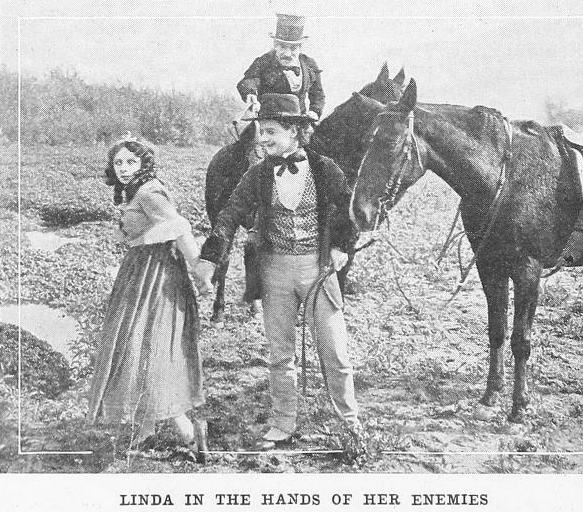
Dir: Joseph De Grasse
In pre-Civil War days, a woman dies in childbirth. Her sister, believing the child to be illegitimate, leaves the baby in care of one of her sister's slaves.
View Details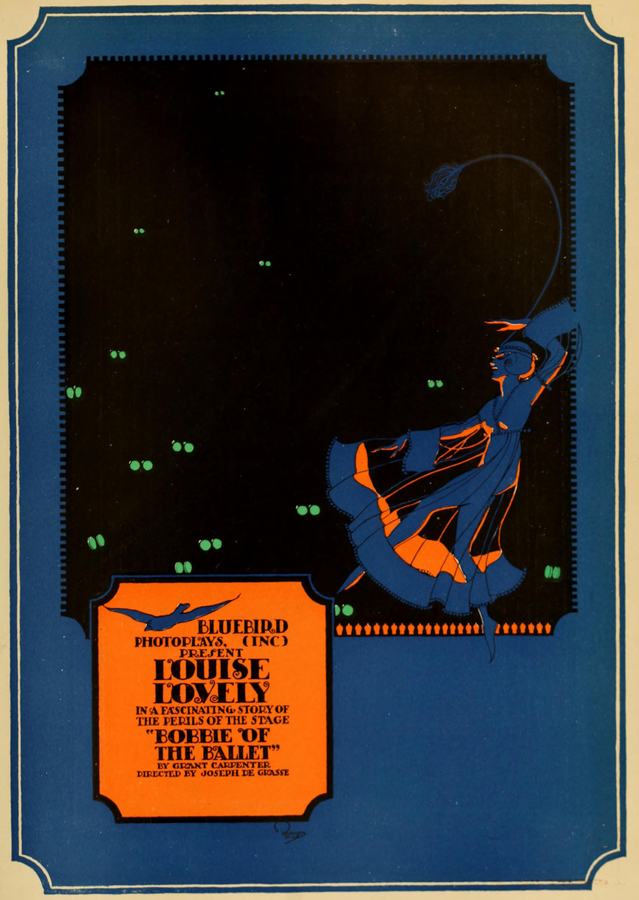
Dir: Joseph De Grasse
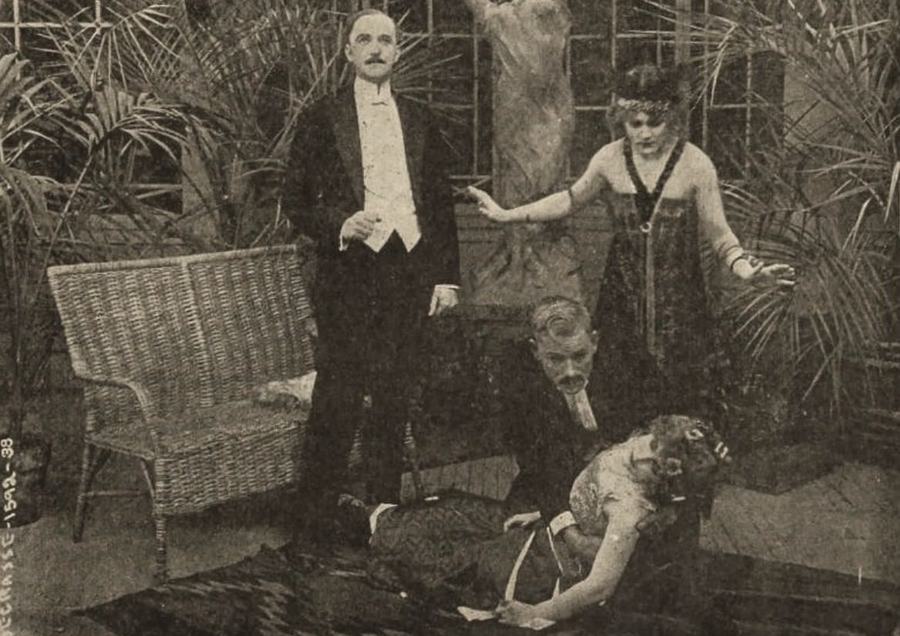
Young ballet dancer Bobbie Brent has lost her parents and must care for herself and her younger brother and sister. To keep the children, she pretends that they are her own children and not her siblings. Jack Stinson, her boyfriend, is aghast at this deception and breaks up with her. However, Jack's old girlfriend Velma is still jealous of Bobbie and comes up with a scheme to get rid of her once and for all so she can have Jack all to herself.
View Details
Dir: Joseph De Grasse
Joe Lawson, a corrupt gold miner, kills his partner, his partner's wife and his own wife for the mine, and steals his partner's child, while abandoning his own child. He starts an outlaw town. 20 years later, his son returns as does his partner, who's not really dead, but is rather unhappy.
View Details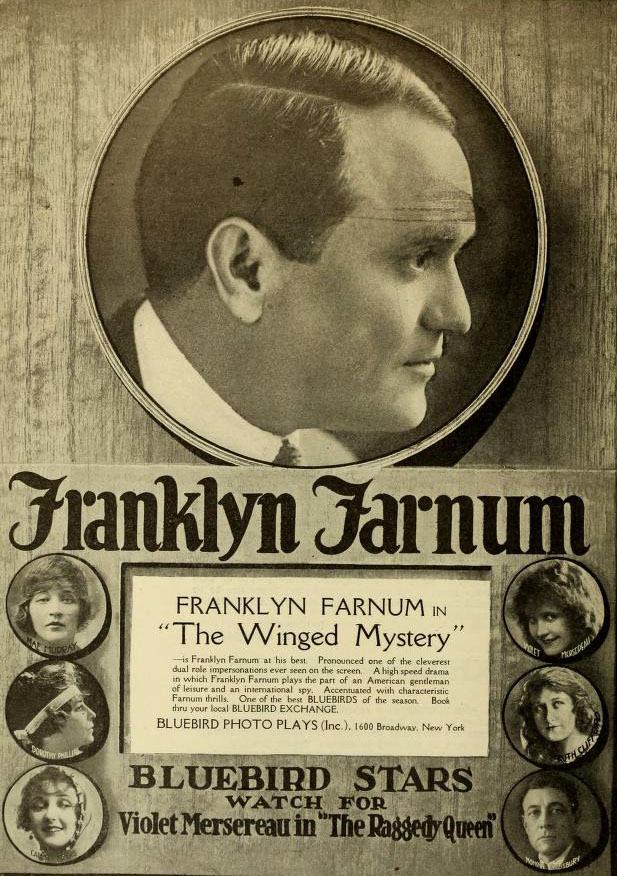
Dir: Joseph De Grasse
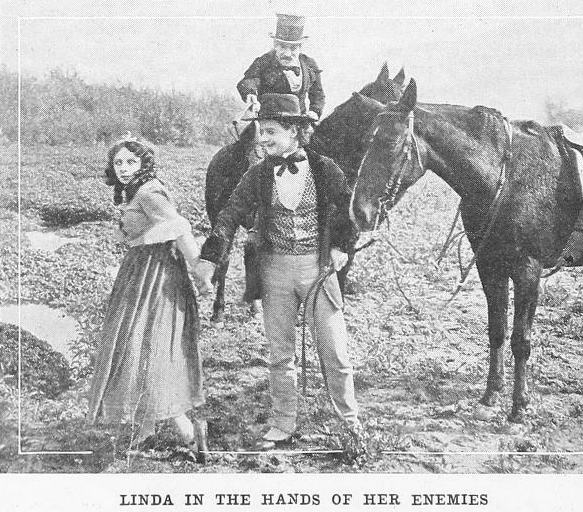
Louis and August Siever, twin sons of a German father and American mother, are traveling through Europe when war breaks out. August joins the Kaiser's army, while Louis, a loyal American, is trapped in Berlin for a year while he tries to prove his citizenship. After a violent confrontation with Louis, August steals his brother's passport and leaves for New York City with Gerda Anderson, a German spy. Louis also returns to the U.S., and sometime later is invited to a weekend party on Long Island by his wealthy friends, the Waynes. When August and Gerda learn of the event, they rent a nearby house and invite all of the Waynes' guests, including Louis, to a "mystery" party. Upon their arrival, the women are held prisoner and ransom notes are sent to their husbands via carrier pigeon. Shirley Wayne and Louis track down and are captured by the kidnappers. Meanwhile, Mortimer Eddington, an amateur detective, devises a method to trace the pigeons back to the house. Before Shirley and Louis come to harm, police officers arrive and demand the Germans' surrender.
View Details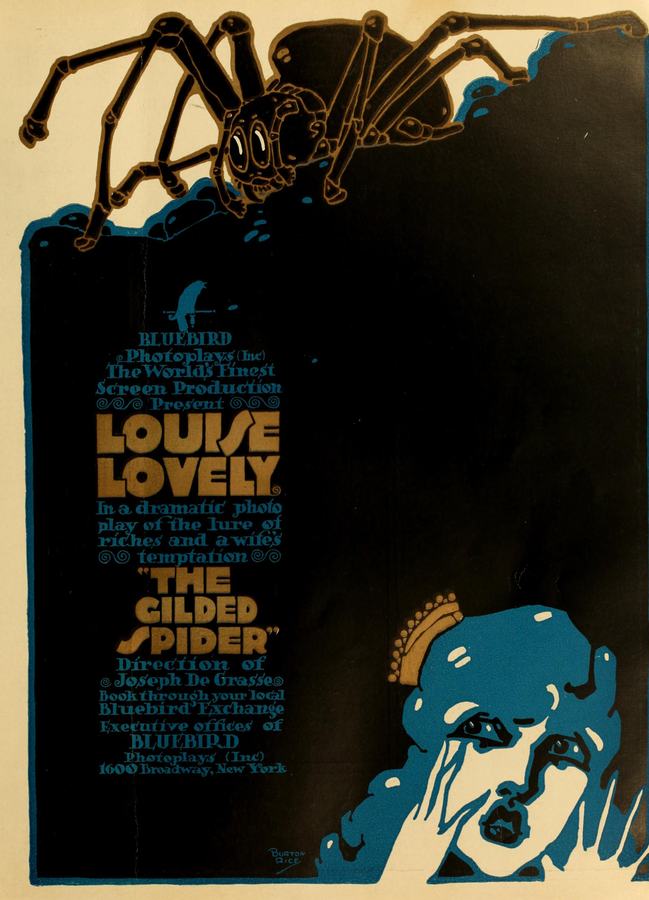
Dir: Joseph De Grasse
An unusual story about the crossing paths of the poor Italian family of sculptor Giovanni (Lon Chaney) and reckless American millionaire, Cyrus Kirkham (Gilmore Hammond). Louise Lovely plays two parts: Giovanni's wife Leonita, who comes to grief when Cyrus falls in love with her; and Giovanni's daughter Elisa, whose beauty brings a horrific resolution to the two families' woes.
View Details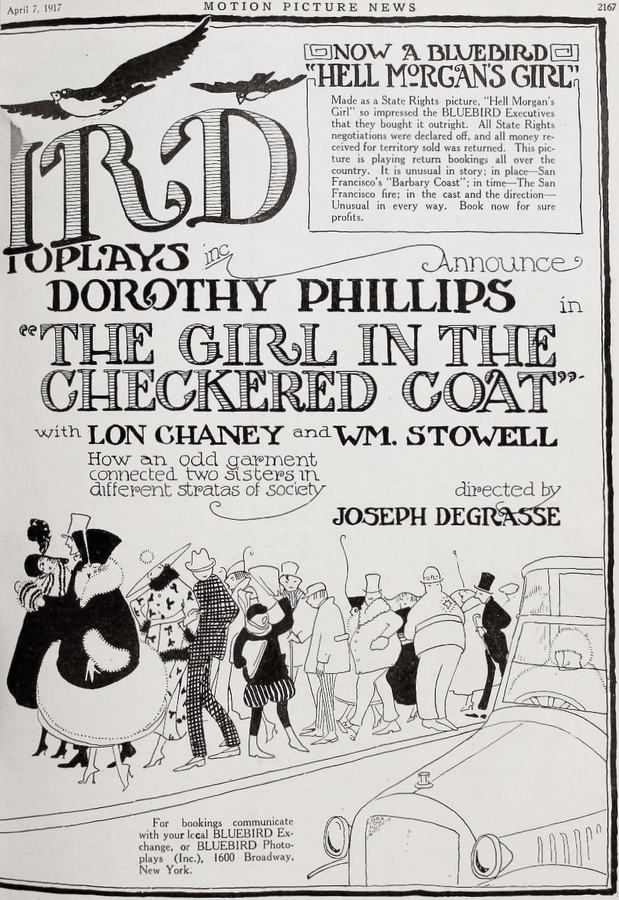
Dir: Joseph De Grasse
Mary and Fannie Graham are forced to live with their criminal father when their mother dies. Mary flees, but Fannie remains with her father and is reared as a thief, becoming known as "Flash" Fan.
View DetailsAnalysis relative to The Rough Lover
| Film Title | Atmosphere | Complexity | Similarity |
|---|---|---|---|
| The Grasp of Greed | Gritty | Layered | 97% Match |
| The Piper's Price | Ethereal | High | 87% Match |
| Father and the Boys | Surreal | High | 92% Match |
| Tangled Hearts | Gritty | High | 93% Match |
| The Grip of Jealousy | Gritty | Layered | 91% Match |
This guide was algorithmically generated using the cinematic metadata of Joseph De Grasse's archive. Last updated: 6/21/2026.
Back to The Rough Lover Details →