
DbcultAccessing Vault...
Recommendations
Senior Film Conservator
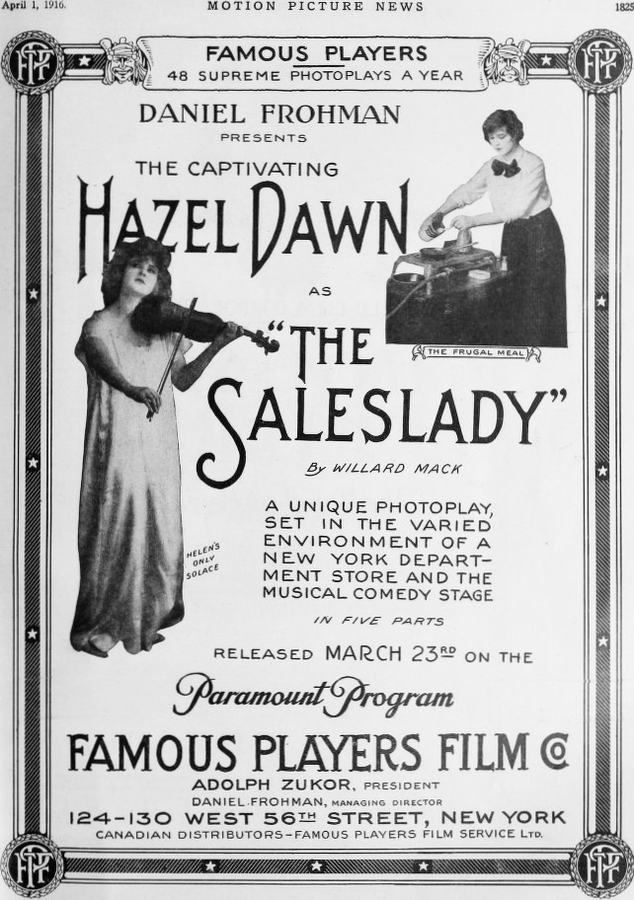
Ever since The Saleslady hit screens in 1916, fans have sought that same artistic bravery, the search for similar titles reveals the deep impact of Frederick A. Thomson's direction. These recommendations provide a deep dive into the same stylistic territory occupied by The Saleslady.
Whether it's the artistic bravery or the thematic depth, this film to capture the existential zeitgeist of 1916.
Poverty forces Helen Shirley, a country lass, into New York in search of a living. Shy and unsophisticated, Helen falls an easy victim of the notorious band which preys upon young girls and she is easily induced to go to a boarding house which is in reality the headquarters of the gang. Failing to find employment, she decides to give violin lessons and while practicing, she hears the agonized cough of a girl in the next room. Investigating, she discovered that the girl is in last stages of tuberculosis and that only instant removal to the mountains will save her. Moved by compassion, Helen impulsively sells the beautiful dog which is her only source of amusement and contrives to set the girl on the path to recovery. Practically penniless as the result of her kindness, Helen is ejected from her room but young Bruce Kerwin, a wealthy New Yorker, who has been attracted by her beauty, learns of her plight and induces one of the other girls in the house to "loan" Helen some money. Through the efforts of Burke, a mounted policeman and his sweetheart, the girl obtains employment in a department store where the advances of a floorwalker annoy her. When she repulses him, he contrives to have her discharged, but when she tells her story to the matron, she is taken to the manager and reinstated. The floorwalker, finding that Helen and young Bruce are going together, informs the boy's father that he is interested in a shopgirl. In the row which follows between father and son, Bruce leaves his home and then marries Helen. Soon after he is injured and Helen decides to try her luck on the stage. She is a tremendous success and scores a great hit, captivating, among others, the elder Kerwin, who does not suspect that she is his daughter-in-law. The old gentleman meets Helen; she, of course, is aware of his identity, and the girl adroitly wins his heart before revealing her identity.
The influence of Frederick A. Thomson in The Saleslady can be felt in the way modern cult films handle artistic bravery. From the specific lighting choices to the pacing, this 1916 release set a high bar for atmospheric immersion.
Based on the unique artistic bravery of The Saleslady, our vault has identified these titles as the most compelling follow-up experiences for fans of cult cinema:
Dir: Frederick A. Thomson
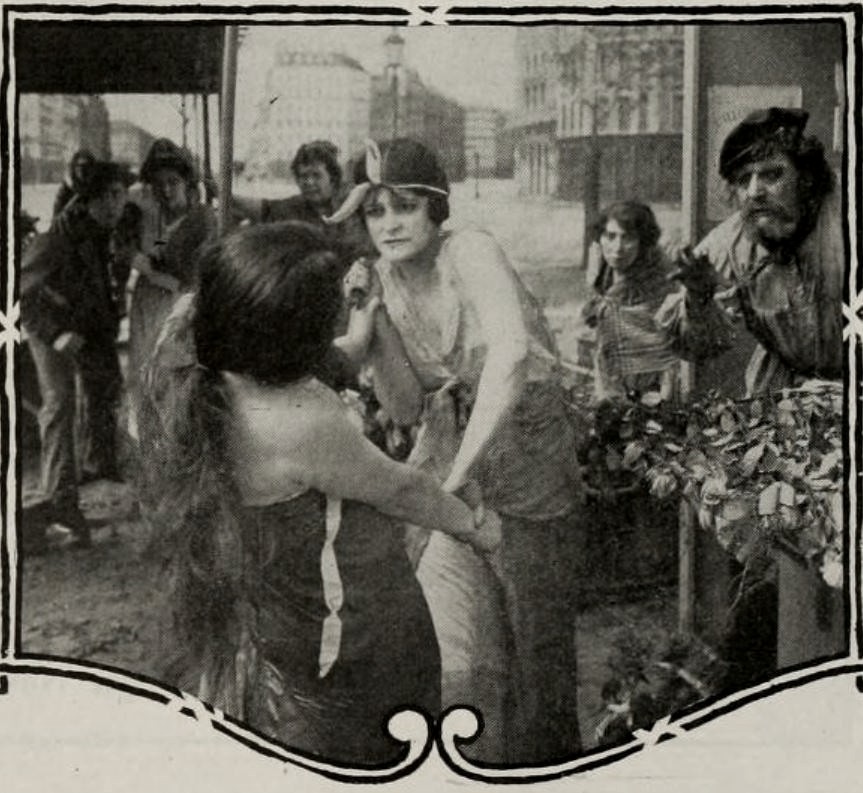
Dick Seymour is fortunate in having a nice father and a nice girl as sweetheart. Money is coming to him. But, tempted by woman and wine on the great White Way of New York, he falls down badly. His money is in Paris. In that city he goes from bad to worse and is accused of murder. From jail and death there seems no escape. But his father and sweetheart have been loyal to him and he is proved innocent of the crime and saved. He finds happiness by shunning bad company and bad habits.
View Details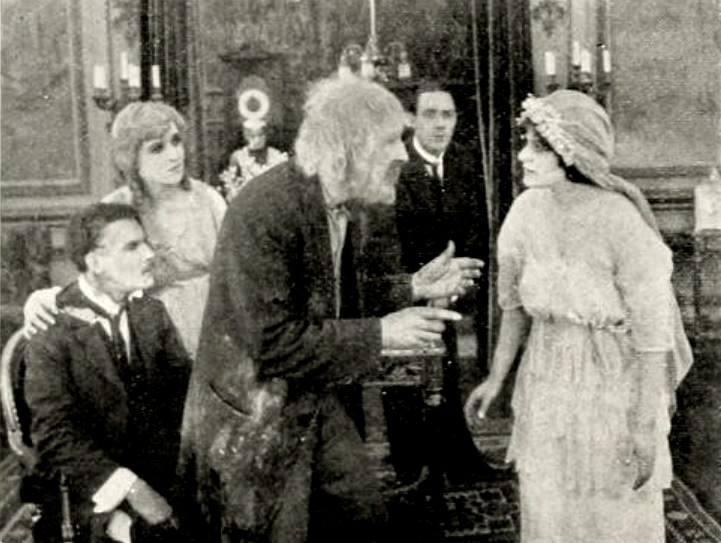
Dir: Frederick A. Thomson
A baronet's son marries a barmaid in order to qualify under the inheritance terms of a will.
View Details
Dir: Frederick A. Thomson
The famous story of Heidi, a little girl of the Swiss Alps, who is taken from her beloved grandfather to live in anguish in the city below, and how her grandfather sacrifices to bring her home.
View Details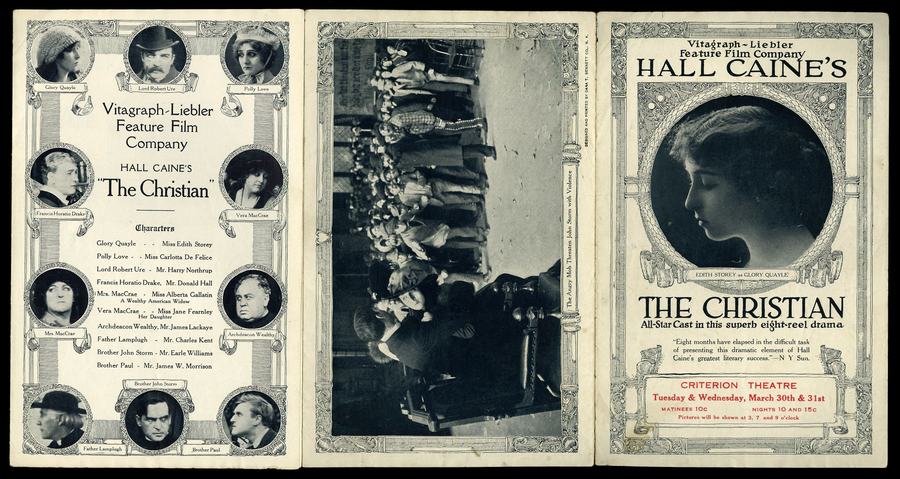
Dir: Frederick A. Thomson
Natural-born mimic Glory Quayle leaves her country home, reaches London, goes on the stage, and gains fame and affluence. Her country sweetheart John Storm, believing he has lost Glory forever, enters a monastery, tries to forget her, cannot kill his love, returns to the world, and becomes a famous slum worker and friend of the poor. Social vampire Lord Robert Ure, a beast in human form, betrays Glory's chum Polly Love. Glory tells John of Lord Robert's wicked treatment of poor Polly. John demands that Lord Robert marry Polly to save her from dishonor. Lord Robert refuses, as he intends to marry a rich American heiress, and a terrific clash erupts between the Right of John and the Might of Lord Robert. John exposes Lord Robert, who swears revenge. Polly dies of shame and a broken heart. Lord Robert plans fiendish revenge on John. He broadcasts the report that John predicts the end of the world on Derby Day, the greatest day of sport in England. John becomes an object of hatred. All Britain wrought up by John's alleged prediction. His former friends become bitter foes. The uneducated and weak are in mortal fear. Thousands and thousands incite riots against John Widespread and awful panics in the slums. Derby Day becomes a day of terror. (Wonderful scenes of the world-famous Derby Race, with its great horses and its terrific crowds, taken in England especially for these scenes.) John is a target for the vengeance of everyone, both rich and poor. He stands alone, with all the world against him. Glory rushes to his aid, quells the angry hordes and saves him from them. Through persecution, John's mind becomes unbalanced. That night, fearful for Glory, John goes to her home, tries to kill her to save her from a fate like the one which befell poor Polly. Glory rises supreme makes a magnificent defense, recalls John to his senses, helps establish his innocence, proves Lord Robert's guilt, accepts John's love, joins him for life, be it better or worse and in spite of the terror, the deep disappointment, the tribulations, the misunderstandings, in spite of all, Glory and John find happiness in each other's love.
View Details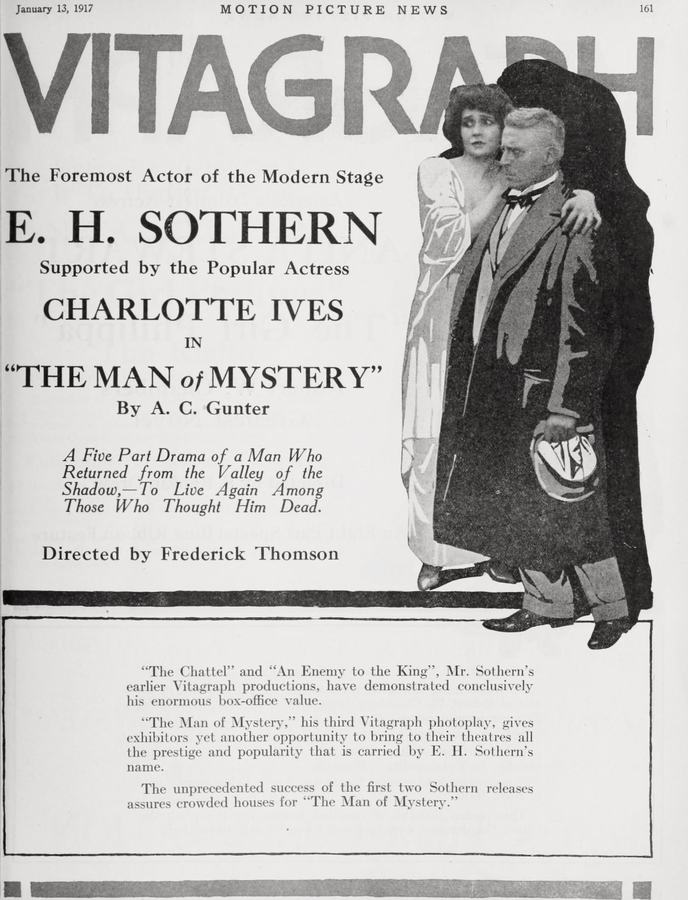
Dir: Frederick A. Thomson
Clara Angelo does not really love her husband, David, a distinguished Roman banker, who is old, ugly and bent. Unknown to her husband, her mother, Mrs. Brunschaut, has involved her in a foreign conspiracy, in order that she may add to the extravagance of her living. David Angelo becomes aware of the intrigue, but before he can discover just what it is, he is called to Naples on business. He leaves his fortune in care of his partner, Stroggi, to be given to Mrs. Angelo in case anything happens to him. On his trip back home he stops to see Vesuvius, and is caught by a sudden eruption and smothered under the hot ashes. He is, however, rescued, and under the treatment of a great scientist, is restored to health; his physical disabilities have also been removed, and he is straight and rejuvenated in appearance, so much so that the doctor tells him he would not be believed if he declared himself to be David Angelo, and he decides to let the world believe that he is dead. He returns to Rome and startles the national treasurer by his brilliant suggestions in connection with finance, spies on the conspirators who are seeking to compromise his wife, is introduced in his own home without being recognized, and prevents his wife's fortune being stolen by his former partner. He also wins his wife's love, and, upon consenting to marry him, she rejoices to learn that he is really the supposedly dead David Angelo.
View Details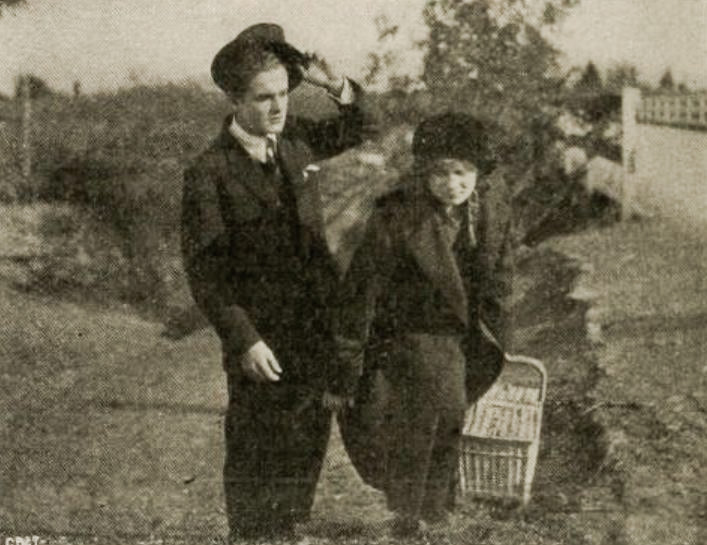
Dir: Frederick A. Thomson
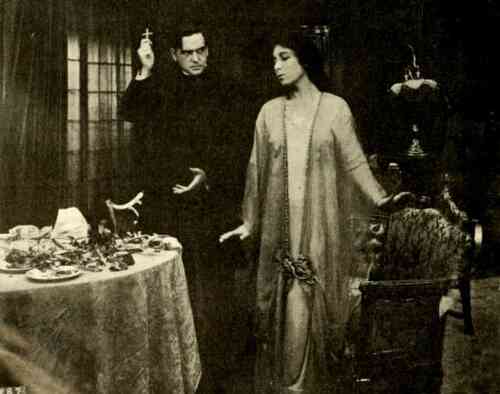
Tom, a young man in a small town, wants to marry his sweetheart Jane, but Jane's father won't allow it until Tom proves he can support her. Tom heads to New York City to make his fortune and prove to Jane's father that he has what it takes, but he meets and falls in love with Amy, a chorus girl who already has a wealthy suitor. Complications ensue.
View Details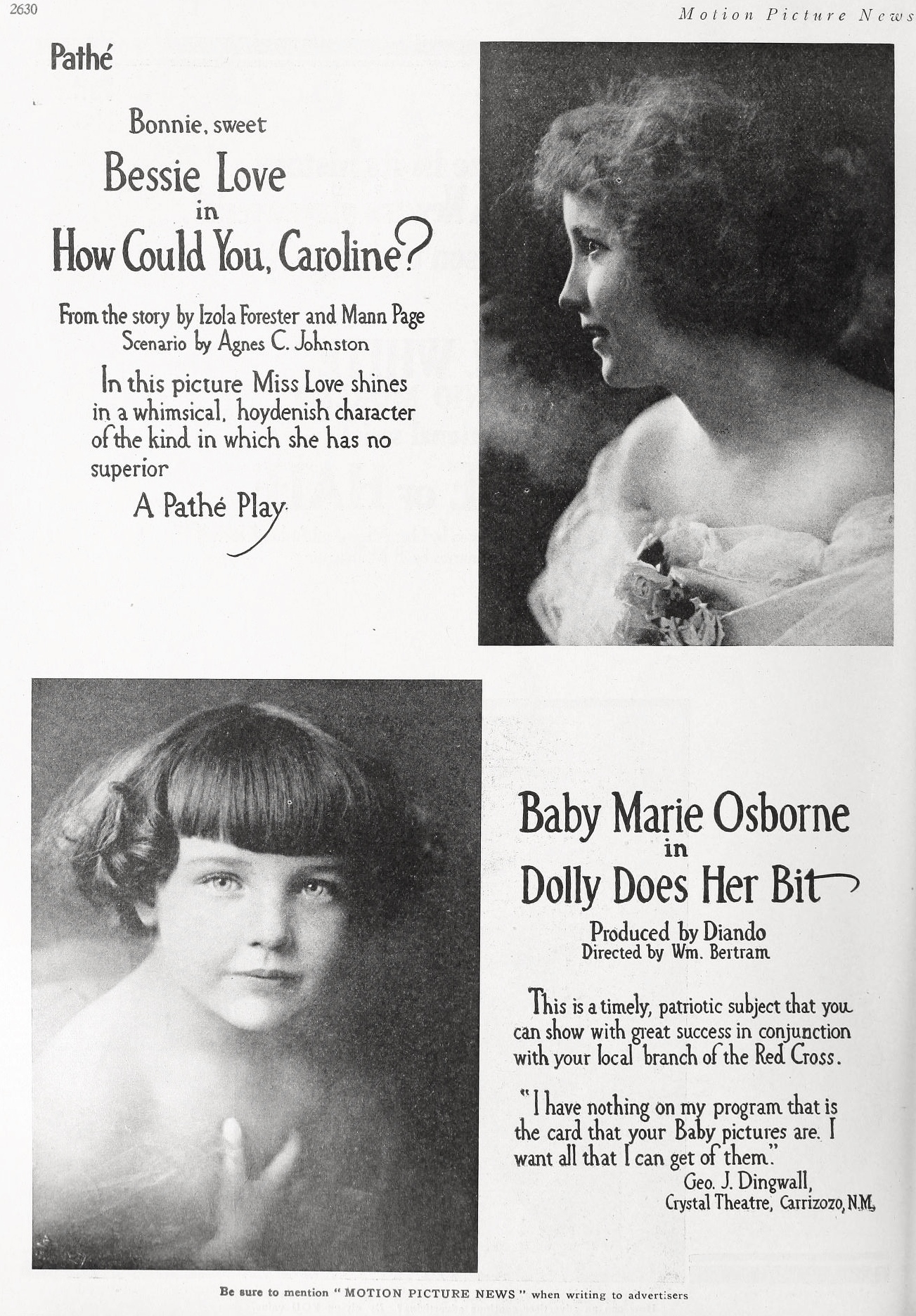
Dir: Frederick A. Thomson
Caroline Rogers, a spirited young girl with a taste for highly romantic novels, comes home from boarding school to attend her sister Ethel's wedding. Having read a particularly lurid novel entitled Twin Souls recently, she arrives at the rehearsal wearing a daring gown in the hope of ensnaring a "soul mate." Because of his poetic name, Caroline becomes involved with Reginald Van Alden, a married fortune-seeker. On the morning of the wedding, she abandons her old sweetheart, Bob Worth, to take a ride with Reginald, but when he takes her to a disreputable roadhouse, she escapes and then tries to commit suicide by drinking cologne. Later she becomes engaged to Bob and attends his bachelor party disguised as a cabaret dancer. At the party, the two are married in a mock ceremony, but the next day Bob reveals that the friend who presided at the "wedding" is a real judge, and that he and Caroline are legally married.
View Details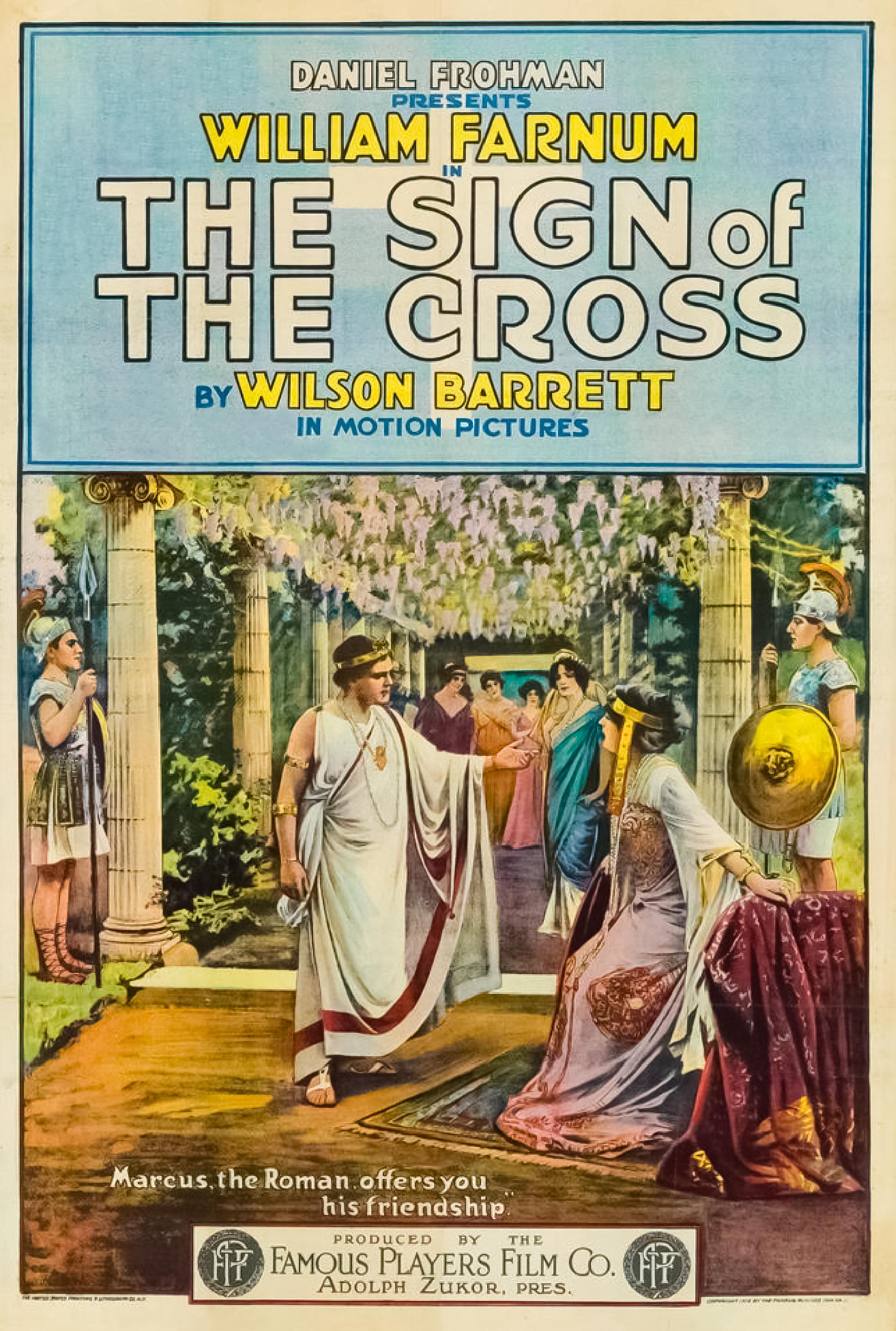
Dir: Frederick A. Thomson
Through the machinations of the Empress Poppaea and other women at court, Tigellinus, Nero's agent in the war against the Christians, convinces Nero to have Mercia arrested.
View Details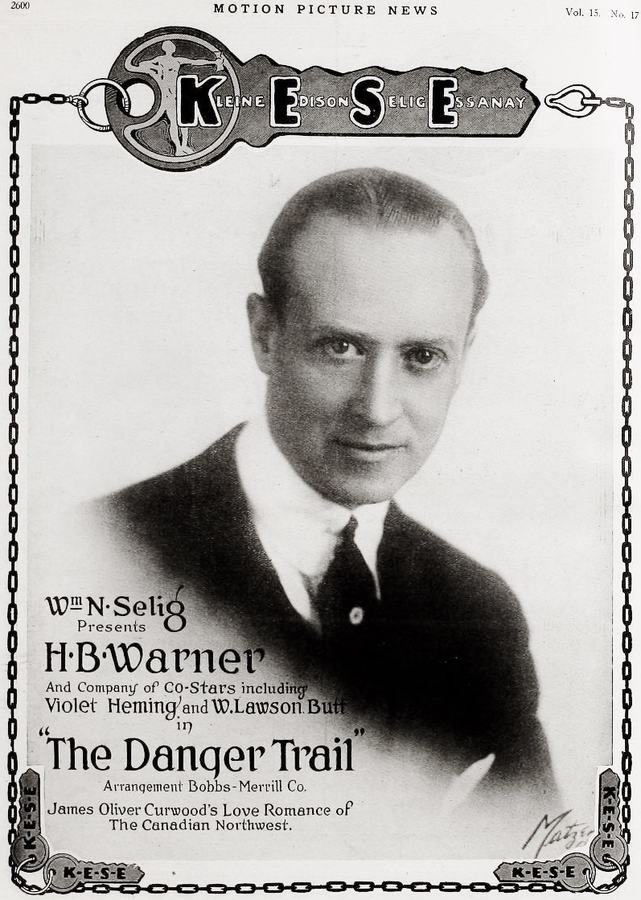
Dir: Frederick A. Thomson
John Howland travels to the frozen North to build a branch of the Hudson Bay Railroad. There he meets and falls in love with Meleese Thoreau who warns him that her three bloodthirsty brothers--Max, Pierre, and François--have sworn vengeance against a man named John Howland, the son of a man who killed their mother, and that torture and death await him along the route to his station. Just as Meleese said, Howland is pursued by the vengeance starved brothers. Captured and near death several times, Howland manages to escape with the assistance of Meleese and the Jean Croisset, until the brothers discover that they have been pursuing the wrong Howland, and all ends happily with the union of the two lovers.
View Details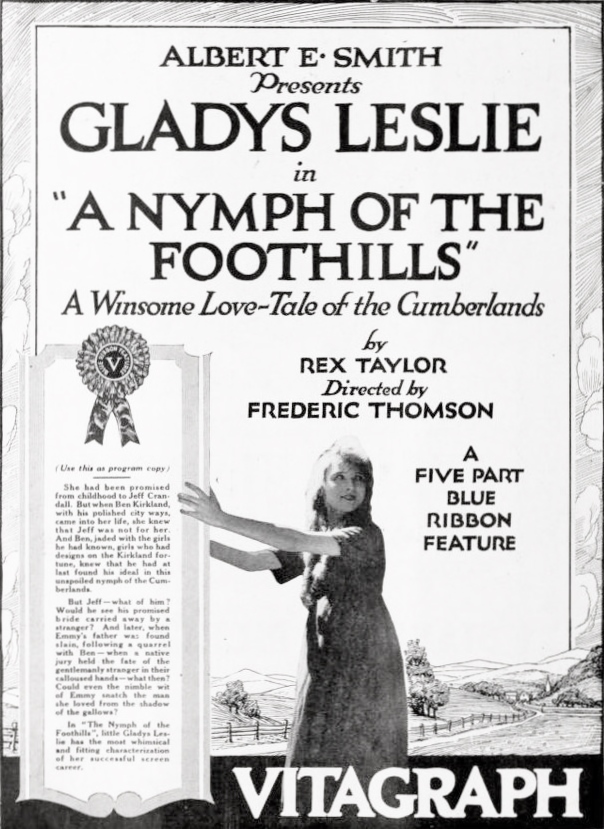
Dir: Frederick A. Thomson
While camping in the mountains, city-bred Ben Kirkland meets mountaineer's daughter Emmy Chaney, and the two decide to marry although her father wants her to marry his hunting partner, Jeff Crandall. When Emmy's father threatens to kill Ben, the young lovers hastily marry and move to the city. Meanwhile, Ben's friend Tubby, while hunting with Ben's gun, discovers Mr. Chaney's body and flees, believing himself a killer. Ben departs on a business trip, and in his absence his snobbish relatives force Emmy to return to the mountains, where she learns that Ben has been accused of her father's murder. When Ben arrives looking for his wife, he is arrested. At the trial, Tubby is about to confess his guilt when an old hermit reveals that Jeff committed the crime. The lovers reunite and resume their happy marriage.
View DetailsAnalysis relative to The Saleslady
| Film Title | Atmosphere | Complexity | Similarity |
|---|---|---|---|
| The Model | Surreal | Layered | 85% Match |
| After Dark | Gritty | Abstract | 95% Match |
| Heidi | Surreal | High | 85% Match |
| The Christian | Gothic | Abstract | 91% Match |
| The Man of Mystery | Surreal | Linear | 92% Match |
This guide was algorithmically generated using the cinematic metadata of Frederick A. Thomson's archive. Last updated: 6/24/2026.
Back to The Saleslady Details →