
DbcultAccessing Vault...
Recommendations
Senior Film Conservator
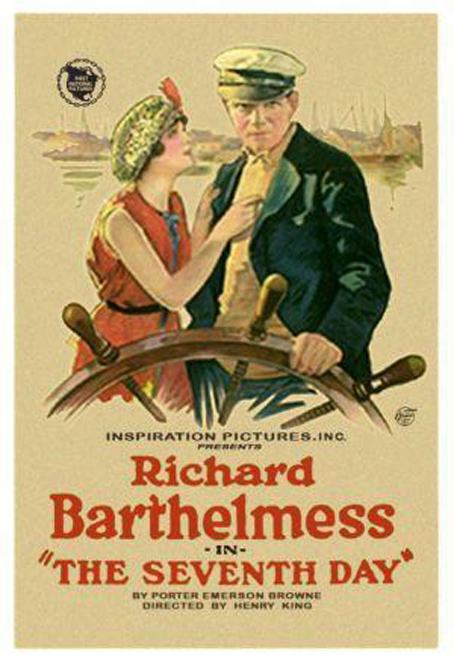
The evocative power of The Seventh Day (1922) continues to haunt audiences with its nuanced performance, its status as a United States icon makes it a perfect starting point for discovery. The following gems are essential viewing for anyone captivated by The Seventh Day.
The visceral impact of The Seventh Day (1922) stems from to serve as a cornerstone for Romance enthusiasts worldwide.
New York socialites on a yachting trip dock at a New England fishing village. Two engaged couples become infatuated with local siblings, leading to romantic entanglements and disrupting existing relationships.
Critics widely regard The Seventh Day as a cult-favorite piece of Romance cinema. Its nuanced performance is frequently cited as its strongest asset, solidifying its place in United States's film legacy.
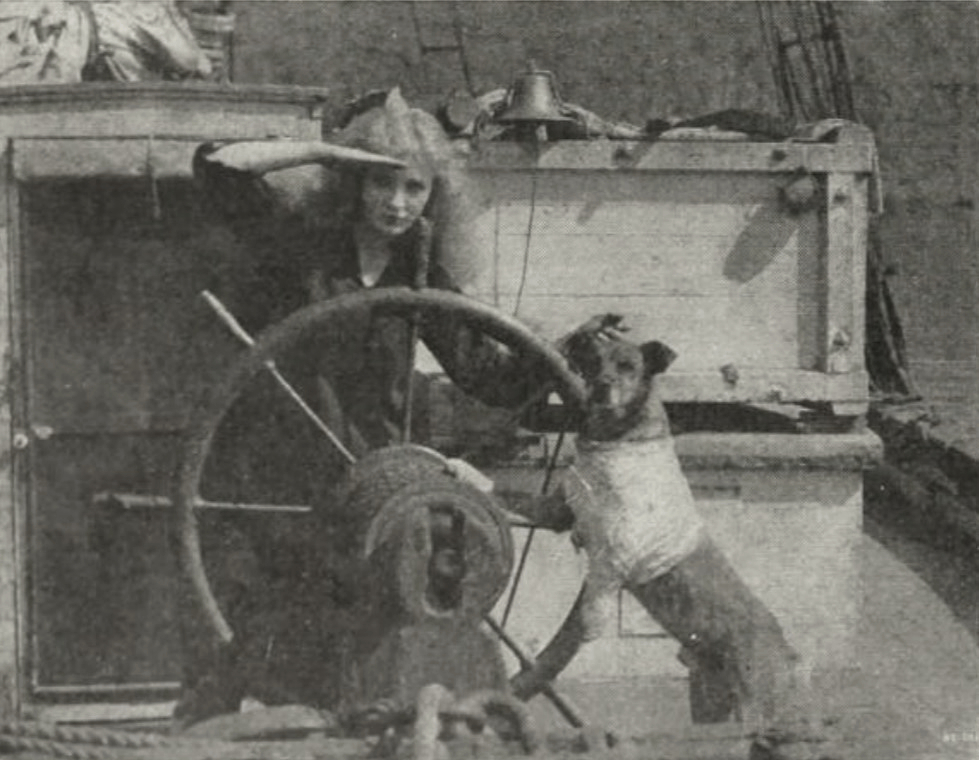
Based on the unique nuanced performance of The Seventh Day, our vault has identified these titles as the most compelling follow-up experiences for fans of Romance cinema:
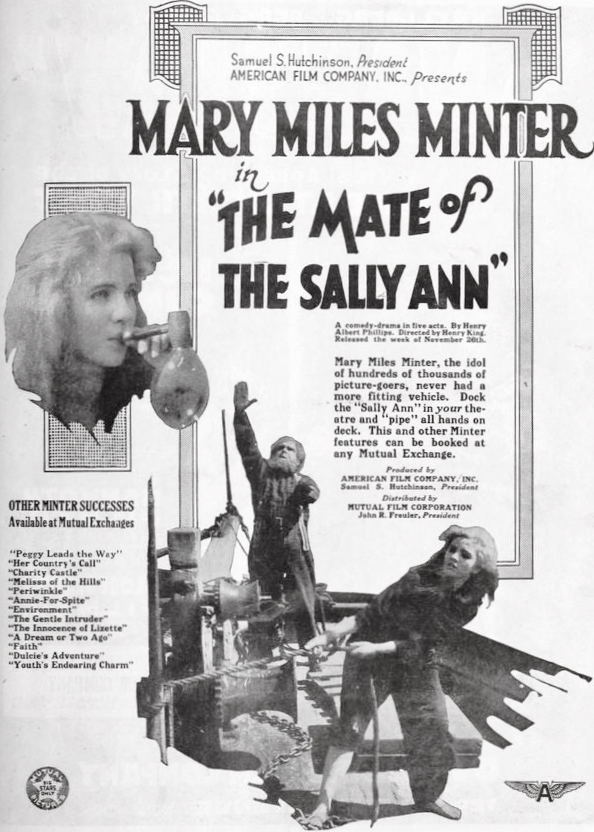
Dir: Henry King
Old Captain Ward, who hates society, lives in the hulk of his ship with his granddaughter Sally, whom he prevents from meeting people. Because Sally's mother died in childbirth without revealing the name of Sally's father, the captain continually vows to avenge her death. When Sally finds Teddy, a lame dog, she smuggles it aboard, but it runs away, and she follows it to a beautiful house belonging to the famous Judge Gordon. Hugh Schuyler, the judge's young friend, and Sally fall in love. After the captain chases Hugh away, Sally attends the judge's party, dressed in fine clothes which the judge bought, but the captain finds her and takes her away. When the judge visits the captain and confirms his suspicion that Sally is his daughter, the captain attempts to kill him. Sally intercepts a blow, and awakens to find that the judge has proven that he secretly was married to her mother, but because of illness, had lost contact with her. Sally accepts Hugh's proposal, and they sail away with the judge, the captain, and Teddy and his family.
View Details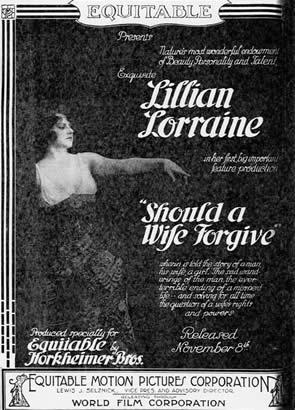
Dir: Henry King
Seductive vamp La Belle ( Lillian Lorraine ) sets out to steal Jack Holmes ( Henry King )away from his loving wife Mary ( Mabel Van Buren ). He foolishly spends every penny on the vamp , leaving his wife almost destitute. La Belle is killed by a jealous suitor and the evidence points to Jack. However, he is given an reprieve by the way of a letter written by La Belle claiming she had intended to commit suicide. Should his wife now forgive him ?.
View Details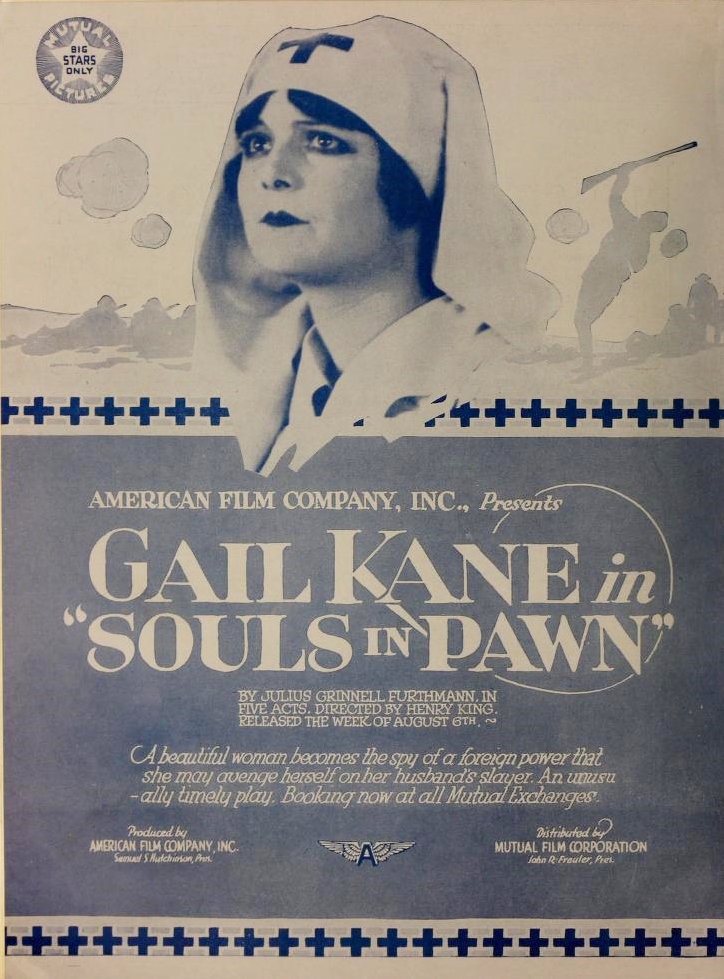
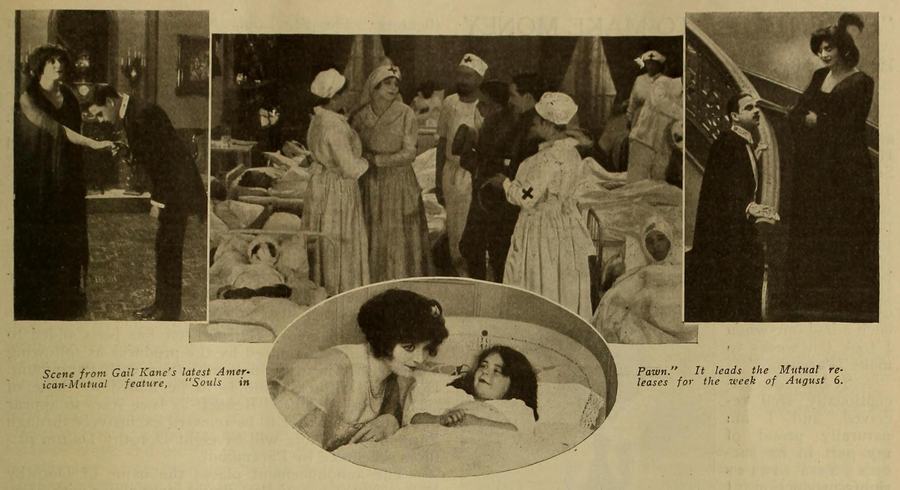
Dir: Henry King
Chief of the German secret service in Paris, Prince Kondemarck has been ordered to secure for his government the service of the most clever and beautiful woman obtainable. Liane Dore, widow of the late Sebastian Dore, who was killed mysteriously, agrees to serve on the prince's promise to reveal in one year the name of the man who killed her husband, against whom she has sworn vengeance. Unknown to Liane, the prince himself accidentally killed Dore who, posing as a bachelor, betrayed the prince's sister. In the course of their association as spies, Liane and the prince fall in love. When war comes, Liane throws her home open to wounded Frenchmen, and Baron Arnorld von Pollnitz, a German spy seeking revenge on the prince, denounces Liane as a spy. Arrested and sentenced to death, she is saved by the prince. After learning that her rescuer was her husband's killer, Liane is on the verge of betraying him when he produces letters which prove her husband's duplicity, and together they flee on board the prince's yacht.
View Details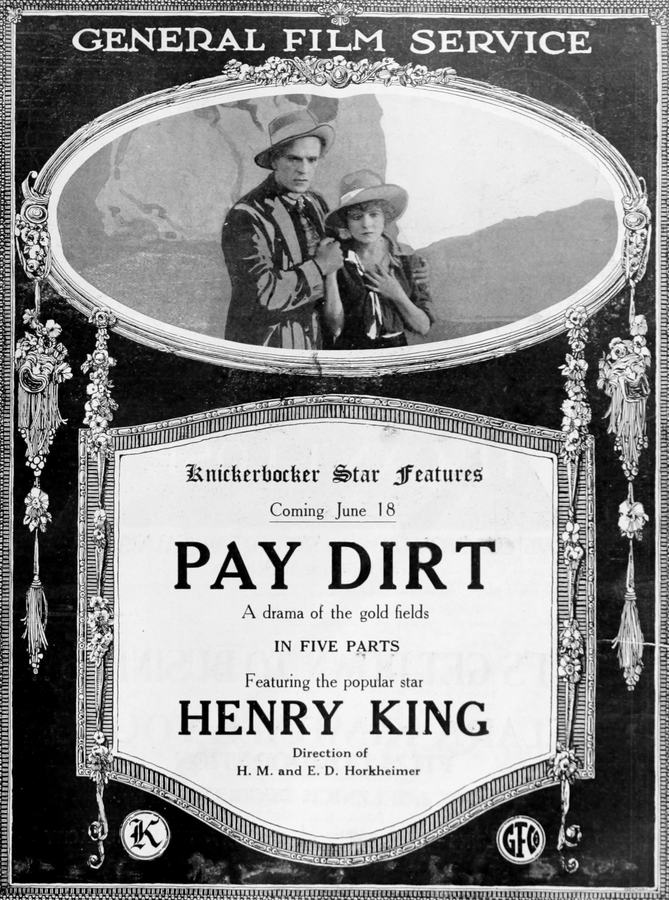
Dir: Henry King
While he digs for gold day by day, "The Easterner," a young miner, gambles by night. A woman of the camps, named Moll, takes an interest in him and tries to break him of the habit that is his ruin. He laughs at her, but after she saves his life he promises to quit playing. Kate Gardner, a girl of the west loves him, and she is turn is loved by Bill Turner, a miner. Turner proves to her that the Easterner loves Doris Wendell, daughter of a wealthy land owner. She, with Moll, is instrumental in saving the Easterner's life when he is about to be lynched by a mob at the command of the jealous Turner. Peter Gardner, her father, covets the Easterner's claim and bribes Dick Weed, the gambling house proprietor, to help him get the claim. They attempt to make him gamble, but he is true to his promise. Later he discovers that Moll is his mother, whose passion for gambling he has inherited. Oby, a half-wit. Haunts the camp. Moll and her son try to live respectably after Doris has broken the engagement because the Easterner refuses to disown his mother. But the passion for gambling proves too strong. Moll rushes out of the house to the Hall of Chance. Her son is inveigled by Weed and Gardner into betting his claim. As he loses, Oby snatches away the tablecloth, jumbling the cards. Gardner, in a rage, strikes him down. His memory returns and he recognizes Gardner as the man who robbed him many years before, and shoots him. Dying, Gardner admits that Kate is Oby's daughter. Reunited with her father, she marries the Easterner.
View Details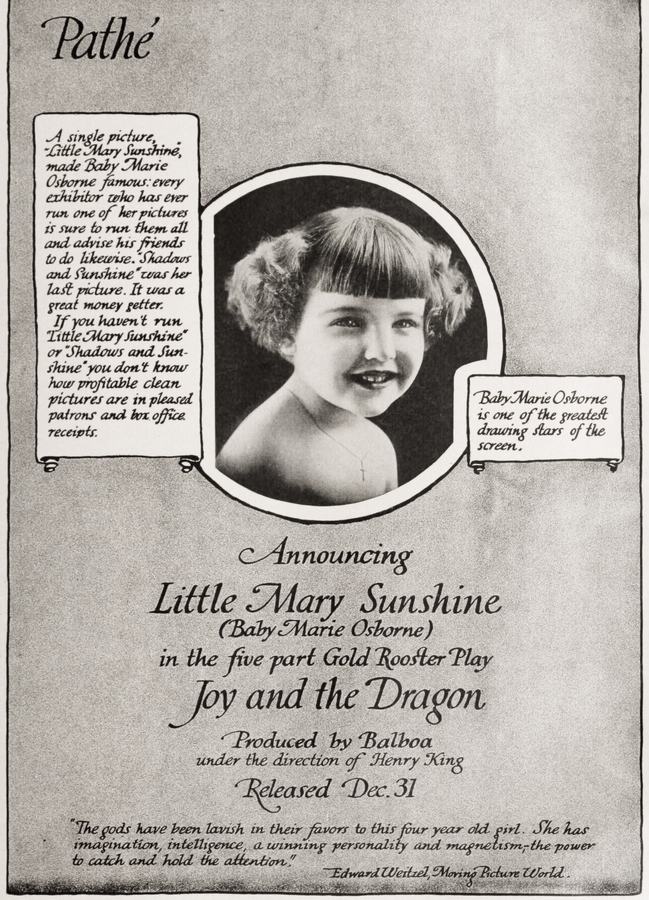
Dir: Henry King
Young Joy ( Baby Marie Osborne ), the sole survivor of a shipwreck that killed her parents, is rescued by fishermen and then placed in an orphanage. Although reputable on the surface, the home really functions as a front for some crooks who want to keep Joy there because she carries with her all of her mother's jewelry. Joy manages to escape, but without the jewels, and then stows away on a train heading out West. After arriving, she meets Hal Lewis ( Henry King ), who has been made an outcast by his upper crust Eastern family. Hal soon adopts the little girl and, becoming stronger and more serious through the responsibilities of parenthood, he returns home with Joy. Then, after receiving his father's forgiveness, Hal breaks up the orphanage gang and retrieves Joy's jewels.
View Details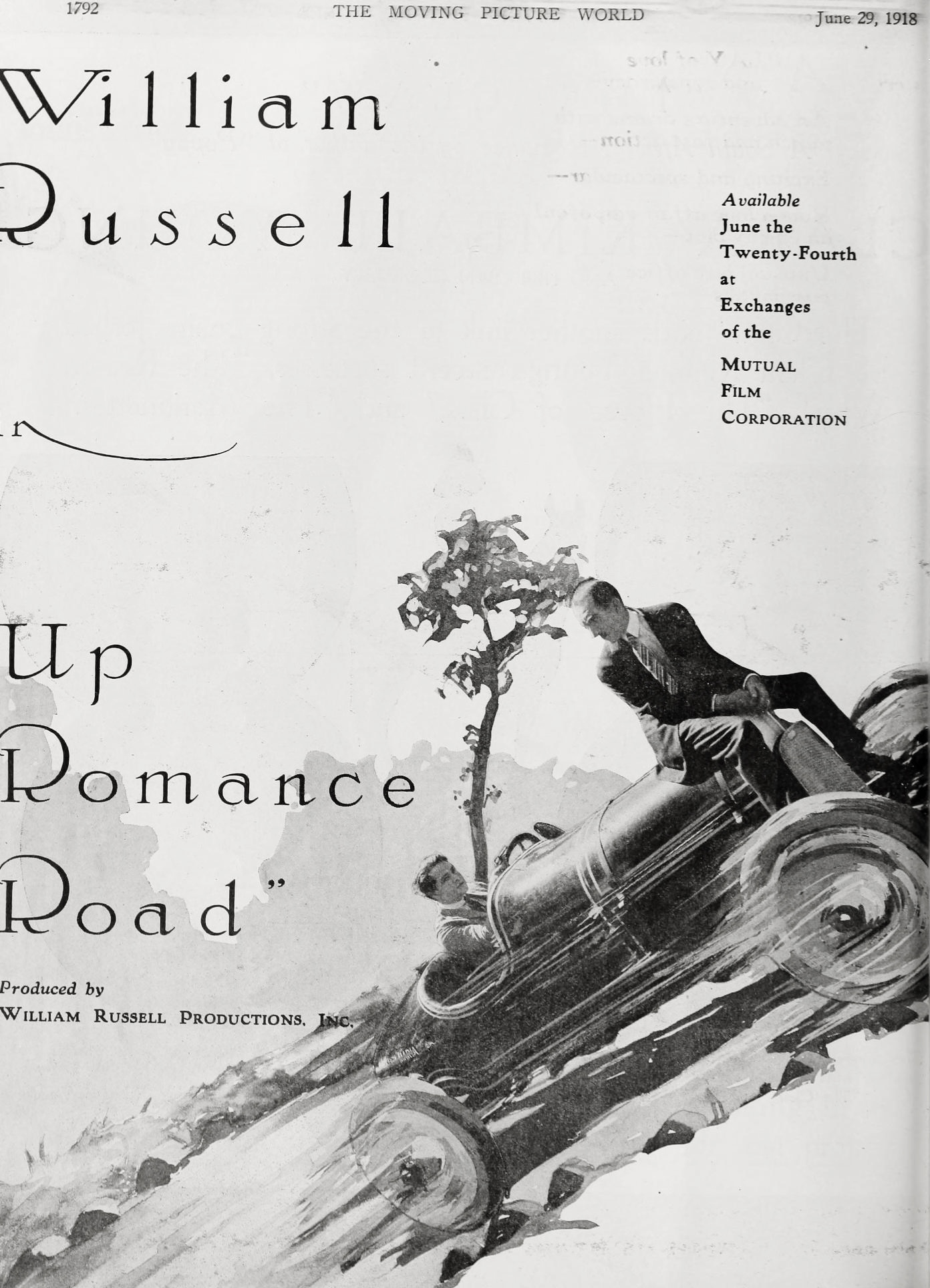
Dir: Henry King
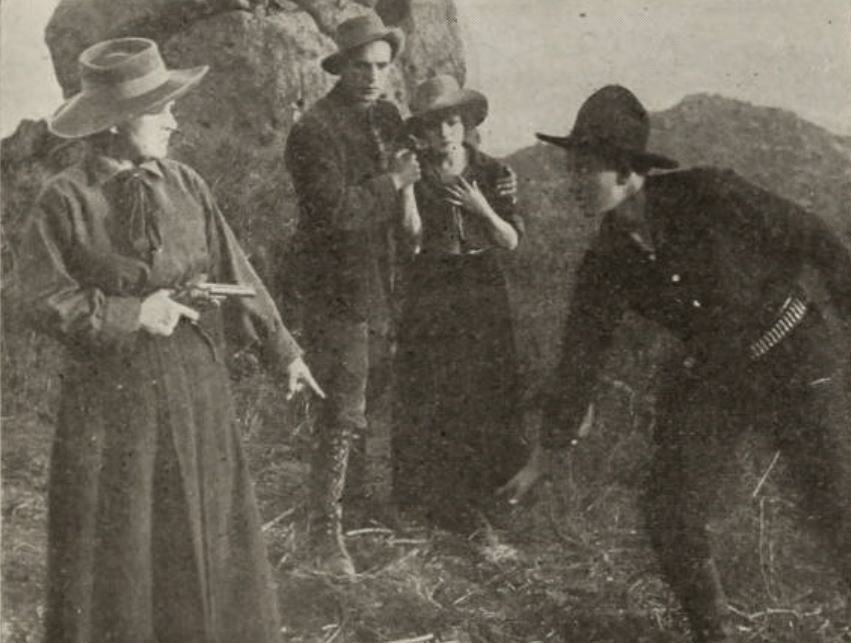
Gregory Thorne and Marta Milbanke are engaged. Their fathers are millionaire ship owners. Gregory's efforts to inject a little excitement into their engagement life are fruitless, but when Mr. Milbanke receives an anonymous letter which threatens disaster to his home and fortune if he permits a shipload of supplies for the Allies to leave the docks the young man sees an opportunity for creating what he longs for and tells Mr. Milbanke that he knows who has written the letter but that he will not divulge the man's identity. Gregory, who suspects Count Hilgar Eckstrom, is told that he must terminate his engagement with Marta. But this is what Gregory wants, so he plans to abduct his sweetheart. Gregory's men clash with Eckstrom's gang, who has also come to kidnap Marta, and the disturbance results in the arrival of the police. Marta by mistake, allows herself to be carried off by Eckstrom's men and is taken a prisoner. Gregory, following, is also made a captive, and the young people are held as hostages. How Gregory outwits Eckstrom and places him and his gang in the hands of the law brings about a startling climax.
View Details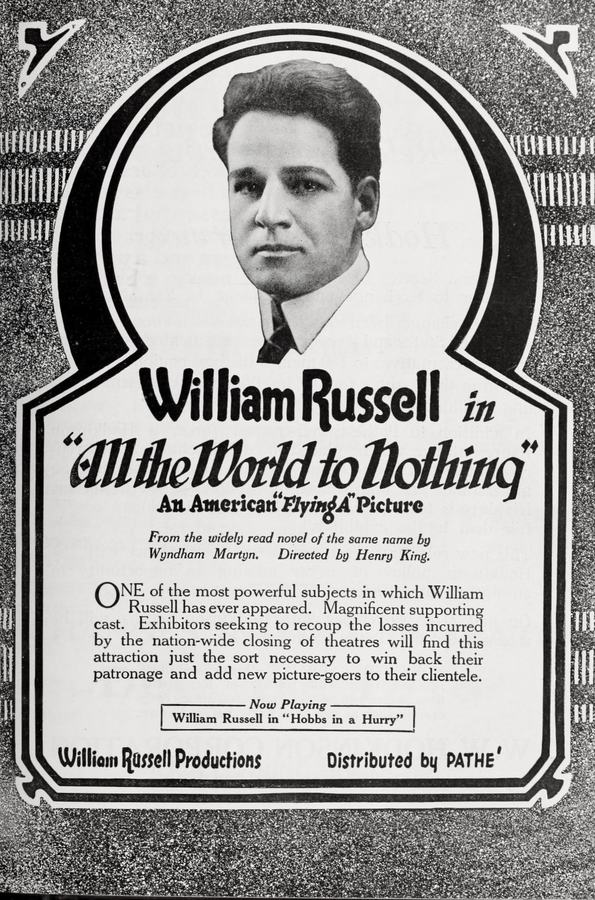
Dir: Henry King
Richard Chester, a bachelor who has lost everything in a poker game, blunders into the apartment of Nora Ellis, who has just inherited a fortune under the stipulation that she marry immediately. Assuming the name Chester Dick, Richard marries Nora and leaves. Unaware of this marriage of convenience, Charles Renalls, Nora's suitor, later assumes that her wealth is the only impediment to their union and conspires to ruin her on the market. Upon learning of his scheme, Richard ruins Charles. Nora falls in love with Richard, not recognizing her benefactor as her husband of an evening. Hoping to spoil Richard's chances with Nora, Charles tells her that Richard is already married and that he carries his wife's picture in his pocket. To her surprise and delight, Nora discovers that the incriminating picture is her own photograph and that Richard is already her husband.
View Details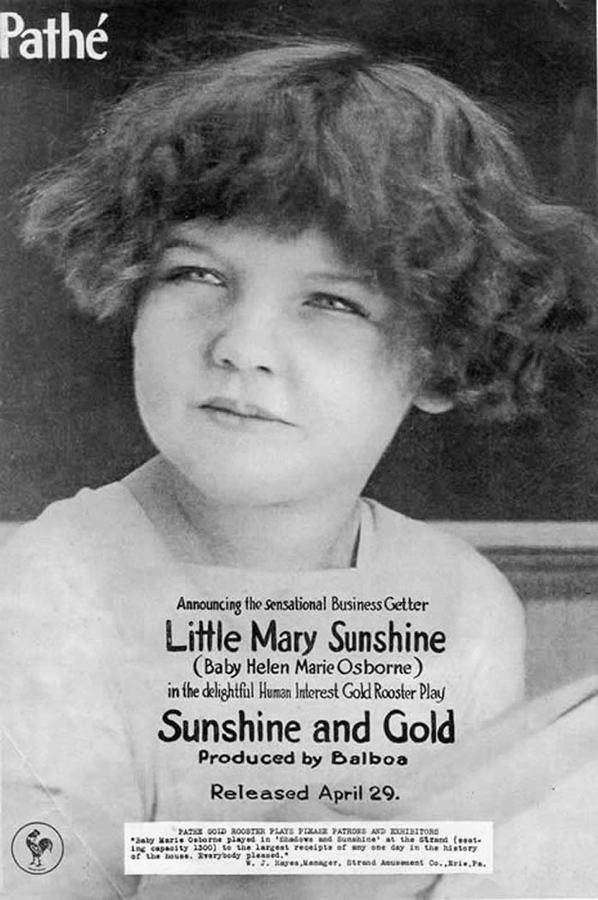
Dir: Henry King
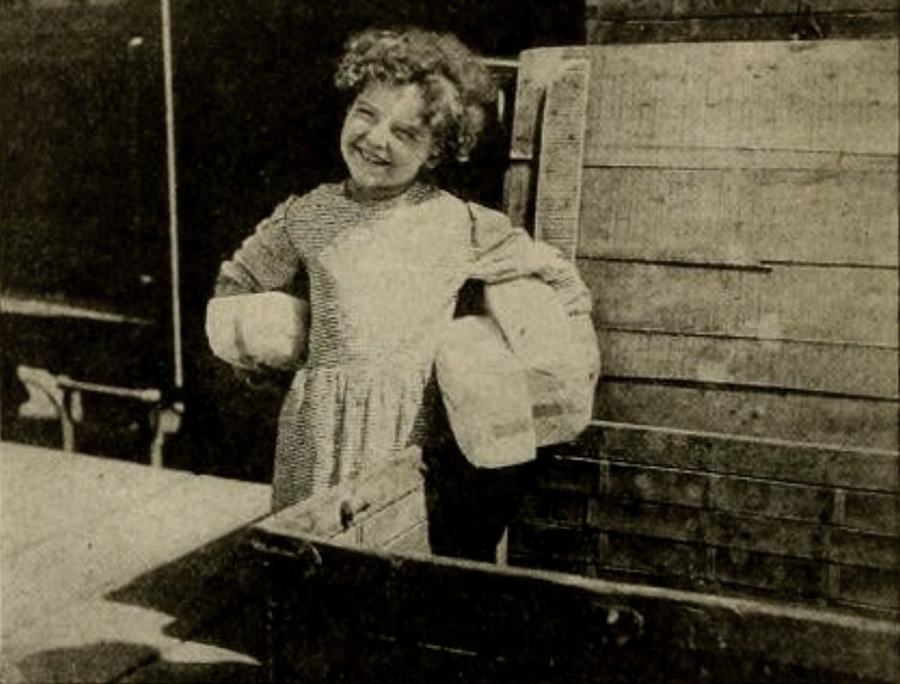
Shouts of joy and the clapping of many tiny hands welcomed the arrival of the big birthday cake. For this was Little Mary's birthday. To celebrate all Mary's little friends had been invited and the big event which preceded the supper and the cutting of the cake was a performance of Cinderella and the affair of the glass slipper. Little Mary forgot to leave at the hour of 12, and when she was called away by the fairy she dropped her glass slipper on the stair. Of course, to every one's amazement, when the Prince went looking for the owner of the slipper, the only one whom it fitted was Little Mary. The party and the excitement was all over, and, as an added help to recuperate from the strain of starring. Little Mary the next day went auto riding with the chauffeur. But fate then took a hand in the story of Mary's life. Captured by Gypsies and later escaping in the midst of a battle royal amongst the tribe she finally made her way to the hut of a crabbed old man, but she finally overcame his crabbedness by her cute and winning smile. Unknown to Little Mary, her benefactor was in reality her grandfather, James Andrews, who had taken his money to this backwoods place because of his son, Dr. Andrews, who had married against his wishes. The chauffeur, wild with anxiety, finally located Little Mary in the cellar, where she had gone to help the old man, who had fallen while miserly counting his money. Would they be able to reach the city in time? They faced a hard task, but Little Mary had known harder work when she had starred in Cinderella.
View Details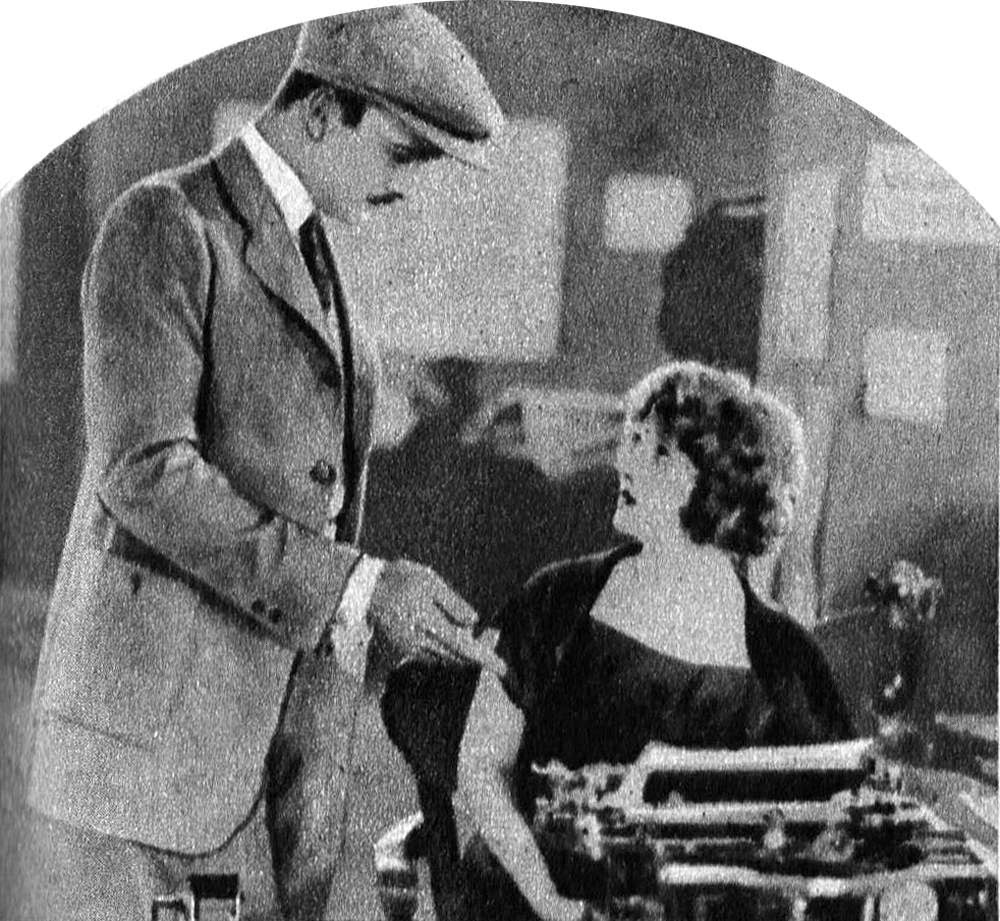
Dir: Henry King
Run out of town when he exposes crooked politician Jarvis McVey in the pages of his newspaper, Burton Grant asks his daughter Sylvia to turn the Daily News over to his dynamic young city editor, Frank Summers. Having inherited her father's journalistic talents, however, Sylvia fires Frank and takes charge of the paper herself, decorating the city room with bows and printing several rather silly "scoops." In the meantime, Frank learns that McVey and the president of the railroad have become involved in a dishonest scheme concerning the city franchise, and when Sylvia hears this, she publishes an extra, stating that McVey should be tarred and feathered. Sylvia's father arrives just in time to prevent the angry townspeople from carrying out her suggestion and then compels McVey to leave town. Grant orders Sylvia to return to school, but she decides to become Mrs. Frank Summers instead.
View Details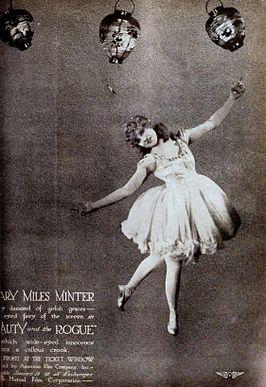
Dir: Henry King
Roberta Lee, who is concerned with reforming ex-convicts, convinces her wealthy father to hire ex-robber "Slippery" Bill Dorgan as a gardener in their home. Bill tries at first to reform himself, but soon yields to temptation and steals Roberta's jewels. To avoid publicity, Roberta takes a trip to the country, where she meets Richard Van Stone who, under an assumed identity, is conducting business for her father. Taken with Roberta, Richard unwittingly buys Roberta's own brooch from Slippery Bill, presents it to her, and is arrested for the robbery. When Roberta is kidnapped, Bill rescues her and returns the jewels, after which she drops the robbery charges and marries Richard.
View DetailsAnalysis relative to The Seventh Day
| Film Title | Atmosphere | Complexity | Similarity |
|---|---|---|---|
| The Mate of the Sally Ann | Ethereal | Layered | 95% Match |
| Should a Wife Forgive? | Ethereal | Linear | 92% Match |
| Souls in Pawn | Gritty | High | 95% Match |
| Pay Dirt | Tense | Linear | 92% Match |
| Joy and the Dragon | Gothic | Dense | 86% Match |
This guide was algorithmically generated using the cinematic metadata of Henry King's archive. Last updated: 6/25/2026.
Back to The Seventh Day Details →