
DbcultAccessing Vault...
Recommendations
Senior Film Conservator
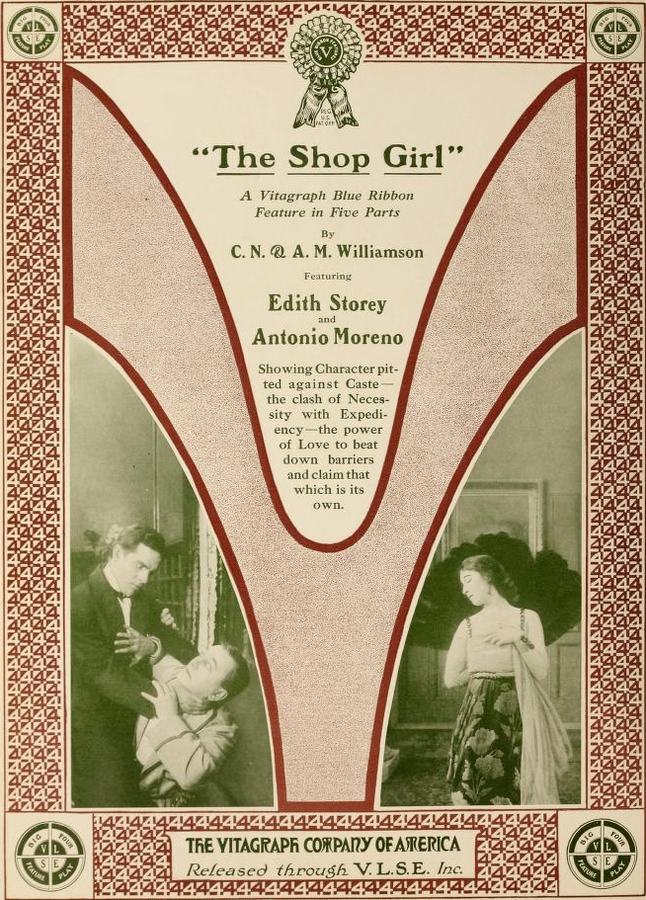
The artistic legacy of George D. Baker was forever changed by The Shop Girl, the thematic layers of this 1916 classic invite a wider exploration of the genre. This list serves as a bridge to other cult experiences that are just as potent.
The vintage appeal of The Shop Girl to reinvent the tropes of cult cinema for a global audience.
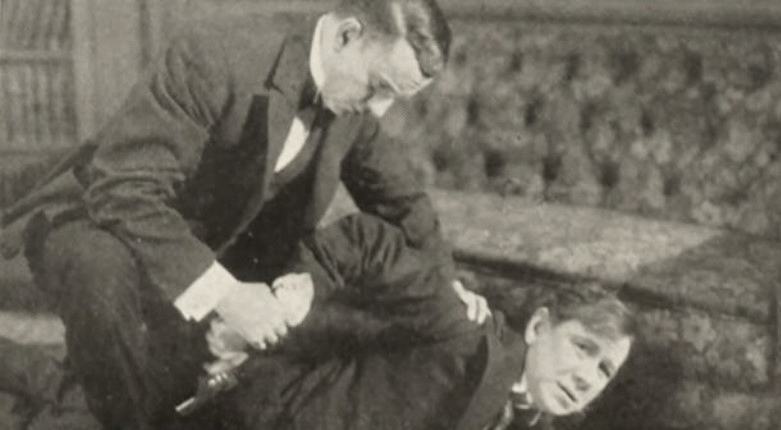
Peter is smitten with Winifred, a model, whom he met on board the steamer returning from Europe, but is discouraged by his sister, Ena, who is more ambitious for him. Peter is the son of Peter Rolls, the wealthy New Yorker. Ena tells Winifred that Peter is engaged to Eileen, sister of Lord Ravglan and that he is just trifling with her. Winifred believes her and refuses to speak to him. Before disembarking, Ena gives Winifred a stylish gown which she bought in New York. Winifred is working in a stylish modiste's shop. One of the best customers insults her and she slaps his face. Mme. Nadine, the modiste, sees her action, and fearful of losing the customer, discharges her. She tries to get a position in the other shops, but in each case finds herself blacklisted by Madame Nadine. In sore straits, she moves to cheaper quarters. She meets Lily, a salesgirl in Roll's department store, and the former takes her to Megeison, the store manager to get her a position. The manager, at first says he has no opening, but when he sees what a handsome girl Winifred is, he employs her. Ena Rolls comes to the store to do some shopping, and sees Winifred against whom she harbors a dislike. She makes various remarks calculated to arouse Win's anger, and when Win resents them she complains to Megeison, who pretends to discharge her. When Ena leaves, he tells her that she may remain and transfers her to another department. Megeison arranges a party for that night at which Winifred, Lily, a floorwalker and himself are to be present. Megeison tells the floorwalker to escort the girls to the party, but to keep them ignorant of the fact that it is to be held at his house. Winifred dons the dress Ena gave her, the only decent gown she possesses. They start off, but when Winifred sees that she is being taken to his apartment she tries to back out, but she is persuaded to continue by Lily. Meanwhile, Peter in his hunt for Winifred, gets a clue which leads him to the department store. Here he learns that she has been discharged and is told that Megeison could give him her address. In Megeison's apartment, all drink except Winifred and after a while, she feels sheepish and drinks with them. She catches Megeison trying to "dope" her drink and denounces him. He catches her and tries to kiss her and a struggle follows in which her dress is badly torn, the pieces falling on the floor. She manages to elude him and escapes to another room where she locks herself in. Peter enters and asks for information about Winifred, but Megeison tells him that he knows nothing about her. Then the pieces of Winifred's dress catch his eye and he demands to know the truth. Megeison's valet, who went through another room to admit him, opens the door and Peter sees Winifred within. Winifred shrinks from Peter, thinking he is in league with Megeison, but when she realizes that he really loves her and has come to claim her for his own, she leaves misery behind, and goes with Peter, her suffering relieved in the knowledge of his devotion.
Based on the unique cinematic excellence of The Shop Girl, our vault has identified these titles as the most compelling follow-up experiences for fans of cult cinema:

Dir: George D. Baker
The disgrace and suicide of her father drives Eleanore Marston from her comfortable existence into a life as a department store clerk in New York. There she meets wealthy Powers Fiske, who offers her a life of luxury if she will consent to an operation on her brain which would deprive her of her memory. Eleanore agrees, and after the operation, Fiske is horrified to learn he has robbed her of her individuality and that she has become cruel, selfish and remorseless. Dr. Trow, a friend of Fiske, hypnotizes Eleanore to learn of her previous incarnations. Eleanore first remembers herself as a heartless Viking woman, then progresses to a Borgian princess, ending as a woman persecuted as a witch in Salem. Continuing to exercise his power over her, Trow draws Eleanore to the edge of a cliff. They are followed by Henry Johnson, one of Eleanore's compatriots from the department store, who traced the girl to Fiske's house. At Eleanore's plea for help, Johnson leaps upon Trow and the two plunge to their death over the cliff. Fiske arrives just in time to lead Eleanore back to the house. He appeals to a great scientist who restores her memory by means of a second operation, and Eleanore then becomes Fiske's bride.
View Details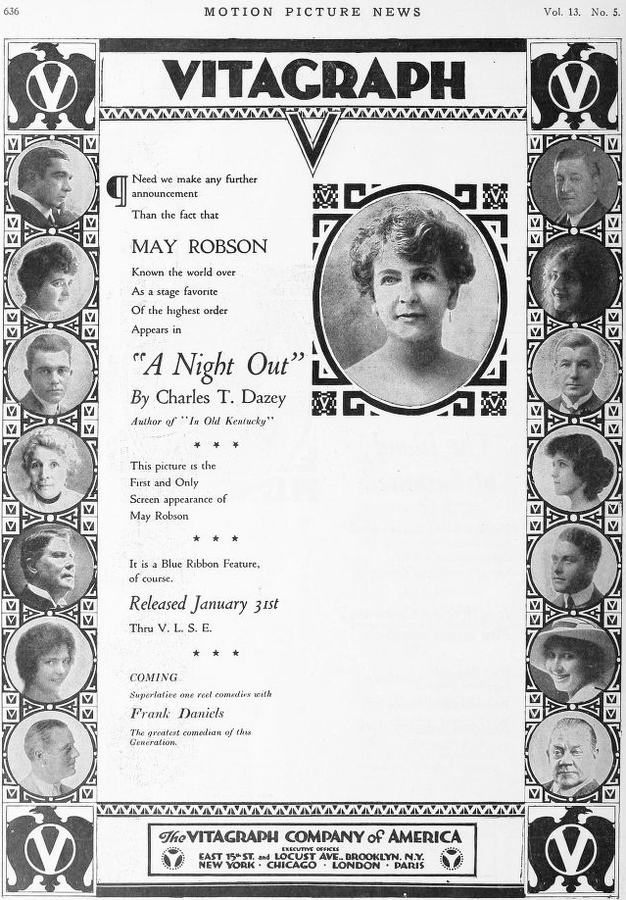
Dir: George D. Baker
A grandmother has an adventure for the first time in her life when she decides to have a night out.
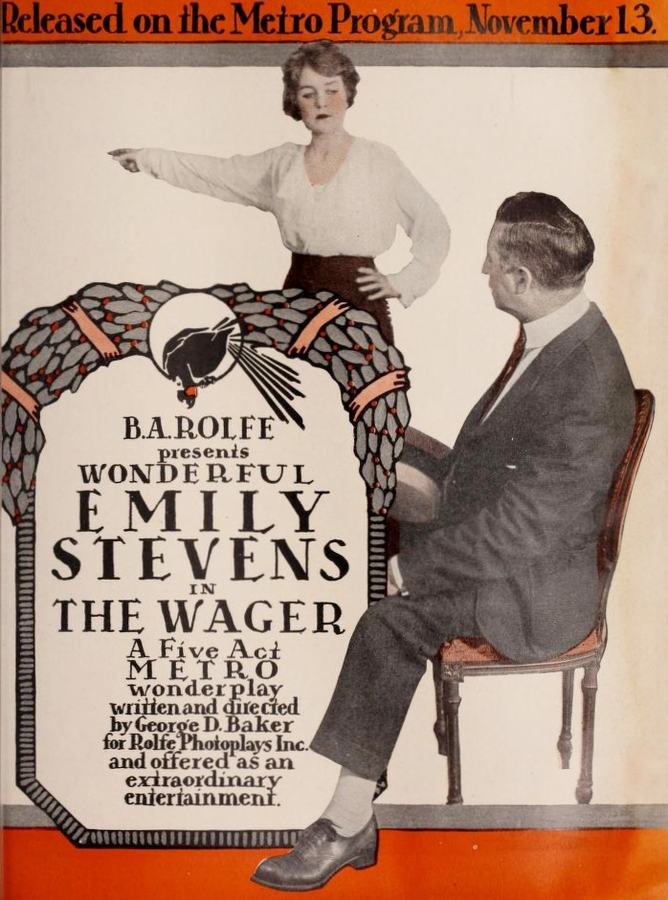
Dir: George D. Baker
A fascinating piece of cinema that shares thematic elements.
View Details
Dir: George D. Baker
Overcome with guilt after having an affair with her best friend's husband, Clorinda hopes to escape her past by moving to Europe, where she meets Malcolm, a decent man who falls in love with her. Unable to accept his love, she returns to America and confides her sin to Rev. Bainbridge. Malcolm has followed her, but when she discloses her past, he turns his back. Rev. Bainbridge proposes and before the marriage takes place, Malcolm returns, begging Clorinda's forgiveness. Preferring the worldly man over the minister, Clorinda marries Malcolm and they begin their new life together in France.
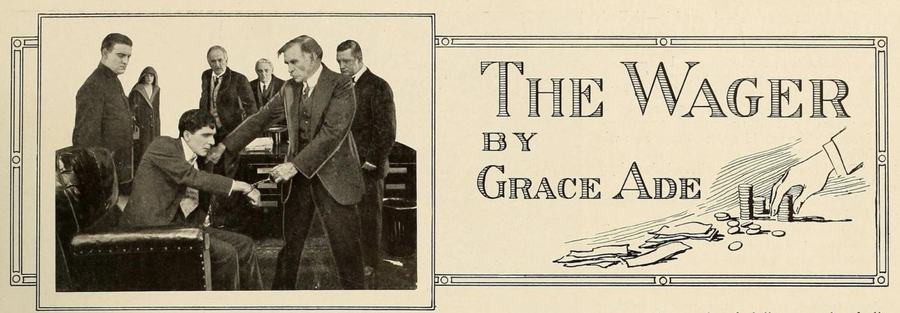
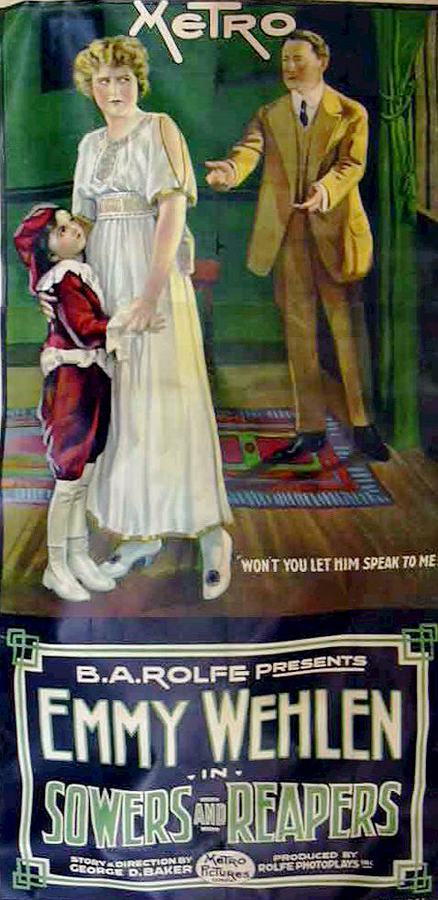
Dir: George D. Baker
Although Earle Courtney has married factory girl Annie Leigh, his millionaire father, Major James Courtney, is determined that Earle will marry the wealthy Ethel Ainsworth. Courtney kidnaps his son and sends a message to Annie requesting an annulment, to which he signs Earle's name. All records of the marriage are then destroyed and Earle is led to believe that his wife has perished in a factory fire. Meanwhile, Annie goes to the city looking for her husband and there her child is born. While in the hospital, she reads an announcement of the wedding of Earle and Ethel. Obtaining employment in a film studio, Annie soon soars to stardom. When Mexican investments result in financial disaster for the Courtneys, Annie takes over the mortgage on their estate and produces a picture based on the story of her betrayal. When Earle views it, he learns of his father's treachery and the major, overcome with remorse, begs Annie's forgiveness. Nothing can undo Earle's unhappy marriage, though, until Ethel elopes with artist Paul Roubais, thus removing all obstacles in the path of Annie and Earle's reconciliation.
View Details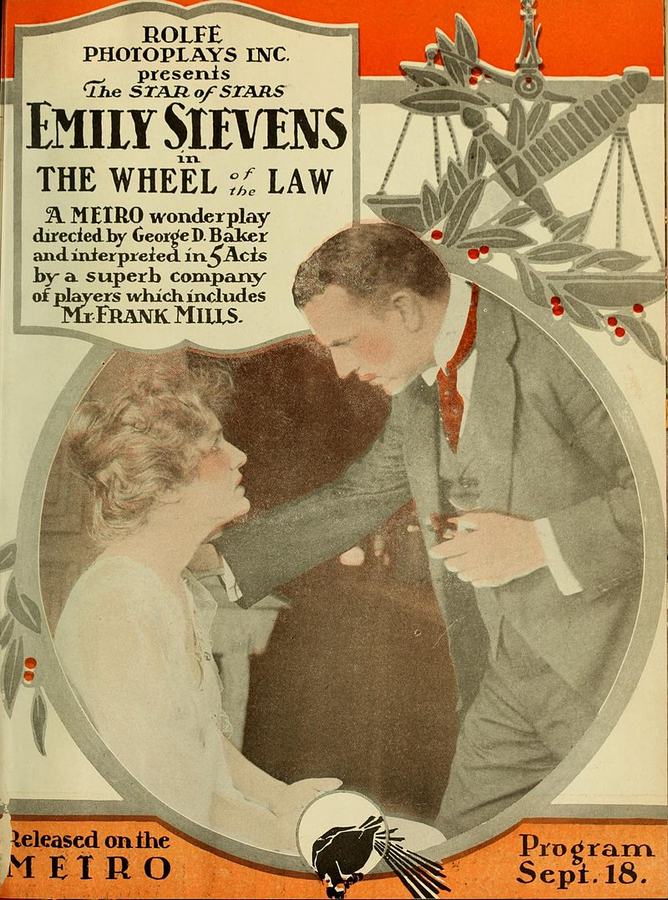
Dir: George D. Baker
Young attorney John Norton is in love with Broadway star Mona Mainard. Mona's young brother Tommy has served a term in Sing Sing. When he is released, he comes at once to his sister and tells her he is going away to begin life anew. She urges him to remain, but he refuses, and she gives him money for his railroad fare. He knows of her love for Norton, who has now been made assistant district attorney, in recognition of his ability, and does not want to stand in her way. Mona leaves the stage and marries Norton. Boss politician Ryan is in love with adventuress Pearl Le Claire. He has installed her in a handsome apartment in the Arcadia, the leading hotel, where he guards her jealously. Norton wins case after case. Mona realizes that less-clever lawyers are no match for him, and knows that based on circumstantial evidence, he secures many convictions of innocent persons. District attorney Daniels becomes ill and Norton succeeds to his position. He convicts on circumstantial evidence an old man who obviously could not have committed the crime and is not guilty. As sentence is pronounced, the old man dies on the witness stand. Mona, in the gallery, is amazed at the injustice of it, and writes to a newspaper a scathing denunciation of the case under an assumed name. The breach widens between husband and wife. Mona pleads with Norton to change his tactics, but he knows that his record has made him a favorite with the public, and that he is in line for the governorship of the state. Tommy has secured work as bell-boy in the Arcadia Hotel. In a jealous rage Ryan kills Pearl Le Claire, but the evidence points directly to Tommy. The boy gives the name of John Smith, not wishing to bring disgrace upon his sister, and is taken to the Tombs. Mona sees his picture in the newspaper. She rushes to him. He insists that he did not commit the murder, and convinces her of his innocence. She goes to her husband and begs him to give up this case, but he tells her that Ryan will make him governor of the state if he wins it. She confesses that Tommy is her brother, but even that does not influence him. Norton has a laboratory adjacent to his library. where he experiments with poisons and chemicals in preparing for his cases. Among his bottles is one containing a harmless sedative. Mona changes the labels on some of the bottles. That night, while her husband is working with his stenographer in the library, Mona feigns hysteria. Norton rushes to the laboratory, snatches up the bottle which he supposes contains the sedative, and gives her some of the contents. Mona now simulates an agony of pain. Servants and policemen rush in, and she accuses her husband of having poisoned her. He swears that he did not, but all the evidence is against him. Circumstantial evidence proves that he has attempted to kill her. He begs her to forgive his hard-heartedness; he promises to do anything in the world for her if she will only live. Obtaining his promise not to prosecute her brother, Mona sits up, smiles, and makes him admit that circumstantial evidence may be wrong; also, that she is the best little actress in the world. Tommy is released, and as Ryan confesses, the real culprit is brought to justice without the aid of circumstantial evidence.
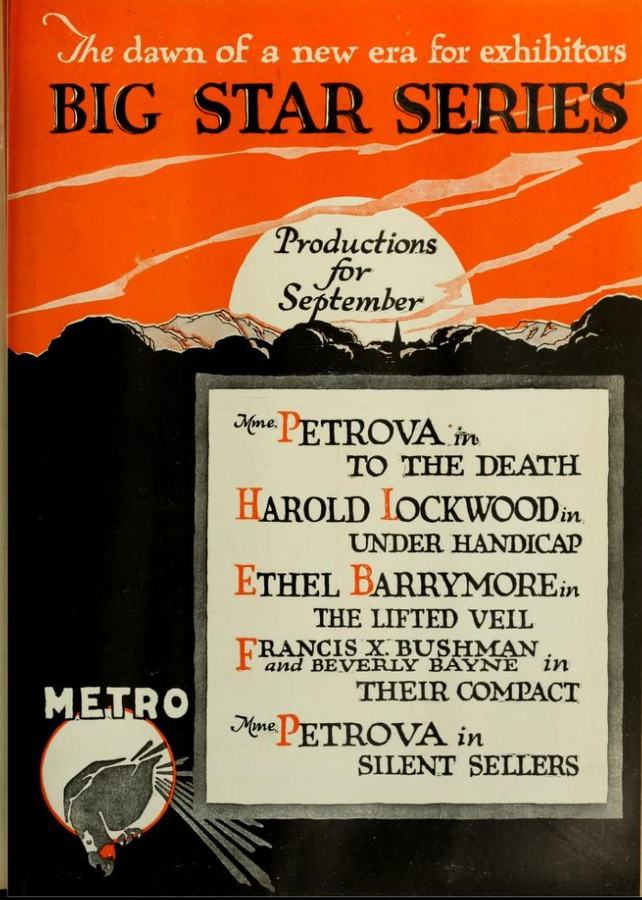
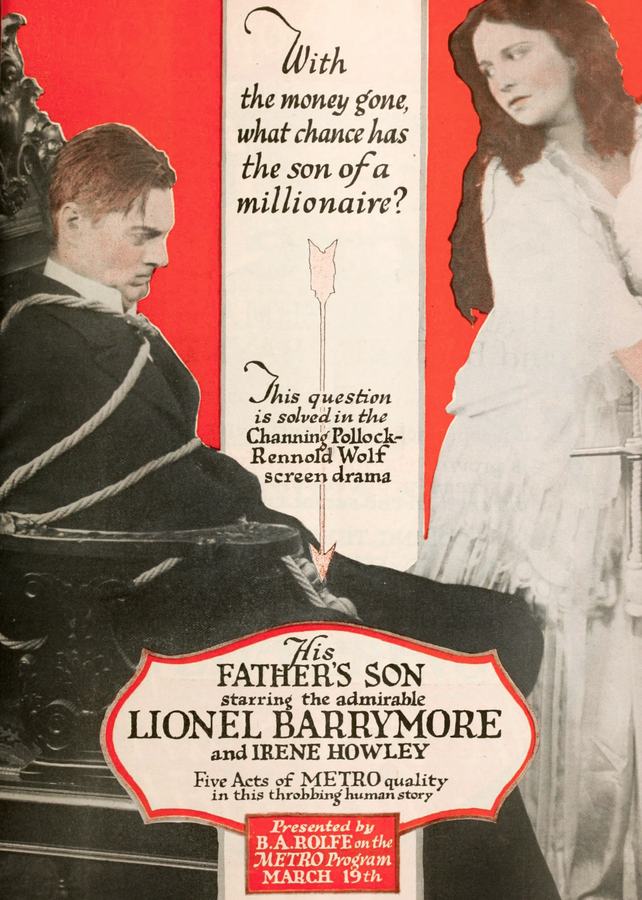
Dir: George D. Baker
College youth J. Dabney Barron regularly fails in his examinations; in disgust, his father deprives him of money and tells him to go to work, betting him $6,000 that he cannot hold a $60-a-month position for that time period. J. Dabney agrees, and with his valet Perkins he goes to look for a job. In a park he meets heiress Betty Arden, whose car has broken down. Her guest, Lord Lawrence, is incapable of helping her, and Dabney hastens to her assistance. She hurries away as soon as her car is repaired. Installing himself and his valet in a room in a lodging house, Dabney reads the want ads. Answering an advertisement for a bookkeeper, he stands in a long line of applicants until he grows tired; his valet, who has taken his place, gets the job. Finally Dabney obtains work through his friend Jim Foley of a detective agency. John Arden, millionaire gem collector, has a priceless emerald called "The Lady of the Sea." He fears it may be stolen and as a matter of fact his guest Lord Lawrence, better known to the English police as "London Larry," is planning to steal the emerald. Foley tells Dabney that to guard the emerald he must pose as butler in the Arden home. No sooner does Dabney enter upon his new work than he discovers Betty Arden, his employer's daughter, to be the girl he helped in the park. In an attempt to retain his dignity in her eyes he tells her he and his sister inherited an enormous fortune from an uncle; that the uncle had a secretary a villainous chap named Slime who forced him to make a will disinheriting Dabney and his sister; that Slime and his accomplices made the old man drink nitroglycerin but unfortunately for them permitted him to fall down when he exploded burning up the will; that the villainous secretary had then overpowered Dabney and run away with the girl, whom Dabney had ever since been seeking, hence his presence in the Arden household as butler. Betty pretends to believe the story, although she has been aware of Dabney's identity all along. Dabney continues to attend to his duties as butler and to guard the jewel from "London Larry." Finally the month is up, and Dabney, in great glee at having won the bet from his father, dares to make known his love to Betty. She returns his affection, and they are discovered in a fond embrace by John Arden, who instantly discharges Dabney. That night he is about to take his departure when he surprises "London Larry" opening the safe in Arden's library. He overpowers the would-be jewel thief, and throws him into the safe. Arden, coming downstairs, liberates Lord Lawrence, who tells him Dabney is the real culprit, and together they overpower him and tie him to a chair. Dabney urges them to send for Foley, to identify him, and the detective, arriving, makes haste to free Dabney and arrest "London Larry." Dabney, cheered by Betty's promise to marry him, goes home to collect his $6,000, having proved himself his father's son.
View Details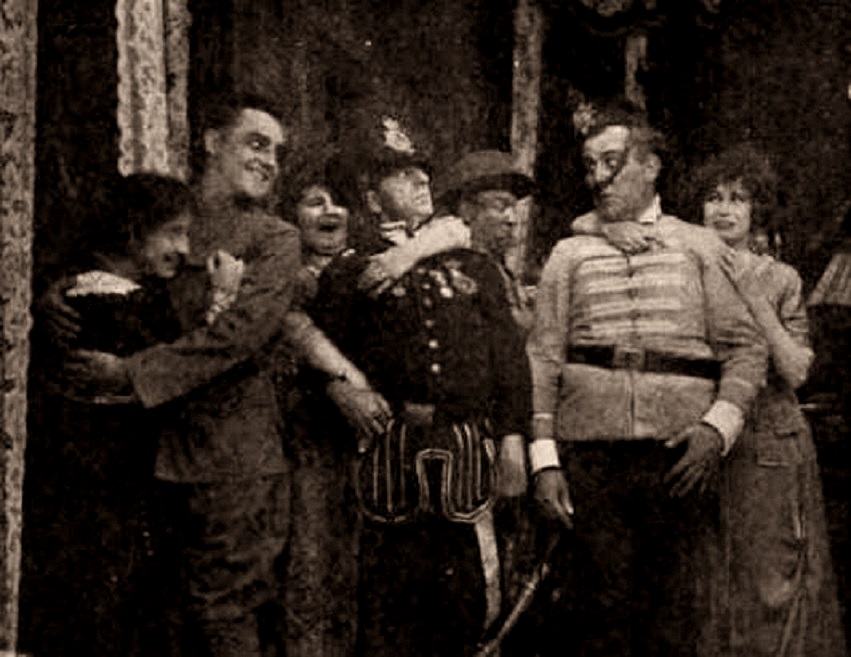
Dir: George D. Baker
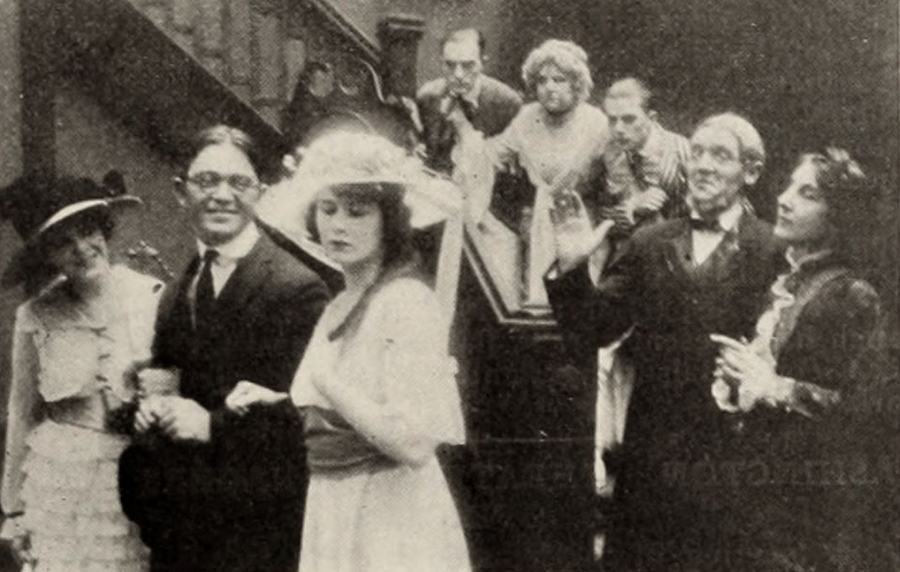
Ira Wilton and his son-in-law Harry Bennett resort to the subterfuge of telling their wives that they are members of the Thirteenth Regiment, to be sure of having a night off each week, Friday night, for the regiment drills. They substantiate their deception by bringing into their little game Ira's daughter Laura and her fiancé Jack Brent, a genuine member of the Thirteenth. Their deception runs along nicely until one Friday night when the men have gone to the club, their wives find the invitation, and are just about to start out when they discover that the water pipe has burst. Laura informs the men by telephone what is discovered, and warns them to hurry home. They arrive and find that the kitchen and dining room are flooded, and, after all has been given a good soaking, Lord Dudley, an admirer of Laura, manages to stop the flow of water. Just as the trouble concerning the flood has subsided, Jack Brent arrives home and tells the men that the Thirteenth has been ordered to the front. The husbands, seeing a good chance to take a little vacation, purchase soldiers' clothing and fall in behind the Thirteenth Regiment as it passes their wives, but slip out as soon as it is out of sight. They then go to the barn, where they substitute their soldiers' habiliments for civilian clothes and then make all possible haste to the lake, where they intend to spend a little vacation. But their vacation is short-lived, for one day they see in the newspapers that the entire Thirteenth regiment has been wiped out. They hurry home to the old barn, where they get into their regimentals as quickly as possible--not forgetting to add a few rents here and there, to make it appear as if they have had a terrible struggle at the front and in escaping. When they arrive home they observe that Mrs. Wilton's brother has returned from the West and promised to take care of the "widows." In reply to Lena's (the fat cook), question concerning her lover Conrad, they were just about to tell her that he died with her name on his lips, when in come Harry and Conrad with the news that the newspaper report was all wrong. Ira and Harry fix it up with Conrad, and Jack, desiring to keep on the right side of the old man, tells the women that the men had a terrible fight, and brother Tom forgets about asking questions when a couple of good cigars are shoved into his mitt.
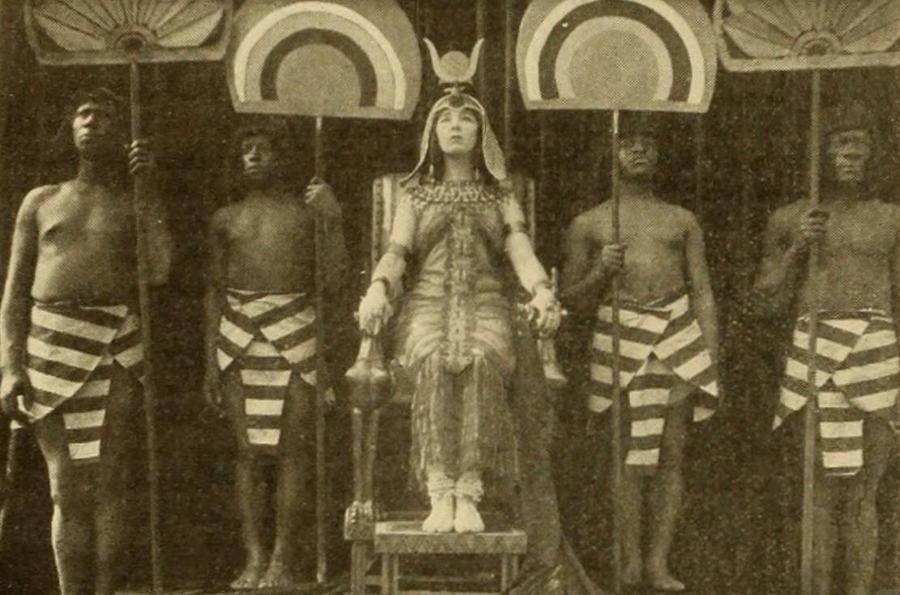
Dir: George D. Baker
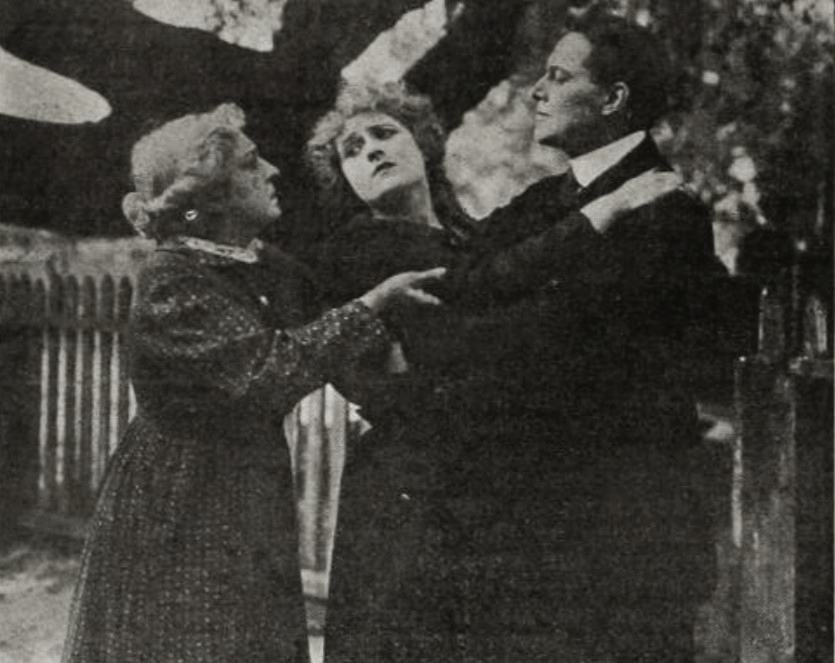
An imperious Egyptian princess awakens from a 3000-year trance and wreaks comic havoc in the modern world, but it all turns out to be the dream of a young man, inspired by a mummy left in his care overnight.
View Details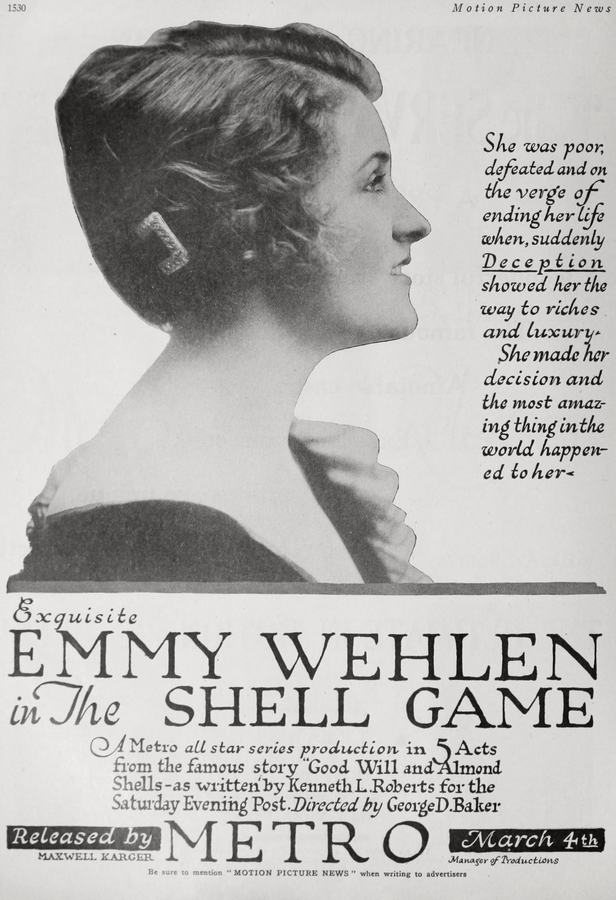
Dir: George D. Baker
Acting on his belief that most people become sentimental at Christmas time and are therefore easy prey, New York confidence man "Silk" Wilkins ingratiates himself with millionaire Lawrence Gray, whose wife and little daughter Zelda were lost in a flood eighteen years earlier. After promising to find Gray's daughter, Silk returns to his boardinghouse, where he finds Alice Sheldon attempting to escape her desperate financial straits through suicide. Silk convinces Alice to pose as Zelda Gray and then notifies Lawrence via a note placed in an almond shell that he has found the lost daughter. Lawrence treats Alice so kindly that when Silk demands payment from her on Christmas morning, she refuses. Lawrence, who has overheard the conversation, enters and laughingly reveals that he had known of the frame-up all along. Grateful to Silk for finding him a wife, Lawrence writes the confidence man a large check.
View DetailsAnalysis relative to The Shop Girl
| Film Title | Atmosphere | Complexity | Similarity |
|---|---|---|---|
| A Sleeping Memory | Ethereal | High | 87% Match |
| A Night Out | Gothic | Linear | 91% Match |
| The Wager | Gothic | Layered | 94% Match |
| The Lifted Veil | Gothic | Linear | 95% Match |
| Sowers and Reapers | Gothic | High | 92% Match |
This guide was algorithmically generated using the cinematic metadata of George D. Baker's archive. Last updated: 6/23/2026.
Back to The Shop Girl Details →