
DbcultAccessing Vault...
Recommendations
Senior Film Conservator
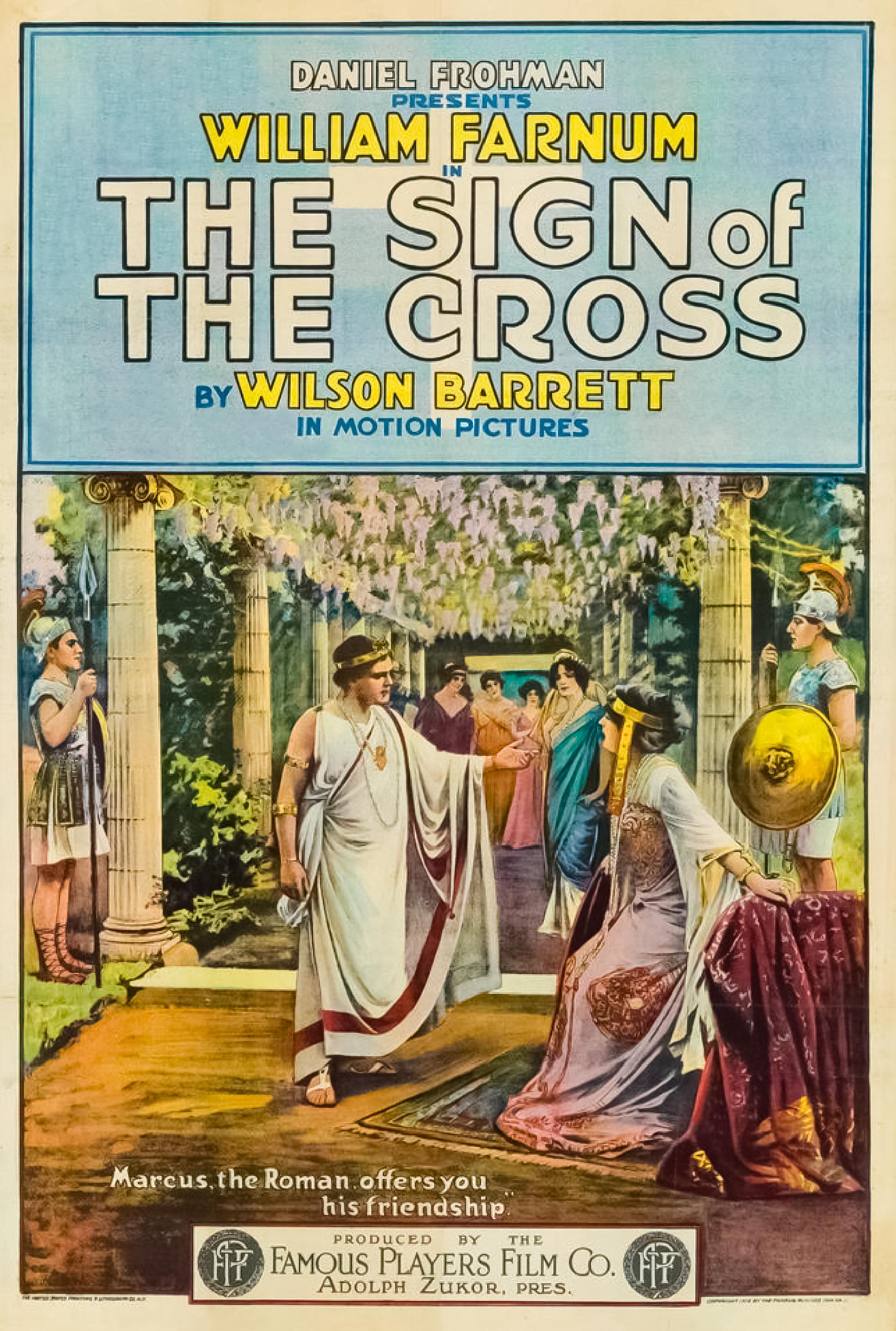
The cult sensibilities displayed in The Sign of the Cross are unparalleled, the emotional payoff of the 1914 classic is what fans crave in similar titles. Our criteria for this list were simple: only the most cinematic excellence and relevant titles.
The cultural footprint of The Sign of the Cross in United States to define the very concept of cinematic excellence in modern film.
Through the machinations of the Empress Poppaea and other women at court, Tigellinus, Nero's agent in the war against the Christians, convinces Nero to have Mercia arrested.
The influence of Frederick A. Thomson in The Sign of the Cross can be felt in the way modern cult films handle cinematic excellence. From the specific lighting choices to the pacing, this 1914 release set a high bar for atmospheric immersion.
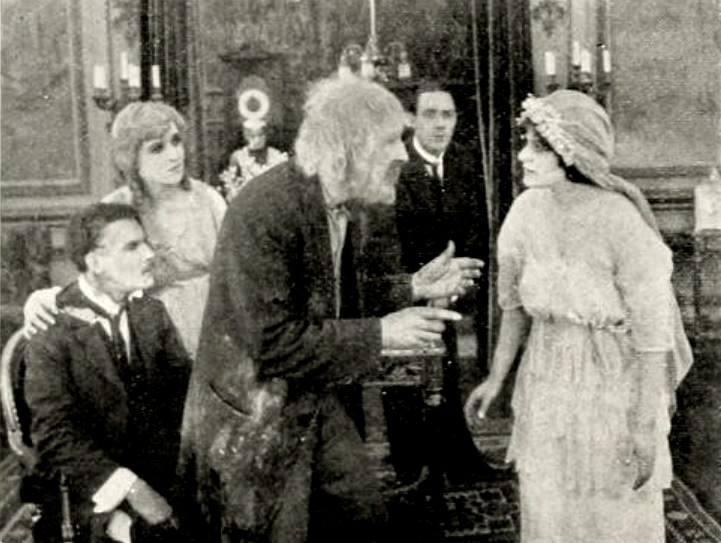
Based on the unique cinematic excellence of The Sign of the Cross, our vault has identified these titles as the most compelling follow-up experiences for fans of cult cinema:
Dir: Frederick A. Thomson
A baronet's son marries a barmaid in order to qualify under the inheritance terms of a will.
View Details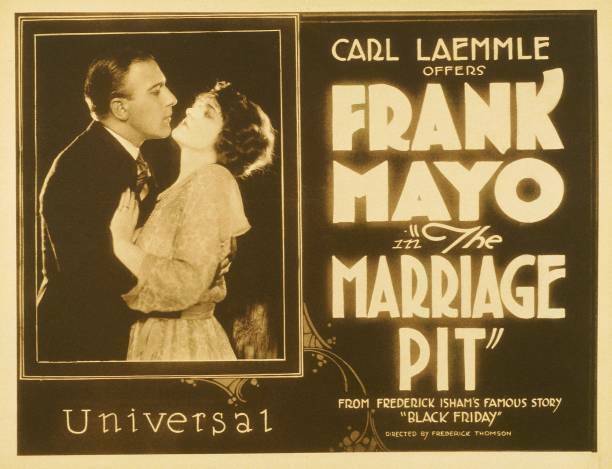
Dir: Frederick A. Thomson
When Wall Street dynamo Richard Strong rescues Edwin Rossiter from financial ruin, Rossiter is so grateful that he persuades his daughter Elinor to marry their benefactor, although she does not love him. Instead, Elinor favors her distant cousin, Charles Dalton, a dissipated member of the aristocracy who weds Zoldene, an actress, on the day of Elinor and Strong's wedding. Soon after, Dalton wearies of Zoldene and renews his attention to Elinor, now estranged from her husband. Meanwhile, Strong and Zoldene's names are linked together in the scandal sheets, alienating Elinor even more from her husband. Dalton enters into a pact with Daniel Brewster to ruin Strong, but Elinor, finally realizing her love for her husband, assists in defeating his enemies. Their problems thus reconciled, Elinor and Strong face a happy future together.
View Details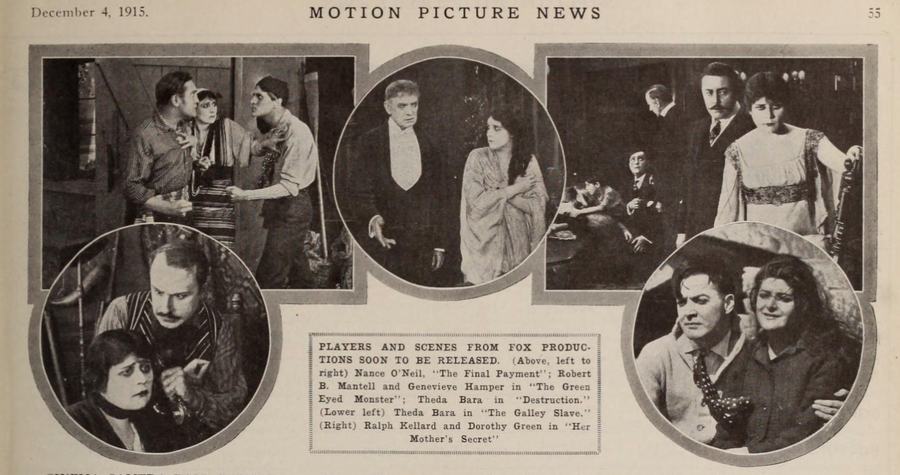
Dir: Frederick A. Thomson
Seth Cartwright abandons his mistress Bernice Archer and their child, Loma, and returns to his wife and son. Bernice, in a daze, leaves Lorna, who is adopted by Cartwrght's wife, who knows full well who the child's father is. Unfortunately, she and her husband are killed in a shipwreck, but it turns out Loma and her real mother are reunited because of the wreck, and settle in a small seaside town. Matters get complicated when Seth Jr. arrives in the town for a vacation and falls in love with Lorna--not knowing that she is his half-sister.
View Details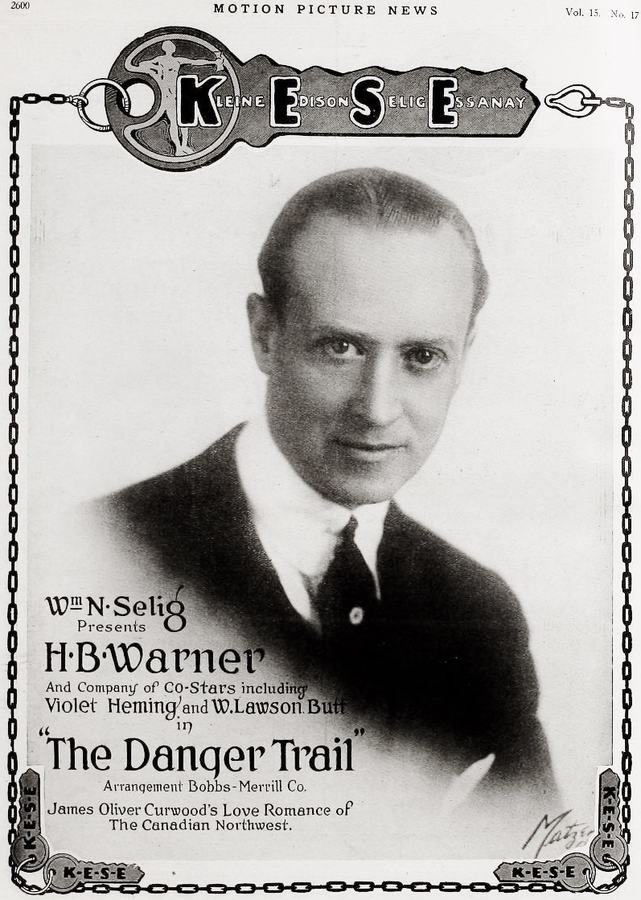
Dir: Frederick A. Thomson
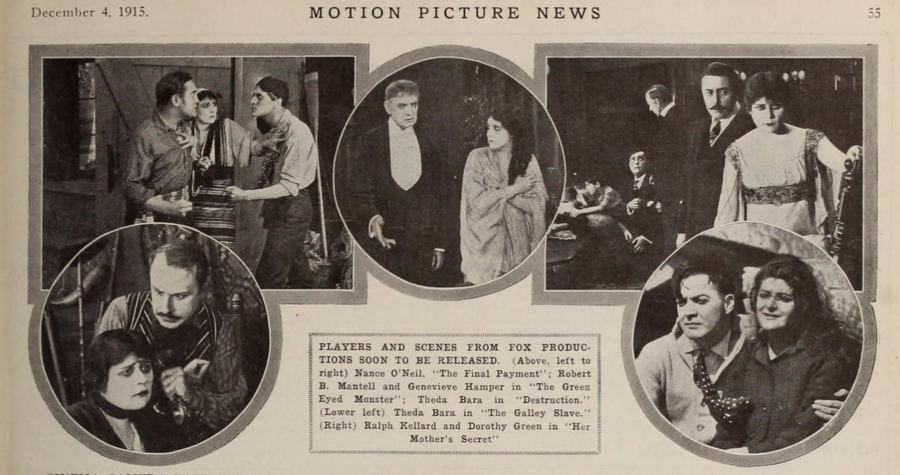
John Howland travels to the frozen North to build a branch of the Hudson Bay Railroad. There he meets and falls in love with Meleese Thoreau who warns him that her three bloodthirsty brothers--Max, Pierre, and François--have sworn vengeance against a man named John Howland, the son of a man who killed their mother, and that torture and death await him along the route to his station. Just as Meleese said, Howland is pursued by the vengeance starved brothers. Captured and near death several times, Howland manages to escape with the assistance of Meleese and the Jean Croisset, until the brothers discover that they have been pursuing the wrong Howland, and all ends happily with the union of the two lovers.
View Details
Dir: Frederick A. Thomson
The famous story of Heidi, a little girl of the Swiss Alps, who is taken from her beloved grandfather to live in anguish in the city below, and how her grandfather sacrifices to bring her home.
View Details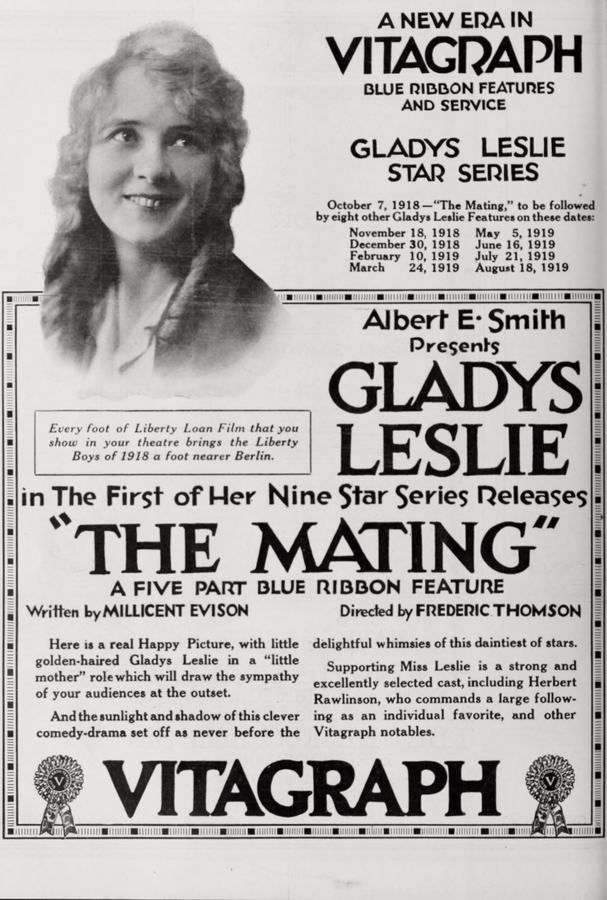
Dir: Frederick A. Thomson
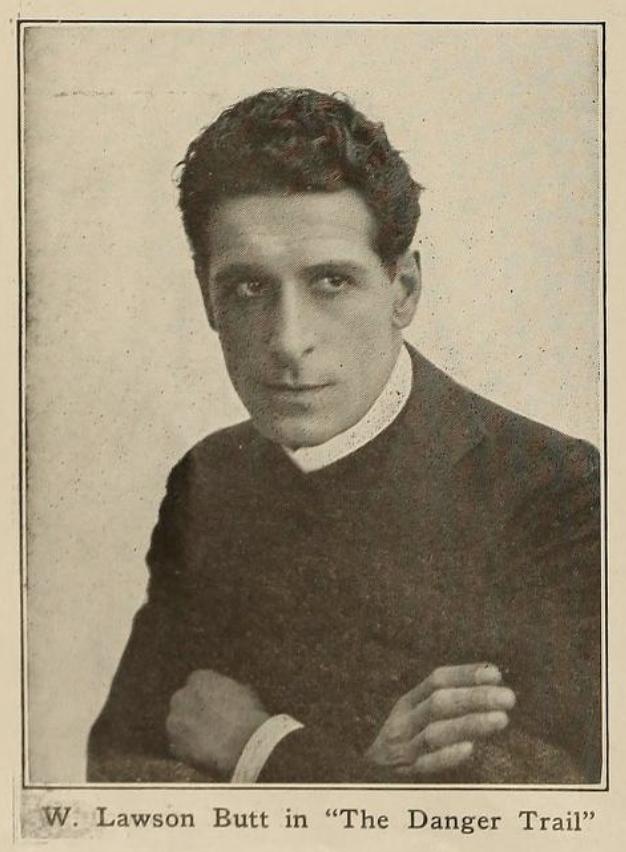
While her eccentric father perfects his latest invention, Nancy Fane wonders how she will clothe her brothers and sisters, and Mammy contemplates stealing the neighbor's chickens for dinner. One day Nancy hears a noise in the abandoned house next door and summons the sheriff, who reveals that the intruder is really Dick Ives, the house's owner. A novelist who hopes to win a prize for his new novel, Dick becomes so convinced of the value of Mr. Fane's invention that when a crooked promoter tries to buy it for a very low sum, Dick spirits it away to his room. Believing him a crook, Nancy shuns Dick's company, even after he contracts pneumonia while rescuing her sister from drowning. When Dick's contact with an engineering firm leads to a large check for her father's invention, however, Nancy enters the sick man's room and rushes his manuscript to the publisher, with the result that Dick wins both the prize and the girl next door.
View Details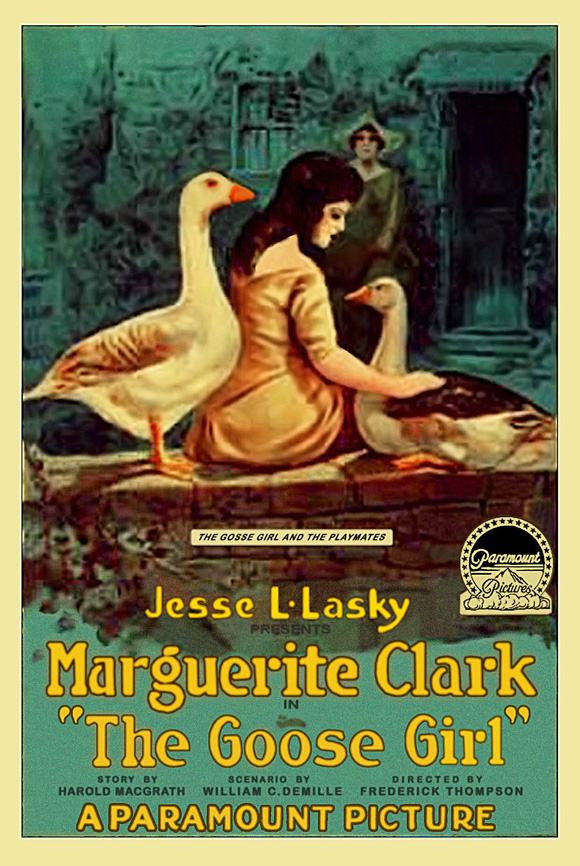
Dir: Frederick A. Thomson
Count von Herbeck, chancellor to the Grand Duke of Ehrenstein, is married but keeps it a secret because of his high ambitions. His dying wife writes him a letter urging him to make their young daughter a great lady. To this end, he arranges to have Torpete, a gypsy, to kidnap Gretchen, the daughter of the GRand Duke. He takes the coat and locket belonging to the little Princess and then sends his own daughter, Hildegarde, away. During the abduction of Gretchen she is wounded in the shoulder by a bullet. Fifteen years later Von Herbeck tells the Grand Duke he has found the Princess, and produces the coat, locket and Hildegarde as proof. Meanwhile, the real Princess has been abandoned by the gypsies and adopted by peasants, and has grown up as a "Goose Girl." The young King Fredrick of Jugendheit is officially betrothed to the fake Princess but he does not wish to marry a woman he has never met. He disguises himself as a Vinter and travels around the countryside, meets the Goose Girl, and rescues her from the insulting attentions of a vicious Count, and longs to marry her. But since he can not marry a peasant, true love seems doomed. Or does it?
View Details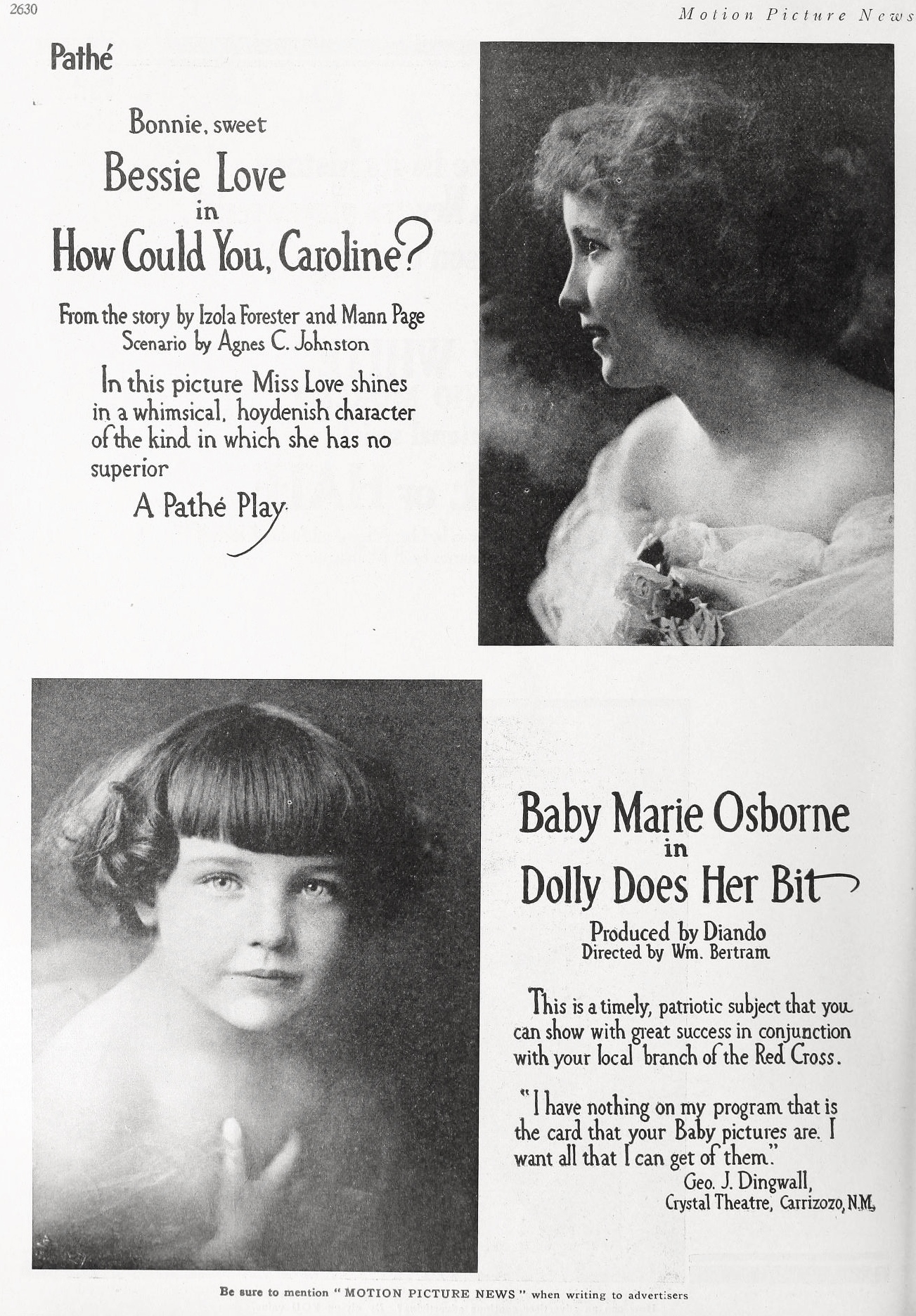
Dir: Frederick A. Thomson
Caroline Rogers, a spirited young girl with a taste for highly romantic novels, comes home from boarding school to attend her sister Ethel's wedding. Having read a particularly lurid novel entitled Twin Souls recently, she arrives at the rehearsal wearing a daring gown in the hope of ensnaring a "soul mate." Because of his poetic name, Caroline becomes involved with Reginald Van Alden, a married fortune-seeker. On the morning of the wedding, she abandons her old sweetheart, Bob Worth, to take a ride with Reginald, but when he takes her to a disreputable roadhouse, she escapes and then tries to commit suicide by drinking cologne. Later she becomes engaged to Bob and attends his bachelor party disguised as a cabaret dancer. At the party, the two are married in a mock ceremony, but the next day Bob reveals that the friend who presided at the "wedding" is a real judge, and that he and Caroline are legally married.
View Details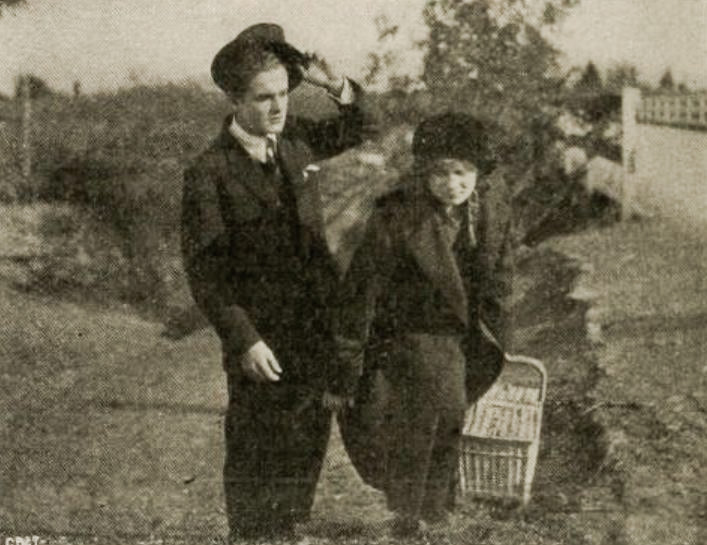
Dir: Frederick A. Thomson
Tom, a young man in a small town, wants to marry his sweetheart Jane, but Jane's father won't allow it until Tom proves he can support her. Tom heads to New York City to make his fortune and prove to Jane's father that he has what it takes, but he meets and falls in love with Amy, a chorus girl who already has a wealthy suitor. Complications ensue.
View Details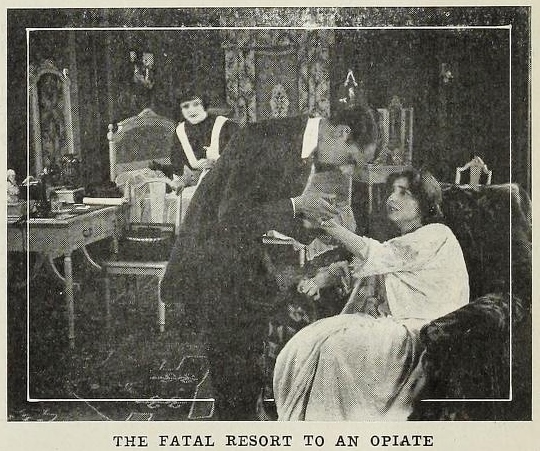
Dir: Frederick A. Thomson
A psychological study of the effects of drug addiction on humanity.
View DetailsAnalysis relative to The Sign of the Cross
| Film Title | Atmosphere | Complexity | Similarity |
|---|---|---|---|
| After Dark | Gritty | Abstract | 95% Match |
| The Marriage Pit | Ethereal | Linear | 90% Match |
| Her Mother's Secret | Gritty | Linear | 85% Match |
| Danger Trail | Gothic | Linear | 90% Match |
| Heidi | Surreal | High | 85% Match |
This guide was algorithmically generated using the cinematic metadata of Frederick A. Thomson's archive. Last updated: 6/20/2026.
Back to The Sign of the Cross Details →