
DbcultAccessing Vault...
Recommendations
Senior Film Conservator
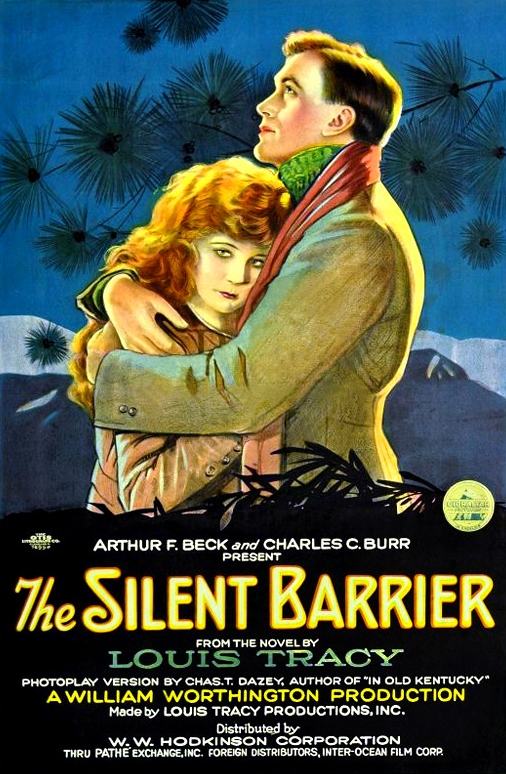
If the thematic gravity of William Worthington's work in The Silent Barrier left an impression, the juxtaposition of thematic gravity and narrative makes it a Drama outlier. Experience the United States influence in these recommendations that echo The Silent Barrier.
By merging thematic gravity with Drama tropes, it to elevate Drama to the level of high art.
A rich American visiting England overhears a poor reporter wish she could go to the Alps. He secretly pays for her to go in the guise of a reporting job. Situations ensue involving a rivalry and clashes with hotel society.
The Silent Barrier was a significant production in United States, showcasing the immense talent of Joseph Burke, Robert Lee Keeling, Gladys Hulette. It continues to be a top recommendation for anyone studying Drama history.
Based on the unique thematic gravity of The Silent Barrier, our vault has identified these titles as the most compelling follow-up experiences for fans of Drama cinema:
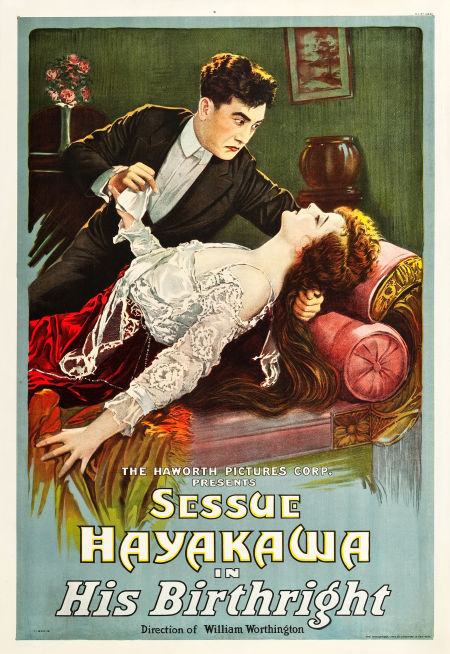
Dir: William Worthington
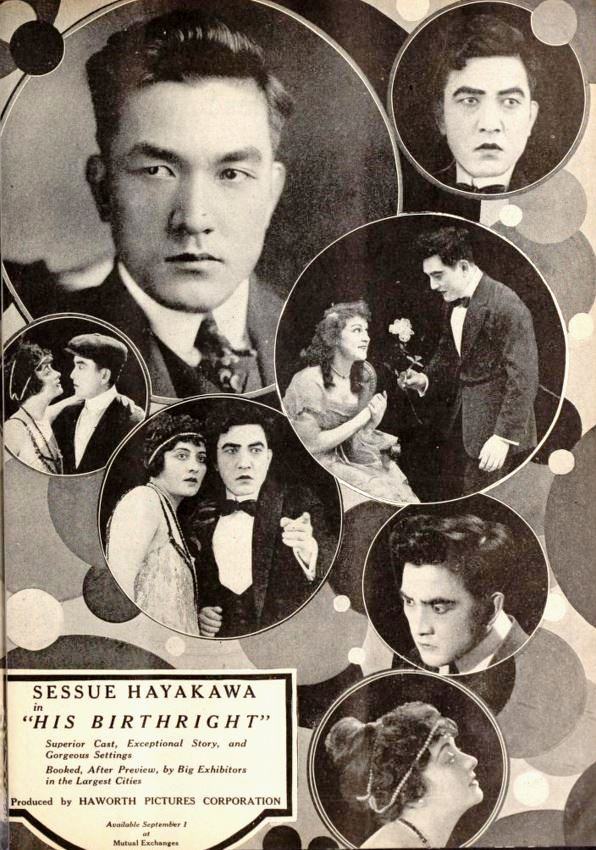
After his Japanese mother dies, a biracial young man travels to the United States to track down his American father.
View Details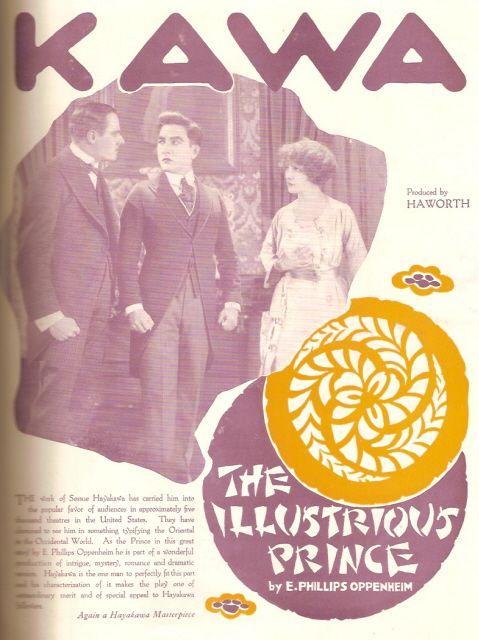
Dir: William Worthington
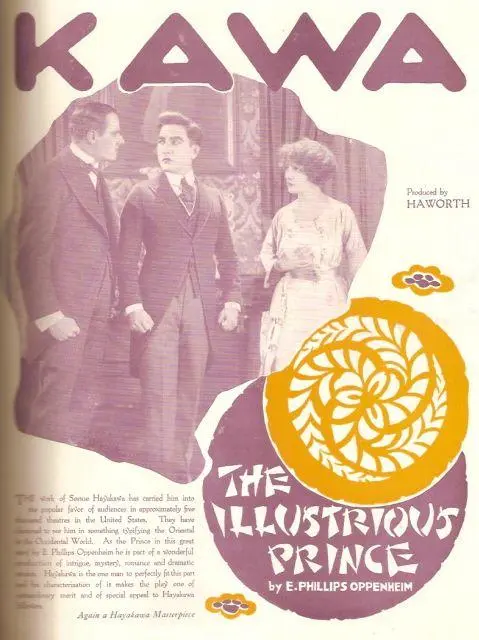
The Japanese Prince Maiyo is in London to avenge the death of his father who years earlier committed hara-kiri because he had been financially ruined by an English swindler. The Prince warns his friend, the Duke of Devenham, that the Count de la Mar is attempting to seduce the Duke's bored American wife, and then is told by his servant Soto that the Count is the man who killed his father. During a foggy night, the Count, planning to elope with the Duchess, is killed in a taxi with the sword that the Prince's father used to kill himself. Although the American sister of the Duke, Penelope Morse, who loves the Prince, pleads with him to leave before being arrested, he will not perform such a cowardly act. After Soto confesses murdering the Count because he wronged his daughter years ago, the Prince is freed, but because of the racial barrier, he bids a sad farewell to Penelope and leaves.
View Details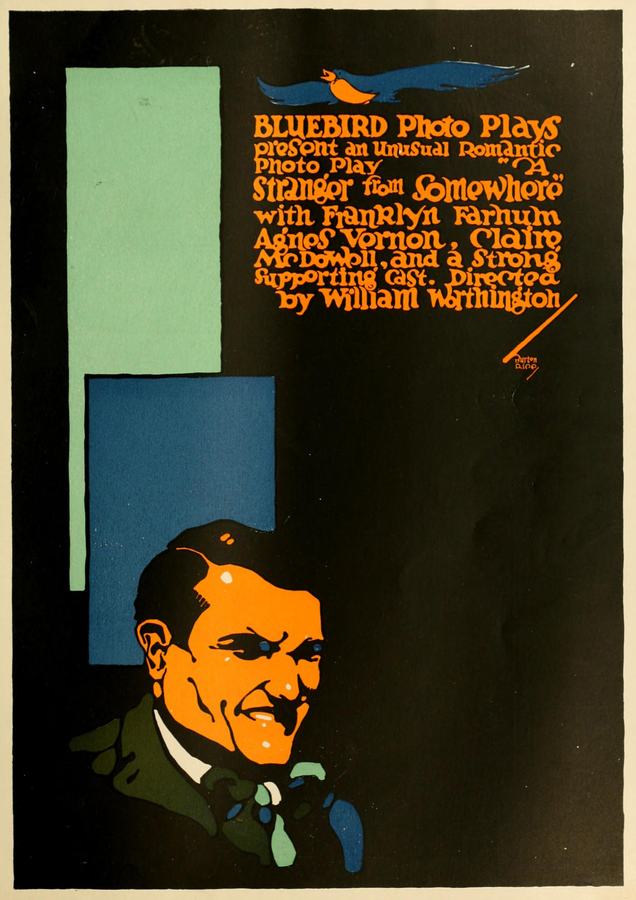
Dir: William Worthington
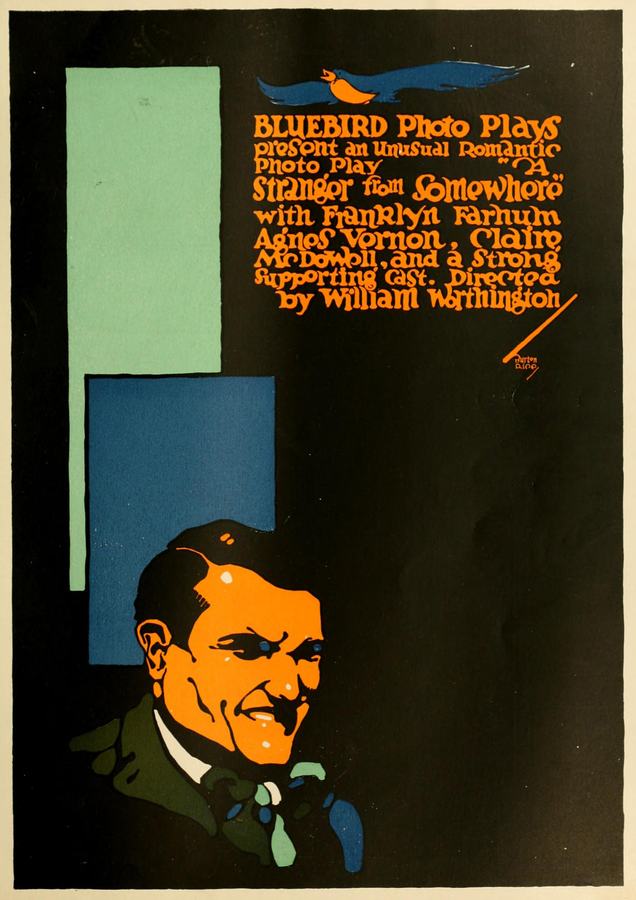
Howard Dana and his partner in adventures, Olga Veloski, discover that Sam Brockton, millionaire from the west, has arrived in town and they arrange to fleece him. They plan an old confidence game and locate the scene in one of the residences of wealth, knowing that the occupants of "Millionaire's Row" are spending the summer at various resorts. Agnes Darling and her father come to town for a day or two from their summer home in the mountains. Mr. Darling's automobile breaks down and as Brockton passes, he offers his services to help make repairs. In this way he discovers that Agnes is a charming girl and falls in love. The incident has been observed by Olga and her accomplice and when the repaired automobile drives away, Olga attracts Brockton's attention. She tells him that if he will come to her home the next day she will introduce him to Agnes, who is supposed to call at Olga's residence. Olga and her accomplice manage to avoid the caretaker in the house they have selected for their work. At the appointed time Brockton arrives and through an old confidence game he is robbed. The scene of the robbery happens to be the town residence of the Darlings. Just as the trick is being turned, Mr. Darling and Agnes arrive at their home. Upon entering the house, the Darlings are amazed to find that the house has been entered. They come upon Brockton, who is so frank and interesting in his explanation that he ingratiates himself with Agnes and her father, and they invite him to their country home. The two sharpers escape and join another member of the confidence gang, a crook known as "Dippy" Lewis. When Olga observes a striking resemblance between "Dippy" and Brockton, she decides to use the crook to an advantage. Olga overheard the invitation Brockton had received from the Darlings and dresses "Dippy" to resemble him. She sends him to the mountains and he is received by the Darlings. "Dippy's" criminal instincts lead him to commit several robberies among the hotel guests, and when Brockton arrives he finds himself under suspicion. He is puzzled at Miss Darling's conduct toward him. Olga has directed members of her gang to chloroform Brockton and dispose of him in a cellar, that he may not by any mischance reach the mountains before "Dippy" Lewis arrives there. The striking resemblance between the two mislead the toughs and they chloroform "Dippy" and confine him in a cellar. Agnes is perplexed at the strange transition in Brockton's manner, for he really is of a gentlemanly type in strong contrast to "Dippy," whom the girl had previously mistaken for him. The Darling family decide to return to the city and invite Brockton to call upon them there. Olga hears of this and plans to have "Dippy" again impersonate Brockton. When Olga attempts to locate "Dippy," she discovers that he is a prisoner. Before she can have him released, Brockton makes his visit to the Darlings, a fact of which Olga is not aware. Thus it is that she goes on with her plans, sends "Dippy" to call at the Darling home and there the two men meet and settle matters.
View Details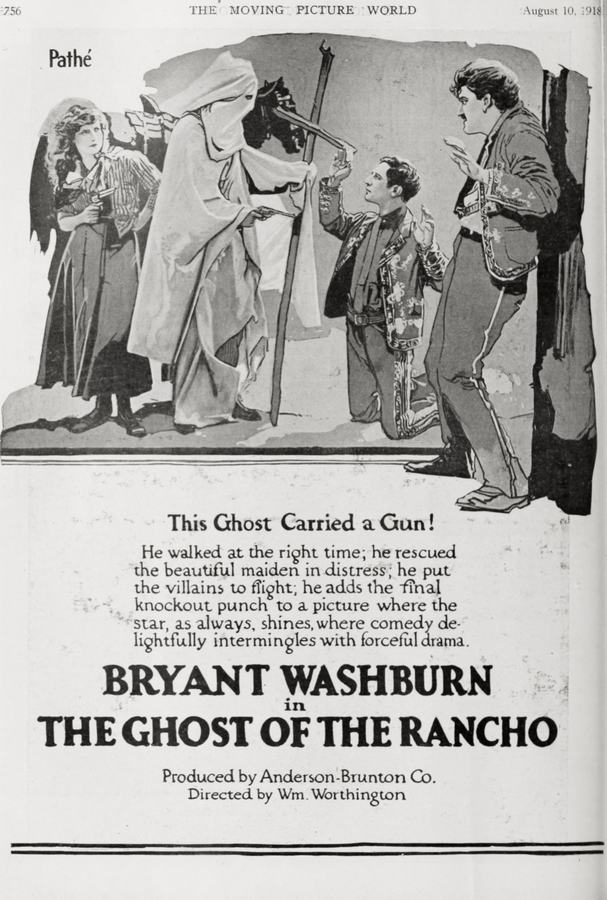
Dir: William Worthington
Jeffrey Wall, the dissipated grandson of a wealthy man, requests that a farewell party be given in his honor before he is disinherited. During the wild banquet, a Mexican dancer assaults Mary Drew and then shoots a man, but suspicion is cast on Jeffrey. At the death of her father, Mary is called home to her little village on the Mexican border but is followed by the lecherous dancer, who soon becomes the head of a gang of bandits. Jeffrey traces him and learns that the outlaws have taken control of a small rancho, shot its owner and kidnapped Mary. Jeffrey visits the rancho disguised as a ghost, and as the outlaws are fleeing in terror, the sheriff and his men arrive and arrest them all. Wall, Sr., pleased with the improvements in his son's character, comes West to bless the marriage of Jeffrey and Mary.
View Details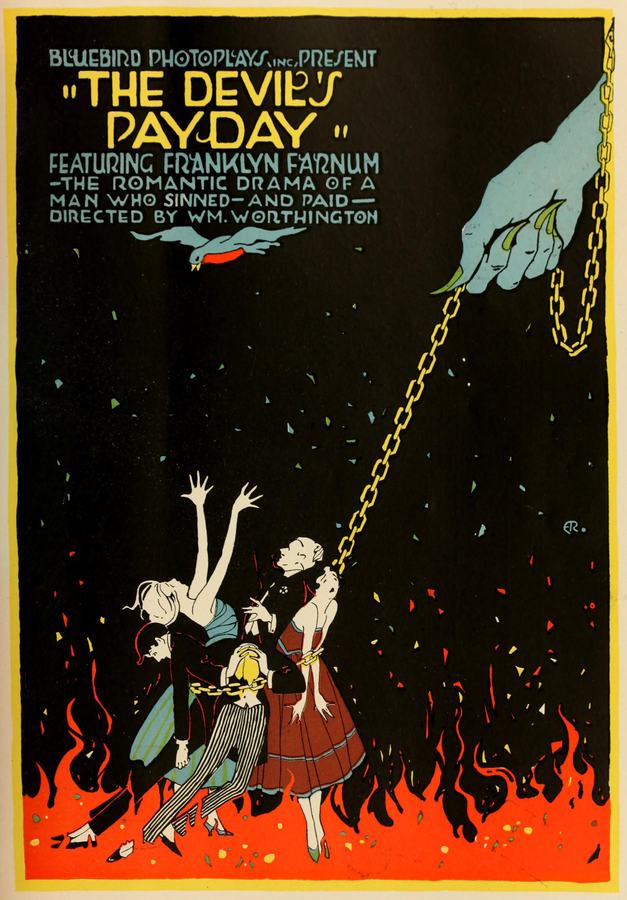
Dir: William Worthington
When Gregory Van Houten went to the country to recuperate, he intended to remain only a few weeks and then return to plunge into the swirl of city gaieties. But when Van Houten returned he brought with him a country-girl wife and set upon himself the seal of new duties and obligations. Jean Haskins was the daughter of Farmer Haskins, who owned the place where Van Houten boarded. She was a simple child of nature, trustful and devoted to the new ideals of happiness that Van Houten brought into her young life. Farmer Haskins warned the young folks that they were storing trouble for themselves in marrying; he told them that their lives had been so different that they would eventually find that they could not continue happily. Nevertheless, they married and returned to town happy. At the first social function they attended, Gregory realized that his wife wasn't prepared for the butterfly life. One of Gregory's club friends, James Hanley, saw in the young bride a conquest. His attentions to Jean soon centered Gregory's suspicions upon them; meanwhile, Gregory turned to a woman in his own set for companionship. Upon an incident that looked worse than it really was, Gregory based cause for a divorce and won his case. Then he married the other woman, a society butterfly. The shock completely changed Jean's good, wholesome nature; she turned into a viper bent upon revenging herself upon the man who had violated his obligation and made a mockery of her love. Hanley gained his point, but in possessing himself of Jean gained more of companionship than her love as recompense. Years later Gregory and Jeanmet again and her beauty fired his heart with desire. Jean connived to reap her vengeance. When Hanley was called away Jean refused to accompany him, setting up as an excuse that a few months' separation would lead them to a better understanding of their position. Gregory takes advantage of a free field and Jean coyly leads him on. Gregory neglected the wife he married when he divorced Jean and turned all his attentions to Jean. Suddenly Hanley appeared upon the scene, and Jean made a way to a greater revenge than she had planned. The men engaged in a personal encounter and when Hanley seemed to be getting the better of the fight, Jean fired a revolver at the struggling forms and killed Hanley. The sudden outcome of the combat benumbed Gregory's senses. Jean placed the revolver in his hand just as the police entered and they found Gregory bending over the prostrate form of his rival. In the trial that ensued Jean swore that Gregory fired the shot, and her vengeance is almost completed by the verdict of the jury that Gregory was guilty of deliberate murder. But when the court guard goes to bring the prisoner to hear his doom, they find him dead upon the cot of his cell and Jean is left to contemplate the sad ending of her youthful romance.
View Details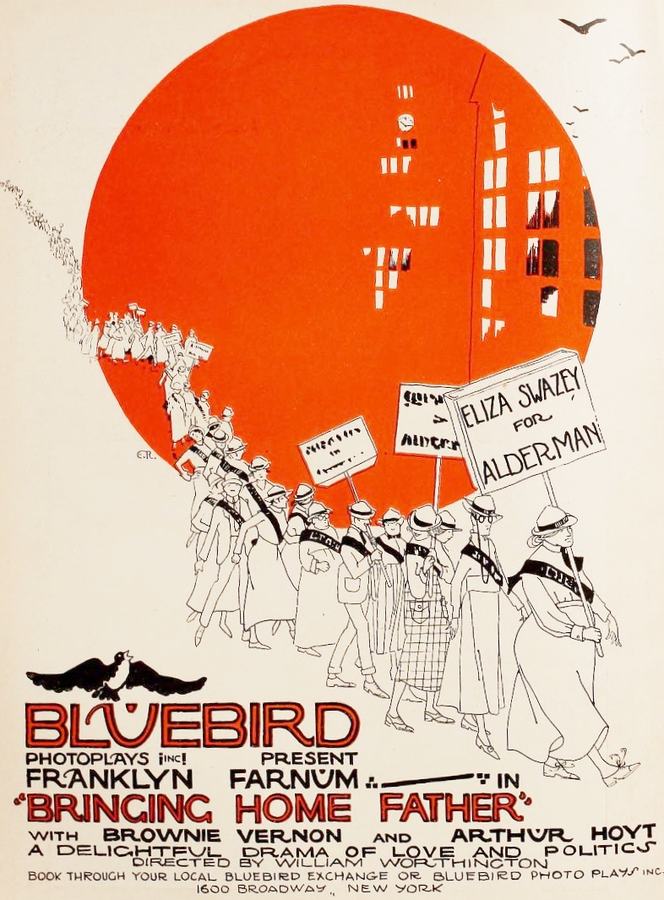
Dir: William Worthington
Peter Drake meets and falls in love with Jackie Swazey, the daughter of a feisty suffragette and incipient politician. In order to impress her, he agrees to help Mrs Swazey in her campaign to become elected. His first task is a difficult one - Mrs Swazey's ticket is Prohibition, and her husband, Jackie's Pa, is little more than a drunk. Instead of reforming him, Peter gets on with Pa Swazey like a house on fire, and they end up drunk and in jail! Fortunately the are helped out by a man named Mike Clancey. Unfortunately, he is Mrs Swazey's main opponent in the election - and the price he demands for his help is her elimination from the race. Peter comes up with the perfect solution: he spikes her drink at a Prohibition rally and gets her drunk! Before she sobers up and the sparks fly, Jackie and Peter elope.
View Details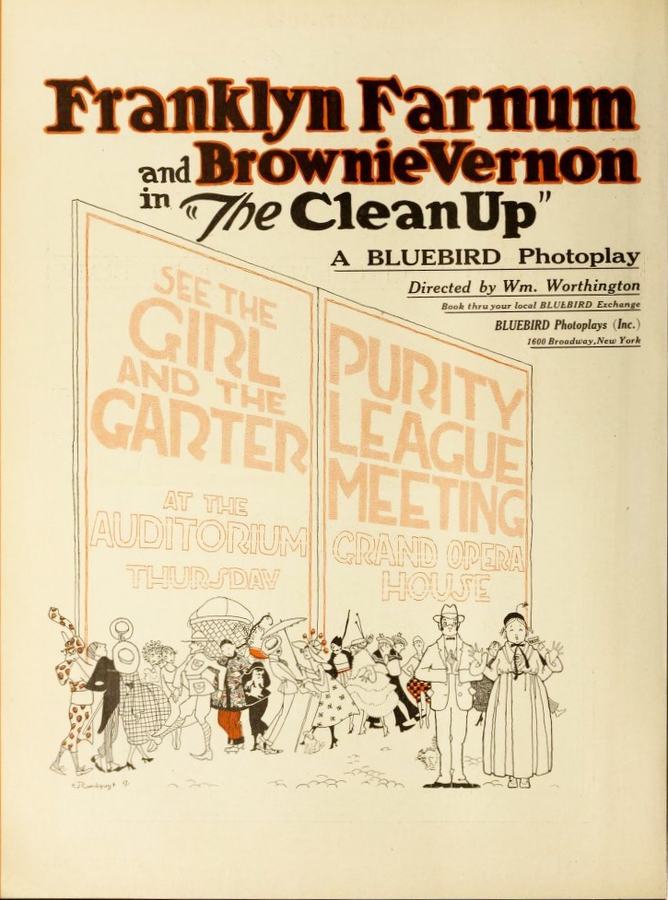
Dir: William Worthington
Stuart Adams, the advance-agent for a traveling burlesque troupe, arrives in Weston, Illinois, his hometown, to publicize the coming show, "The Girl and the Garter". The Purity League, led by banker James Richards, the father of Stuart's sweetheart Hazel, attempts to stop it from opening. After kissing Hazel in public - thus outraging the League members - Stuart builds curiosity about the show by having the newspaper print Richards' admission that he viewed it in New York "to see how shocking it was". He also attaches a banner which advertises the show to Hazel's roadster during a Purity League parade. After Stuart challenges Richards to a debate, Stuart helps detective Vera Vincent, whom he met on the train, capture two crooks trying to rob Richards' bank. During the debate, Stuart, knowing that the show has been canceled, offers to end the bickering by withdrawing the show. Richards then insists that Stuart, who plans to meet Hazel at the train station to elope, come to dinner. Fortunately for Stuart, Hazel had been locked in her room by her aunt, and is still at the house.
View Details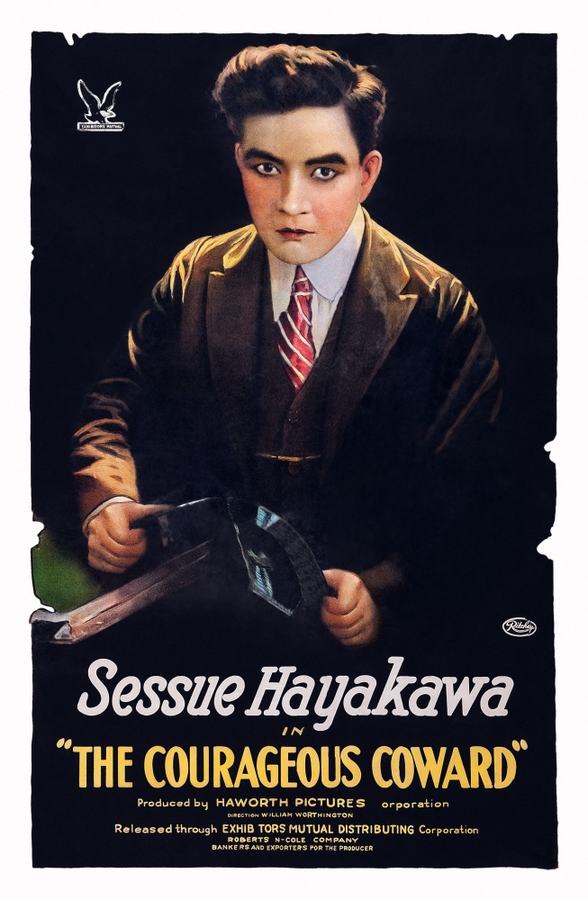
Dir: William Worthington
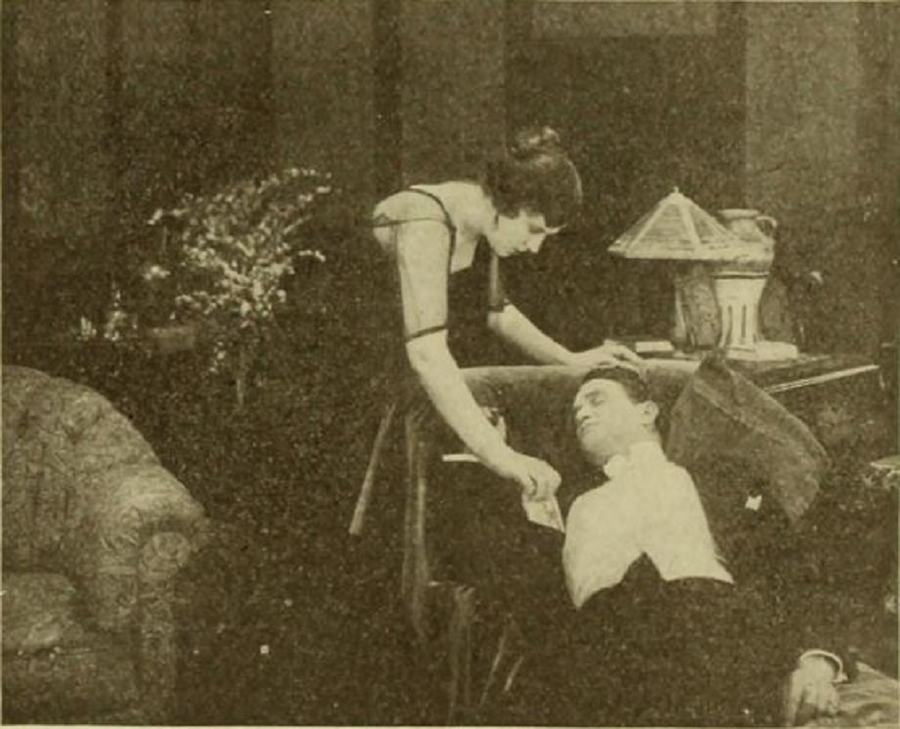
Japanese-American law student Suki Iota falls in love with his guardian's niece Rei Oaki, who has just arrived from Japan to cultivate her singing voice. After Suki goes East to law school, Rei, thinking Suki wants an American girl, gets Tom Kirby, the son of the Chinatown boss, to teach her American ways of dress and behavior. On his return, Suki is displeased with Rei's change and believes her to be Tom's girl when he sees them celebrating the Chinese New Year. Suki is appointed assistant district attorney and, with the whole city watching because of anonymous death threats sent to him, he steadfastly prosecutes a murder case until Tom confesses to him. To protect Rei, Suki removes himself from the case. Labeled a coward and a traitor to justice, Suki remains silent until Tom publicly confesses. Now regarded as a hero, Suki defends Tom. Rei confesses she never loved Tom, and her romance with Suki begins anew.
View Details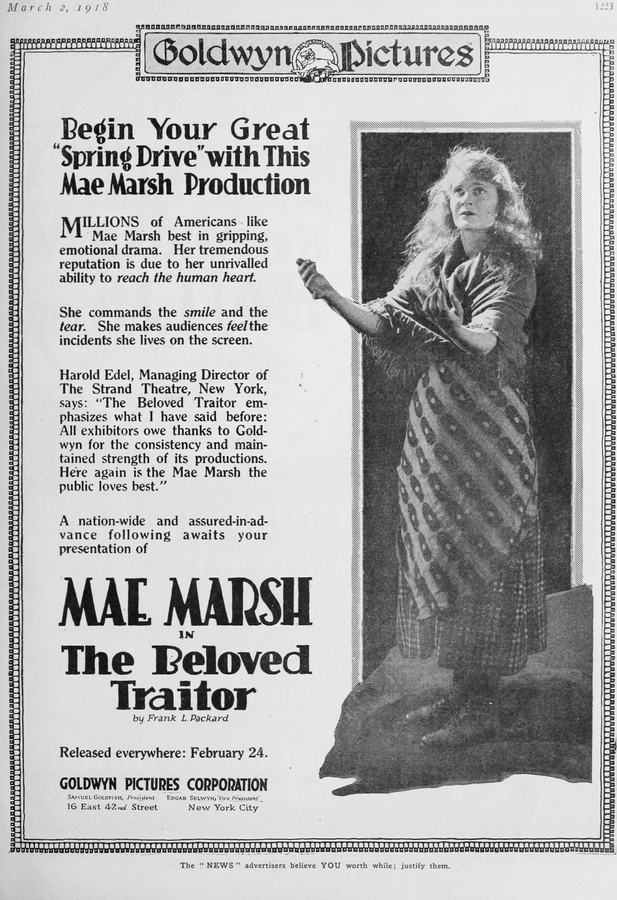
Dir: William Worthington
Wanting her sweetheart, Judd Minot, a Maine fisherman, to develop his sculpting talents, Mary Garland encourages him to accompany art connoisseur Henry Bliss to New York City. Once there, Judd forgets Mary and becomes smitten with Bliss's attractive daughter Myrna. Although he wins fame as an artist, the party society life he leads with Myrna causes his work to suffer. When Mary learns of Judd's stagnation and fast style of living, she rushes to New York to rescue him. When he sees her, Judd realizes that Mary is the prime inspiration for all his statues and renews his love for her.
View Details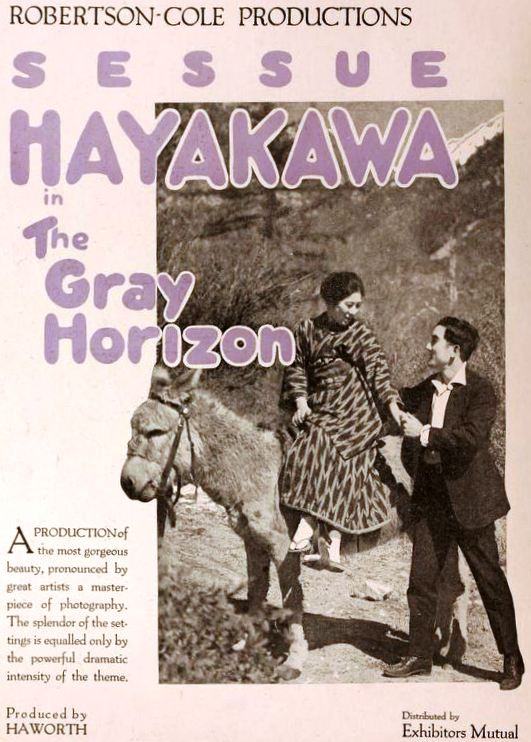
Dir: William Worthington
Yano Masata, a struggling Japanese artist living in a mountainous area in America, refuses to tint counterfeit bonds for wealthy John Furthman. Yano's sister, O Haru San, comes from Japan to look for her husband who deserted her, and finds Yano with aid from a woman in the Japanese mission. When she recognizes Furthman as her husband, Furthman and Yano fight until Furthman's gun goes off, killing O Haru San, and Yano throws Furthman off a cliff. Later, Yano thanks the woman in the mission, they develop a friendship, and he agrees to paint her husband's portrait from a photograph. The husband is Furthman and his wife thinks that his fall was an accident. After Yano paints the portrait, he destroys it in a moment of wrath and confesses the killing to Mrs. Furthman's financial adviser. Later, Yano burns the evidence of Furthman's crimes so that Mrs. Furthman and her son will remain unaware of Furthman's treachery and not be disgraced. The police then arrest Yano.
View DetailsAnalysis relative to The Silent Barrier
| Film Title | Atmosphere | Complexity | Similarity |
|---|---|---|---|
| His Birthright | Gothic | High | 88% Match |
| The Illustrious Prince | Tense | High | 97% Match |
| A Stranger from Somewhere | Gothic | High | 87% Match |
| Ghost of the Rancho | Tense | Abstract | 97% Match |
| The Devil's Pay Day | Surreal | Linear | 87% Match |
This guide was algorithmically generated using the cinematic metadata of William Worthington's archive. Last updated: 6/25/2026.
Back to The Silent Barrier Details →