
DbcultAccessing Vault...
Recommendations
Senior Film Conservator
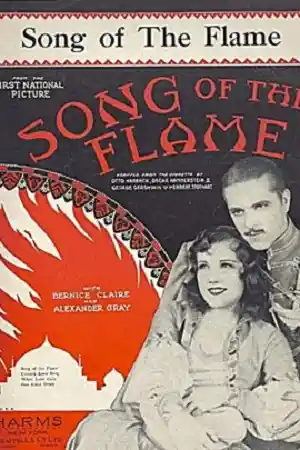
If the cinematic excellence of Alan Crosland's work in The Song of the Flame left an impression, the cinematic shorthand used by Alan Crosland is both ancient and revolutionary. We've prioritized films that capture the 1930 aesthetic with similar precision.
By merging cinematic excellence with Musical tropes, it to articulate the unspoken anxieties of United States's 1930 era.
This was a screen version of the 1925 operetta by Oscar Hammerstein II, Otto Harbach, Herbert Stohart, and George Gershwin. The story of the movie is about a peasant who is known as "The Flame" who leads a revolution in Russia. This peasant who is in love with a Russian prince saves his life by agreeing to sacrifice her virginity to an evil fellow-conspirator. This was an all Technicolor musical which was had a sequence in Vitascope (a Warner Brother's wide screen process).
The Song of the Flame was a significant production in United States, showcasing the immense talent of Bernice Claire, Alexander Gray, Noah Beery. It continues to be a top recommendation for anyone studying Musical history.
Based on the unique cinematic excellence of The Song of the Flame, our vault has identified these titles as the most compelling follow-up experiences for fans of Musical cinema:
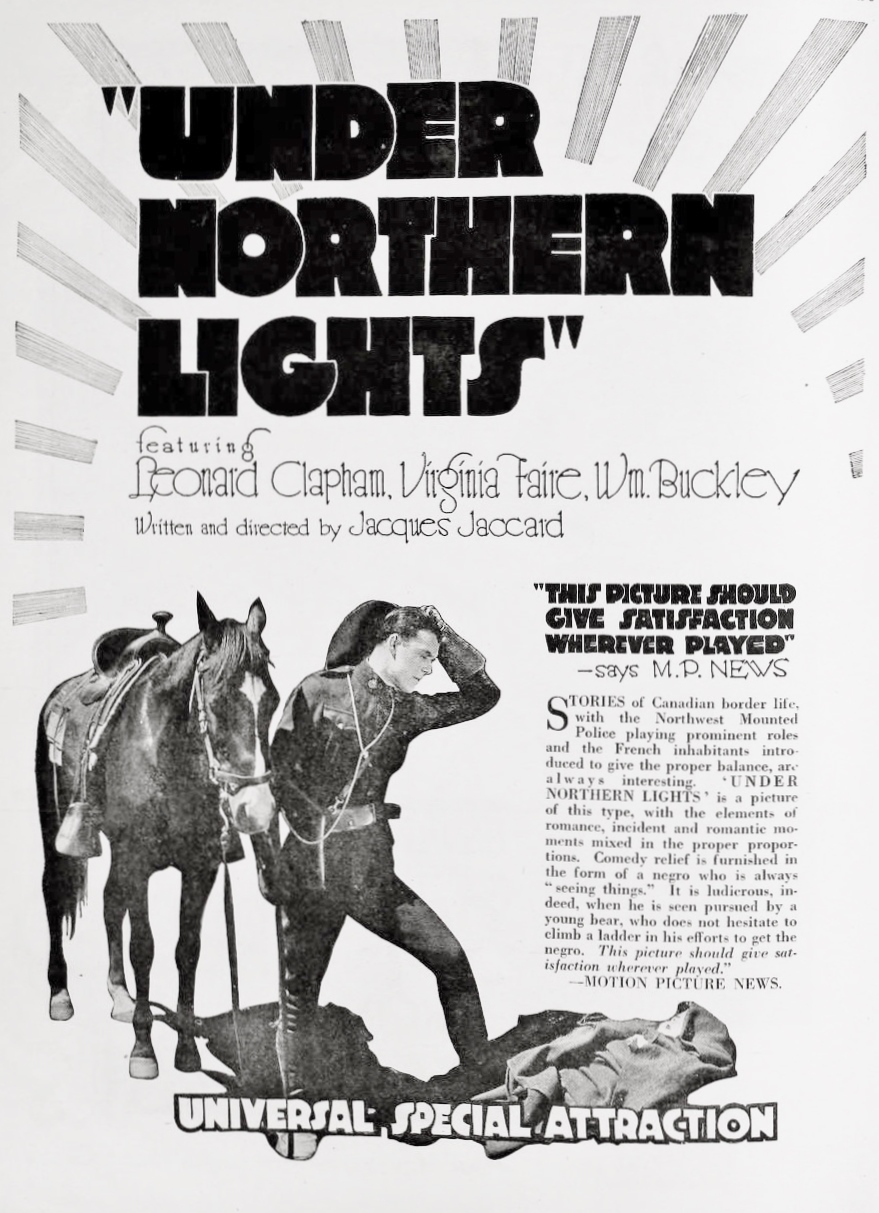
Dir: Jacques Jaccard
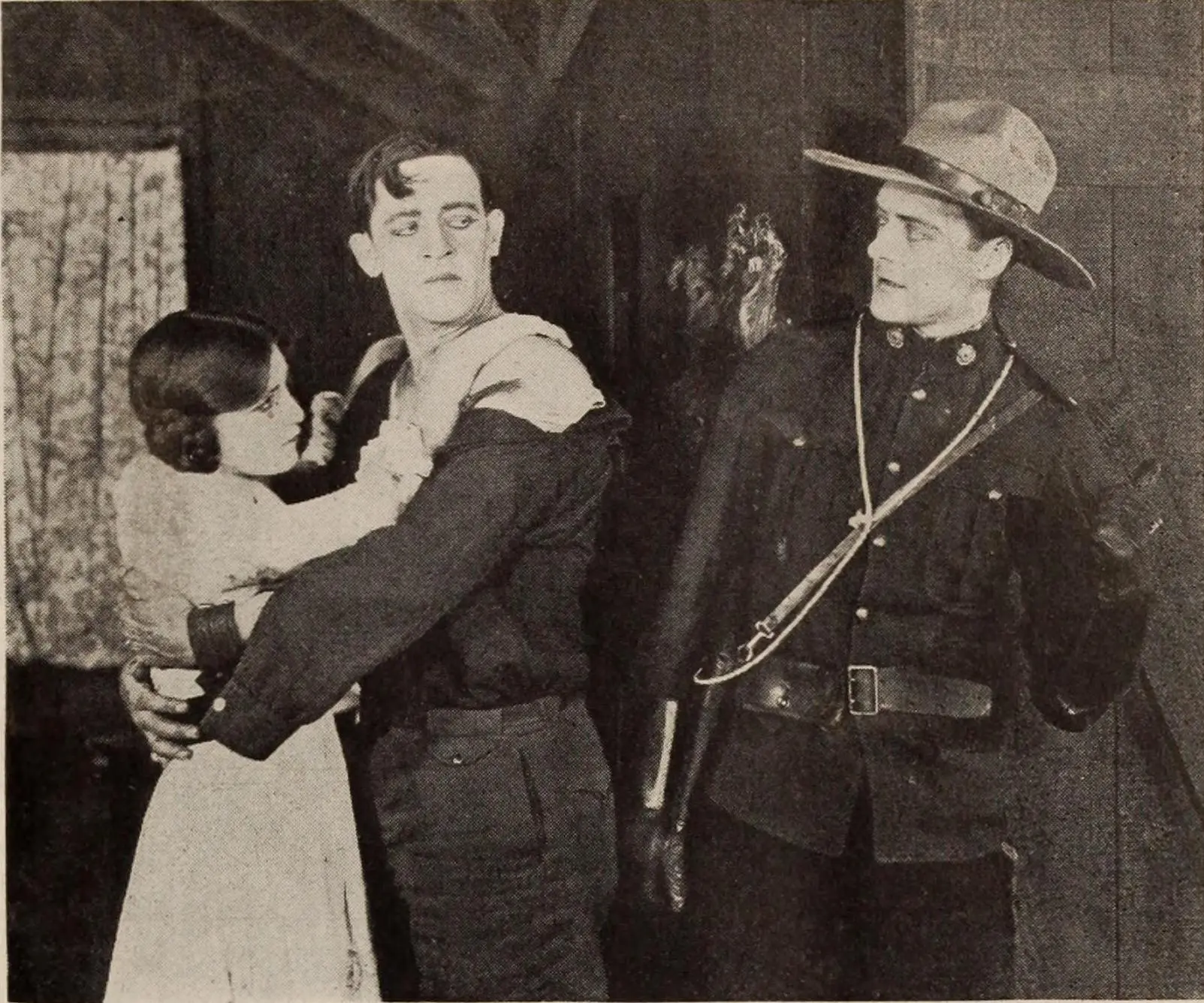
Douglas MacLeod of the Royal North West Mounted Police is in love with Suzanne Foucharde, who has adopted an abandoned Indian baby, the illegitimate child of Louis La Rocque and Na Fa Kowa. When La Rocque insinuates that the baby is Suzanne's, her brother Henry defends his sister's honor and kills the villain. In spite of his love for Suzanne, it is Douglas' duty to arrest Henry. He does so, but later allows him to escape, taking the bullet himself that was fired after Henry by Constable Burke. Meanwhile, the dead body of Na Fa Kowa is found, accompanied by a note proving that the Indian was the baby's mother. In the spring, when Douglas recovers from his wounds, he and Suzanne are married.
View Details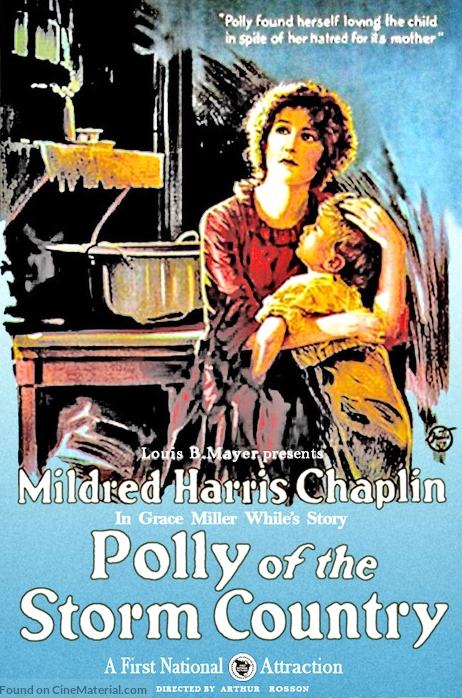
Dir: Arthur Rosson
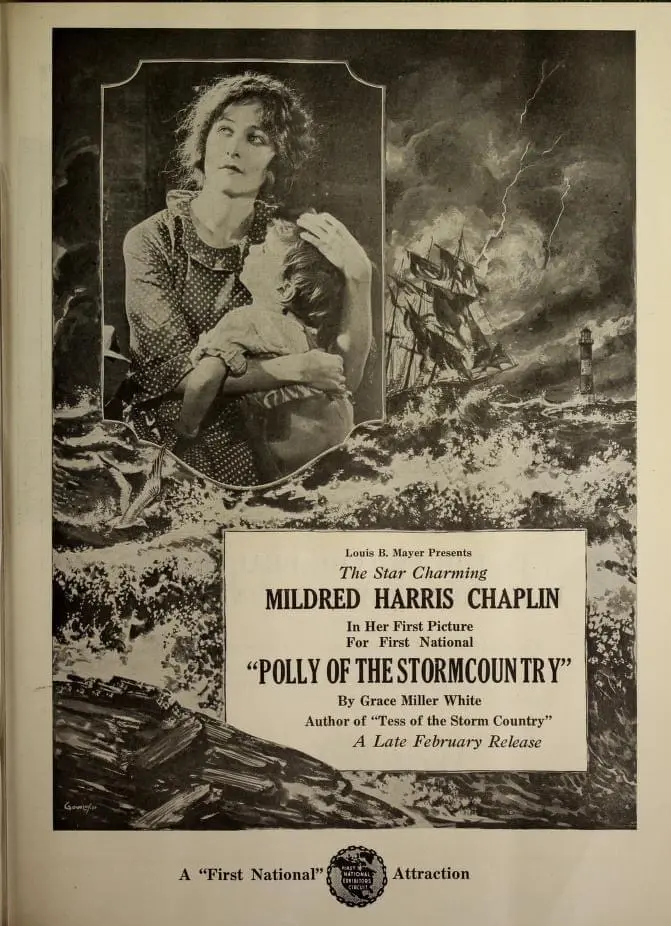
The Hopkinses are a family of squatters struggling against the wealthy landowners or "hilltoppers." When Jerry Hopkins is unjustly imprisoned, his young wife and baby die as a result of the shock, but his sister Polly maintains the faith that has been instilled in her by her grandmother. Later, Polly meets hilltopper Robert Robertson and the two fall in love. Their courtship is disrupted when Robert's sister Evelyn is blackmailed by Oscar Bennett, the man to whom she is secretly wed. In her efforts to help Evelyn, Polly falls under unjust suspicion. Meanwhile, MacKenzie, one of the vindictive landowners, arrests Polly's father and sends her brother to an orphanage. Devastated by these events, Polly's grandmother dies of grief and Polly swears revenge. She has Evelyn kidnapped and brought to her cabin, but the memory of her grandmother prevents Polly from harming her tormentor. Polly's nobility inspires Evelyn, who exonerates Polly, thus clearing the path for her marriage to Robert.
View Details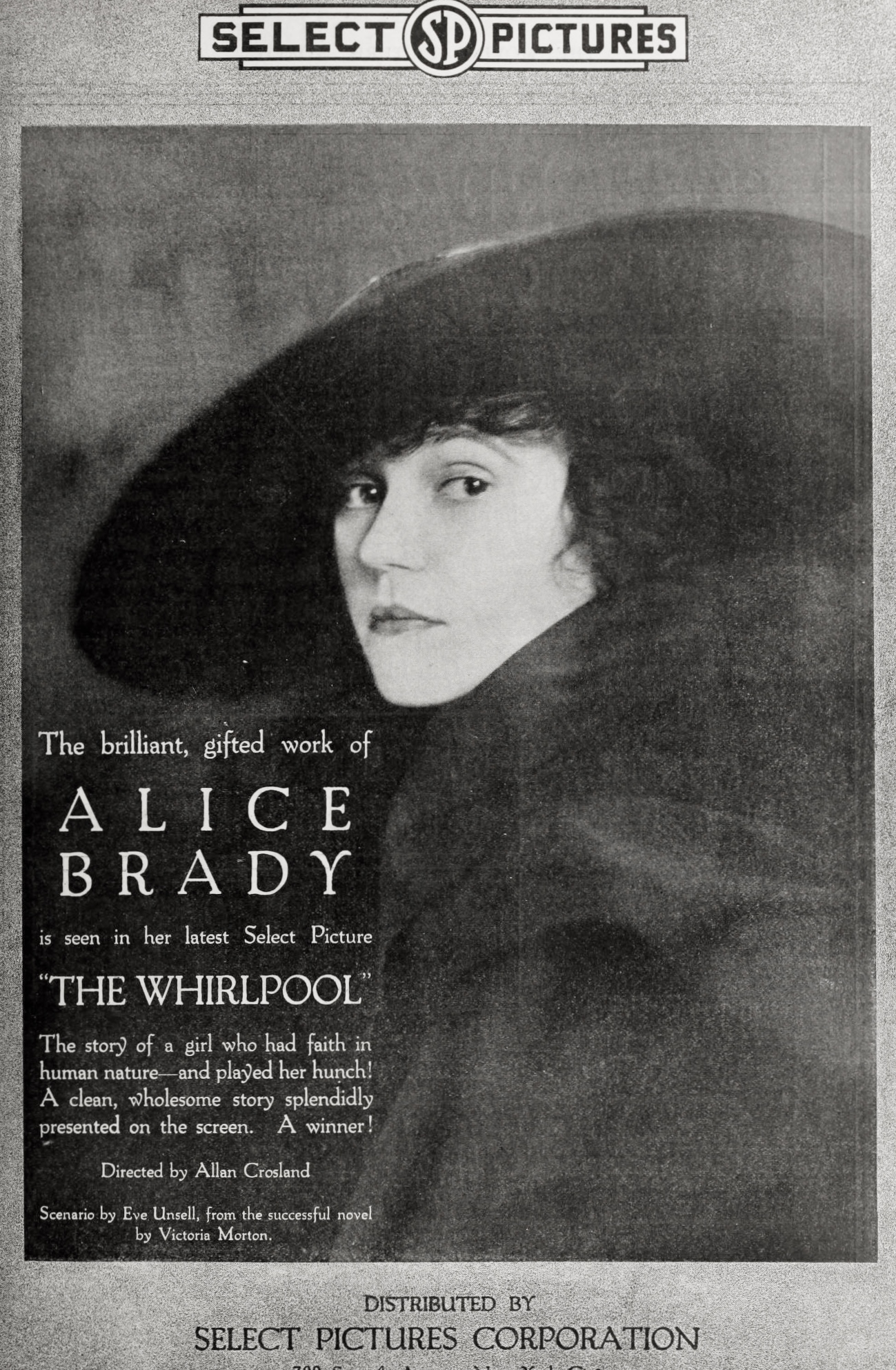
Dir: Alan Crosland
Wanting to impress the beautiful Bella Cavallo, whose stepfather Ferris forces her to act as a decoy in his Tenderloin gambling establishment, Richard Brettner commits a minor robbery. Judge Reverton pardons the love-struck young man but regrets his decision when Richard is arrested for murder. Through his physician, Dr. Comyns, the judge meets Bella and soon makes her his wife. The doctor, however, tells Reverton about Bella's profession, thereby causing him to distrust his new wife. Reverton returns home to find Bella planning a night meeting with Arthur Hallam, the murdered man's nephew. Expecting the worst, the judge soon realizes that Bella plotted only to beguile Arthur into a confession that he, and not Richard, committed the murder. Richard is released and the married couple is reunited.
View Details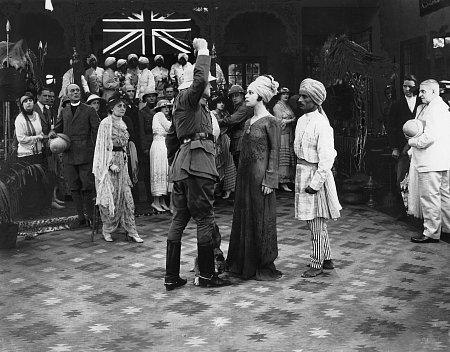
Dir: Herbert Blaché
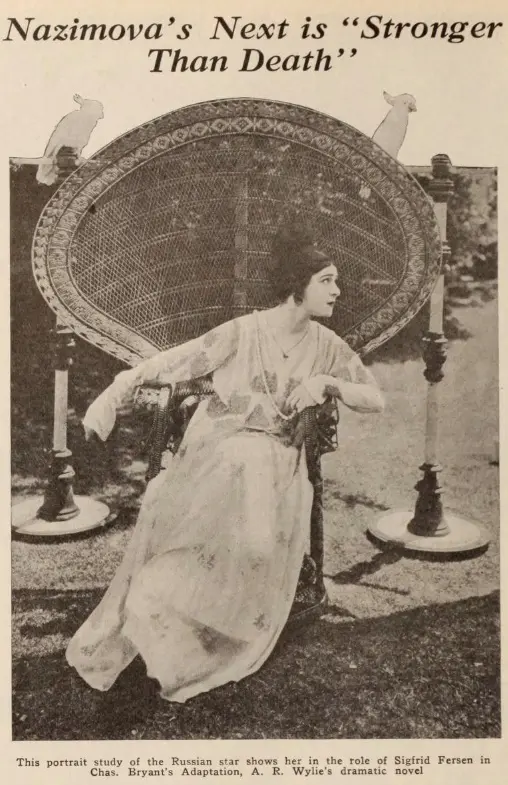
French dancer Sigrid, diagnosed with a weak heart, is ordered by her doctor never to dance again. But when her dancing skills are needed by her lover's father to help quell a native uprising on the East Indian frontier, she determines to dance whatever the cost.
View Details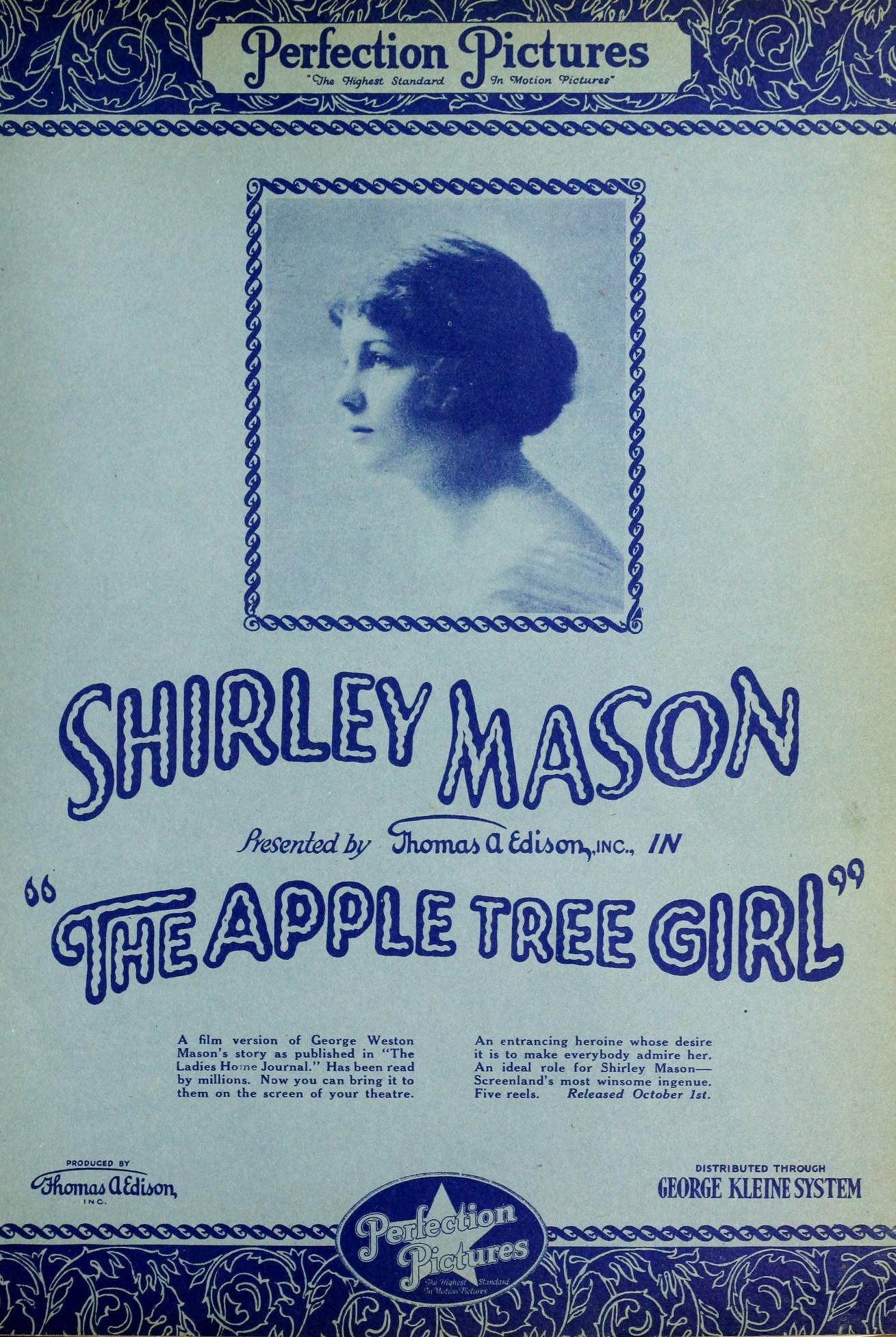
Dir: Alan Crosland
Charlotte Marlin was raised on a Connecticut farm in the shadow of Micah's apple tree, whose fruit, according to legend, changed from pale green to spotted red after a peddler was killed and buried at its base. Orphaned, Charlotte goes to live with her aunt and pretty cousin Margaret. She meets Neil Kennedy, a poor boy who is working his way through college, and they become friends. Margaret, who is engaged to wealthy Willis Hayland, teases Charlotte, who considers herself to be plain-looking. At high school graduation Charlotte's academic achievements are obscured by Margaret's leading role in the school play. Jealous of Margaret, Charlotte resolves to make everybody like her, to be famous, and to marry a millionaire. She learns that to make everybody like her, she must be friendly to everyone. To become famous, she becomes a golfer and wins the world's championship tournament. She nurses millionaire Perry Graham after hitting him in the head with a golf ball, supposedly an accident, but when Perry falls in love with her, Charlotte realizes that she loves Neil, who has become a promising physician.
View Details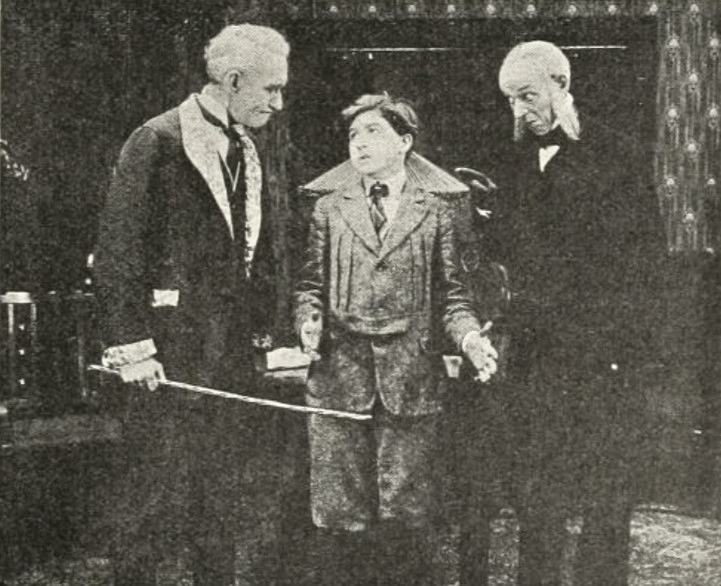
Dir: Alan Crosland
Chris, a student, ambitious in his own way but resisting tutors, was always in trouble until, at an auction sale, he purchased an old Oriental lamp because of its odd design, not dreaming that it was possessed of magical powers which he discovered when he began polishing it. A huge slave appeared, told him the lamp was his master and that he was prepared to obey any command that its owner, Chris, might give. As a test Chris bade the slave to transform himself into another Chris. He then sent the double of himself to school, where he was made to take the thrashings intended for Chris and to serve as the butt of many jokes and experiences meant for the real Chris. When the genie finally decides that he does not relish serving as Chris' double, the real trouble and fun begins, involving Chris' father and mother, teachers, family doctor, and farcical mix-ups develop with great rapidity. The doings of "Chris and the Wonderful Lamp" in the days of the Twentieth Century rival the best of Arabian Night tales.
View Details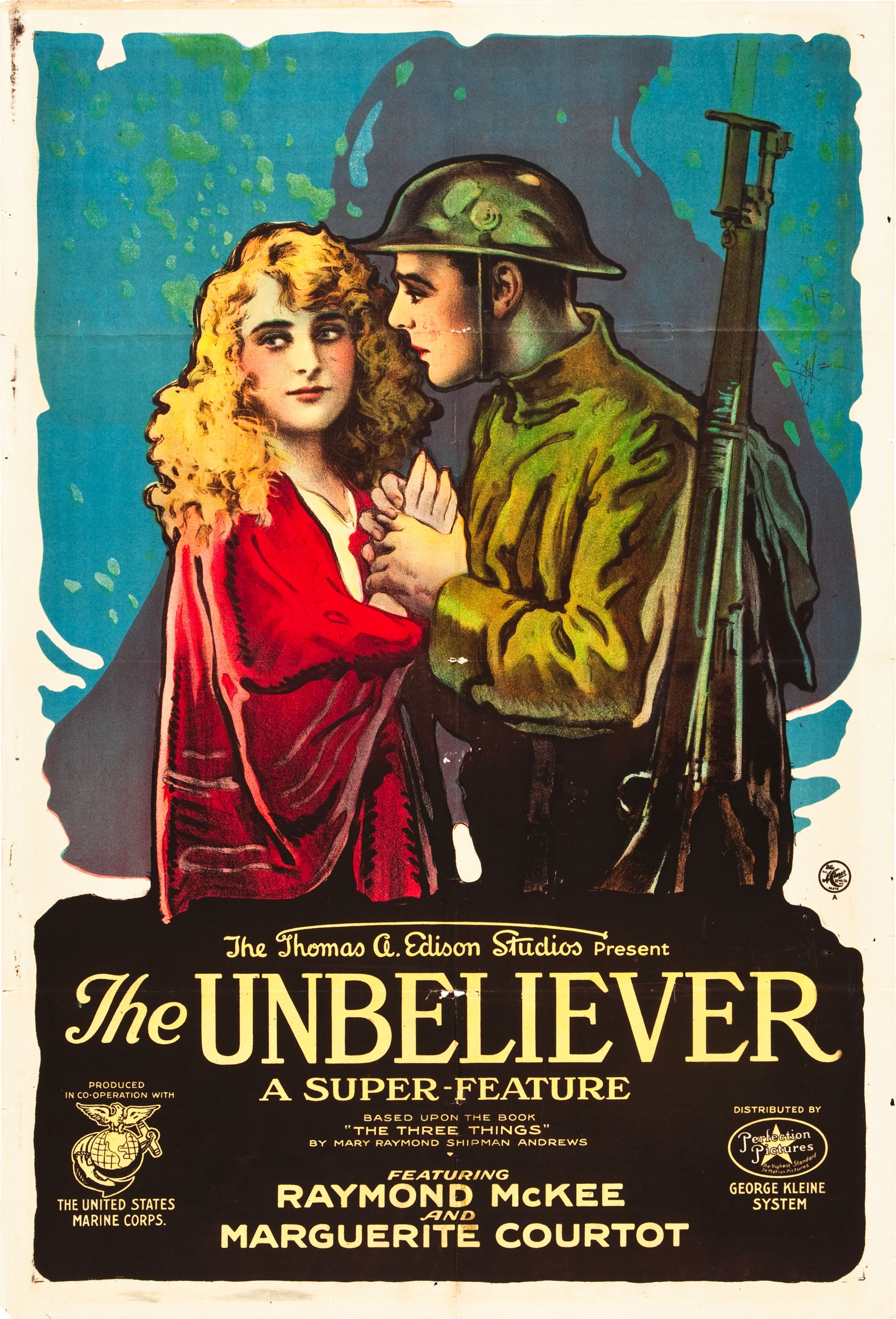
Dir: Alan Crosland
A wealthy young American, bred to class distinction and racial intolerance, enters First World War. In the course of his experiences in the trenches and being wounded, he comes to a recognition of the equality and brotherhood of men.
View Details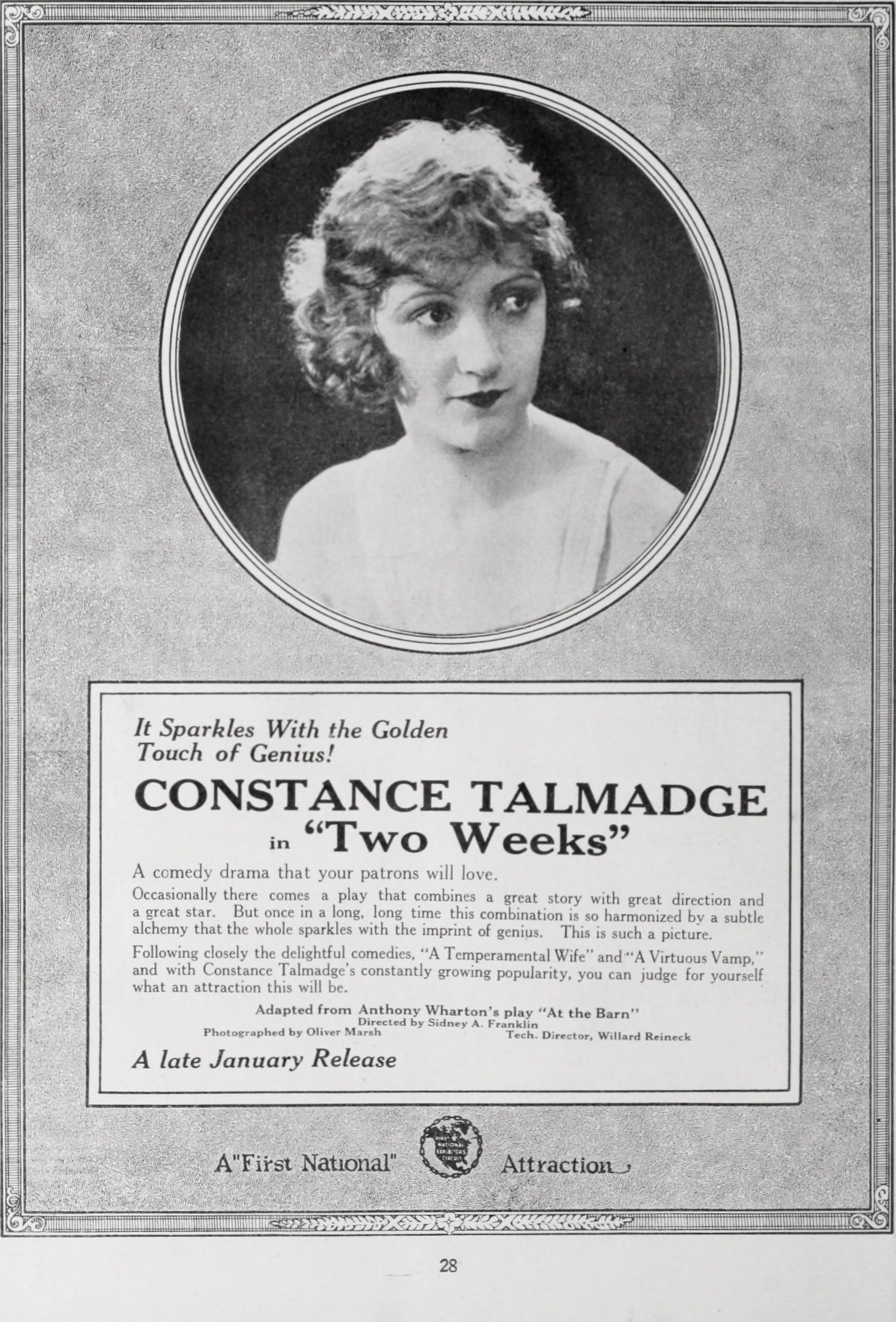
Dir: Sidney Franklin
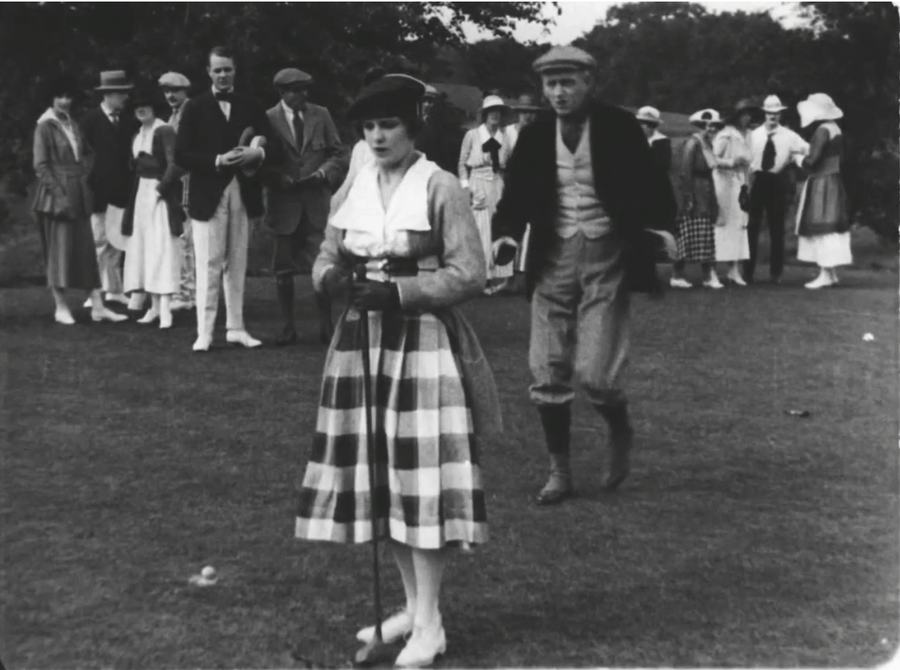
A chorus girl hopes to rise to stardom and thus accepts the advances of a wealthy man. But she becomes fearful of her reputation and safety. In an attempt to escape the rake's attentions, she hides out with a disparate group of men who room in a house called "The Barn." There she learns that there is more to life than that found on the stage.
View Details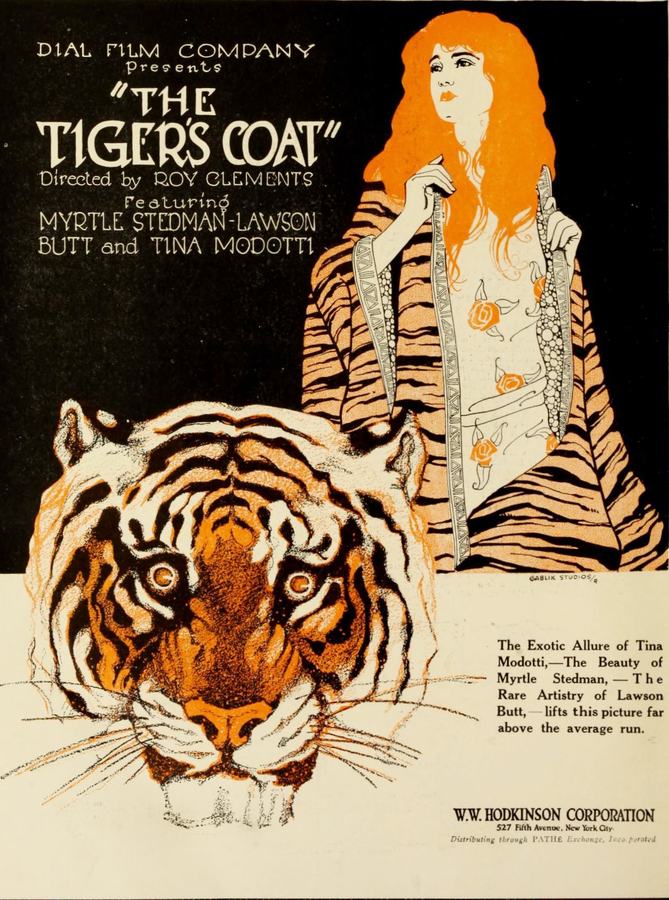
Dir: Roy Clements
A man agrees to marry the daughter of a deceased friend - who is, in fact, being impersonated by the servant girl of the daughter, who has also already died.
View Details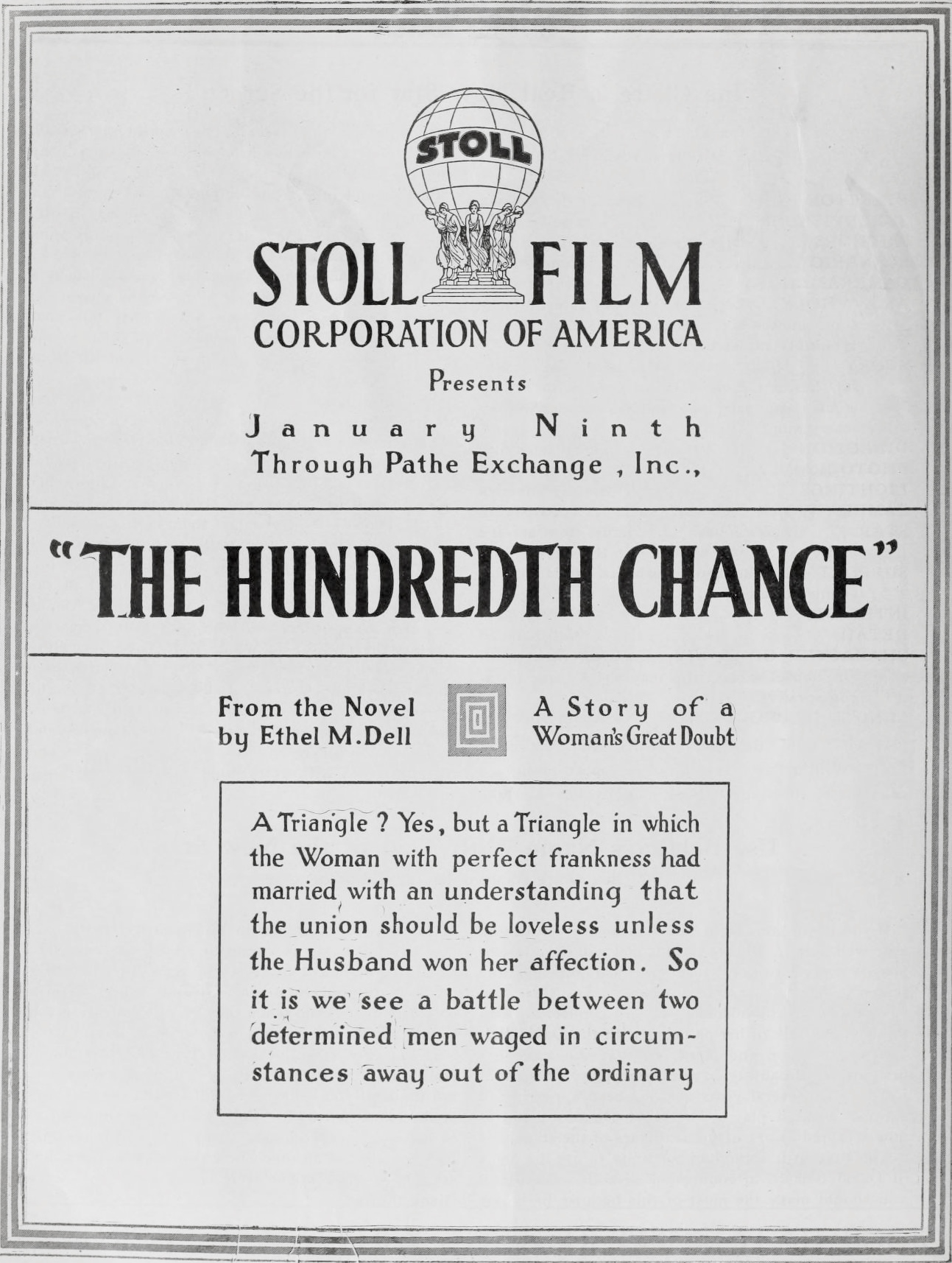
Dir: Maurice Elvey
A lady marries a horse trainer but withholds herself until her crippled brother is cured.
View DetailsAnalysis relative to The Song of the Flame
| Film Title | Atmosphere | Complexity | Similarity |
|---|---|---|---|
| Under Northern Lights | Gothic | Layered | 89% Match |
| Polly of the Storm Country | Gritty | Abstract | 97% Match |
| The Whirlpool | Gritty | Linear | 94% Match |
| Stronger Than Death | Ethereal | Layered | 85% Match |
| The Apple-Tree Girl | Gritty | Abstract | 96% Match |
This guide was algorithmically generated using the cinematic metadata of Alan Crosland's archive. Last updated: 6/26/2026.
Back to The Song of the Flame Details →