
DbcultAccessing Vault...
Recommendations
Senior Film Conservator
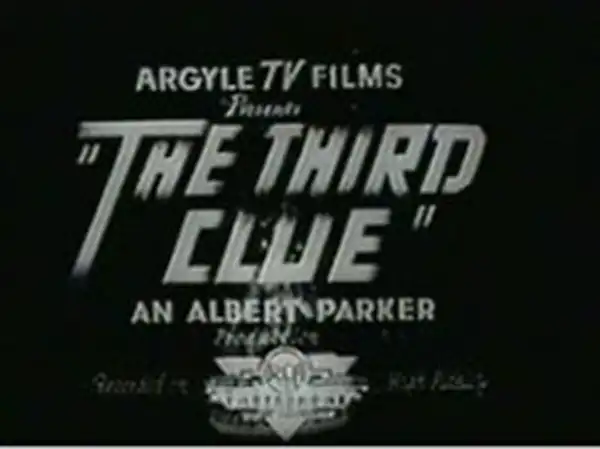
If the cinematic excellence of Albert Parker's work in The Third Clue left an impression, the cinematic shorthand used by Albert Parker is both ancient and revolutionary. We've prioritized films that capture the 1934 aesthetic with similar precision.
By merging cinematic excellence with Crime tropes, it to articulate the unspoken anxieties of United Kingdom's 1934 era.
Set in an Old Dark House, a man is murdered in his study. With his dying breath, he tells his brother of two clues to finding hidden Eastern Indian jewels that were part of a precious idol. He wants his brother to locate the treasure, so that it can be given to his son. But before the treasure can be found, a third clue must be discovered.
The Third Clue was a significant production in United Kingdom, showcasing the immense talent of Noel Dainton, Rani Waller, C.M. Hallard. It continues to be a top recommendation for anyone studying Crime history.
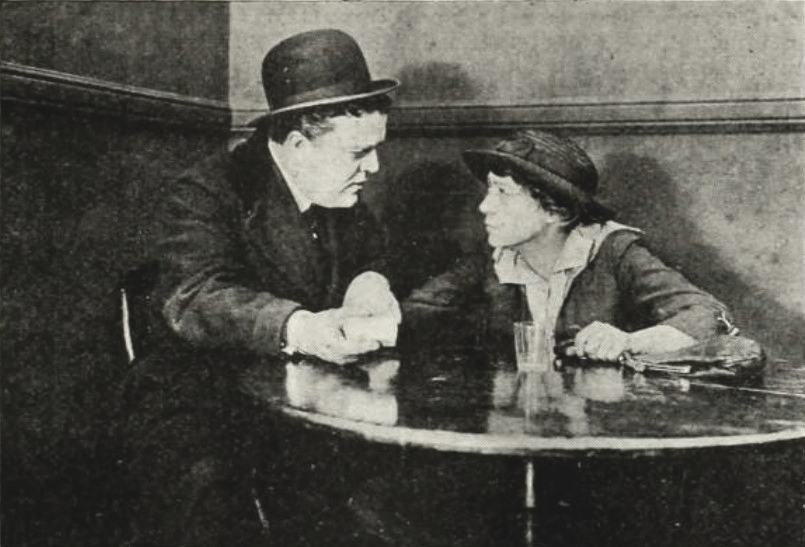
Based on the unique cinematic excellence of The Third Clue, our vault has identified these titles as the most compelling follow-up experiences for fans of Crime cinema:
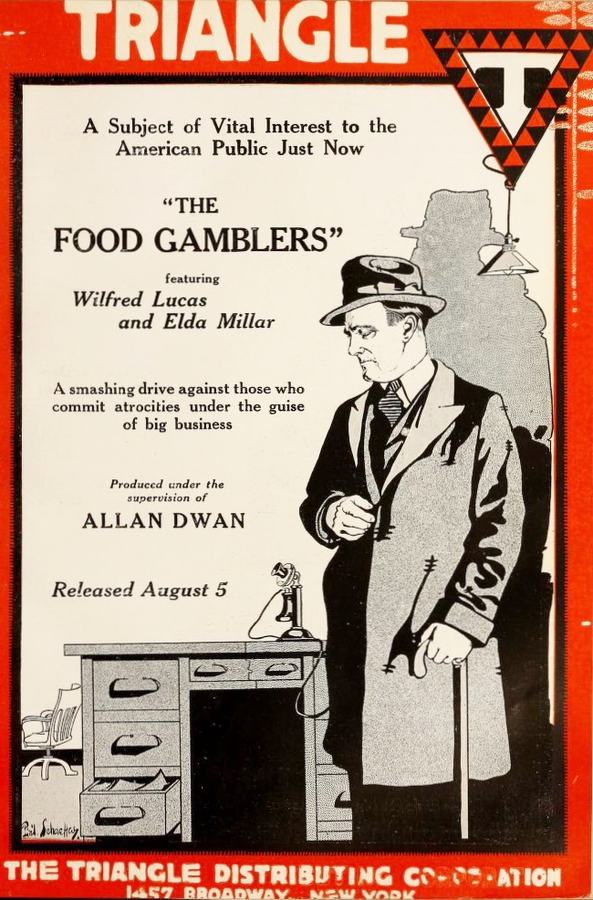
Dir: Albert Parker
Designated to write an article on the high price of food, reporter June Justice visits the tenement districts where there have been food riots and where the women of the neighborhood have rebelled against the food retailers, thinking that they are to blame for high food prices. June then visits the retailers, the middlemen, and finally interviews Henry Havens, the leader of the ring of food speculators. Havens attempts to bribe June to slant her story, but finds himself falling in love with her instead. Under June's influence, Havens sees the hardship that his policies have wrought, and finally joins her in her push for legislation which would dissolve the food trust.
View Details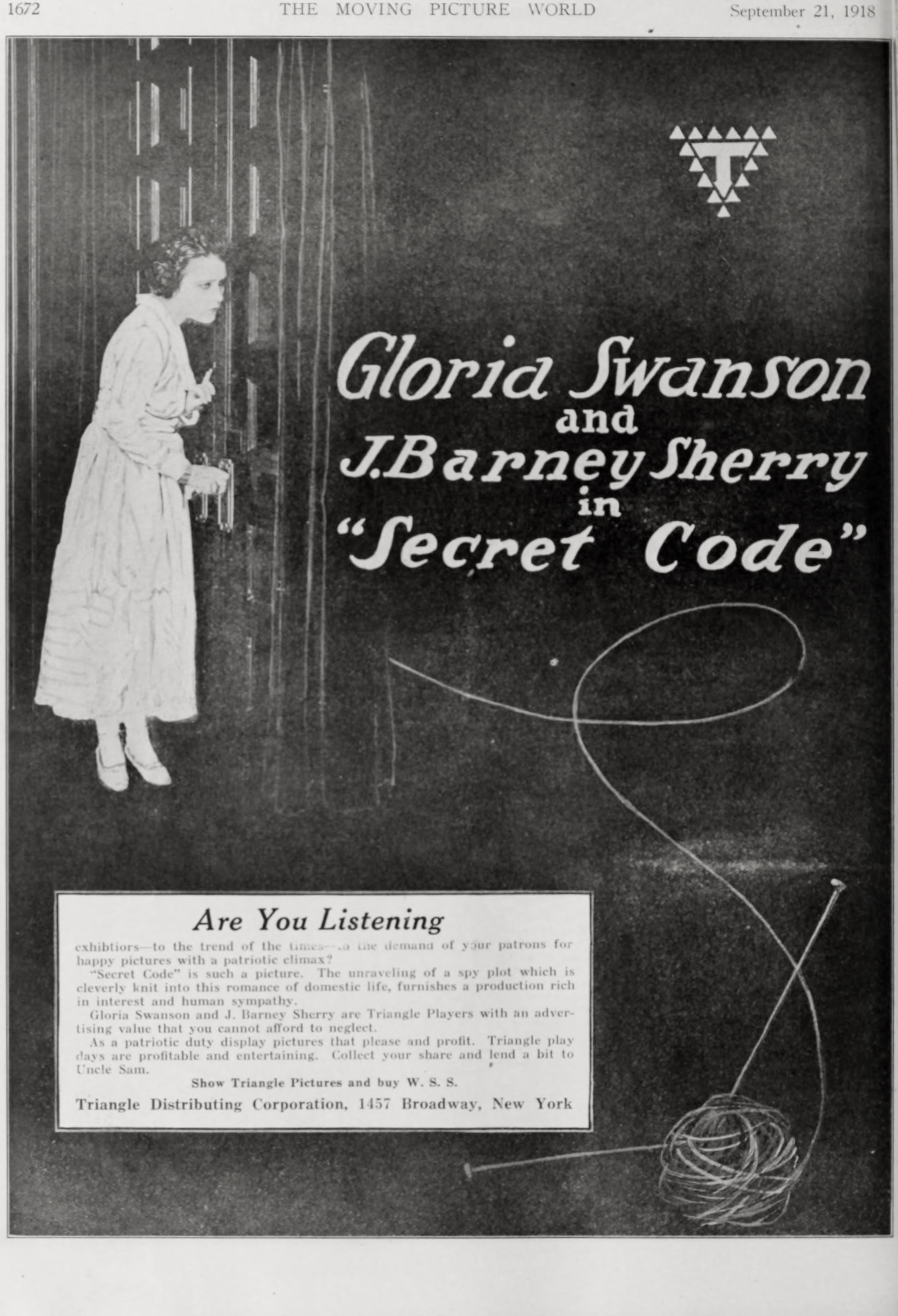
Dir: Albert Parker
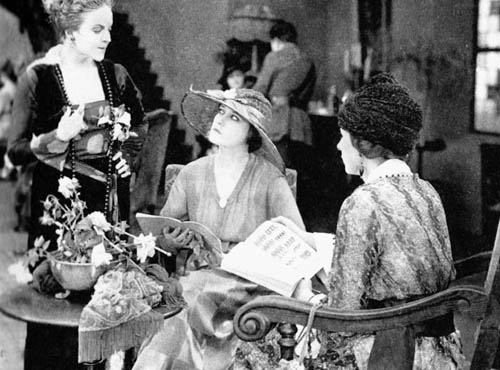
Sally Carter Rand, married to an elderly senator, is accused of espionage, but she is able to clear herself by proving that her mysterious knitting is actually a baby sweater.
View Details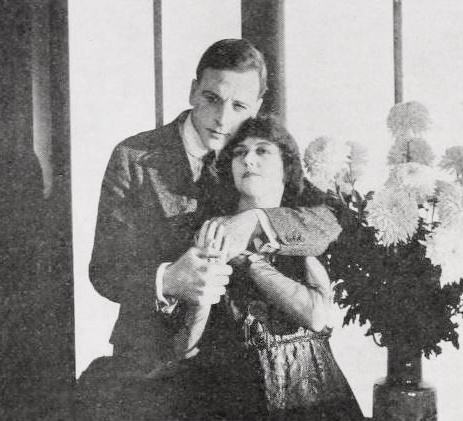
Dir: Albert Parker
On her way to New York City to complete her art education, Eleanor Gates meets Mr. Harrington, a broker, and the two become friends. When her work meets with great success in Greenwich Village, Eleanor consults with Harrington on investments. Bored with his wife, Harrington begins to fall in love with the fascinating young artist, and she returns his affections. After the death of the Harrington's' baby, Mr. Harrington completely neglects his wife, who soon realizes that he is having an affair. Unaware that Eleanor is the other woman, Mrs. Harrington confides in her, and Eleanor experiences a change of heart. After learning that Eleanor is Harrington's mistress, Mrs. Harrington denounces her, whereupon Eleanor castigates the wife for failing to provide her husband with sympathetic companionship. Mrs. Harrington resolves to become a better wife, while Eleanor returns to the sweetheart she left in the country.
View Details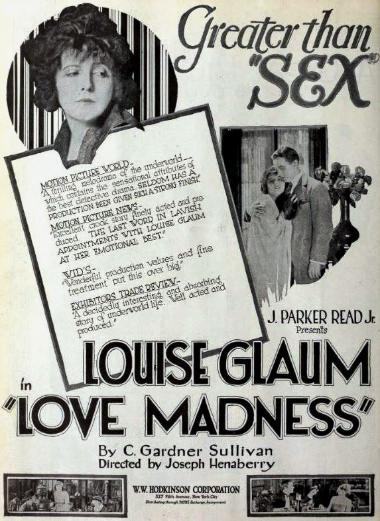
Dir: Joseph Henabery
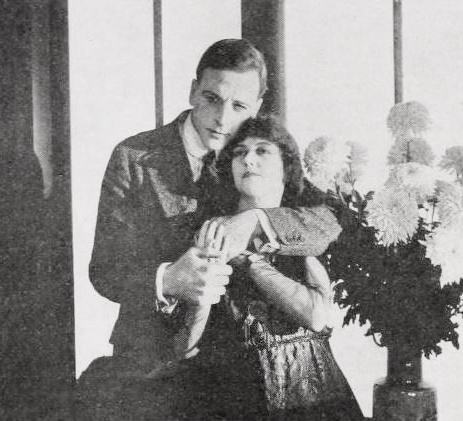
When respectable Lloyd Norwood becomes infatuated with moll Goldie Lewis, he falls into a life of debasement that results in his being accused of the murder of gangland henchman Joe the Swell. Norwood's wife Mary, convinced of her husband's innocence, determines to clear his name. Disguising herself as a vamp and infiltrating the underworld, Mary extracts a confession from the real murderer, Pussyfoot Connor, whom she dupes into believing that he sees the ghost of the murdered man. Later, to have witnesses to the story, Mary takes a midnight dinner with gang leader Jack Frost, arousing the jealousy of Connor, who enters and accuses Frost of instigating the murder. The police, alerted to the scheme, rush in and arrest the criminals. Finally, a phone call to the prison warden results in Norwood's release as a wiser man.
View Details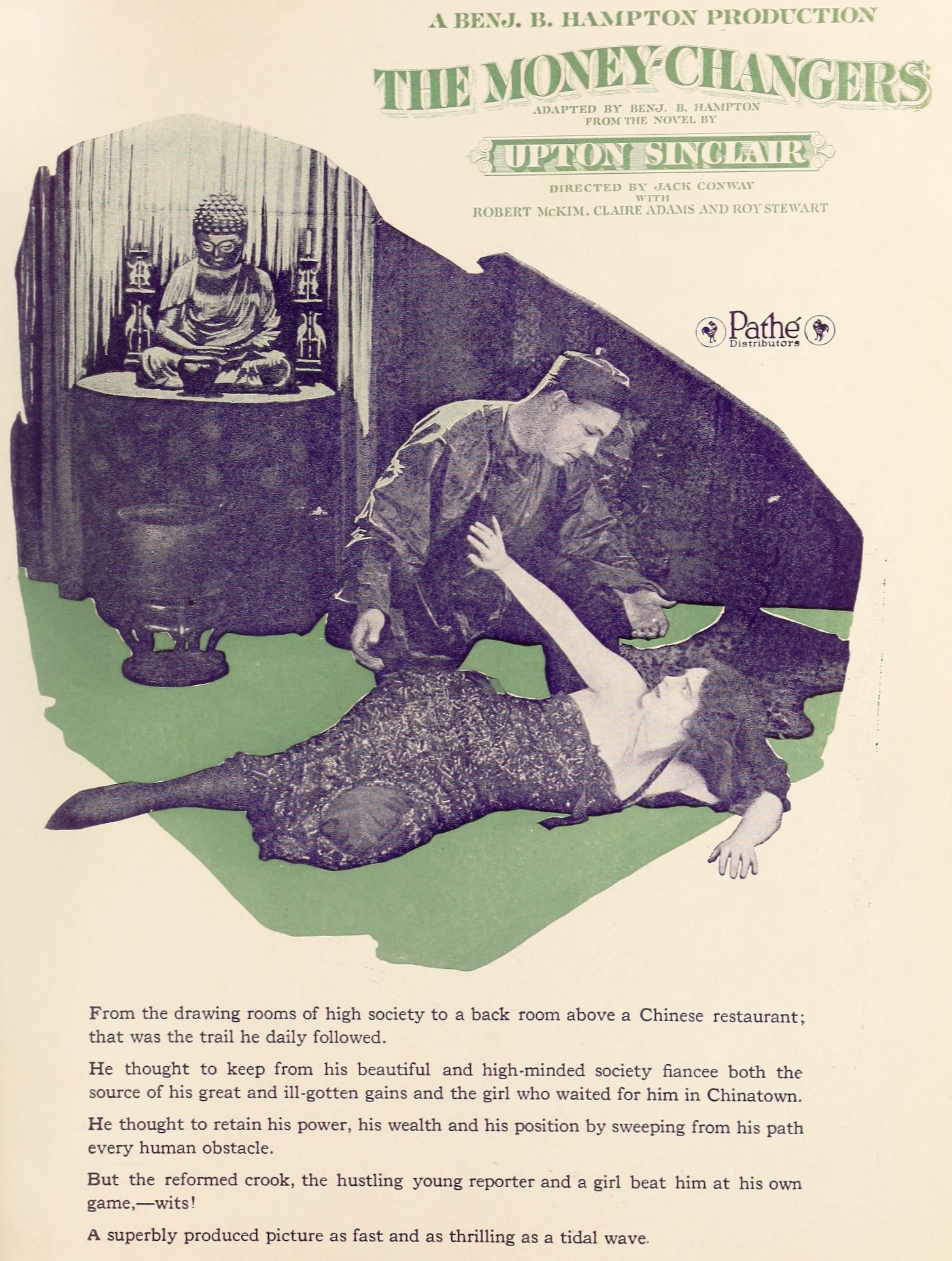
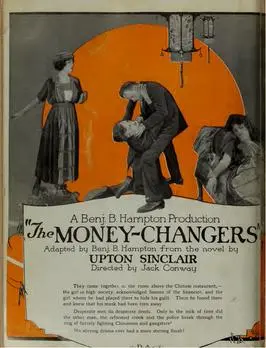
Dir: Jack Conway
Lucy Hegan, the proprietor of a settlement house for the poor, is engaged to Hugh Gordon, the head of a large pharmaceutical and chemical firm who, unknown to Lucy, is also the ringleader of a powerful drug and white slave operation in the Chinese quarter. While conducting an investigation into illicit drug traffic for his paper, newspaper reporter Allan Martin meets Lucy and falls in love with her. In the course of her work, Lucy has befriended reformed crook Monk Mullen and his mother, and when Monk learns that she is to marry Gordon, the ex-crook provides Allan with proof of Gordon's underworld drug trafficking. Armed with his information, Allan leads a raid on Gordon's headquarters, and in the ensuing battle, the drug king is killed by his henchman, Ling Choo Fang, thus freeing Lucy to marry her young reporter.
View Details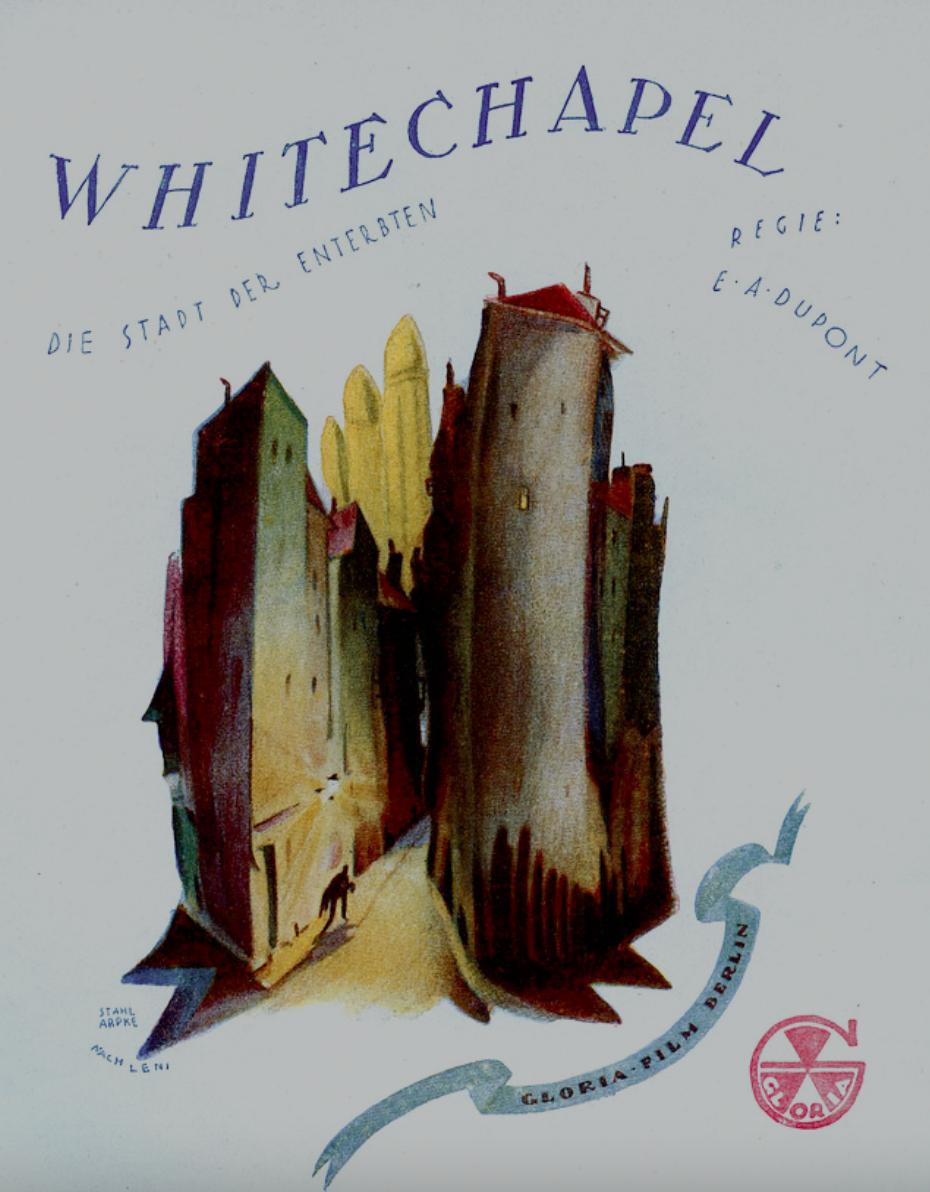
Dir: Ewald André Dupont
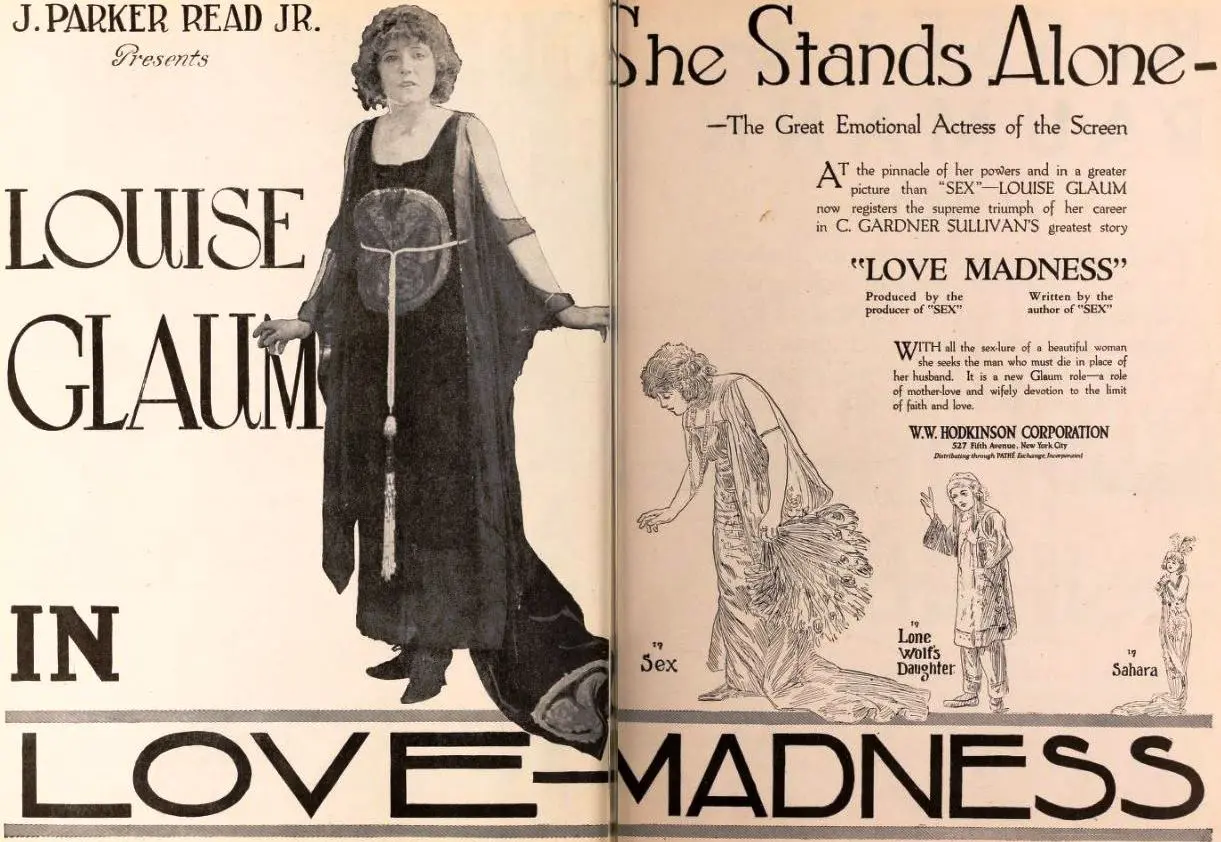
Fred Hopkins, a jeweler's assistant, replaces the pearl necklace Lord Reading bought as a wedding present with a worthless imitation. A hunt begins, which the flower seller Rahel and the jumping jack dealer David are able to end by finding the jewelry. Hopkins, who is convicted, then commits suicide for fear of being punished with poison.
View Details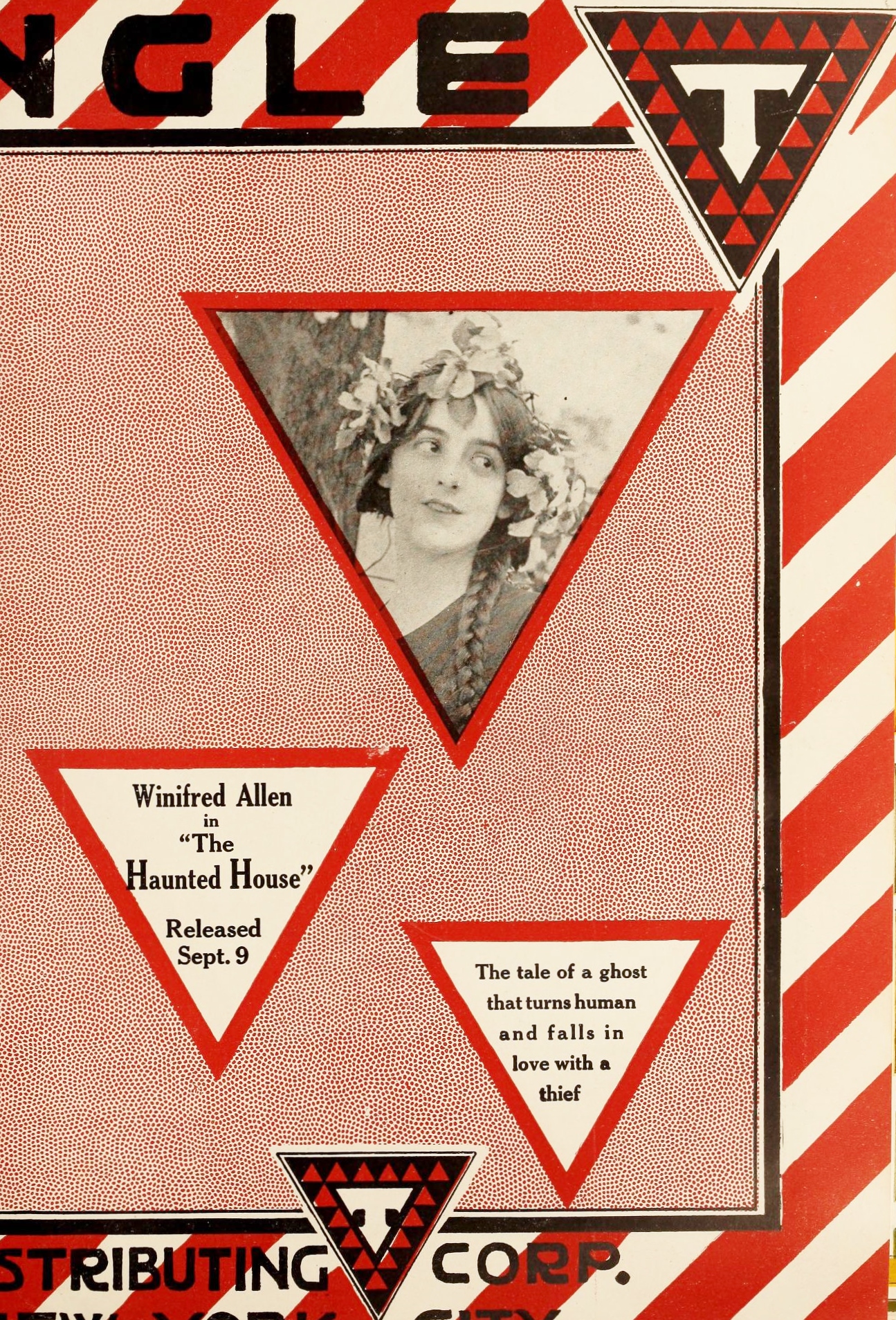
Dir: Albert Parker
Young Anne (Winifred Allen) who lives with her stern uncle, is considered strange by the gossips of her village because she spends much of her time in the woods, where she has imaginary conversations with her deceased mother. When Jimmy (Dick Rosson), a crook is wounded after a robbery, he eludes the sheriff by hiding in a deserted mansion, unaware that the mansion is said to be haunted. The spirit haunting the mansion is Anne, who befriends Jimmy and frightens away his pursuers by pretending to be a ghost. Soon, the young couple begin a romance, safe within the walls of the haunted house.
View Details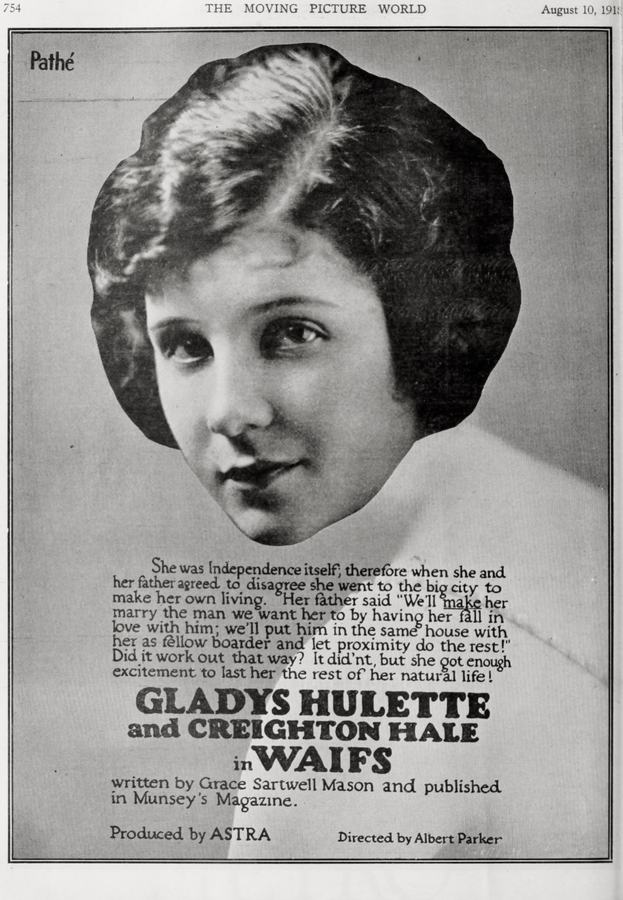
Dir: Albert Parker
A woman runs away from an arranged marriage. Her father finds her and plans to send the man to the same rooming house so they might fall in love. Plans go awry when a police reporter accidentally assumes his place while on a case.
View Details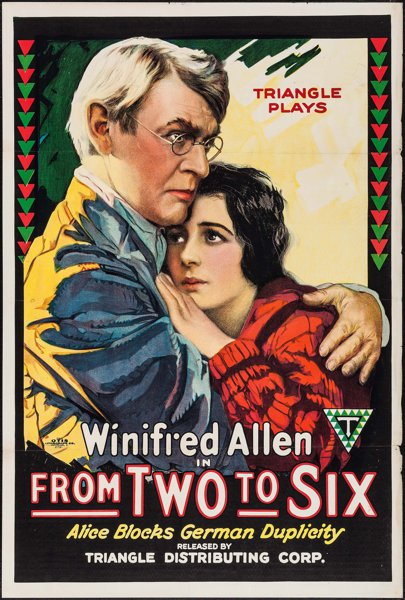
Dir: Albert Parker
During World War I, John Stevens invents an anti-submarine device, but the plans are stolen by two German spies, the Baron von Wiederholtz and Madame Elsa, who flee to a New York hotel. Stevens' daughter Alice pursues the spies hoping to retrieve the plans. Also lodging at the hotel are Howard Skeele and Margaret Worth, childhood friends whose parents are forcing them to marry with threats of disinheritance. In attempting to escape, Howard finds himself in the baron's suite just in time to spy the German in the act of hiding the plans. Howard directs Alice to the plans, and then, because he must be wed before six o'clock that evening or lose his inheritance, he proposes to her. They marry with Margaret's blessing, the spies are arrested, and Alice returns home with the plans and a husband.
View Details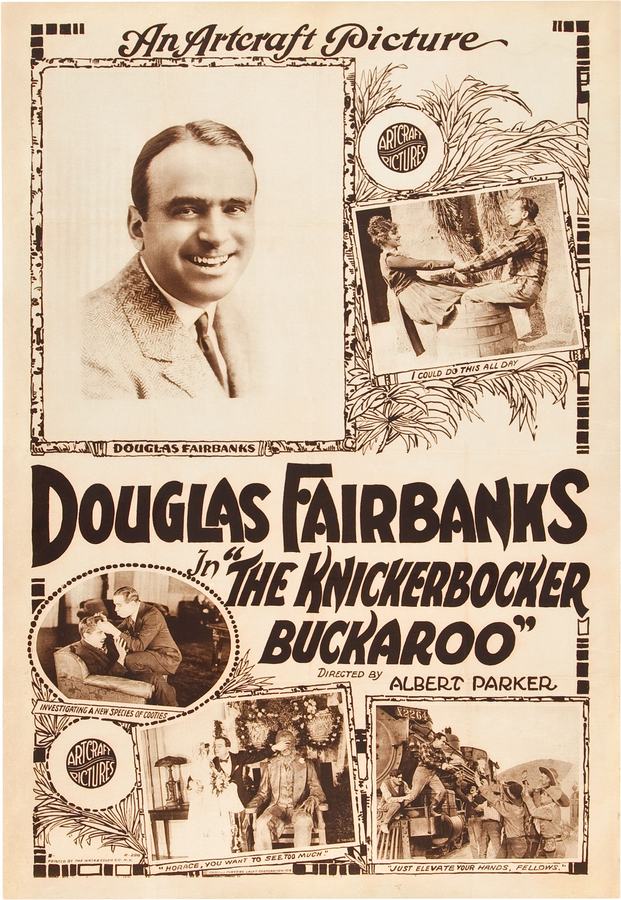
Dir: Albert Parker
In a prologue, Douglas Fairbanks appears in a chef's outfit mixing a cake with action, mystery, adventure, romance and comedy, seasoned with pep and ginger. The finished cake is The Knickerbocker Buckaroo. The story begins as buoyant Teddy Drake, expelled from his exclusive Fifth Avenue club for playing practical jokes and leaping over furniture, decides to reform his selfish impulses. Anxious to do "something for somebody," he boards a train bound for the Southwest. After helping an old woman off the train, Teddy takes the wrong train and meets Manuel Lopez, a Mexican bandit, going to visit his sick mother. To hide Lopez from a crooked sheriff, and because Teddy left his shirt in the first train, Teddy exchanges clothes with him. At the border town of Sonora, the sheriff chases Teddy along the roofs until, seeing a girl in jail, Teddy lets himself be arrested. Learning that the girl, Rita Allison, has money hidden that the sheriff wants to steal, Teddy escapes. After Lopez saves him from a lynching, Teddy finds the money, holds off the sheriff's gang until a U.S. Marshal arrives, and then returns to New York with Rita, now his fiancée.
View DetailsAnalysis relative to The Third Clue
| Film Title | Atmosphere | Complexity | Similarity |
|---|---|---|---|
| The Food Gamblers | Ethereal | Layered | 88% Match |
| The Secret Code | Gothic | Linear | 90% Match |
| The Other Woman | Gothic | Dense | 93% Match |
| Love Madness | Ethereal | Linear | 86% Match |
| The Money Changers | Ethereal | Layered | 94% Match |
This guide was algorithmically generated using the cinematic metadata of Albert Parker's archive. Last updated: 6/26/2026.
Back to The Third Clue Details →