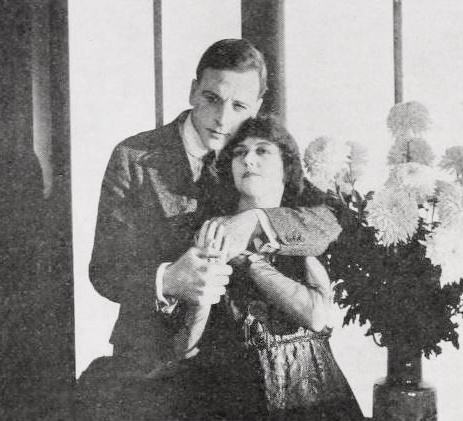
On her way to New York City to complete her art education, Eleanor Gates meets Mr. Harrington, a broker, and the two become friends.
Philip Bartholomae, Frederic Arnold Kummer
United States
body{background:#000;color:#fff;font-family:Georgia,serif}.title{color:#C2410C;font-size:24px;margin-bottom:10px}.subtitle{color:#EAB308;font-size:18px;margin-bottom:15px}.section{margin-bottom:30px}The Alchemy of Art and Deception in *The Other Woman*A Deconstructive Lens on Thirties MelodramaWhen The Other Woman unfu...
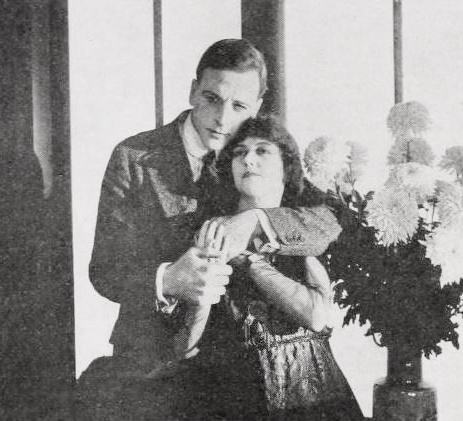
still_frame
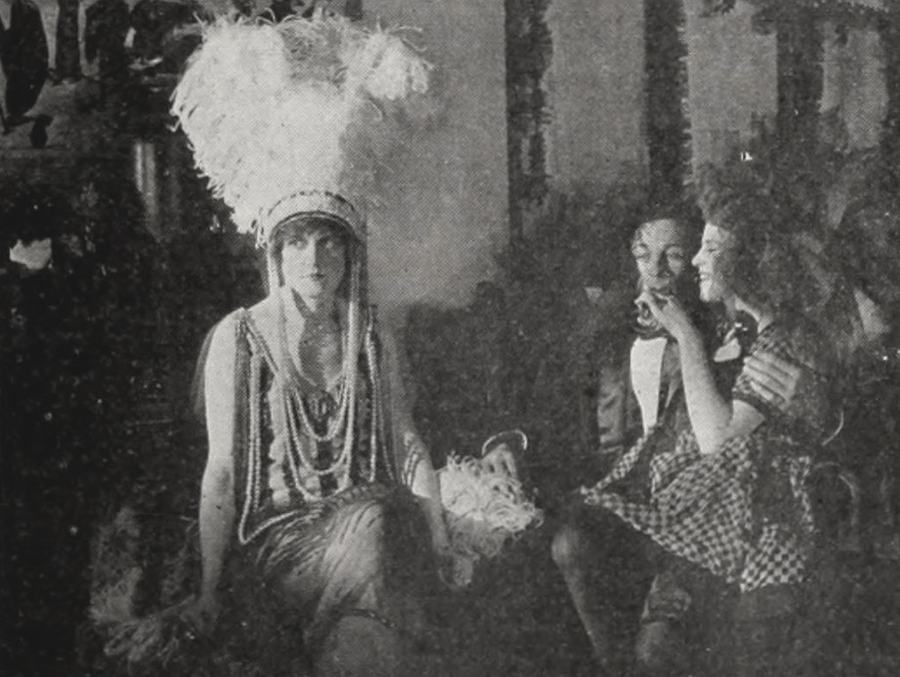
still_frame
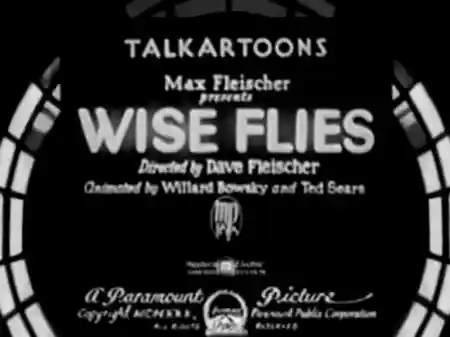
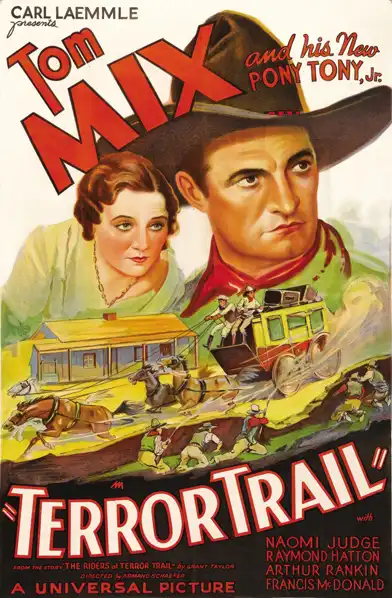
Comparing the cinematic DNA and archive impact of two defining moments in cult history.
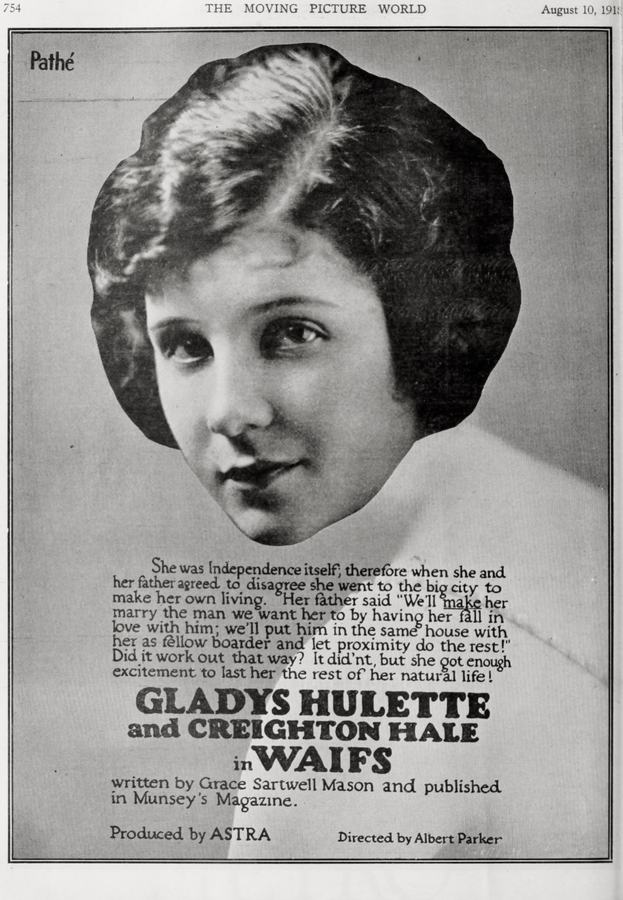
Albert Parker
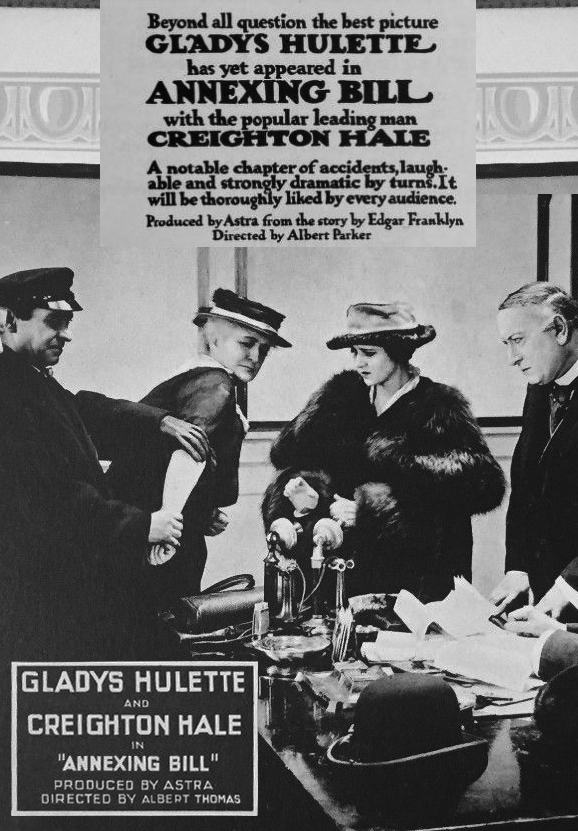
Albert Parker
Community
Log in to comment.
"body{background:#000;color:#fff;font-family:Georgia,serif}.title{color:#C2410C;font-size:24px;margin-bottom:10px}.subtitle{color:#EAB308;font-size:18px;margin-bottom:15px}.section{margin-bottom:30px}The Alchemy of Art and Deception in *The Other Woman*A Deconstructive Lens on Thirties MelodramaWhen The Other Woman unfurls its narrative, it does so with the precision of a Renaissance painting—each frame meticulously composed to interrogate the moral calculus of desire. The film’s opening sequence..."
Deep dive into the cult classic
Discover similar cinematic experiences
A Directorial Spotlight on Albert Parker