
DbcultAccessing Vault...
Recommendations
Senior Film Conservator

After experiencing the cinematic excellence of The Triumph of the Weak (1918), finding other movies that capture that same lightning in a bottle is a top priority. These recommendations provide a deep dive into the same stylistic territory occupied by The Triumph of the Weak.
This 1918 cult classic stands as a testament to challenge the status quo through its avant-garde structure.
The opening picture finds Edith (Alice Joyce) in prison where she has been for the last three years. She is a widow and her baby has been placed in an institution. She is paroled, finds her child and steals him from the asylum. After wandering around she finally obtains a position in a department store, where Jim Roberts, superintendent, falls in love with her. They are married, but she fails to tell him of her past. Mabel, also freed from prison, demands that Edith join with her and her side partner in a crime, under threat of exposing her past to Jim. Jordan, a friend of Jim's visits them. He is a detective, and recognizes Edith as a former thief. Further to involve her, Mable, hiding from the police, forces Edith to give her refuge in her home, where she immediately proceeds to steal everything in sight, money being her particular passion. Jordan tells Jim he is harboring a thief and he tells Edith she must leave, but Edith, still fearing Mabel, confesses to the theft of money and Mable is allowed to stay. The two men then plan to trap Mable by placing $400 in a desk. As Edith takes the money from the desk, lights are flashed on and she stands before the two men as the thief. The distracted girl now tells her husband of her first theft to save her baby and of her present attempt to keep her past from him. The men have a battle, the detective gets badly beaten up, but is moved by her great courage, gives her back to Jim and the child and through his efforts she obtains a free pardon. - Review from Variety, May 10, 1918.
Critics widely regard The Triumph of the Weak as a cult-favorite piece of cult cinema. Its cinematic excellence is frequently cited as its strongest asset, solidifying its place in United States's film legacy.
Based on the unique cinematic excellence of The Triumph of the Weak, our vault has identified these titles as the most compelling follow-up experiences for fans of cult cinema:
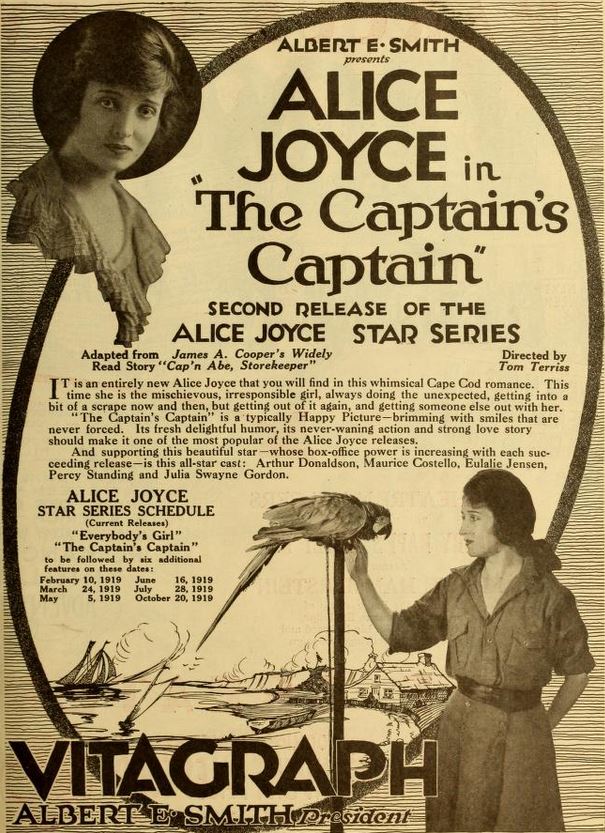
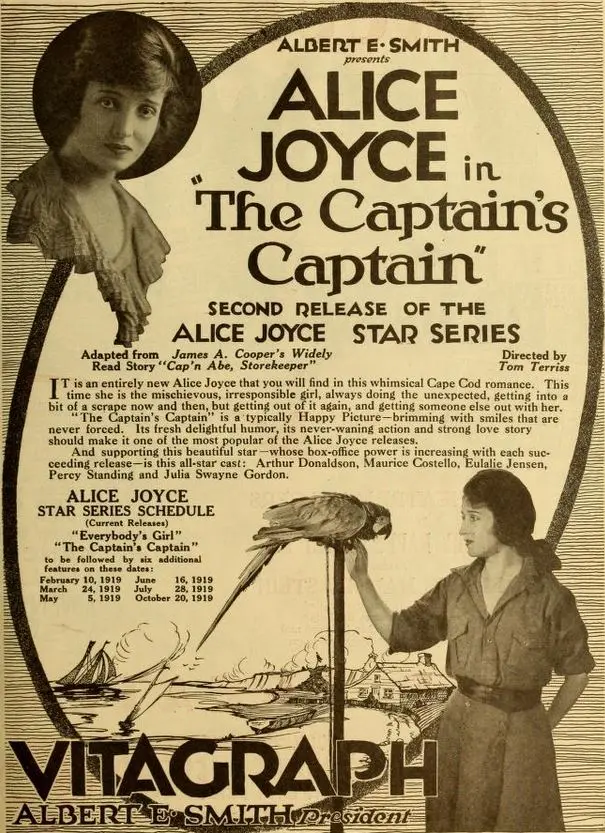
Dir: Tom Terriss
Louise Grayling escapes from a straight-laced aunt on a plea that she wants to visit her uncle, Captain Abe, on Cape Cod. Abe is henpecked by his housekeeper and rather looked down upon by the villagers who haunt his store. To give himself a fictitious glory he invents a fictitious brother, Amzon, who is a composite of all the pirates from Blackbeard to the food profiteers. Louise penetrates the deception and induced Abe to go away and come back as the fictitious brother. She has the time of her life keeping the placid Abe up to the reputation of his fire-eating brother, but all would have gone well had not some shipwrecked East Indians imagined that they recognized him as the desecrator of their Temple. Between them and the town people, who get the idea that Abe has been murdered by Amzon, Louise has her hands full, but Abe is transformed into his proper self, and a supposed fisherman who turns out to be a young millionaire rescues her from the mob and all ends happily after all. - Moving Picture World.
View Details
Dir: Tom Terriss
The story is of Angelina Allende, who is left an orphan by the suicide of her father, a real-estate visionary who has beggared not only himself but his friends in a vain attempt to "boom" the deserted hamlet of Anne's Bridge. Receiving news of his death, Angelina returns home, where she is presently inveigled into a trip to New York by two men, one of whom wants the property and the other of whom wants Angelina. In a restaurant scene which follows, Bink, the elder of the conspirators, makes advances to Angelina, is repulsed and then is shot by Wolver his fellow conspirator. The police enter, Angelina is accused of the shooting, and she is sentenced at length to a three-years' term in a home for delinquent girls. Emerging at the expiration of her sentence, she returns to Anne's Bridge. Here, in the lonely days that follow, she advertises for boarders and is at last rewarded by the appearance of James Deane. It is here that the love story begins; and it progresses until Angelina is cleared, through Deane's efforts, and, finally, is free to marry him. - New York Dramatic Mirror, November 10, 1917.
View Details
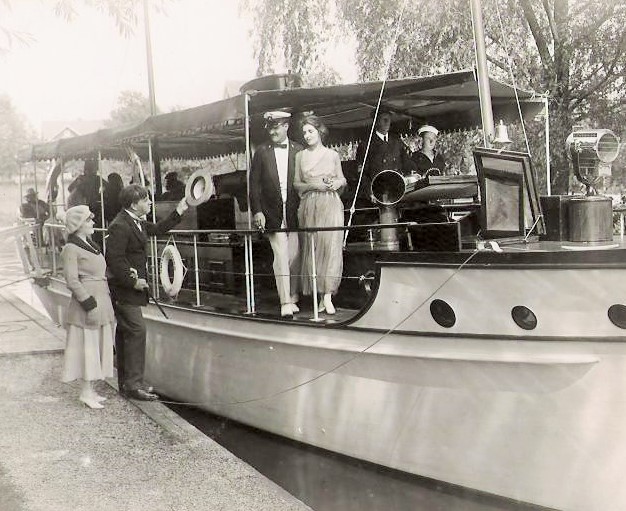
Dir: Tom Terriss
Florence is a little milliner who shares a room in "Brick Dust Row" with Ella, a fellow worker. It is all the home she has and the girls have to receive their company in the parks because there is no reception room, the millionaire owner of the Row having sublet the parlors. They see no harm in chance acquaintances. Then Florence meets Blinker, and real love comes into her life; but Blinker learns of what to him seems her promiscuous acquaintances and makes it plain that he cannot marry such a woman. There is a fire on the excursion boat on which they are traveling, and Bill, a gun-packing husky, who has constituted himself Florence's champion, saves them both. Then he learns Blinker's attitude, and a visit to the young millionaire owner of the Roy shows Blinker that his own greed is basis for Florence's actions and a changed Row is Florence's wedding present. - Moving Picture World 1918.
View Details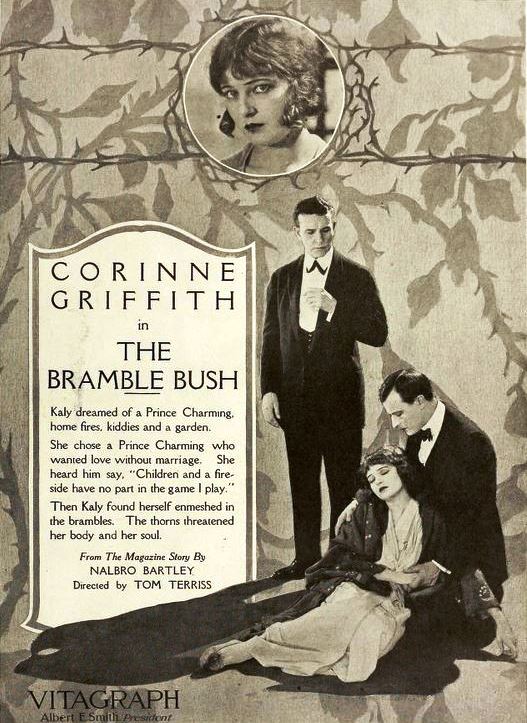
Dir: Tom Terriss
Innocent Kaly Dial comes to New York from the Cumberland Mountains and gets employment at a fashionable dress shop owned by a friend of her deceased mother. Peter Vernon, the brother of the owner, falls in love with her, but Kaly becomes attracted to suave John Crispen, not knowing of his reputation as a Lothario and his shady business deals. Crispen scoffs at conventional marriage and rearing children, preferring "comradeship," while Vernon offers marriage. Kaly finds herself attracted to Crispen's unconventionality and, believing that he loves her, goes with him to a hotel, but soon realizes that his love is not right and asks to be taken back. Crispen complies even though he knows he will face imprisonment when he returns. Vernon takes Crispen's case and after finding out that Crispen is already married, gets him off with the promise that he will never see Kaly again. After a year, Kaly falls in love with Vernon and they are married.
View Details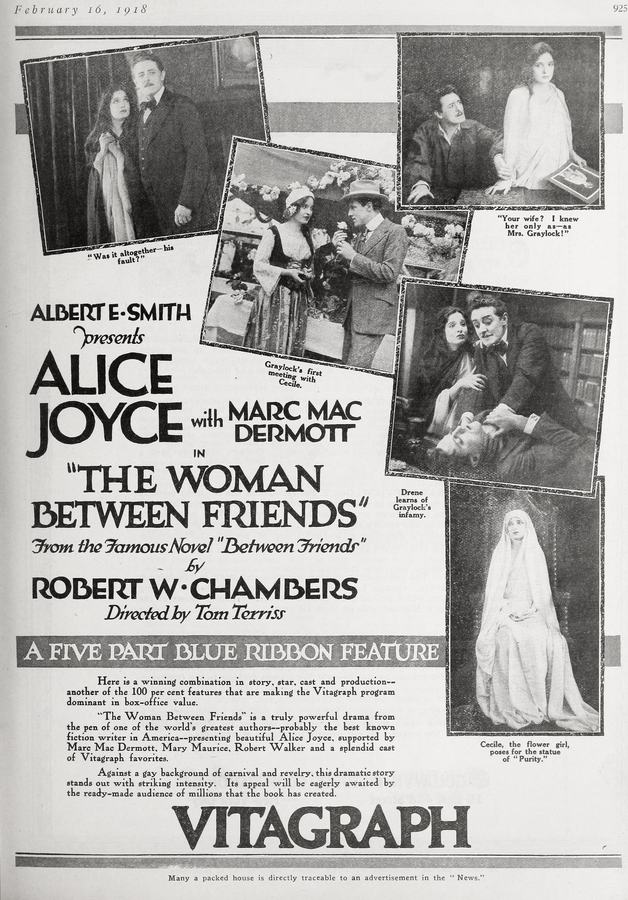
Dir: Tom Terriss
The friends of the story are John Drene, a sculptor, and Jack Graylock, a painter. Both men swear eternal friendship on the night before Drene's marriage. Later on the artist runs away with the sculptor's wife. The couple tire of each other, and the woman becomes an outcast. Then Graylock falls honestly in love with a flower girl, one of those sweetly innocent young women found in romance of the Chambers school Her name is Cecelie, and she follows the painter back to Paris. He installs her with the housekeeper of the studios where he lives, and introduces her to Drene, who is at once inspired to employ her as the model for a half completed statue posed by his wife. Drene, who was present when the runaway woman paid for her folly be being accidentally burned to death, has never suspected his friend, but Cecelie unintentionally betrays him. Drene is filled with a determination to kill Graylock at once. He then concludes that this would not be sufficient punishment, and informs the artist that on a certain day he must shoot himself or be killed. As a further revenge, Drene makes up his mind to wind Cecelie away from Graylock. He starts to put his plan in operation, not knowing that the girl has already fallen in love with him. Her gentleness and devotion soften his heart toward his one time friend, and he tries to prevent Graylock from carrying out the compact. The artist fires the shot as agreed, but only wounds himself, and Drene finds peace and happiness with Cecelie. - Moving Picture World.
View Details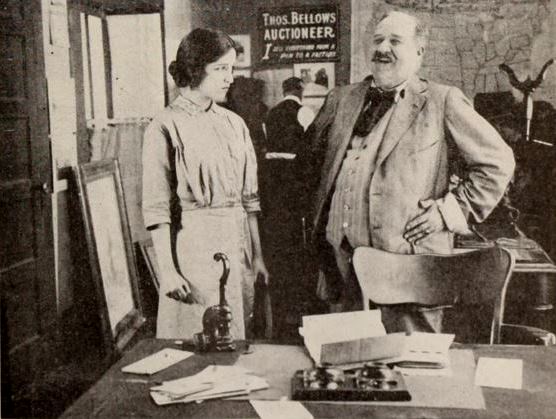
Dir: Tom Terriss
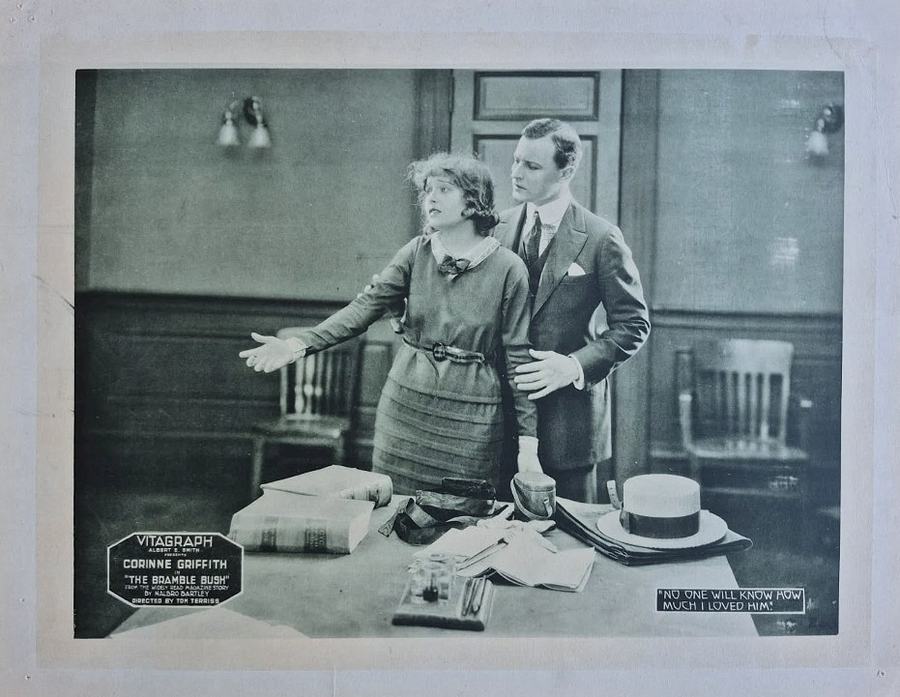
The story concerns a young girl who spends her entire life in trying to obtain money to pay off the mortgage on her farm. But the day comes when she can no longer meet the claims, and Jarvis, the man who holds the mortgage, gives her the alternative of selling herself to him in return for the land. She spurns his offer, but adopts a plan to sell herself in service for one year to the highest bidder. Her old sweetheart arrives too late to save her and later proves that he was not worthy of her. The year passes without her "master" claiming her. Then the girl learns that Jarvis had bought her services because he had really loved her and she, having learned to care for him, marries him. - New York Dramatic Mirror, July 27, 1918.
View Details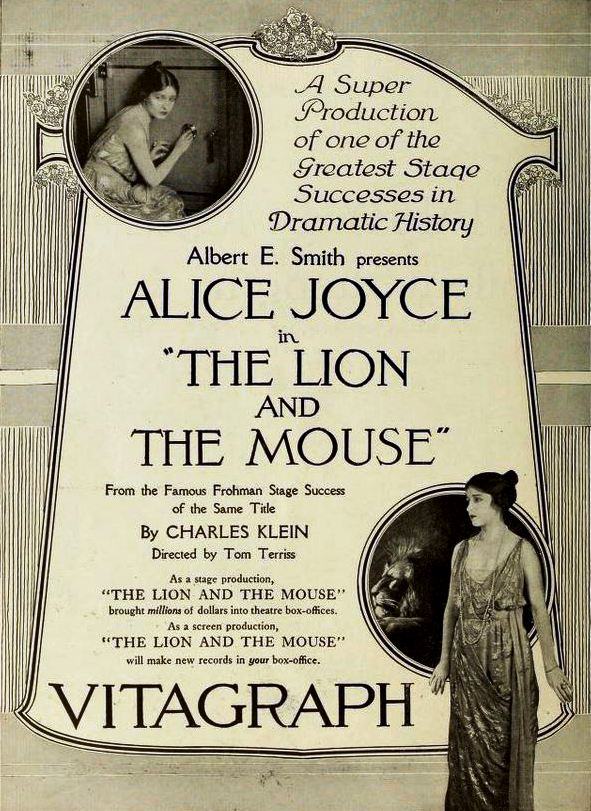
Dir: Tom Terriss
John Burkett Ryder, "the richest man in the world," determines to discredit a judicial decision which works against the interest of his millions by discrediting its author, Judge Rossmore, and causes impeachment charges to be laid against him in Congress. The judge's daughter Shirley Rossmore, learns of his trouble and returns home from Paris, where she has won success as a writer. She is loved by Jefferson Ryder, son of the magnate who is slowly killing her father. Determined to force the millionaire's hand, she publishes "The American Octopus" under a pseudonym, using Burkett's character as the central figure. He is attracted by the book and brings Shirley, whom he knows as Sarah Green, to his home to write his biography. This is the opportunity she is seeking, as it gives her a chance to obtain the two letters which will clear her father's name. Jefferson Ryder helps her secure the desired papers, but his father catches him and denounces him as a thief. Shirley, who loves Jefferson, cannot stand to see him so branded and confesses her identity to his father. The "Lion" had long since been won by the charm of the "Mouse," and the story is cleared up in pleasing style. - Moving Picture World 1919.
View Details
Dir: Tom Terriss
Maurice Dumars, a journalist, is enamored of Madeline Renard of a French opera company. She is to sing Marguerite in Faust and induces Monsieur Morin, a gold worker, to make a past replica of a string of pearls, which belong to her mother and which is worth $20,000, for the great jewel aria. Morin makes the counterfeit gems, and the next day is found dead. The $20,000 which Mr. Morin received from Madame Thibault to invest for her is missing from his effects but a note from him to Madeline which is found saying he had done her a great favor in making the jewelry casts suspicion upon the opera singer. When she makes her appearance as Marguerite in Faust she is hissed, and she tells of her business relations with M. Morin and of her mother's jewels. Simultaneous with her leaving the convent a year or so later, where she had gone to seek refuge, Dumars finds pinned on the walls of Mme. Tibault's inn the $20,000 in bank notes which M. Morin had given her and which she had carelessly left there . With the mystery cleared, Madeline is again sought by Dumars and all who had done an injustice. - Moving Picture World.
View Details
Dir: Tom Terriss
Due to her parents' coldness and constant struggle for social recognition, Marcia Van Arsdale grows into womanhood despising love. When mine owner Robert Jardine comes to New York, he causes the near bankruptcy of Marcia's father by manipulating the copper market. Marcia's parents bring about a marriage between their daughter and Robert, although Marcia makes it clear that she can never love. Marcia gives birth to a baby boy and is indifferent to the child until he is kidnapped one day. Marcia realizes her heart is filled with maternal love and also confesses her love for Robert. Christmas Eve brings only sadness to the Jardine home until Robert confesses that he arranged the kidnapping to kindle Marcia's emotional spark. The child returns to a happy family.
View Details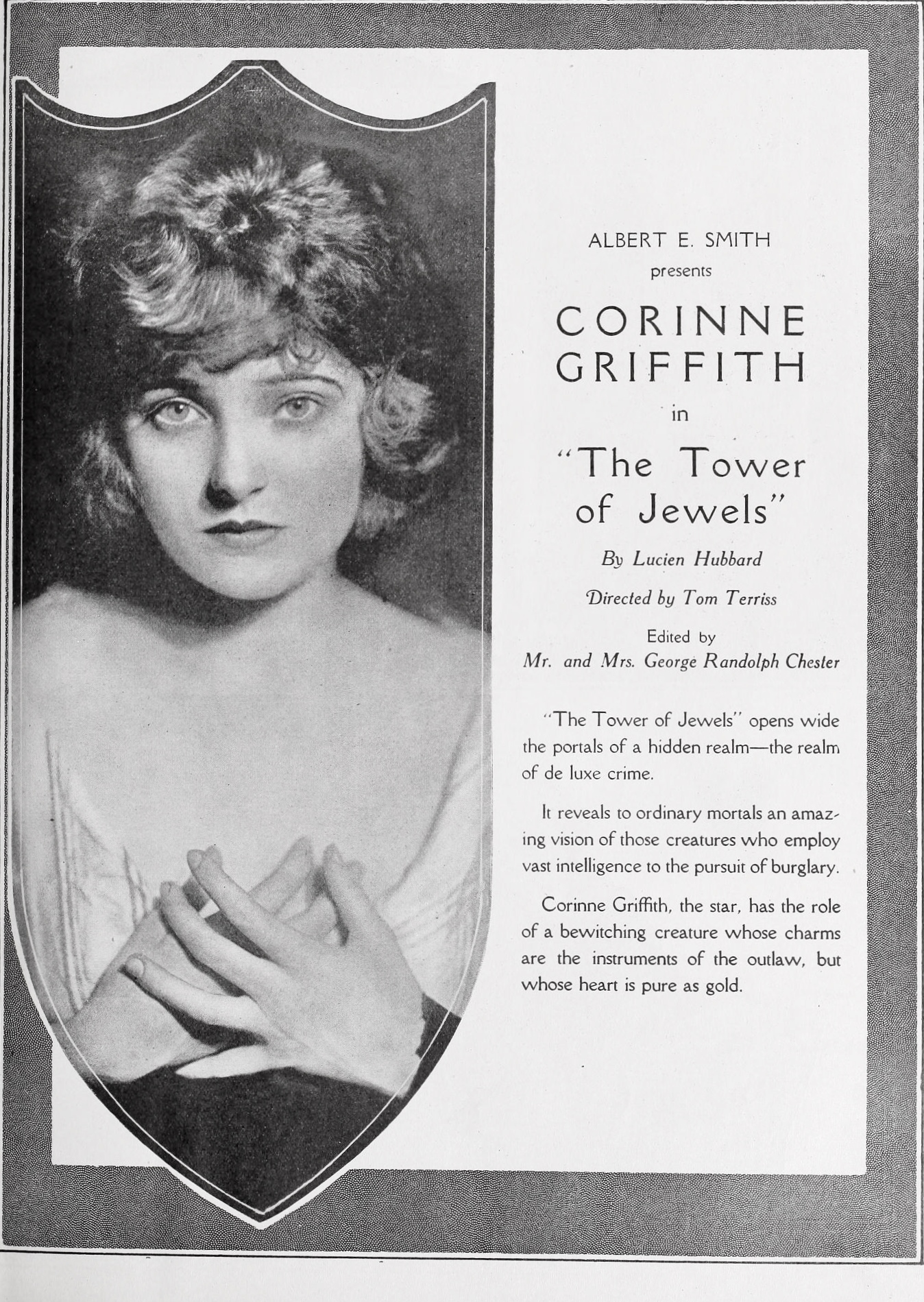
Dir: Tom Terriss
Emily Cottrell, one of the most respected members of a large gang of crooks headed by Fraser Grimstead, is caught while robbing the home of wealthy David Parrish. Emily accepts David's offer of a home and a chance to go straight, but Grimstead is unwilling to lose her, and he insists that she help him steal the famous diamond collar, The Tower of Jewels, which is in David's possession. When Emily refuses, Grimstead threatens to expose her past to Wayne Parrish, her benefactor's son with whom she is in love. Grimstead and the gang surround the Parrish home, then Wayne's cousin removes the jewel case to throw suspicion on her rival for Wayne's affections. Emily's innocence is established later, and her reputation is further cleared by Grimstead, who is shot by the police. With his dying breath, Grimstead describes Emily's gentle birth and states that she is fit to marry Wayne.
View DetailsAnalysis relative to The Triumph of the Weak
| Film Title | Atmosphere | Complexity | Similarity |
|---|---|---|---|
| The Captain's Captain | Tense | High | 90% Match |
| The Fettered Woman | Gritty | High | 88% Match |
| Everybody's Girl | Gritty | Abstract | 87% Match |
| The Bramble Bush | Surreal | Abstract | 98% Match |
| The Woman Between Friends | Tense | Dense | 89% Match |
This guide was algorithmically generated using the cinematic metadata of Tom Terriss's archive. Last updated: 6/24/2026.
Back to The Triumph of the Weak Details →