
DbcultAccessing Vault...
Recommendations
Senior Film Conservator
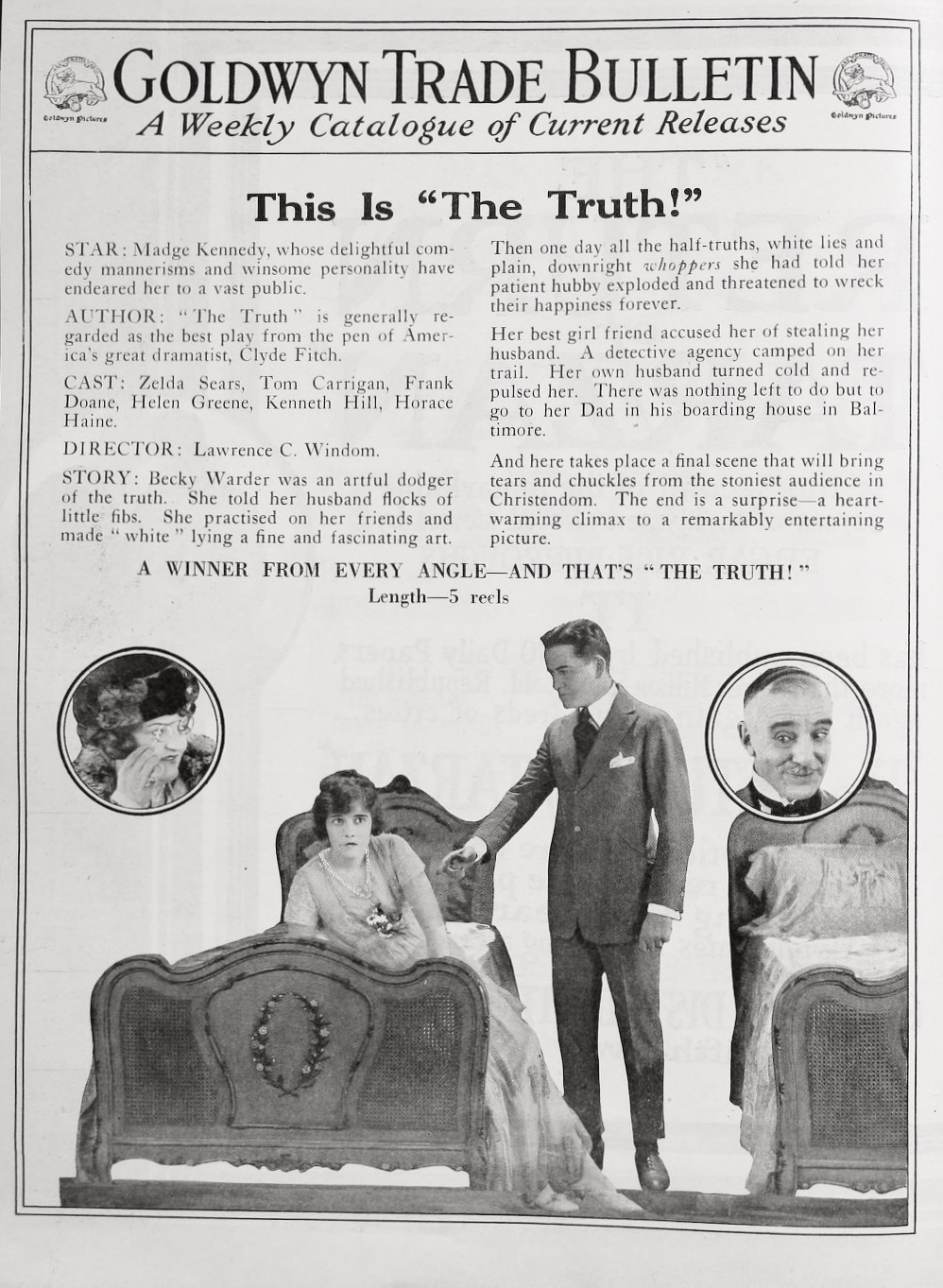
For those who were mesmerized by The Truth, a true Drama masterpiece from 1920, its influence on Drama cinema remains a vital reference point for fans today. This list serves as a bridge to other Drama experiences that are just as potent.
The legacy of The Truth is built upon its ability to blend thematic complexity with stunning visual execution.
Becky Warder constantly indulges in the telling of little white lies. In an innocent effort to ease the troubled marriage of her quarreling friends Eve and Fred Lindon, Becky meets secretly with Fred, thereby constructing a web of deceit that leads Eve to suspect Becky of trifling with her husband's affections. Eve informs Becky's husband Tom of these meetings and Tom, suspicious, accuses his wife of infamy. After denying her participation in the matter, Becky goes to Baltimore to see her father Stephen Roland, who, like his daughter, is a schemer. Roland begins to construct an elaborate plan by which his daughter can win back her husband and so sends a false telegram to Tom notifying him that Becky is extremely ill. Rushing to Baltimore, Tom overhears Becky inform her father that she will not participate in any more lies, and, elated by his wife's reformation, Tom forgives her.
The Truth was a significant production in United States, showcasing the immense talent of Zelda Sears, Horace Haine, Kenneth Hill. It continues to be a top recommendation for anyone studying Drama history.
Based on the unique poignant storytelling of The Truth, our vault has identified these titles as the most compelling follow-up experiences for fans of Drama cinema:
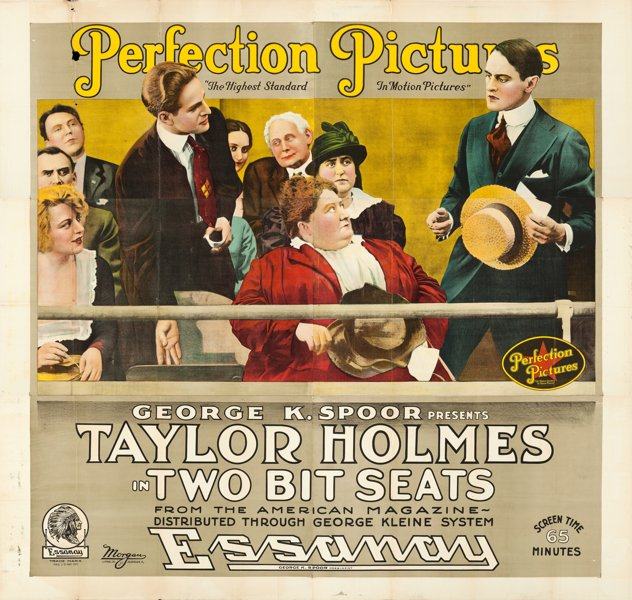
Dir: Lawrence C. Windom
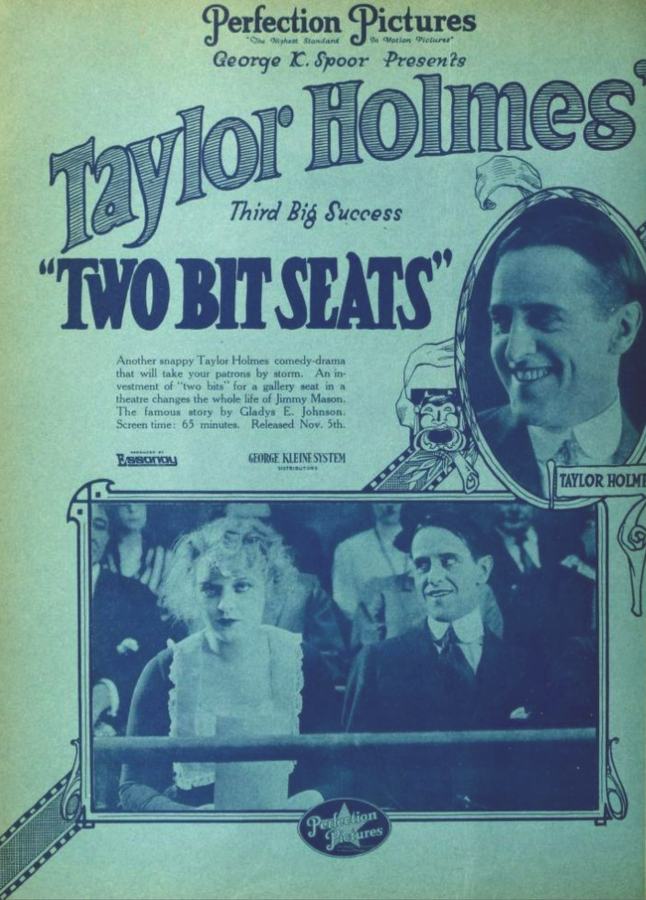
"Two-Bits," the price men used to pay for a haircut, isn't much money in these days with old Mr. H.C.L. at our heels, but one "Two-Bit" piece surely changed the life events of Jimmy Mason. Jimmy couldn't get an orchestra seat to see the wonderful lady in tights so he invested "Two-Bits" and went to the gallery. There he found a seat beside a wonderful girl. He sat to the finish but didn't see the show; her eyes blurred everything commonplace, and then they became acquainted when she accidentally jabbed him with a hatpin. The next night he asked her to go with him to an orchestra box. But Alice wouldn't listen. But she would go to the "Two-Bit" gallery. And they went often, but Jimmy always suffered the fear that Faulkner, his boss, would see him and think him a terribly cheap sport. But Alice told Jimmy not to waste money on seats in the orchestra. And so it went. Finally the blow falls when his employer sees him and Alice exiting from the gallery. Hope is gone when he is called before the boss the next morning and asked how long he had been patronizing the gallery, but all is well and the sun shines again when "the old man" approves and proves it with a promotion. Jimmie dashes to Alice's house and tells her about the promotion and what he thinks of a certain girl. Then Alice tells him that all along she had a definite idea in preferring 'Two-Bit Seats." You are entitled to one guess. You're Right.
View Details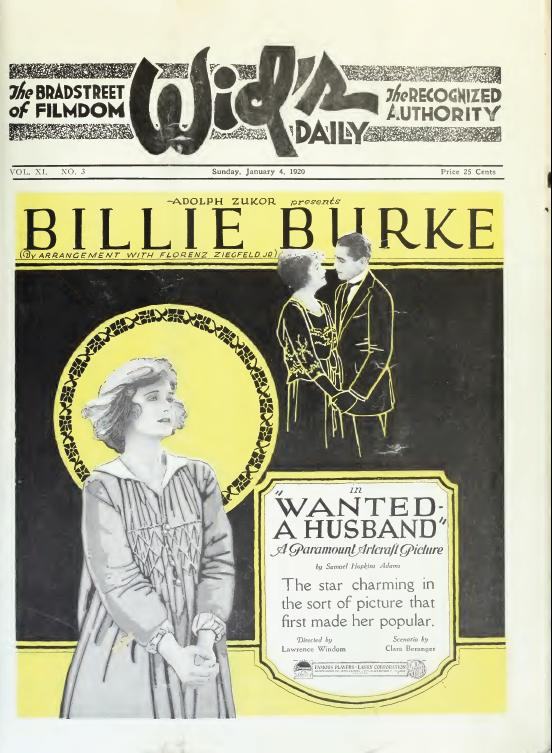
Dir: Lawrence C. Windom
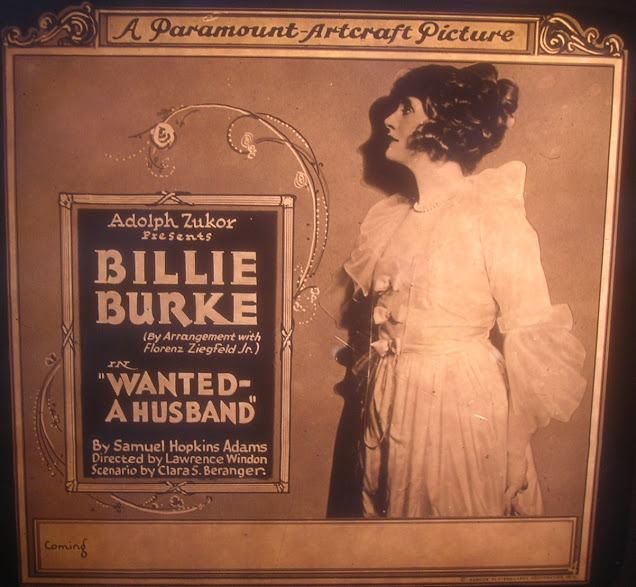
When her two roommates, Maude Raynes and Helen Bartlett, become engaged, Darcy Cole invents a titled fiancé of her own, in part to ward off her friends' nasty remarks about her untidy appearance. Darcy's friend Gloria Green lends a photograph of her cousin, Jack Remsen, made up as a lord for a college play, then transforms Darcy into a stylish beauty. As a practical joke, Gloria's fiancé Tom Harmon agrees to lend his bungalow to each couple for their honeymoon. Darcy pretends to elope with her imaginary lord, played by Jack. The real and pretended honeymooners arrive in succession and are assigned bedrooms by housekeeper Veronica. When Veronica sees Jack remove his makeup, she is certain he is Gentleman Jack, the burglar she has been reading about. Finally, Gloria and Tom arrive and straighten matters out, and Darcy and Jack decide to become real honeymooners.
View Details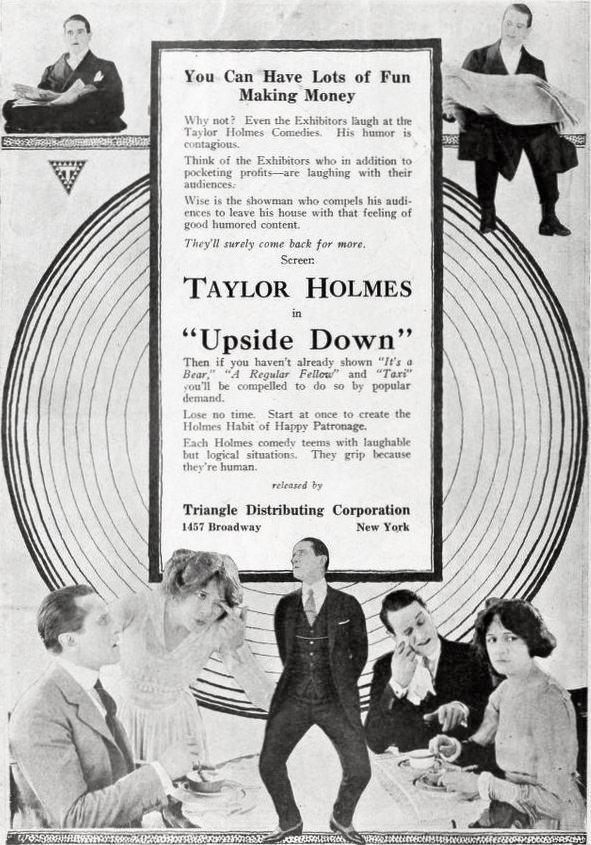
Dir: Lawrence C. Windom
When Juliet Pim, bored with her husband Archibald's habitual ardent attentions, goes to a Swami, his advice that her "individualism" is being crushed leads her to request that Pim furnish her with a "reason" for a divorce suit. Shocked but compliant, Pim rents a hotel room. Later, he finds his college friend and rival stockbroker, wealthy James Wortley Tammers, at a restaurant with his wife, who also felt neglected and went to the Swami. Pim joins them and then goes with Mrs. Tammers to a roadhouse. After Tammers locates them, and his wife returns, the two husbands engage in an all-night wine party with cabaret dancers. The next day, while Tammers sleeps, Pim manipulates the market to control Tammers' wealth. The newspaper reports of Pim's elopement with Mrs. Tammers leave Juliet valuing her husband more than her freedom. After Pim reveals he was saving Tammers from a scheme to ruin him, he sells back most of the stocks and the couples are reunited.
View Details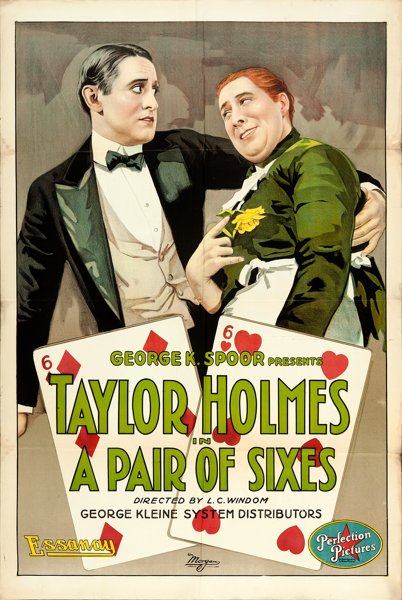
Dir: Lawrence C. Windom
T. Boggs Johns and George Nettleton, proprietors of the Digestive Pile Manufacturing Companny agree upon a unique method to stop their quarreling: play a game of poker, the loser to act as servant to the winner for a year. If either member of the agreement reveals the circumstances of the pact, he shall pay a fine of $5,000. Boggs loses, and he must serve as butler in the Nettleton home. His sweetheart Florence Cole comes to dinner at the Nettletons' and is surprised to see Boggs acting as butler, but cannot learn what has brought about the change in his social status. Thomas J. Vanderholt, an attorney in love with Florence, lets her in on the pact and tells her that he drew up the plans. She denounces him, and she and Boggs plan revenge on Nettleton. Boggs arranges an intimate tableau with Mrs. Nettleton; this so angers Nettleton that he schemes to make Boggs the loser financially, but Florence declares that the pact, being based on a poker game, is not legal.
View Details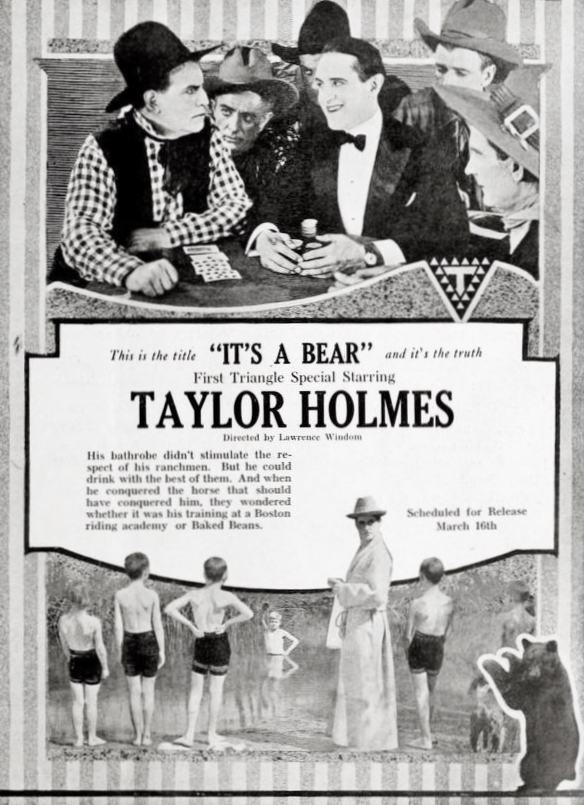
Dir: Lawrence C. Windom
Orlando Winthrop, the studious son of a wealthy Bostonian, distresses his father by pursuing an interest in insects. Inspired by a book advising one to "get the drop on the other fellow," Orlando travels to the family sheep ranch in Wyoming to investigate negative rumors concerning foreman William Cogney. Inappropriately dressed and carrying golf clubs, Orlando is paraded through the town by the ranch cowboys. To their chagrin, Orlando bluffs them in poker, out-drinks them, and rides a bucking bronco. During a hunting expedition, the cowboys attempt to scare Orlando with a stuffed bear. Orlando nonchalantly emerges from the woods followed by a live bear, neglecting to inform them that it is trained. Orlando then frustrates William's plan to destroy a portion of the flock and defeats him in a fight. Mr. Winthrop arrives from the East with Orlando's fiancée, who breaks the engagement upon seeing her betrothed chew tobacco. Orlando is delighted, as he and the town's schoolteacher have fallen in love.
View Details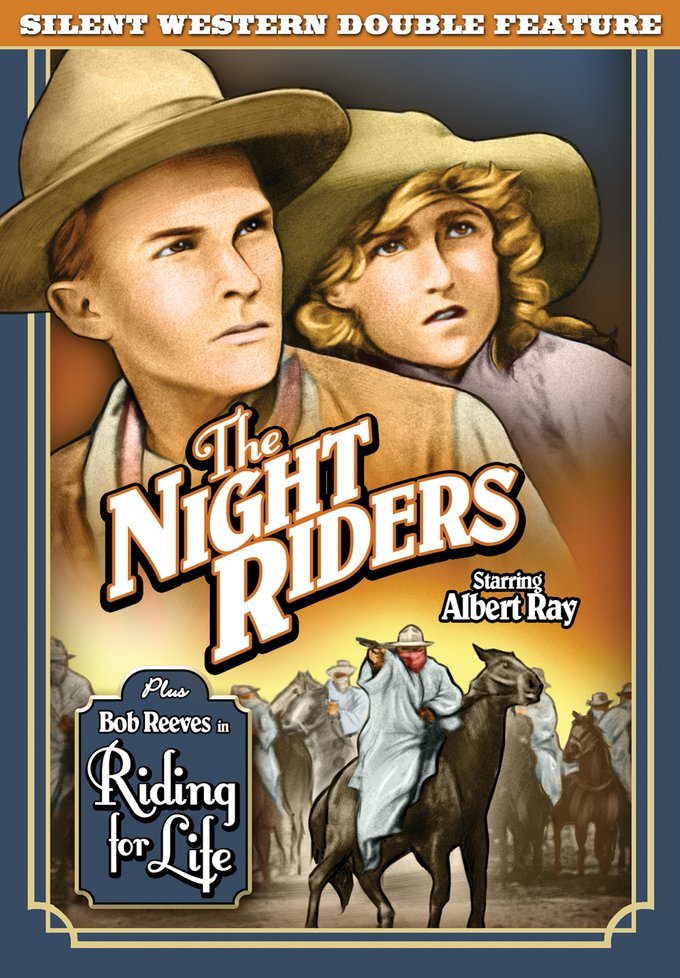
Dir: Alexander Butler
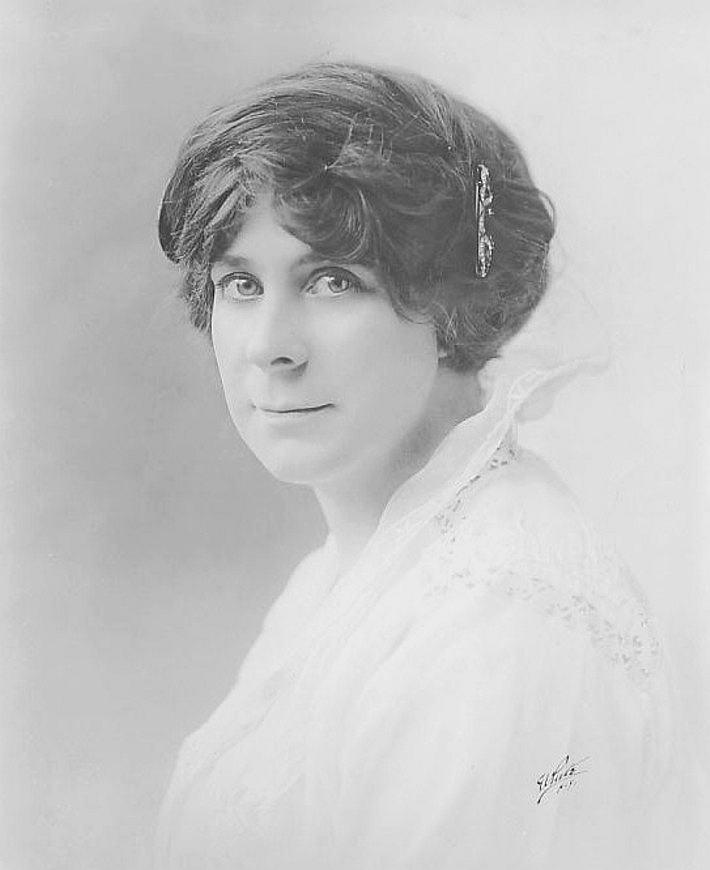
In Alberta, Canada, a Cornish emigrant unmasks a rustler posing as the girl's "blind" father.
View Details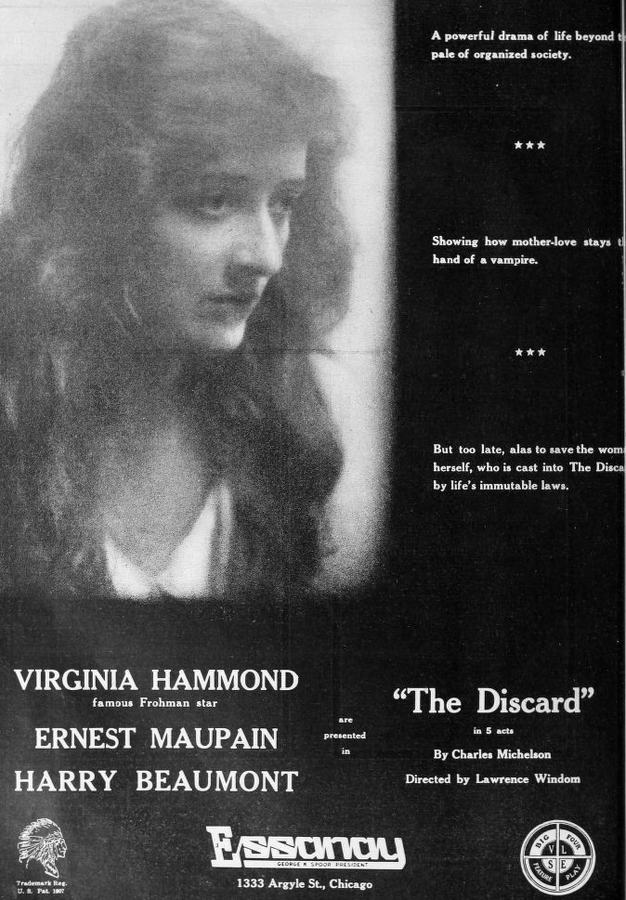
Dir: Lawrence C. Windom
Doris Wynne, at boarding school in France, is hardly acquainted with her mother, most of the dealings between them handled by a firm of lawyers. So when she falls in love with the brother of a schoolmate, she obtains her mother's consent through the attorneys. Alys Wynne's reasons for seeing so little of her daughter are that she is the companion in crime of "Python" Grant, international swindler. Having ruined a young nobleman and causing him to commit suicide, the pair escape to America. Doris, the daughter, in the meantime, is happily married to Keith Bourne, a young American. An uncle leaves him a million dollars and they decide to return to the United States. Grant and Alys discover Keith and cultivate him. That he is the husband of Doris is unknown to the mother, who is still young and beautiful herself. Grant pretends to abuse his wife and Keith comforts her. A suit for alienation of affection is the result. Bourne settles for $40,000 rather than have his young wife misunderstand him. But the swindlers try the "Follow-up" and when Keith refuses to be led further they telephone his wife and tell her the story. Through the attorneys she asks her mother to come to her. Alys goes and hears the story. She is thunderstruck to learn that her victim is the husband of her daughter. She advises the younger woman to believe in her husband and disappears. She tells the police where to find Python" Grant and next day the happy couple read in the paper that the woman accomplice of the swindler was found dead. It means nothing to them.
View Details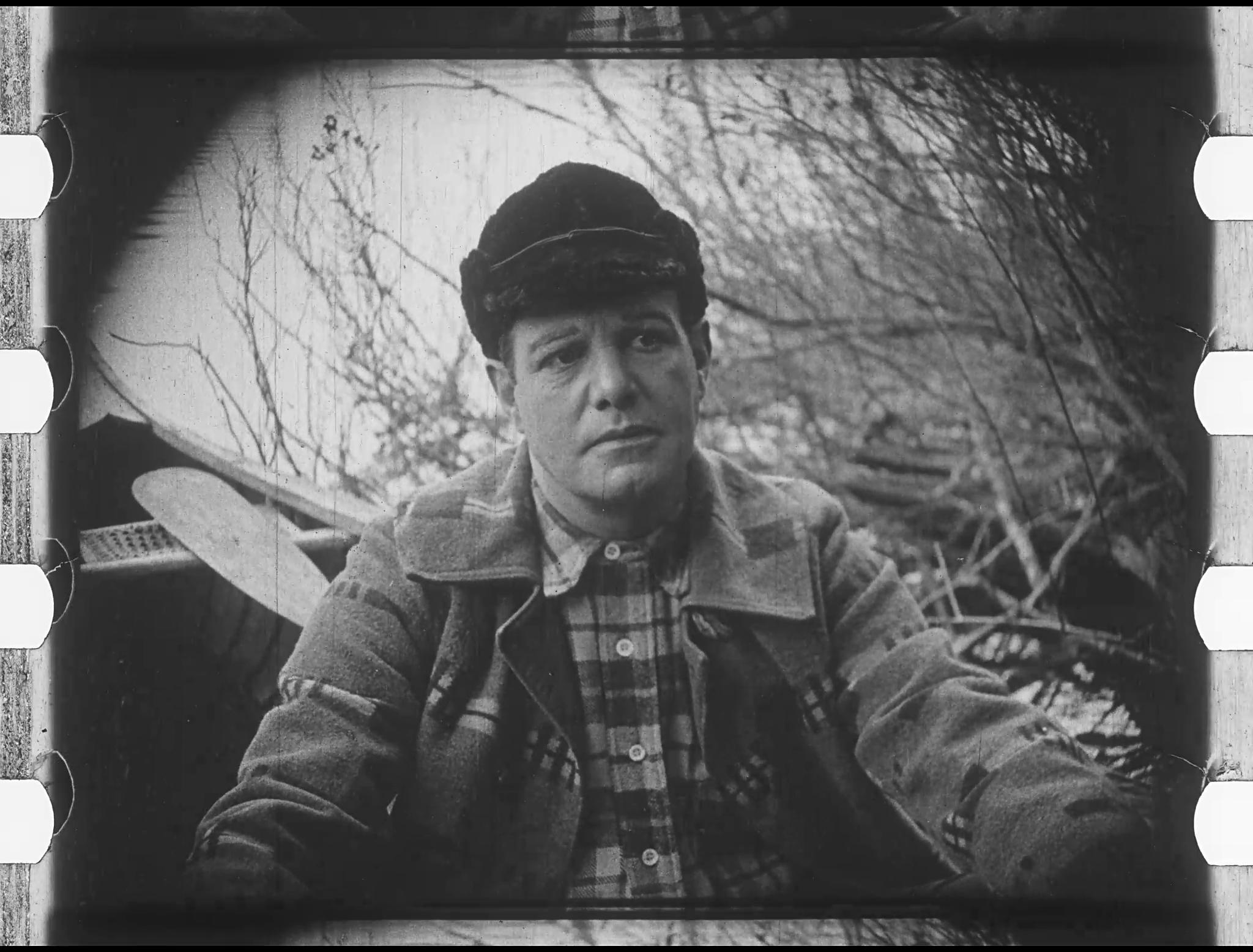
Dir: Edgar Jones
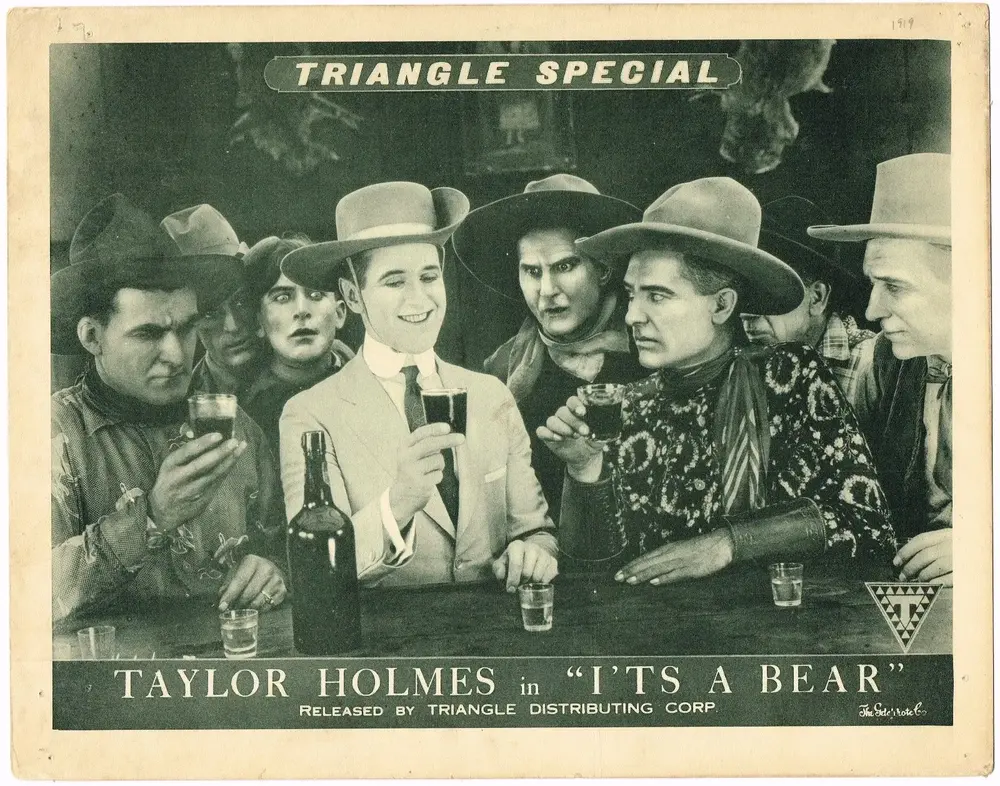
A mail-order bride arrives at a Maine lumber camp but doesn't like her prospective husband.
View Details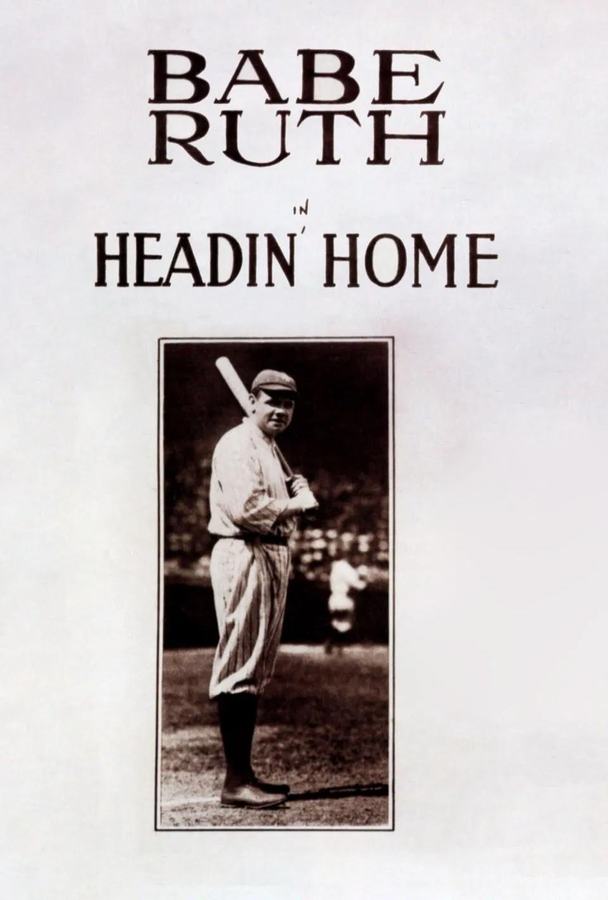
Dir: Lawrence C. Windom
The "true story" of baseball great Babe Ruth; Ruth plays himself.
View Details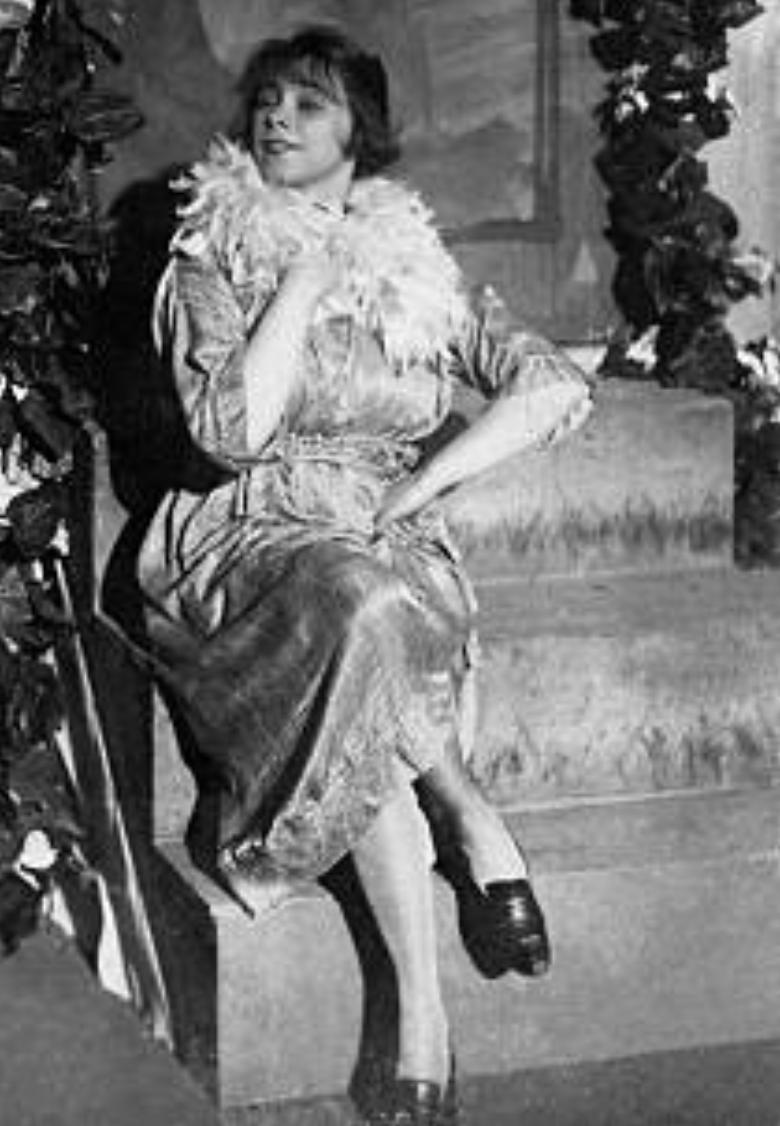
Dir: Bruno Ziener
A fascinating piece of cinema that shares thematic elements.
View DetailsAnalysis relative to The Truth
| Film Title | Atmosphere | Complexity | Similarity |
|---|---|---|---|
| Two-Bit Seats | Ethereal | Linear | 87% Match |
| Wanted: A Husband | Ethereal | Abstract | 93% Match |
| Upside Down | Surreal | Linear | 85% Match |
| A Pair of Sixes | Tense | Layered | 95% Match |
| It's a Bear | Gothic | Dense | 85% Match |
This guide was algorithmically generated using the cinematic metadata of Lawrence C. Windom's archive. Last updated: 6/26/2026.
Back to The Truth Details →