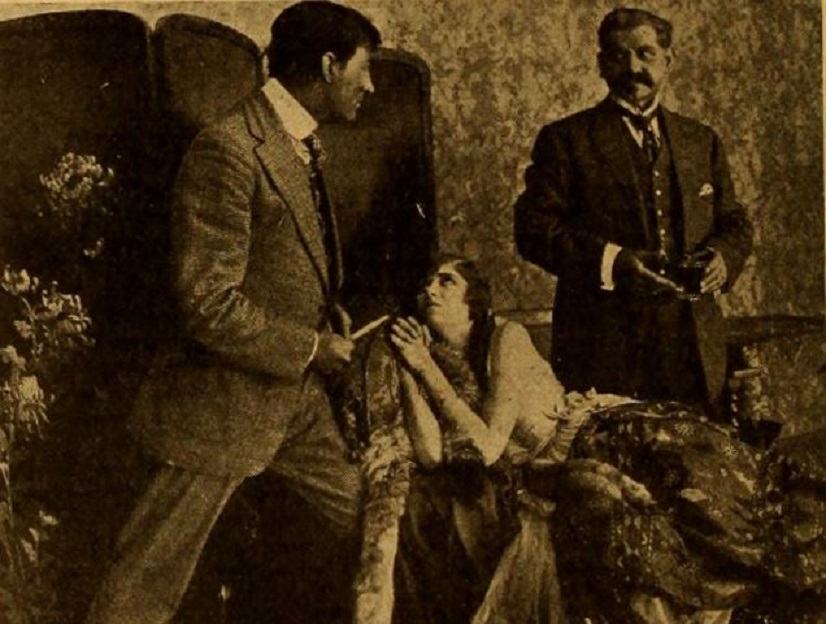
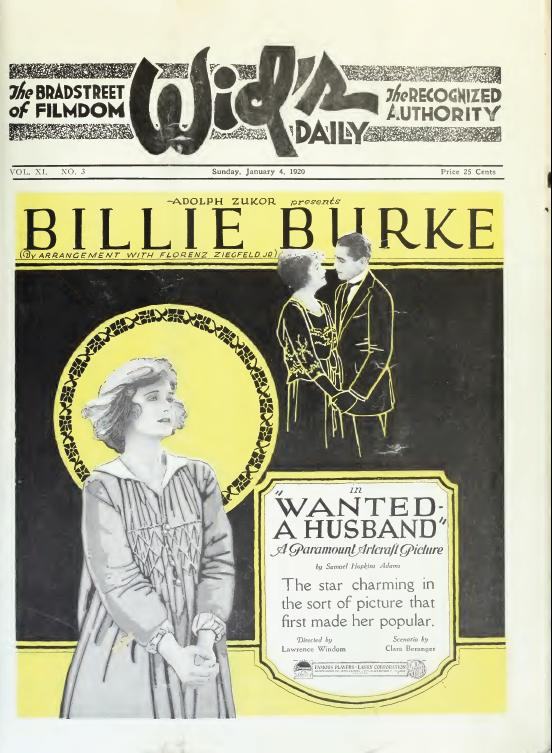
Becky Warder constantly indulges in the telling of little white lies. In an innocent effort to ease the troubled marriage of her quarreling friends Eve and Fred Lindon, Becky meets secretly with Fred, thereby constructing a web of deceit that leads Eve to suspect Becky of trifling with her husband's affections.
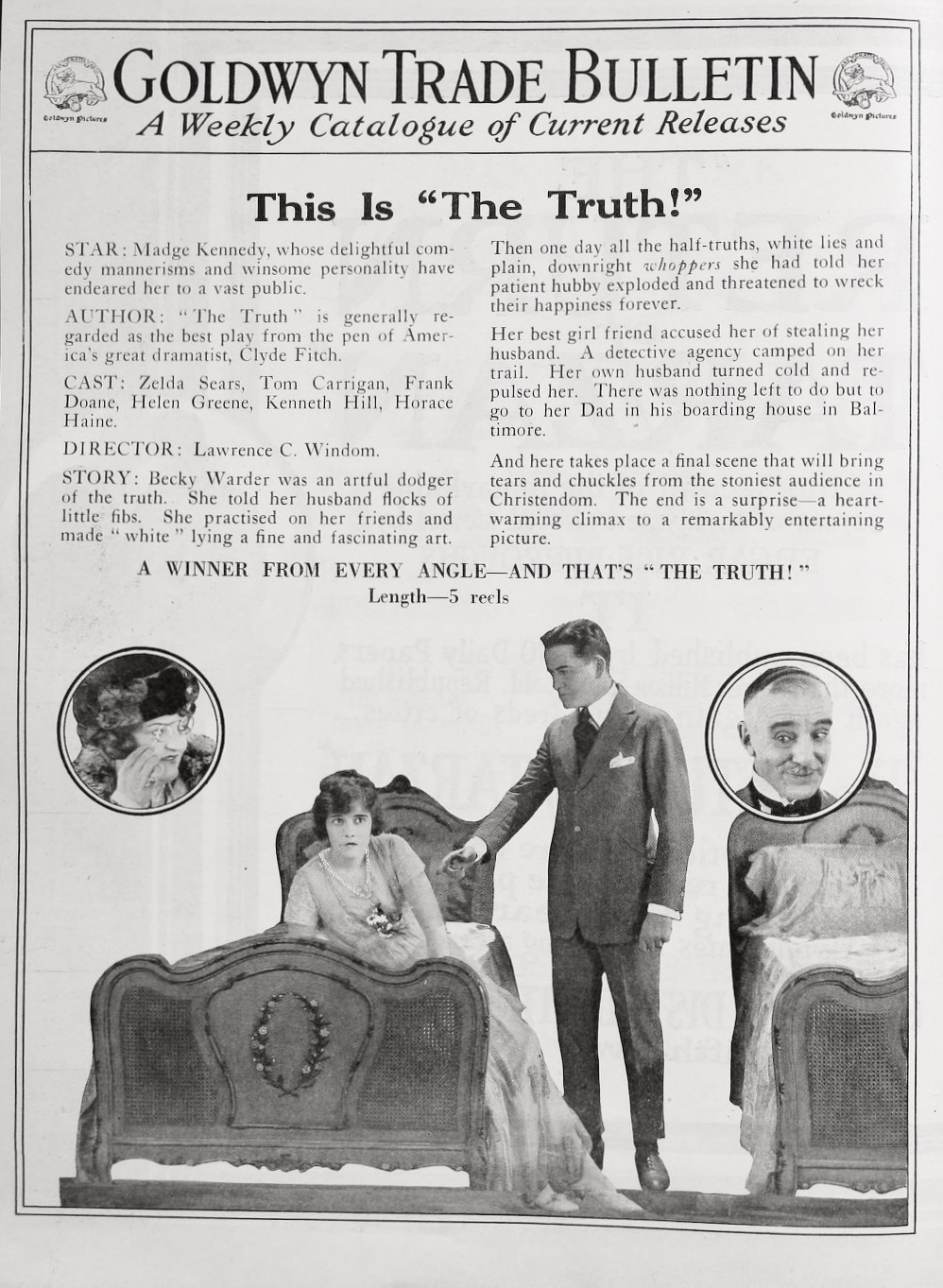
Clyde Fitch’s 1910 stage hit, retooled for the flickering iris of 1920, arrives like a Fabergé egg hurled against a wall: delicate yet brutal, ornate yet spattered with domestic gore. Director Thomas R. Mills—working under the aegis of the old Pathe lot—compresses Fitch’s four-act drawing-room vivisection into a bris...
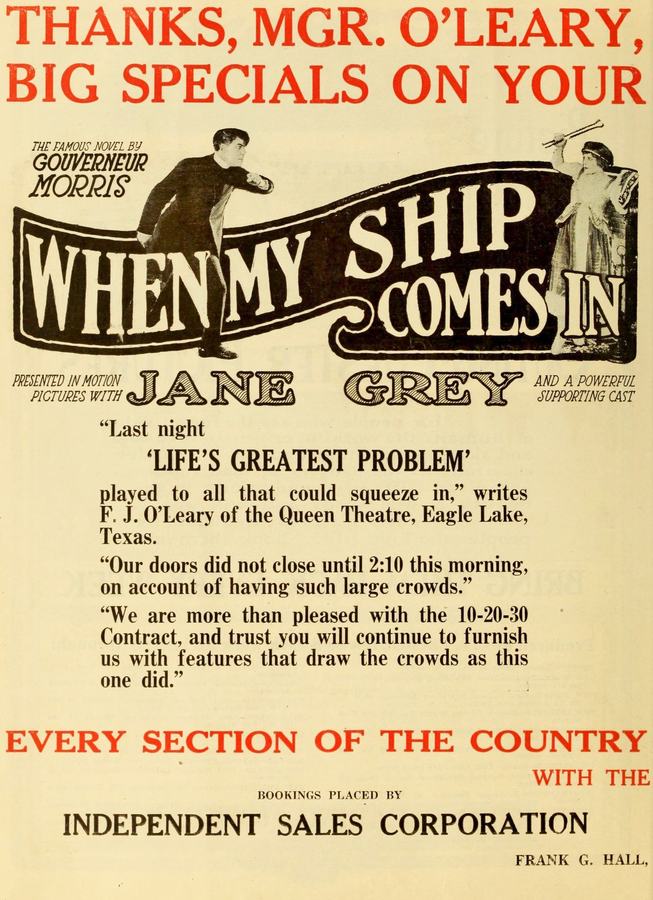
Comparing the cinematic DNA and archive impact of two defining moments in cult history.
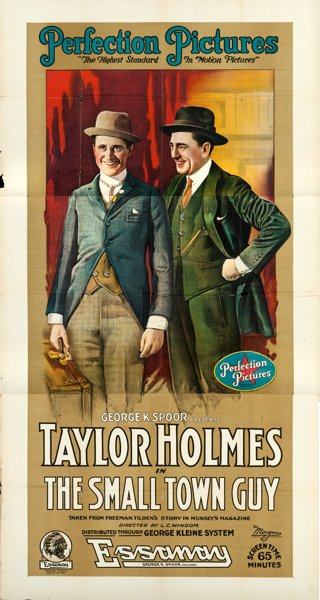
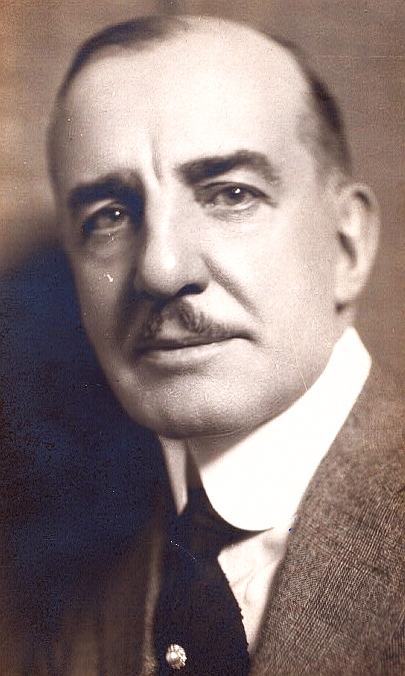
Lawrence C. Windom
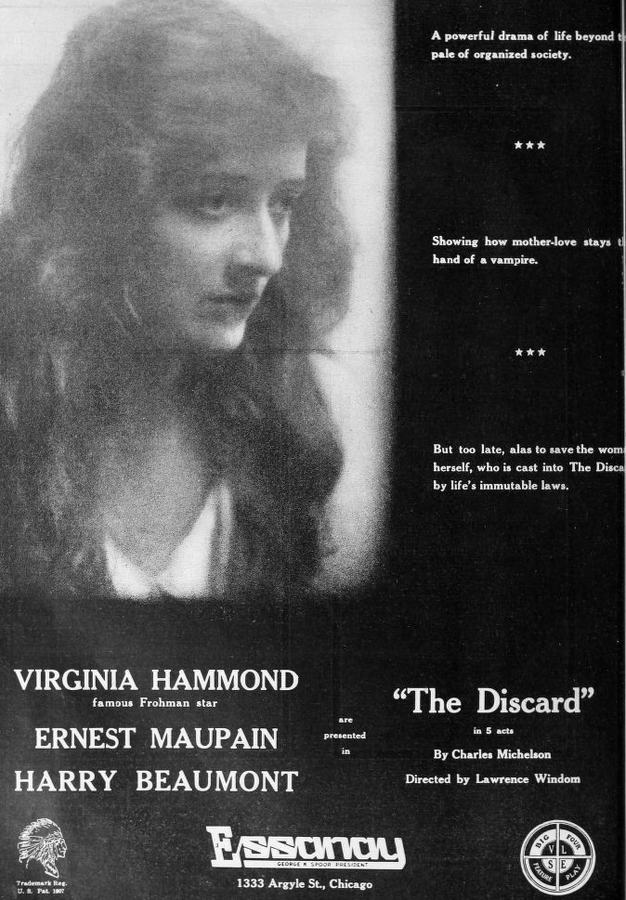
Lawrence C. Windom
Community
Log in to comment.
" Clyde Fitch’s 1910 stage hit, retooled for the flickering iris of 1920, arrives like a Fabergé egg hurled against a wall: delicate yet brutal, ornate yet spattered with domestic gore. Director Thomas R. Mills—working under the aegis of the old Pathe lot—compresses Fitch’s four-act drawing-room vivisection into a brisk fifty-two minutes, and the celluloid still trembles with the aftershocks of moral whiplash. From the first medium-shot tableau—Becky’s gloved fingertips drumming atop a mahogany..."
Zelda Sears
Clyde Fitch, Arthur F. Statter
United States
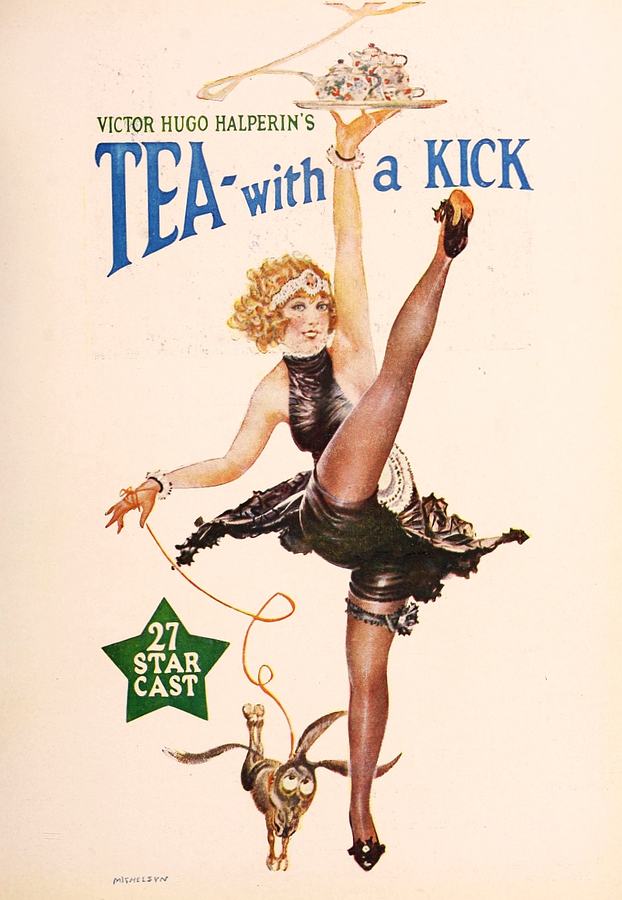
Deep dive into the cult classic
Discover similar cinematic experiences
A Directorial Spotlight on Lawrence C. Windom