
DbcultAccessing Vault...
Recommendations
Senior Film Conservator
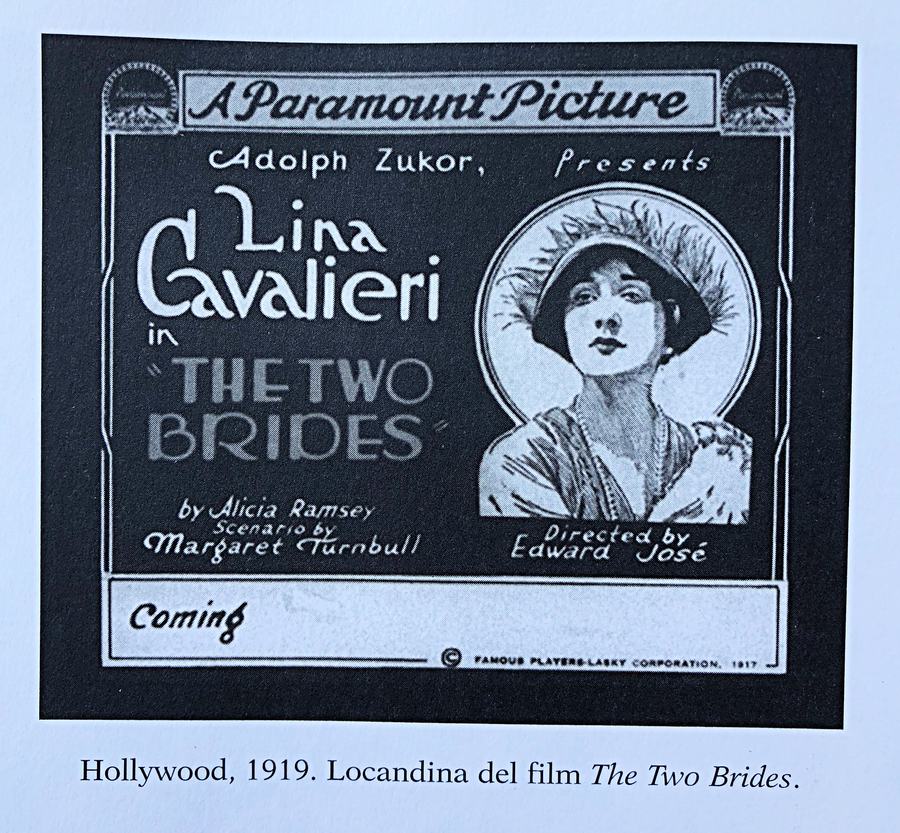
After experiencing the cult status of The Two Brides (1919), finding other movies that capture that same lightning in a bottle is a top priority. These recommendations provide a deep dive into the same stylistic territory occupied by The Two Brides.
This 1919 cult classic stands as a testament to challenge the status quo through its avant-garde structure.
The elderly Italian sculptor Donata di Marchesi has his beautiful daughter Diana pose for his last masterpiece, "The Island Goddess." When Donata's profligate nephew Count Gabrielle realizes the sculpture's value, he courts Diana and she falls in love with him. Prince Marko visits to view the statue and he falls in love with Diana. Because he earlier had discovered that Gabrielle forged his name on checks, when Marko learns that Gabrielle and Diana are about to elope, he agrees not to denounce Gabrielle and to tear up the checks if he leaves. After Diana's father dies, she marries Marko. Later, in Rome, Gabrielle comes to extort money from Marko. Diana overhears them and learns about their deal. Thinking that Marko only wanted the statue, she breaks it and returns to the island. Marko and Gabrielle follow and fight on a cliff, then, after Gabrielle knifes Marko, Marko pushes him to his death. Marko lies critically ill for days with his brain affected, until Diana, enwrapped in silk, poses as the statue. Marko revives and embraces her.
Critics widely regard The Two Brides as a cult-favorite piece of cult cinema. Its cult status is frequently cited as its strongest asset, solidifying its place in United States's film legacy.
Based on the unique cult status of The Two Brides, our vault has identified these titles as the most compelling follow-up experiences for fans of cult cinema:
Dir: Edward José
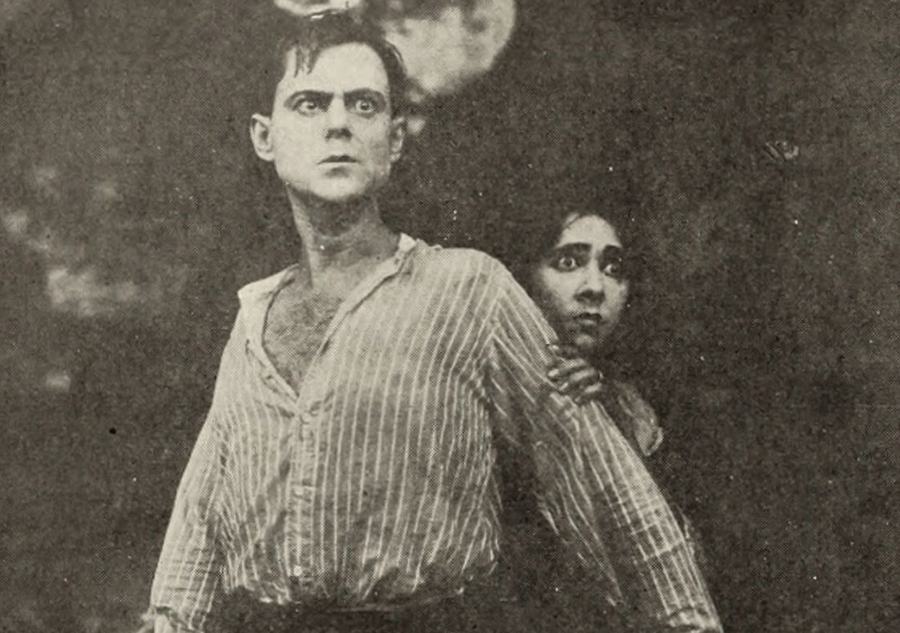
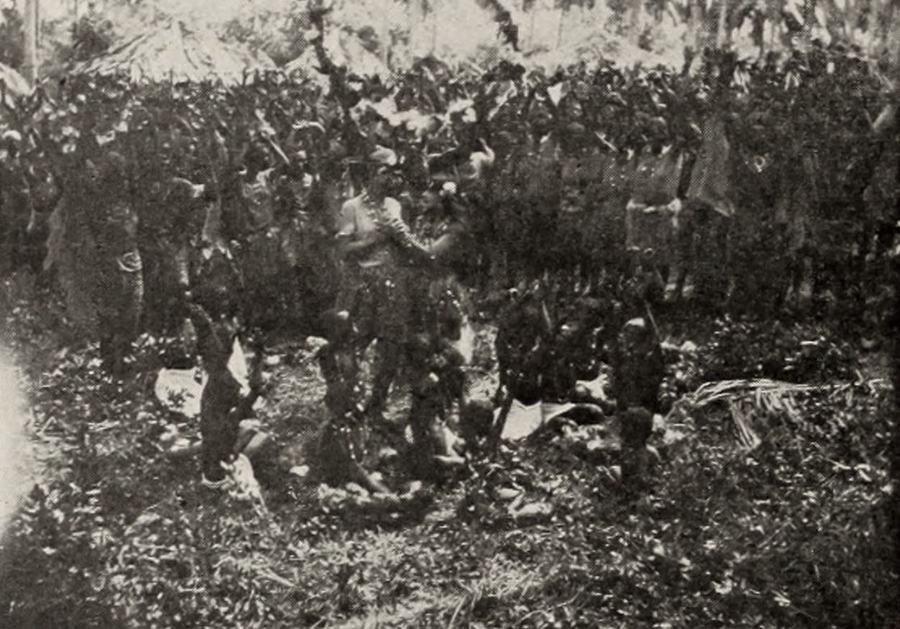
When two love-sick young people run off to be married, and aren't caught, they usually get married. It was different with Grace Vernon and Hugh Ridgway, though. Worn out by the social affairs given in honor of their approaching marriage, they elope in the wee small hours of a certain summer morning, and being mistaken for housebreakers by the gardener and other members of the household, are pursued. A couple of cops as added starters make the chase even more interesting, and they don't breathe easily until, a couple of hours after climbing a rope ladder up the side of an ocean liner, they come out from their hiding place and find themselves at sea. Not nearly so much "at sea" then, however, as later, when Hugh finds that Grace is much smitten with Henry Veath, an old-time friend of his. Hugh cares nothing about the fact that Lady Tenny, another passenger, seems to care more for his society than for anyone else. Comes a typhoon, the ship is dashed on the rocks, and in the ensuing darkness and panic Hugh makes a brave attempt to save one who clings closely to him, one he thinks to be Grace. Then blackness, and with returning consciousness and the light, the realization that he is cast away on a strange tropical isle, the isle of Nedra, with Lady Tenny. Add to this that they are found and worshiped as two gods by the savage natives of the isle; that their enforced wedding is interrupted by the landing of a U.S. ship; that Hugh goes home only to find Grace married to Veath; that he finds that he doesn't care a particle; that he rushes back to Lady Tenny, and you have just a bare conception of this romantic love story.
View Details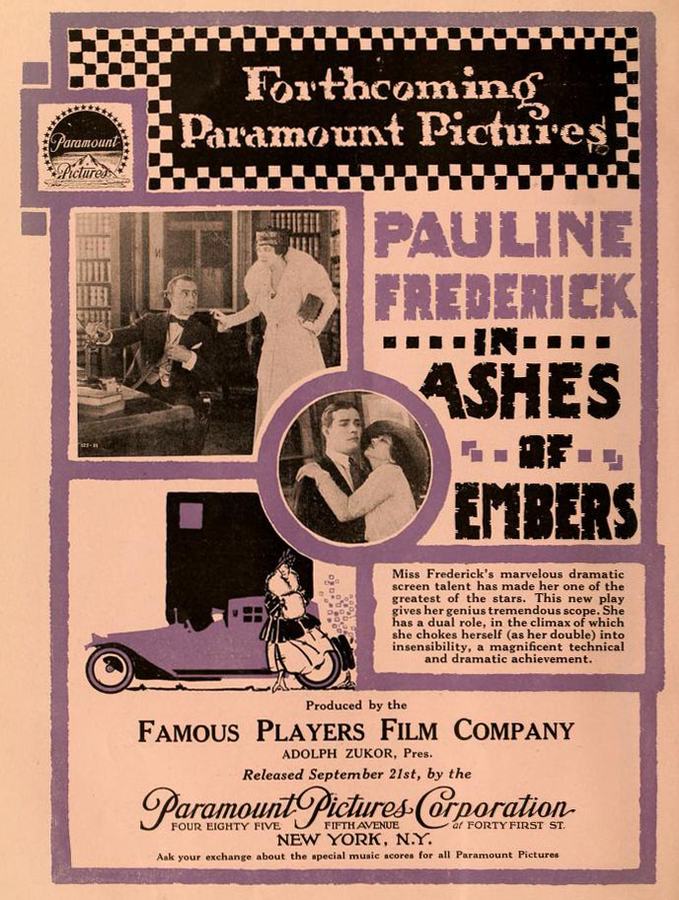
Dir: Edward José
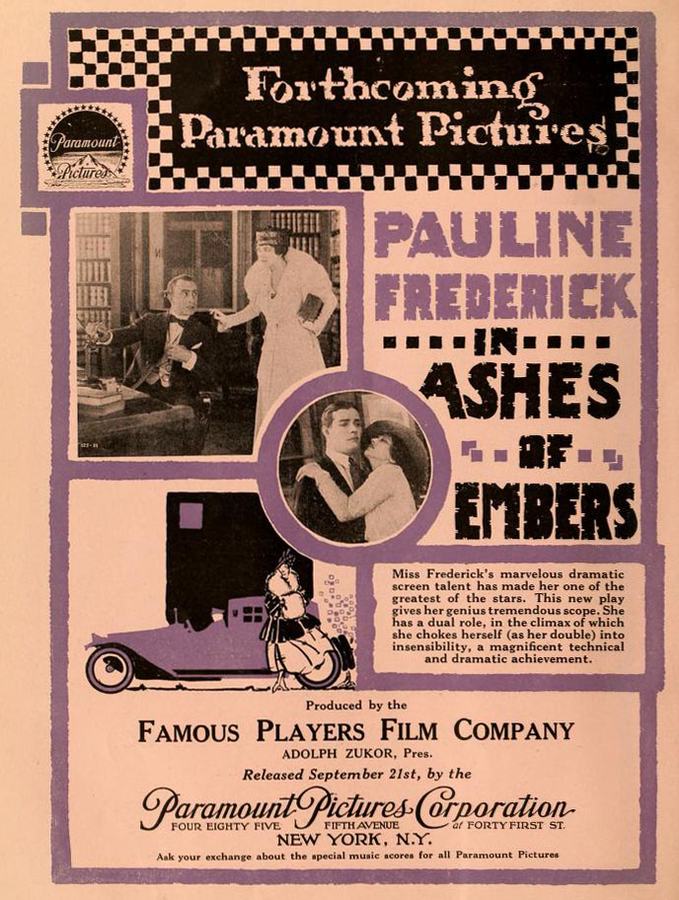
Laura Ward a selfish girl steals a large sum of money, her twin sister Agnes is mistakenly accused of the crime and sent to prison. Meanwhile, Laura abandons her sweetheart, alcoholic architect Richard Leigh, to marry an elderly millionaire named William Benedict, but she soon renews her affair. When a detective catches the lovers together, Agnes, just released from prison, agrees to pose as Richard's mistress, thereby saving Laura's marriage. Through Agnes's influence, Richard is regenerated, and the two eventually marry. Later, however, Laura reappears, and Agnes finds Richard drinking and embracing her. In a rage, William shoots and kills Laura, but Agnes forgives her erring husband and takes him home.
View Details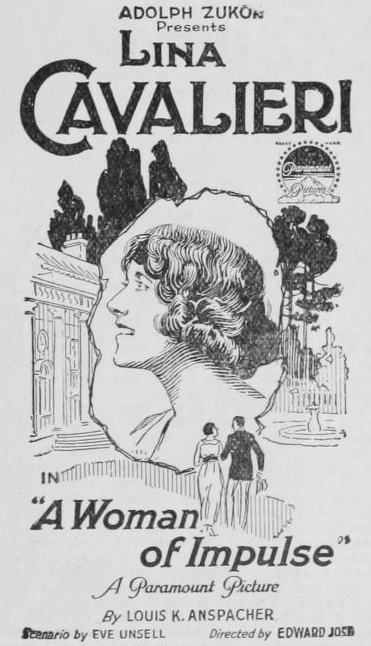
Dir: Edward José
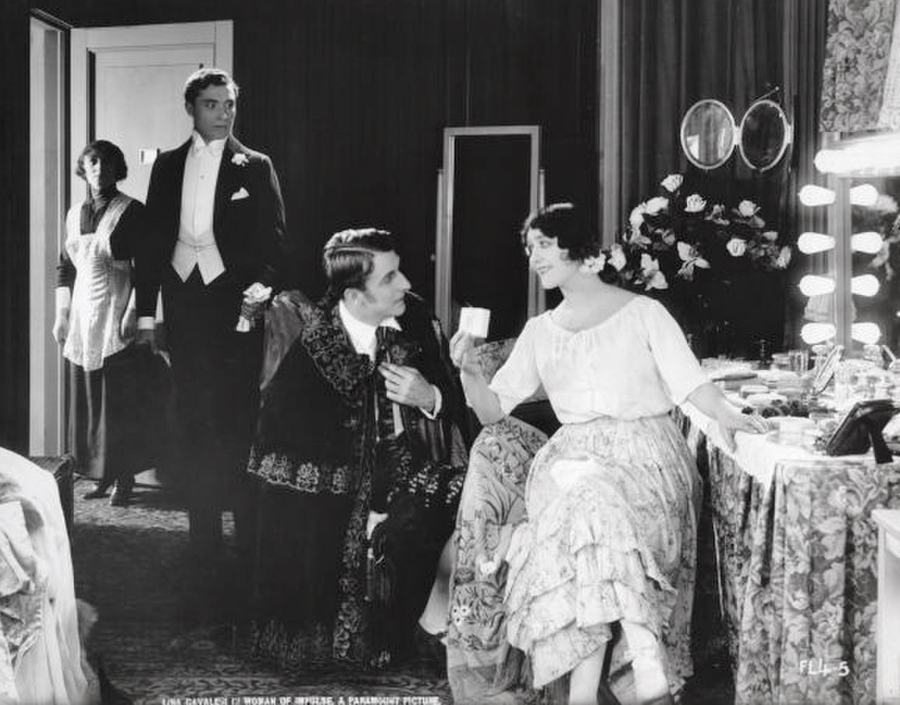
Leonora is the daughter of a poor lace-maker. She possesses a beautiful voice, but is not aware of the opportunity it offers her. Wealthy Americans Mr. and Mrs. Stuart discover its powers, and after her mother's death they adopt Leonora and her younger sister Nina. Shortly afterwards she blossoms forth in Paris as its idol. She is now "La Vecci," a much-admired and sought-after prima donna. One of her most ardent suitors is Count Nerval of Spain, whom she refuses to marry because of his unusually jealous disposition--although she does love him. His American cousin Phillip also becomes infatuated with the singer. Jealous of this new rival, Nerval almost forces Leonora to marry him. They depart for America for their honeymoon. Nina, accompanying them, meets young doctor Paul Spencer aboard ship and they fall in love. Leonora goes on tour in the States and when in the South receives an invitation to visit Phillip and his parents. He again makes love to her, but she remains faithful to her marriage vows, so fickle Phillip turns his attention on Nina. Jealous Nerval breaks with Leonora for the time being because of her presence in his cousin's home. Nina receives a letter from Paul saying that he is coming to visit. Leonora shows the letter to Phillip, asking her to discontinue favoring Nina with his attention. That night Phillip attempts to kiss the charmer; afraid, she tries to stab him with a dagger. He easily defends himself and seizes her in his arms and she faints, but when she recovers, she discovers Phillip dead. When Paul arrives, he conducts an investigation and proves that Leonora could not have inflicted the wound. Soon after, a Creole girl confesses to the deed. She had loved Phillip. Later Leonora and her husband are reunited. Motion Picture News, September 28, 1918
View Details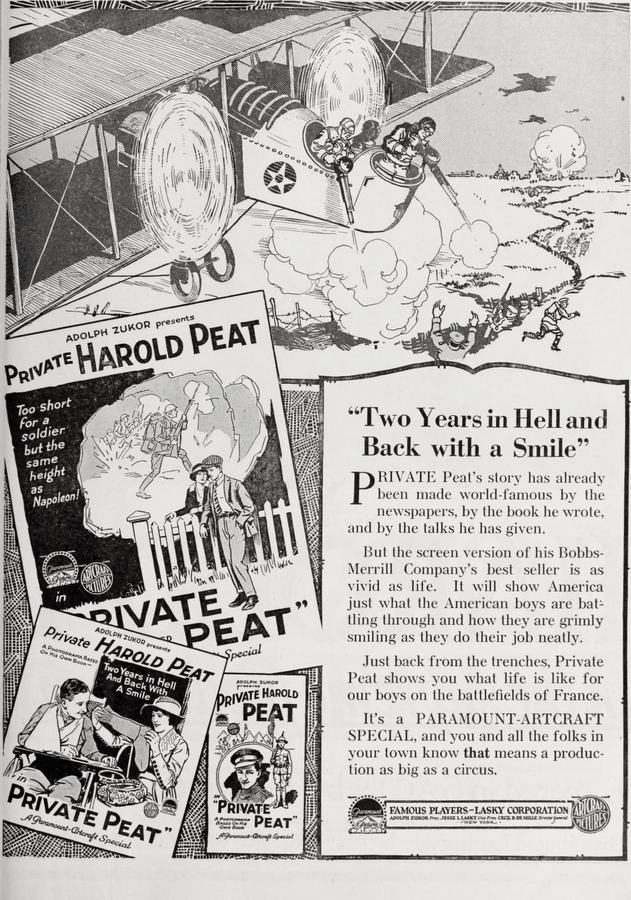
Dir: Edward José
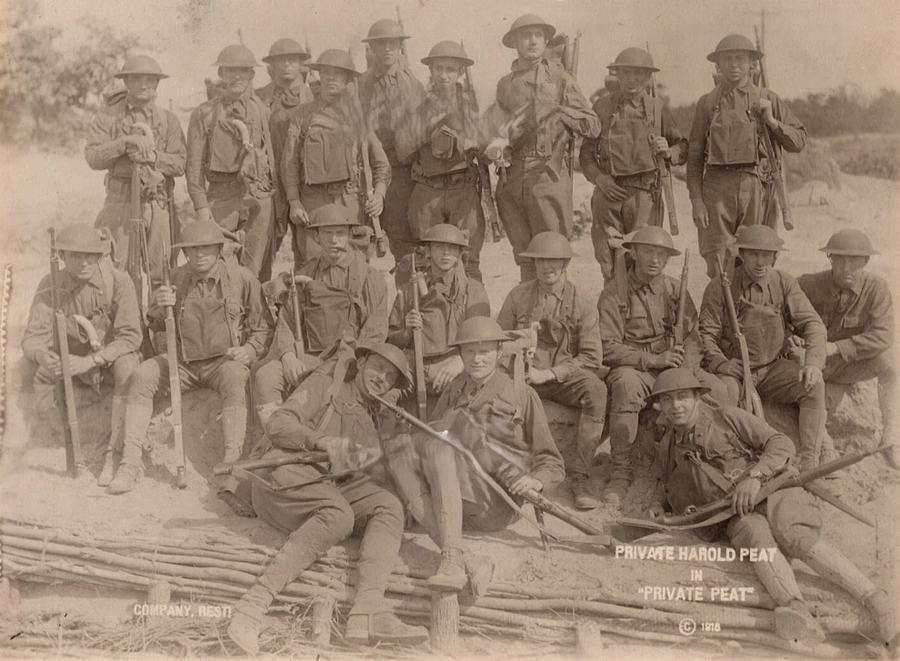
Harold R. Peat tries to enlist in the United States army so that he may fight in World War I but is rejected by the recruiting officer. He is despondent until he and his friend, Old Bill, concoct a scheme whereby they are both accepted. After a stint in training camp, Harry bids his sweetheart Mary goodbye and accompanies Bill to France. Following several adventures at the front, Bill is killed and Harold, in trying to save a load of ammunition, is wounded. Harold spends some time in a French hospital, after which Mary comes to France to bring her heroic private home.
View Details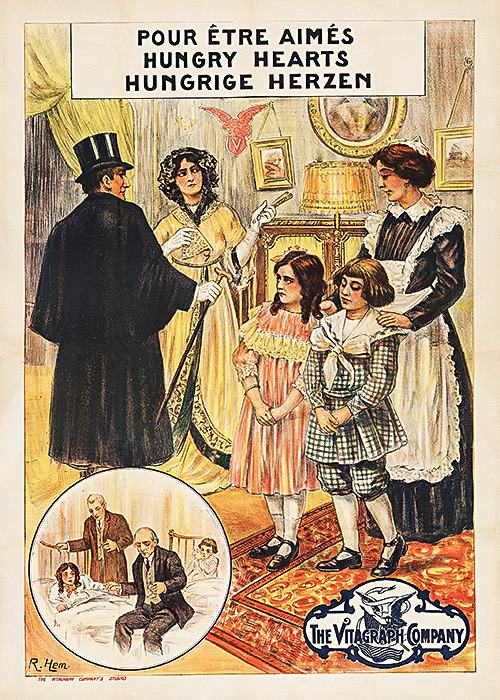
Dir: Edward José
A fascinating piece of cinema that shares thematic elements.
View Details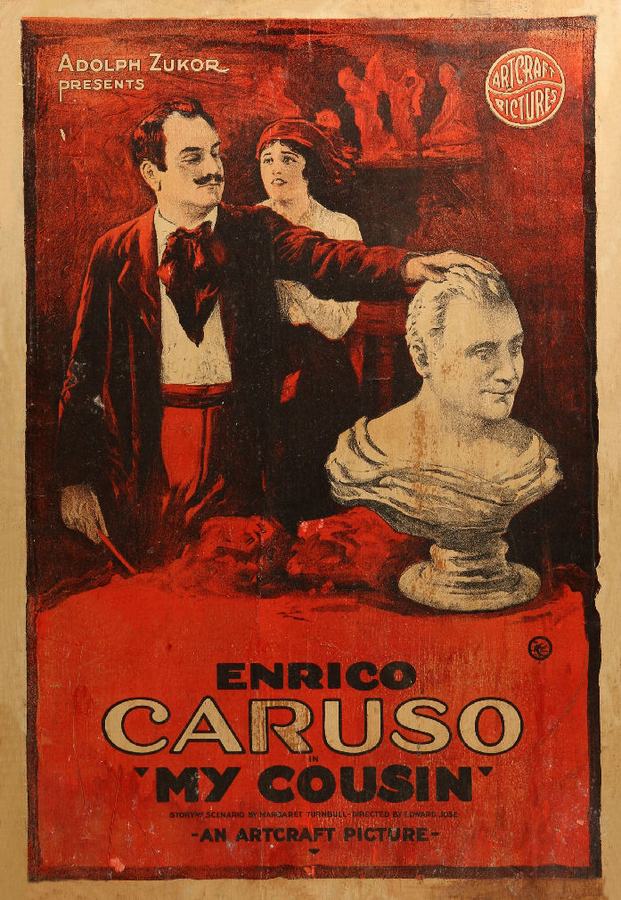
Dir: Edward José
Sincere but struggling sculptor Tommasso (Caruso--bushy moustache, gawky) works in an ornamental plaster shop, but his masterpiece on the side is a bust of his cousin Caroli (Caruso--no moustache, polished), who is the Metropolitan Opera's leading tenor. Tommasso hopes to marry his model Rosa, but her father, restaurant owner Pietro, wants her to find someone more settled and money-conscious, such as the greengrocer Lombardi down the street. Tommasso, he says, throws away his money, such as for a pair of tickets to take Rosa to the opera to see his famed cousin. After the opera, the cousins cross paths in the swanky Galeotto's restaurant, but when neither recognizes the other, Tommasso is generally mocked and Rosa believes him a liar and unworthy. Tommasso must recover his reputation and make a sale, preferably the Caroli bust to his cousin, in order to win Rosa back.
View Details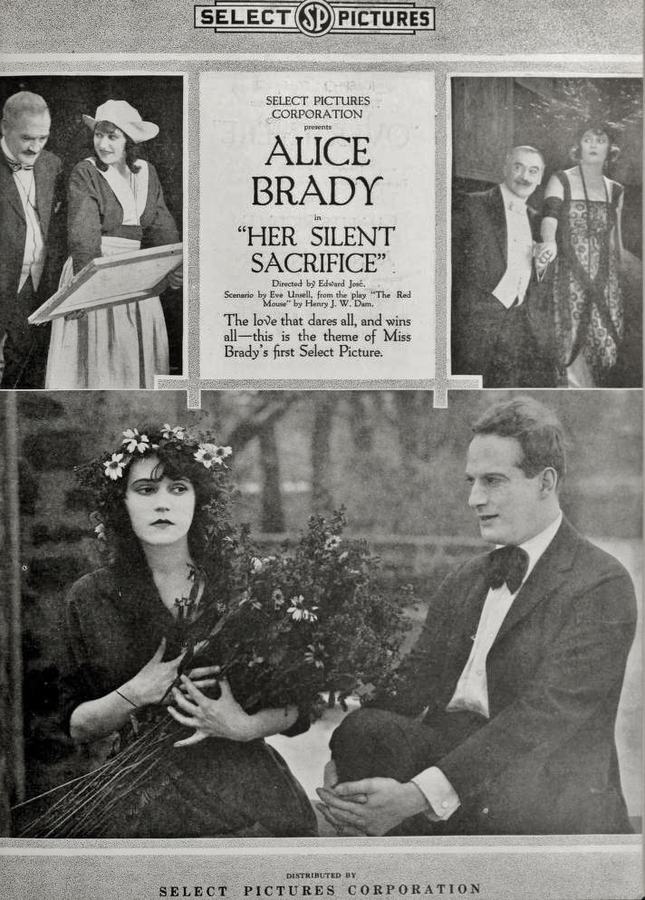
Dir: Edward José
In the French town of Savenay live Arlette and her grandfather Chaupin, the proprietor of the inn. Richard Vale, an impoverished young American artist, comes to Savenay to sketch and lodges at the inn where he meets Arlette and induces her to pose for him. During this period, Arlette falls deeply in love with Richard, who is on the brink of starvation. When wealthy libertine and art connoisseur Prince Boissard arrives in Savenay and lusts after Arlette, he proposes to help Richard in return for the girl's consent to become his mistress. Arlette agrees, and Boissard, feigning an interest in Richard's work, sends the young artist to Italy to continue his education. A year passes and Richard returns, now a celebrated artist. Boissard then demands payment of Arlette, who reluctantly agrees to honor her debt. Before she can be dishonored, however, Boissard's servant Sarthe, who is devoted to Arlette, stabs his master, thus freeing the girl to marry her artist.
View Details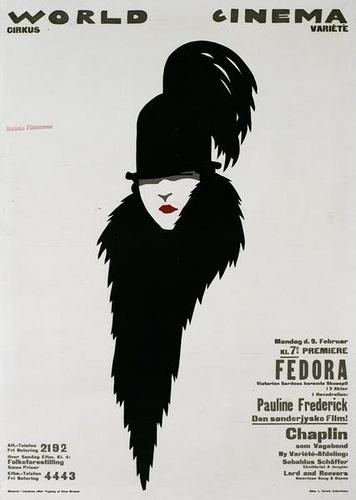
Dir: Edward José
Fedora, a beautiful and elegant woman of Russian society, travels to Paris in search of her fiance's murderer.
View Details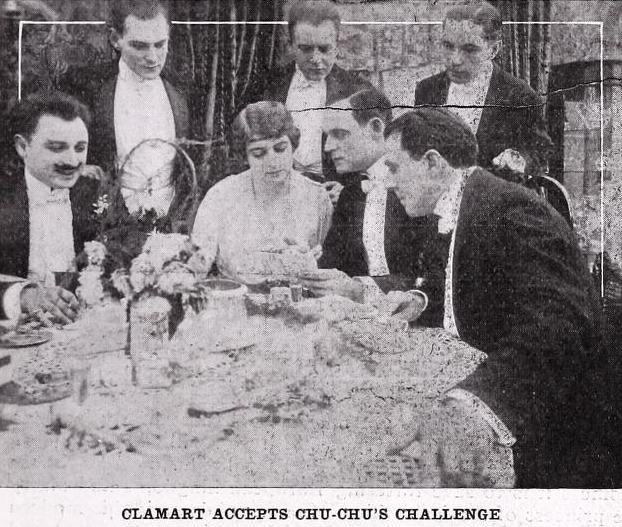
Dir: Edward José
Frank Clamart, abandoned illegitimate son of a wealthy merchant, flees to Paris and joins a gang of "society crooks" led by Chu-Chu and Leontine Petrovsky, his sometime-lover. To prove his prowess to the gang and to Leontine, with whom he has fallen in love, Frank attempts to rob the house of a well-to-do family but is shot by the owner. As Leontine escapes unharmed, Frank is inspected by the owner's wife, who, recognizing a birthmark on Frank's wrist, identifies him as her husband's missing half-brother. Nursed back to health by his sister-in-law, Frank agrees to renounce his life of crime, but when a jealous Chu-Chu breaks into the house and steals the family jewels, Frank is suspected. To exonerate himself, Frank tricks Chu-Chu and retrieves the gems. Determined to have revenge, Chu-Chu tries once more to rob the house and, when caught by Frank, shoots him in the shoulder. Frank pursues Chu-Chu in a taxicab, forces him over a cliff, then leaves with his new love, the cab driver, who fires a shot that kills Chu-Chu.
View Details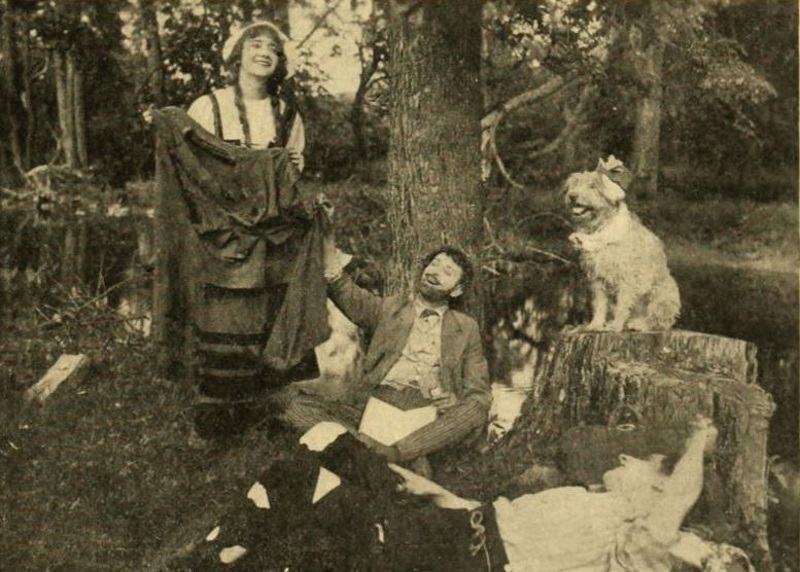
Dir: Edward José
Brilliant young architect Gaston De Nerac returns to London from France to marry his cousin Joanna Rushworth. To prevent Joanna's father from losing his business, Gaston borrows money from a rival suitor with the stipulation that he postpone the marriage and refrain from communication with Joanna for two years. After the suitor convinces Joanna that Gaston bartered her love for money, she marries the suitor. When Gaston learns of this, he begins a reckless, cynical life as a traveling musician known as Paragot. In the London slums, he makes the acquaintance of Asticot, a ragamuffin. They wander through France and Paragot adopts Blanquette, an itinerant singer, after her aged partner dies. Years later, when the happy threesome perform at a peasant wedding, Paragot encounters Joanna, who has learned the truth. After Joanna's husband is killed in the street, she and Paragot plan to marry, but because he is unable to adjust to societal conventions, Paragot marries Blanquette instead.
View DetailsAnalysis relative to The Two Brides
| Film Title | Atmosphere | Complexity | Similarity |
|---|---|---|---|
| Nedra | Ethereal | Linear | 86% Match |
| Ashes of Embers | Gritty | Linear | 95% Match |
| A Woman of Impulse | Tense | Layered | 92% Match |
| Private Peat | Tense | Abstract | 98% Match |
| Hungry Heart | Ethereal | High | 94% Match |
This guide was algorithmically generated using the cinematic metadata of Edward José's archive. Last updated: 8/16/2026.
Back to The Two Brides Details →