
DbcultAccessing Vault...
Recommendations
Senior Film Conservator
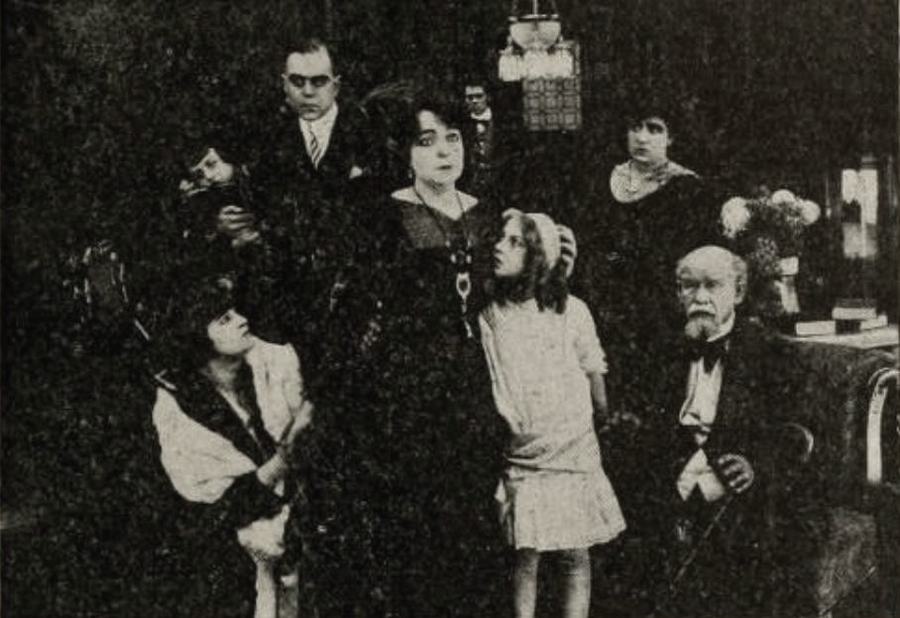
For those who were mesmerized by The Unwelcome Wife, a true cult masterpiece from 1915, its influence on cult cinema remains a vital reference point for fans today. This list serves as a bridge to other cult experiences that are just as potent.
The legacy of The Unwelcome Wife is built upon its ability to blend thematic complexity with stunning visual execution.
Blanche Scott, a famous actress married to rich lawyer Martin Scott, is living happily in New York, but her cousin Elsie is married to Frank Edmonds, a performer who mars her happiness through infidelity. Blanche invites Elsie to stay with her, and induces her husband to procure a divorce for Elsie. Blanche's blind grandfather George Moore lives with them. Previous to her marriage to Scott, Blanche met with an automobile accident in which both of her parents were killed, and from the shock she became mentally deranged, but shortly afterward recovered. At the birth of Blanche's first child Viola, her attack of insanity returns. Physicians declare her case hopeless, and she is confined to an asylum. Her cousin Elsie adopts Viola. Two years elapse and Blanche is still at the asylum. Meanwhile, Elsie has secured a divorce from her husband. During this time Scott makes advances to Elsie, but is repulsed. Scott's love for Elsie prompts him to bring suit for an annulment of his marriage to Blanche on the ground of her being insane prior to his marriage, and he succeeds in having his marriage annulled. Blanche, in her hallucinations, raves both of her child and of her past successes on the stage, and very often sees herself playing her favorite roles of various classic plays, in which she starred. Scott, assuring Elsie that Blanche's condition is hopeless, is successful in winning Elsie's love, and in due course of time, they are married. A year later Elsie gives birth to a boy. All are overjoyed, except the blind grandfather, who still lives with Scott. The moral wrong, though legally done to his grandchild Blanche rends his heart with sorrow. Six years later: All are living happily, having forgotten the past. One day Scott receives a letter from the superintendent of the asylum, notifying him that Blanche has unexpectedly recovered and is in a condition to be taken home. Scott shows the letter to Elsie, who insists that he bring Blanche back. Scott refuses, but Elsie fervently pleads with her husband to gratify her wish. He still remains obdurate. Moore, overhearing Elsie's plea, cautions Scott not to tell anything to Blanche for the time being, as it may cause a relapse. Scott, convinced by the prudent advice of the blind old man and Elsie's pathetic appeal, finally yields and brings Blanche home. Blanche's joy upon her return is somewhat dampened by her former husband's coolness. She suspects that there is some secret in the house, and questions Scott, Elsie, her grandfather, and the servants, but gets no satisfactory reply. Baffled in her efforts she at last questions her own eight-year-old daughter Viola, who tells her the truth. Elsie, wishing to sacrifice her own happiness for Blanche, decides to go away with her child, Eddie, but Blanche, realizing that she cannot live under the same roof with her former husband, prevents Elsie from leaving. The ex-wife then seizes a knife near at hand and attempts to cut her throat, but is prevented by Scott and Elsie. The furious rage and wild excitement again disturb her mental balance, and she is pronounced incurably insane. Blanche, while being led to the ambulance, wildly calls for Viola. Moore, sunk in unutterable grief, goes to her, but his suffering is beyond human endurance. He is overcome by his emotions, stricken with heart failure and dies. Blanche, seeing him fall, breaks loose from the physicians and rushes madly to the prostrate form of her grandfather, kneels over him, imagines that she performs the scene of La Tosca, where she kills the Baron and laughs hysterically.
The Unwelcome Wife was a significant production in United States, bringing a unique perspective to the global stage. It continues to be a top recommendation for anyone studying cult history.
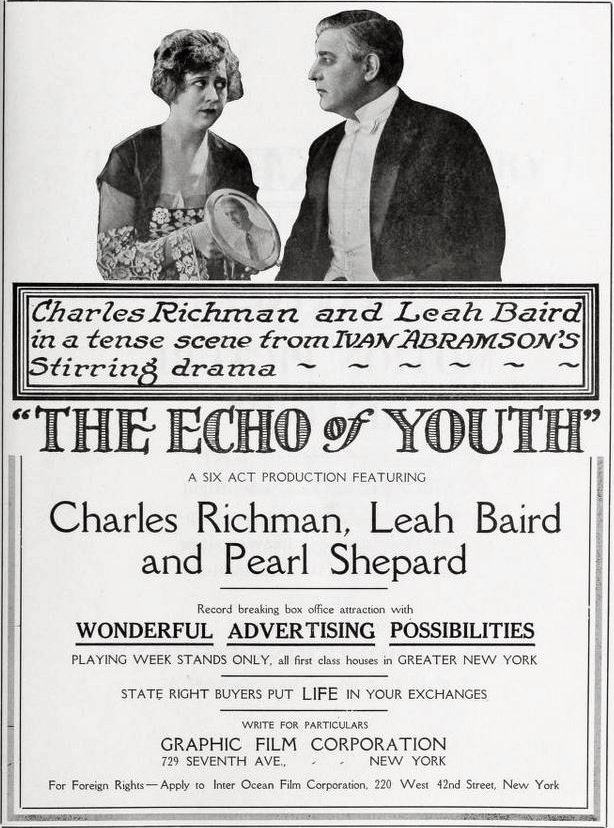
Based on the unique cult status of The Unwelcome Wife, our vault has identified these titles as the most compelling follow-up experiences for fans of cult cinema:
Dir: Ivan Abramson
After becoming a Supreme Court justice, Peter Graham is visited by Olive Martin, a singer from New Orleans, Louisiana, with whom he had an affair in his youth. Although Peter has been sending money to maintain Olive's silence and to support their son, she now sees an opportunity to join high society, and demands that Peter divorce his wife to marry her. Meanwhile, in Boston, Massachusetts, Olive's son, Harold, becomes engaged to Peter's daughter, Anita, but the young lovers are soon devastated by the news that they were both sired by the same man. Olive's dissolute brother-in-law, Thomas Donald, finds Peter on the brink of suicide and reveals that he is Harold's father. Thomas goes on to explain that Olive adopted the boy as a means to blackmail Peter. Harold and Anita marry, while Peter confesses to his wife and Olive leaves town.
View Details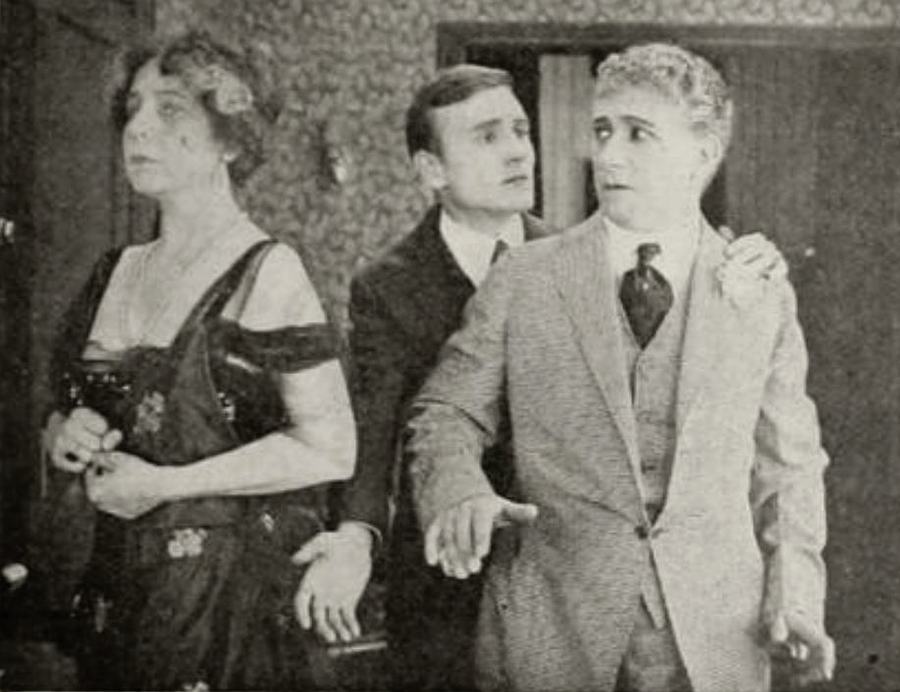
Dir: Ivan Abramson
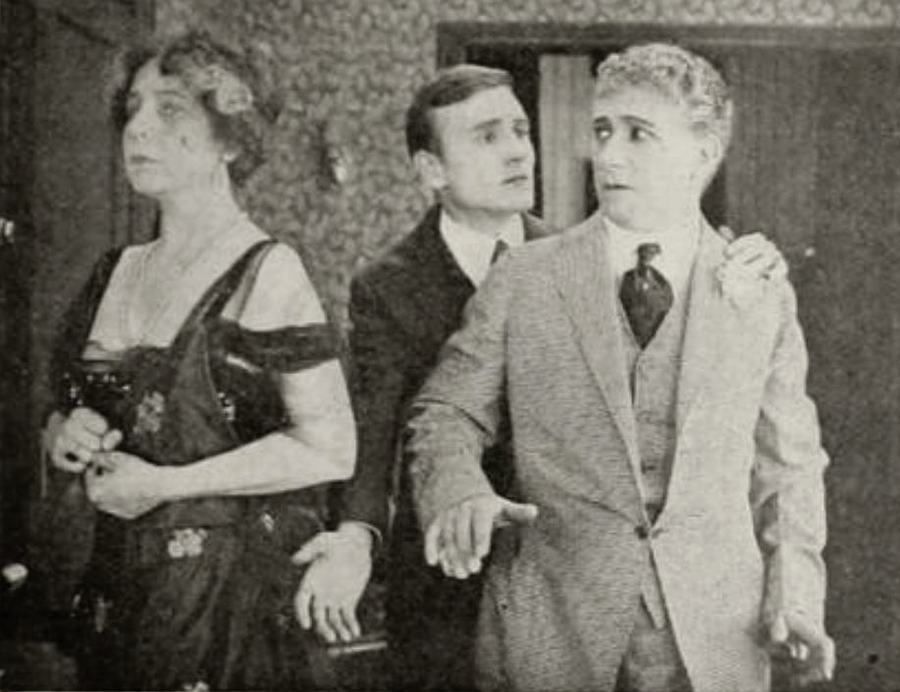
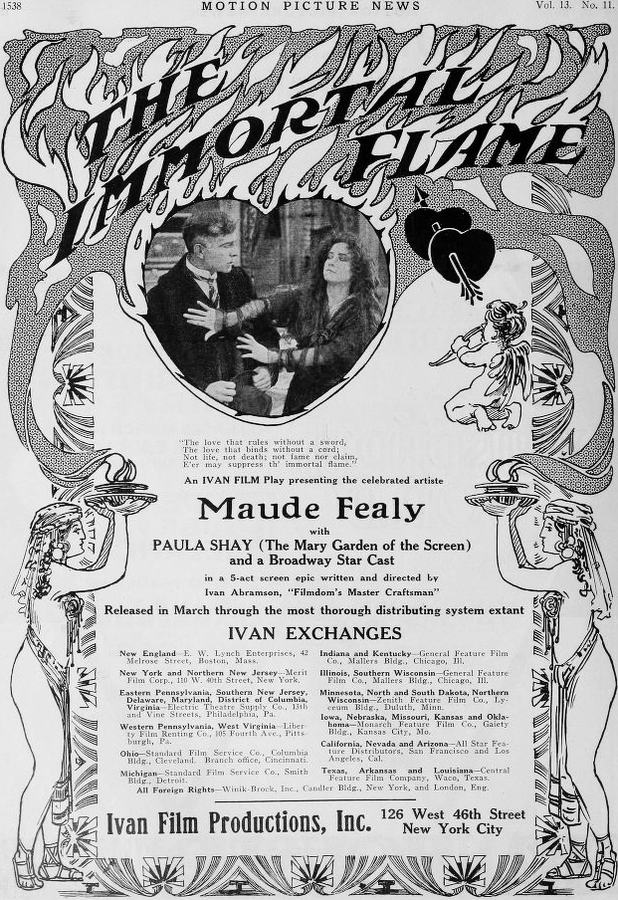
Wealthy capitalist, Clinton Reynolds, and his wife, Laura, have lost their son, Arthur, kidnapped and possibly dead. Attempting to write a wrong in his factory, he adopts the daughter of one of his workers who is killed on site. The girl, Rose, grows up resentful of her adoptive father and as she grows older, seduces him in order to break up his marriage. Long lost Arthur returns and, finding his parents' married life in disarray, becomes romantically involved with Rose in order to end the relationship she has forged with his father. Reynolds comes to his senses and makes amends with Laura, at which point Arthur leaves Rose.
View Details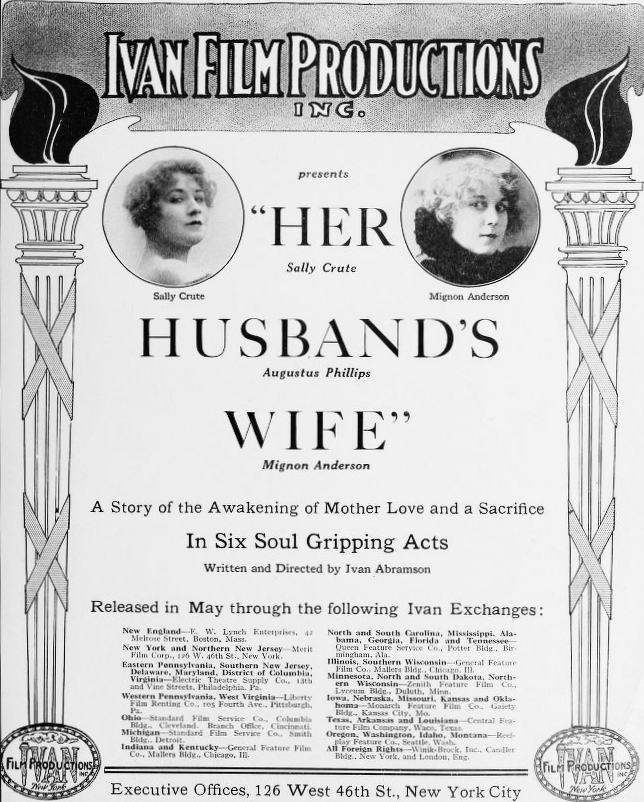
Dir: Ivan Abramson
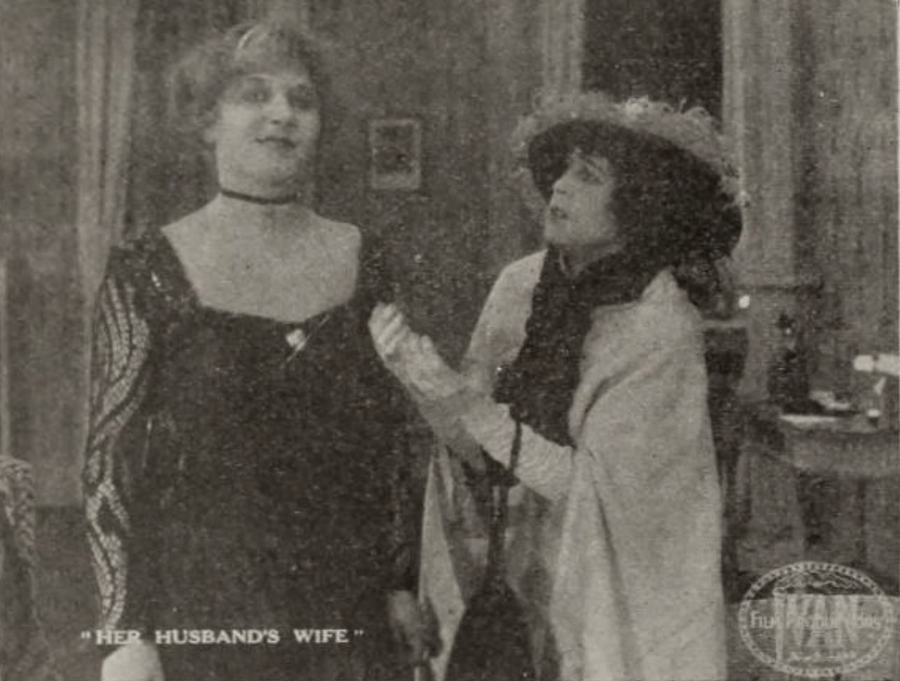
Ada Forbes loves Eugene Cory, but she marries Stapleton, a political boss who promises Ada's father a Senate seat in return for his daughter. After several years of an unhappy marriage, Ada leaves Stapleton and returns to Cory, now married to Alice Wood, to be his mistress. Alice finds out about the affair and confronts Ada, who promises never to see Eugene again. Then, Ada learns that her mother is dying. The double shock of losing Eugene and her mother brings on a breakdown, and Ada is put under a doctor's care. Her round-the-clock nurse falls asleep, however, and a half-insane Ada wanders away, falls into a river and drowns.
View Details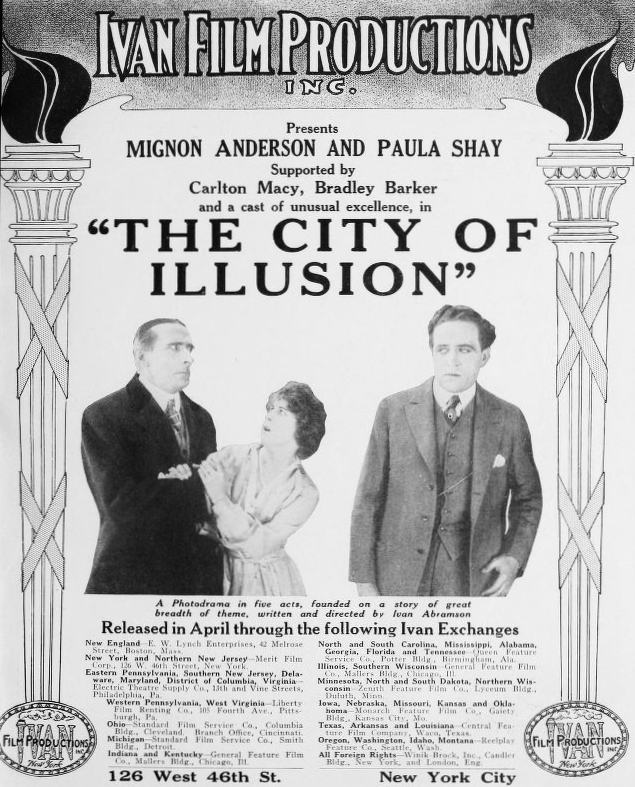
Dir: Ivan Abramson
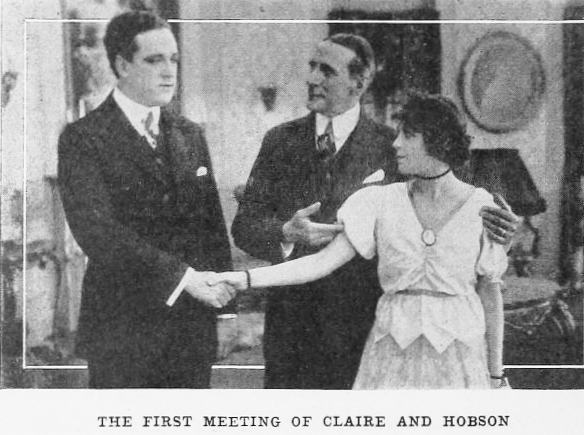
Claire, a young Southern girl, marries wealthy plantation owner Paul but has always dreamed of moving to and living in New York City. She falls for Paul's New York lawyer Douglas, and when he goes back to "The Big Apple", she fibs to her husband that she had been having an affair with Douglas and wants a divorce. However, when she travels to New York to be with him, she finds that he's already married and is running for District Attorney. Complications ensue.
View Details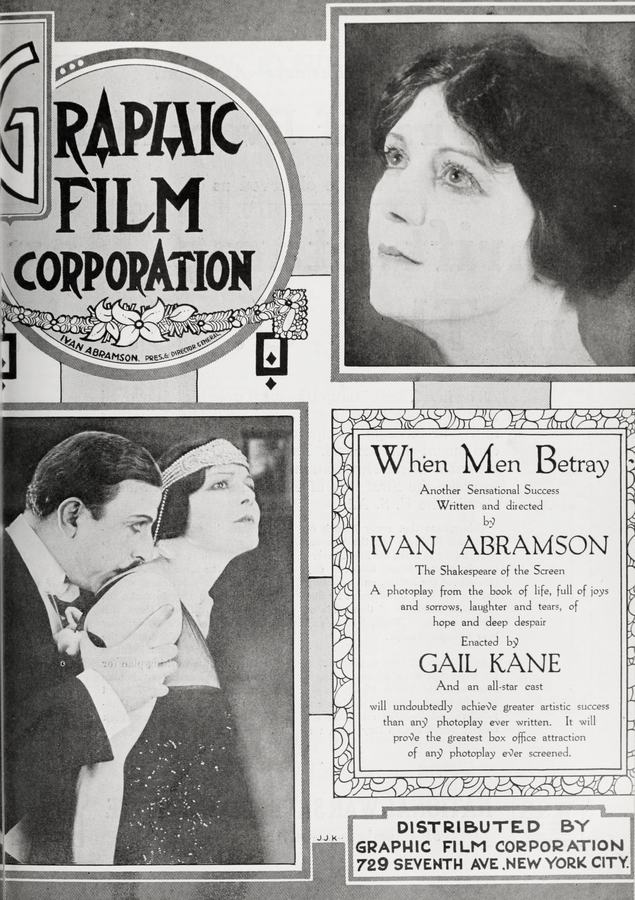
Dir: Ivan Abramson
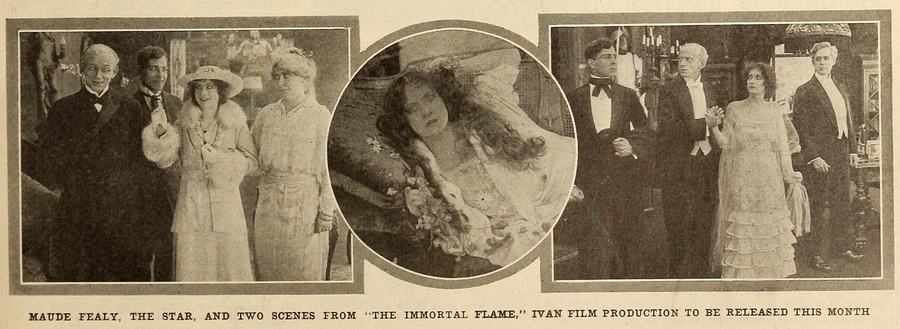
Despite the pleading of his wife Marion and his little daughter Vivian, Raymond Edwardes intensifies his affair with a charming adventuress named Lucille Stanton. Marion attends a reception with Frederick Barton one evening, leaving Raymond free to visit Lucille and leaving Raymond's younger sister Alice alone in the house. Bob Gardner, who is engaged to Raymond's elder sister Florence, rapes Alice, and that same evening, Raymond finds Frederick in Lucille's room. Realizing the great pain he has caused his wife, Raymond asks for Marion's forgiveness. Bob is killed in a fight with Frederick, whereupon his brother, Dick Gardner, offers to marry Alice to atone for Bob's wrong.
View Details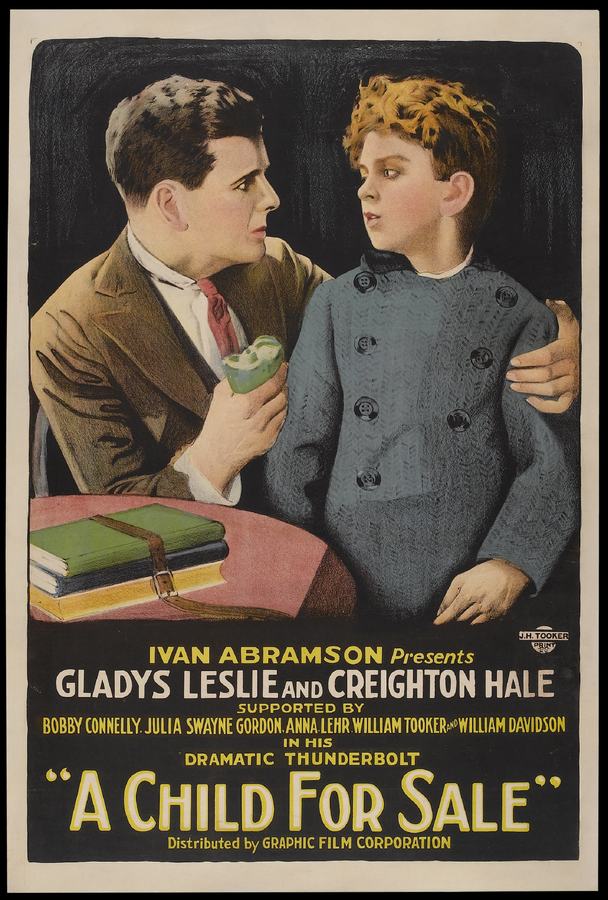
Dir: Ivan Abramson
A struggling artist in Greewich Village is devastated when his wife dies. Left with two children and with little money to support them, in desperation he sells one of them to a childless but wealthy couple. When he realizes what he has done, he determines not to go through with the "deal".
View Details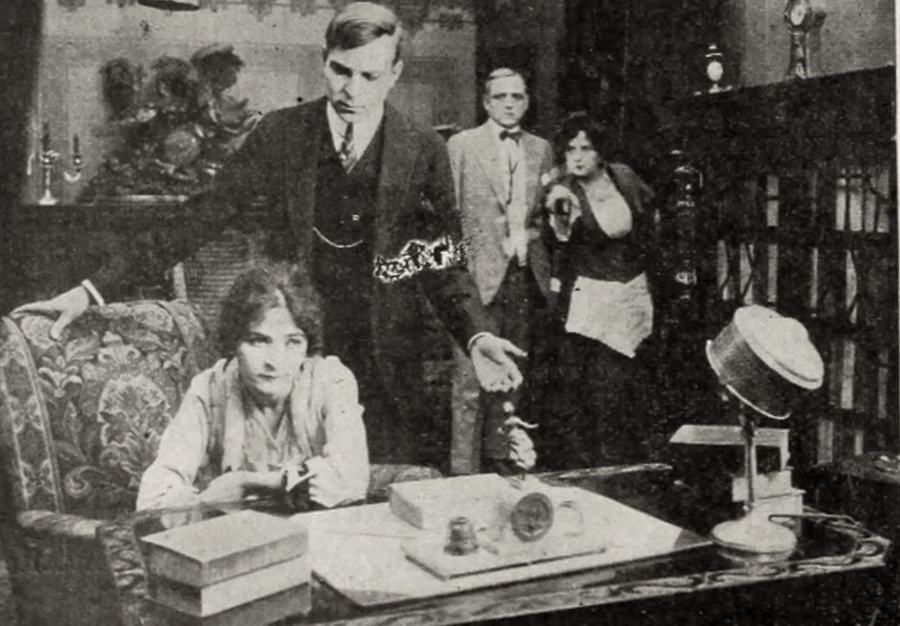
Dir: Ivan Abramson
Victor Gilmore, a composer, is in love with his father Cyrus' secretary Dorothy Eldridge, but Dorothy marries his brother Robert, even though a doctor has told them that Robert can never father children. Dorothy, however, has never lost her hope to have children, and doesn't know that Robert is secretly supporting his former lover Flo Merrivale. The brothers' father eventually dies but leaves his estate to Robert, saying that he didn't believe that Victor was his son. This causes a huge rift between the brothers and a fight ensues, resulting in Victor's being thrown out of the house and family. Complications ensue.
View Details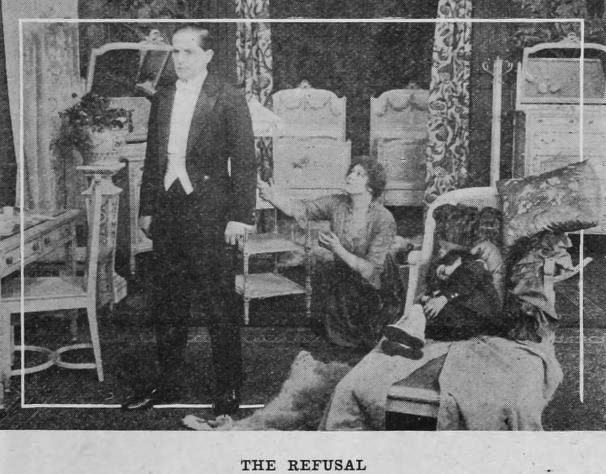
Dir: Ivan Abramson
Ruth Ancaster is about to marry her fiance, Edward, when she discovers that he has been cheating on her with a variety of different women. Angered, she marries Henry, Edward's best friend. Edward sees a chance to take his revenge on both of them when Henry, in financial trouble, forges Edward's name on a stock certificate and is caught. He offers to drop the charges against Henry if Ruth agrees to "pay the price"--and he doesn't mean money.
View Details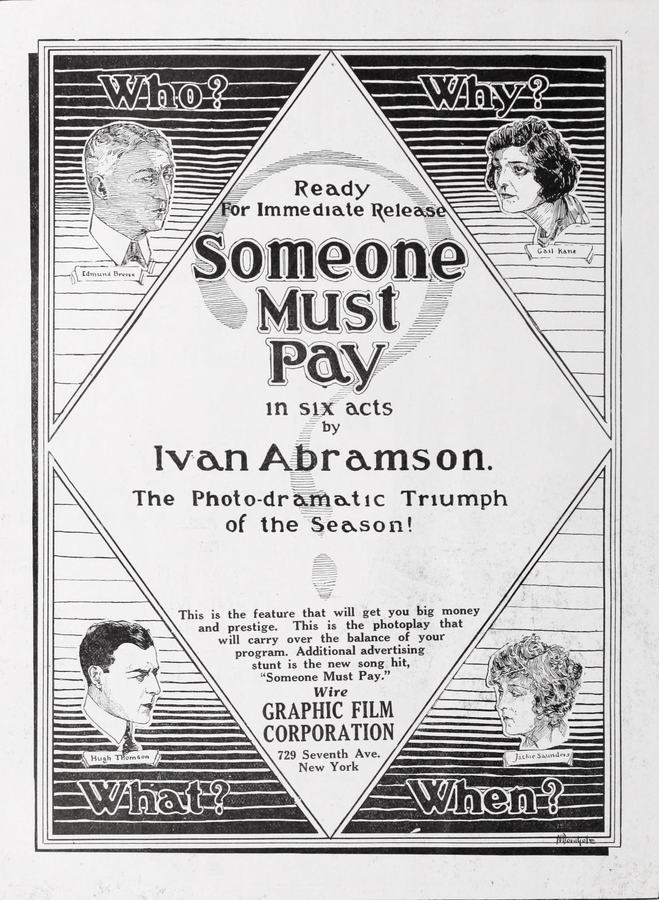
Dir: Ivan Abramson
Stockbroker Henry Taylor becomes insanely jealous when wealthy South African jeweler Charles Bryant shows friendly attentions to Taylor's wife Regina and adopted daughter Vivian. Henry banishes Bryant from the Taylor home. In order to lavish riches on his wife, Henry speculates wildly and then uses a client's stocks to raise funds. The client threatens Henry with arrest, but agrees to withdraw the charge if Regina raises the appropriate funds. Bryant comes to her aid, but Henry believes another friend is responsible. When he learns the truth, Henry drives Regina and Vivian from home and they seek shelter from a heavy rainstorm in the asylum in which Regina was reared. Vivian contracts pneumonia and dies. Meanwhile, Henry seeks out Bryant and shoots him. In the ensuing trial, Bryant reveals that he is Regina's father and that he had been compelled to flee to South Africa after being accused of a murder of which he was innocent. Examination of the criminal record reveals that his innocence has been made clear. Bryant brings about a reconciliation between Henry and Regina.
View DetailsAnalysis relative to The Unwelcome Wife
| Film Title | Atmosphere | Complexity | Similarity |
|---|---|---|---|
| The Echo of Youth | Gothic | Layered | 85% Match |
| The Sex Lure | Ethereal | Abstract | 91% Match |
| Her Husband's Wife | Surreal | Linear | 98% Match |
| The Immortal Flame | Tense | Abstract | 95% Match |
| The City of Illusion | Surreal | Dense | 91% Match |
This guide was algorithmically generated using the cinematic metadata of Ivan Abramson's archive. Last updated: 8/16/2026.
Back to The Unwelcome Wife Details →