
DbcultAccessing Vault...
Recommendations
Senior Film Conservator
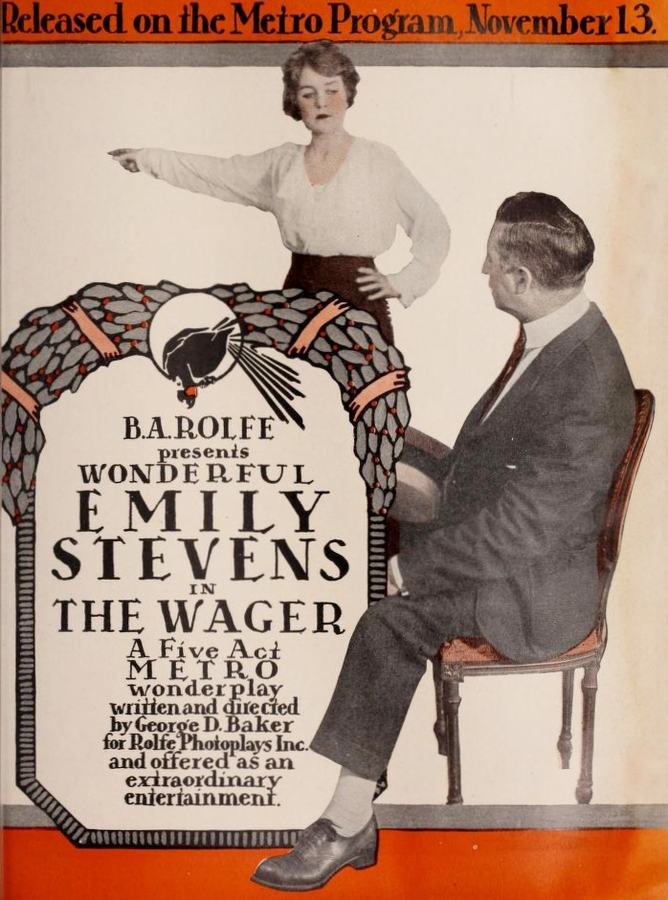
Since its 1916 debut, The Wager has maintained a stylistic flair status, you are likely searching for more films that share its specific artistic vision. We have meticulously scanned our vault to find hidden gems that resonate with this work.
The 1916 landscape was forever altered by the arrival of to push the boundaries of conventional storytelling.
The influence of George D. Baker in The Wager can be felt in the way modern cult films handle stylistic flair. From the specific lighting choices to the pacing, this 1916 release set a high bar for atmospheric immersion.
Based on the unique stylistic flair of The Wager, our vault has identified these titles as the most compelling follow-up experiences for fans of cult cinema:
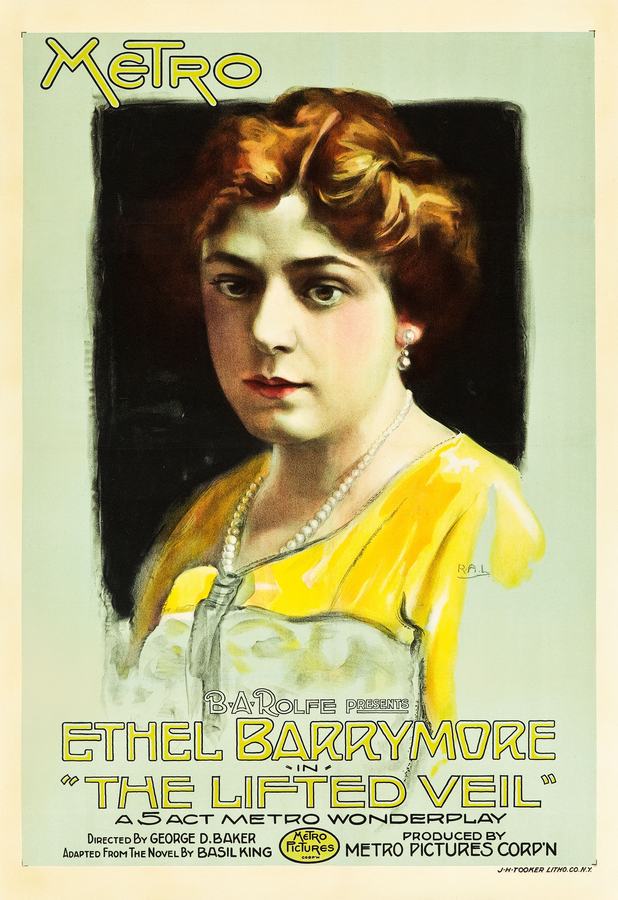
Dir: George D. Baker
Overcome with guilt after having an affair with her best friend's husband, Clorinda hopes to escape her past by moving to Europe, where she meets Malcolm, a decent man who falls in love with her. Unable to accept his love, she returns to America and confides her sin to Rev. Bainbridge. Malcolm has followed her, but when she discloses her past, he turns his back. Rev. Bainbridge proposes and before the marriage takes place, Malcolm returns, begging Clorinda's forgiveness. Preferring the worldly man over the minister, Clorinda marries Malcolm and they begin their new life together in France.
View Details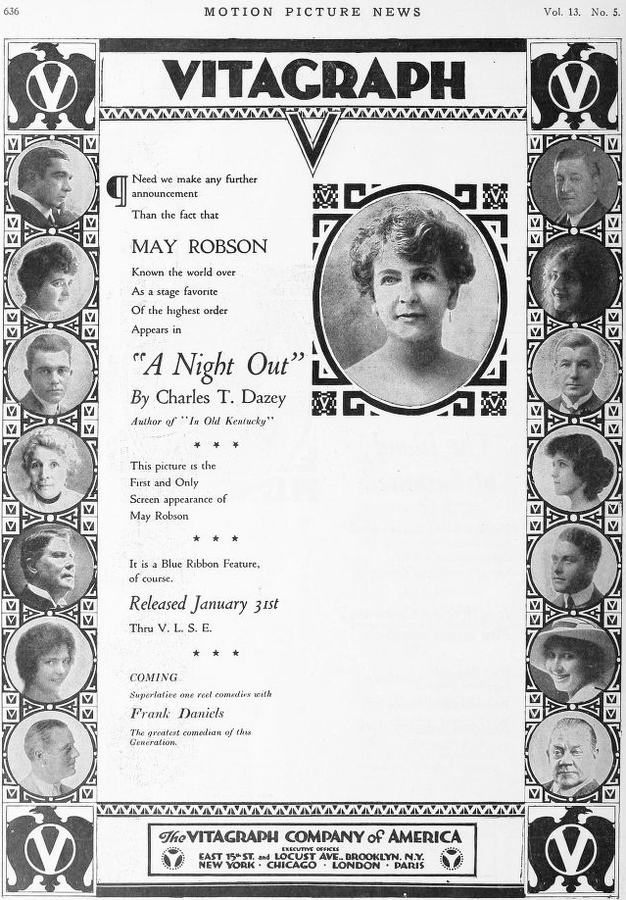
Dir: George D. Baker
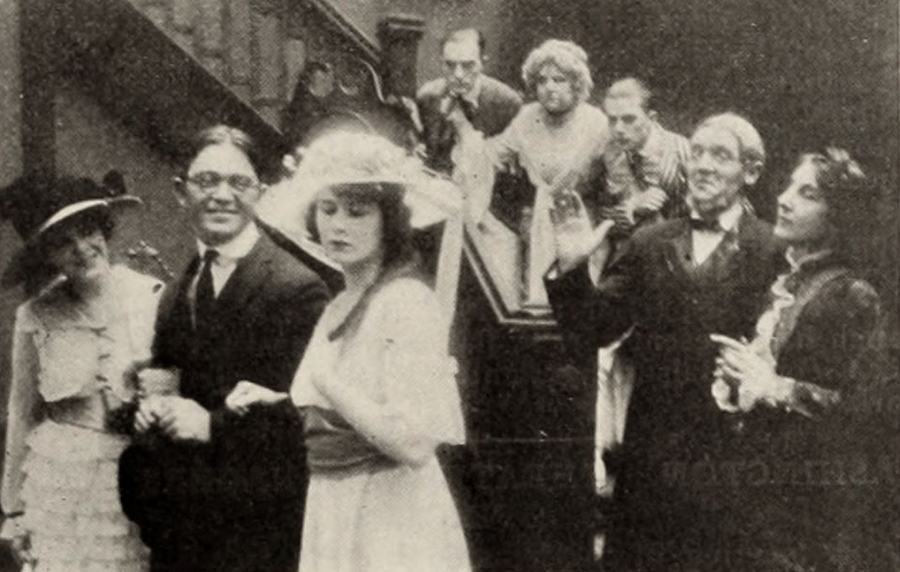
A grandmother has an adventure for the first time in her life when she decides to have a night out.
View Details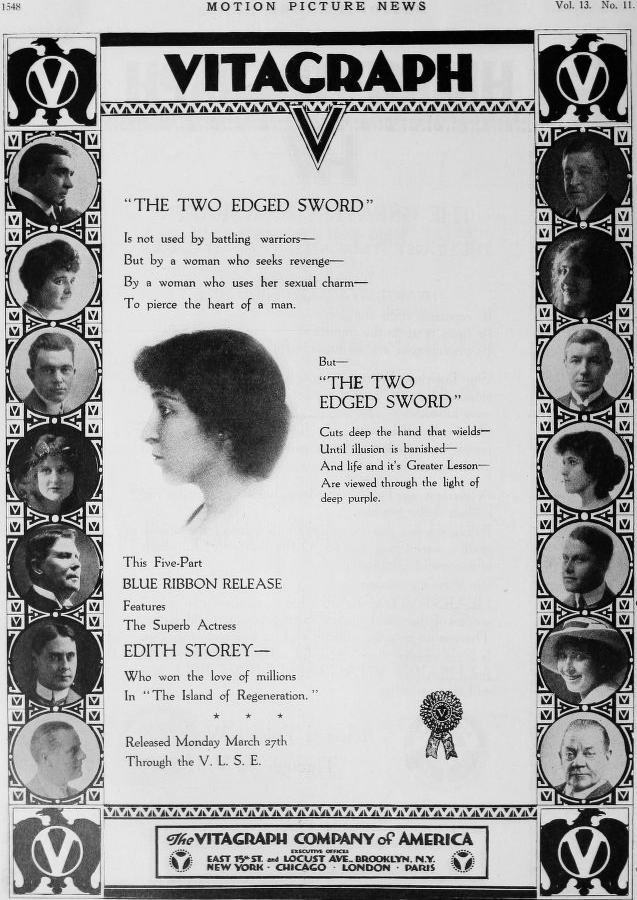
Dir: George D. Baker
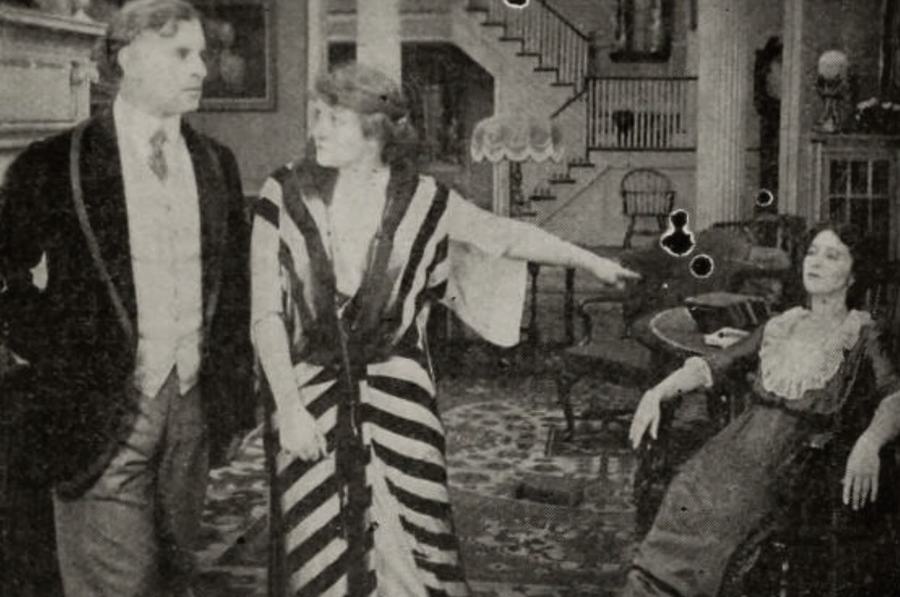
Gordon Allen works hard to support his wife Dorothy, but she becomes bored with Gordon and her marriage. She takes a trip with her friend Evelyn to a farm for a vacation, and there meets and flirts with handsome but native farmer Jed. She thinks nothing of it, but Jed takes it very seriously, and his sister Mary tries to break up the relationship. When Gordon pays a surprise visit to the farm to see Dorothy and she greets him warmly and kisses him, Jed realizes that he's been played, and after Gordon beats him in a fight, Jed kills himself. Mary, outraged, vows vengeance on Dorothy.
View Details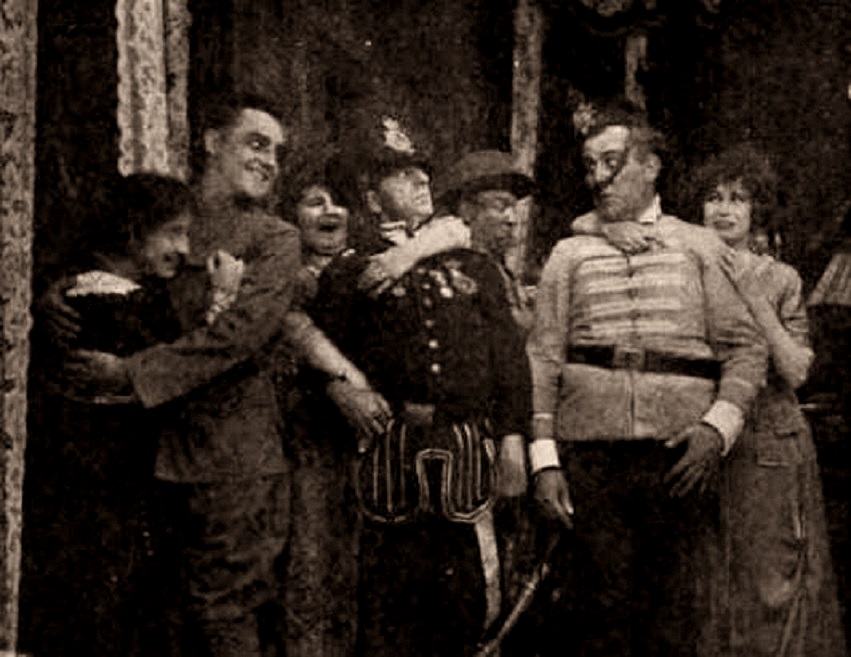
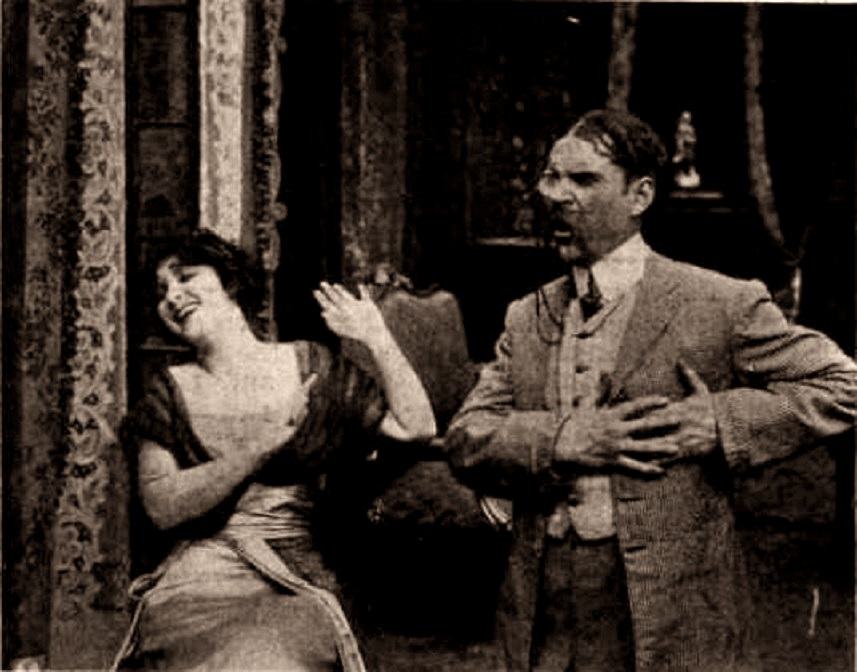
Dir: George D. Baker
Ira Wilton and his son-in-law Harry Bennett resort to the subterfuge of telling their wives that they are members of the Thirteenth Regiment, to be sure of having a night off each week, Friday night, for the regiment drills. They substantiate their deception by bringing into their little game Ira's daughter Laura and her fiancé Jack Brent, a genuine member of the Thirteenth. Their deception runs along nicely until one Friday night when the men have gone to the club, their wives find the invitation, and are just about to start out when they discover that the water pipe has burst. Laura informs the men by telephone what is discovered, and warns them to hurry home. They arrive and find that the kitchen and dining room are flooded, and, after all has been given a good soaking, Lord Dudley, an admirer of Laura, manages to stop the flow of water. Just as the trouble concerning the flood has subsided, Jack Brent arrives home and tells the men that the Thirteenth has been ordered to the front. The husbands, seeing a good chance to take a little vacation, purchase soldiers' clothing and fall in behind the Thirteenth Regiment as it passes their wives, but slip out as soon as it is out of sight. They then go to the barn, where they substitute their soldiers' habiliments for civilian clothes and then make all possible haste to the lake, where they intend to spend a little vacation. But their vacation is short-lived, for one day they see in the newspapers that the entire Thirteenth regiment has been wiped out. They hurry home to the old barn, where they get into their regimentals as quickly as possible--not forgetting to add a few rents here and there, to make it appear as if they have had a terrible struggle at the front and in escaping. When they arrive home they observe that Mrs. Wilton's brother has returned from the West and promised to take care of the "widows." In reply to Lena's (the fat cook), question concerning her lover Conrad, they were just about to tell her that he died with her name on his lips, when in come Harry and Conrad with the news that the newspaper report was all wrong. Ira and Harry fix it up with Conrad, and Jack, desiring to keep on the right side of the old man, tells the women that the men had a terrible fight, and brother Tom forgets about asking questions when a couple of good cigars are shoved into his mitt.
View Details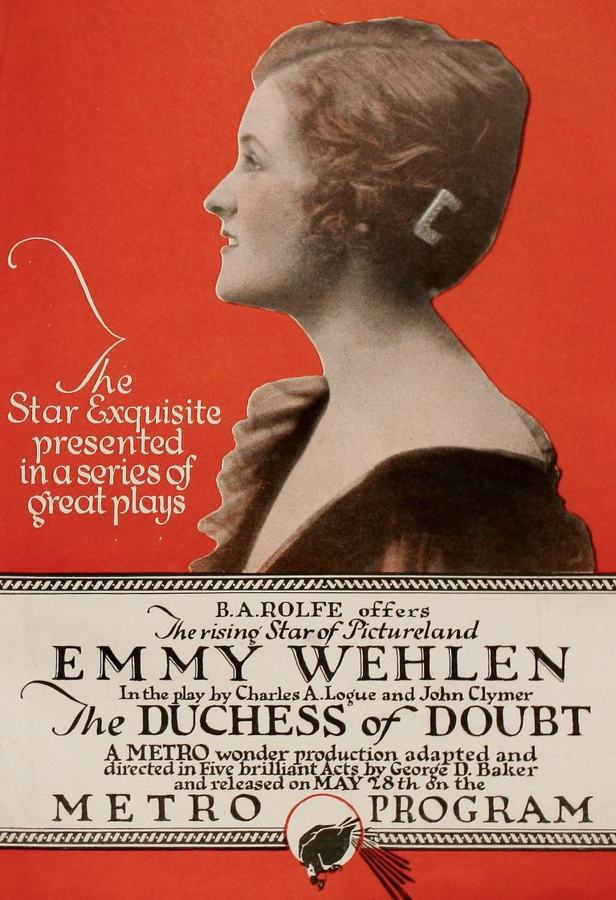
Dir: George D. Baker
Clover Ames's life consists only of the drudge work that she performs at her Aunt Sarah's boardinghouse. No longer able to withstand her aunt's abuse, Clover runs away and obtains a job as a maid to a wealthy woman. Willed $7,000 by Pierre Dubois, a boarder at her aunt's house, Clover, inspired by a novel that she has read, poses as a duchess at a fashionable winter resort. There she meets and falls in love with Walter Gray, who is also traveling incognito as a ribbon clerk. When Clover's money runs out, her trick is discovered and she vanishes. Obtaining employment in Gray's department store, Clover learns that her ribbon clerk is actually the owner's son, who rushes her to the wedding bureau.
View Details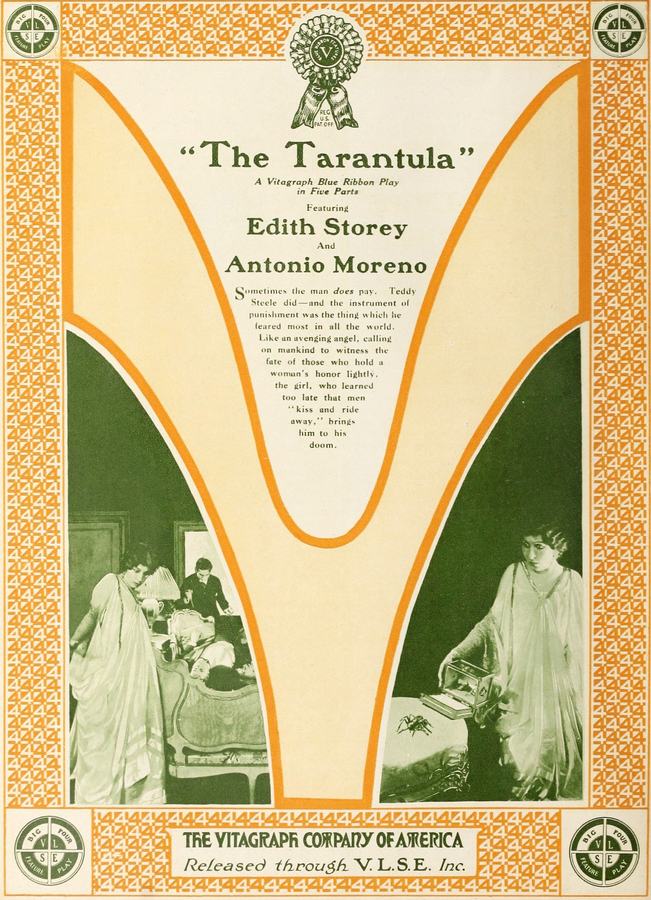
Dir: George D. Baker
"Beauty Smythe is at his old tricks again. Look at the raving beauty he's got on the string now." This was Manning's contribution to the discussion, which was taking place in one of New York's most exclusive clubs. All seemed to take a jolly view of the matter, except Van Allen, who, the others noticed, looked with disapproval on the flirtation. They could not understand his mood, and prodded him for his prudishness. When Smythe joined them, Van Allen called him over and asked him to listen to the story he was about to tell, the story of one man who paid for his loose habits. First, he drew from his pocket, a picture of a young man, about Smythe's age. "My sister's only boy," he said. "Two years ago he was leading the kind of life you are now, Smythe. He came down to Mexico to visit me and met Chonita, a pretty Mexican girl. He immediately became infatuated with her, to the consternation of Pedro, another of her lovers, who soon saw that Teddy held a higher place in her heart than he. When her father heard of the affair, he sent her away to their summer hacienda, hoping that she would forget Teddy. Then Ted received an invitation from a friend to spend the summer with him, and accepted. Out hunting one day, he met Chonita and both were happy at the reunion. He told her of his love for her, and she believed him. Of course he promised to marry her. One day, while walking through the forest. Ted just missed stepping on a tarantula, and shrinking from the hideous thing, told Chonita that he feared those terrible spiders worse than anything on earth. Sometime later, Ted received a note from her telling him to meet her at the usual place, and from the tone of the note he knew what had happened. She came, and brought a minister with her, but Teddy was married, and had two children, so even if he had wanted to, he could not have married her. Before word got back to the hacienda, Ted had hopped on a horse and started at a mad gallop for the railroad station, to avoid the wrath of her father and Pedro. Back in New York once more, he felt secure. Chonita meanwhile was thrown out of her father's house, and her child was born in an abandoned cabin. It lived but a few hours. Then Chonita got a position as dancer in a cheap music hall and became popular immediately. The proprietor of a New York café, seeing her perform, asked her to come to the city and dance for him. When she remembered that her betrayer was also in the city, she accepted. Hearing of her proposed trip, her father sent her a dagger, so that she might first kill Teddy and then herself, but she returned it, telling him that she would choose her own method of death for both of them. In the city she met Teddy once more. She responded to all his advances and finally induced him to invite her to his apartment. Here she presented him with an elaborate jewel case, which, she said, contained a gift. When his anxious hands opened the case, a giant tarantula crawled out. Need I tell you that he died a terrible death?" In a meditative mood, Beauty Smythe sat in his room and reflected on what he had heard. Then the moral hit home, and the letter he had intended sending to his latest "sweetheart" never went further than the trash basket.
View Details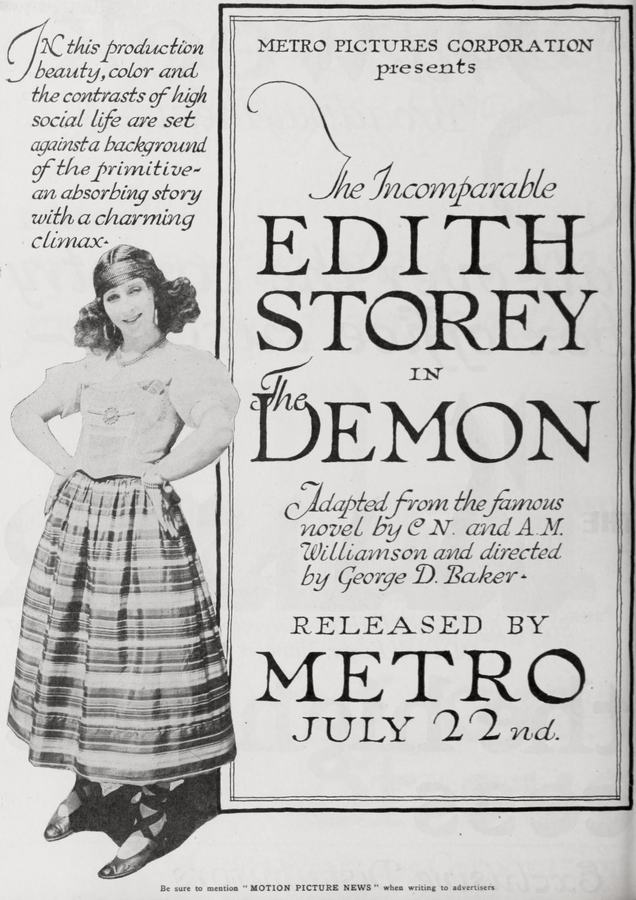
Dir: George D. Baker
Jim Lassells travels to Africa to obtain proof that his cousin Harold Brooks is dead as rumored, and learns that an Algerian sultan killed the rich American. Since it is assumed that Brooks was childless, Jim inherits his cousin's fortune. At a slave market he buys a young girl named Perdita and sends her to a convent in Corsica to be educated. Years later, Jim meets Perdita again while traveling through Corsica with the impecunious Duchess of Westgate and her daughter, Lady Lilah Grey. When the party stops at an inn, Jim discovers that Perdita is not only a Persian princess, but also the long-lost daughter of Brooks, and therefore the rightful heir to Brooks' fortune. Perdita, who has fallen in love with Jim, engages the romantic Count Theodore de Seramo to abduct the duchess and her daughter, and later the count and Lady Lilah become engaged. Jim offers to turn over his wealth to Perdita, but she declares her love for him and they wed.
View Details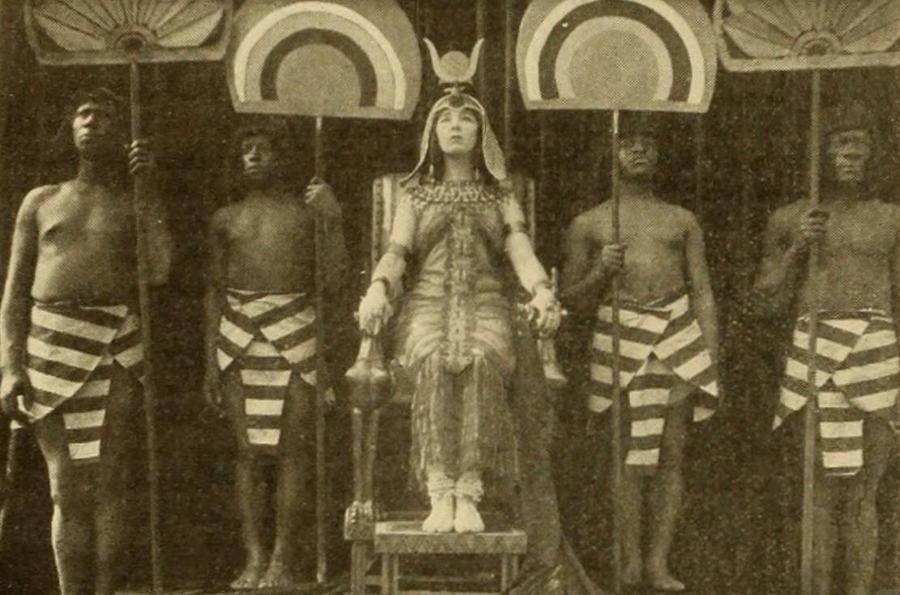
Dir: George D. Baker
An imperious Egyptian princess awakens from a 3000-year trance and wreaks comic havoc in the modern world, but it all turns out to be the dream of a young man, inspired by a mummy left in his care overnight.
View Details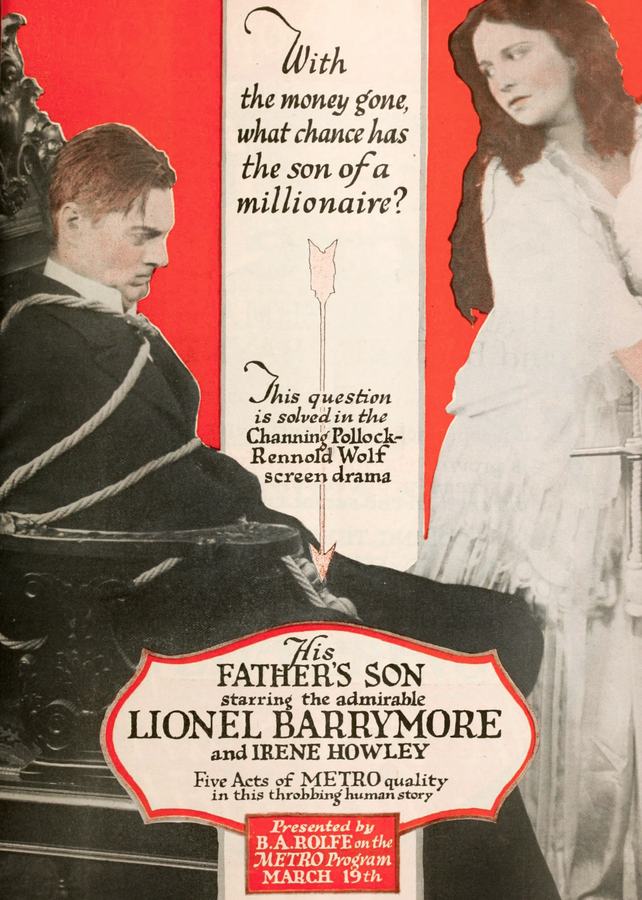
Dir: George D. Baker
College youth J. Dabney Barron regularly fails in his examinations; in disgust, his father deprives him of money and tells him to go to work, betting him $6,000 that he cannot hold a $60-a-month position for that time period. J. Dabney agrees, and with his valet Perkins he goes to look for a job. In a park he meets heiress Betty Arden, whose car has broken down. Her guest, Lord Lawrence, is incapable of helping her, and Dabney hastens to her assistance. She hurries away as soon as her car is repaired. Installing himself and his valet in a room in a lodging house, Dabney reads the want ads. Answering an advertisement for a bookkeeper, he stands in a long line of applicants until he grows tired; his valet, who has taken his place, gets the job. Finally Dabney obtains work through his friend Jim Foley of a detective agency. John Arden, millionaire gem collector, has a priceless emerald called "The Lady of the Sea." He fears it may be stolen and as a matter of fact his guest Lord Lawrence, better known to the English police as "London Larry," is planning to steal the emerald. Foley tells Dabney that to guard the emerald he must pose as butler in the Arden home. No sooner does Dabney enter upon his new work than he discovers Betty Arden, his employer's daughter, to be the girl he helped in the park. In an attempt to retain his dignity in her eyes he tells her he and his sister inherited an enormous fortune from an uncle; that the uncle had a secretary a villainous chap named Slime who forced him to make a will disinheriting Dabney and his sister; that Slime and his accomplices made the old man drink nitroglycerin but unfortunately for them permitted him to fall down when he exploded burning up the will; that the villainous secretary had then overpowered Dabney and run away with the girl, whom Dabney had ever since been seeking, hence his presence in the Arden household as butler. Betty pretends to believe the story, although she has been aware of Dabney's identity all along. Dabney continues to attend to his duties as butler and to guard the jewel from "London Larry." Finally the month is up, and Dabney, in great glee at having won the bet from his father, dares to make known his love to Betty. She returns his affection, and they are discovered in a fond embrace by John Arden, who instantly discharges Dabney. That night he is about to take his departure when he surprises "London Larry" opening the safe in Arden's library. He overpowers the would-be jewel thief, and throws him into the safe. Arden, coming downstairs, liberates Lord Lawrence, who tells him Dabney is the real culprit, and together they overpower him and tie him to a chair. Dabney urges them to send for Foley, to identify him, and the detective, arriving, makes haste to free Dabney and arrest "London Larry." Dabney, cheered by Betty's promise to marry him, goes home to collect his $6,000, having proved himself his father's son.
View Details
Dir: George D. Baker
When Silas Pettingill strikes oil and becomes immensely wealthy, his wife Maria and their daughter Helen demand to move from their Middle-Western home to a mansion on Fifth Avenue in New York City. Even then they are dissatisfied, for they have so fashionable friends. Helen is constantly reading books about royalty, and she bewails her fate because she knows no lords or earls. Wearying of their complaints, Silas goes out and makes friends with a taxicab driver, as agreeable young man named Hubert Stanwood, and as the hour grows late, takes him home with him to bed. In the morning Mrs. Pettingill demands to know who the stranger is. Not daring to tell her he has brought home only a chauffeur, he introduces Stanwood as Count Erfitt. Mrs. Pettingill runs to tell Helen the glad news, and they plan a series of social functions to introduce their guest. Soon the "Count" is seen everywhere with Helen. He does not want to pose under false colors, but Pettingill implores him not to let them know that he has deceived them. At a tea-dance they met Macklin Thurston, who is introduced to them as the Earl of Bradwood. Stanwood starts when he hears the name, for his own grandfather is the heir. He does not know that both have died, and that Thurston, discovering that the second son, Hubert, has been missing for several years, has appeared as a false claimant for the title. Stanwood decides to say nothing, but to investigate. Thurston is really the proprietor of an international employment agency. He uses this position to supply Huntington Lodge, the Adirondack home of the Pettingills, with two servants, Rita and Dugan, who are clever crooks. Both Thurston, as the Earl, and Stanwood, as the Count, are invited to a house party at the Lodge. Helen and Stanwood have fallen in love with each other at their first meeting. Stanwood proposes, and Helen accepts him. But Thurston tells Rita she must find a way to compromise Stanwood. She does so, and Helen breaks her engagement to Stanwood, and announced her engagement to Thurston, known as "the Earl." Stanwood engages a detective to unmask Thurston, but he has manufactured credentials, and Stanwood himself is unmasked as a false count by a man who knew him as a chauffeur. Helen orders him to drive her guests back to their hotel from the lawn fete that is in progress. Thurston goes to Helen's room and tries to persuade her to elope with him, but she refuses. Under cover of night, Rita and Dugan attempt to steal Helen's jewels. Stanwood returns in time to prevent them, but he is injured in the struggle, and when Helen enters she thinks it is he who is the thief. Still loving him, however, she urges him to escape, but the real thieves are apprehended. Detective Burke is about to take both Thurston and Stanwood into custody, not knowing which one of them is the tales Earl of Bradwood, when the lawyer arrives from New York and identifies Stanwood as the genuine Earl. Thurston is led away, and Stanwood and Helen, soon to be Lady Bradwood, are reunited.
View DetailsAnalysis relative to The Wager
| Film Title | Atmosphere | Complexity | Similarity |
|---|---|---|---|
| The Lifted Veil | Gothic | Linear | 95% Match |
| A Night Out | Gothic | Linear | 91% Match |
| The Two Edged Sword | Gothic | High | 86% Match |
| A Regiment of Two | Gritty | Linear | 92% Match |
| The Duchess of Doubt | Surreal | Abstract | 88% Match |
This guide was algorithmically generated using the cinematic metadata of George D. Baker's archive. Last updated: 6/27/2026.
Back to The Wager Details →