
DbcultAccessing Vault...
Recommendations
Senior Film Conservator
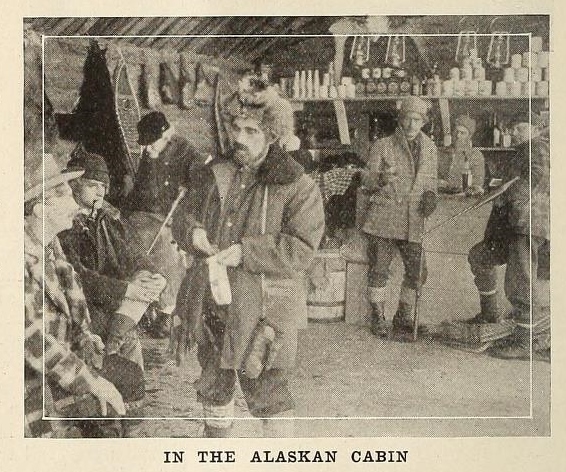
The evocative power of The Wolf (1914) continues to haunt audiences with its unique vision, its status as a United States icon makes it a perfect starting point for discovery. The following gems are essential viewing for anyone captivated by The Wolf.
The visceral impact of The Wolf (1914) stems from to serve as a cornerstone for cult enthusiasts worldwide.
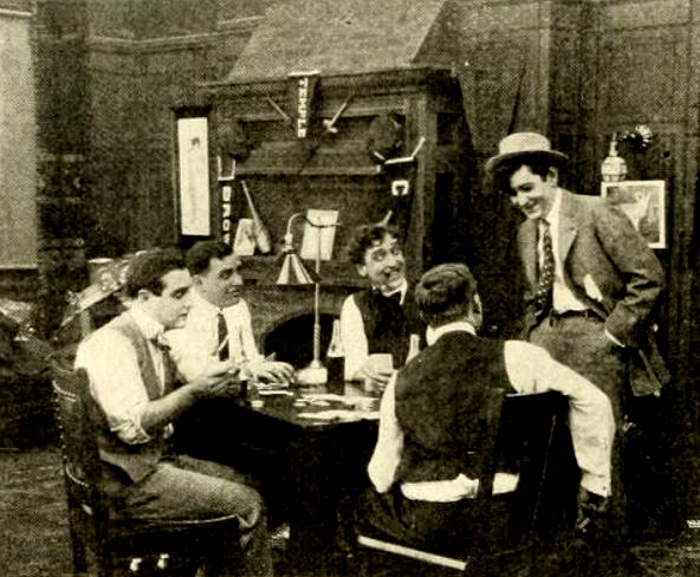
When Jules Beaubien's father died, the young man found himself heir to the stout old mansion in Montreal and the big fortune the family had made in the lumber of the great Canadian forests. But on his deathbed his father made a confession: 20 years ago he met a squaw of the Ojibway tribe and a girl child was born to them; she was now up in Nipissing country with a French-Canadian family who adopted her by arrangement with the father. Old Beaubien's last words to his son exacted a promise that the boy would find his half-sister, educate and care for her, and give her a liberal share of the estate. As soon as affairs were settled Jules started on his quest to find Annette. Arriving in the Nipissing country, he found that the family had moved from the valley, but he was informed that a woodsman, Baptiste Le Grande, could tell him all about her as he had been her sweetheart. He loved the girl with all the strength of his rough manhood, but a city man came along and betrayed her. Baptiste tried to tell the story, but his rage would not permit him to be coherent and Father Paul continued. He told Jules that the seducer had abandoned the girl and gone back to America. Annette, knowing she was disgraced, ran away from her foster parents and wandered to the camps where the women of the trappers tried to care for her. She became delirious, but she never mentioned the man's name. When her child was born she wandered out into the storm with her babe in her arms, lay down in the snow, and died, and the wolves ate her and the child. The rage of Jules and Baptiste was terrible. They swore to find the man and kill him. Baptiste took a crucifix from his bosom, both men kissed the symbol, and for two years the quest of vengeance continued. In the Indian summer Jules heard that frequently parties of engineers would quarter at Andrew McTavish's house in the forest. Here Jules and Baptiste resolved to put up for a while. Two other men arrived, civil engineer Mr. McDonald and his assistant Mr. Huntley, who were surveying for a Canadian railroad. McDonald was a splendid specimen of physical manhood, about 40 years old and very entertaining. His ability at his profession made him rich and with all he was a man of courage and likable. McTavish's daughter Hilda, a fascinating girl, did the cooking and housekeeping, and it was not surprising that McDonald and Jules soon noticed that each were contesting for the smiles of the Scotsman's daughter. Hilda was not adverse to the pleasantries of the good-looking boarders, for her life was far from happy; her mother, not being able to stand the irascible McTavish, had run away when Hilda was a child, and the father vented his revenge and hatred upon the daughter. Soon the rivalry between Jules and MacDonald became an open book. Jules loved Hilda, while the other man was simply playing for a dishonorable advantage. One day the men admitted their rivalry face to face. Jules was willing to play the game fair. The rogue laughed in the other man's face, admitted that he had a wife in America, but boasted of his power over women. In his bravado he told of an affair some years ago with a little girl up in the Nipissing country. It was the story of Annette. Jules would have killed him on the spot, but he was a man of honor; he could not assassinate, he must fight this fiend. Then he must tell also Baptiste, who would also want to kill him, and commit this deed he would if Jules fell in the fight. McDonald, feeling he was losing ground with Hilda, planned to work her ruin through the father. He told McTavish that he had a good mother in America that would care for and educate Hilda and that then he would marry her. The old Scotsman was only too willing to get rid of the girl and demanded of her that he would go with McDonald. Jules had told Hilda of the good love and the bad love and she learned to love Jules. When McTavish ordered her to go with McDonald she resisted. The old man in his rage would have seized her by the throat and strangled her, but Jules bore him to the floor of the cabin, while Baptiste from outside the window covered MacDonald with his Winchester. The fight was desperate and long, but Jules seized Hilda and, with Baptiste and Huntley, who discovered his master's villainy, the four hastened to the creek and in a canoe which had been furnished with supplies for the trip, made towards the Canadian railway for Montreal. McDonald followed and Jules left the party at a landing to meet him. A desperate duel was fought, in which McDonald was killed, and after burying the body, Jules and his party hastened to home and happiness.
Critics widely regard The Wolf as a cult-favorite piece of cult cinema. Its unique vision is frequently cited as its strongest asset, solidifying its place in United States's film legacy.
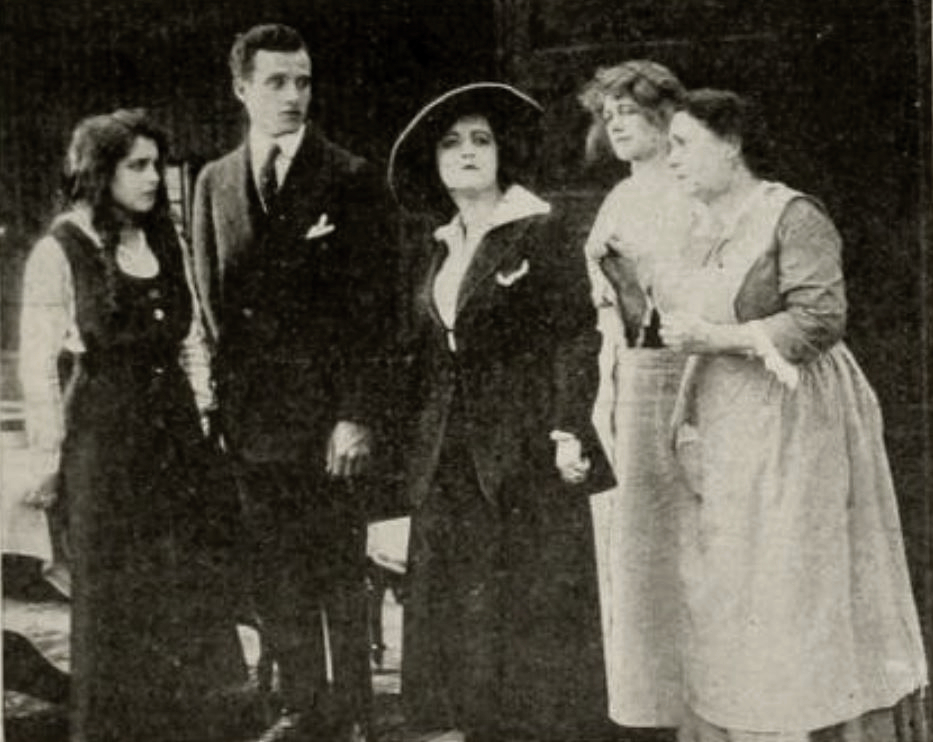
Based on the unique unique vision of The Wolf, our vault has identified these titles as the most compelling follow-up experiences for fans of cult cinema:
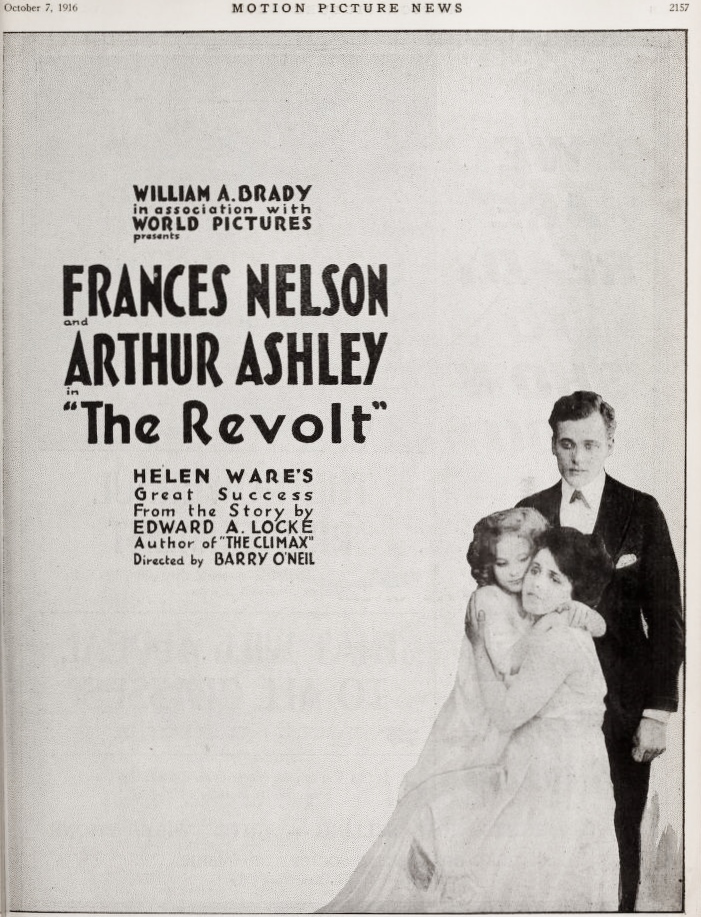
Dir: Barry O'Neil
Anna, a young shop girl, is urged by her rather disreputable stepmother, Mrs. Biddle, not to be so particular, to liven up and get presents and favors from rich young fellows. Lena Schmidt, a co-worker at the store, "stands in" with the manager and lies to her mother about the jewels and dresses. Lena's affair is cut short when the proprietors find her telling the manager about her delicate condition. She believes Anna has told on her and threatens revenge for her discharge. Anna attracts the attention of John Stevens, a salesman, who believes her to be like Lena, but when he attempts advances after a dinner, he finds out his mistake. His respect is aroused and he begs Anna to marry him. For a while the young couple are happy, but Mrs. Biddle's nagging gradually gets on John's nerves and he begins to seek amusement outside of his home. Mrs. Biddle tells Anna she is a fool to stand for this treatment; John is having a good time, why doesn't she go out and enjoy herself. Lena, who still harbors a resentment against Anna, plays on the girl's loneliness when she learns from Mrs. Biddle of the conditions in Anna's home. After long miserable waiting for John's homecoming, Anna decides one night to stand it no longer and accepts Lena's invitation to a party. Arrived at Lena's apartment she is somewhat surprised at the people she meets there, and later in the night, when the men arrived to carouse and make free with the girls, she awakes to a full realization of the nature of the party she is attending. She tries to get away, to flee from the repellent advances of the "Deacon," one of the guests, but Lena tells her there is no escape. As the Deacon seizes Anna in his arms the door bursts open and Dr. Goode enters; he had been a sweetheart of Anna's before her marriage and had never ceased to care for her. He had learned of her presence at the party and had determined to ascertain the reason fro it and to save her if possible. Anna gladly goes with him from the place. At home John is watching over Nanny, the little neglected daughter of the unhappy couple. Nanny is ill and is crying for her mother. He is overjoyed when Dr. Goode leads Anna in. Explanations and reconciliation follow and over their baby's bed they plan for a new and better life.
View Details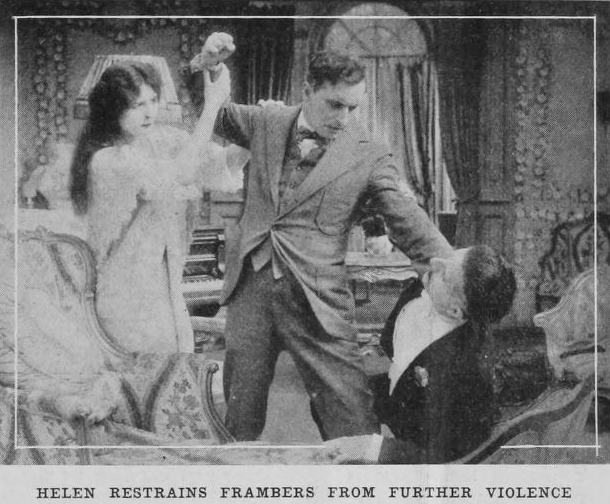
Dir: Barry O'Neil
Horace Frambers, an impecunious literary man receives the following offer: Helen Talbot, daughter of a rich financier, has trusted her lover not wisely but too well. She is about to become a mother. Her lover went down on the Titanic. If Frambers will marry Helen Talbot and save her name he will receive $10,000 and a position in Mr. Talbot's office. Frambers marries Helen; the child dies. Mr. Talbot gradually trusts and likes Frambers, but Helen despises her "bought" husband and intrigues with other men. So Frambers resigns his position and pays her back her $10,000. He deserts her and tells her to get a divorce. Talbot's business is failing and Frambers helps him recover it. Then Frambers returns to his room to die, as he thinks, but when he recovers from his illness he finds Helen by his side. She loves him and they are made happy with a happiness that has not been "bought."
View Details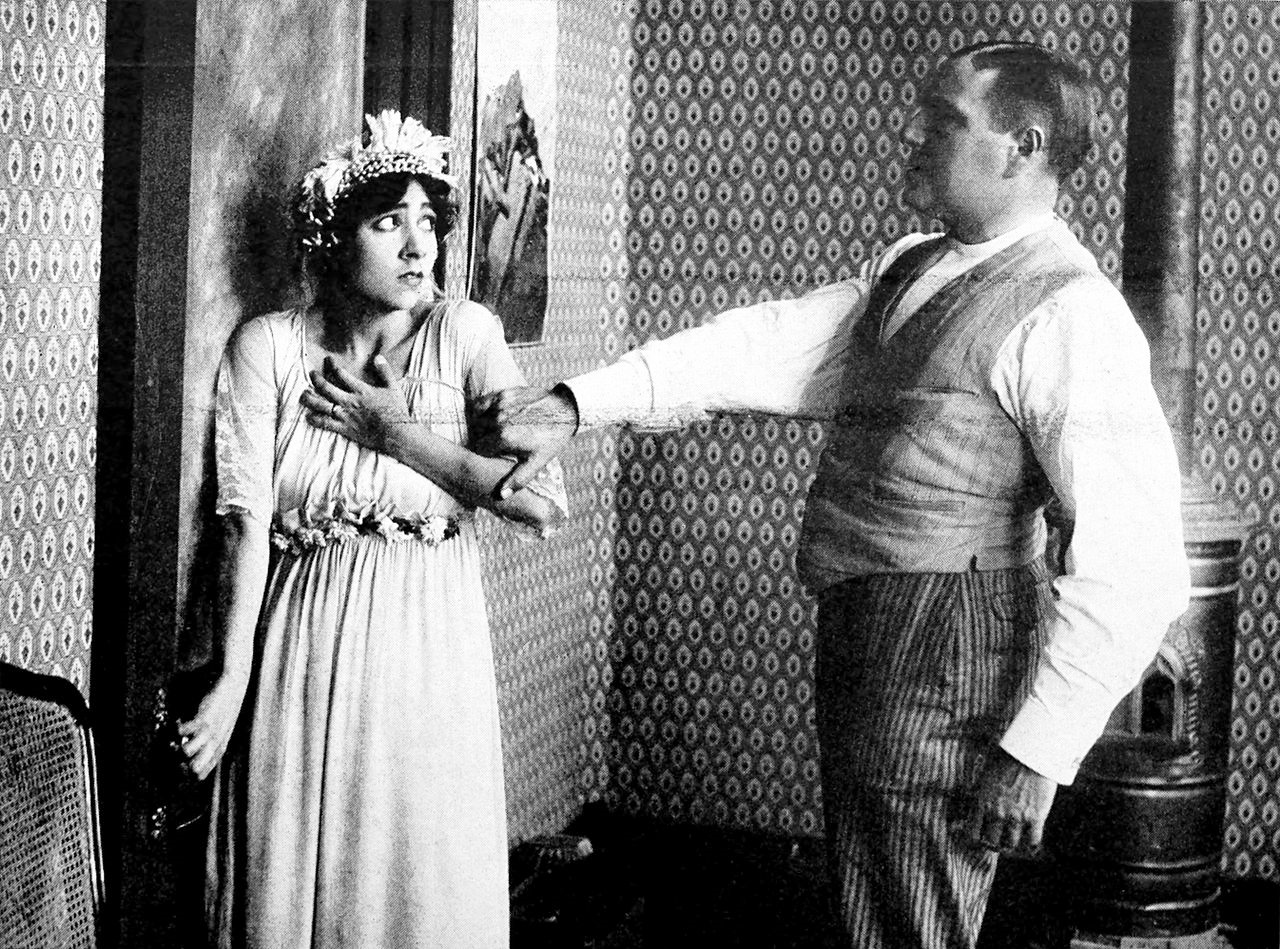
Dir: Barry O'Neil
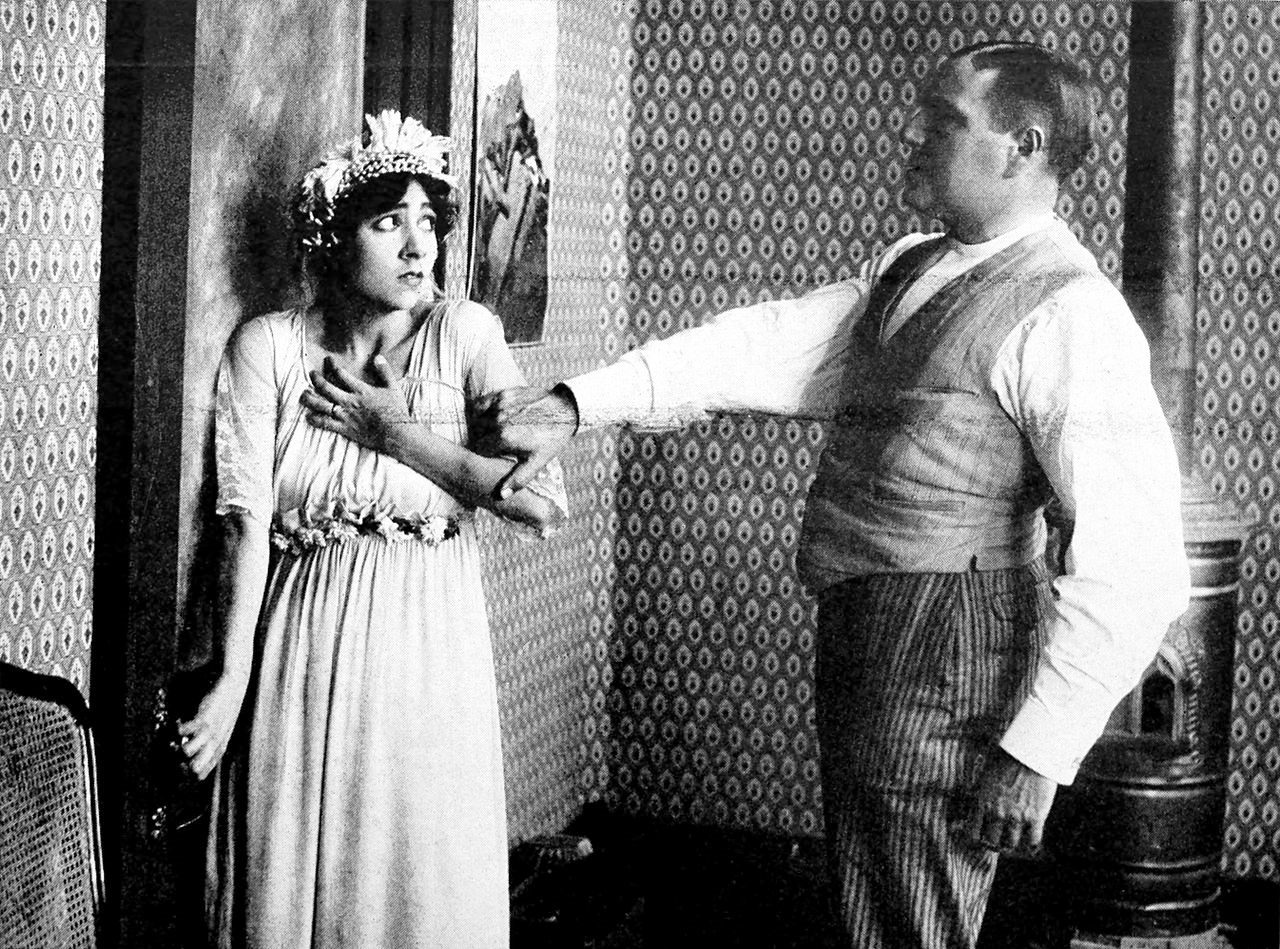
McTeague begins life in the mines. He later becomes an unlicensed practicing dentist. He is a man of violent physical passions, but until he meets little Trina, who visits his dental office, his love instincts have never been aroused. McTeague induces Trina to marry him through the sheer force of his domineering personality. The couple are not happy. Trina develops miserly instincts and when she wins a $5,000 lottery prize, she hoards the money and grows more and more avaricious. McTeague quarrels with Marcus, his former rival for Trina's affections, and the ill feeling between the two men leads to a fierce combat in which McTeague proves the victor. In revenge Marcus has McTeague prevented from practicing dentistry because he has no diploma. McTeague leans on Trina for support but she turns him away. Trina has a severe illness and while recuperating develops a mania for fondling her hoarded gold pieces. McTeague returns to find Trina showering handfuls of gold upon her bed. After a terrific scene he strangles her and steals the money. Marcus, determined to avenge Trina's death, trails the fugitive McTeague into the heart of Death Valley, where the two men come at last face to face in a final battle to the death under the blistering desert sun.
View Details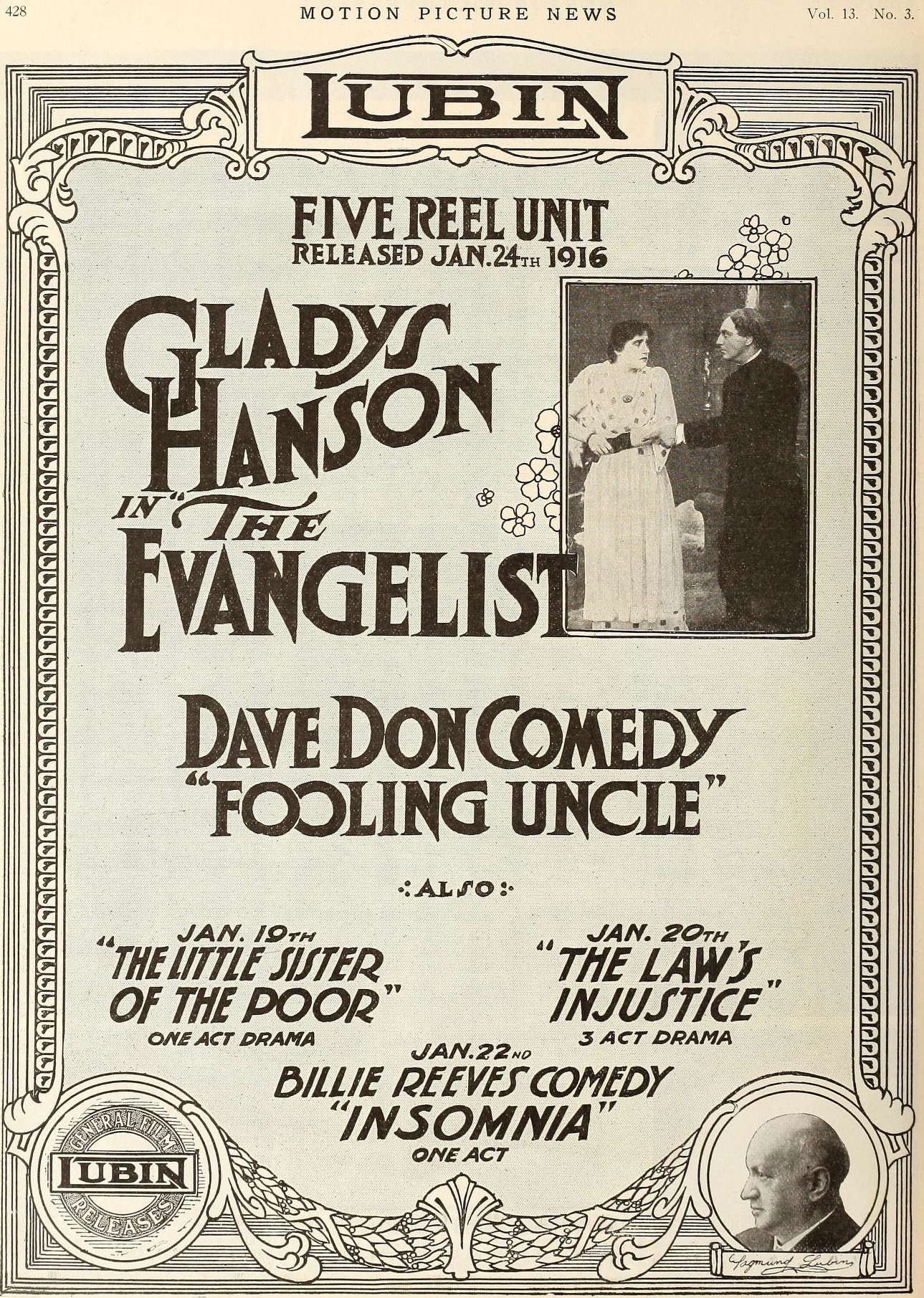
Dir: Barry O'Neil
Businessman Philip Nuneham pays more attention to his business of building power plants than he does to his wife Christabel. Feeling neglected and unloved, Christabel is receptive to the attentions of Rex Allan, a young army officer. When his regiment is suddenly called to duty in India, he convinces Christabel to secretly accompany him to Southampton to see him off. She spends the night with him, and on her way home the next day she is involved in auto accident and injured. Renowned evangelist Sylvanus Rebbings rescues her. He has the largest congregation in the country, but has incurred the enmity of the religious establishment because of his "radical" views on religion and religious hypocrisy, Christabel finds out that she really needs his help when Rex comes home from India and she attempts to end their affair, but her husband discovers her infidelity and threatens to divorce her and keep their daughter Ione.
View Details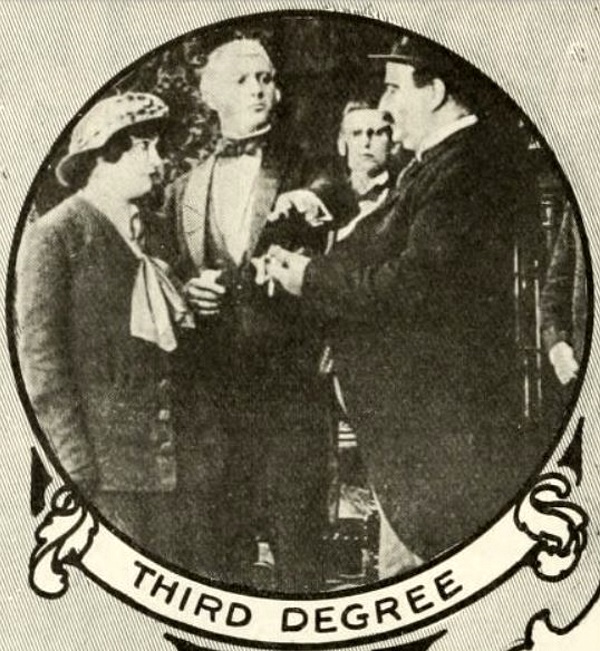
Dir: Barry O'Neil
The disowned son of a wealthy family is tried for the murder of a college friend who killed himself after his failure as an artist.
View Details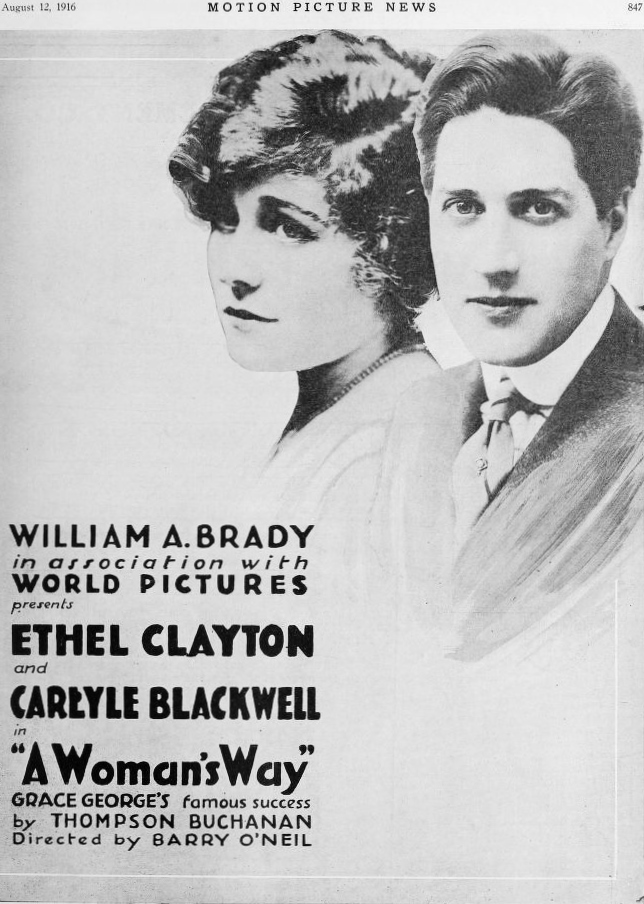
Dir: Barry O'Neil
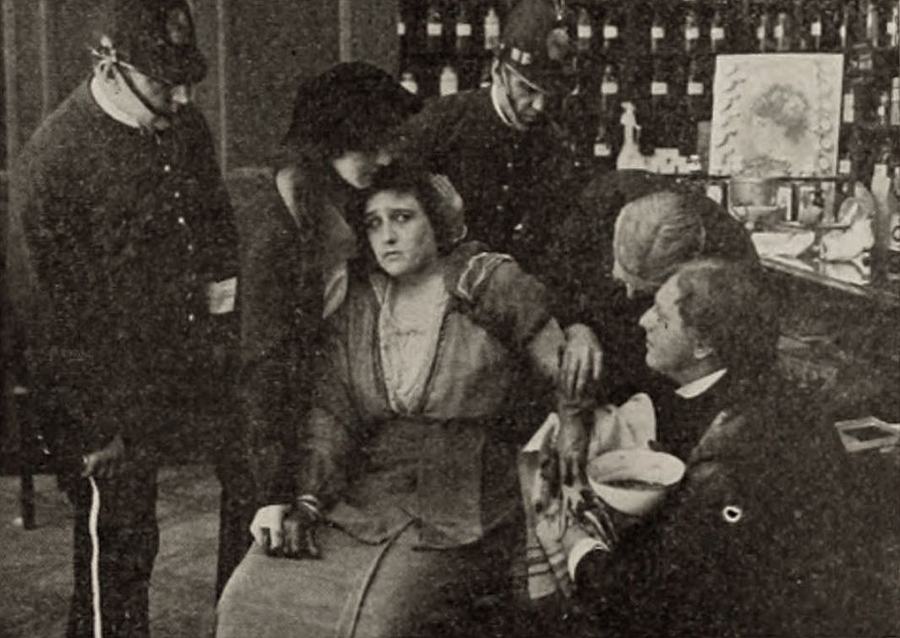
Marion Livingston, daughter of the boss of the Elsinore coal mines, rescues a young superintendent of the mines, from a mob of miners. Jack's brother, Harold, comes to visit him and falls in love with Marion.
View Details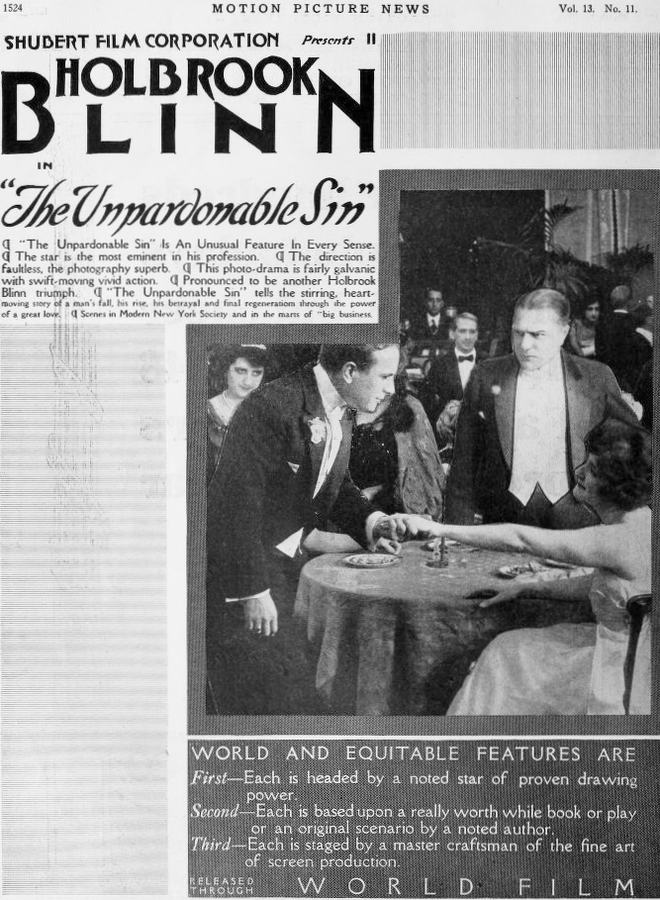
Dir: Barry O'Neil
Walter Norman, a wealthy member of the smart set of a small city, becomes an habitual inebriate. His best friend, Richard Grant, makes every effort to bring Walter to his senses, but has no influence until one night, when Norman, under the influence of liquor, attacks James Harker during a party at a fashionable restaurant. Grant takes Norman away on his yacht, and succeeds in curing him of all desire to drink. Norman takes up a new life in New York and becomes socially popular and successful in business. He falls in love with Julia Landis who considers drinking to excess an unpardonable sin. She returns Norman's love, thereby arousing the intense jealousy of John Royce, a successful Wall Street man. In the meantime Harker has married the girl over whom he and Norman quarreled, and has come to New York to raise funds for a questionable business enterprise. He meets Royce in a business way, and at a reception discovers Norman and his fiancée and learns the reason for Royce's hatred for Norman. From Harker, Royce learns of Norman's former indulgence in drink. He promises Harker to back his enterprise if he will get Norman drunk and bring him before Julia, knowing that she would break the engagement if she ever saw Norman in such a condition. Harker succeeds in getting Norman to take the first drink he has had since the sea voyage. With the first drink Norman's weakness returns, and Harker parades him before Julia in a drunken condition. Julia breaks her engagement to Norman, who plunges into the wildest dissipation until, money gone and friendless, he is forced into the streets to make a pitiful living as best he can. Royce at length prevails on Julia to marry him. He is blackmailed from time to time by Harker, who threatens to tell Julia the trick by which Royce and he shamed Norman before her. Norman learns of the trick played upon him and inspired by revenge decides to reform. Under another name he gambles on a careful system and wins. With his winnings he goes into Wall Street and steadily piles up his capital until he becomes a formidable figure in the market. He then turns his financial guns on Royce and brings him to the verge of failure. Julia at length overhears a conversation between Royce and Harker and learns how Norman was tricked by the two plotters. Infuriated, she seeks out Norman, pledges her love to him. Norman tells Julia to return to her home and forgive Royce, and in turn permits Royce to recover from the financial trap in which he has caught him. Desperate for money, and maddened by Royce's final rejection of his demands, Harker waylays Royce and shoots him. On account of the known enmity between Royce and Norman the latter is accused of the crime, brought to trial and convicted. He is sentenced to die, but at the last moment Harker's wife discovers that it was her husband who shot Royce and gives the news to the police. Out of the shadow of death Norman comes face to face with Julia and a new life.
View Details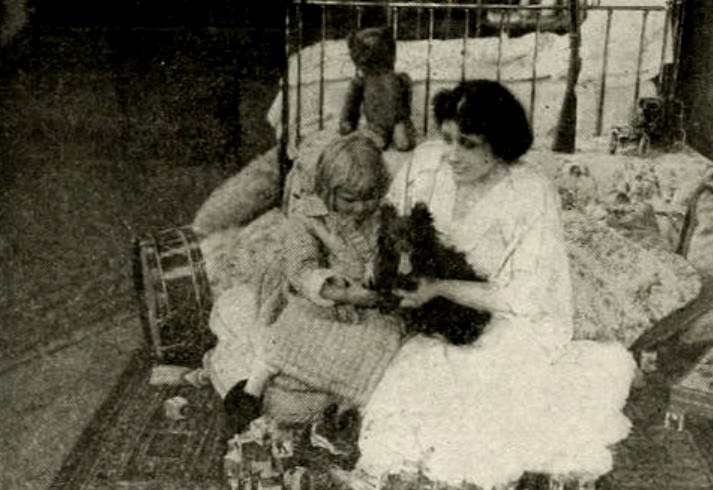
Dir: Barry O'Neil
To keep his social-climbing wife and daughters in the lifestyle they are accustomed to, wealthy John Hunter makes some large investments in the stock market, but the stocks crash and he loses a great deal of money. When he discovers that his son-in-law Dick Sterling has lost $3 million making investments in his name, Hunter kills himself. His wealthy aunt offers to bail the family out, but on the condition that the money she gives must be under Sterling's strict control. Complications ensue.
View Details
Dir: Barry O'Neil
Janet Hall begins a romance with Dale Overton, a small town minister, after the death of Henry Dalton, with whom she had an illegitimate child. At first, because of her past, she refuses to marry him, but then, after listening to his sermons about forgiveness, she consents, although she makes sure that he knows nothing of her history. Finally, however, he does find out about her relationship with Henry, and just as Janet feared he might, he renounces his wife. Defending Janet, Dale's friend, Stuart Doane, accuses the minister of spreading the word about tolerance without actually believing it himself. Dale realizes his hypocrisy, and then, after forgiving Janet, sees through her recovery from a breakdown brought on by the sudden disclosure of her past and by the subsequent strain on her marriage.
View Details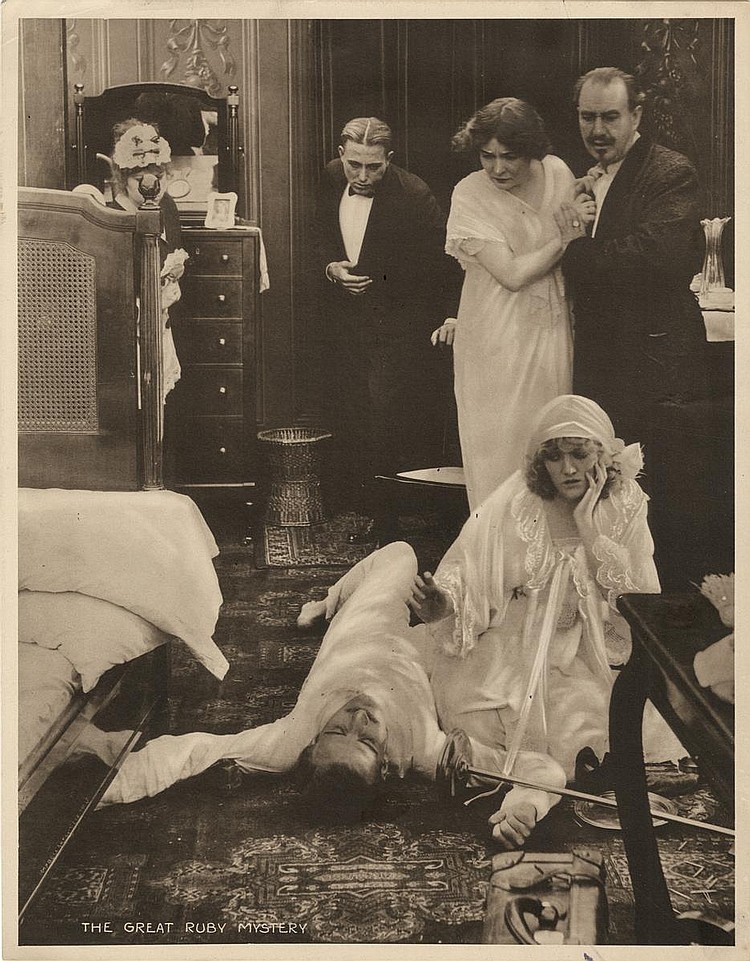
Dir: Barry O'Neil
The world's finest ruby was stolen from the bride of Prince Kassim's great-grandfather several generations ago in India by a marauding rajah. It's now several decades later and the British have conquered India, and one day the ruby shows up for sale by a wealthy London jeweler, Sir John Garnett. Garnett has his own problems--there have been a rash of thefts of his wife's jewels, and he hires a private detective named James Brett to investigate. An agent for the Russian czar expresses interest in buying the ruby, but he's actually a member of a gang that specializes in jewel thefts and steals the ruby, hiding it in a box of chocolates belonging to Garnett's wife. Unbeknownst to Garnett, the jewel thieves and even Garnett's wife, she is actually involved in the theft of her jewels. Complications ensue.
View DetailsAnalysis relative to The Wolf
| Film Title | Atmosphere | Complexity | Similarity |
|---|---|---|---|
| The Revolt | Tense | Abstract | 92% Match |
| Bought | Surreal | Linear | 85% Match |
| Life's Whirlpool | Gritty | Layered | 86% Match |
| The Evangelist | Surreal | Linear | 98% Match |
| The Third Degree | Tense | Abstract | 86% Match |
This guide was algorithmically generated using the cinematic metadata of Barry O'Neil's archive. Last updated: 6/21/2026.
Back to The Wolf Details →