
DbcultAccessing Vault...
Recommendations
Senior Film Conservator
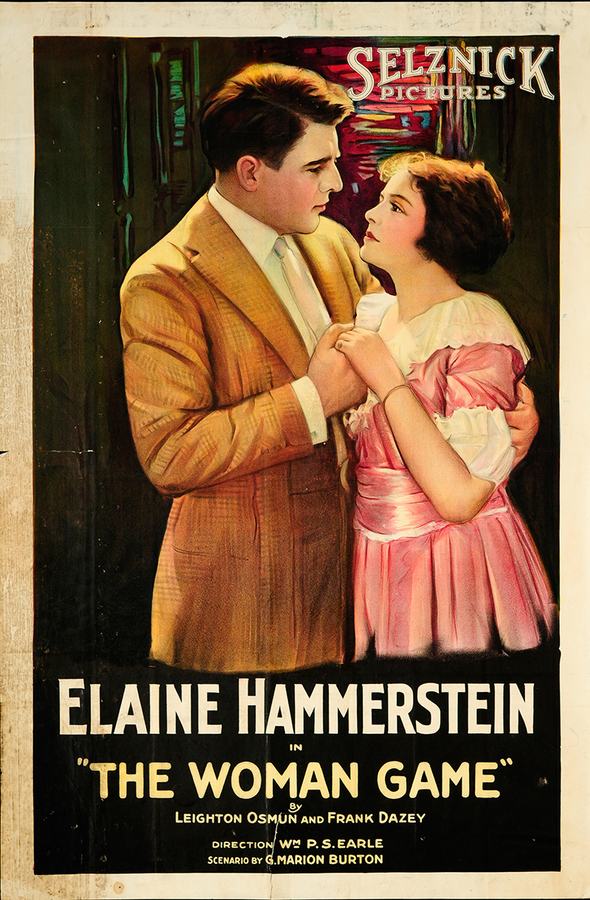
Looking back at the 1920 milestone that is The Woman Game, the cinematic shorthand used by William P.S. Earle is both ancient and revolutionary. Dive into this collection and find the spiritual successors to William P.S. Earle's vision.
As William P.S. Earle's most celebrated work, it defines to articulate the unspoken anxieties of United States's 1920 era.
To please her once-wealthy mother, Amy Terrell fraternizes with members of high society who find her entertaining because of her beauty and charm. At one of Mrs. Van Trant's house parties, Amy is requested by her hostess to amuse Andrew Masters, an influential businessman who has an aversion to society women. Impersonating an old-fashioned girl, Amy wins Masters--until he learns of her deception and denounces her. However, when Mrs. Van Trant attempts to shield herself by involving Amy in a scandal with a young captain, Masters realizes that Amy really is the innocent girl he loves.
Based on the unique character-driven intensity of The Woman Game, our vault has identified these titles as the most compelling follow-up experiences for fans of Drama cinema:
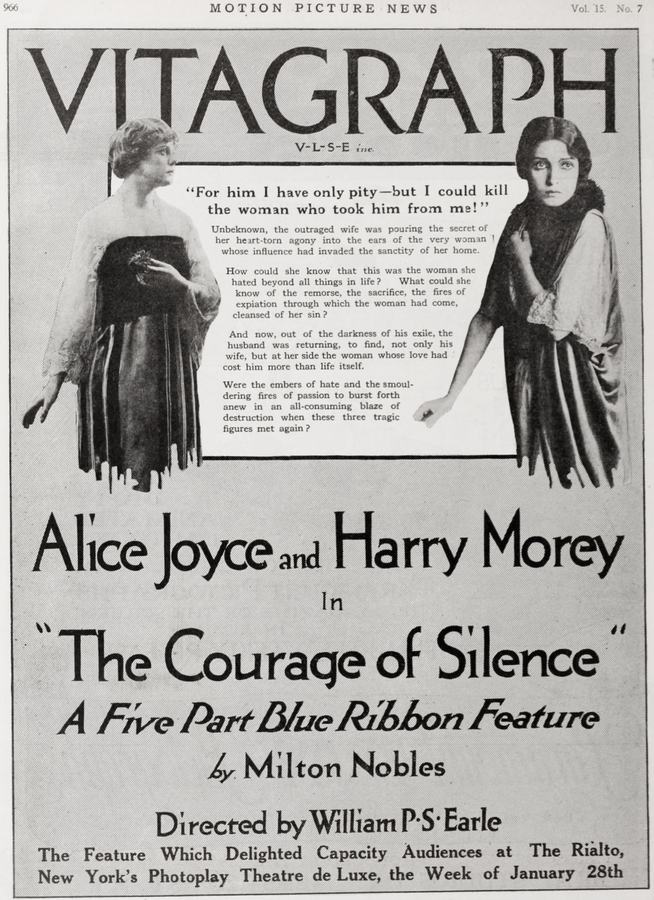
Dir: William P.S. Earle
Bradley, who is happily married and loves his family, is called to London on business. There he meets Mercedes, wife of the Spanish Ambassador. The marriage has been forced upon her, and her husband is cruel. Unaware that Bradley is married, she falls in love with him, and he is also infatuated. His better nature finally prevails, and he returns home and is happy until he receives a photograph from Mercedes. On pretext of business, he again goes back to Mercedes, finds there has been a quarrel, and that the ambassador has struck her. She and Bradley go away together, and while crossing the channel, he inadvertently discloses the fact that he is married. Mercedes unwilling to come between husband and wife, flees to a convent, and Bradley, unable to find her, joins an expedition to the forests of South America. Bradley has written his wife that he is a coward. Her health fails and her father takes her and the children for a trip abroad. The children are attacked by an epidemic of fever, and Mercedes, now a nurse, is summoned. She learns the identity of the family, and, when the boy calls for his father, she starts a search for him. After the crisis, Mercedes who has concealed her identity by use of a veil, wins her fight against a renewal of their relations, and warns Bradley, who has recognized her, to keep his wife in ignorance. Recovering from the fever which has now claimed her, she sees the reunited family depart for America, and knows her heart is empty and closed forever to love.
View Details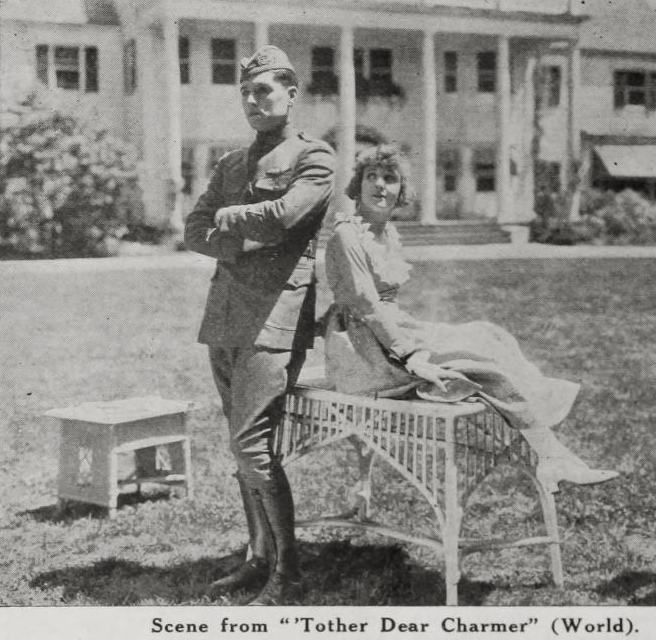
Dir: William P.S. Earle
When heiress Betty Hallowell organizes a Red Cross bazaar to raise money for the American effort in The Great War, she is disappointed that the event is not a success, so she decides to lease her beautiful country house to Mrs. Wentworth, a wealthy widow whose son Tom is recuperating from injuries received overseas. When Mrs. Wentworth suddenly demands the services of a maid for the summer, Betty, unable to secure a servant on such short notice, dons a dark wig and poses as "French maid Bettina." Much to his mother's embarrassment, Tom and "Bettina" fall madly in love, but necessity forces Betty to temporarily drop her disguise and reappear as the mistress of the house. Confused, Tom falls just as madly in love with Betty. Finally, he decides that he prefers Bettina to Betty, but Betty's uncle arrives and her deception is revealed. Tom explains his infidelity by stating that Betty's sweetness caused him to love her in both of her identities, and she is satisfied.
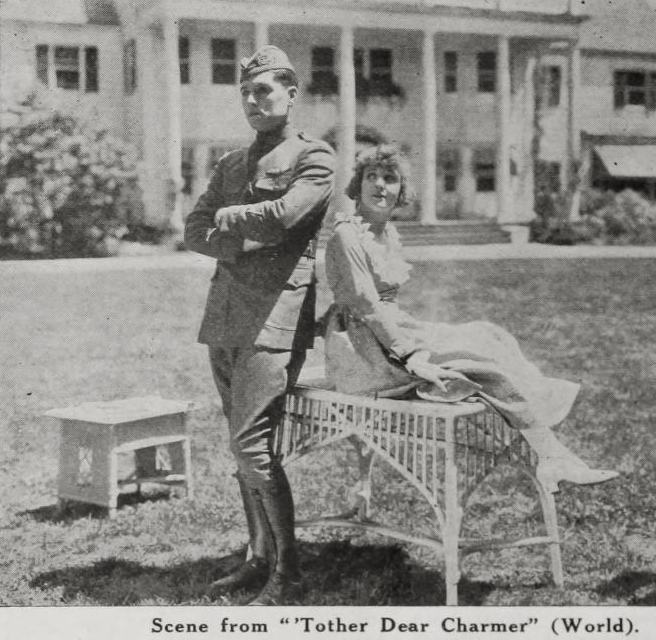
Dir: William P.S. Earle
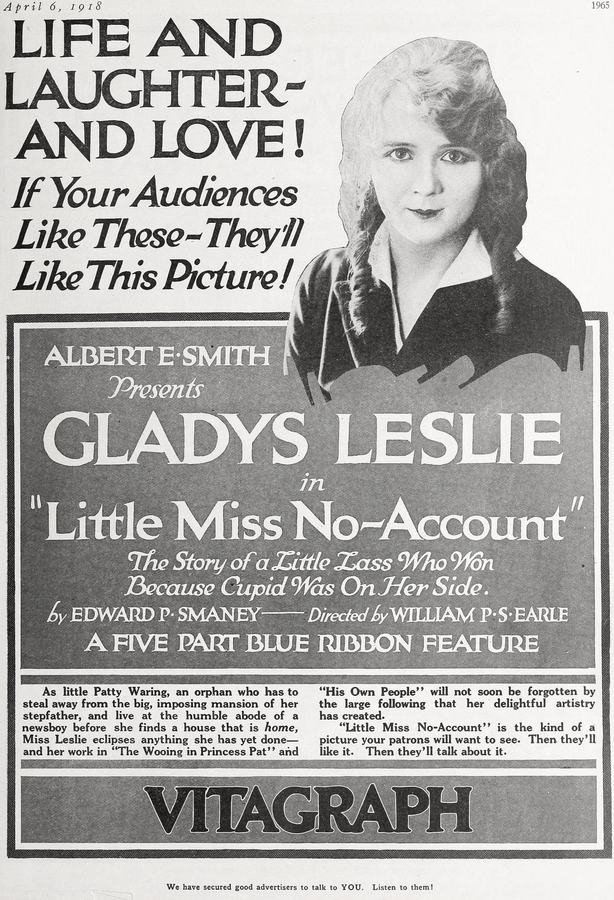
Patty Baring will lose the fine old Washington Square house she is to inherit if her scheming stepfather Josiah Wheeler's plan to acquire it for himself is successful. Cruelly abused by Wheeler, a gambling hall owner, Patty runs away to live with a newsboy named Bobby and his grandfather Herman. There, in spite of her shabby dress and humble companions, she arouses the admiration of Edwin Sayer, the district attorney. Ned, a soft-spoken gambler, desires to possess Patty, and at the instigation of her stepfather, lures her into a gambling den that Edwin has been planning to raid. Patty is arrested, but Edwin secures her release and places her in the charge of his mother. Ned and Josiah are imprisoned, leaving Patty free to claim her inheritance and wed Edwin.
View Details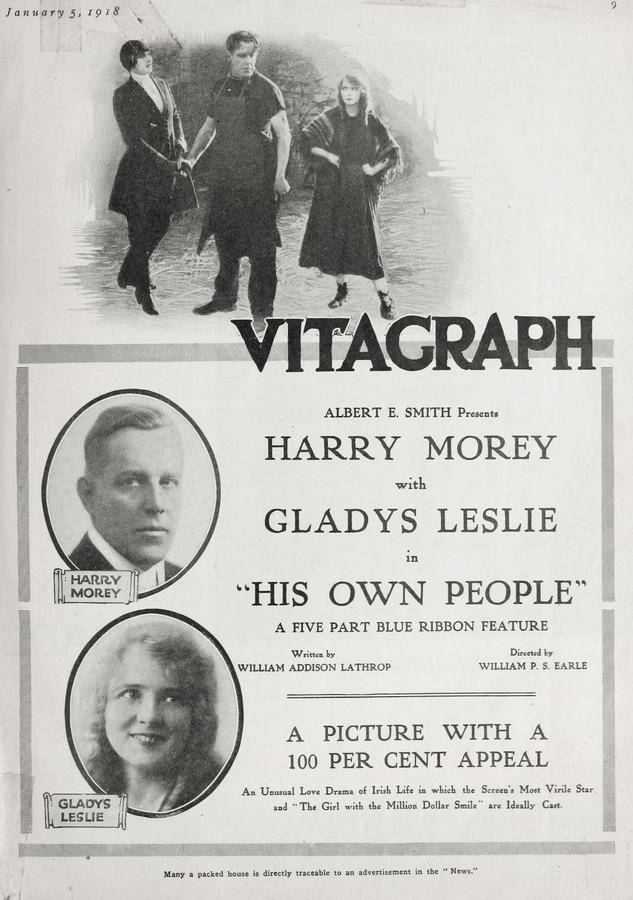
Dir: William P.S. Earle
Hugh O'Donnell, the town blacksmith and leader among the people, is in love with Molly Conway, who shows her love for Hugh in mischievous pranks at his expense. Lord Percival Cheltenham owns most of the village and is hated for his war on poachers. One day, Lady Mary Thorne, who is visiting Cheltenham, stops at the blacksmith shop to have her horse shod and, impressed by Hugh's rugged manliness, invites him to visit. Molly, overhearing the conversation, follows Hugh to the manor, where she is seen by Cheltenham, who has been drinking, and dragged inside. That night, Cheltenham's gamekeeper shoots a poacher, and the peasants storm the manor in revenge. Hugh holds them at bay and promises to turn the culprit over to the law. Searching the manor for its master, Hugh breaks into the library and finds Cheltenham with Molly. Believing that they are having an affair, the blacksmith attempts to choke the lord until Molly explains that she had flirted with Cheltenham in order to arouse Hugh's jealousy, and all is forgiven.
Dir: William P.S. Earle
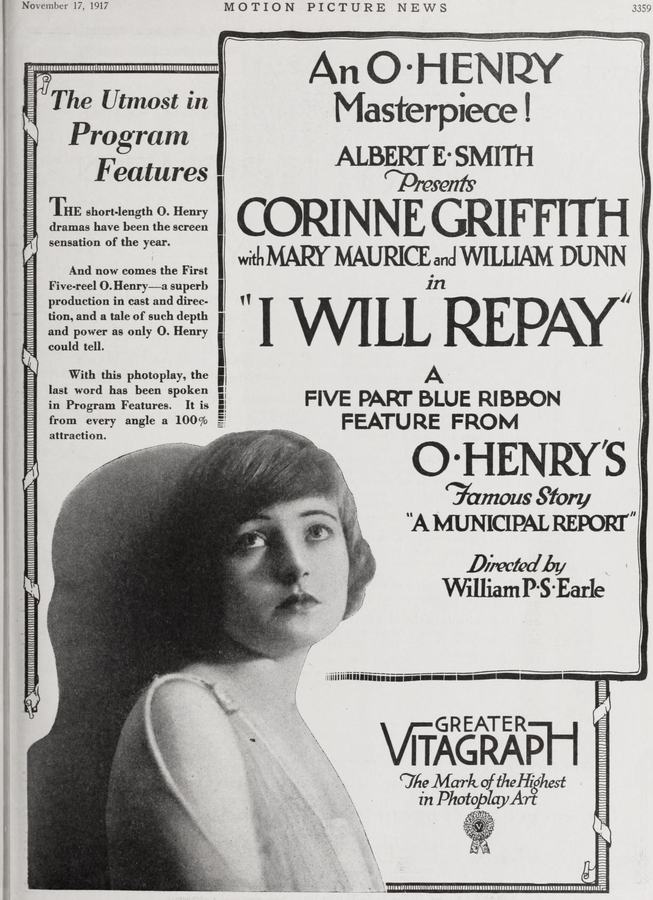
Roger Kendall is sent to Nashville by the editor of his magazine to sign a contract for two cents a word with a woman writer named Azalea Adair. Once there, Kendall realizes that Azalea is very poor and is also the abused wife of Major Caswell, a drunkard who takes from Azalea every cent she earns. Kendall is able to piece their story together by following the movements of a torn dollar bill, which he gives to Azalea's former slave Caesar and which eventually winds up in Caswell's hands. In order to help Azalea, Kendall convinces his editor to increase her stipend to eight cents a word and also to advance her $30. At his hotel, Kendall meets Virginia Rodney, the semi-invalid daughter of a local judge and a good friend of Azalea. Later, Caesar, seeing Caswell violently take Azalea's advance from her, strangles the major. His part in the crime is covered up by Kendall and Virginia's father, however. Now free, Azalea goes to live with Virginia, who becomes engaged to Kendall.
View Details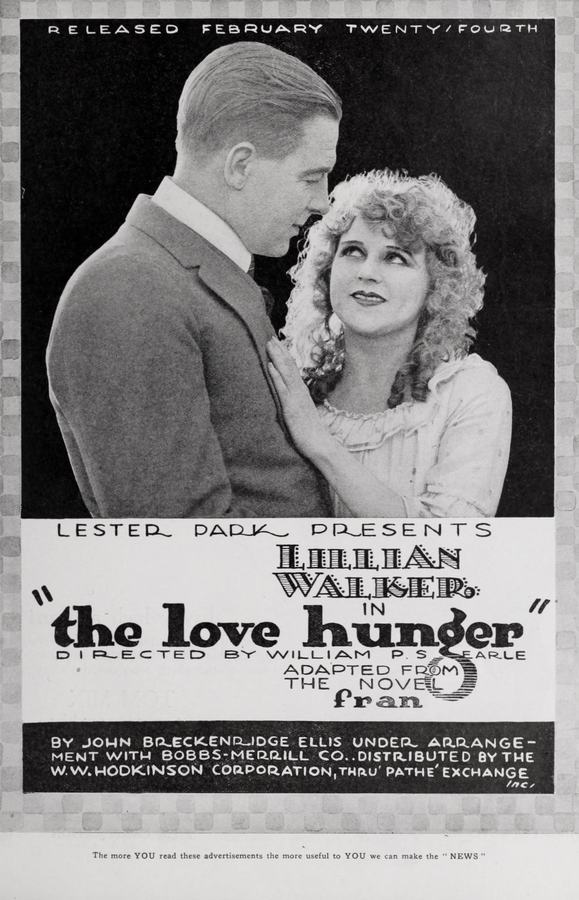
Dir: William P.S. Earle
After preaching at a camp revival meeting that charity begins in the home, Littleton minister Hamilton Gregory finds a girl calling herself only Fran on his doorstep and takes her into his home. Fran soon finds that Mrs. Gregory is unhappy because Gregory has no affection for her, preferring instead his secretary Grace Noir. When Fran admits to Gregory that she is his daughter by an abandoned woman, and attempts to have him get rid of Grace, Grace has Bob Clinton make inquiries concerning Fran's past. When the circus comes to town, Fran, in disguise, substitutes for an ill lion tamer, because the circus is her hidden background. Seeing her in danger, Gregory realizes his familial responsibilities and refuses Grace. Fran then marries the superintendent of her school.
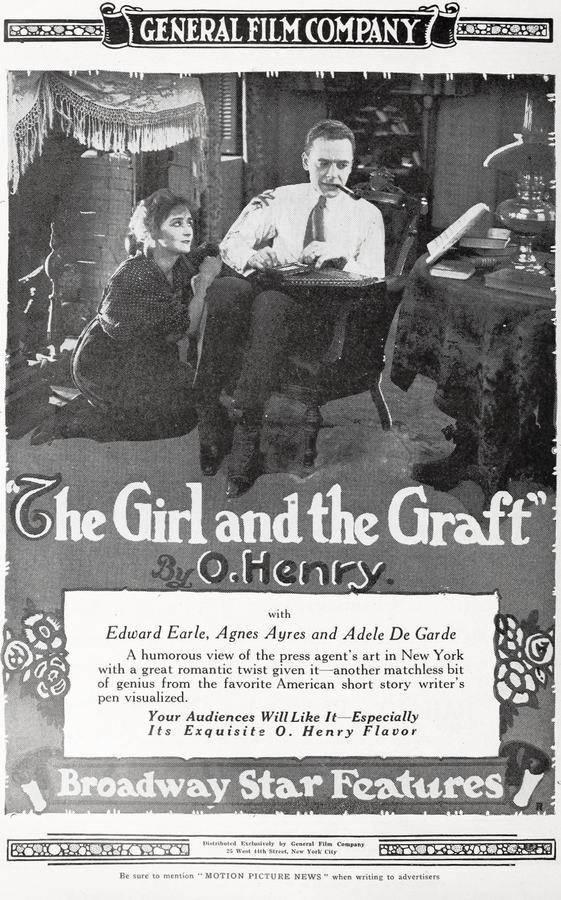
Dir: William P.S. Earle
Quiet, unassuming dreamer Poque wanders over the country propagating various grades of graft so he can spend his first vacation in the great metropolis, New York. During his ramble he encounters millionaire businessman Vancross, who longs for fame (notoriety). After talking with Poque he decides that he is just the right sort to act as publicity man for him. Poque balks at the idea of making such an unpretentious figure famous, but finally accepts his proposition. He arranges with a girlfriend to strike up an acquaintance with his employer, leading him on for a time, then suing him for jilting her. But things pan out quite differently from the way Poque intended. Instead of trying to get away from his employer, the girlfriend decides to marry him. But Poque gets a good sum of money, so he should worry.
View Details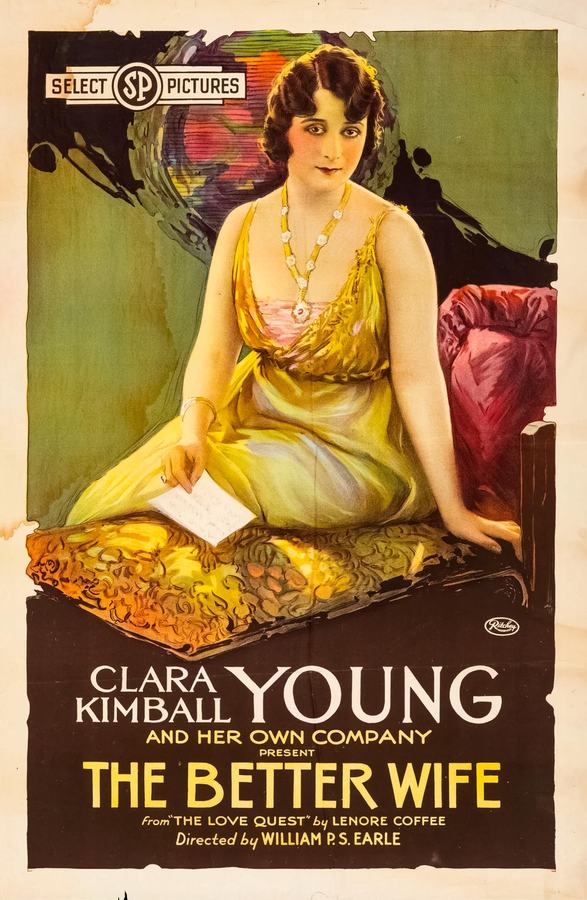
Dir: William P.S. Earle
Charmian Page has developed a great affection for the child of Sir Richard. When the child is seriously hurt in a car crash that has killed his mother Lady Beverly, who was on her way to see her lover, Charmian persuades her wealthy father to pay for the operation that saves the child. Sir Richard marries Charmian for his child's sake, but remains aloof towards her for the memory of Beverly. When he learns the truth about his late wife's infidelity, he begs for Charmian's forgiveness, realizing she is the better wife.
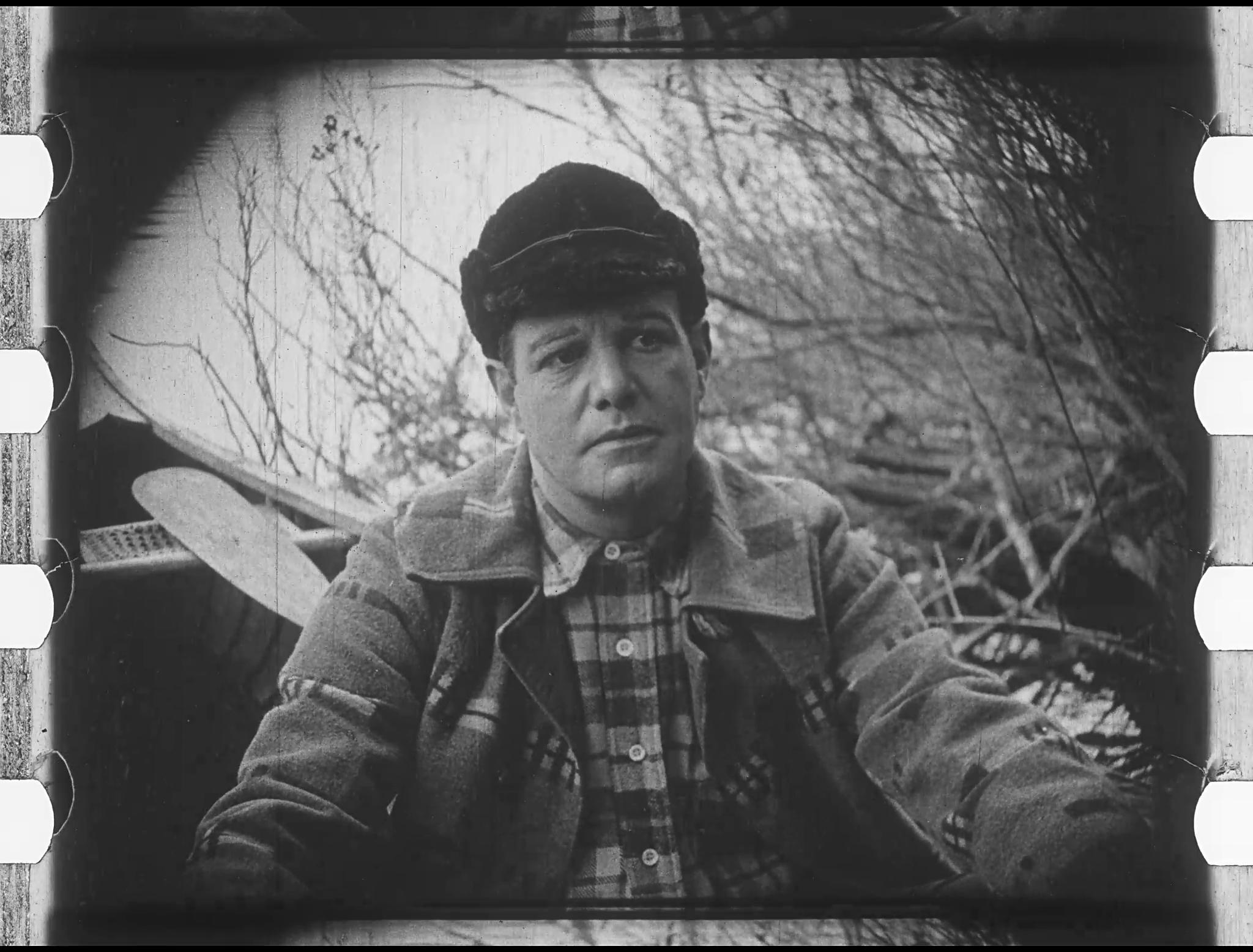
Dir: Edgar Jones
A mail-order bride arrives at a Maine lumber camp but doesn't like her prospective husband.
View Details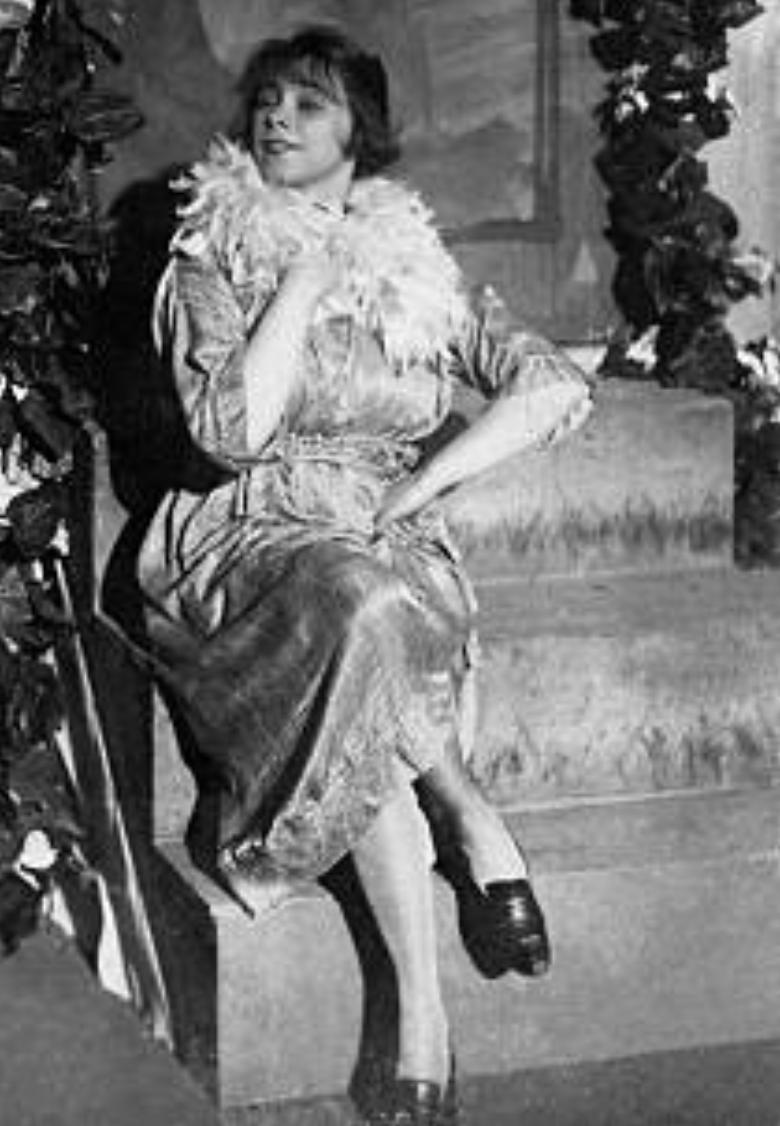
Dir: Bruno Ziener
A fascinating piece of cinema that shares thematic elements.
View DetailsAnalysis relative to The Woman Game
| Film Title | Atmosphere | Complexity | Similarity |
|---|---|---|---|
| The Courage of Silence | Tense | Abstract | 86% Match |
| T'Other Dear Charmer | Ethereal | Dense | 90% Match |
| Little Miss No-Account | Ethereal | Abstract | 93% Match |
| His Own People | Surreal | Linear | 89% Match |
| I Will Repay | Ethereal | Linear | 94% Match |
This guide was algorithmically generated using the cinematic metadata of William P.S. Earle's archive. Last updated: 8/17/2026.
Back to The Woman Game Details →