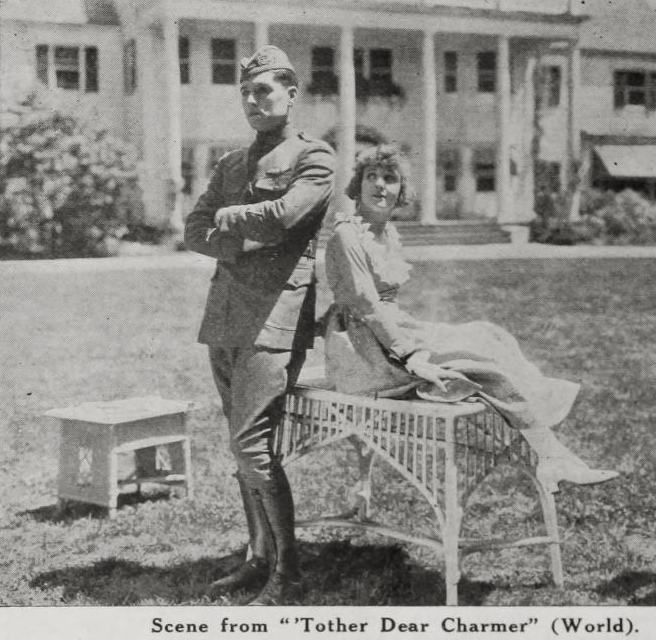
When heiress Betty Hallowell organizes a Red Cross bazaar to raise money for the American effort in The Great War, she is disappointed that the event is not a success, so she decides to lease her beautiful country house to Mrs. Wentworth, a wealthy widow whose son Tom is recuperating from injuries received overseas.
Charles Sarver, Wallace Clifton
United States
The celluloid of 1917 is brittle, yet T'Other Dear Charmer crackles alive like a thorned rose pressed between munitions ledgers. Shot in the lambent interstice between newsreel carnage and home-front hymnals, this six-reel whisper from World Picture Corp. distills the entire war neurosis into one sun-dappled drawing ro...
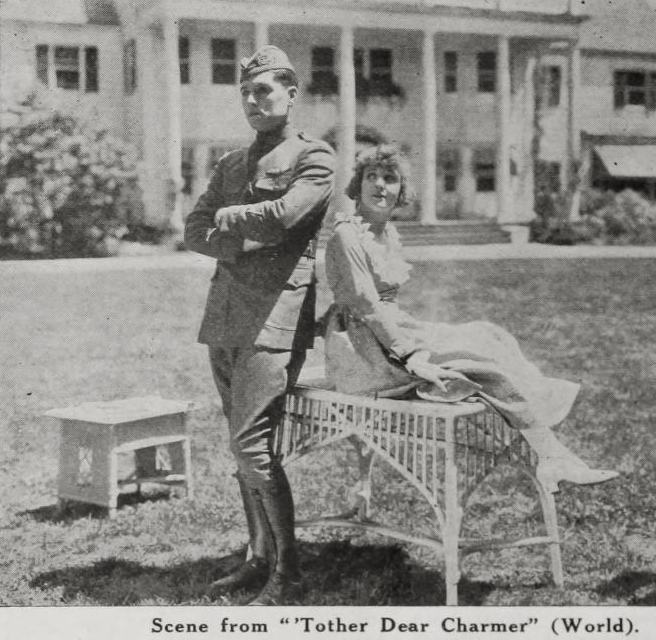
still_frame

Comparing the cinematic DNA and archive impact of two defining moments in cult history.
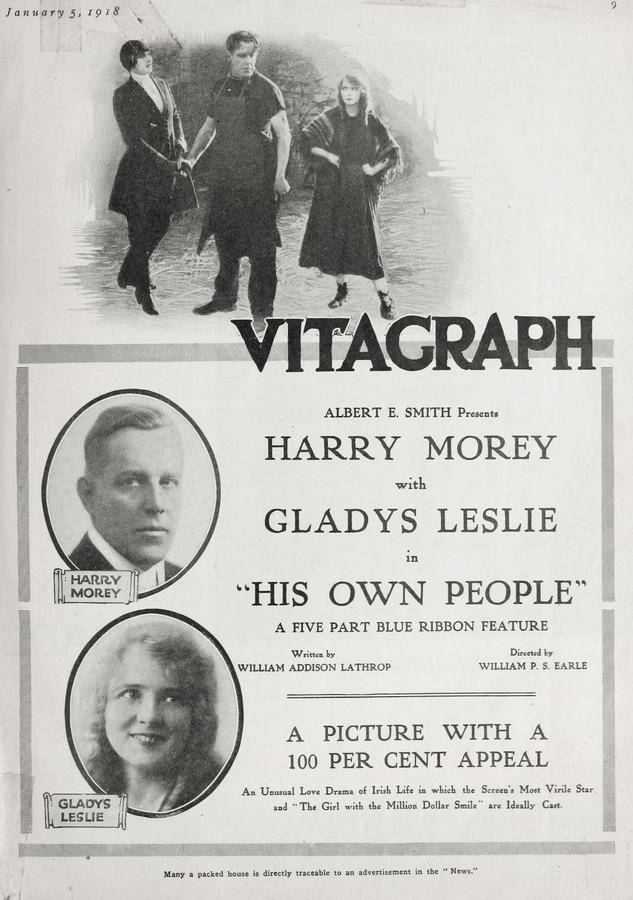
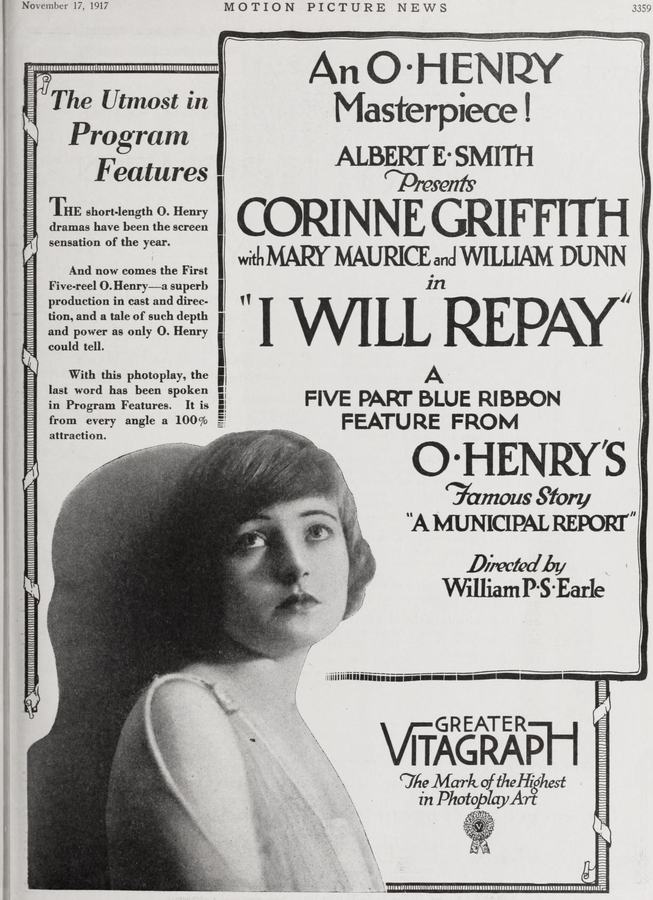
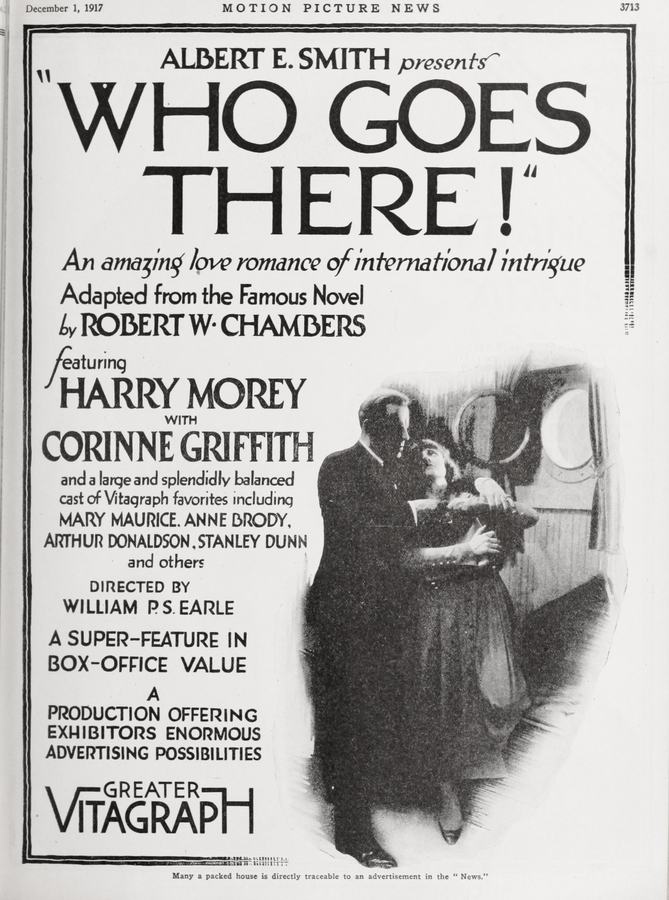
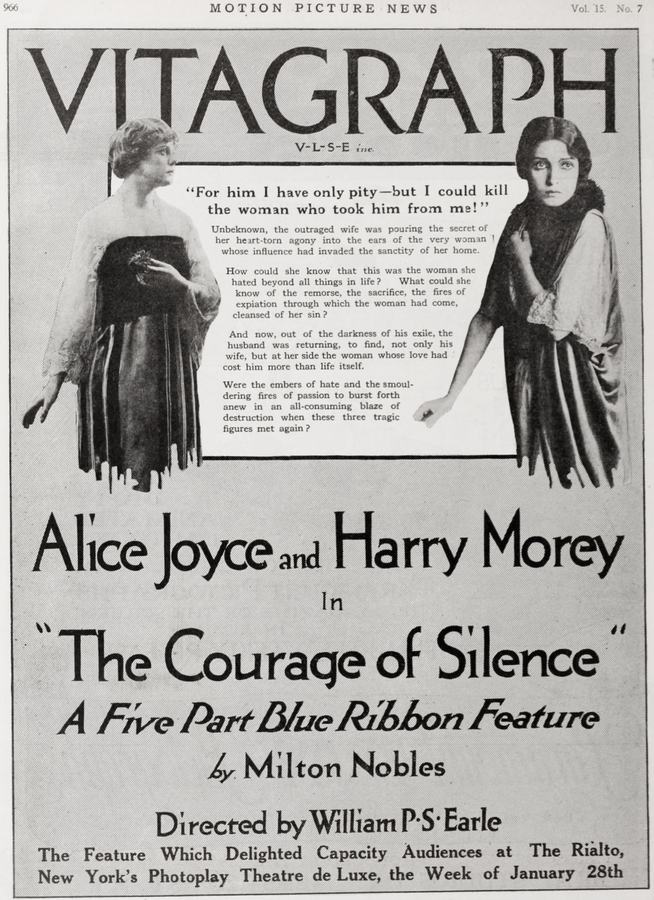
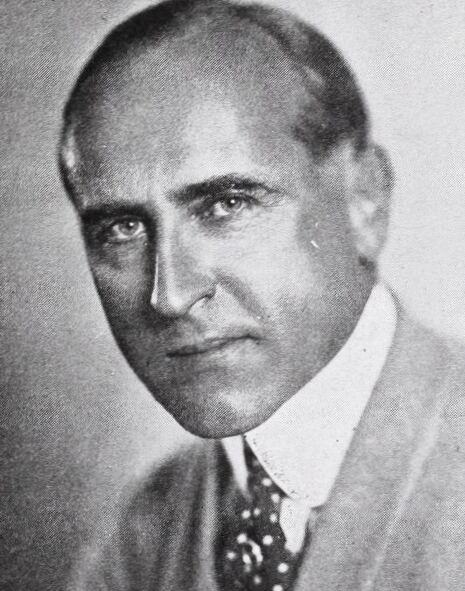
William P.S. Earle
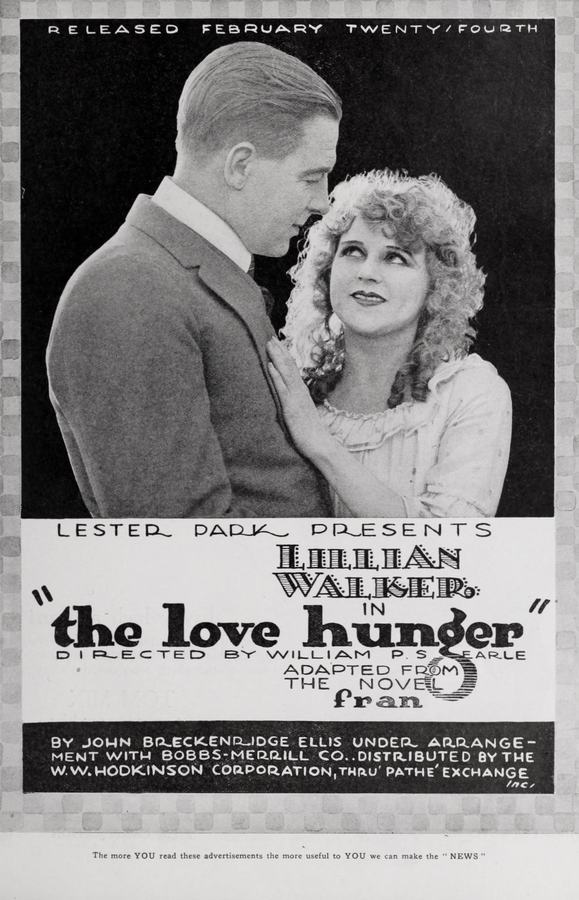
William P.S. Earle
Community
Log in to comment.
"The celluloid of 1917 is brittle, yet T'Other Dear Charmer crackles alive like a thorned rose pressed between munitions ledgers. Shot in the lambent interstice between newsreel carnage and home-front hymnals, this six-reel whisper from World Picture Corp. distills the entire war neurosis into one sun-dappled drawing room. Plot as Palimpsest Betty’s bazaar flops not from stingy townsfolk but from collective shell-shock: even charity feels like complicity when boys are gassed in Ypres. Her pivot—..."


Deep dive into the cult classic
Discover similar cinematic experiences
A Directorial Spotlight on William P.S. Earle