
DbcultAccessing Vault...
Recommendations
Senior Film Conservator
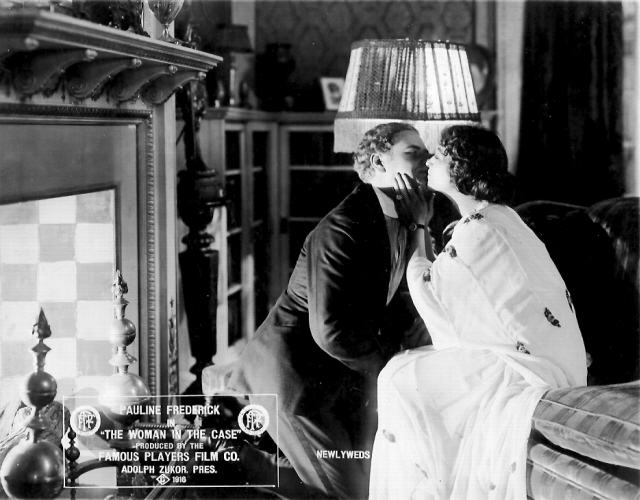
For those who were mesmerized by The Woman in the Case, a true cult masterpiece from 1916, the quest for comparable cinema becomes a journey through the fringes of film history. Our curated selection of recommendations echoes the very essence of The Woman in the Case.
The legacy of The Woman in the Case is built upon its ability to create a hauntingly beautiful cinematic landscape.
When her husband is accused of murder, a woman pretends to be a "vamp" in order to seek out the real killer.
Based on the unique unique vision of The Woman in the Case, our vault has identified these titles as the most compelling follow-up experiences for fans of cult cinema:
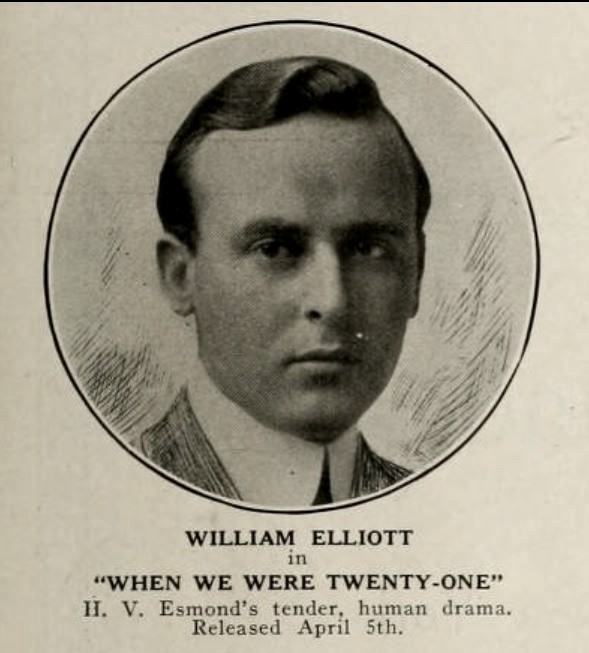
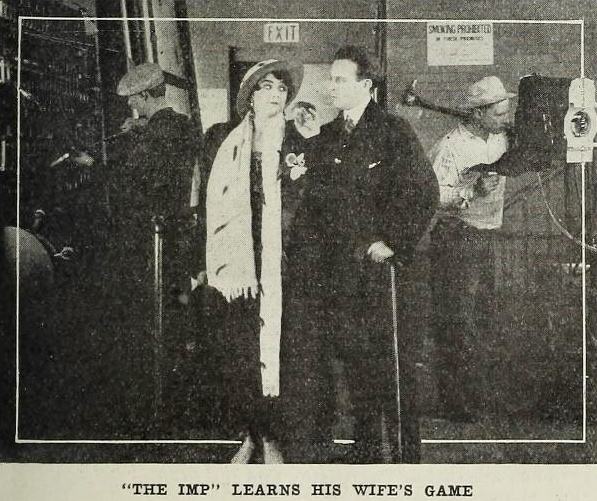
Dir: Hugh Ford
Richard "The Imp" Audaine is a clever but dissolute orphan whose guardian and friends are trying to lead him from the path of ruin and back to his senses.
View Details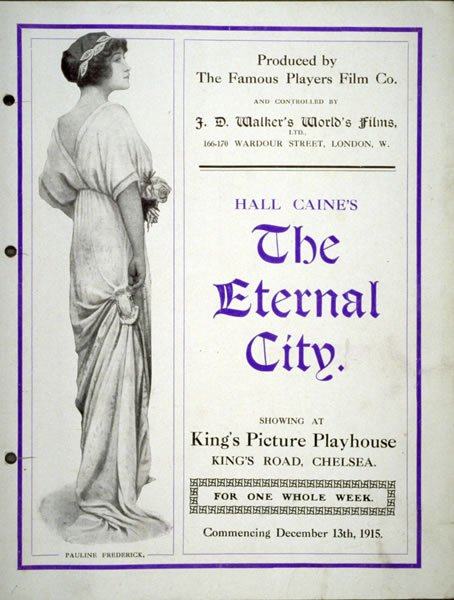
Dir: Hugh Ford
Lost film about the son of a Papal guard who gets involved in Italian politics and incurs the enmity of the corrupt Prime Minister, which leads him to discover the hidden secrets of his family's past - and present.
Dir: Hugh Ford
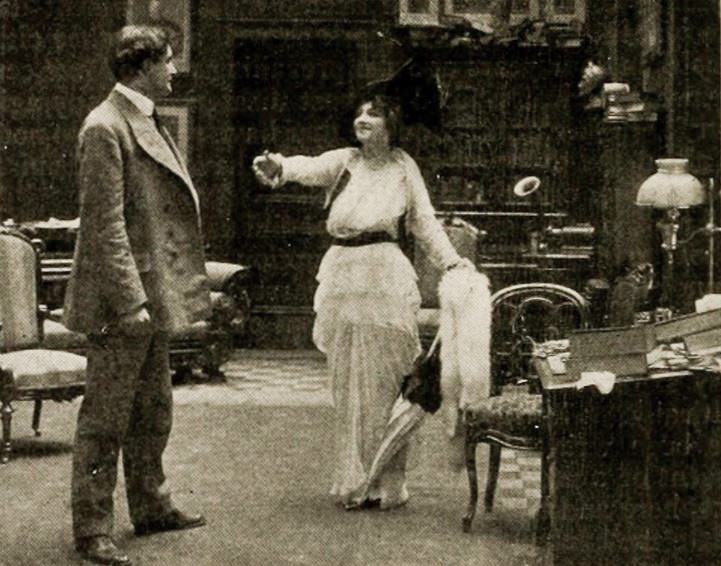
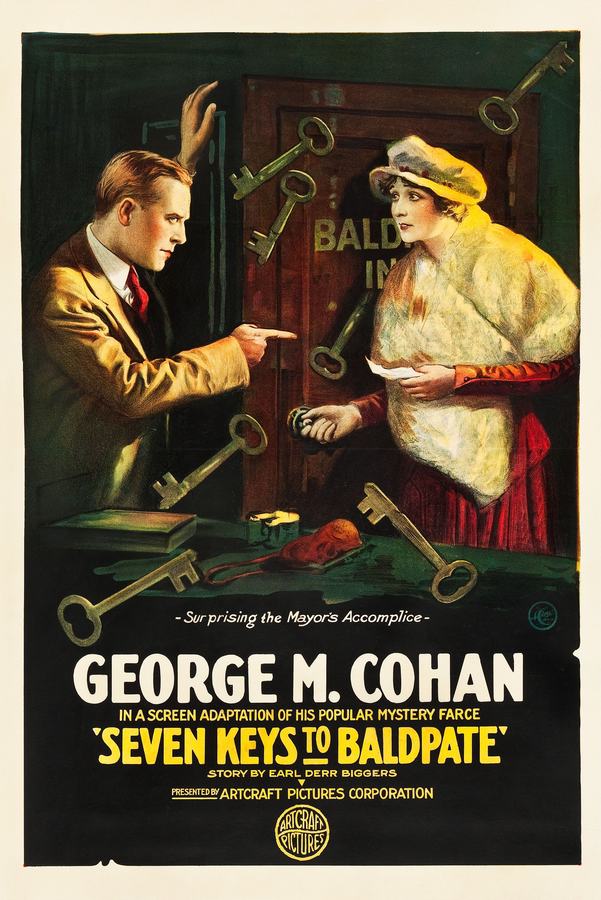
A writer bets a friend that he can write a 10,000-word novel in 24 hours. The friends takes the bet, and gives him the keys to his Baldpate Inn, which has been closed for the winter, so he can write in complete seclusion. Things start heating up, though, when a succession of people who also have keys to the inn begin showing up.
View Details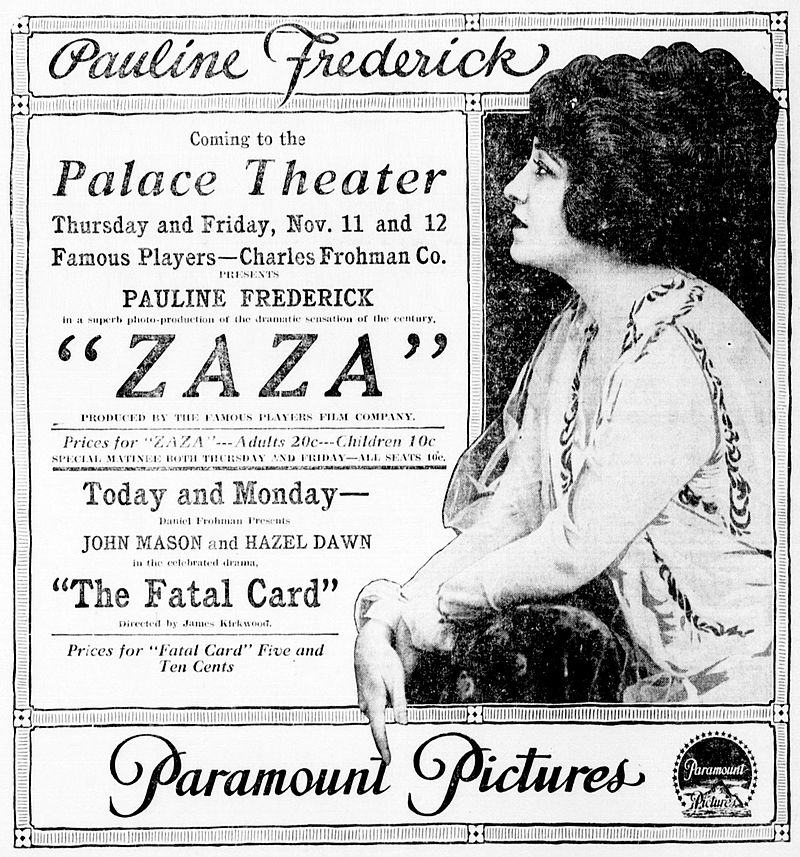
Dir: Hugh Ford
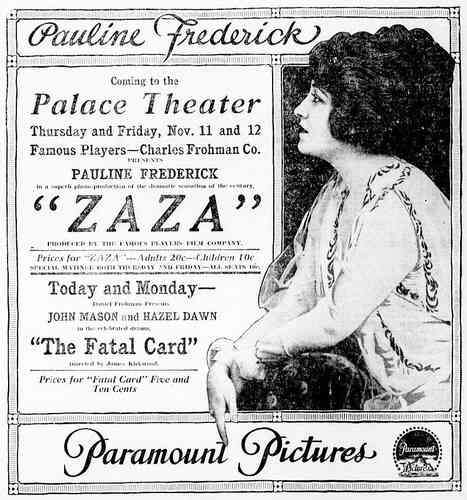
Zaza is a music hall star in Paris. She meets Bernard Dufrene and a flirtation develops into an intense love on her part. She is in despair when she discovers that he already has a wife and child. To visit them and announce herself as the mistress of the husband and father is her first idea, but the charm of the child restrains her. She cannot strike the blow and passes off her visit with an improvised excuse. She dismisses Bernard and returns to the stage, where she gains real fame as a dramatic artist. Once more he seeks her, but again the memory of the child saves her to her better self. Moving Picture World 1915.

Dir: Hugh Ford
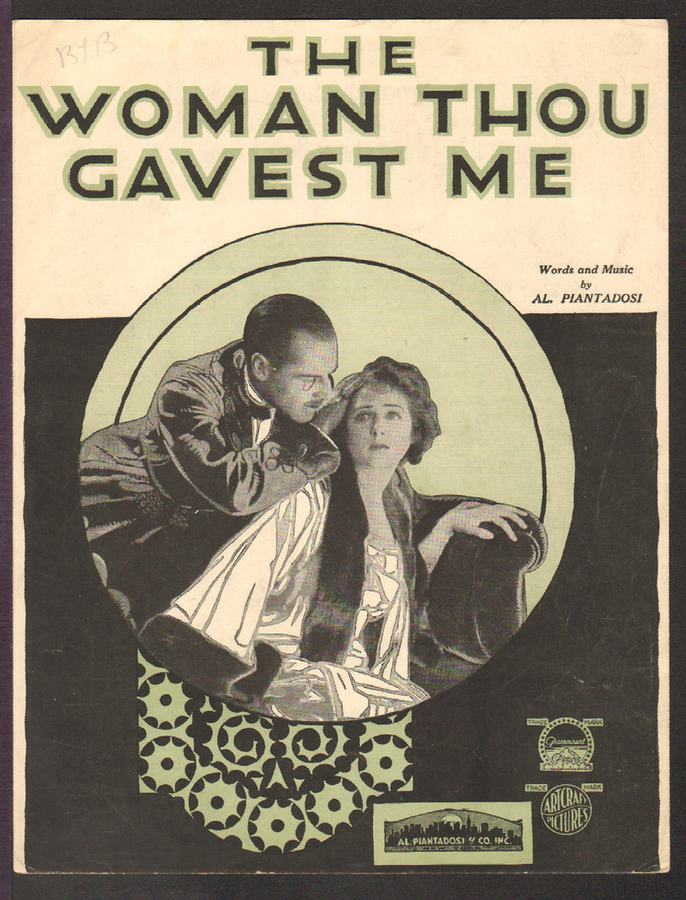
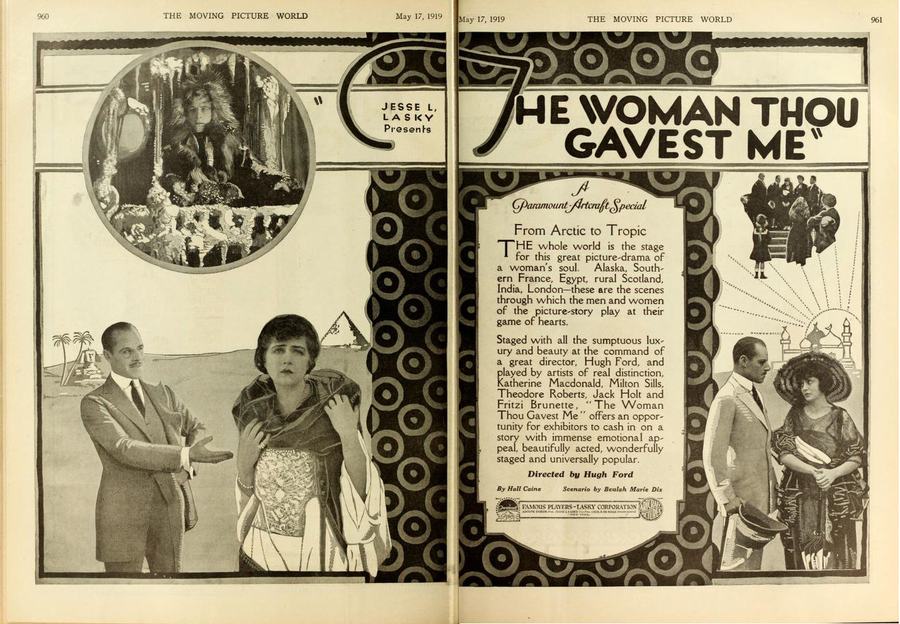
Daniel MacNeill seeks to avenge his childhood humiliation by the dissolute Lord Raa by forcing his daughter Mary to marry him with the stipulation that Raa would lose his claim to MacNeill's recently acquired fortune if he did not remain faithful. On her honeymoon in Egypt, Mary lives in name only with Lord Raa, who introduces his former mistress Alma Lier as Lady Raa. Mary meets explorer Martin Conrad, a former lover and makes love with him the night before he leaves on an Antarctic voyage. Mary then secludes herself in France where she gives birth to a child. When her father insists that she return to Lord Raa in India, Mary announces that the child's father is Conrad, divorces Raa and is disinherited. After learning that Conrad has been lost and her money is gone, Mary returns to London. In order to support her child, she turns to prostitution, and the first man she approaches turns out to be Conrad who has been searching for her. They marry and raise their child together. After Lord Raa's money is gone and he is deserted by Alma, he kills himself.
View Details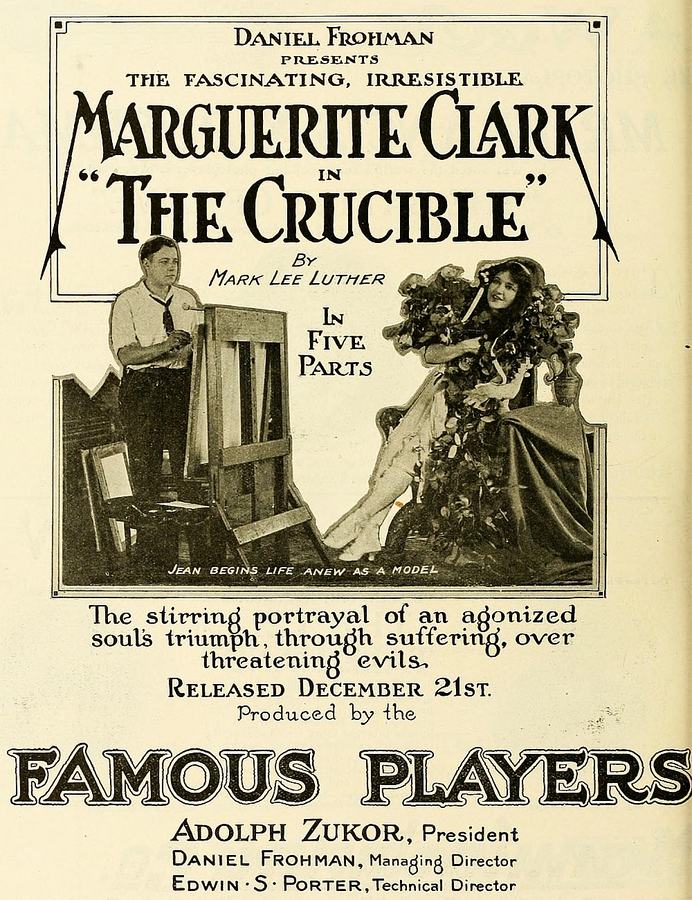
Dir: Hugh Ford
Jean finds the boyish manner in which her late father raised her, is now causing quite a lot of trouble for her, and she ends up in a reformatory. After escaping this prison she meets Craig Atwood, a handsome artist, and now Jean must prove through a series of trials, that she is worthy of his love.
Dir: Hugh Ford
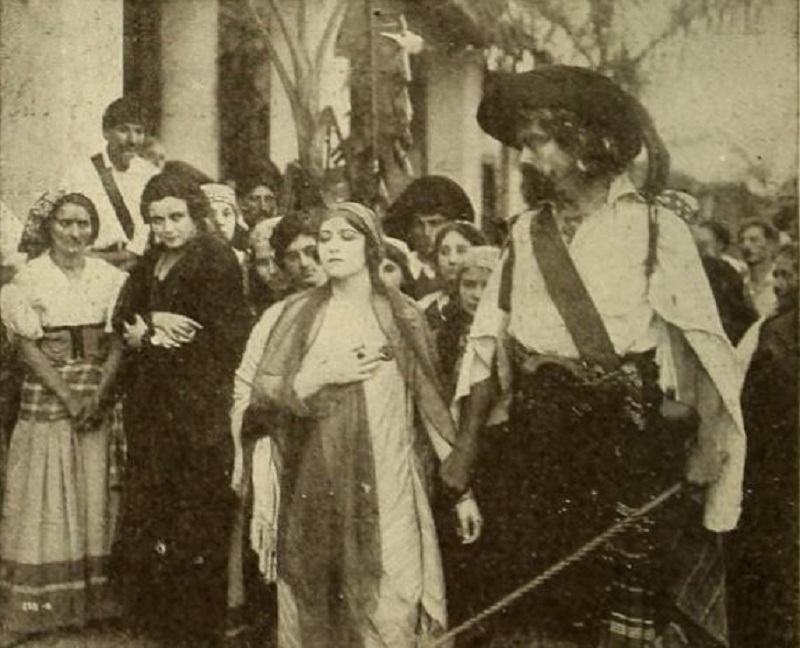
Ramona is the daughter of the governor of Port Royal. She is a school girl living in Spain. John Barton, a soldier of fortune, is cast ashore in Spain penniless and scrapes an acquaintance with Ramona by rescuing one of her pets. He is putting up at a rather questionable tavern where he learns of a huge treasure buried by Firebrand, a pirate, and secures plans of the spot in which it is concealed. Ramona sails for Port Royal and Barton is on the same ship. Firebrand attacks the ship and captures as part of his booty Ramona, whom he appropriates for himself after Barton has been knocked overboard in her defense. Until the acquisition of Ramona, Firebrand's favorite has been Anna, who now becomes jealous of the Spanish beauty. After attempting to make Ramona accept his attentions peacefully, Firebrand vents his wrath upon her and orders her confined in one of his cabins. Barton, recovering from his injuries sufficiently to make his way ashore, stumbles upon the cabin in which Ramona is a prisoner but the jealous Anna discovers him and informs Firebrand of the supposed duplicity of his new favorite. The pirate chief rushes to the cabin and when he attempts to force his attentions upon Ramona she kills him. Anna denounces Ramona as the culprit and, in a fit of vengeance, suggests that Ramona be sold as a slave in the public market. Her rare beauty causes lively bidding among the men who attend the sale. Meanwhile Barton has gone in search of the buried treasure and has found it. He has bought a horse on which he comes in search of Ramona, only to find her on the slave block, with a horde of men frantically bidding for her. Plunging into the crowd, he fights his way to the front and forces the bidding until, after a soul-stirring scene, he succeeds in vanquishing his rivals, and rides off triumphant in search of a minister.
View Details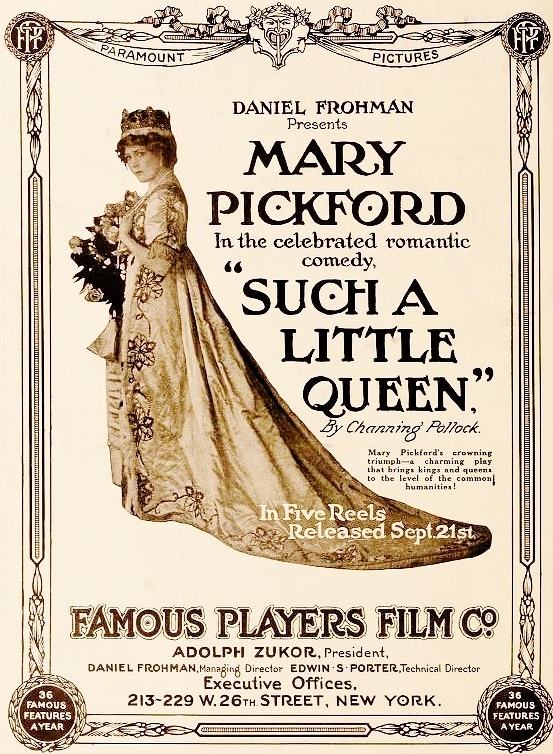
Dir: Hugh Ford
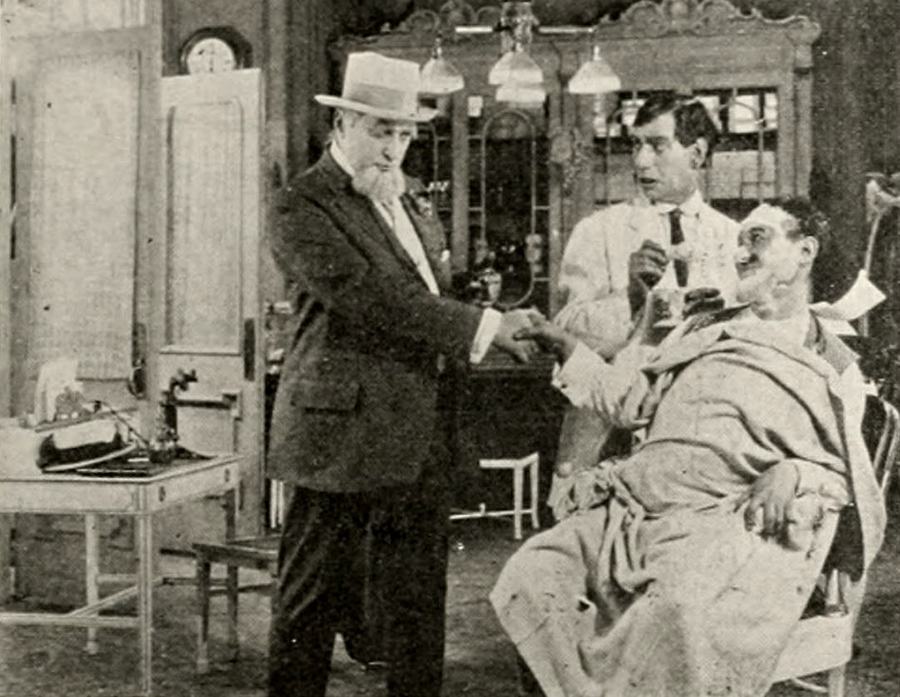
Robert Trainor, an American, aids in the romance of the Queen of Herzegovina and the King of Bosnia.
Dir: Hugh Ford
A fascinating piece of cinema that shares thematic elements.
View Details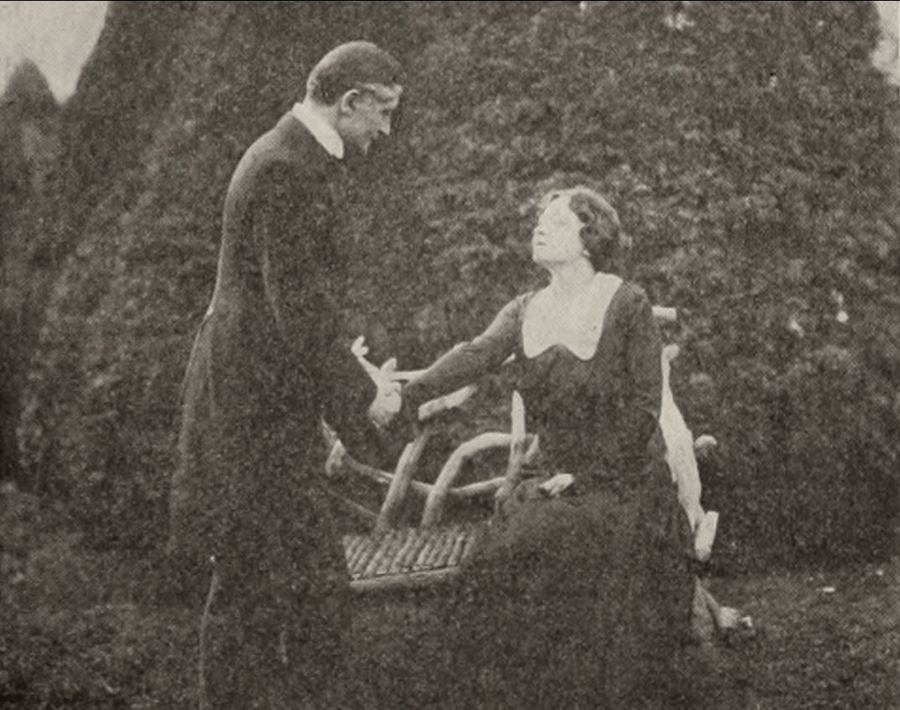
Dir: Hugh Ford
Although she loves humble Ralph Benham, Lydia marries the wealthy Dr. Gilmore at the request of her guardian aunt. After a few years, Gilmore becomes involved with Mrs. Stracey, a family friend, but is discovered and confronted by Mr. Stracey, who is killed by Gilmore during an ensuing fight. To protect her son Ned, Lydia agrees to lie to the authorities about Gilmore's whereabouts and is counseled on her trial testimony by a sympathetic Ralph, who, by coincidence, is the prosecutor in the case. In court, Lydia repeats her protective lies, but her story is thrown into question when her servant testifies that Ralph visited Lydia on the night of the murder. Suspicious, the judge demands that Ned be called to the witness stand, but unable to allow her son to lie under oath, Lydia finally confesses. Faced with a severe sentence, Gilmore commits suicide, and Lydia suffers a nervous breakdown but is cared for tenderly by Ralph and his sister.
View DetailsAnalysis relative to The Woman in the Case
| Film Title | Atmosphere | Complexity | Similarity |
|---|---|---|---|
| When We Were Twenty-One | Surreal | High | 92% Match |
| The Eternal City | Gothic | Layered | 91% Match |
| Seven Keys to Baldpate | Gritty | Layered | 95% Match |
| Zaza | Surreal | Layered | 90% Match |
| The Woman Thou Gavest Me | Tense | Linear | 87% Match |
This guide was algorithmically generated using the cinematic metadata of Hugh Ford's archive. Last updated: 6/23/2026.
Back to The Woman in the Case Details →