
DbcultAccessing Vault...
Recommendations
Senior Film Conservator
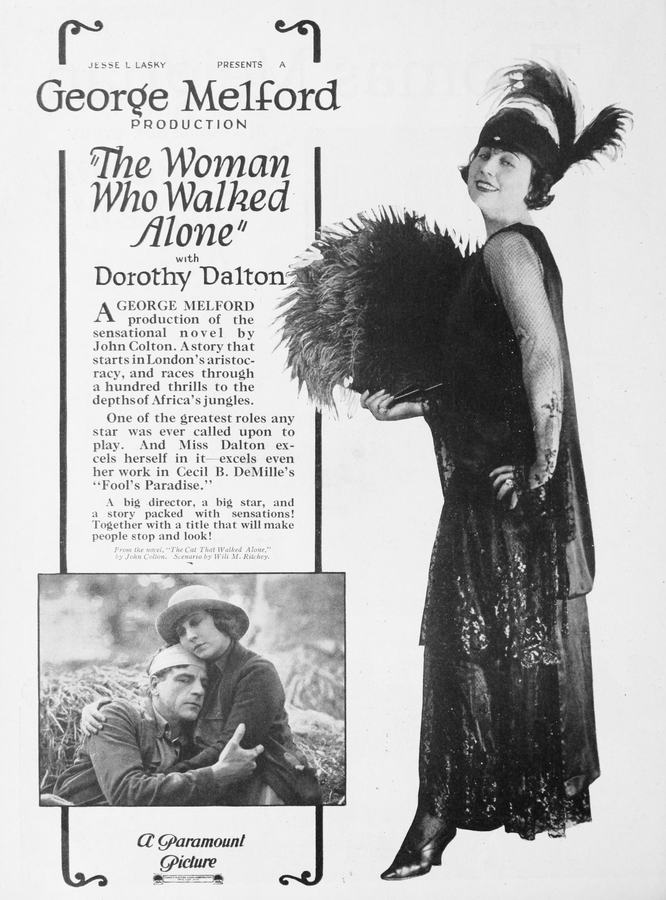
After experiencing the character-driven intensity of The Woman Who Walked Alone (1922), you are likely searching for more films that share its specific artistic vision. Unlock a new level of cinematic understanding with these Drama alternatives.
This 1922 Drama classic stands as a testament to push the boundaries of conventional storytelling.
Iris Champneys, forced into a marriage of convenience with the Earl of Lemister, attempts to recover some compromising letters for her sister Muriel, who has been seduced by a social parasite. Iris is thus caught by Lemister in a delicate situation, and he demands a divorce. Clement Gaunt, formerly employed by Lemister and in love with Iris, has become a ranch foreman in South Africa. He becomes entangled with Hannah, the rancher's wife, who shoots her husband, then places the blame on Clem when he refuses to run away with her. Seven years later, Gaunt--trying to escape the police--meets Iris, who is operating a tavern on the African caravan road. Iris, learning of his predicament, rides to Hannah Schriemann, telling her that Clem has been executed for her crime. When the police bring Clem to the house, Hannah--frightened by his "ghost"--confesses, and Iris and Clem find a way to happiness.
The influence of George Melford in The Woman Who Walked Alone can be felt in the way modern Drama films handle character-driven intensity. From the specific lighting choices to the pacing, this 1922 release set a high bar for atmospheric immersion.
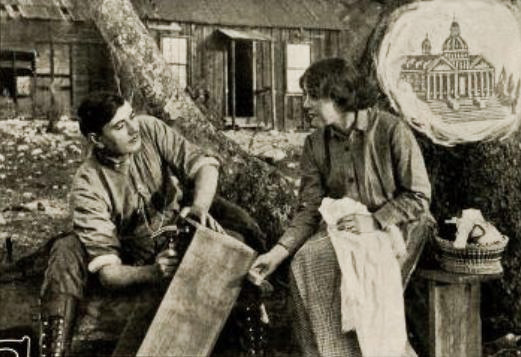
Based on the unique character-driven intensity of The Woman Who Walked Alone, our vault has identified these titles as the most compelling follow-up experiences for fans of Drama cinema:
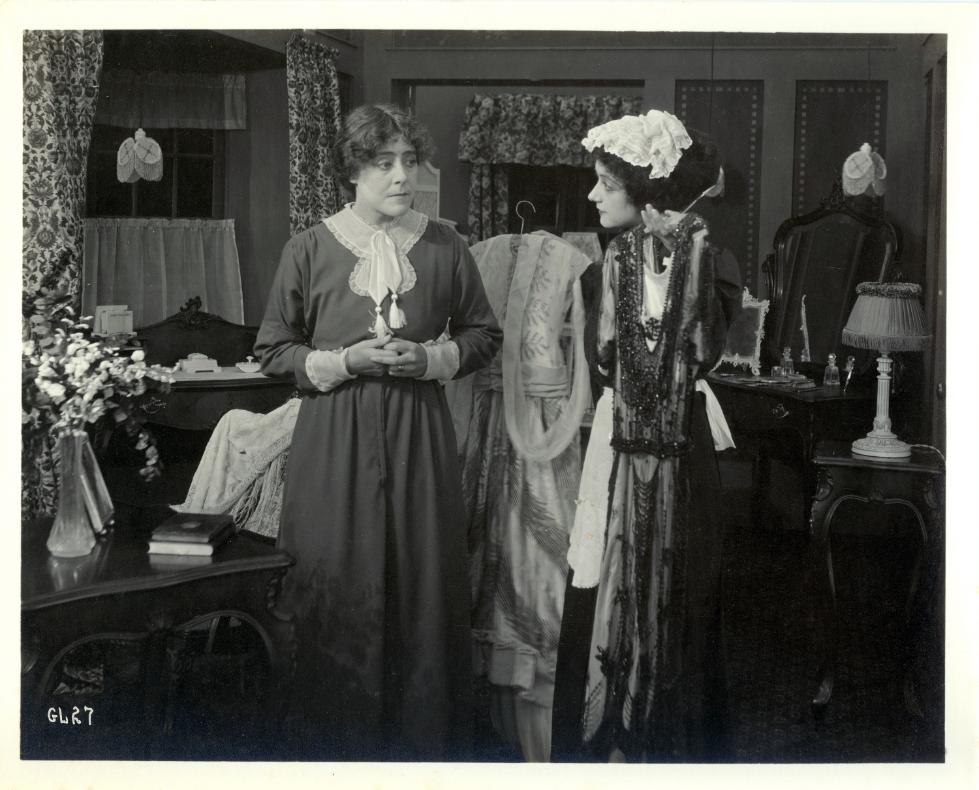
Dir: George Melford
At the opening of the story Daniel Slade is working in a mine and, though not positively in need, he and his wife live in comparative poverty. Slade is a man filled with ambition, but his wife is contented and absorbed in her love for her husband. By a fortunate accident he discovers a gold mine, and with his newly acquired wealth, immediately sets out to make a position of influence for himself in the world. His aggressive personality and ability at once attract attention, these qualities being combined with wealth, and the possibilities of a political career are pointed out to him by Senator Strickland. Slade has no sooner established himself in his new surroundings than he comes to feel that his wife does not know how to take advantage of their altered circumstances. She is still the same simple, home-loving person. In the course of time he becomes attracted to the Senator's daughter, who, like himself, is of ambitious temperament. In fact, though she does not love him, she agrees to marry him if he obtains a divorce from his wife. The concluding episodes of the story show how the wife rescues her husband from his unpardonable folly, and how, much chastened, he finally persuades her to come back to him. He has now become the chief executive of the State and Mary at last takes her place as the Governor's Lady.
View Details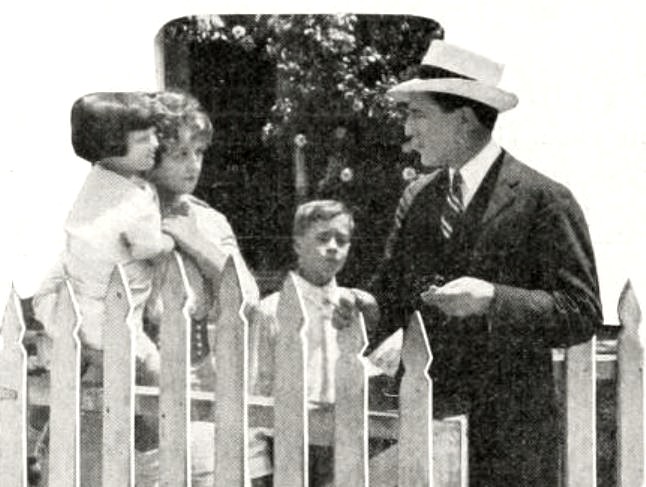
Dir: George Melford
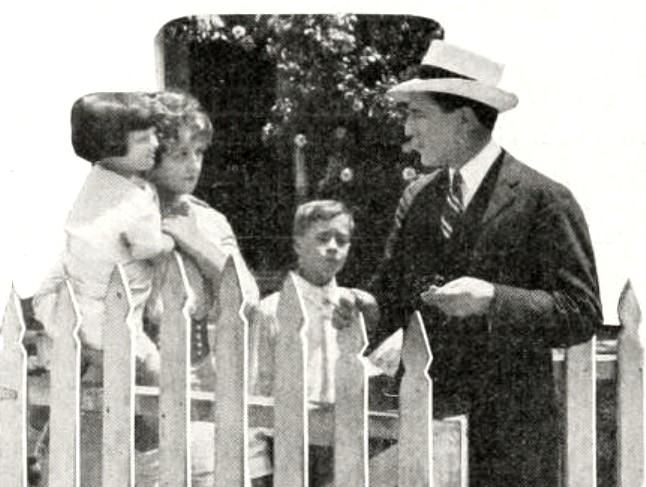
Anna Granger's husband commits a fraud at the bank where he works and is condemned to pay the penalty of a jail sentence. In the hope of proving his innocence she goes to work, under an assumed name, for the President of the closed bank. This man is now indicted himself, though unjustly, and employs detectives who finally unearth a letter positively establishing the guilt of Granger. In spite of everything, Anna remains faithful until she learns that the theft her husband committed was to get money for another woman. Then comes a sudden climax which puts an end to a situation which she could not possibly endure.
View Details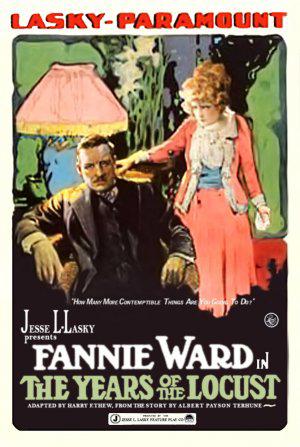
Dir: George Melford
Despite her love for penniless Dirck Mead, Lorraine marries wealthy Aaron Roth to save her family from financial ruin. Roth is a swindler and when trying to escape the wrath of the law, he jumps from a ship and is declared dead. Mead, now a diamond magnate, finds Lorraine in New York, marries her and takes her to live in South Africa, where, as it happens, Roth, who survived his leap from the ship, is currently conducting his shady business. Roth discovers Lorraine's situation and threatens her with exposure, and Lorraine is about to leave Mead when she learns of Roth's plan to steal a valuable diamond that Mead is escorting to the city. Summoning help, Lorraine reaches Mead in time to thwart the robbery. Roth is killed in the fight, and Lorraine is spared the task of resolving her marital status.
View Details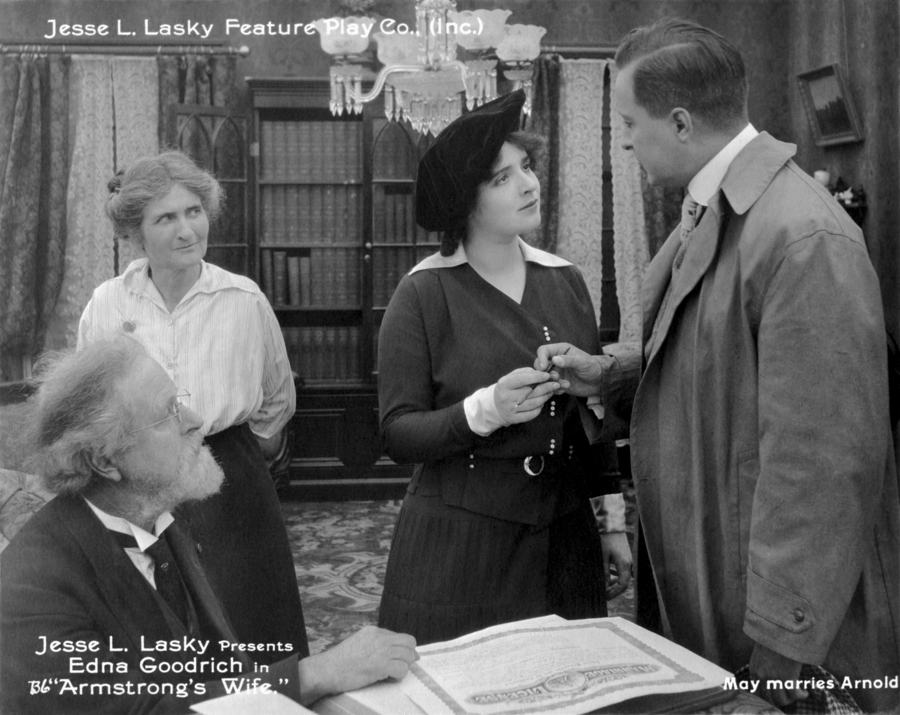
Dir: George Melford
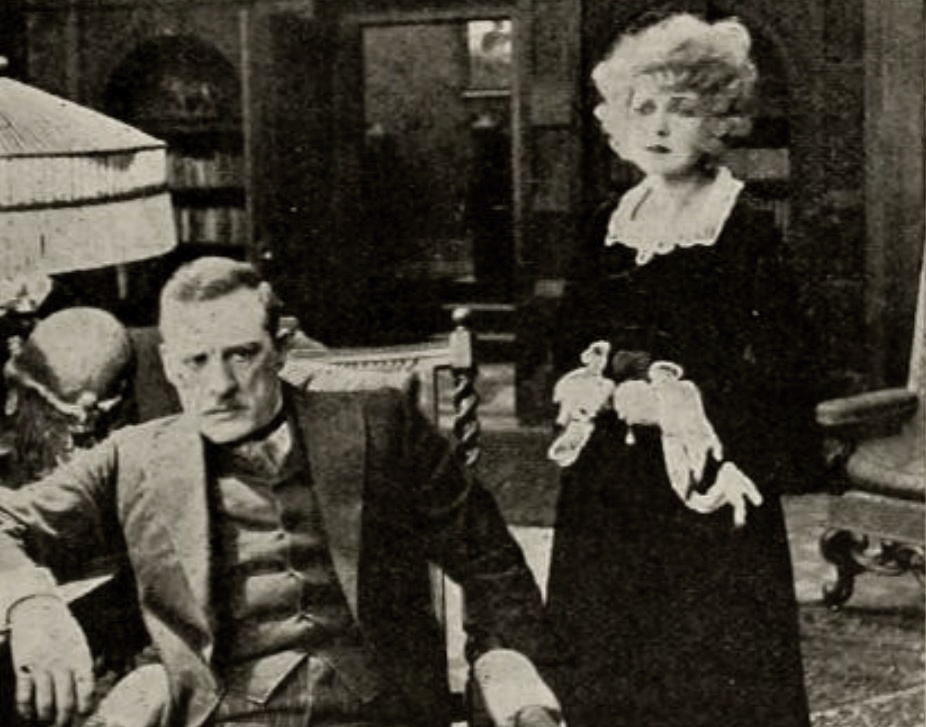
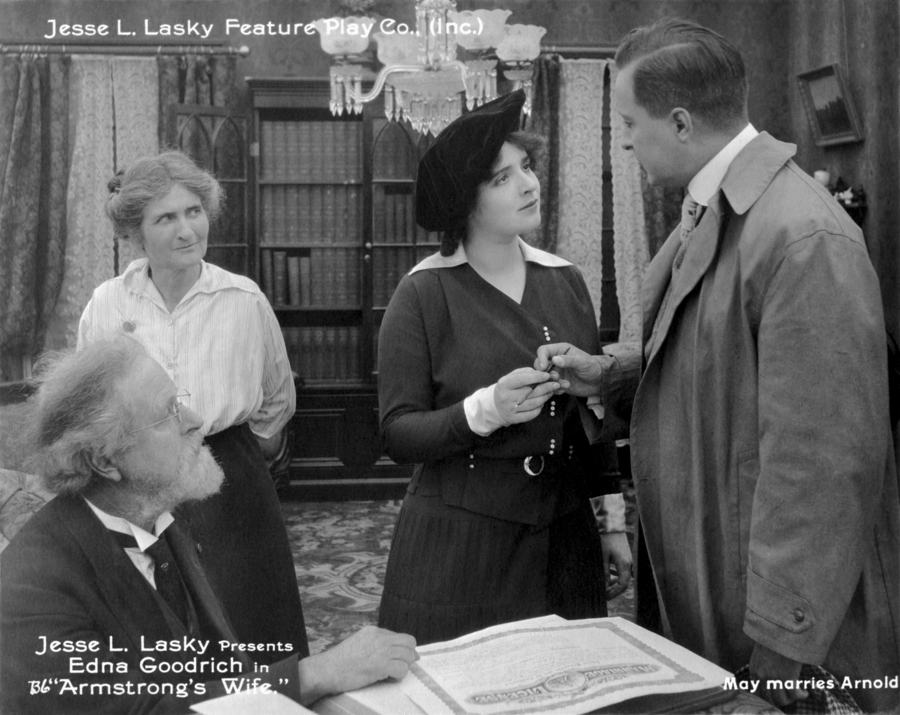
Gambler Harvey Arnold is forced to leave San Francisco and winds up in a small country town that is in the midst of a reform movement. He marries local girl May Fielding, who has no idea of his profession. When she finds out, he promises to quit, but it turns out that his profession wasn't the only secret he was keeping from May.
View Details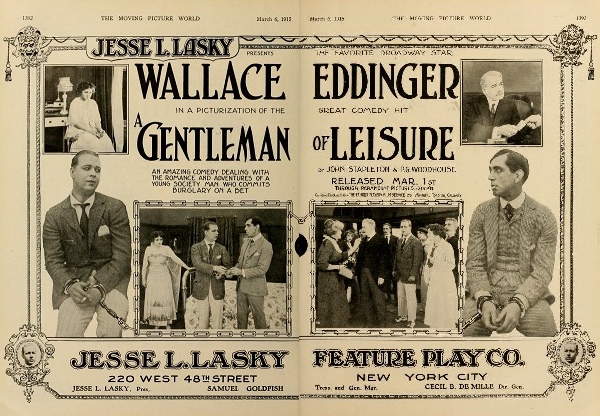
Dir: George Melford
A young New York society man makes a bet that he can rob a house and get away without being caught by the police. Shortly after making this wager, he overpowers a professional burglar in his own house, and instead of giving the man up, decides to use him in winning the bet. However, the house that he attempts to rob is the home of the Deputy Police Commissioner, with whose daughter he is in love. The succeeding complications, which arise out of this altogether original situation, are due to the Commissioner's willingness to accept graft and the professional burglar's inability to restrain himself when tempted to steal a valuable necklace. The final result is a happy conclusion to the very troubled love-story.
View Details
Dir: George Melford
Masha, a young Russian emigrant traveling to the U.S., is saved from an officer's advances by civil engineer David Harding. Upon landing in America, J. J. Walton, a self-made political boss and contractor, pursues Masha and hires her as his maid. She leaves after the first night, but becomes his mistress after Walton promises her an education and marriage. Sometime later, David defeats Walton in a bidding war for a contract to build a dam in Arizona. Intent on ruining David, Walton dynamites the dam while Masha distracts the engineer. Although Walton takes refuge, he is drowned in the floodwaters. David and Masha survive, and confess their mutual love.
View Details
Dir: George Melford
Ailing King Leopold sends his daughter Princess Alexia of Osia to a exclusive American girls' boarding school as a commoner, so that she can know the meaning of true freedom. When she meets young millionaire Bob Carewe, they fall in love, but Alexia is summoned home because of a conspiracy of the king's advisers threatening to replace him with the Duchess Sylvia. When Bob reads of Osia's financial difficulties, he goes to help with a loan, though he realizes she cannot marry him if she is ever to rule. When the king dies suddenly, it causes a rebellion among the people. Although Bob bravely fights against the conspirators and nobly helps a bleeding rival for Alexia's affections, the duchess is proclaimed queen. She orders Alexia's arrest, but Bob, using one of the conspirators as a shield, escapes with Alexia to the border, now they are happily free to marry.
View Details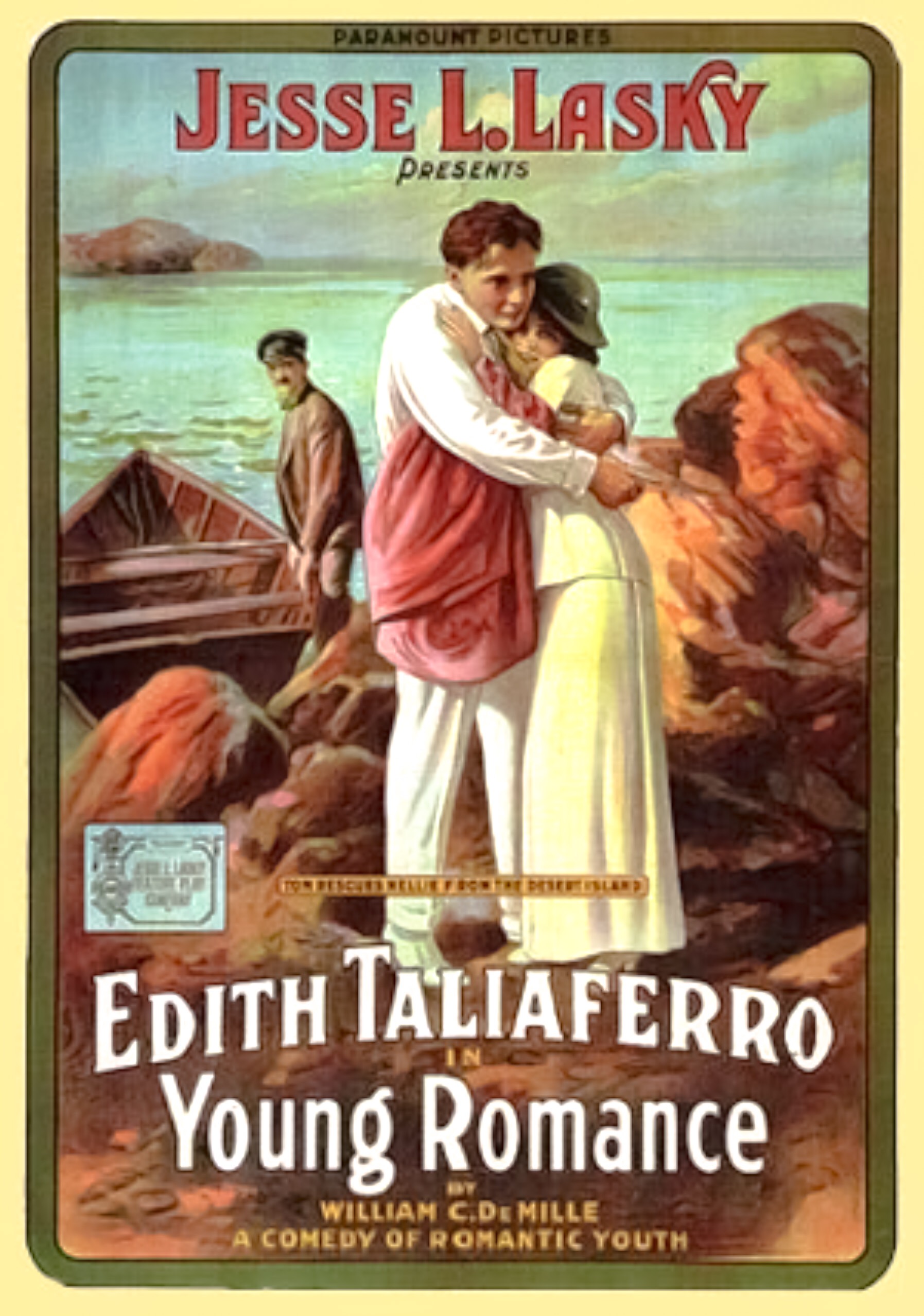
Dir: George Melford
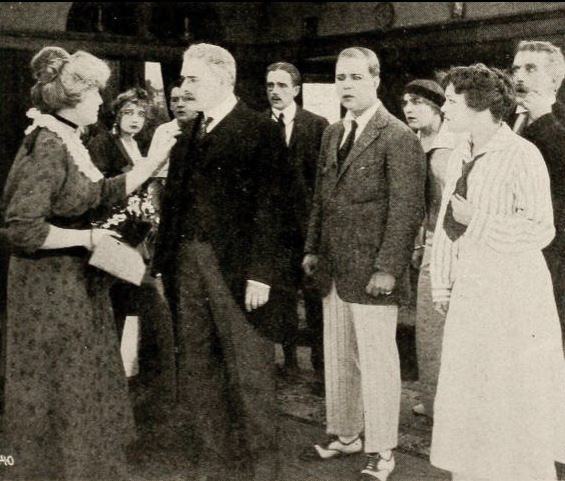
Two people working in the same department store pretend to be aristocracy at a fancy resort, intending to pull a wealthy spouse, but end up falling in love with each other instead.
View Details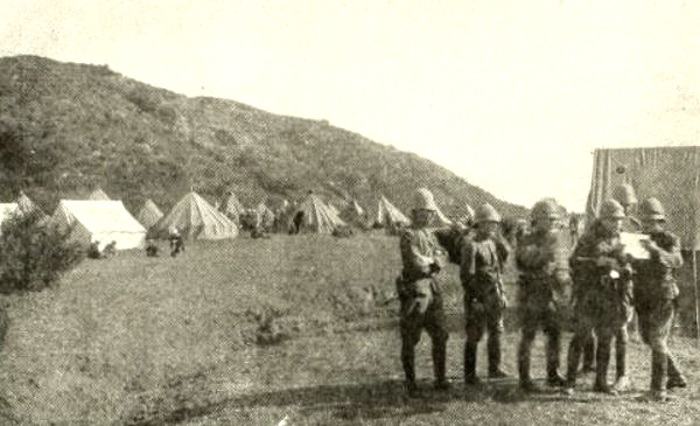
Dir: George Melford
The Lamberts give a charity ball for the benefit of the Widows' and Orphans' Fund. Captain Doane is among the guests. The young officer is in love with Jane, the general's daughter. During the affair, he secures her consent to be his wife. Jane's parents both favor Doane's suit. General Lambert places the box containing the receipts of the ball on his library tale. A moment later he is called away. At the same time, Jack, his son, loses heavily at cards to a professional sharp. The man holds several I.O.U.'s for which he demands payment. Desperate, Jack promises to let him have the money at once. The boy hastens home. Entering the library, he sees the cash box. Abstracting the money. Jack gives it to the gambler, who waits outside. General Lambert receives a telegram, stating that war has been declared between Great Britain and the Boers. He spreads the news. The general relates an incident of the first Boer campaign, telling how one of his comrades had been treacherously slain by the Boers. Turning to Jack, the father bids him avenge the man's death in the coming fray. Jack, however, confronts the knowledge that he is a thief. Entering the library he desperately searches for a way out. He decides upon the course he must follow. Writing a confession of his guilt, the boy places the note where it can be found and then picks up a revolver. Doane enters the room and views the proceedings in amazed silence. He grasps Jack's hand, just as the boy is about to shoot himself. Jack breaks down. The note tells Doane the whole miserable story. He promises Jack to find a way to clear him. General Lambert and the board of trustees enter the room after Jack leaves. They are about to look for the money, when Doane announces that he has stolen it. Shocked, the general calls in the guests and tells them the story. Jane is brokenhearted at her lover's supposed dishonesty. Disgraced, Captain Doane returns home where he receives a note, demanding his resignation. He complies with the order. The next day, he sees his beloved regiment leave for the front. Another officer marches past, in command of the company that was his. His health undermined by the strain, Doane is stricken with brain fever. When her recovers, a few weeks later, the man enlists under an assumed name and is sent to the Transvaal. By rare good fortune, Doane meets Jack. The young officer recognizes in the private, the man who had saved him from disgrace. Jack succeeds in securing Doane as his orderly. The two armies meet in a terrific battle. The Boers, under General Jaubert, successfully hold the British in check. Lieutenant Lambert is sent to one of the British commanders with dispatches. He is accompanied by Doane. On their way they discover a Boer force creeping upon the British flank. Their warning saves the English troops from destruction. From the top of a hill, the Boers under Jaubert are inflicting terrible punishment upon the British by means of heavy siege guns. A charge gradually drives the Boers back. The British succeed in dislodging their foe from shelter by means of the hail of death from rapid-fire guns. With a superb rush, the English gain the ton of the hill and capture the battery that has inflicted the most damage. Jack and Doane are foremost in the fray. The battery is blown skyward. Jack and Doane's unusual valor win them the commendation of the general in command. Doane wearily returns to his tent. His mind goes back to the night of the ball. His hand wanders to the pocket over his heart and brings to view the picture of Jane. Sadly he gazes upon the face of the girl whose love he had surrendered. With a sigh, the man replaces the picture in its resting place. In another tent, a totally different scene is transpiring. Torn by his conscience, Jack is penning a confession which exonerates Doane, whom he has grown to idolize. Leaving his tent, he hands the letter to Doane, requesting him to keep it in event of his death. He informs his savior that should death overtake him on the field, he wishes to die with the knowledge that he had made reparation. Doane watches the boy depart. He slowly tears the letter to pieces. That day another attack is made upon the Boers. The hills are covered with the heavy smoke of artillery and thousands of rifles. The Lancers sweep the enemy before them in a heroic charge. Jack, leading a bayonet charge against a Boer battery, is struck by a bullet and falls. Fighting like fury, Doane rescues the boy and carries him off the field. Immediately afterward, Doane wires the Lamberts, telling them of Jack's injury. Upon receipt of the message, Jane immediately announces her determination to go to her brother's side. Her father's influence enables her to go to the front as a Red Cross nurse. She reaches Jack's force and is assigned to his hospital tent. As she enters the tent, she sees Doane bending over her brother. Doane is electrified at the sight of his sweetheart. Remembering the offense with which he was charged, the girl draws back in contempt. Jack sees the movement and realizes what caused it. With tears streaming down his face, and despite Doane's efforts to stop him. the boy confesses his story. Thunderstruck, Jane stares at Doane. The man turns away in distress. The next moment. Jane's hand is on his arm. She pleads with him for forgiveness. Surrounded, and facing defeat, the Boers fight with the desperation born of despair. Again and again their fire sweeps the charging British, mowing them down like grass. From the overlooking hills the batteries of the English hurl their deadly missiles in the midst of the shelters which cover the Boers. Doane, assigned to one of the batteries, imbues his comrades with heroic spirit. Time and again the Boers strive to capture the battery, their rifle fire brings the men down one by one. Doane finally remains the sole survivor, but the battery still belches forth the shots placed in it by the men who had manned them. A Boer shell lands next to Doane's gun and explodes. When the smoke lifts, the hero strives in vain to arise. Blood gushes from his eyes. Jane is by her brother's bedside when Doane is brought in on a stretcher. She anxiously hovers over the doctor as he examines the man. The surgeon finally declares that while Doane will recover, he will be blind for life. The girl nurses her sweetheart and brings him back to health. Jack tells his story to the commanding officer. He reveals Doane's nobility and the sacrifice he had made. When Doane recovers the story of his heroism has been spread broadcast. The War Office reinstates him to his former rank and in addition Doane receives a medal of valor. Jane is by her hero's side when the emblem is placed upon his breast.
View Details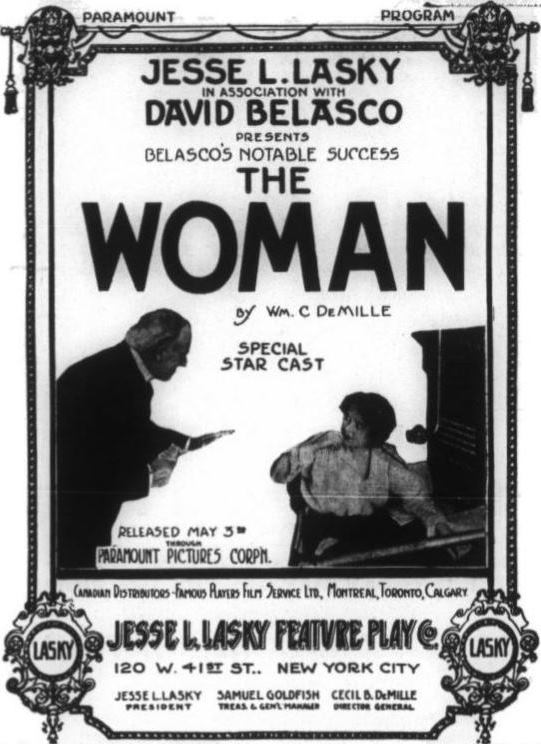
Dir: George Melford
The story relates the attempt of a group of machine politicians at Washington to ruin Matthew Standish, an insurgent who has made himself so strong with the people that he is in a position to defeat the Mullins bill, fostered by a corrupt ring in Washington, in favor of certain railroads. The leaders of this ring are Jim Blake, the boss of the party machine, and his son-in-law Mark Robertson. Standish is being hailed throughout the country as the exponent of morals and virtue, and Blake realizes that the only way to defeat him is to find some blot on his record in the past. He puts a detective to work, who, by bribing Standish's former secretary, finds out that some years ago Standish became involved with a young woman of good family, but for some reason he did not marry her. Blake realizes that skillfully handled, this story could be made to ruin Standish's career, but without the woman's name it will look like a campaign lie. So the entire machine bends its energy to discovering the woman's identity to prove the story. To accomplish this, they lay a trap that they think will make Standish try to warn the woman by telephone. He is deceived and does telephone the woman to be on her guard, calling the number Plaza 1001. Wanda Kelly, telephone girl at the Keswick, has been told of the plan by Blake, who believes that she can be bribed to give him the telephone number. After Standish telephones, Blake's son-in-law Robertson comes in to 'phone his home in New York, calling the same number that Standish has just called. Wanda, the operator, sees that the woman in the case is really Blake's daughter and Robertson's wife, and besides refusing to give the number, destroys her record sheet. Mrs. Robertson arrives from New York and is driven to desperation when Standish informs her that, though he has tried to protect her, he needs to give her name to Blake and Robertson if they continue striving to ruin him by this story. The subsequent events leading to the conclusion of the drama and the defeat of the offensive Mullins bill in Congress are stirring in the extreme. Once again the telephone girl interferes in the plot by disconnecting the wires when the "ring'' politicians, driven to their last ditch, are trying to telephone a newspaper to release the story even without the woman's name. She keeps her courage after this, even when threatened with arrest and criminal prosecution. It is the woman herself who finally comes to the rescue and refuses to see the little telephone girl made to suffer further on her behalf. This terrible revelation makes Blake and Robertson see what a veritable heroine she has been and even leads to the happy consummation of a romance between the telephone operator and Jim Blake's son.
View DetailsAnalysis relative to The Woman Who Walked Alone
| Film Title | Atmosphere | Complexity | Similarity |
|---|---|---|---|
| The Governor's Lady | Ethereal | High | 98% Match |
| The Fighting Hope | Gothic | High | 85% Match |
| The Years of the Locust | Tense | Linear | 85% Match |
| Armstrong's Wife | Gritty | High | 98% Match |
| A Gentleman of Leisure | Tense | Dense | 91% Match |
This guide was algorithmically generated using the cinematic metadata of George Melford's archive. Last updated: 6/26/2026.
Back to The Woman Who Walked Alone Details →