
DbcultAccessing Vault...
Recommendations
Senior Film Conservator
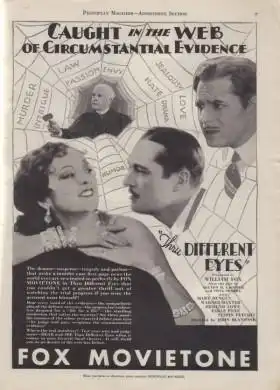
Delving into the atmospheric depths of Thru Different Eyes reveals a master at work, the visual language established by John G. Blystone is something many try to emulate. From hidden underground hits to established classics, these are our top picks.
The enduring power of Thru Different Eyes lies in to synthesize diverse influences into a singular artistic statement.
Flashbacks in a courtroom drama give different points of view on the events, anticipating the classic Japanese film Rashomon.
Critics widely regard Thru Different Eyes as a cult-favorite piece of Drama cinema. Its poignant storytelling is frequently cited as its strongest asset, solidifying its place in United States's film legacy.

Based on the unique poignant storytelling of Thru Different Eyes, our vault has identified these titles as the most compelling follow-up experiences for fans of Drama cinema:


Dir: John G. Blystone
A fascinating piece of cinema that shares thematic elements.
View Details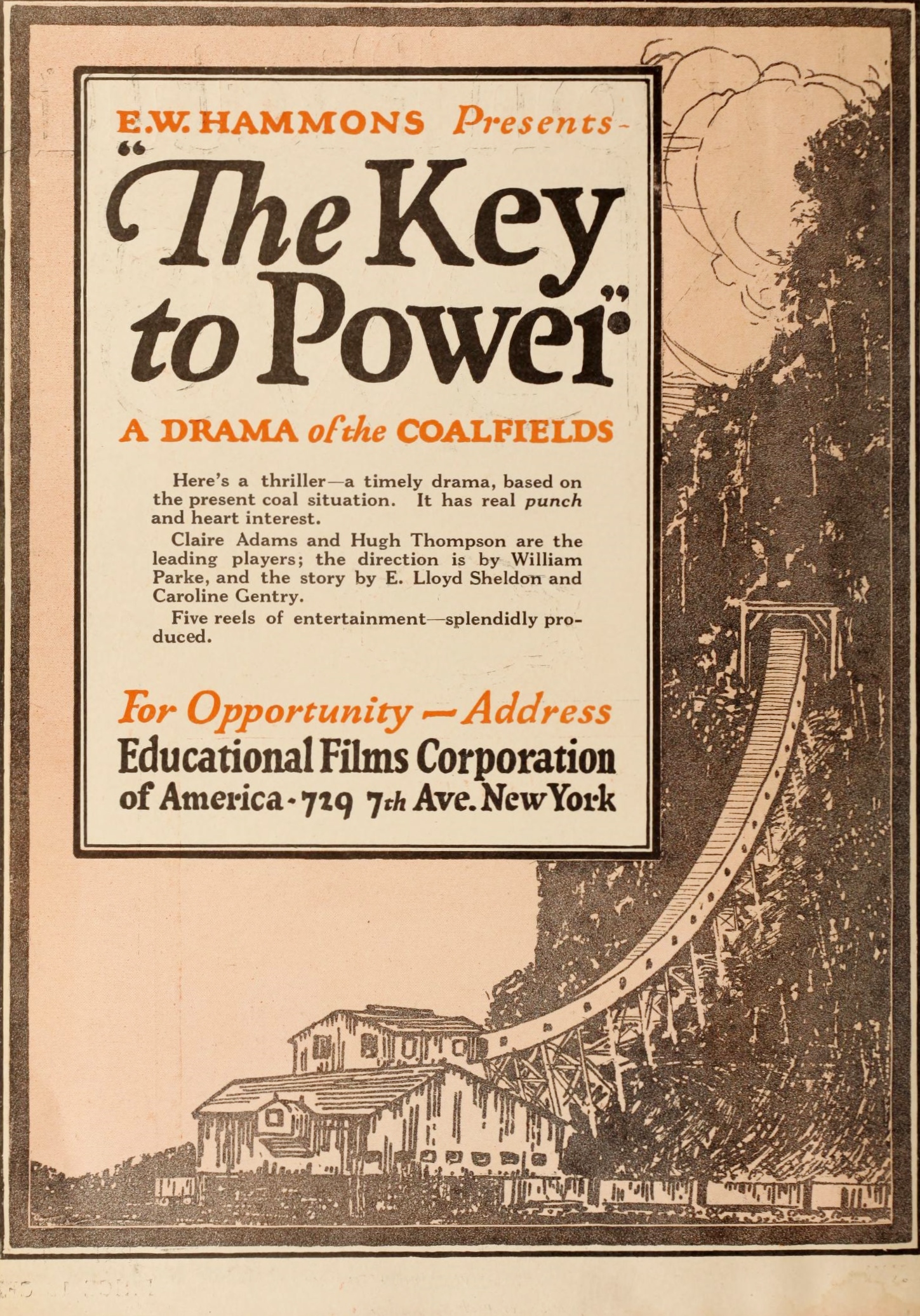
Dir: William Parke
Bruce Wendell, the son of West Virginia coal mine owner James Wendell, graduates from West Point and prepares to lead a fighting unit to the front during World War I. As his father lies dying, however, he convinces Bruce to remain at home and guard the mine. Bruce's fiancée Ann Blair assumes that he is a coward and breaks off their engagement, but her brother Bobbie remains Bruce's loyal friend. Meyer, a German agent, persuades railroad president Parrish to refuse to transport Wendell's coal, but when Bruce adamantly refuses to close the mine, the spy's men decide to blow it up. While Ann is being abducted by Meyer, Bobbie is buried in an explosion at the mine. Bruce rescues Bobbie and then sends a plea to Lieutenant Parrish to rescue Ann. Meyer and his gang are captured and Ann renews her vow of love to Bruce.
View Details
Dir: Robert N. Bradbury
A simple country girl, brutally mistreated by her stepfather, awakens first the sympathy, then the love, of The Boy. The Spider, who lusts after The Girl, makes a bargain with the stepfather and takes her to the city where, kept prisoner, she is soon broken in health and spirit. Cast out and near death, she is taken in by The Boy. Following the demise of The Spider, The Boy takes her to church, where he prays, and after many hours she is restored to health.
View Details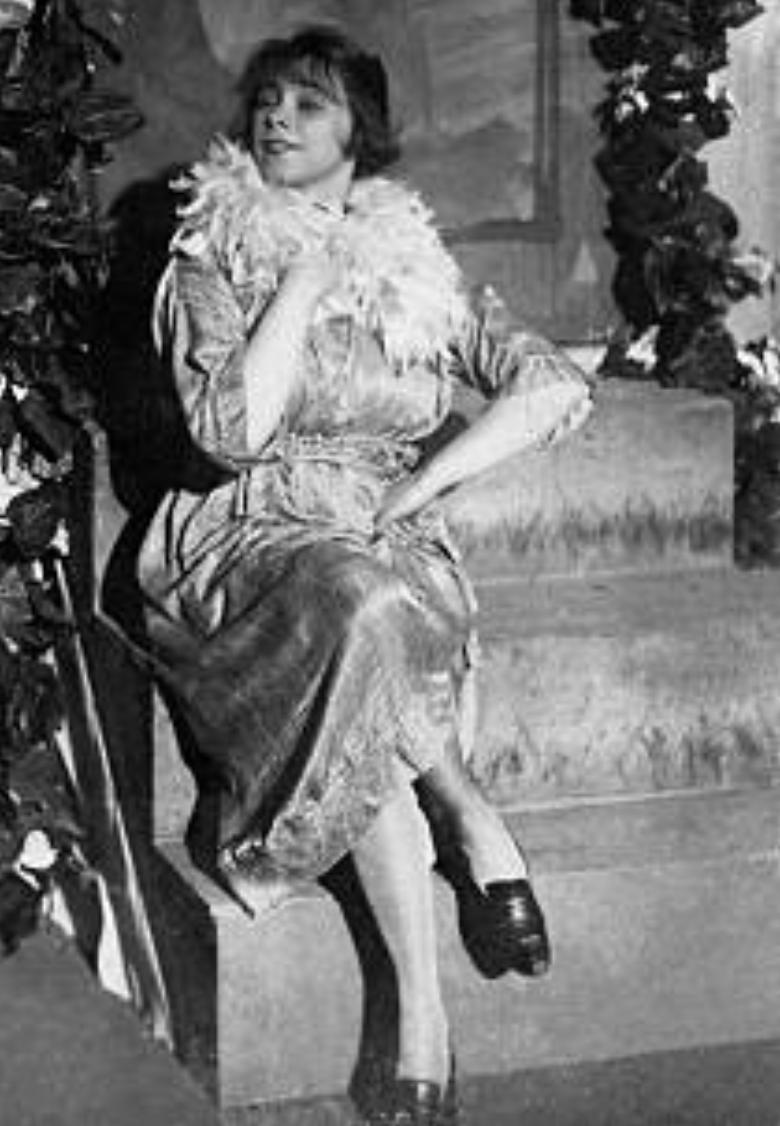
Dir: Bruno Ziener
A fascinating piece of cinema that shares thematic elements.
View Details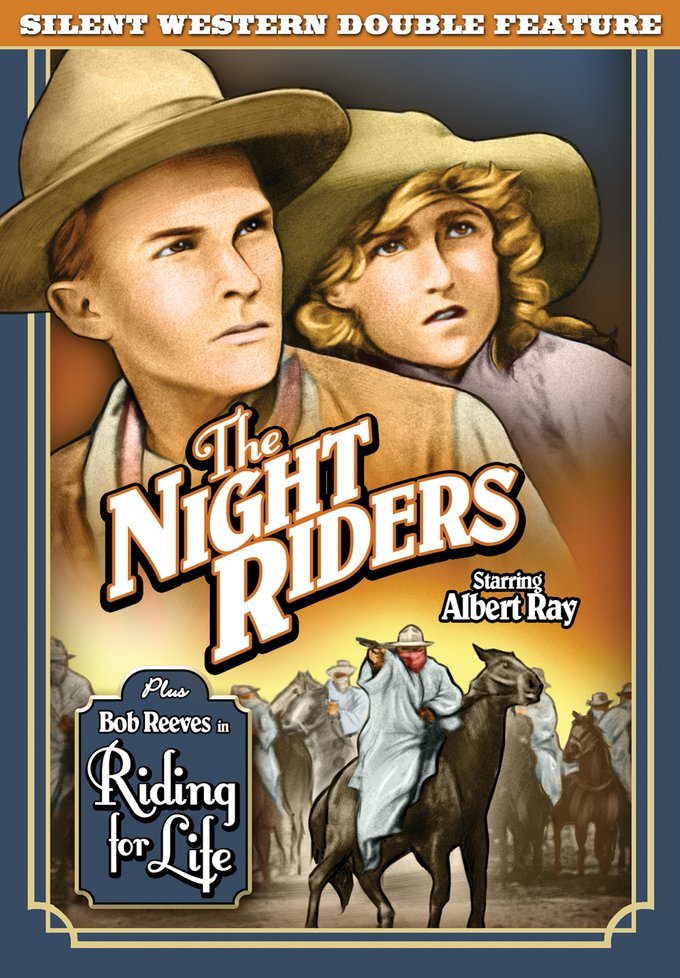
Dir: Alexander Butler
In Alberta, Canada, a Cornish emigrant unmasks a rustler posing as the girl's "blind" father.
View Details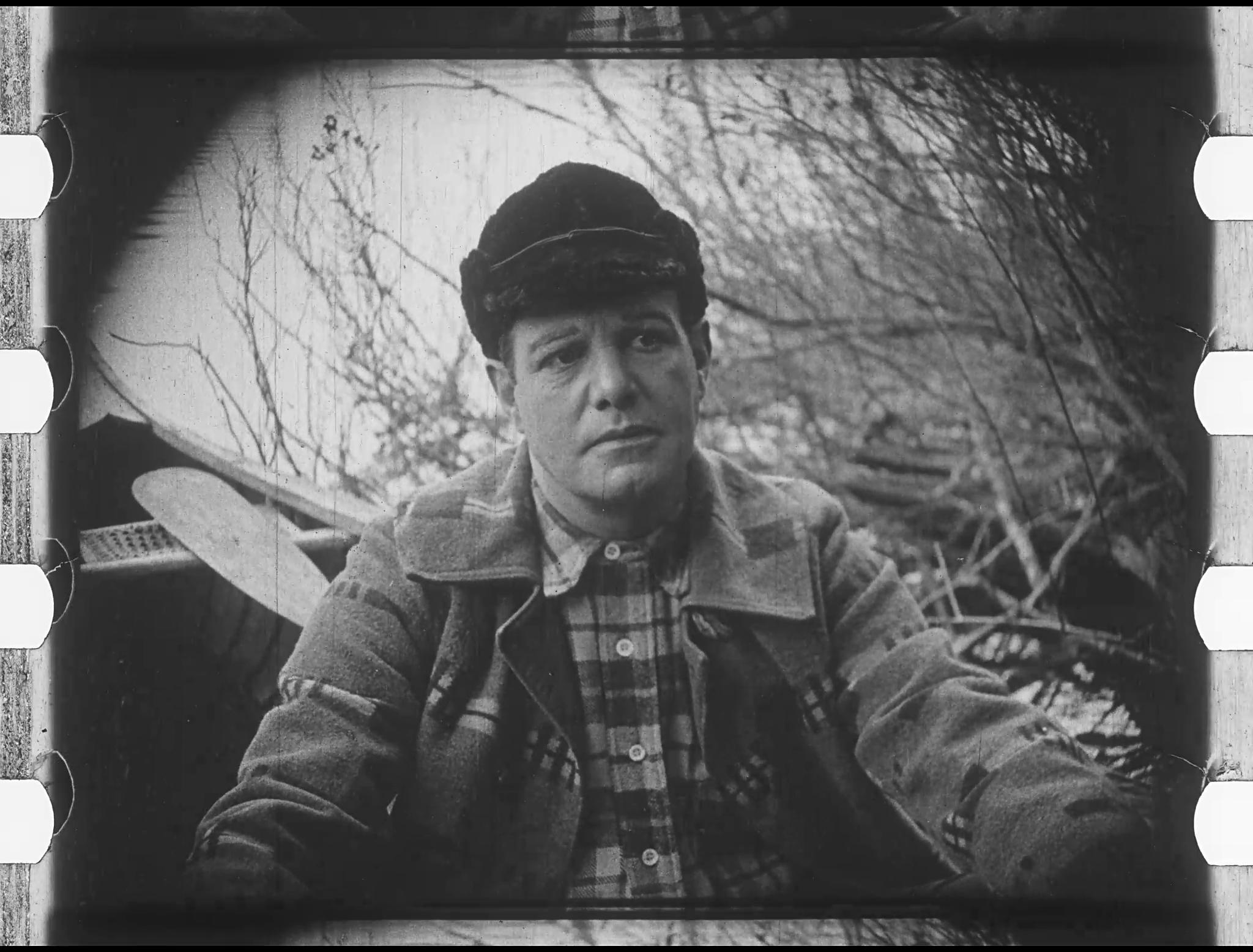
Dir: Edgar Jones
A mail-order bride arrives at a Maine lumber camp but doesn't like her prospective husband.
View Details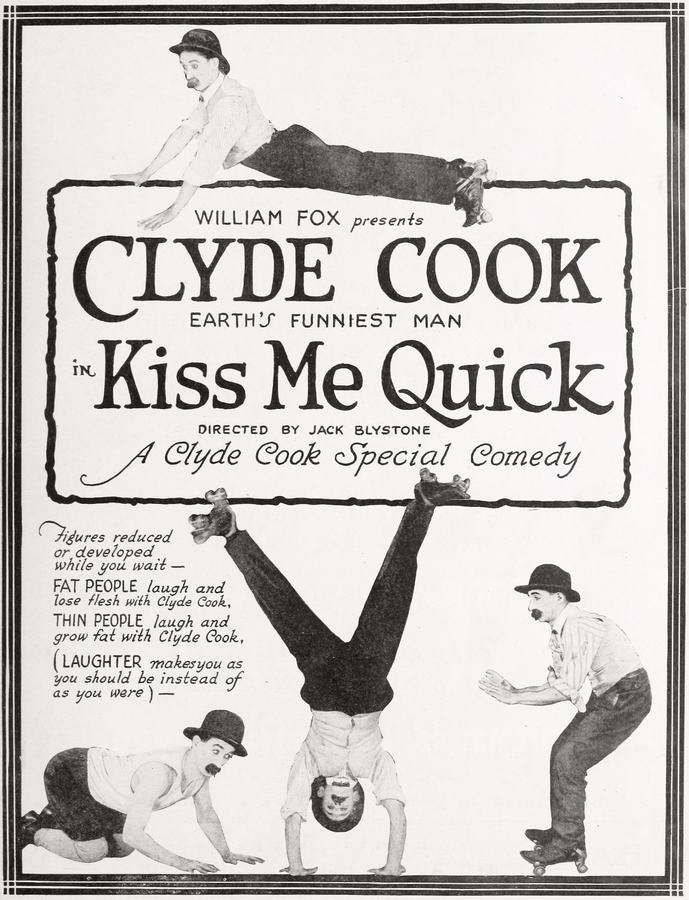
Dir: John G. Blystone
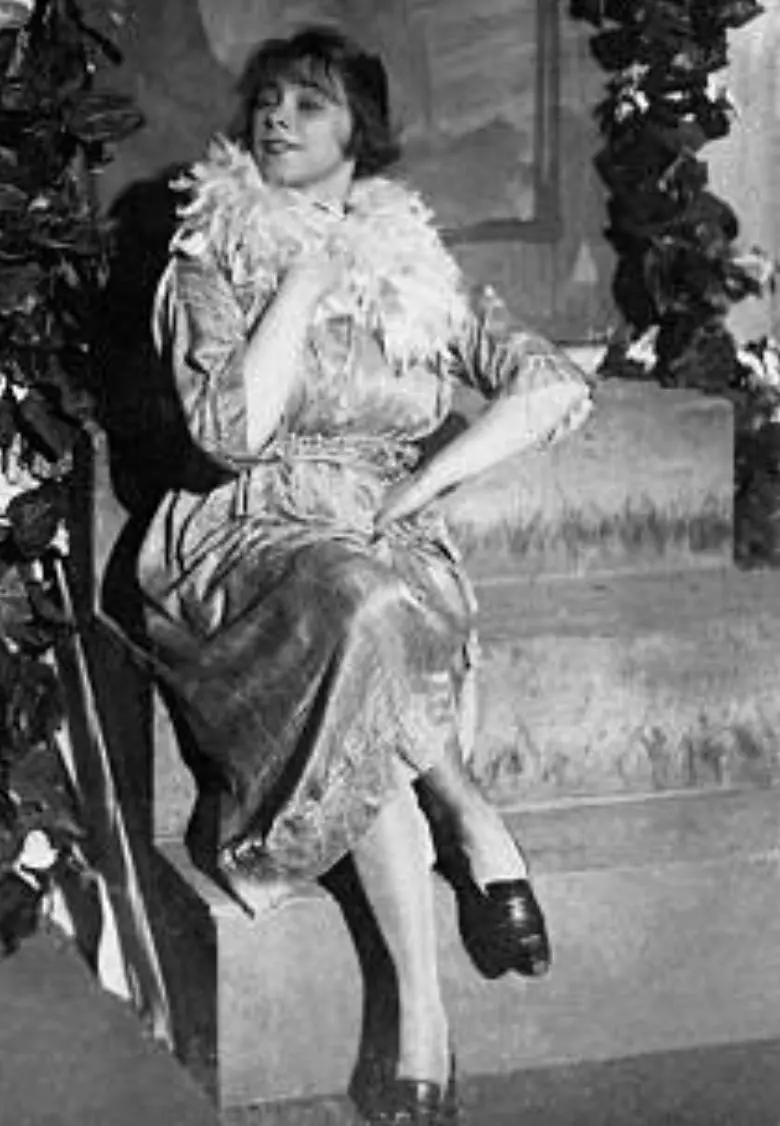
A fascinating piece of cinema that shares thematic elements.
View Details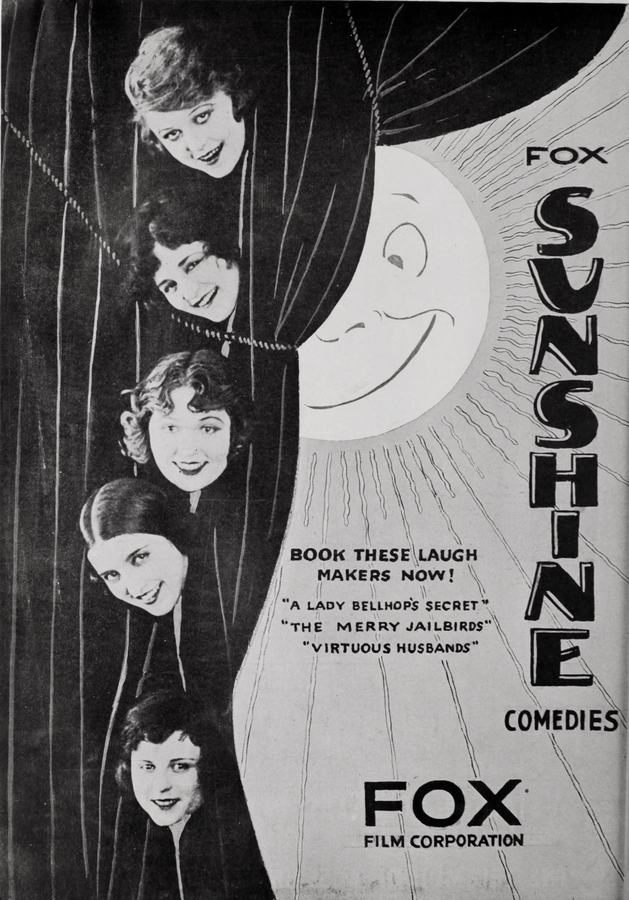
Dir: John G. Blystone
A fascinating piece of cinema that shares thematic elements.
View Details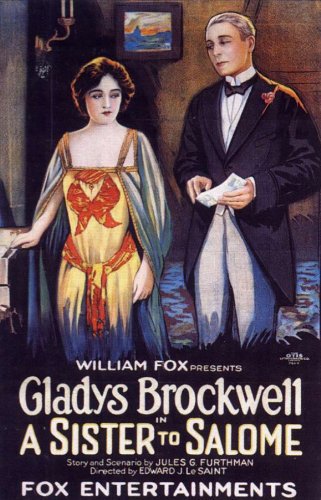
Dir: Edward LeSaint
When famous opera singer Elinore Duane undergoes an operation on her throat, she has a series of ether-induced visions. In one, she is transported to ancient Rome where she appears as a much-admired woman in love with Paul, a young heretic, and at odds with Lutor, the high priest. To save her love, she poisons Lutor with her ring. After several other visions which involve variations on this love triangle, Elinore awakens to discover that Lutor is actually her doctor, Sascha Jaccard, and that Paul is the son of a friend who has come to visit the recovering prima donna.
View DetailsAnalysis relative to Thru Different Eyes
| Film Title | Atmosphere | Complexity | Similarity |
|---|---|---|---|
| The Yellow Dog Catcher | Gothic | Dense | 98% Match |
| Footlight Maids | Tense | Abstract | 93% Match |
| The Key to Power | Gritty | Dense | 91% Match |
| Into the Light | Gothic | Abstract | 89% Match |
| Eva, wo bist du? | Gothic | Dense | 86% Match |
This guide was algorithmically generated using the cinematic metadata of John G. Blystone's archive. Last updated: 6/28/2026.
Back to Thru Different Eyes Details →