
DbcultAccessing Vault...
Recommendations
Senior Film Conservator
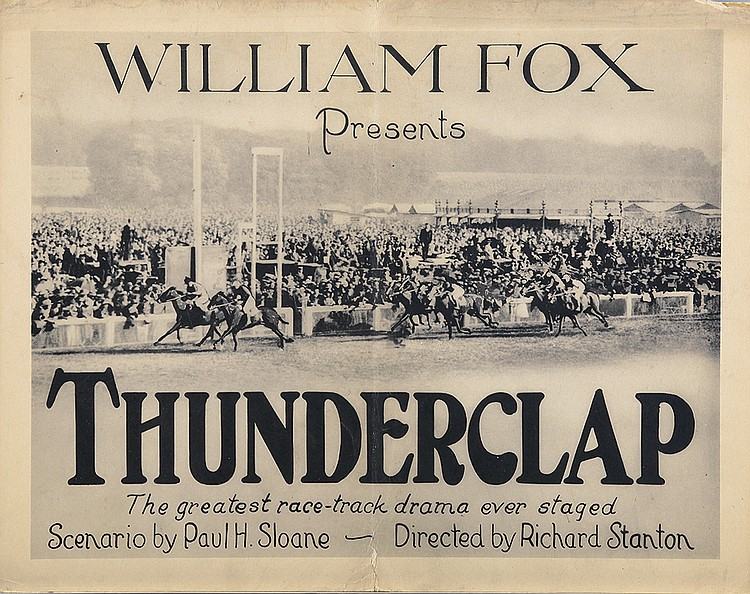
Ever since Thunderclap hit screens in 1921, fans have sought that same thematic gravity, it's essential to look at the contemporaries that shared this thematic gravity. Prepare to discover your next favorite movie in our hand-picked collection.
Whether it's the thematic gravity or the thematic depth, this film to leave an indelible mark on the history of United States film.
Gambling-house proprietor Lionel Jamieson, whose brutality has caused his wife's paralysis, removes his stepdaughter Betty from a convent to use her as a lure for customers. Lionel's young employee Tommy is a good friend to Mrs. Jamieson and soon falls in love with Betty. With the assistance of stable hand Gunga Din, Tommy trains his horse, Thunderclap, for a racing event. At the gambling house, a customer is cheated out of $40,000 and threatens to kill Lionel unless he repays the money within 24 hours. Lionel's friend Foster agrees to help, provided that his horse wins against Thunderclap. Upon learning that Tommy will need to cross a bridge while transporting his horse to the racetrack, Lionel plots to blow it up, killing both Thunderclap and his owner. However, Gunga Din suspects foul play and ensures their safe arrival. Tommy then rescues Betty from kidnapper Wah Leong, returns to the track, and rides Thunderclap to victory. Lionel is killed by the man he cheated, and the shock restores Mrs. Jamieson's mobility.
Critics widely regard Thunderclap as a cult-favorite piece of Drama cinema. Its thematic gravity is frequently cited as its strongest asset, solidifying its place in United States's film legacy.
Based on the unique thematic gravity of Thunderclap, our vault has identified these titles as the most compelling follow-up experiences for fans of Drama cinema:
Dir: Richard Stanton
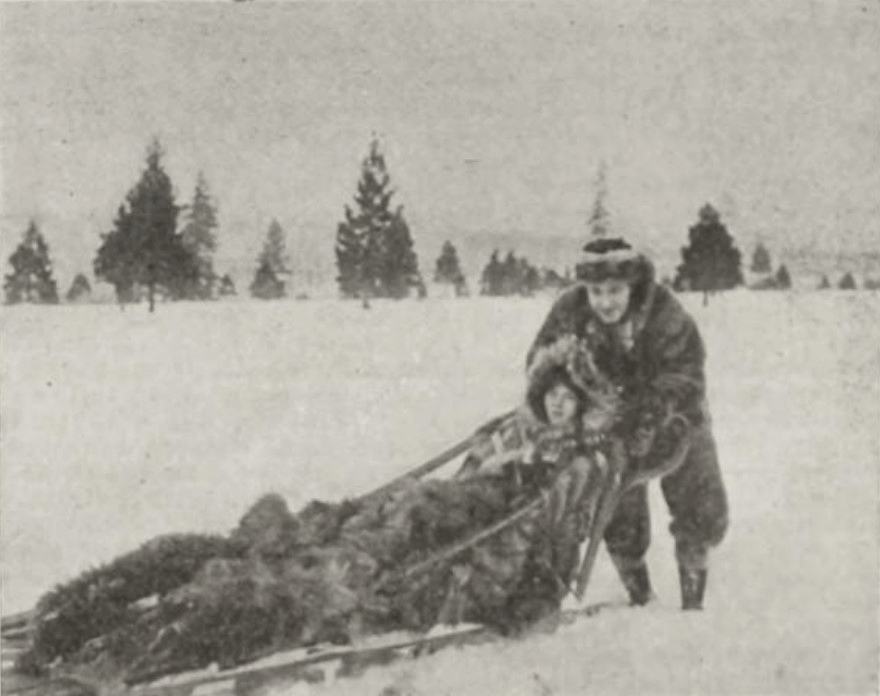
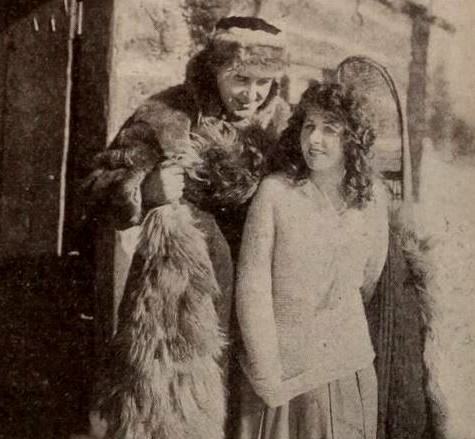
Finding his partner, Joe Brooks, murdered in the snow, "Roaring" Bill Wagstaff's troubles begin. A ray of sunshine enters his life soon after though, with the arrival of Hazel Weir who has come West to teach, but finds herself lost in the woods outside the town of Cariboo Meadows. Bill discovers her and under the guise of leading her to town, takes her to his cabin where he declares his love. Hazel, who is smarting from unfair accusations of scandal, rejects Bill's offer and leaves for Cariboo Meadows. Later, Bill learns of Hazel's problems and rushes to town to confirm his faith in her. En route, he stops at a saloon where he sees his dead partner's snowshoes leaning against a wall. At the point of a gun, he extracts the name of Joe's killer from the saloon keeper and then sets out after the man, Nig Geroux. After avenging his partner's death, Bill finds Hazel, who accepts his love.
View Details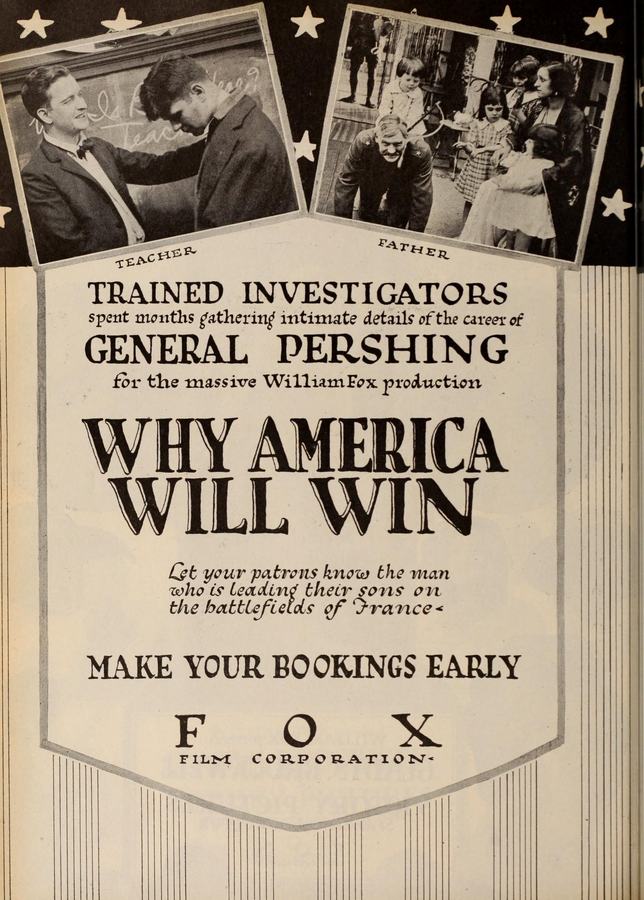
Dir: Richard Stanton
This is not a romance but the biography of the man who now leads our vast forces in France. It shows him from boyhood to his present high command, and the story of his life tells why Pershing was selected to lead the American forces overseas and how he has his own personal account to settle with the ruthless Hun.
View Details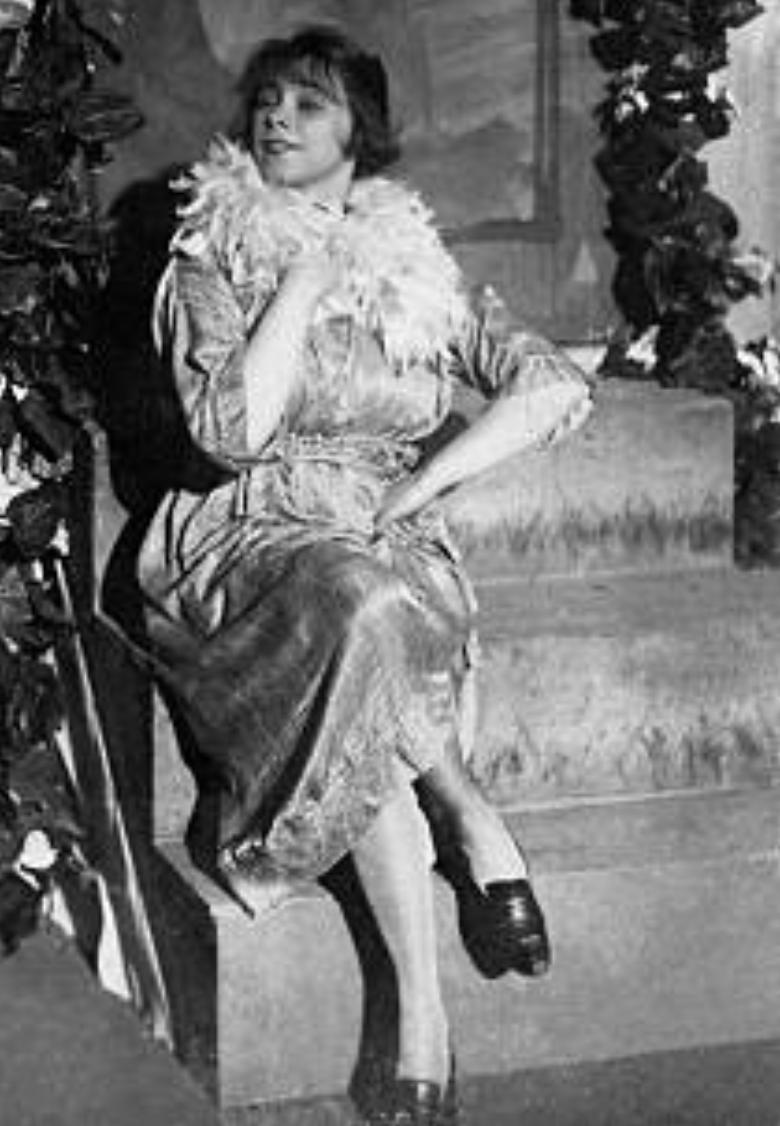
Dir: Bruno Ziener
A fascinating piece of cinema that shares thematic elements.
View Details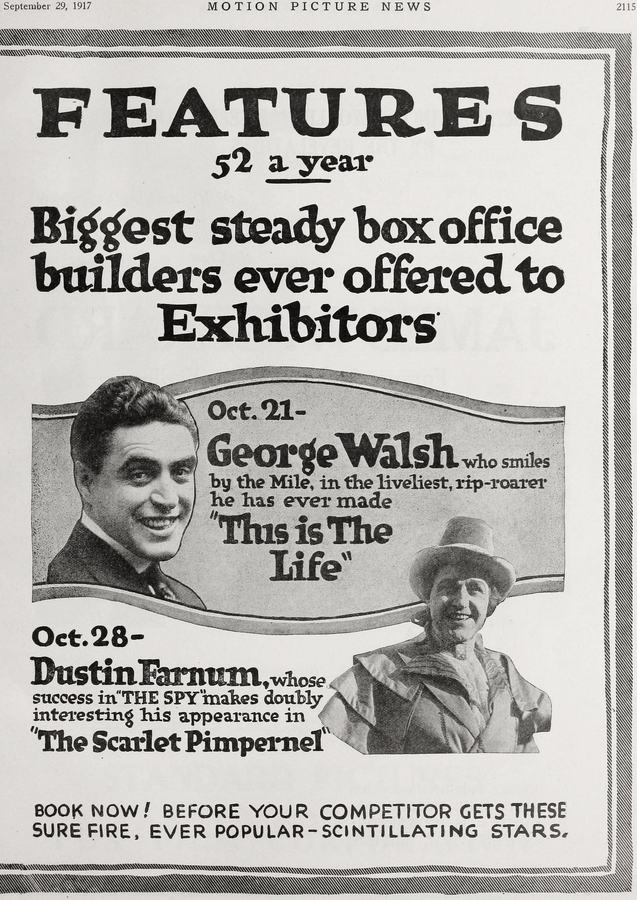
Dir: Richard Stanton
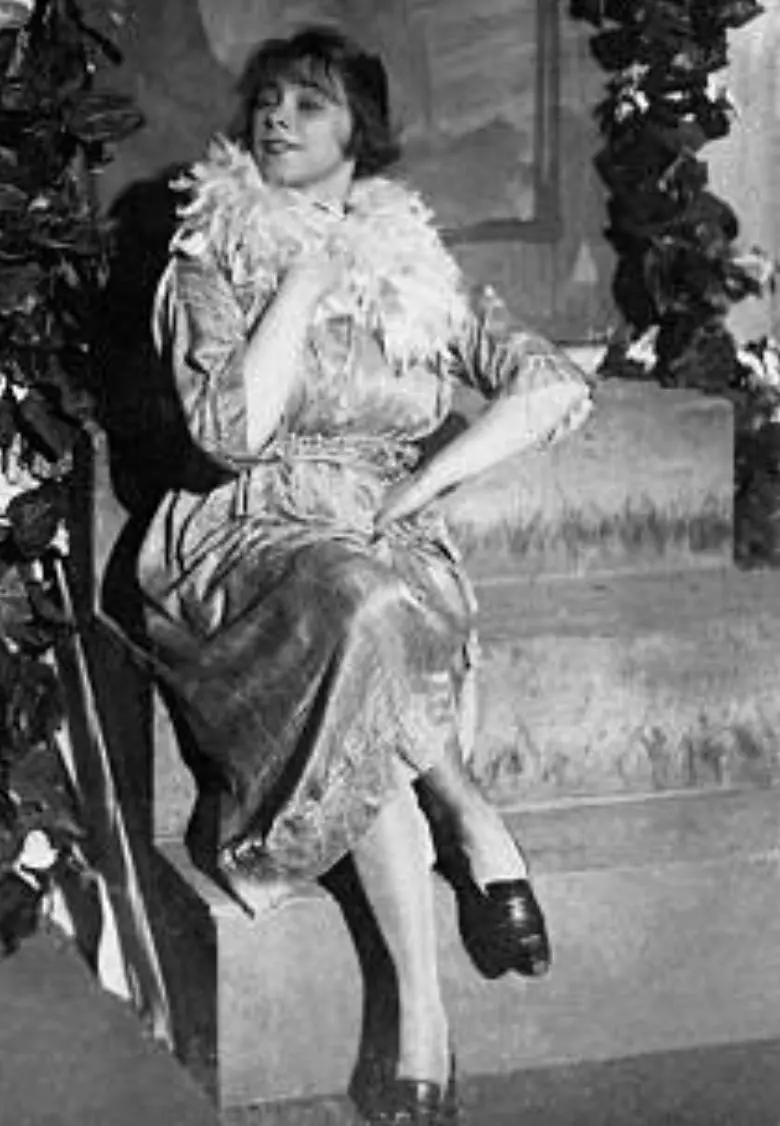
During the French Revolution, Englishman Sir Percy Blakeney is considered to be a terrible fop, completely unaware of the seriousness of the political situation abroad. In reality, Sir Percy is a hero to the French aristocrats and is known as "The Scarlet Pimpernel." His wife, Lady Marguerite, shares the opinion of most that Sir Percy is useless, until his heroism is proven when she discovers his secret identity. In Calais, Sir Percy is able to elude Chauvelin, a member of the new French government, even though Chauvelin threatens the safety of Lady Marguerite's brother, Armand St. Just. Lady Marguerite goes to Calais to aid her husband, and they finally are able to escape on a ship bound for England, assured of their love for each other.
View Details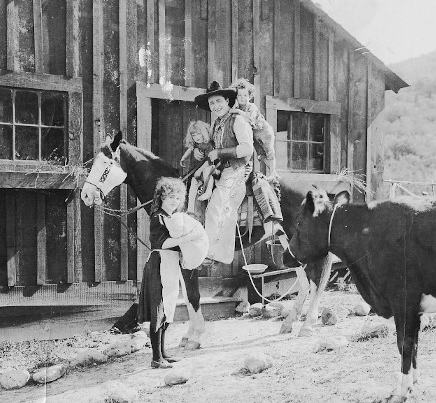
Dir: Richard Stanton
While out on a plundering expedition, outlaw Dick Durand comes upon a band of Indians attacking a group of settlers. Dick opens fire on the Indians, but before he forces them to flee, they kill everyone except three children and Durand himself. Durand places the children in the care of Molly Gore, who does not suspect that the kind horseman is actually the outlaw being blamed for the massacre. Although he knows that the sheriff is in close pursuit, Dick stops to rescue a girl who has been kidnapped by the Indians. After he returns her to her father, the sheriff takes Durand prisoner. However, unknown to Durand, the girl he has saved is the governor's daughter, and the executive, urged on by Molly, intercedes and pardons the outlaw, who then settles down to a peaceful life with Molly.
View Details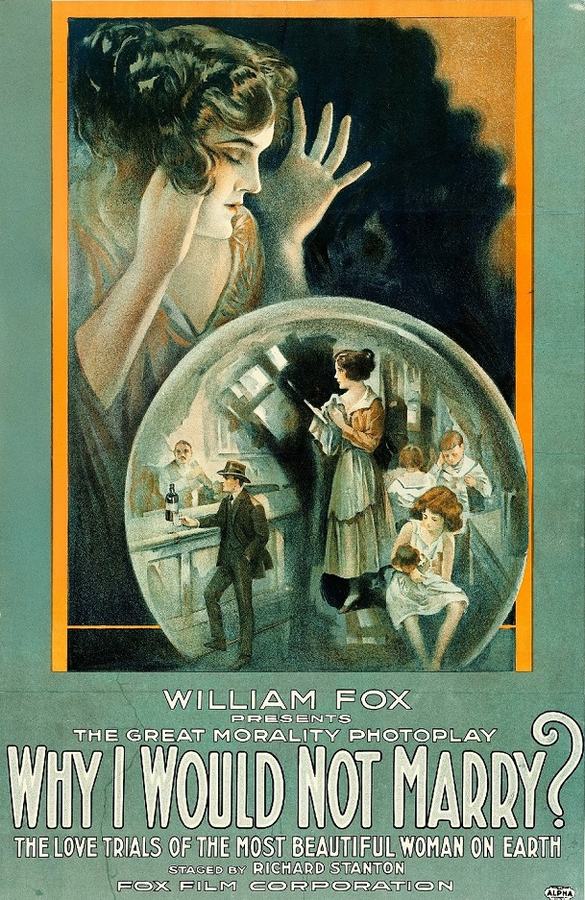
Dir: Richard Stanton
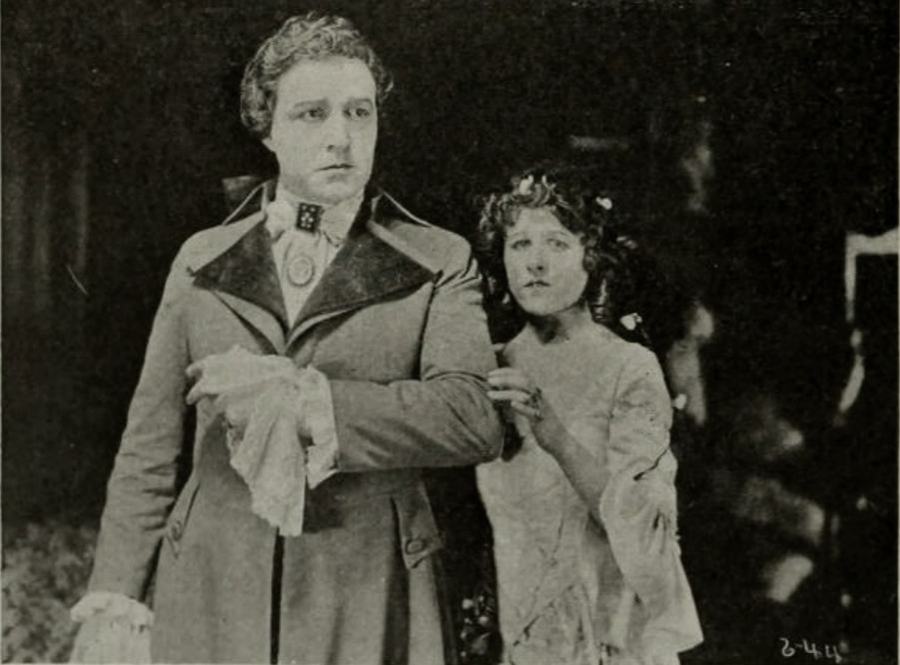
After four men have proposed to Adele Moore, a beautiful young woman whose father wishes her to marry for financial reasons, she is undecided as to the one she prefers and decides to consult a fortune teller. Gazing into the crystal ball, Adele witnesses an enactment of the life she would lead with each one of them and is shocked to find every marriage ending in heartache. The lawyer proves faithless, the banker steals money, the doctor neglects her, and the poor clerk suggests that she sacrifice her honor to his threatening employer. Dismissing all of them, Adele moves to Vermont and opens a store. Business is slow until a passing salesman assumes management of the store and transforms it into a booming success. Happy at last, Adele agrees to marry him.
View Details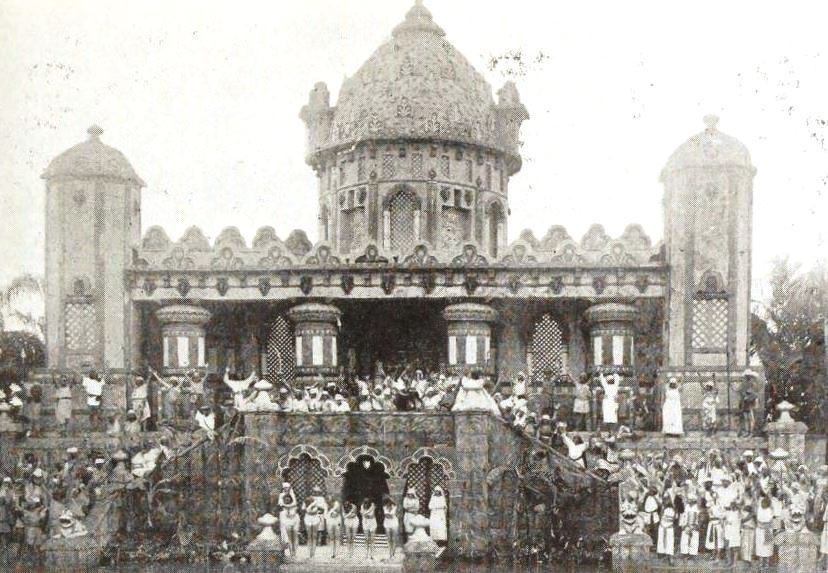
Dir: Richard Stanton
New York City: Dashing, debonair, but not-very-rich Robert Morgan (William Farnum) wants love and is determined to get it. He lives with and takes care of his aged mother (Sara Alexander). Beautiful Mary Lamar (Anna Luther) wants him anyway, but there are two problems. First, she's a wealthy society girl, and her mother (Anna Schaeffer) is afraid that he will not be able to support her. Also, unbeknownst to Morgan, Mary has a wealthy suitor, devious Philip Garson (Lyster Chambers), her mother's choice. Garson is aware of Mary's feelings toward Morgan. New York City: Garson meets and befriends Morgan, who tells him of his desire to see the jungle. Garson convinces Morgan that he could make money getting African tiger skins for him, and entices him with a story of an enormous tiger which, it was said, could not be captured. Garson promises a $50,000 reward for that tiger, and agrees to finance Morgan's trip to Africa. Morgan decides to go, and Garson assigns two guides to go with him. A Zulu Village: In Africa, Morgan uses a Zulu Village as his base camp. Before he arrives the guides, on Garson's order, conspire with several of the Zulus to kill Morgan. First, while he sleeps, a guide slips a rattlesnake into his bunk. He awakes and kills the snake. Then, a large party of Zulu hunters (Miami residents dressed in leopard skins) arrive, stating that they have seen the tiger in the nearby forest. Morgan follows them, and soon needs to run for his life as they attempt to kill him. In the forest, he drops a lucky charm that is picked up by a guide. Morgan is led back to the village and he barricades himself in one of the huts. Surrounded by about 20 natives throwing spears, he defends himself with his automatic rifle. Soon out of ammunition, the hut is set afire. Morgan runs, wading through a pool of alligators, and escapes. The Hindu Temple - Exhausted, Morgan collapses on the shore of a fantastic village never-before seen by Europeans. He is discovered by Wanada (Anna Lehr), a temple virgin, and brought to her father, the high priest. Seems their people had never seen a white man. Wanada befriends Morgan, and this enrages Haja (George Stone), her lover. He convinces the villagers to burn Morgan at the stake as an infidel. Morgan pulls out the stake, avoids poisonous fumes, and saves himself. Impressed by this feat of strength, they make him a god and give him free reign of the temple. The Hindu Village: Morgan is challenged by the village strongman Ebano (G. Raymond Nye). Surrounded by cheering villagers, Morgan throws Ebano into the water. Now living at the temple and homesick, Morgan confides in Wanada, telling her of his love for Mary and for his mother in America. Desperate for money, he and Wanada steal the jewels at the foot of the statue of the god of war. Haja sees them, and Morgan upsets the war god statue, crushing Haja. Morgan and Wanada then quietly walk away from the village. New York: Back home, Morgan discovers that while he was away, Garson had shown his mother the lucky charm that the guide had found in Africa, and told her that he had died. She then died of grief. Morgan vows revenge on Garson. With Wanada's help, he disguises himself as a fortune teller and, in a session with Garson and the still-grieving Mary, he tells them that Morgan is still alive. When Garson doubts that, Morgan reveals himself, and threatens to kill Garson. Wanada intervenes, and instead forces Garson to agree to surrender himself. Morgan and Mary marry, and live happily ever after.
View Details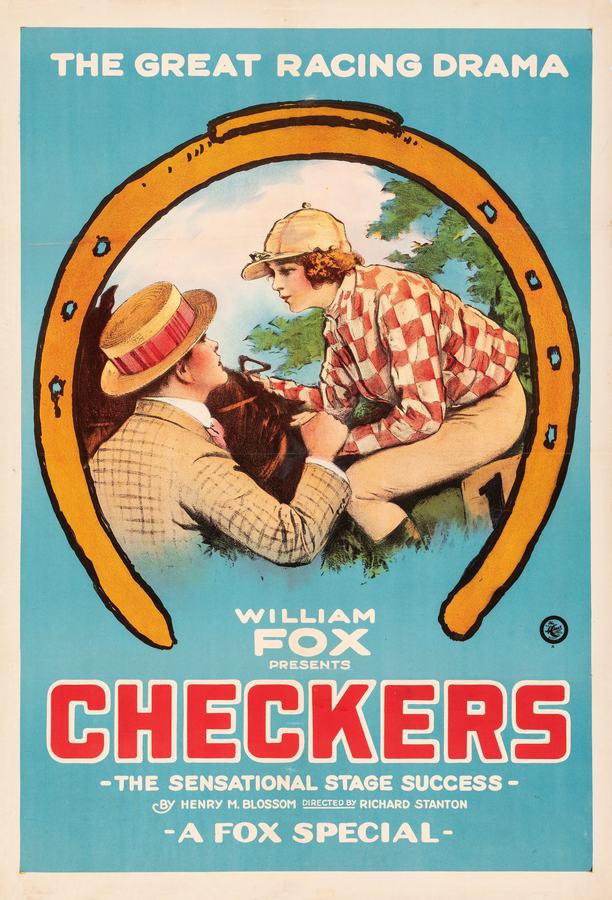
Dir: Richard Stanton
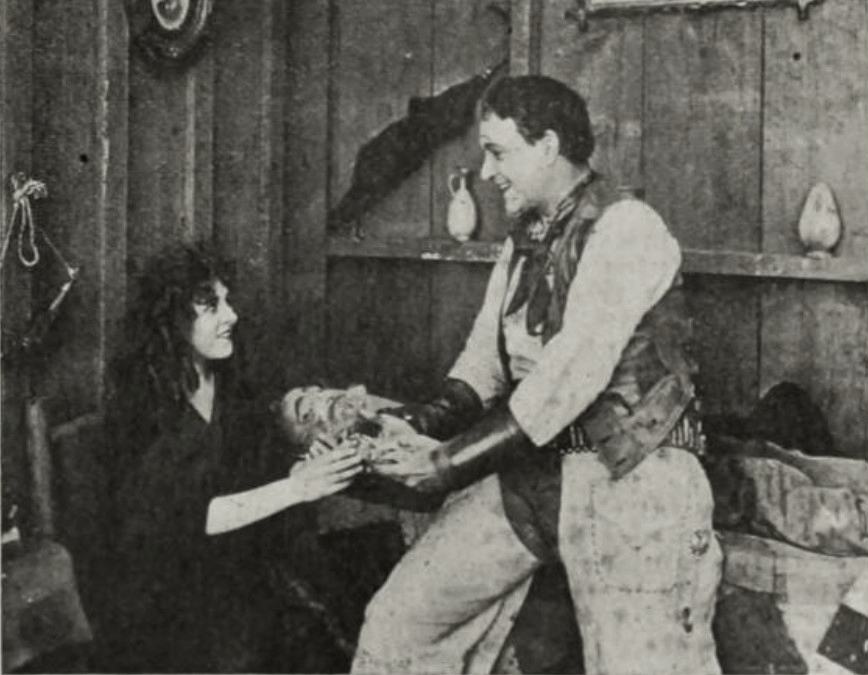
Edward Campbell, known as Checkers, is a racetrack tout. Determined to reform himself, he foreswears gambling, but must take it up once more in order to save someone he loves from disaster.
View Details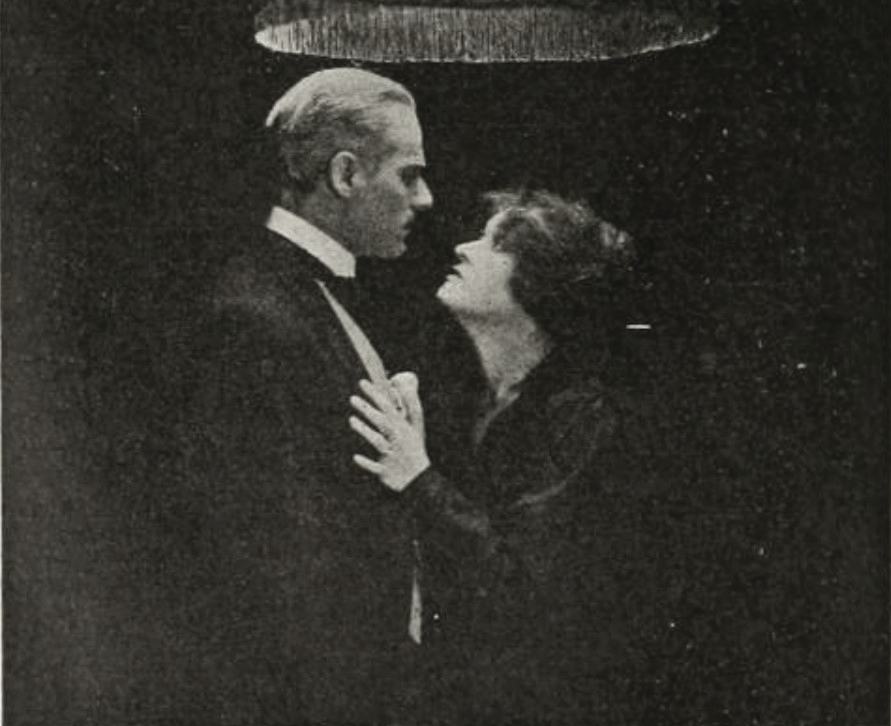
Dir: Richard Stanton
Shirley Moreland, Born and raised in the lap of luxury, Shirley Moreland suddenly finds that she has not been living upon the income left to her by her late father, but upon the generosity of Ralph Stuart, a life-long friend of her father's. Discovering that it was her father's wish that she should marry the aged Stuart, Shirley consents, although she does not love him. Soon after, she encounters Gerald Halsted, her former sweetheart, and the old love is rekindled. With the power of hypnotism, Halsted forces Shirley to disobey her marriage vows and poison her husband. She does so, and after the reading of the will in which Stuart leaves the bulk of his estate to Shirley's sister Helen, Halsted forsakes Shirley for her sister. As the marriage ceremony is about to take place, Walton Maynard, a young doctor who understands hypnotic powers, forces Halsted to confess to the crime and thus frees Helen from the fate that befell her sister.
View Details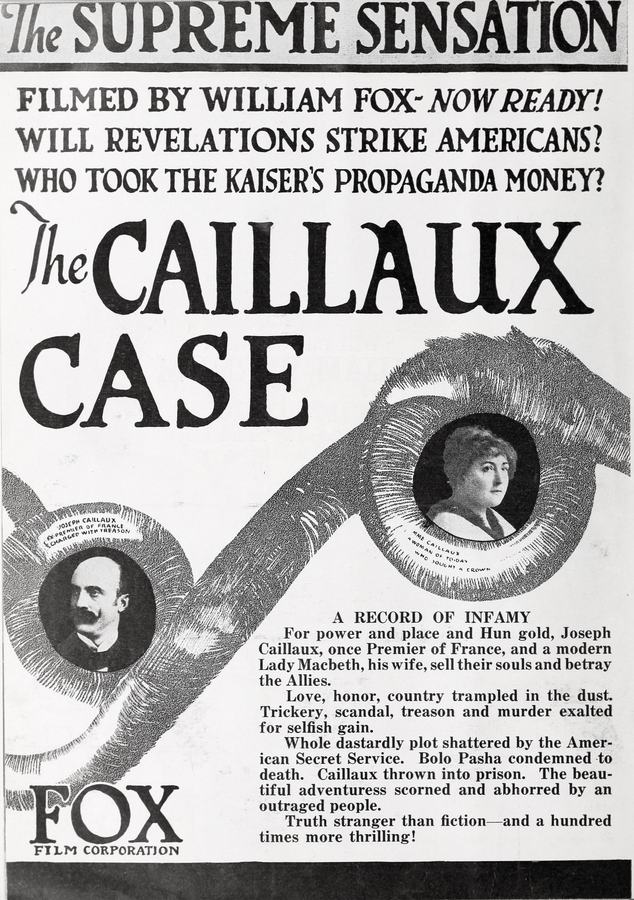
Dir: Richard Stanton
Based on an international scandal that hit prewar France, when the editor of the Paris daily LE FIGARO, Gaston Calmette was shot to death by Madame Caillaux, wife of the Minister of Finance for his exposè of her husband's traitorous activities on behalf of Germany. A sensational trial afterward revealed the extent of the Caillaux spy ring's infiltration of the French government.
View DetailsAnalysis relative to Thunderclap
| Film Title | Atmosphere | Complexity | Similarity |
|---|---|---|---|
| North of Fifty-Three | Tense | High | 91% Match |
| Why America Will Win | Gritty | Abstract | 95% Match |
| Eva, wo bist du? | Gothic | Dense | 86% Match |
| The Scarlet Pimpernel | Surreal | Abstract | 89% Match |
| Durand of the Bad Lands | Gothic | High | 89% Match |
This guide was algorithmically generated using the cinematic metadata of Richard Stanton's archive. Last updated: 6/26/2026.
Back to Thunderclap Details →