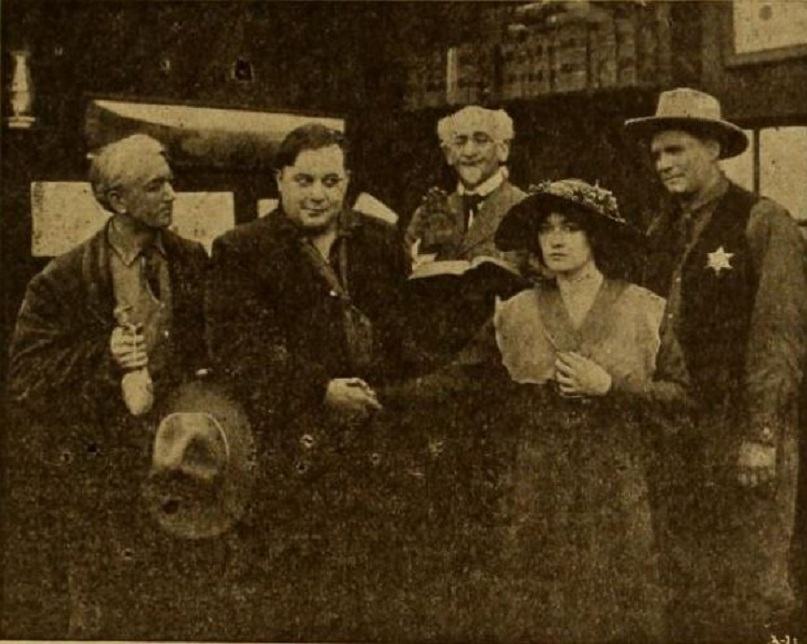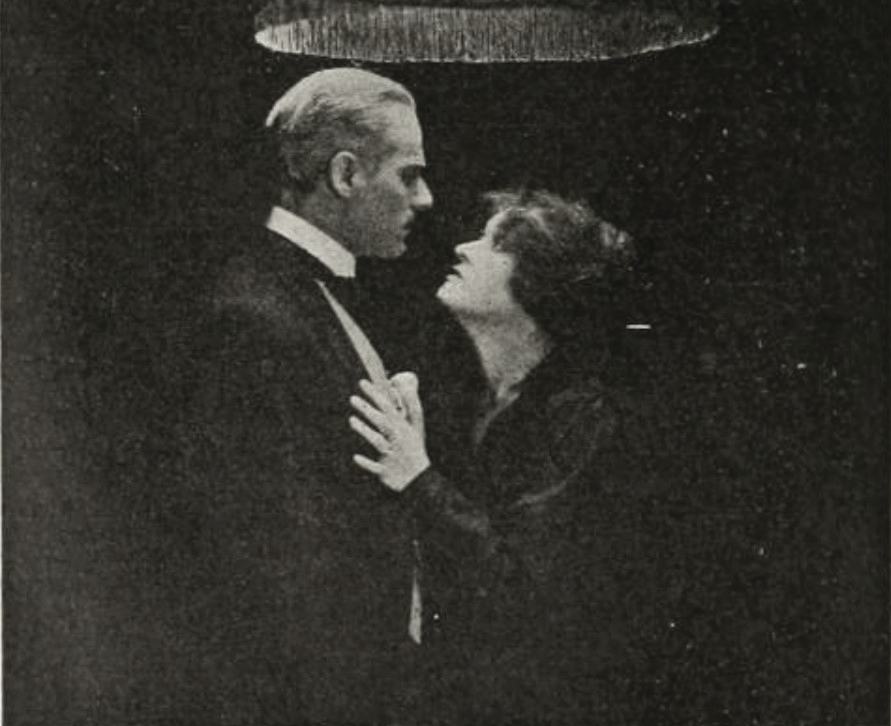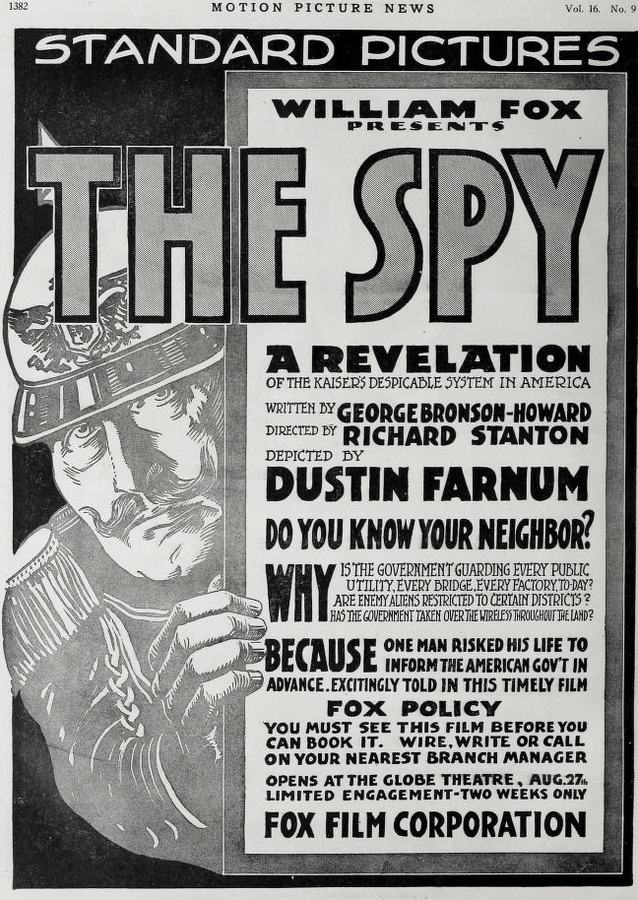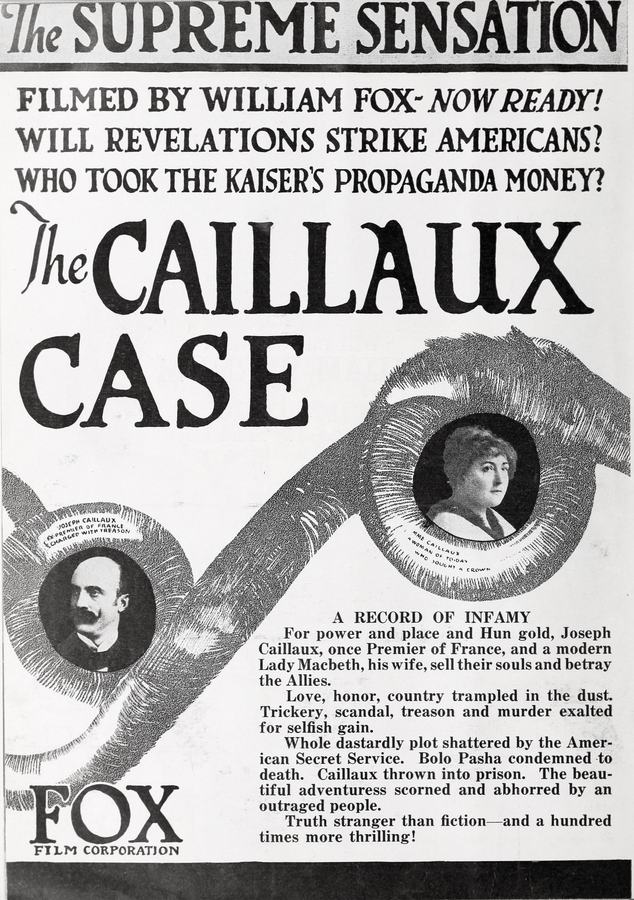
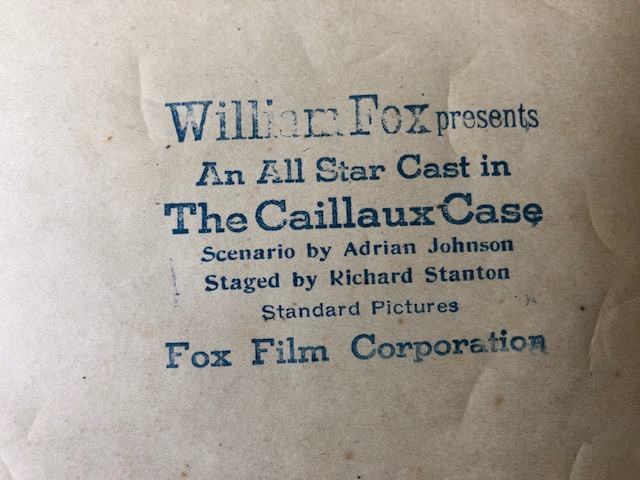
Based on an international scandal that hit prewar France, when the editor of the Paris daily LE FIGARO, Gaston Calmette was shot to death by Madame Caillaux, wife of the Minister of Finance for his exposè of her husband's traitorous activities on behalf of Germany. A sensational trial afterward revealed the extent of the Caillaux spy ring's infiltration of the French government.
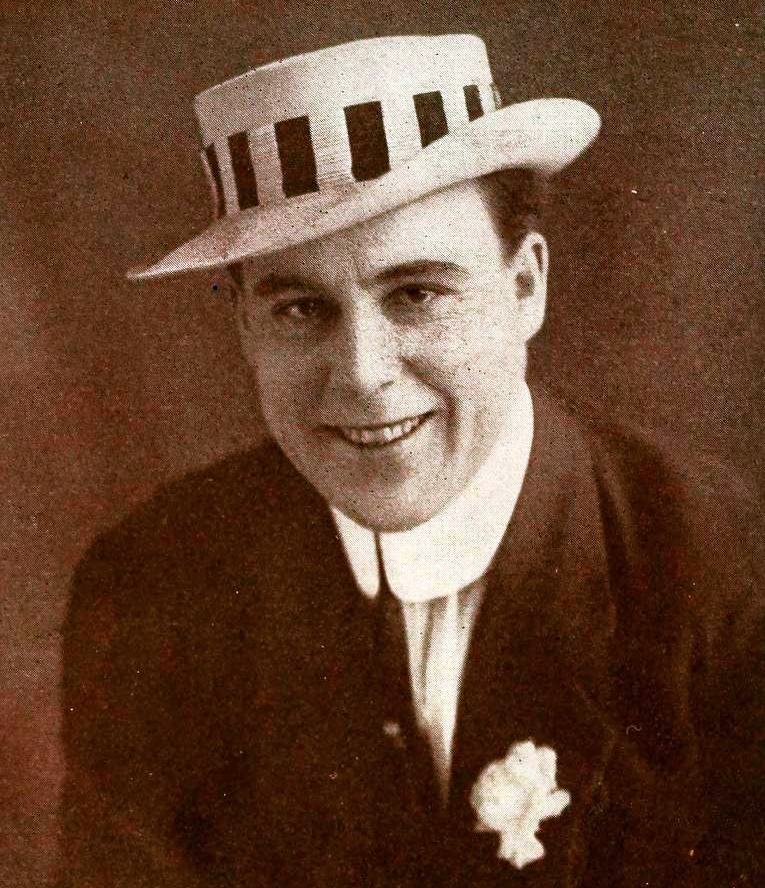
Adrian Johnson
United States
p{margin:0 0 1.2rem} blockquote{margin:2rem 0;padding:1rem 2rem;border-left:4px solid #EAB308;font-style:italic;color:#EAB308;background:rgba(234,179,8,.08)} a{color:#0E7490;text-decoration:none;border-bottom:1px dotted #0E7490} a:hover{color:#C2410C;border-color:#C2410C} h2{color:#C2410C;font-size:1.4rem;margin:2.5r...
publicity
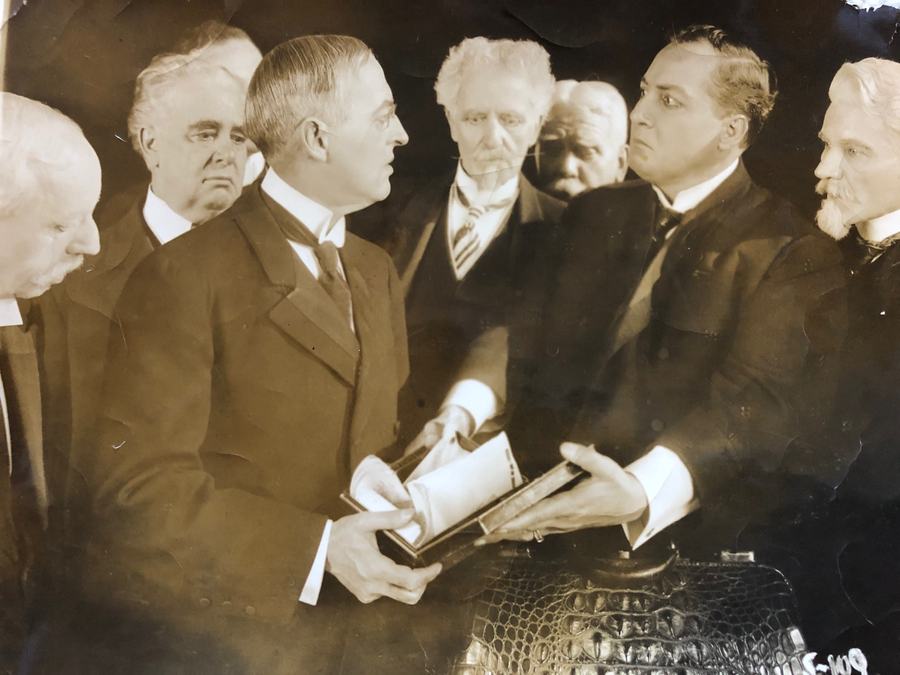
publicity
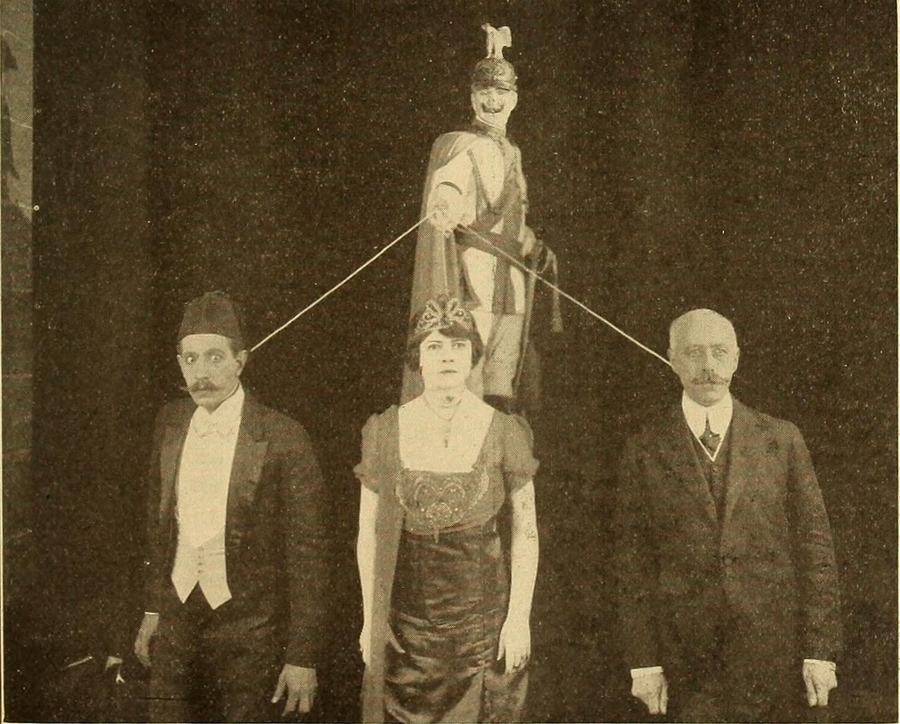
publicity
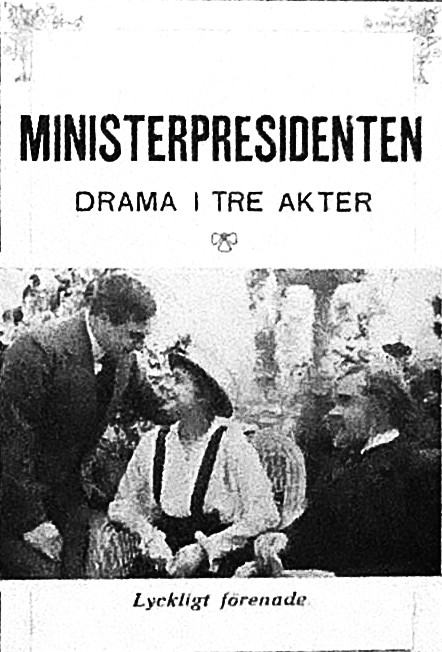
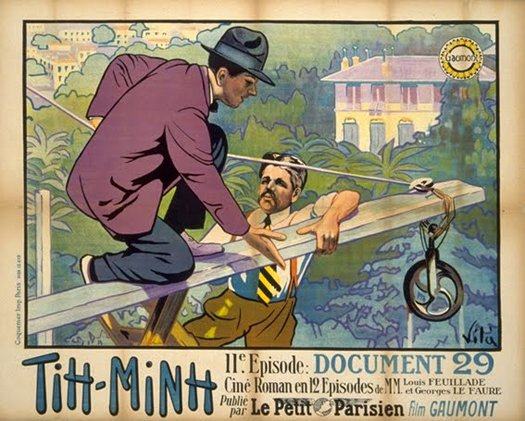
Comparing the cinematic DNA and archive impact of two defining moments in cult history.
Richard Stanton

Richard Stanton
Community
Log in to comment.
" p{margin:0 0 1.2rem} blockquote{margin:2rem 0;padding:1rem 2rem;border-left:4px solid #EAB308;font-style:italic;color:#EAB308;background:rgba(234,179,8,.08)} a{color:#0E7490;text-decoration:none;border-bottom:1px dotted #0E7490} a:hover{color:#C2410C;border-color:#C2410C} h2{color:#C2410C;font-size:1.4rem;margin:2.5rem 0 1rem;letter-spacing:.5px} h3{color:#EAB308;font-size:1.1rem;margin:1.8rem 0 .8rem} ul{list-style:square inside;margin:1rem 0 1.5rem} li{margin:.4rem 0} Celluloid ghosts seld..."

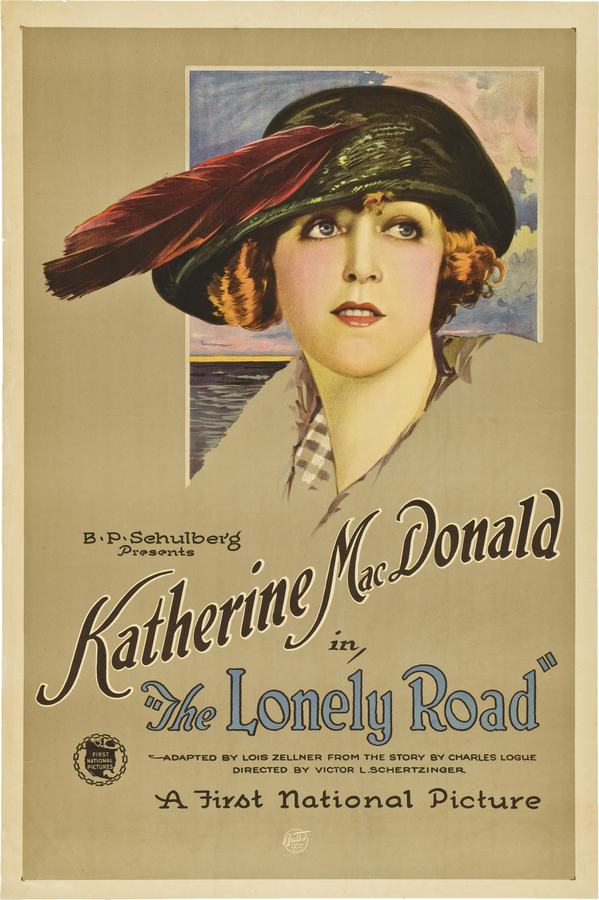
Deep dive into the cult classic
Discover similar cinematic experiences
A Directorial Spotlight on Richard Stanton