
DbcultAccessing Vault...
Recommendations
Senior Film Conservator
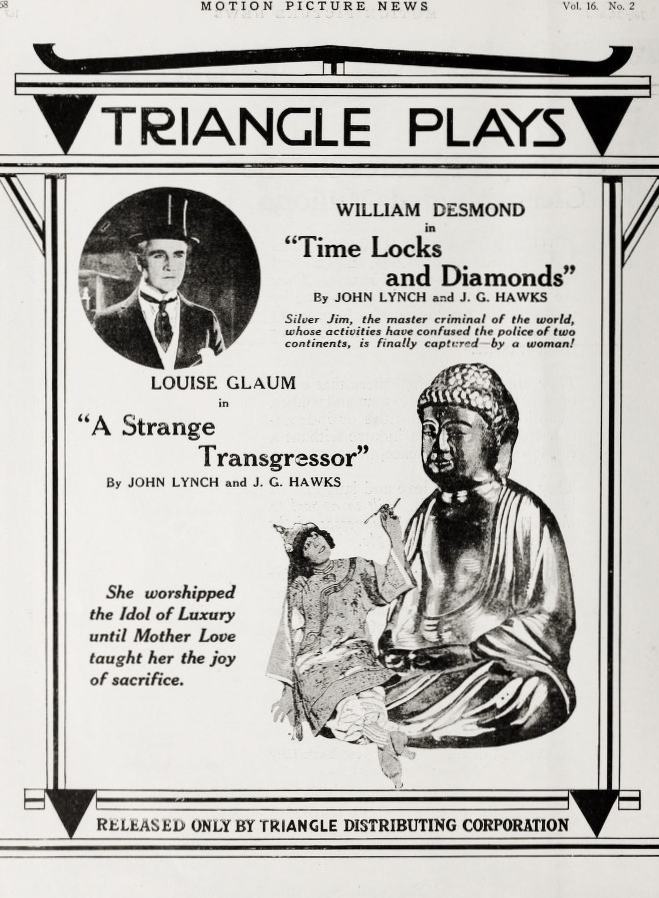
Navigating the complex narrative architecture of Time Locks and Diamonds is a artistic bravery experience, the emotional payoff of the 1917 classic is what fans crave in similar titles. The following gems are essential viewing for anyone captivated by Time Locks and Diamonds.
The artistic audacity of Time Locks and Diamonds ensures it to define the very concept of artistic bravery in modern film.
After years on the international crime circuit, "Silver Jim" Farrel shares a comfortable and honest suburban life with Marjory, his sister, until word comes that an old friend from his thieving days is in desperate need of cash. To save his bankrupt friend from jail, Jim reluctantly executes a jewel heist, being careful not to involve Marjory or his sweetheart, who know nothing of his past, in the scheme. When Edgar Seymour, the son of the robbed jeweler, attends Marjory's wedding, Jim prevents him from exposing him on the spot only by jabbing a gun into his back during the proceedings. After the ceremony, Jim returns the jewels as promised, avoiding reprisals from the senior Seymour by reminding him of the time when he swindled Jim and caused him to serve time in prison for someone else's crime. With the help of a sliding trick door and a conveniently placed safe, "Silver Jim" escapes police detection and returns to his quiet, honest existence.
The influence of Walter Edwards in Time Locks and Diamonds can be felt in the way modern cult films handle artistic bravery. From the specific lighting choices to the pacing, this 1917 release set a high bar for atmospheric immersion.
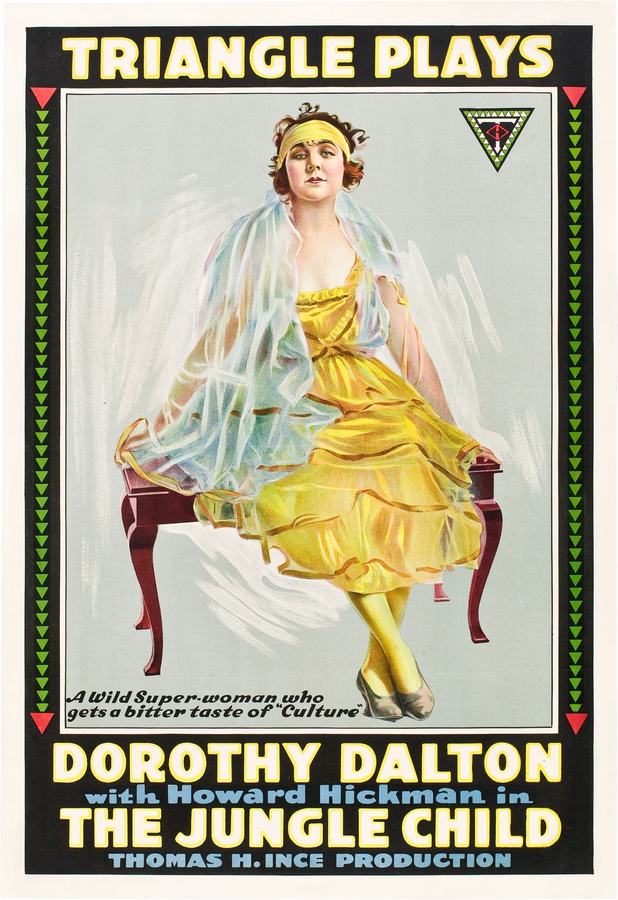
Based on the unique artistic bravery of Time Locks and Diamonds, our vault has identified these titles as the most compelling follow-up experiences for fans of cult cinema:
Dir: Walter Edwards
After her family dies in the jungle, Ollante is raised by Brazilian Indians, and, from her rugged lifestyle, she grows into a woman of uncommon strength and courage. Then, she rescues Ridgeway Webb, an explorer lost in the wilderness, and he soon discovers, through papers left on Ollante by her parents, that she is worth a fortune. As a result, the unscrupulous Ridgeway starts courting Ollante, and after she has fallen in love with him, he marries her and brings her to New York. At a society party, however, which Ridgeway turns into a drunken orgy, Ollante hears her husband boast of his cunning in catching a millionaire for a wife. Suddenly aware of his motives, Ollante takes off her American high society outfit, puts on her jungle costume, and strangles Ridgeway.
View Details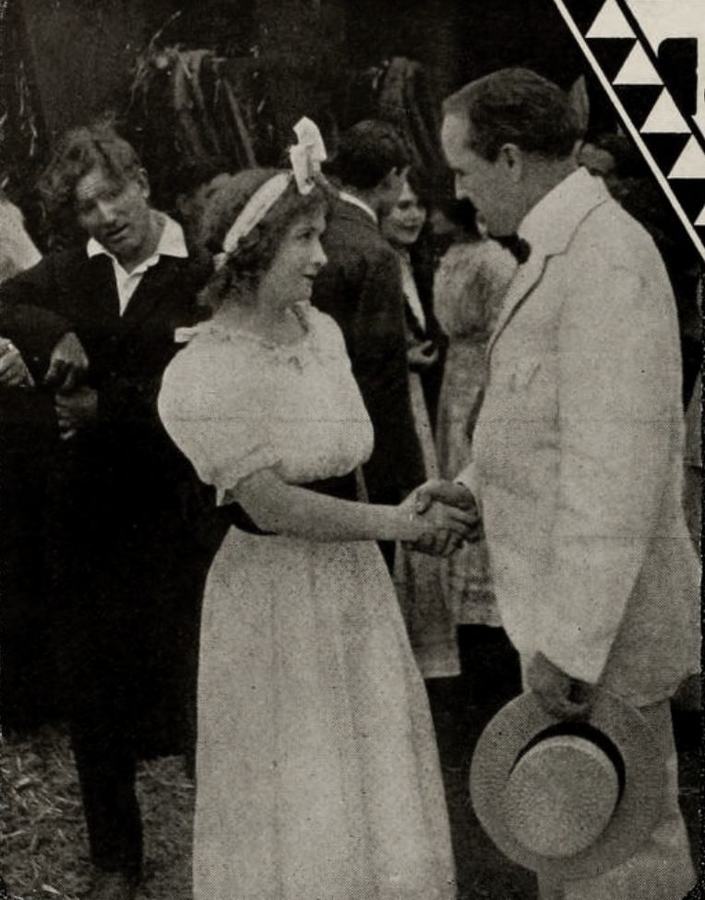
Dir: Walter Edwards
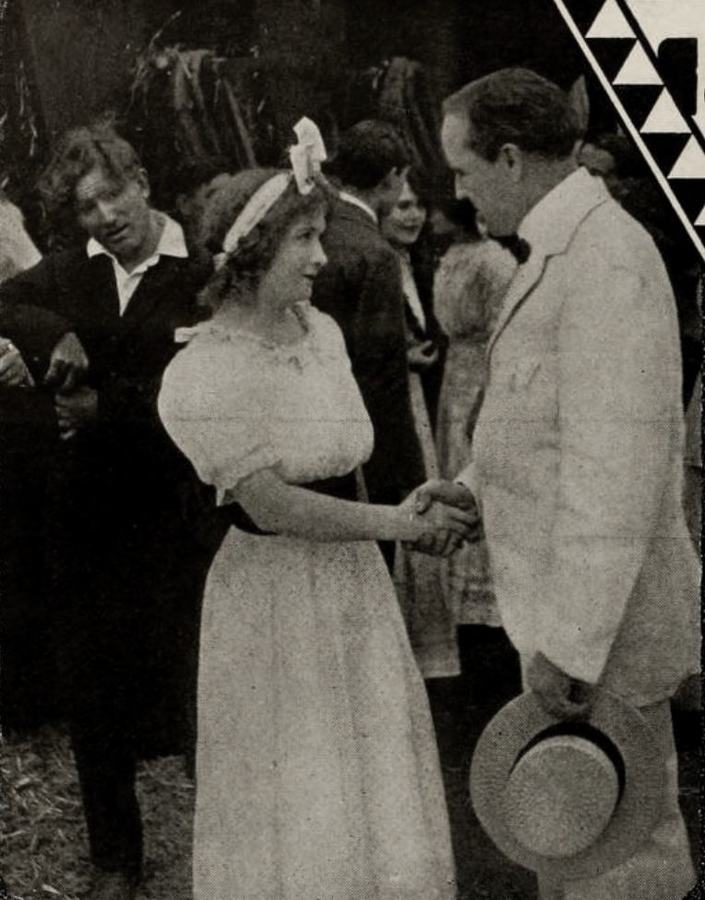
After building a financial empire, Frederick Mallery feels chained to his wife Winnie, who stood by him during the years of poverty. As a result, he offers Warren Woods, a down-and-out former playboy, $50,000 to seduce Winnie, so that he will have an excuse for a divorce. Warren works hard at his job, but instead of weakening Winnie's devotion to Frederick, he himself falls in love with her. Needing the money, however, he boasts to Frederick of having seduced Winnie. Suddenly, Frederick becomes jealous, and after calling off the deal with Warren, he goes to Winnie and tells her that he loves her.
View Details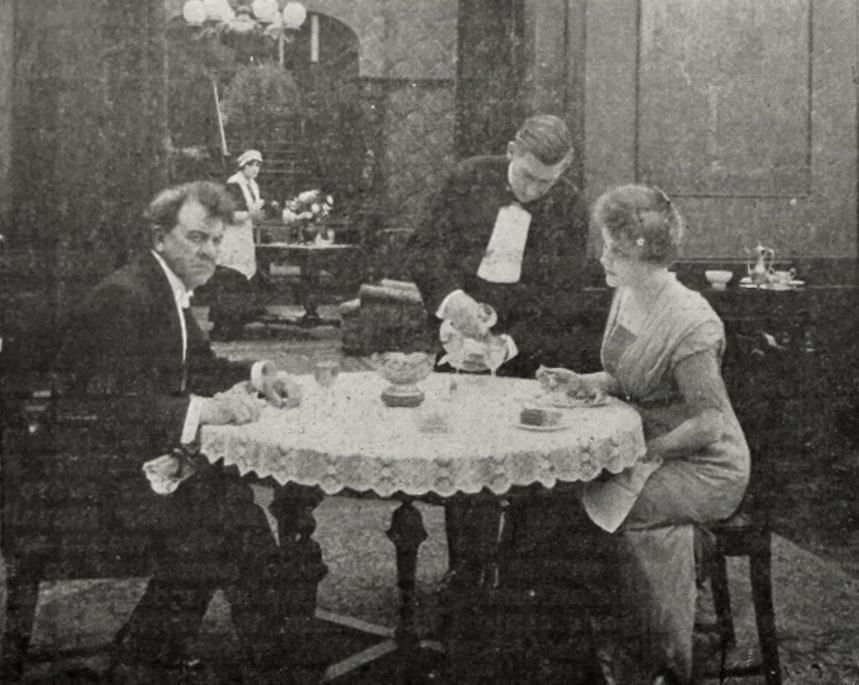
Dir: Walter Edwards
David Waltham is the head of a syndicate, which corners the food supply. His wife hears of her husband's operation and begs him to consider the poor, who will be unable to pay the prices that his monopoly will exact. He is merciless, however. Among those who suffer from Waltham's efforts is an engineer named John Adams. The bank in which his small funds are deposited undergoes a "run" and he loses all his money. He has previously lost his job. The Adams family is reduced to starvation and finally Adams in desperation breaks a window in a bakery and gets away with an armful of bread. He is arrested and is sent up to the workhouse for thirty days. The rent collector comes around, but Mrs. Adams is unable to pay him anything though she slaves over the washboard and her two children assist her. Seeing that the woman is beautiful, the collector gives her some money, telling her to buy her children and herself a square meal. She reluctantly accepts his gift. Little by little she descends until she even appears in a low dance hall with the man. John Adams returns from jail and goes to his humble rooms. There he finds his children in bed. Finally his wife appears in beautiful and expensive clothes. She appears disgusted with the life she leads and wipes the paint off her lips with loathing. Then she suddenly sees her husband, who is staring at her as if in a trance. She is almost hysterical from fright. He grasps her wrists roughly and demands an explanation. She tells him that she has done it for the children's sake. This plea saves her life, but the soul of John Adams is filled with bitterness. Widespread suffering and destitution prevail and bread lines are everywhere in the poorer quarters of the great city. Men and women practice deception to get a little more bread and some get into fights overcome by their own and their children's sufferings. Three desperate men invade the sanctum of David Waltham, but are quelled by his masterful manner and slink away impotently when he tells them that he will call the police if they are not gone in a minute. John Adams gets a job in Waltham's big storage house. A fellow worker points out Waltham to Adams and the latter's rage against the big monopolist is aroused to a high pitch of fury as he thinks of his wife's degradation. Adams blames it all on Waltham. That night he secrets himself in the big warehouse and telephones to Waltham saying that the police are down there, having heard of a secret plan on the part of some of the starving populace to destroy the place. He tells Waltham to leave his auto a block or two away from the building, when he comes, to avoid suspicion. Adams gets Waltham in the building and securely ties him and then leaves him to starve. That he may not be found, Adams surrounds the magnate with a big pile of boxes. In his struggles to free himself, Waltham upsets the towering piles of boxes and they topple over completely burying him.
View Details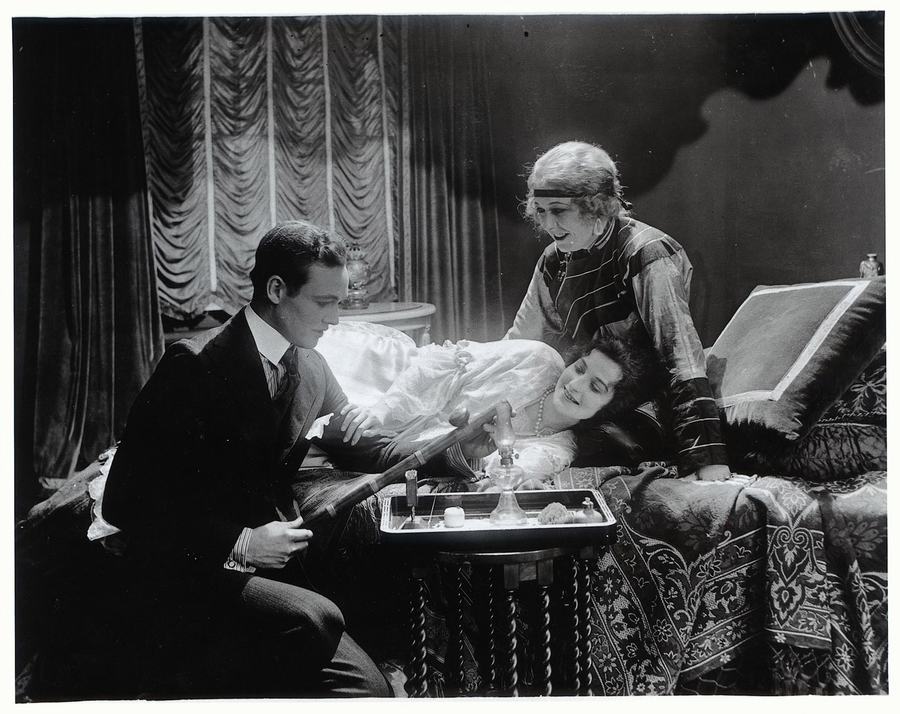
Dir: Walter Edwards
Wealthy John Steele has a handsome young son, Frank, on whom he pins his hopes. But riches lead Frank not into social standing and duty, but into depravity, drug-addiction, criminal activity, and finally to tragedy.
View Details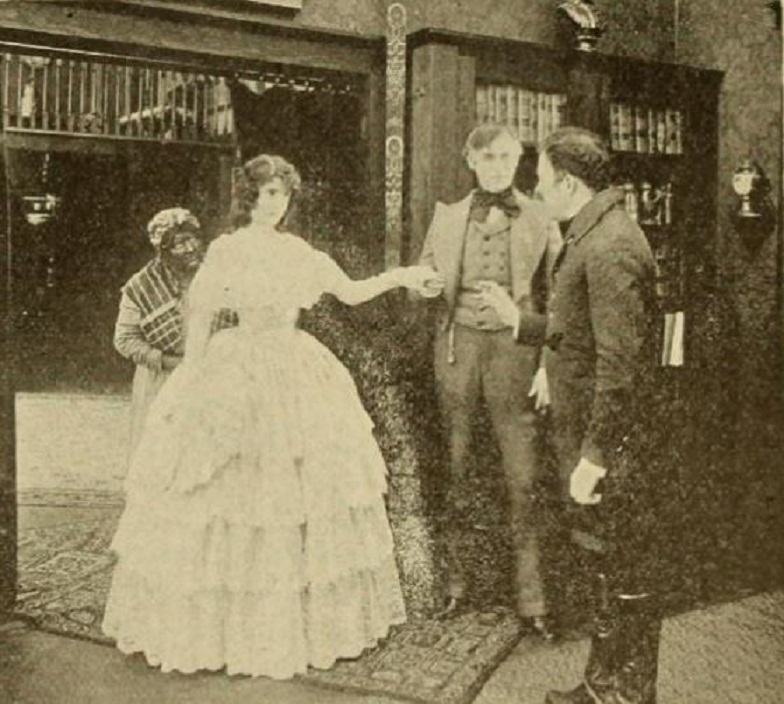
Dir: Walter Edwards
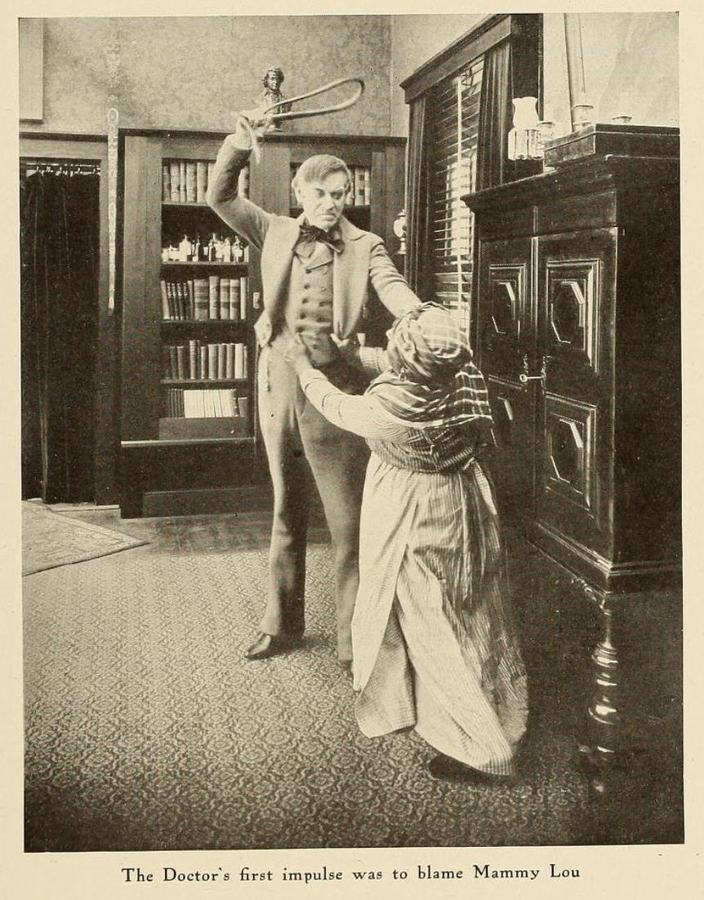
Dr. Dudley Duprez is a well-known Louisiana physician. His beautiful but wayward niece, Rose Duprez, is abducted by Paul Crenshaw, a friend of the doctor, and to prevent her shame from becoming known, Rose kills herself. Dr. Duprez learns her secret and determines to make Crenshaw expiate his crime. While traveling on a Mississippi River steamer, the doctor wins Mercedes, a beautiful slave, at cards. He takes her home and, passing her off as a distant relative, arranges it so that Crenshaw falls in love with the girl. A wedding is arranged, and immediately after the ceremony Dr. Duprez announces to the assembled guests that Mercedes is a slave and that he considers he has punished Crenshaw sufficiently by making him the husband of a "nigger." A yellow fever epidemic breaks out shortly after, and Crenshaw is shot when attempting to evade the quarantine. Dr. Duprez is told by a dying overseer from the plantation where Mercedes was born that the girl is of Spanish and American ancestry, without a drop of negro blood in her veins, and was made a slave through a conspiracy. The doctor returns home, confesses his wrong to Mercedes and is forgiven by her. In the end they are married.
View Details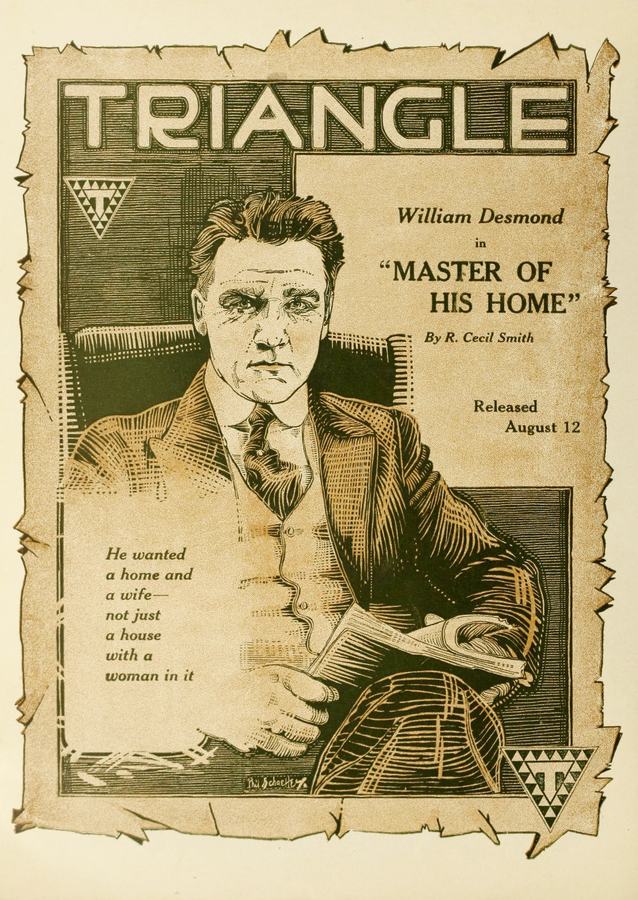
Dir: Walter Edwards
Millicent Drake's mother, a woman of social ambitions, has decided that her daughter should marry the socially prominent Van Tyle. Millicent thwarts her mother's plans, however, when on a visit to Van Tyle's mountain lodge, she meets gold miner Carson Stewart and falls in love. Soon after, Stewart comes East to see Millicent and the two are married. Marital discord is injected by Mrs. Drake, who attempts to convince her daughter not to give Stewart the child he so desires. Upon learning that his wife is pregnant and his mother-in-law is advocating an abortion, Stewart leaves home in disgust. Millicent, finally realizing the error of her ways, follows her husband out West with the new addition to their family, and a reconciliation is effected.
View Details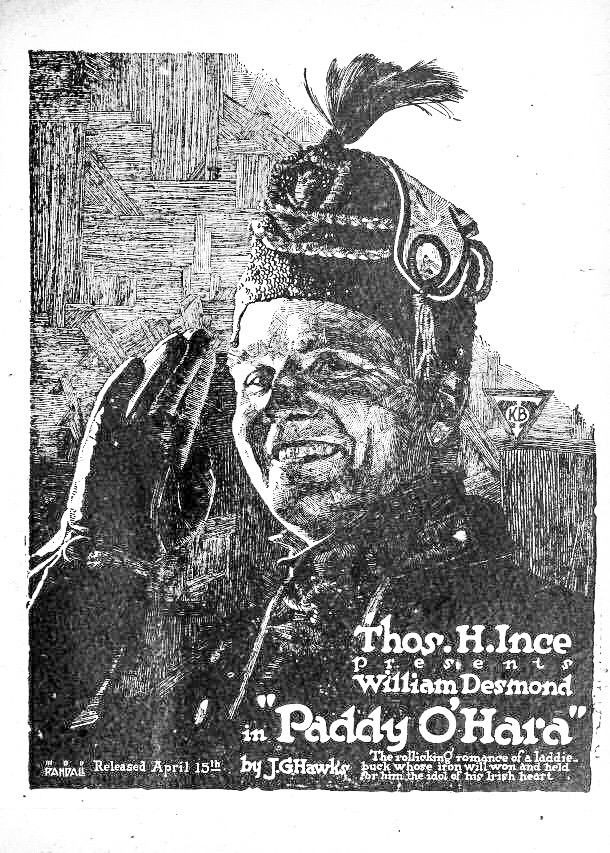
Dir: Walter Edwards
Paddy O'Hara is the star reporter on the London Blade. Rumors of impending warfare between two Balkan principalities reach London, and Paddy is dispatched to the seat of action. Before leaving he comes across the photograph of a military officer. Count Ivan of Darbaya, and his niece, the Lady Maryska. Two weeks later Paddy reaches Tarozza, the seaport capital of Ideria, and finds that the army there is preparing to invade Darbaya. While waiting at Tarozza he forms the acquaintance of a Captain Raoul du Plessis, of the Iderian Huzzars. Raoul is charged with an important mission to Darbaya, and carries on his person documents to be delivered at headquarters. In order to obtain these and delay the Captain's departure, a spy insults him and forces a duel. Du Plessis, who chooses Paddy secretly transfer the documents to Paddy, who leave Tarozza disguised in the uniform of Captain Raoul. Although the spies are hot on his trail, Paddy reaches a castle perched high on the cliffs of Darbaya. The castle is deserted, as its men folk are fighting in the valley and its women have been sent away to a place of safety. One inmate alone is left, the Lady Maryska, the girl of his dreams. Maryska sees in Paddy an intruder in the hated uniform of Ideria and treats him with scorn. At the time of the meeting the Iderians are sweeping all before them, and Colonel Ivan retreats to the castle. The Colonel's one anxiety is to get his niece away from the danger zone. As the castle is about to fall into the hands of the enemy, the only way to escape is to place her in the care of Paddy. By a slight alteration, the passport is made to read Patrick O'Hara and wife. Circumstances make it imperative for Paddy to go through the marriage ceremony with Maryska, who only consents on the condition that she is to be freed from the marital yoke as soon as they reach safety. Passing through innumerable adventures and hardships the couple at last gain the frontier. Paddy sends his dispatch to the Blade and while dictating to the operator leaves Maryska asleep under shelter. The message sent, he returns just in time to see Maryska seized and borne away in an aeroplane by emissaries of the enemy. Paddy returns to London. When all hope is lost, he receives a summons to a foreign embassy, where a proposition is made to him to relinquish his wife in order that she may wed a great personage. He is assured that a divorce can easily be arranged and is offered a handsome monetary bribe and other considerations. O'Hara refuses the proposition, and his refusal is overheard by Maryska, who is hiding in the council chamber. Maryska has learned to love the gallant Irishman during the stormy days of battle and flight, and convinces him that the hurried wedding in the Balkans will stand good for all time.
View Details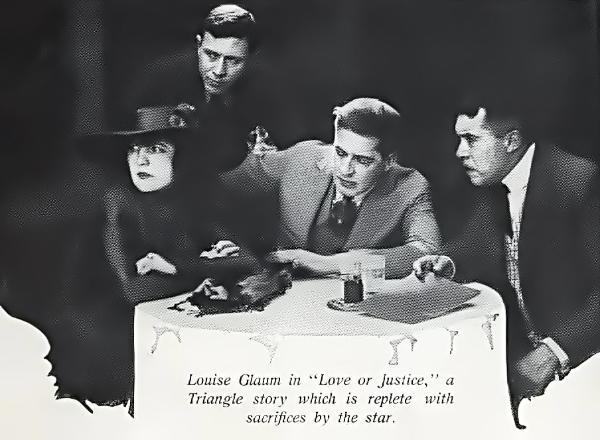
Dir: Walter Edwards
Promising young lawyer Jack Dunn becomes a victim of drugs and loses his standing in the legal world. He passes his idle hours in the slums where he meets underworld figure Nan Bishop, whose influence helps to make a man out of Dunn; with her help he breaks his dependence on drugs and is successful in obtaining a position as a criminal lawyer. Years later, they meet again in a courtroom: Nan has been falsely accused of murder and Dunn is the prosecuting attorney. Learning that Dunn's professional future depends on his winning the case, Nan pleads guilty, but at the last minute, the real criminal is discovered and Nan is cleared of the crime. She then accepts Dunn's offer of marriage and together they look forward to a happy future.
View Details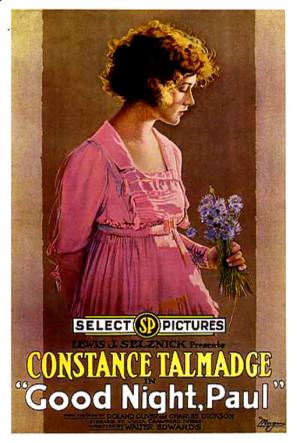
Dir: Walter Edwards
Paul Boudeaux shares lodgings with Richard Landers, his business partner, and Richard's young wife Matilda. Paul and Richard are in deep financial trouble, but when Paul's wealthy uncle, Batiste Boudeaux, comes to visit for a night, Matilda suddenly is inspired with a plan to save the business. Knowing that Uncle Batiste will give Paul $50,000 if the young man marries, Matilda introduces herself as Paul's wife, which greatly pleases the old bachelor. Complications arise, however, when Batiste decides to stay for a month, and the situation gets worse when early one morning, he sees Paul sleeping on the sofa and Richard stealing away from Matilda's room. Because Paul falls in love with Batiste's nurse Rose, the partners finally get their money, and even the old uncle gives up his bachelorhood by marrying fashion model Mme. Julie.
View Details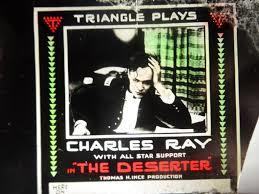
Dir: Walter Edwards
Parker, an Army lieutenant at a Western outpost, falls in love with Barbara Taylor, daughter of his commanding officer. But when Barbara rejects him, Parker fights with another soldier and deserts. An Indian attack gives him a chance to redeem himself.
View DetailsAnalysis relative to Time Locks and Diamonds
| Film Title | Atmosphere | Complexity | Similarity |
|---|---|---|---|
| The Jungle Child | Gothic | Abstract | 92% Match |
| Honor's Altar | Tense | Abstract | 98% Match |
| The Corner | Gothic | High | 97% Match |
| The Dividend | Gothic | Layered | 87% Match |
| The Bride of Hate | Surreal | Abstract | 89% Match |
This guide was algorithmically generated using the cinematic metadata of Walter Edwards's archive. Last updated: 6/24/2026.
Back to Time Locks and Diamonds Details →