Recommendations
Senior Film Conservator
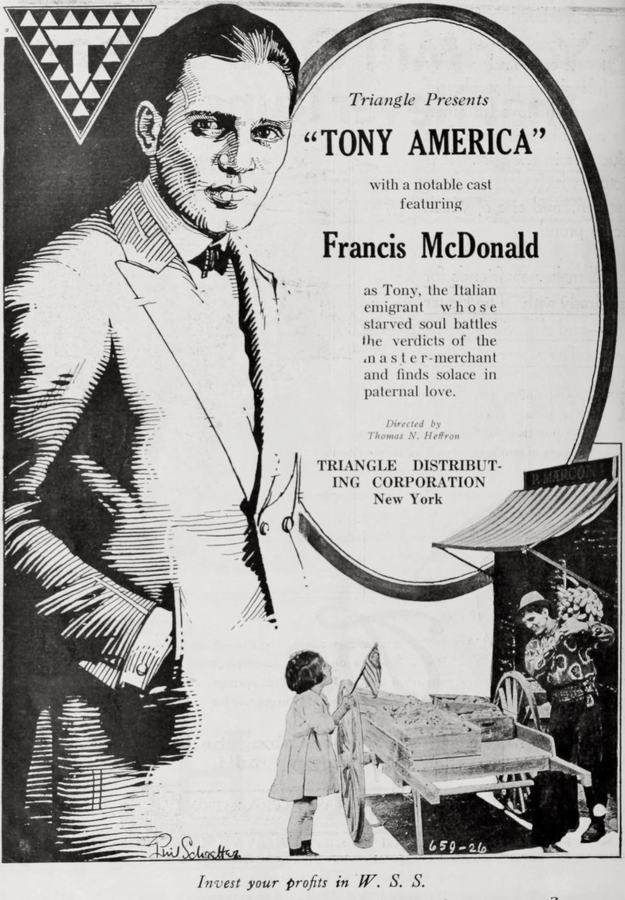
Witnessing the stylistic evolution of Thomas N. Heffron through Tony America is profound, audiences who connected with its message often look for similar thematic gravity. Each of these movies shares a piece of the cinematic excellence that made Tony America so special.
The synthesis of form and function in Tony America to establish Thomas N. Heffron as a true visionary of the 1918s.
Tony comes to America virtually the slave of his padrone, who holds him in debt for his passage money. But Rosa Picciano marries him to escape parental discipline and Tony hopes for freedom at last, but Rosa makes it plain that she does not love him. When the bambina comes, he lavishes all his love on little Giulia and is heartbroken when Rosa divorces him on a trumped-up charge and gains possession of the child. But Tony wins her back from her heartless mother and has her to thank that his hands are not stained with blood.
Tony America was a significant production in United States, bringing a unique perspective to the global stage. It continues to be a top recommendation for anyone studying cult history.
Based on the unique cinematic excellence of Tony America, our vault has identified these titles as the most compelling follow-up experiences for fans of cult cinema:
Dir: Thomas N. Heffron
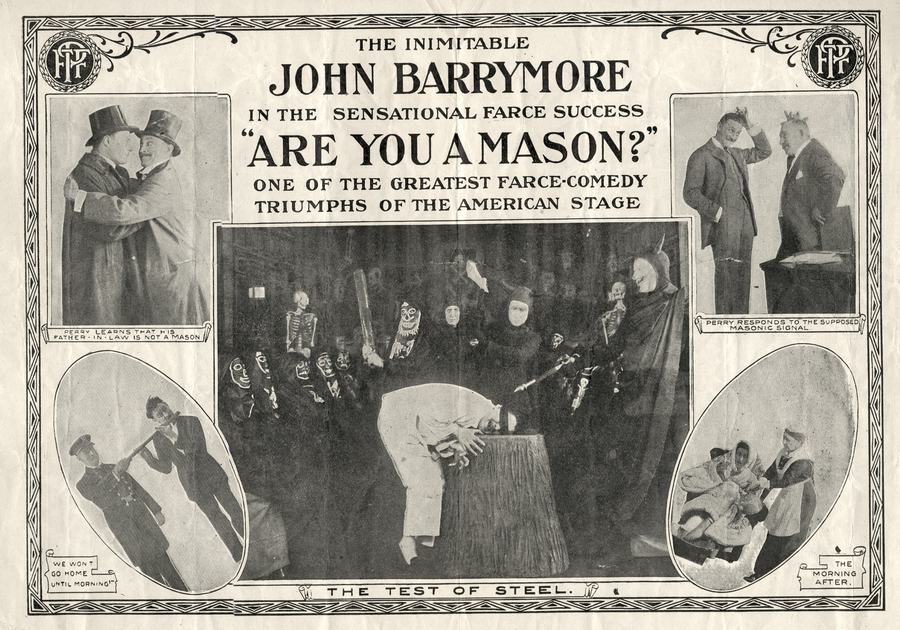
Frank Perry's wife Helen is away visiting her mother, and he uses this "free time" for a night of drinking at a nightclub. Unfortunately, when he tries to return home, he enters the wrong house and is nearly arrested When Helen comes back he tells her that the "incident" was actually an initiation rite of the Masons, knowing that his wife has always wanted him to join the group. She excitedly tells her father about Frank's becoming a Mason, since her father is also a Mason. What neither she nor Frank know is that her father has actually been doing the same thing Frank is--pretending to be a Mason when he actually isn't. Complications ensue.
View Details
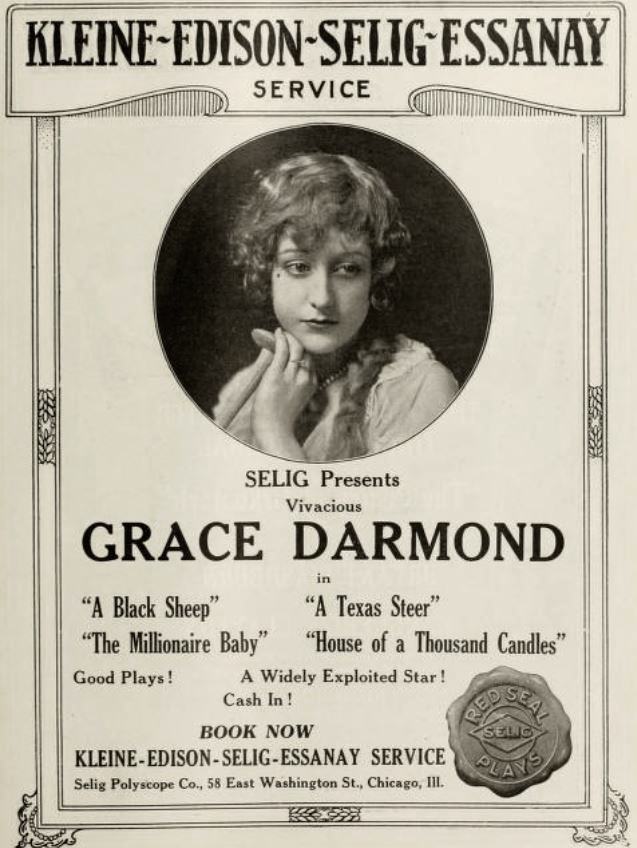
Dir: Thomas N. Heffron
To the town of Tombstone, in which Goodrich Mudd is known as the "Blacksheep," comes a burlesque company headed by Lida, a captivating woman. Mudd, the sheriff and Underdog, who works a mining claim in Tombstone and who is the boon companion of Mudd, compete to win the charmer, and in order to raise money with which to entertain Lida, Mudd, whose daily occupation is that of lolling in a hammock, plays a game of cards with the sheriff. During the game the manager of the theatrical company also takes a hand, but loses considerably. The money the manager takes from the company's cash box which is fastened to the treasurer of the company, who is handcuffed to the bedstead. Mudd takes Lida to dinner, and when he is far under the influence of wine, the burlesque queen hoists the $19 worth of fried chicken and other delicacies in a basket to the girls in the room above who have not eaten a thing for several days. But Tombstone's omnipresent bad man is always on the job, and when he sees the basket full of eats going up, he empties the contents into the cash box, which he had previously discovered and from which he had abstracted the balance of the company's receipts, lowers the box into its original place and "beats it." The theatrical manager cannot pay the hotel bill, so the proprietor attaches the wardrobe of the players, leaving them nothing but their stage costumes. Subsequently a lawyer arrives from Chicago, who tells Mudd that he has been left $2,000,000 by his aunt who recently died, and that he may obtain the fortune if he complies with the provisions in the will which are: (1) he must live in the Mudd mansion in Chicago; (2) must acquire culture; (3) must place a wreath on his grandfather's grave; (4) must get married to his cousin, Ada Steele, within 99 days; (5) if Ada refuses to marry him, he must marry someone else in 99 days; (6) to decline the terms the money will revert to his other cousin, Percy Vere. Great is the consternation of all present at the reading of the will when Mudd refuses to abide by the terms, and it is only when the crowd threatens to kill him that he finally agrees. He goes to the Mudd mansion in Chicago and takes all his friends with him. The lawyer informs Percy and Ada of the terms of the will, and as these two young people are engaged to be married, Ada contrives to get the fortune by "stringing" Mudd along until the last day when she will flatly refuse to marry him. It will then be too late for Mudd to get a wife, and the millions will go to Percy. Then he and Ada will get married. Percy and Ada go to the Mudd mansion, and Mudd tries to make love to Ada. She blows a whistle, which is the cue for Percy to come to her assistance, but he does not appear, for he has been captured by two female burglars who find upon him an incriminating letter from Ada Steele. The burglars offer to return the letter for $100,000. Some time later Ada and Percy are walking in Lincoln Park when they observe Mudd trying to put a wreath upon the spot in the lake where his grandfather met death by rocking a boat. He also recognizes the female burglars nearby, and tells them to kidnap Mudd until a certain time has passed when he (Percy) agrees to reward the burglars. They comply and Mudd mysteriously disappears. The time for Mudd's marriage is near at hand. Fearing that Percy may not live up to his word, the female burglars decide to watch him, and their suspicions are confirmed when they hear him say to Ada that the millions will soon be his and "The Spiders," whom the female burglars are called, can go hang. In revenge "The Spiders" give orders to release Mudd, who arrives at his mansion at 11:53. "The Spiders" are there, too, and they flaunt the letter found in Percy's pocket, revealing its import, and adding that Ada's absence proves that she has turned Mudd down. Mudd doesn't become alarmed, for he, at the last minute, marries Lida, who has always loved him.
View Details
Dir: Thomas N. Heffron
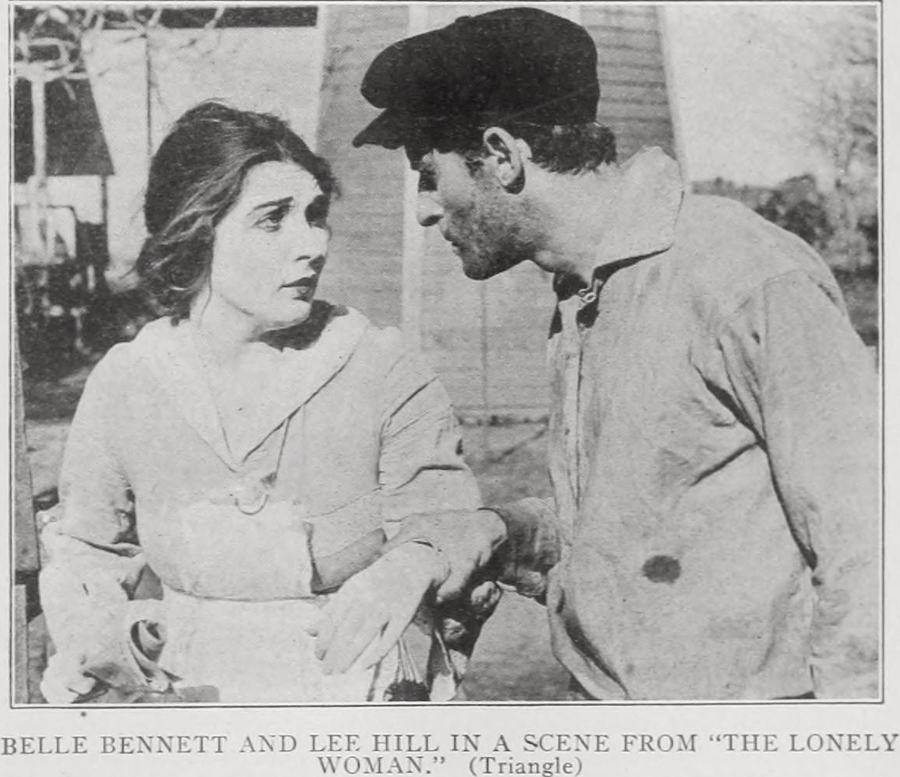
The reticence of Martha Sellers and her employment of Jim Ransom, a drunkard, excites the curiosity of the villagers. She receives mail postmarked "Ossining," and this further stirs the people. The gossipers spread the report that her lover is in Sing Sing, but the heart of the matter is that her husband has been unjustly convicted on a charge of embezzlement. Fate takes a hand and Ranson asserts that he is responsible for the robbery, thereby reuniting Martha and her husband.
View Details
Dir: Thomas N. Heffron
Osgood and Short are promoters floating stock in a fraudulent tropical rubber plantation among the residents of a New England community. Their best prospect is Elizabeth Mann, a wealthy widow, who is kept from investing only by the influence of her rather effeminate son. To get him out of the way the promoters offer to send him to the tropics to manage the plantation. David, having been brought to a realization of his worthlessness through a curt refusal of marriage, accepts, and is soon landed in the tropics. He meets Senora Morales, a Mexican slave dealer and her daughter, Consuela. They are just departing to deliver a number of slaves to Ludwig Hertzer, the most feared and hated planter on the Isthmus. David gets an insight into Hertzer's peculiar character, and the horror and brutality of the rubber slavery system. Next morning Senora Morales and Consuela arrive with the slaves, among them a big Yaqui chief, to whom Hertzer's half-breed daughter is attracted. Going on to his own plantation, David finds that it is little more than a rubbish heap and sends a cable to his mother not to invest, but this is intercepted by Hertzer for his personal gain. David's housekeeper, Andrea, is a wild, sensuous daughter of the tropics, and endeavors to appropriate David to herself. David turns his attention to reforming conditions and building up the plantation, especially after he hears that his mother has invested in the company. Crazed by the unspeakable brutality to which they are subjected on Hertzer's plantation, the Yaqui chief and his sister escape. In the flight the sister is killed by Hertzer and the following morning the Yaqui is captured, taken back and terribly flogged. Andrea's fight to win David reaches a climax when, after he had ridden by a stream and had seen her bathing, he yields to the lure of her dancing and love-making that night. They are interrupted by cries of yellow fever and, as David goes to attend the sick man, the slaves and Andrea, after looting the hut, follow them. After writing a letter to Morales for more slaves, David is himself stricken with the fever. Morales being away from home, Consuela brings the slaves. Hertzer accompanies her and nurses him back to life. While nursing the sick man, Hertzer schemes to have David removed by Osgood and Short so that he may manage the plantation and divide the spoils with the promoters. Consuela assists David in his reforms by opening a school for slave children. David asks her to marry him. She agrees, providing his mother consents. At that moment Hertzer brings a letter authorizing him to take charge of the plantation, and, as David speeds back to New England to gain his rights, Consuela stays on to try to protect his interests. Hertzer urges Consuela to marry him. In answer to her query as to why he has been so brutal, he explains that because years ago native bandits killed his wife and stole his baby, and this had so warped him that he thought only of revenge. In New England David secures control of the plantation, while his mother writes to Consuela urging her marriage with David. Patricia obtains the letter and shows it to Hertzer, who is so enraged that he locks her up in a hut and, after a night of drinking, starts to wreak his vengeance on her. Drunk, he wanders into the jungle, where he falls unconscious. Returning home, Morales finds that Consuela is at Hertzer's, and starts out for her, with David, who has just returned. Morales is killed. That evening Hertzer goes to the hut and attacks Consuela. She is saved by the arrival of her slave. Patricia pleads with Hertzer to give up his plan, but Hertzer locks her up in another hut and goes back to Consuela. He now plans to mate her with a slave. The slave is brought in, but Consuela is again saved by an uprising of the slaves. A battle ensues between them and Hertzer and the overseers. Hertzer is left helpless on the ground by the Yaqui chief, who, to avenge himself for the death of his sister, carries off Hertzer's half-breed daughter, Patricia. The slaves burn the plantation and Hertzer, a physical wreck, plans his worst revenge. If he cannot have Consuela he determines that no one else shall, and crawling to the hut, he sets fire to it, to burn both of them. David, nearing the plantation, sees the flames and rescues Consuela. Carrying her out, he adds mental anguish to Hertzer's death by telling him that Consuela is his own daughter. He revives Consuela and all ends happily.
View Details
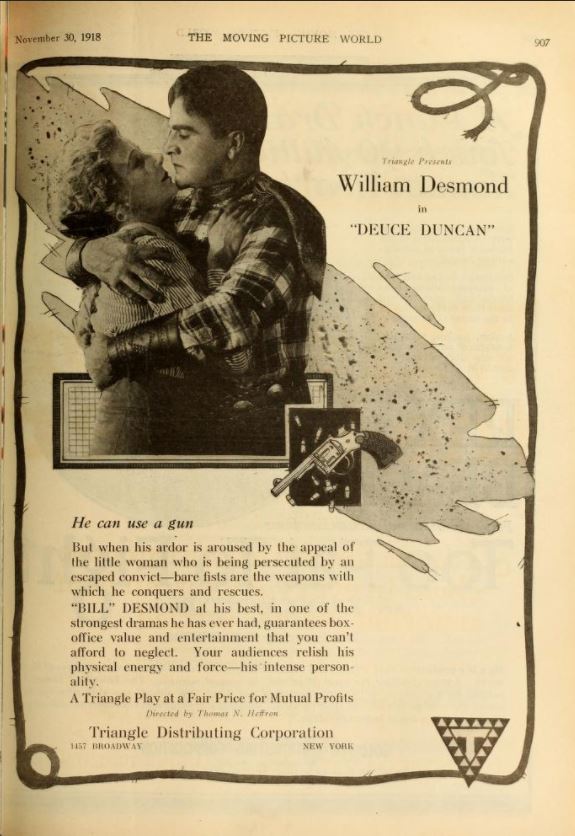
Dir: Thomas N. Heffron
Ann Tyson leaves her little cabin and goes West with her brother John, whom she has not seen in fifteen years during his imprisonment for a crime he did not commit. Ann becomes a barmaid in the local saloon, where she meets cowboy Deuce Duncan, and the two fall in love. Deuce correctly suspects that John is involved with a gang of cattle rustlers but remains silent because of his love for Ann. In a drunken rage, John attacks Ann, admitting that he is not her brother and demanding that she marry him. Deuce arrives and rescues Ann just as Clements, the head cattle rustler, sneaks up on the cabin and shoots John.
View Details
Dir: Thomas N. Heffron
American heiress Jennie Leslie, the Honorable Cecil Winthrope, and the alcoholic Thomas Blake are washed ashore on a deserted island after a shipwreck. At first, Jennie sticks close to Cecil, preferring his upper-class British breeding to Thomas' man-of-the-people approach. Cecil, however, turns out to be completely ineffective when it comes to survival, and so both he and Jennie depend on Thomas for food, clothing, and protection. The surroundings bring out the "caveman" in Cecil in one respect, however; he tries to rape Jennie. During the attempt, which takes place during a storm, Cecil is crushed by a falling tree, and just before he dies, he reveals that he was merely a valet posing as an aristocrat. Then, Jennie and Thomas realize that they are in love with each other, and when a rescue ship picks them up, they begin making plans for their marriage.
View Details
Dir: Thomas N. Heffron
Although Tom Hartwell is the town drunk of Matherville, his son Bill, a blacksmith, loves him and batters down the jail door when the old man is arrested. In an effort to drive them both out of the village, the narrow-minded townspeople attack Bill, but the Rev. David Lane defends him and then invites him to dinner. Bill falls in love with the reverend's daughter, Mary Lane, but she becomes infatuated with Edward Jones and marries him. Edward robs Mary and flees to Chico, Arizona, and when Mary follows him, she learns that he has a wife there. Following his father's death, Bill travels to Chico, where he and Mary become entangled in several adventures. Finally Bill is accused of stealing a horse, and after Mary rescues him just as he is about to be hanged, the two return to Matherville as man and wife.
View Details
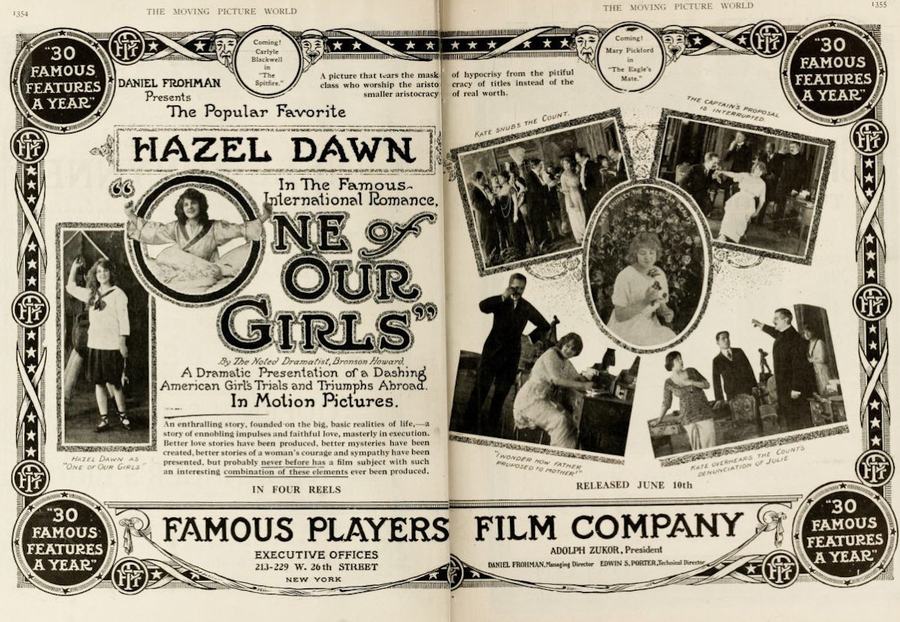
Dir: Thomas N. Heffron
American heiress Kate Shipley crosses the Atlantic to attend the wedding of her little cousin Julie in France, little knowing what Fate holds in store when she leaves her Fifth Avenue home for the Foublanques' chateau. Julie marries the profligate Comte de Crebillon, though she loves her cousin Henri, and Kate grieves to see her little cousin grow sadder and paler every day through the realization of her grave mistake. A great happiness, however, comes to the American girl, for she is loved by Capt. John Gregory, a dashing British officer, no less noble than he is brave and handsome, to whom she is soon betrothed. The Comte de Crebillon conceals a secret in his past, a broken and beautiful woman, who suddenly appears one night at the chateau and confronts him, after which she is never seen alive again. Old Dr. Girodet, the family physician, dislikes the Comte. Hearing a woman's scream on the fatal night, and being told of a mysterious, haggard face that had peered through the window of the chateau, he notices the Comte's nervousness and fear, and begins investigations which end in the finding of the woman's body in the old wishing-well in the garden of the estate. Suicide is the verdict given in the woman's death, and the Comte breathes freely for a time. He is harsh, suspicious and cruel to his girl-wife, and poor little Julie, driven desperate by his treatment and her love for Henri, decides to leave France with her sweetheart cousin. Julie writes Kate she is eloping, and the impulsive and generous American girl goes to Henri's room to save Julie from her folly. There she is discovered by the Comte and her own betrothed, Capt. Gregory. To shield her cousin from the Comte's fury, Kate conceals Julie's presence in Henri's room, and takes the awful situation upon her own shoulders, at the risk of her good name and her fiancé's faith and love. The development of the play thrillingly portrays a series of dramatic situations that culminate in the triumph of Kate over the insulting Comte, and the revelation of his mysterious and sinful past, which sets Julie free to marry Henri. Kate is made doubly happy by her gallant captain's faith through all her trying experiences, and "one of our girls'' at last weds one of England's bravest officers.
View Details
Dir: Thomas N. Heffron
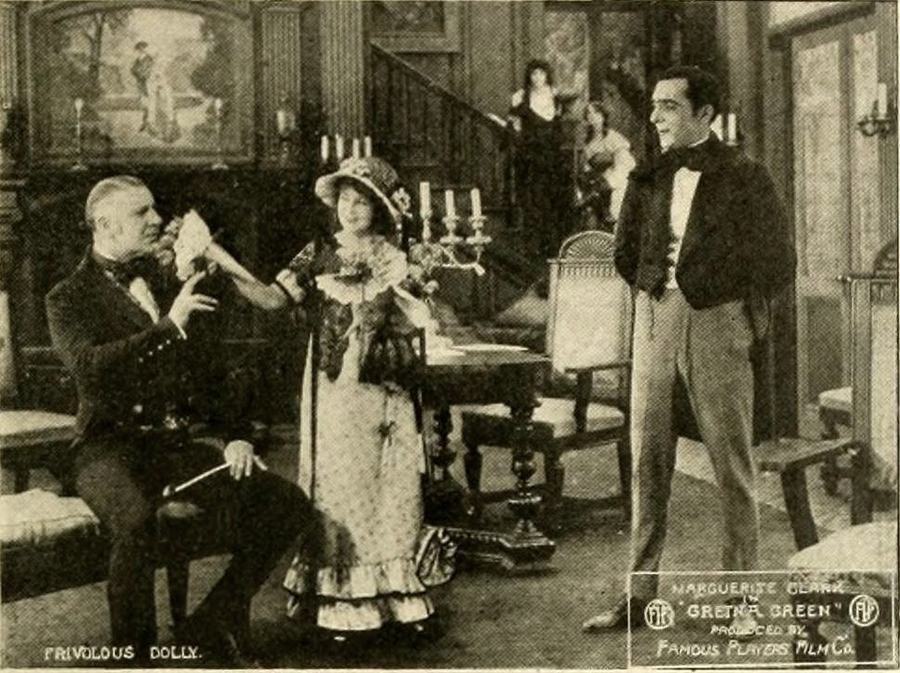
Mrs. Black, formerly a plump, good-natured widow, tells Professor Black, her new husband whom she adores and fears, that she is 29 instead of 36, neatly knocking off 7 years. To further convince him of her youth, she also tells him that her son "Little Johnny," whom he has never met, is 10--in reality, John is a husky 17-year-old fellow in school in England, fully 6 feet tall, broad-shouldered, and quite up-to-date, even to his Irish valet Larry McManus. Not being able to tell the Professor this, Mrs. Black invents a mythical "Aunt Prue," living in New England, with whom Johnny is supposed to be staying. The professor must curb his impatience to see his new son, for whom he has, with great care, been buying toys. So does the Professor's class of gushing young girls, who look forward with equal eagerness to seeing "Professor's Little Johnny." To regain the slimness of her youth, Mrs. Black takes reducing exercises from physical-culture teacher Tom Larkey, but loses more money and patience than flesh. As John writes that he needs money and wants to come home, she takes the $400 due Larkey and sends it to her beloved offspring, telling him he must stay in England and finish his college course. His professor decides that he needs building-up and sends for an instructor to teach him the proper exercises. The instructor proves to be Larkey, who adds to Mrs. Black's troubles by hounding her for the debt due him. Meanwhile her son has promptly lost the money sent him in poker, and gives a Spaniard an I.O.U. for $400 on the back of an envelope addressed to his mother, Mrs. Black. Pedro, the Spaniard, is going to America and decides to look up Mrs. Black; finding her, he demands the $400 her son owes him, so all her ingenuity is taxed to dodge the two creditors and keep her husband away from them until she shall find some means of obtaining the money due. John falls in love with a pretty girl in England and follows her to America, telegraphing his mother on his arrival in New York that he will soon be with her. And Mrs. Black has just learned from her dignified husband that he never forgives a liar. Then things begin to happen, with Mrs. Black as the prime factor. Jack and his valet arrive; the valet is presented as "Aunt Prue's" husband; and Jack masquerades first as the gas man and finally as Lizzie, the new cook. Of course the fatal truth at last comes out, and the penitent Mrs. Black leaps into an auto, about which she understands nothing, and runs away. Her frantic husband sees the machine smash, and when, after believing her gone from him forever, he learns that she escaped injury, he is so glad to find "Mrs. Black is Back," that he readily forgives her deception and welcomes son John.
View Details
Dir: Thomas N. Heffron
Paul Le Marsan captains his seventeenth-century French pirate ship, the Cygnet, with an iron hand, but is all graciousness and charm with the ladies. When his crew captures the British ship Lady Devon, Paul encounters the beautiful Molly Tarpley, who is en route to join her uncle in the Carolinas. Escorting the British ship to the pirate town of Cayo del Muerto in the Bahama Islands, Paul protects Molly, drawing his sword on any buccaneer who dares to touch her. After accommodating Molly in his richly furnished home, Paul realizes that she will never return his love and agrees to sail the Lady Devon to the Carolinas. As the ship nears the coast, however, Paul's crew rebels, enabling the British to retake their ship and lock Paul in irons. To repay Paul for his kindness, Molly secretly releases him, kisses him once and watches as he rows away.
View DetailsAnalysis relative to Tony America
| Film Title | Atmosphere | Complexity | Similarity |
|---|---|---|---|
| Are You a Mason? | Surreal | Dense | 89% Match |
| A Black Sheep | Gothic | Layered | 87% Match |
| The Lonely Woman | Gothic | High | 90% Match |
| The Planter | Surreal | High | 92% Match |
| Deuce Duncan | Gritty | Layered | 86% Match |
This guide was algorithmically generated using the cinematic metadata of Thomas N. Heffron's archive. Last updated: 5/16/2026.
Back to Tony America Details →