
DbcultAccessing Vault...
Recommendations
Senior Film Conservator
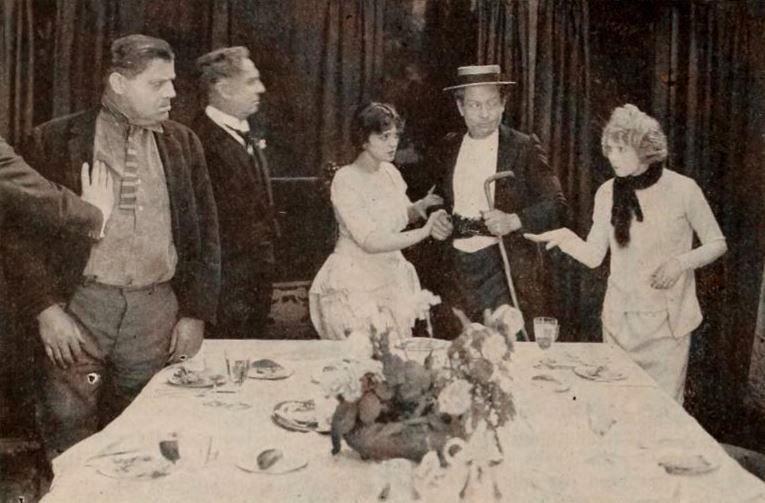
Navigating the complex narrative architecture of Too Many Crooks is a cult status experience, the legacy of Too Many Crooks is a beacon for those seeking the unconventional. Unlock a new level of cinematic understanding with these cult alternatives.
The artistic audacity of Too Many Crooks ensures it to sustain a sense of mystery that persists after the credits roll.
After millionaire Erastus Browning and his daughter Charlotte, a playwright, attend a crime play, Charlotte complains that the crook characters are not true to life. To prove her point, aided by supposed criminal Bidwell Wright, Charlotte invites a number of notorious criminals to her home for a party. The crooks all believe they have been invited to form an international family of thieves, headed by Charlotte and her father. Charlotte's character studies are continually interrupted by criminal activities. At the garden party, Benny the Chipmunk picks the pockets of every male present, then Charlotte's father is vamped by Boston Fanny, who steals his cash and jewelry, as well as his heart. The crooks ransack the neighborhood and become obstreperous. Bidwell Wright manages to get the criminals to leave, reveals himself to be a noted criminologist and agrees to help Charlotte complete her play.
Critics widely regard Too Many Crooks as a cult-favorite piece of cult cinema. Its cult status is frequently cited as its strongest asset, solidifying its place in United States's film legacy.
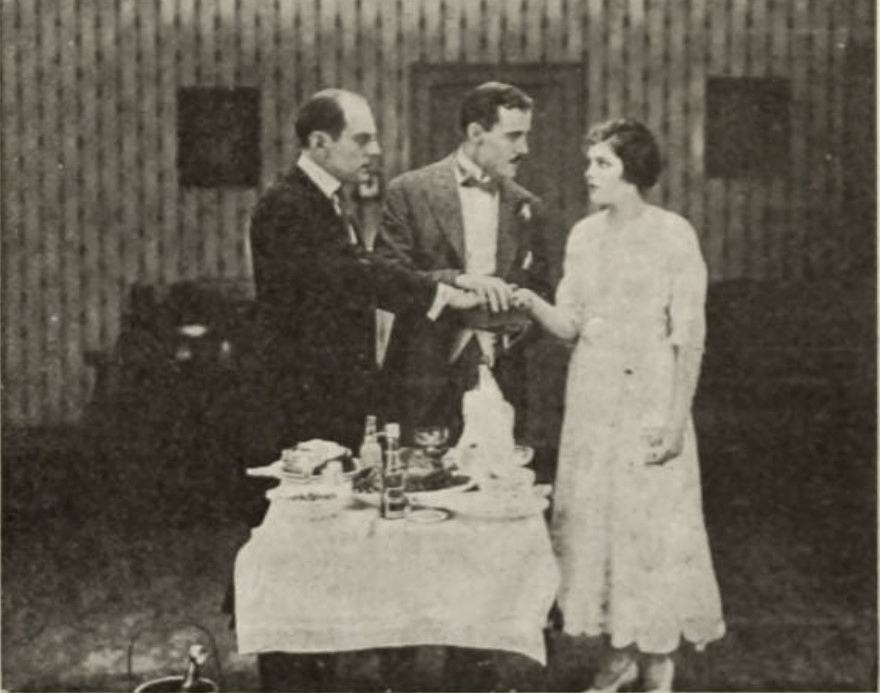
Based on the unique cult status of Too Many Crooks, our vault has identified these titles as the most compelling follow-up experiences for fans of cult cinema:
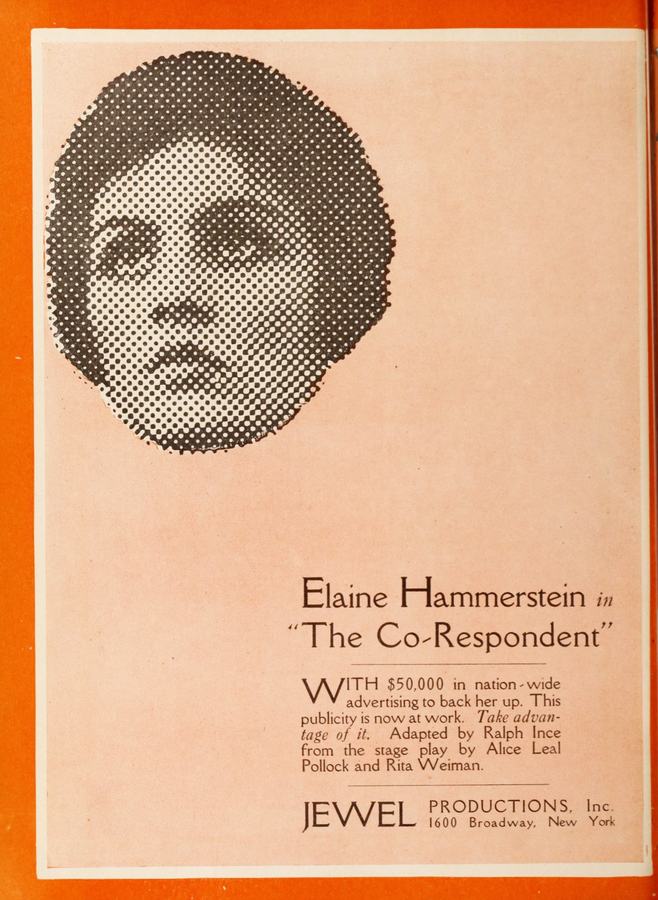
Dir: Ralph Ince
Ann Gray annoys her narrow-minded New England aunt by writing stories on an old typewriter her father left her, and selling them to the "New York Ledger." Longing for attractions available only outside her small town, Ann elopes with visiting dissolute multi-millionaire Howard Van Kreel, who identifies himself as Robert Gordon, but she leaves when detectives from his wife interrupt their mock marriage ceremony. In New York, Ann distinguishes herself as a reporter for the "Ledger" and falls in love with managing editor Richard Manning. After the paper publishes a rumor about the Van Kreels' approaching divorce suit involving an unnamed co-respondent, Van Kreel threatens to sue for libel and ruin Manning's career unless the co-respondent is named. Manning sends Ann to investigate, and she discovers that she is the co-respondent. After some deliberation, Ann tells Manning the truth. Although he does not want to print the story, Ann, who reminds him of his record of publishing the truth, writes it. After Manning thrashes Van Kreel and makes him apologize to Ann, Manning has his assistant prepare an announcement of his upcoming marriage to Ann.
View Details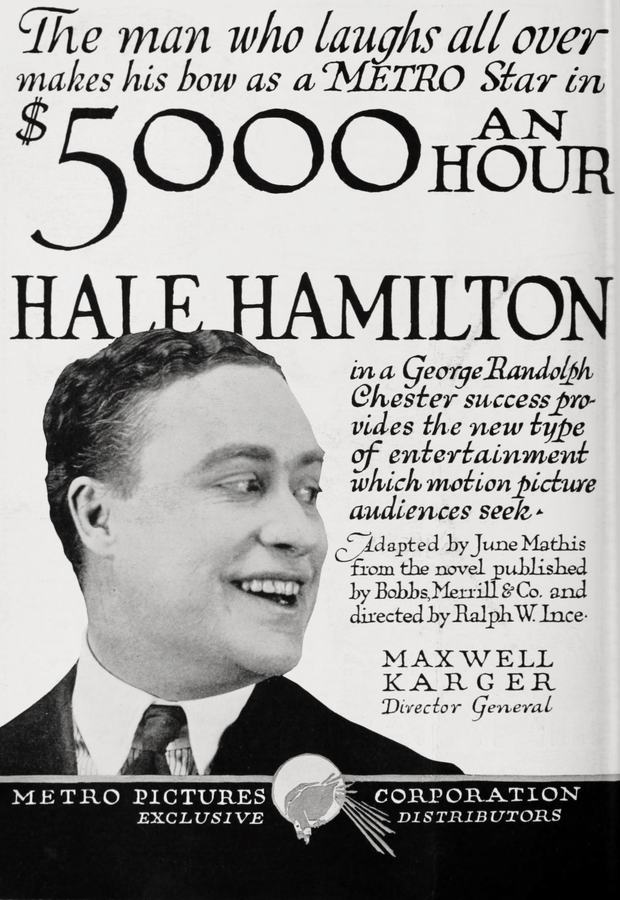
Dir: Ralph Ince
After his business partner, Paul Gresham, absconds with the company funds and books, Johnny Gamble's irrigation company folds, leaving him to pay his stockholders their claims. After parting with his last dollar, Johnny wins $15,000 on a long shot at the racetrack and meets the beautiful Constance Joy. When Johnny learns that Constance will inherit one million dollars if she weds Gresham at the end of six weeks, he decides to earn the same amount -- $5,000 an hour -- by that date and marry her himself. Despite Gresham's efforts to double-cross him, Johnny succeeds in earning all but $15,000 of the required million by the appointed time. With fifteen minutes left him, Johnny purchases a kiss from Constance for $15,000, thereby defeating Gresham and winning the girl he loves.
View Details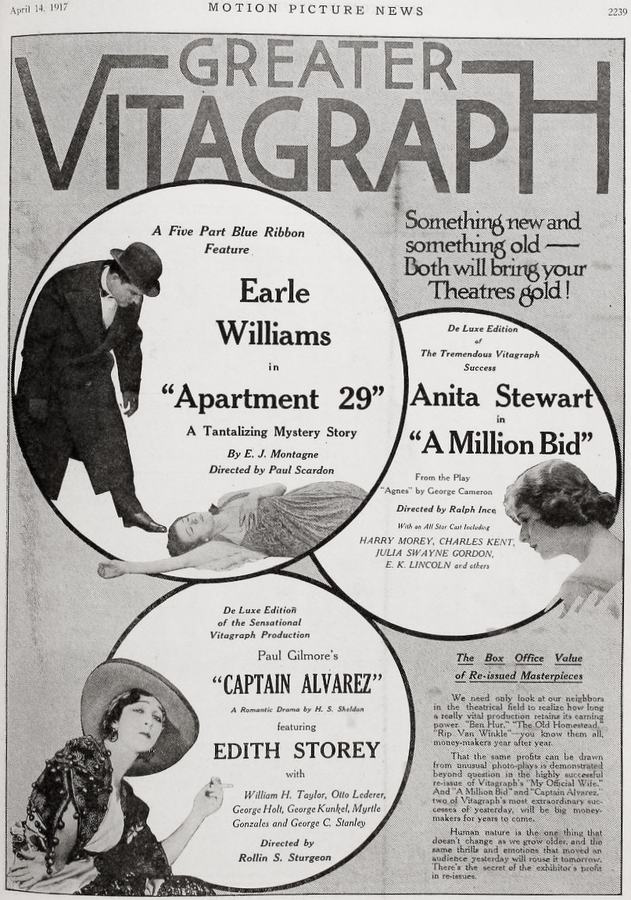
Dir: Ralph Ince
The story concerns a mercenary and managing mother and her daughter, Agnes. The young lady loves a youthful doctor, but a match is frustrated by the mother, who seeks to marry the daughter to the highest bidder. The mother's extravagance ruins the father, who, being in ill health, succumbs to heart failure. With poverty staring them in the face, the mother takes Agnes abroad, finally forcing her into a marriage with an Australian millionaire. To do so, the mother intercepts all letters between Agnes and the young doctor, with the result that each feels that the other has ceased to care. The millionaire and his young wife, while on their honeymoon on his yacht, are shipwrecked. He is dealt a terrible blow on the head, and it completely destroys his memory. The young wife is saved and returns to America, while her husband is picked up by a French fisherman. His memory gone, he does not recall his previous existence in America. Agnes and the doctor renew their love affair and finally marry, excellent proof having been furnished that her former husband had drowned in the shipwreck. There is no opposition to the marriage now, as the mother also had perished in the catastrophe. Five years later, the young doctor has become a famous brain specialist. To him, Agnes' former husband comes for an operation in the hope of restoring his lost memory. The two men, never having met, fail to learn they are both married to the same woman. She discovers it, however, and with her happiness at stake, does not tell her surgeon-husband the truth, but attempts to dissuade him from operating on her first husband, fearful that the operation will prove successful and her first husband regain his lost memory and recognize her as his wife. The humanity in the surgeon surmounts his wife's pleas, but the patient fails to withstand the operation and Agnes' happiness is assured, despite the terrible situations which confronted her.
View Details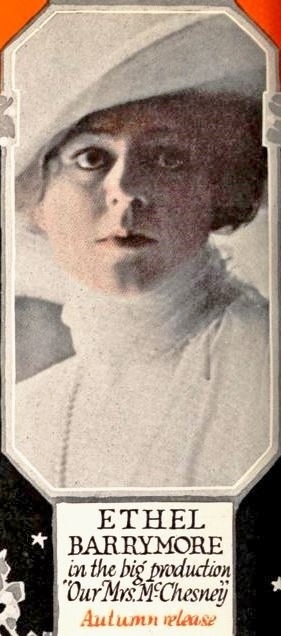
Dir: Ralph Ince
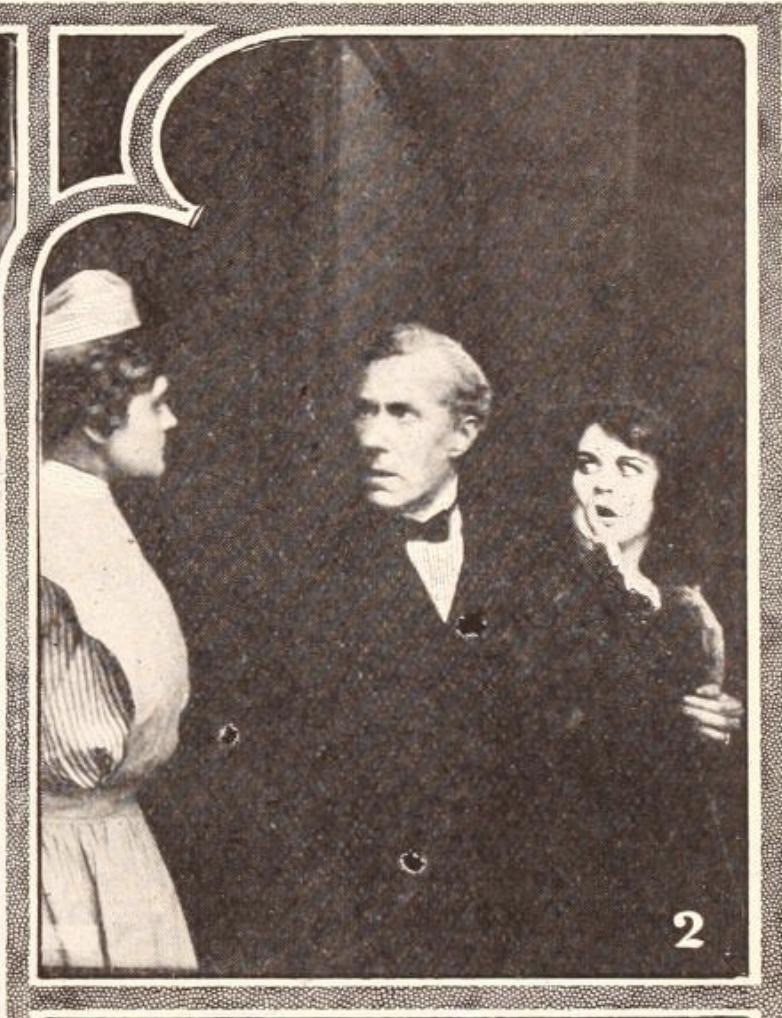
Mrs. Emma McChesney is a determined and successful traveling saleswoman for T. A. Buck's Featherbloom Petticoat Company. When Buck dies and his son, T. A. Buck, Jr., takes charge, the company suffers and Emma nearly accepts a job offer from Buck's rival, Abel Fromkin. On her last sales trip, however, she learns that her son Jack has married chorus girl Vera Sherwood, and because Buck demonstrates such concern for the boy, Emma decides to remain with him. Distraught that Jack has married so young, Emma sends the bride away to boarding school while Jack takes a job with the company. Later Emma discovers that the firm is approaching bankruptcy, so she invents a new skirt which, as modeled by Vera and promoted by Jack, rocks the fashion world and saves Buck's company. Having fallen in love with Emma, Buck proposes and she accepts.
View Details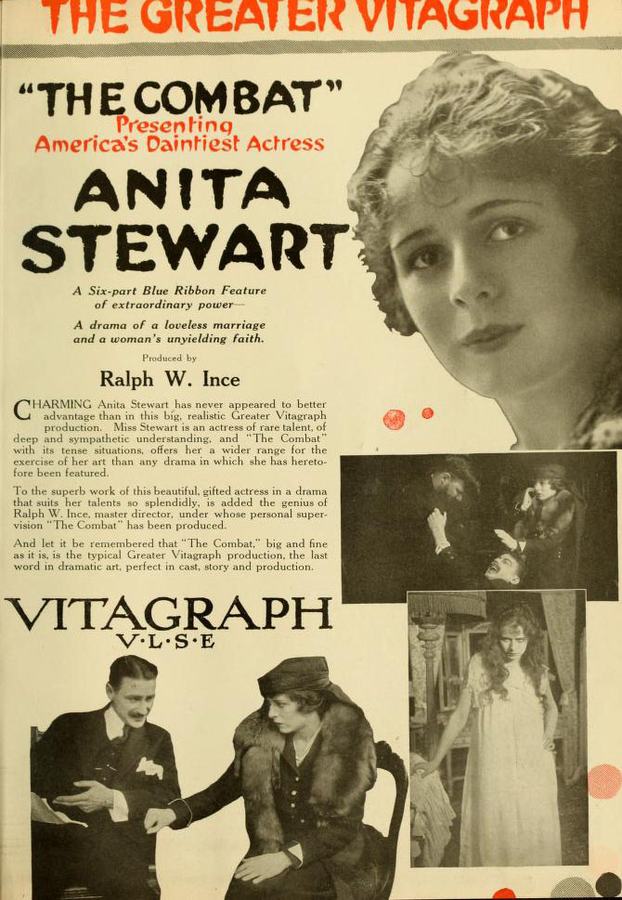
Dir: Ralph Ince
Mrs. Fleming, in secret financial distress, counts upon a brilliant match for her daughter as a way out of her difficulty. Muriel, however, in ignorance of her mother's plight, is attached to Grayson Burton, but when they tell Mrs. Fleming of their love she becomes infuriated and refuses her consent on account of his poverty. Nevertheless, Burton and Muriel secretly marry and he leaves to seek his fortune in the gold fields of the Northwest. He has two partners, Slade, a renegade lawyer from New York, and Rollins, an Englishman. The men strike it rich and Graydon writes Muriel that he is coming to claim her. Slade attempts to rob his partners during the night and is surprised by Rollins, whom Slade kills with Burton's gun. Slade escapes, but returns with police, who arrest Burton on Slade's charge. Seeing that everything is against him in court, Burton escapes and seeks refuge in the wilderness of the mountains, where he becomes a hunted outlaw. Meanwhile the train on which Graydon was supposed to leave is wrecked, and Graydon is reported to be among the dead. Muriel is grief-stricken and decides to keep her secret. Later Philip Lewis, a wealthy lawyer, becomes infatuated with her, and her mother practically coerces the girl into marrying him because of his wealth, finally telling her of their predicament. Soon after her marriage her mother dies. Graydon meanwhile grows desperate and eventually escapes. He starts for New York to claim his wife. Muriel's husband has been appointed district attorney. While Muriel is attending an opera her spying maid steals her secret marriage certificate and sells it to Slade, who has returned to New York and resumed his blackmailing law practice. He writes Muriel a threatening letter and asks her to come to his home to see him that evening. Graydon arrives in New York and sees Slade. He plans to go to his home the same evening and force him to confess to the crime of which he is believed guilty. As he stands outside the French window he is amazed to see his wife there and Slade threatening her. Stepping into the room suddenly, he surprises both, and Slade confesses his guilt. While Muriel talks to Graydon, telling him of her life, Slade seizes a gun. In a fight that follows Muriel kills Slade, fearing her husband's life is in danger and intending only to frighten him by the shot. She escapes and Graydon assumes the blame. Lewis, her husband, prosecutes the case and determines to get a trace of the mysterious veiled woman who ran from the house the night of the murder. He gets a clue to his own wife and grills her until she confesses. Angered and jealous, he prosecutes Graydon knowing he is innocent. Muriel, conscious-stricken, starts for the courtroom to confess, but arrives there after he has been convicted. Lewis promises to pardon the man when made Governor if she will keep her silence. He is elected but refuses to keep his promise. At the last moment when Muriel is determined to kill herself, he weakens and issues the pardon. She then rejoins her true husband.
View Details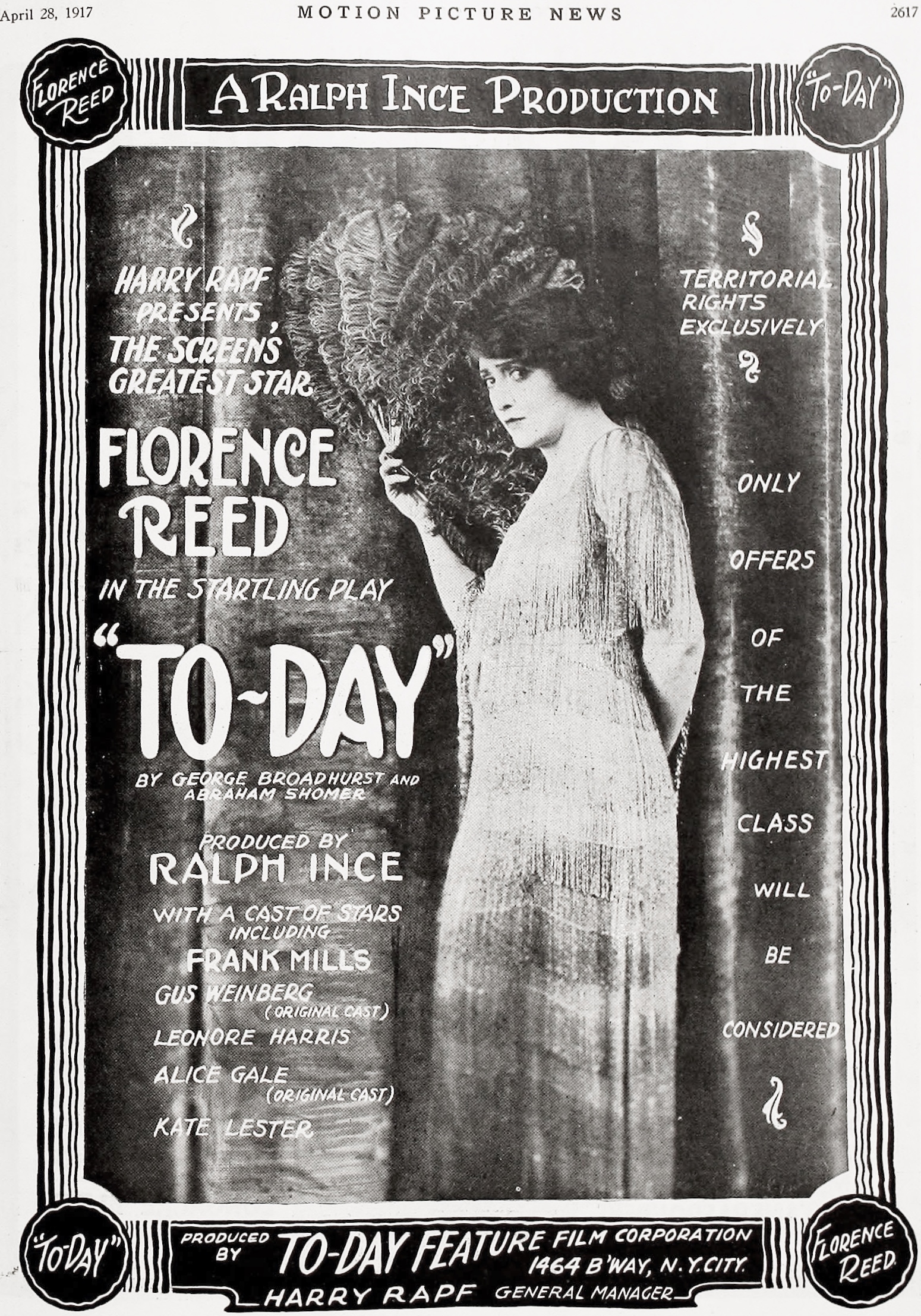
Dir: Ralph Ince
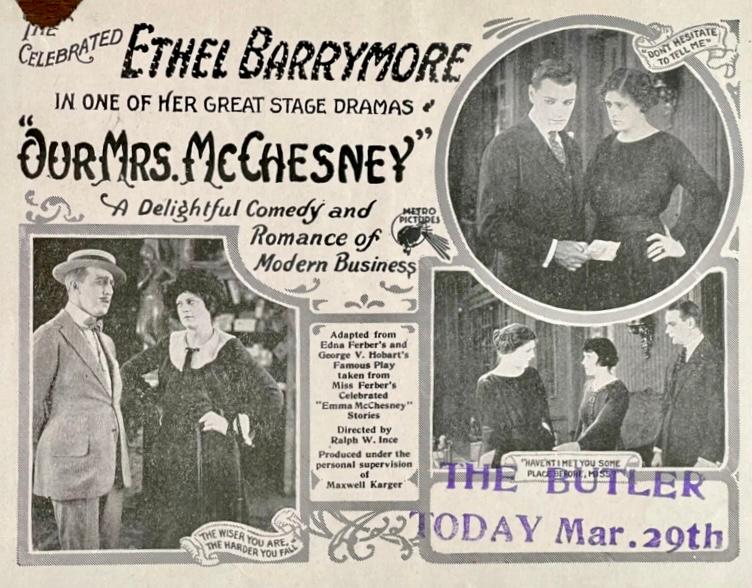
When her husband Fred goes bankrupt, Lily Morton is forced to give up the trappings of wealth and move into a humble home while Fred attempts to fight his way back to prosperity. Resentful of her modest circumstances, Lily accepts her friend Marion Garland's offer to introduce her to Mrs. Farington, a woman who will pay handsomely for Lily's escort services. Lily goes to work for Mrs. Farington while her unsuspecting husband struggles to regain his former wealth. While managing an apartment house for one of his wealthy clients, Fred visits Mrs. Farington, a tenant, and, noticing a framed picture of Lily, asks to be introduced to the girl. Mrs. Farington arranges the rendezvous, and when Lily arrives, she is confronted by her enraged husband who chokes her to death. At this moment, Lily awakens from her nightmare, and chastened for her superficiality, begs Fred for forgiveness.
View Details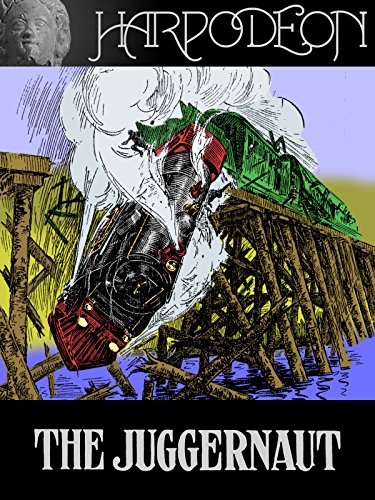
Dir: Ralph Ince
This silent film presents drama to prevent a train from falling from a damaged railroad bridge.
View Details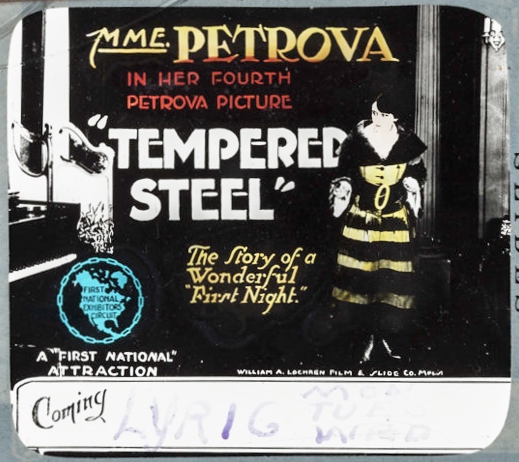
Dir: Ralph Ince
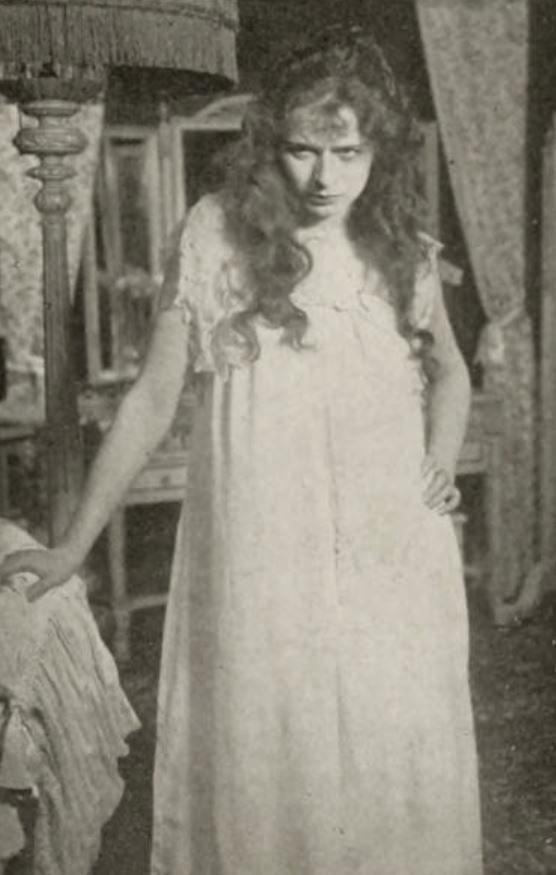
Lucille Caruthers travels from her home in the South to New York, hoping for a career on the stage. She is aided in her dream by the theatre star Serge Ratakin, and she becomes a star in her own right. But Ratakin is jealous and possessive and attempts to sabotage her. After a violent conflict with Ratakin, Lucille believes she has killed him. But has she?
View Details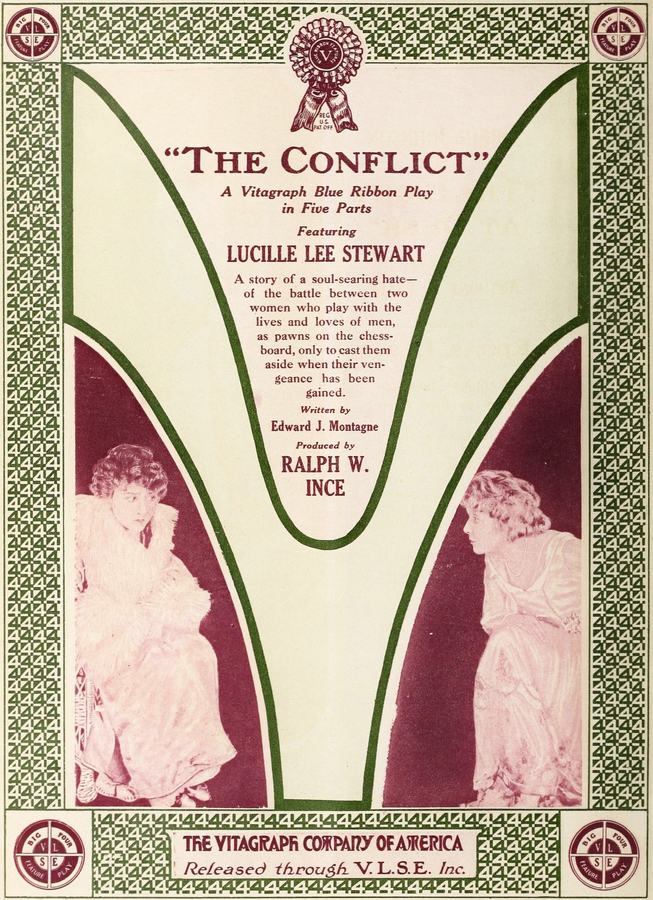
Dir: Ralph Ince
Two women crave the love of the same man; one is pretty, proud, spirited, and poor; she offers him love. The other is equally pretty, proud, and spirited, but rich; she offers him everything money can buy. The rich one wins. This was not really the beginning of the rivalry of Madeleine and Jeanette; they had had petty differences in their home town when Madeleine, the poor girl, had refused to bend the knee to the other. But with this victory in love is born a new hatred, which Jeanette proceeds to intensify by having the other girl's father discharged from his position, thus forcing her to leave school and work for sustenance. Madeleine goes on the stage, and years later she is a popular actress. Jeanette, meanwhile, has discarded Paul, in favor of Henry Mortimer, a rising young lawyer to whom she has become attached. Mortimer becomes enamored of Madeleine, who considers him just another of her army of admirers and leads him on as is her custom. Jeanette sees that her rival is trifling with the affections of the man she loves. She goes to Madeleine and beseeches her to send him away or she will ruin two lives. Madeleine consents to her request, but then comes recognition all the old hatred returns. She retracts her promise and determines to marry Henry, though she does not love him, to strike at the heart of the woman who had caused her so much pain. After the marriage she is cold to the affection he showers upon her. Then her path crosses Paul's once more and her old love for him is rekindled. Henry learns of their association and orders Paul never to enter his house again. A new love is born in Madeleine's breast, the love for her husband. But there is a wide breach between them now caused by her associations with Paul and her gambling habits of which Henry disapproves. He refuses to pay her debts. When Paul calls on Madeleine for a loan, she refuses him and he rifles Henry's safe. That night, Henry notices the deficit and thinking his wife has taken the money to pay her debts, he accuses her of theft and leaves her. Rumors come to his ears that Paul is with his wife, and placing a revolver in his pocket, he starts for the house, intent on settling the affair. Paul, meanwhile, is trying, with small success, to regain Madeleine's love. When his attentions begin to get offensive, she threatens him with a revolver to keep his distance. Under the influence of liquor, Paul advances toward her, and stumbles over a chair, bruising his head. Madeleine rushes out to the kitchen to get some water, and, while there she hears a shot and returns to find Paul dead and Henry standing over the body. Each believes the other guilty and takes the responsibility for the crime. Henry is taken into custody; Madeleine's story is not believed. At the trial Henry is saved from dying for another's crime when Jeanette breaks down and confesses that she had been hiding in Madeleine's room on the day of the murder, and when the latter had gone for water she had grasped the opportunity to shoot Paul who, she said, had been planning to tell the truth in regard to the robbery. Knowing that this would bring about a reconciliation between Henry and his wife and that she would never be able to win his love, she had shot Paul and is now willing to suffer for her crime. Out of sorrow and suffering, come faith and love forged anew for Henry and Madeleine.
View Details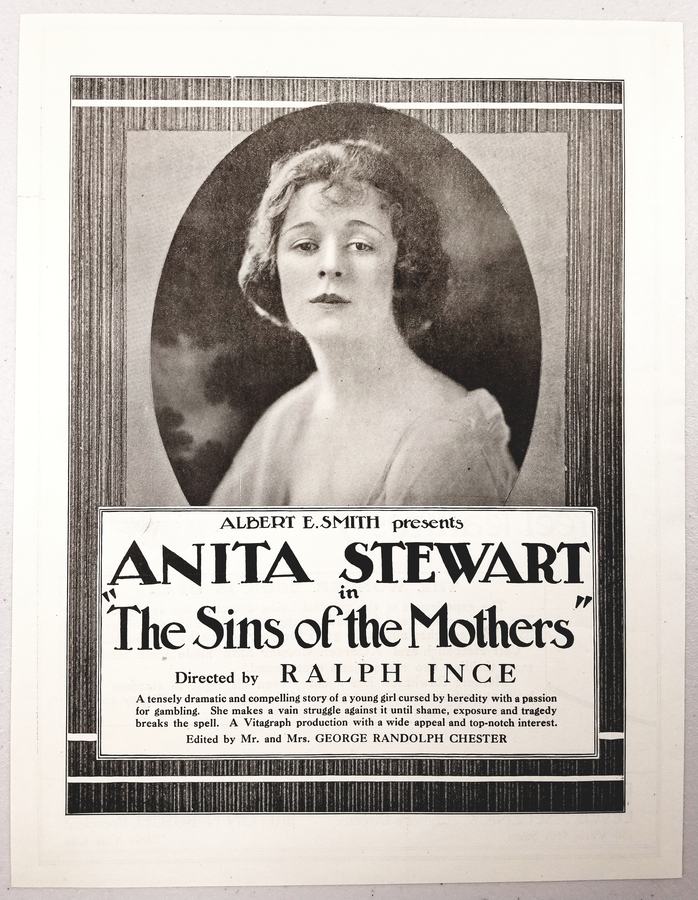
Dir: Ralph Ince
At an early age, Trix, the daughter of Mrs. Raymond, the proprietress of a gambling resort, shows an inherited tendency to gambling. Mrs. Raymond sends her to a convent school, and. learning that Trix desires to become a nun, her mother gives her consent, provided she still cares for that life after spending a year in the social world. The girl is taken into the gay social set and learns the evil ways of the world. With a beginner's luck, she wins at the gaming table, until her mother, frightened, begs her to play no more. It is too late, the girl cannot stop, and when the inevitable turn of luck comes, she is plunged into debt. She calls upon Norris, an old sweetheart, for help, and after paying her debts, he begs her to marry him. She consents, but soon after the wedding breaks her promise by betting on a horse race. She continues gambling surreptitiously and loses money borrowed from Dovey, the old servant. Finally, she pawns a necklace given her by Norris. Dovey is accused of theft and lies to save her young mistress. She is arrested. Norris finds the pawn ticket, forces a confession from his almost insane wife and secures Dovey's release. Her mother sells her business to Henri De Voie, a gambler, and takes Trix away for a trip. Norris is later elected District Attorney, and resolves to stamp out gambling. Trix again finds herself in the terrible clutches of the gambling fever and, unknown to her husband, plays at De Voie's gambling house. Her mother finds her there one night and it so happens that Norris has decided to raid the place on the same evening. When he and his men burst into the place, they find both Trix and her mother. The proprietor tells Norris the truth, and in a quarrel, De Voie draws a revolver with the intention of shooting Norris. This is forestalled by Trix's mother, who, with one loving look at her daughter, atones for her sins by throwing herself between the two men and receiving the bullet in her own heart. Norris leads his sobbing wife away and she turns her back on the gaming table forever.
View DetailsAnalysis relative to Too Many Crooks
| Film Title | Atmosphere | Complexity | Similarity |
|---|---|---|---|
| The Co-respondent | Tense | Dense | 89% Match |
| Five Thousand an Hour | Gothic | Abstract | 88% Match |
| A Million Bid | Ethereal | High | 90% Match |
| Our Mrs. McChesney | Ethereal | Dense | 89% Match |
| The Combat | Ethereal | Dense | 96% Match |
This guide was algorithmically generated using the cinematic metadata of Ralph Ince's archive. Last updated: 6/26/2026.
Back to Too Many Crooks Details →