Summary
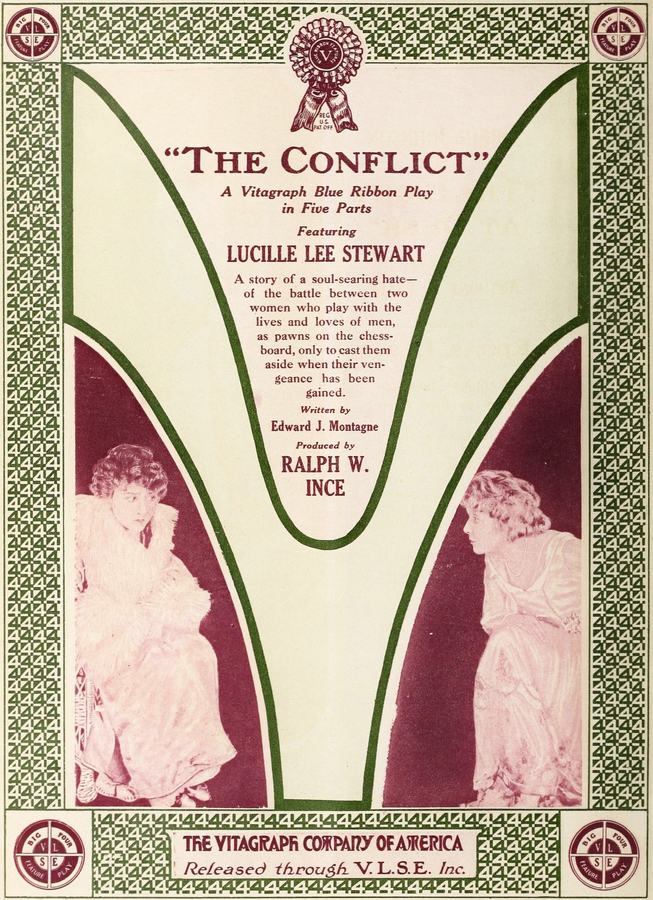
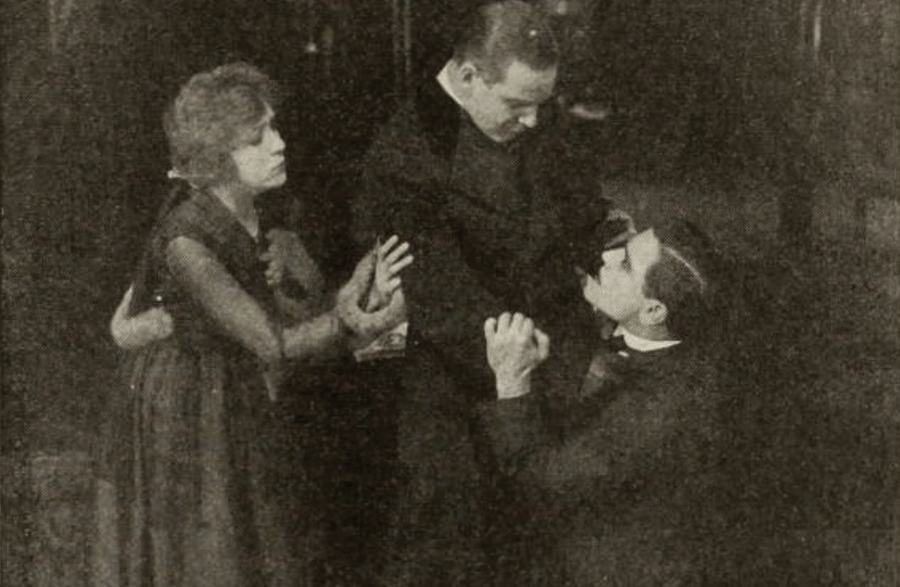
In a narrative steeped in the corrosive acids of unrequited affection and entrenched social stratification, 'The Conflict' unspools a labyrinthine saga of two women, Madeleine and Jeanette, whose lives are irrevocably entangled by a shared past of petty grievances and a present consumed by a man, Paul. Madeleine, a creature of proud spirit and modest means, offers Paul a love unburdened by material ambition. Jeanette, however, a scion of wealth and equally formidable will, secures Paul's devotion with the gilded cage of affluence, a victory that transmutes their hometown rivalry into a visceral, all-consuming animosity. Jeanette, not content with merely winning Paul, escalates her campaign of cruelty, orchestrating the dismissal of Madeleine's father, thereby plunging the rival into destitution and forcing her from academia into the harsh realities of labor. Years later, a phoenix-like Madeleine emerges as a celebrated stage actress. Concurrently, Jeanette, having discarded Paul, finds herself captivated by the ascendant lawyer, Henry Mortimer. Fate, with its cruel irony, draws Mortimer to Madeleine, who, in her newfound power, toys with his affections, perceiving him as merely another conquest. Witnessing her rival's casual disregard for the man she now loves, Jeanette desperately implores Madeleine to relinquish Mortimer. Initially, Madeleine concedes, but the stark realization of her old tormentor's vulnerability ignites a vengeful spark. The deep-seated hatred resurfaces, compelling Madeleine to renege on her promise, resolving to marry Henry, not for love, but as a meticulously orchestrated strike against Jeanette's heart. Their marriage, a frigid charade, finds Madeleine cold to Henry's overtures. A chance encounter with Paul, however, rekindles a dormant affection, threatening to unravel Madeleine's carefully constructed façade. Henry, discovering their renewed association, banishes Paul from his home. Paradoxically, this protective act awakens a genuine, nascent love for Henry within Madeleine. Yet, the chasm between them widens, exacerbated by her continued dalliance with Paul and a burgeoning gambling habit that Henry vehemently disapproves of, leading him to refuse her mounting debts. In a moment of desperation, Paul, seeking a loan from Madeleine, is rebuffed and subsequently burgles Henry's safe. Henry, discovering the deficit, mistakenly attributes it to Madeleine, accusing her of pilfering for her gambling habit and abandoning her. Consumed by rumors of Madeleine's continued association with Paul, Henry, armed with a revolver, descends upon his home, intent on a confrontation. Meanwhile, Paul, in a drunken stupor, attempts to reclaim Madeleine's affections, escalating to the point where she brandishes a revolver in self-defense. He stumbles, striking his head. As Madeleine rushes for aid, a shot rings out. She returns to find Paul deceased, Henry standing sentinel over the body. Each, in a profound act of self-sacrifice, claims responsibility, leading to Henry's arrest. At the ensuing trial, as Henry faces the gallows, Jeanette, consumed by guilt and a twisted sense of justice, dramatically confesses. She admits to hiding in Madeleine's room on the day of the murder, a silent, unseen observer. When Madeleine had gone for water, Jeanette seized the opportunity, shooting Paul. Her motive, chillingly clear, was to prevent Paul from revealing the truth about the robbery, an exposure that would undoubtedly lead to Henry and Madeleine's reconciliation. Such an outcome, she knew, would forever deny her any hope of winning Henry's love. Her final act, a desperate, vengeful strike, ultimately becomes her undoing, yet it is also the catalyst for the truth's emergence. This sudden, dramatic confession, turning the entire narrative on its head, ultimately paves the way for Henry and Madeleine's reconciliation, their love scarred yet strengthened by the crucible of sorrow and suffering.
Synopsis
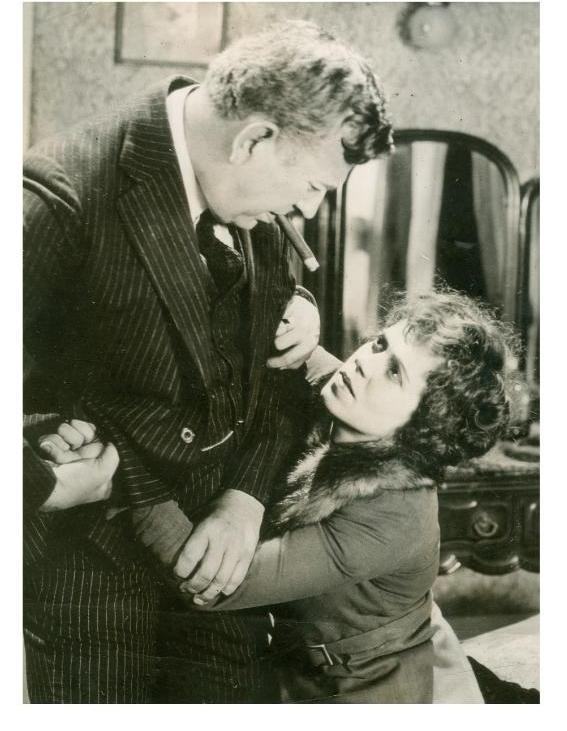
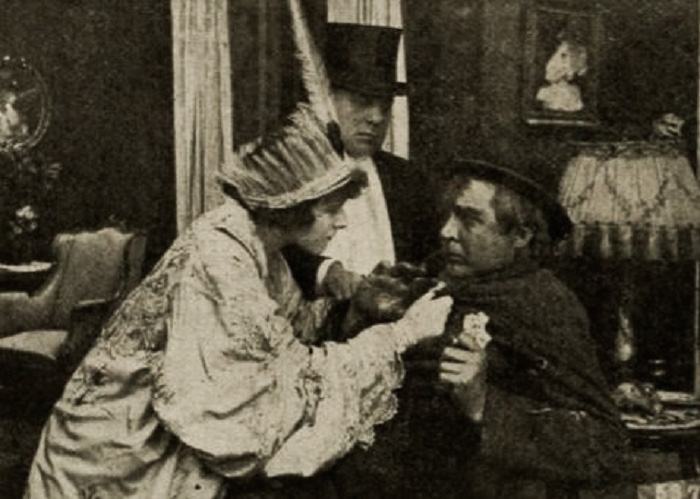
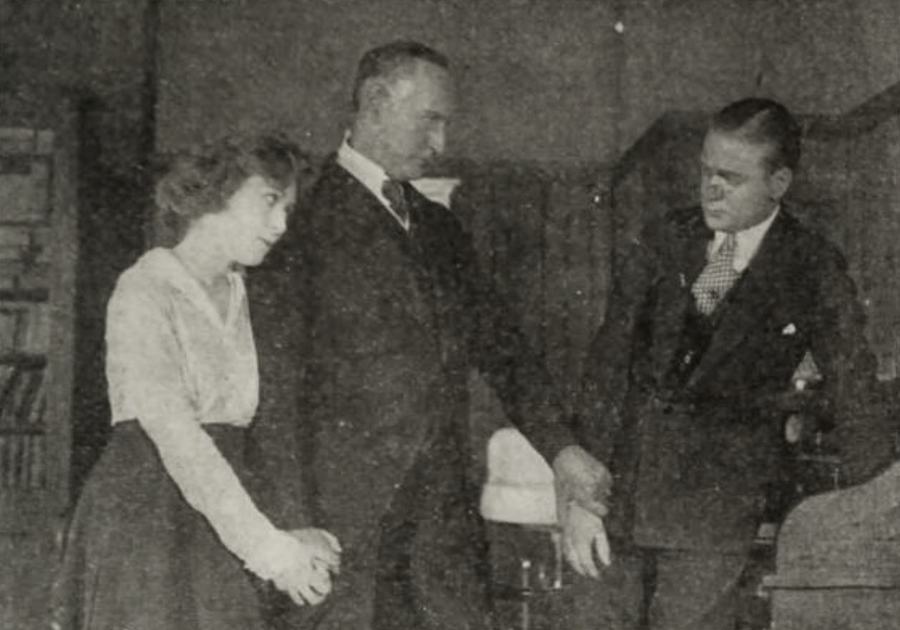
Two women crave the love of the same man; one is pretty, proud, spirited, and poor; she offers him love. The other is equally pretty, proud, and spirited, but rich; she offers him everything money can buy. The rich one wins. This was not really the beginning of the rivalry of Madeleine and Jeanette; they had had petty differences in their home town when Madeleine, the poor girl, had refused to bend the knee to the other. But with this victory in love is born a new hatred, which Jeanette proceeds to intensify by having the other girl's father discharged from his position, thus forcing her to leave school and work for sustenance. Madeleine goes on the stage, and years later she is a popular actress. Jeanette, meanwhile, has discarded Paul, in favor of Henry Mortimer, a rising young lawyer to whom she has become attached. Mortimer becomes enamored of Madeleine, who considers him just another of her army of admirers and leads him on as is her custom. Jeanette sees that her rival is trifling with the affections of the man she loves. She goes to Madeleine and beseeches her to send him away or she will ruin two lives. Madeleine consents to her request, but then comes recognition all the old hatred returns. She retracts her promise and determines to marry Henry, though she does not love him, to strike at the heart of the woman who had caused her so much pain. After the marriage she is cold to the affection he showers upon her. Then her path crosses Paul's once more and her old love for him is rekindled. Henry learns of their association and orders Paul never to enter his house again. A new love is born in Madeleine's breast, the love for her husband. But there is a wide breach between them now caused by her associations with Paul and her gambling habits of which Henry disapproves. He refuses to pay her debts. When Paul calls on Madeleine for a loan, she refuses him and he rifles Henry's safe. That night, Henry notices the deficit and thinking his wife has taken the money to pay her debts, he accuses her of theft and leaves her. Rumors come to his ears that Paul is with his wife, and placing a revolver in his pocket, he starts for the house, intent on settling the affair. Paul, meanwhile, is trying, with small success, to regain Madeleine's love. When his attentions begin to get offensive, she threatens him with a revolver to keep his distance. Under the influence of liquor, Paul advances toward her, and stumbles over a chair, bruising his head. Madeleine rushes out to the kitchen to get some water, and, while there she hears a shot and returns to find Paul dead and Henry standing over the body. Each believes the other guilty and takes the responsibility for the crime. Henry is taken into custody; Madeleine's story is not believed. At the trial Henry is saved from dying for another's crime when Jeanette breaks down and confesses that she had been hiding in Madeleine's room on the day of the murder, and when the latter had gone for water she had grasped the opportunity to shoot Paul who, she said, had been planning to tell the truth in regard to the robbery. Knowing that this would bring about a reconciliation between Henry and his wife and that she would never be able to win his love, she had shot Paul and is now willing to suffer for her crime. Out of sorrow and suffering, come faith and love forged anew for Henry and Madeleine.
Review Excerpt
"
The Conflict: A Symphony of Sufferance and Unyielding Spirit
From the very outset, 'The Conflict' unfurls as a captivating tapestry woven with the threads of human frailty and formidable resilience, a narrative that plunges headfirst into the tumultuous waters of rivalry, desire, and the enduring quest for vindication. This cinematic endeavor, a testament to the intricate dance of fate and free will, transcends mere melodrama to offer a profound exploration of character, conse..."