
DbcultAccessing Vault...
Recommendations
Senior Film Conservator
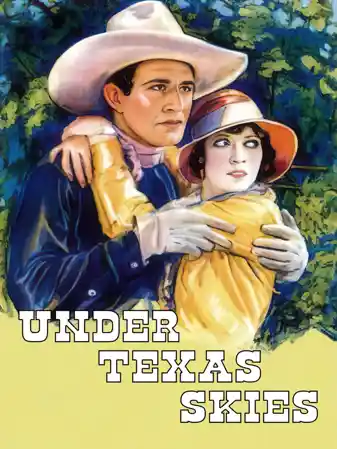
The Western sensibilities displayed in Under Texas Skies are unparalleled, the emotional payoff of the 1930 classic is what fans crave in similar titles. Our criteria for this list were simple: only the most poignant storytelling and relevant titles.
The cultural footprint of Under Texas Skies in United States to define the very concept of poignant storytelling in modern film.
Three cowboys try to stop a crook from defrauding an orphan girl out of her money.
The influence of J.P. McGowan in Under Texas Skies can be felt in the way modern Western films handle poignant storytelling. From the specific lighting choices to the pacing, this 1930 release set a high bar for atmospheric immersion.
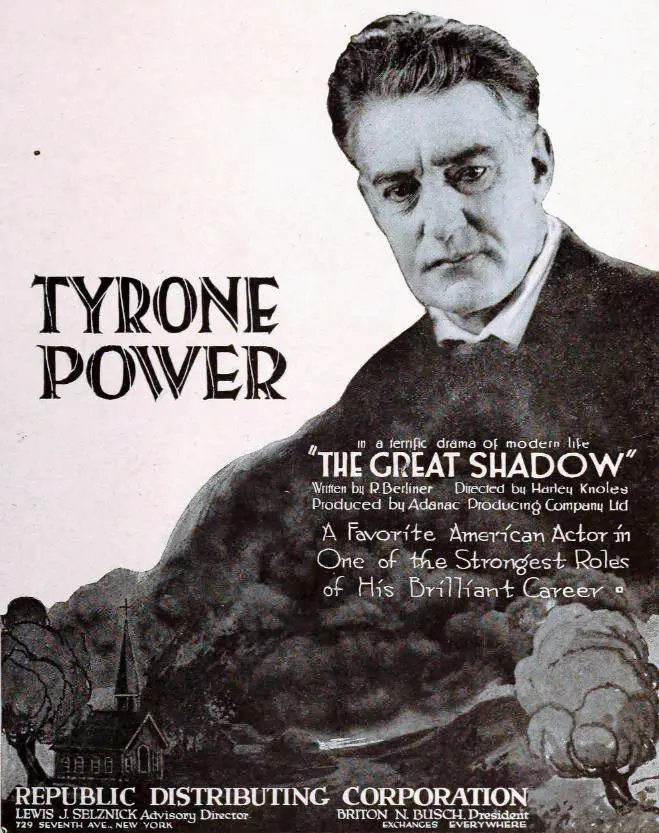
Based on the unique poignant storytelling of Under Texas Skies, our vault has identified these titles as the most compelling follow-up experiences for fans of Western cinema:
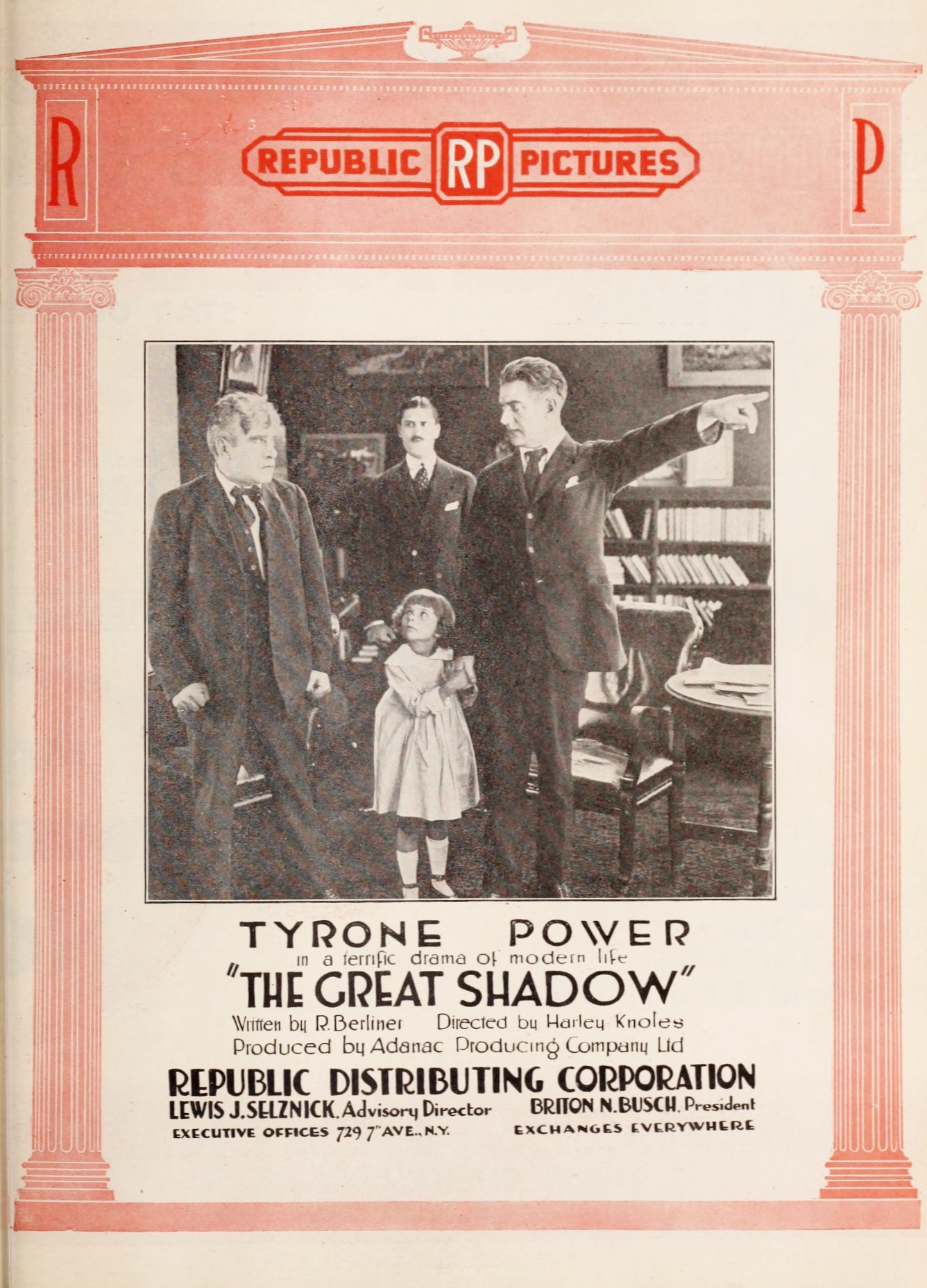
Dir: Harley Knoles
Jim McDonald, the foreman of a shipbuilding plant and head of the labor union, strives to combat the anarchistic propaganda being put forth by Klimoff, the leader of a Bolshevik gang whose goal is to disrupt the country with strikes and anarchy. Despite McDonald's efforts, a strike is called, resulting in chaos. McDonald's child is knocked down by runaway horses abandoned by their striking driver, and dies. Mob scenes take place in America, as well as in Russia. Eventually, the unrest is quelled with an armistice called between Capital and Labor for a year, during which time wages are to be increased to reflect the cost of living, and leaders are to work out a common plan for their mutual advantage. The strikers now realize that they have been pawns of the Bolsheviks and call off the strike, agreeing to the plan.
View Details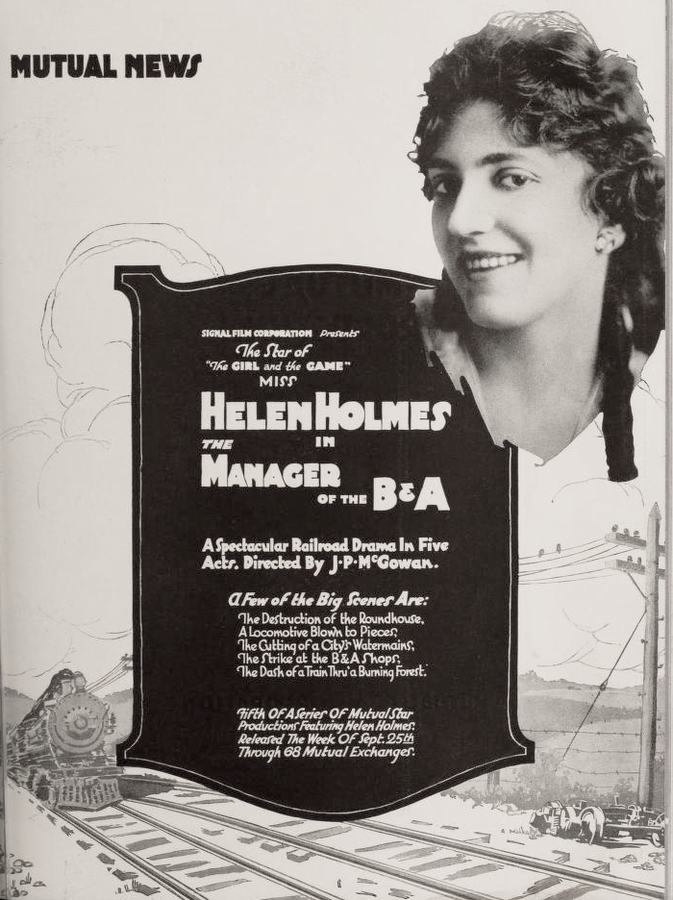
Dir: J.P. McGowan
Thomas Emory, manager of a local branch of the Buckhorn and Antioch, finds one day that he is minus a position due to his negligence in office. In his place is appointed temporarily his former assistant, Gordon Holt. Later, on an unexpected trip to the branch office, General Coming, the president of the B.&A., and his private train are narrowly saved from accident by the act of one of the minor superintendents along the division, Dan Oakley. In reward for the deed of daring which shows to the company's president of what stuff the young mechanic is made, Oakley is made manager over the head of Holt. With the introduction of new blood into "the works" the old regime of banker's hours and shiftless work is dealt its death blow. As a consequence the radical young manager incurs the enmity of the editor of the Antioch Herald and the leader of the Labor Party, one Griffith Ryden, who stirs up the men against him. But in spite of opposition the new manager "makes her pay." Due to the activities of the Labor Leader, a strike is called. Although the subsequent turmoil, hunger and dissatisfaction among the strikers is distasteful to the fighting manager, he stands his ground and keeps up his record by means of the men who remain loyal. A personal bitterness grows up between Ryder and Oakley since Constance Emory, the daughter of old Thomas Emory, the former manager, has evinced an interest in both which sways from one to another as her father's sympathies vary. The strike culminates in the cutting of the pipes leading to the water tanks, which results in the explosion of an over-heated engine boiler and a fire. The journey for aid to the next town to get the fire-fighting apparatus through a roaring forest fire which threatens to lick up the puny train with its tongue of flame, falls to the brave young manager. On his return he has won not only the hearts of his men, but that of the beautiful Constance, who promises to become his partner for life.
View Details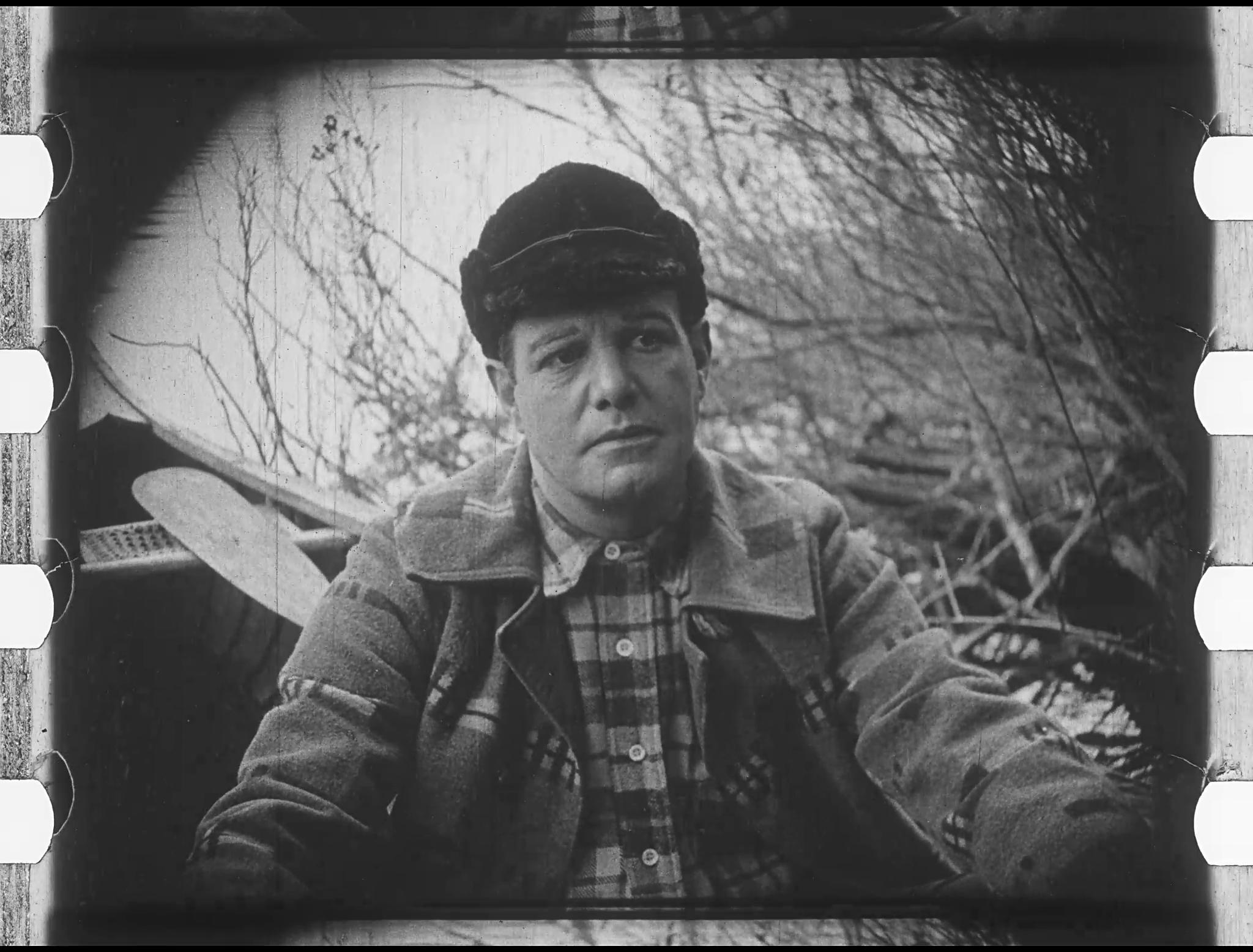
Dir: Edgar Jones
A mail-order bride arrives at a Maine lumber camp but doesn't like her prospective husband.
View Details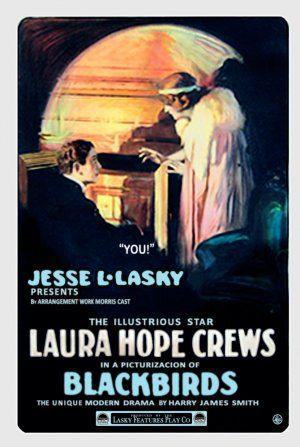
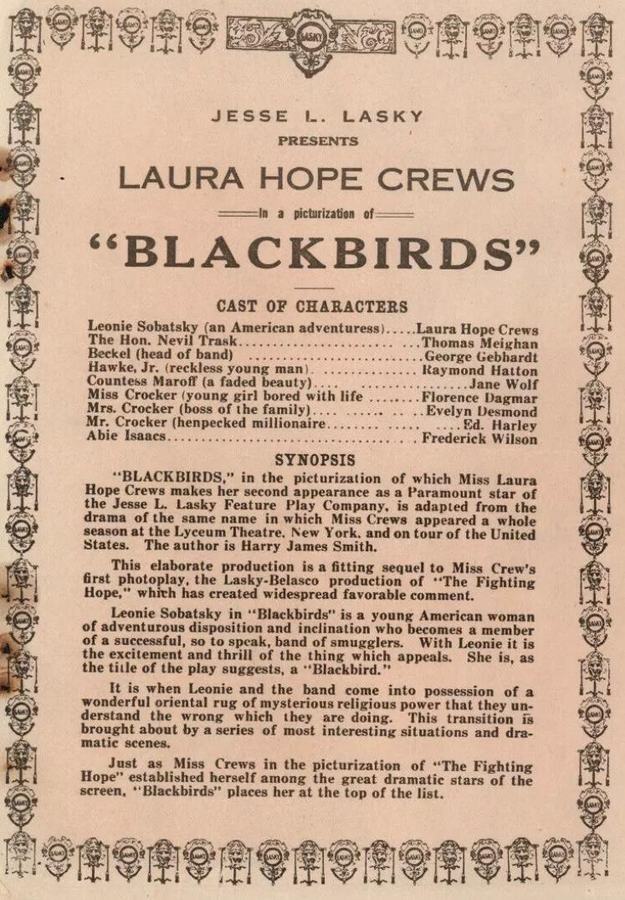
Dir: J.P. McGowan
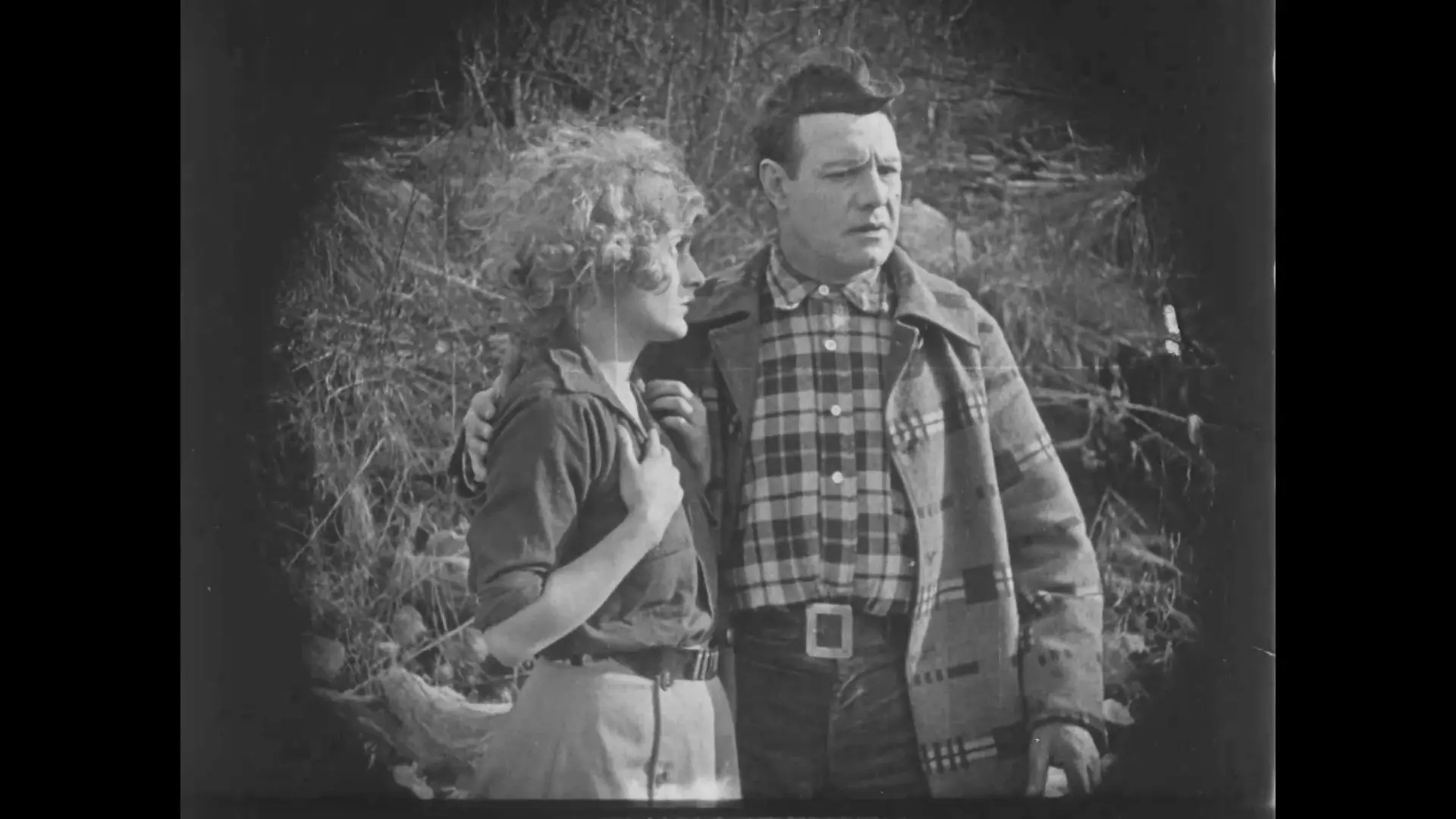
Hawke, Jr., son of a famous New York detective, is challenged by his father to capture "The Blackbirds," a gang of smugglers, finds himself stranded in Algiers. Aware of Hawke's presence, Bechel, the Blackbirds' leader, instructs his accomplice, Leonie Sobatsky, to become friendly with the Crockers, a nouveau riche couple, and later in America, exchange a fake Oriental rug for a $10,000 genuine one which they recently purchased from one of Bechel's contacts. On the steamer returning to the United States, Leonie meets Nevil Trask, an English jewel thief posing as a nobleman. After Hawke secures a position in the Crocker home in New York as a guard for their jewels, Leonie, who now loves Trask without knowing that he is a thief, decides not to switch the rugs, but Hawke, eager to capture Bechel, tricks Leonie into taking the antique. When she sees Trask stealing the Crockers' jewels, they both confess their crimes and plan to reform. Hawke overhears, and follows them to Bechel's headquarters, where he captures the leader. After Trask and Leonie promise to marry, Hawke sets them free.
View Details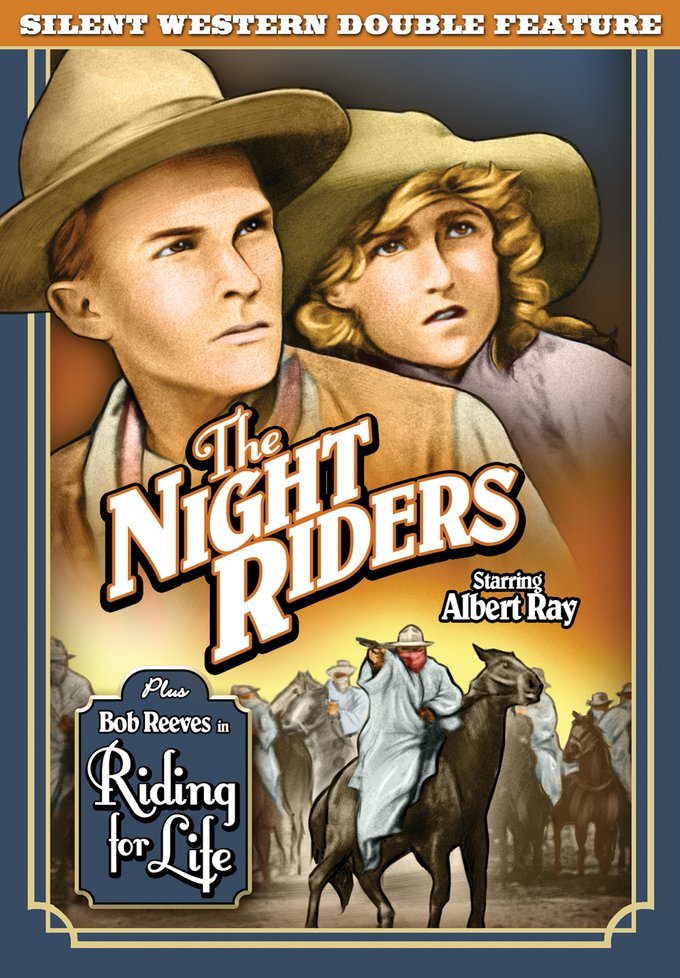
Dir: Alexander Butler
In Alberta, Canada, a Cornish emigrant unmasks a rustler posing as the girl's "blind" father.
View Details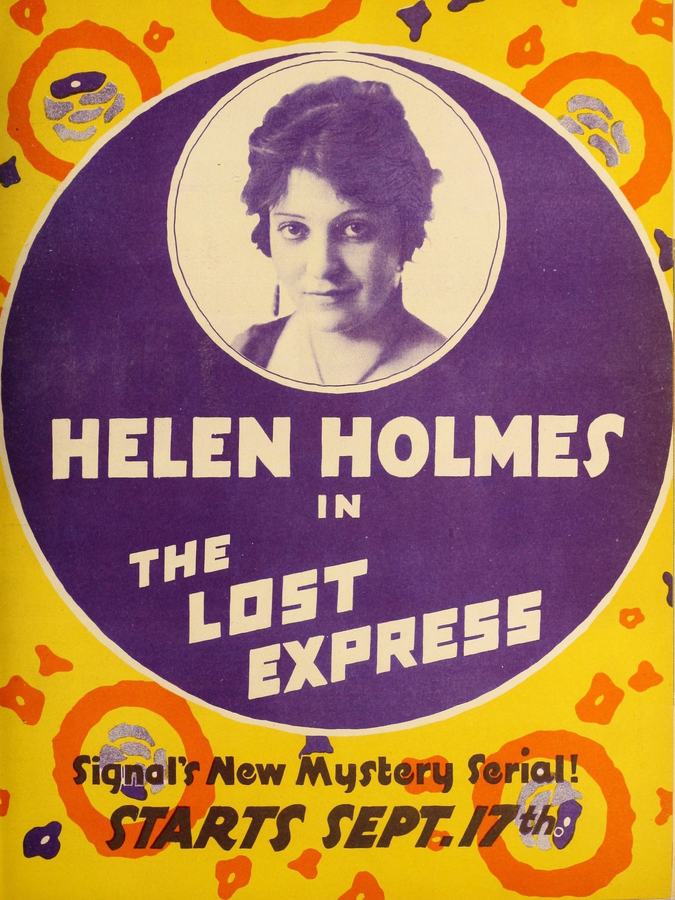
Dir: J.P. McGowan
A train that is carrying the formula for a valuable form of granulated gasoline disappears before it reaches its destination. Railroad investigators and the authorities try to determine where it is and who took it.
View Details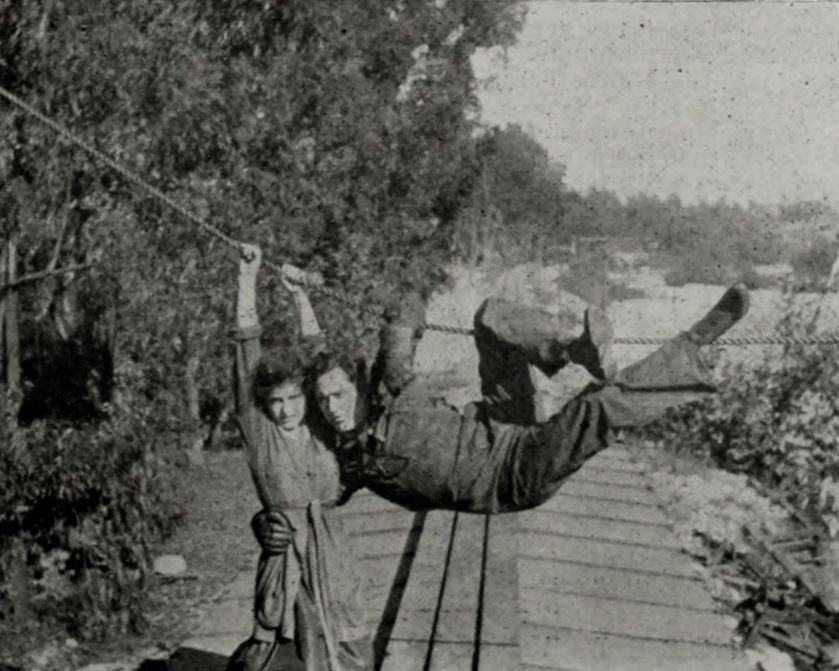
Dir: J.P. McGowan
Episode 1: "Helen's Race with Death" Helen Holmes, age three, accompanies her father, General Holmes, president of the C.W.R.R., to the beach depot each morning as he departs for his office. The nurse takes her to the park, and while her erstwhile guardian chats with the family chauffeur Helen forms a chance acquaintance with a stray dog. The pup, unused to affection, runs away and Helen goes in pursuit. Nearby is a miniature railroad and Storm, an orphan newsboy, seeking to learn the mysteries of the small engine, has struck up an acquaintance with the engineer. Storm is ambitious; he has dreams of operating a real locomotive when he grows up. The miniature train pulls out with its load of passengers. The pup, with Helen in close pursuit, runs in front of the train. Throwing aside his newspapers, Storm dashes forward, and seizing Helen, throws her out of harm's way. Helen likes her rescuer and he tells her of his great ambition to run a big locomotive just like his father before an accident ended his life. Meantime the nurse and chauffeur gather Helen up and she waves a farewell to her new-found friend. The years roll by. Helen, raised in luxury, has developed into a beautiful young girl, in whom is centered all her father's affections. She receives a message from her father, telling her to meet him on No. 19, and that he is bringing home his nephew and a friend of the latter's. After years of disappointments and hard work, Storm has become a fireman on the road presided over by General Holmes. On this day he pulls out on No. 245 over the Black Rock Pass. Half way over the grade the air pump on his engine breaks. The long train is brought to a stop. Connecting up an emergency telephone, the conductor, talking to the dispatches receives orders to "bring on train by hand brakes." With the crew on decks, No. 245 is again in motion. Passing the summit, the crew realizes it can no longer control the long drag of cars, for the freight's speed has put it on the schedule of No. 19, the passenger aboard of which is General Holmes. The crew decides to cut off the caboose and escape, but Storm doggedly insists on sticking to the engine. Writing a message on a white signal flag and wrapping it around a wrench, the conductor hurls it through the window of the first telegraph office they pass. The operator wires news of the runaway to the next station, but it is too late; No. 19 has left. This put the passenger in the path of the runaway. Helen learns of the danger from the operator, where she is waiting. She rushes out and mounts her pony and rides for the bridge, but reaches it just as it is raised to permit the passage of a battleship. Digging her spurs into her mount, she makes a wild attempt to reach it, but fails. Into the river go horse and rider. As she rises to the surface Helen strikes out for the opposite shore. The two trains are drawing closer together. Arrived on shore, Helen mounts her pony and resumes her race with death. Down the track she gallops to a switch, the lock of which she breaks with a stone. Seizing the lever, she throws the switch as the head end of the freight thunders into the passing track. The hind end just clears the switch as the passenger tears by. At the far end of the passing track three box cars are standing. As Storm, still at his post, see the impending collision he jumps to safety. Helen rushes forward and picks up the gallant fireman. She has repaid her debt to her newsboy hero.
View Details
Dir: J.P. McGowan
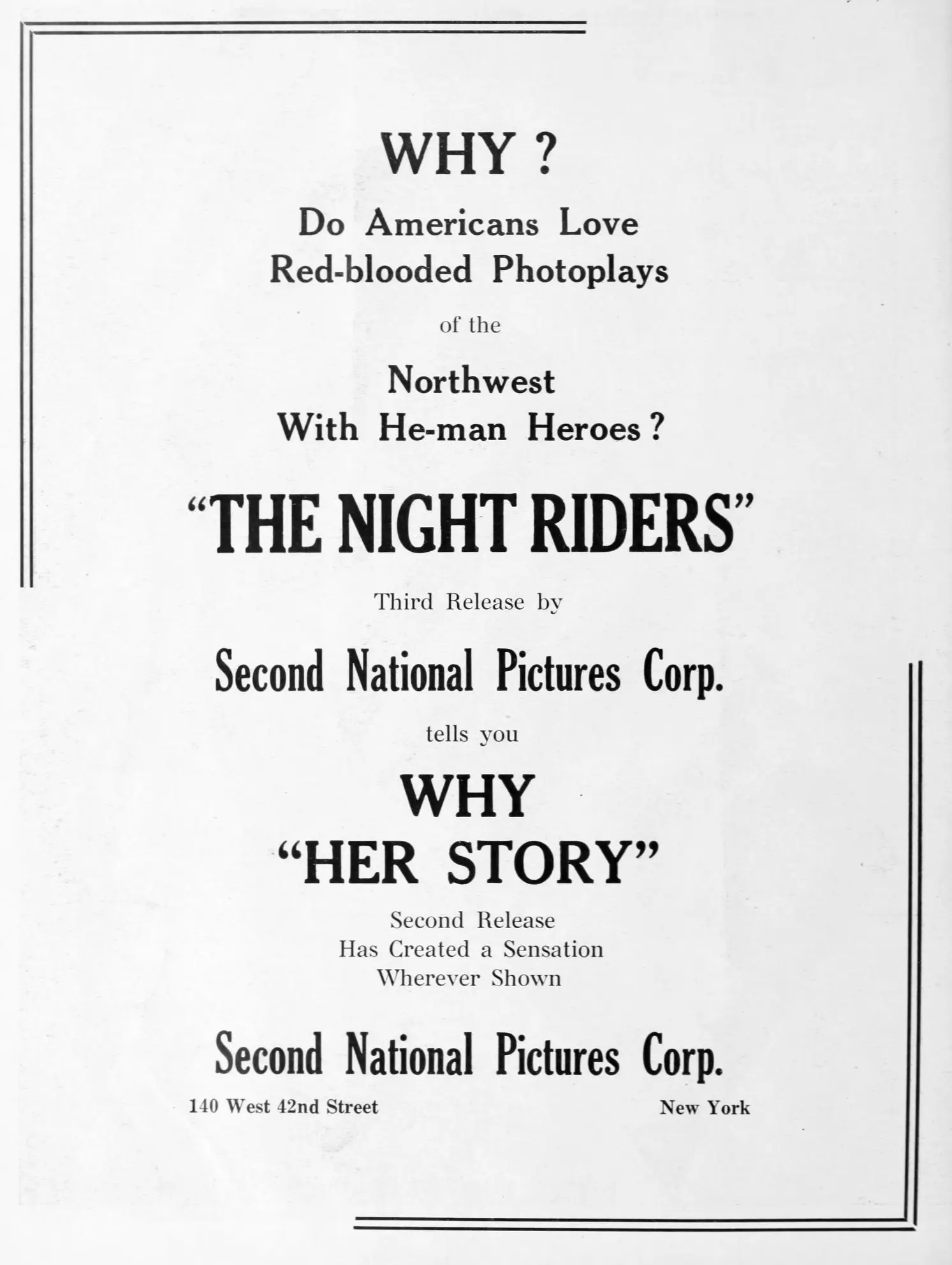
A fascinating piece of cinema that shares thematic elements.
View Details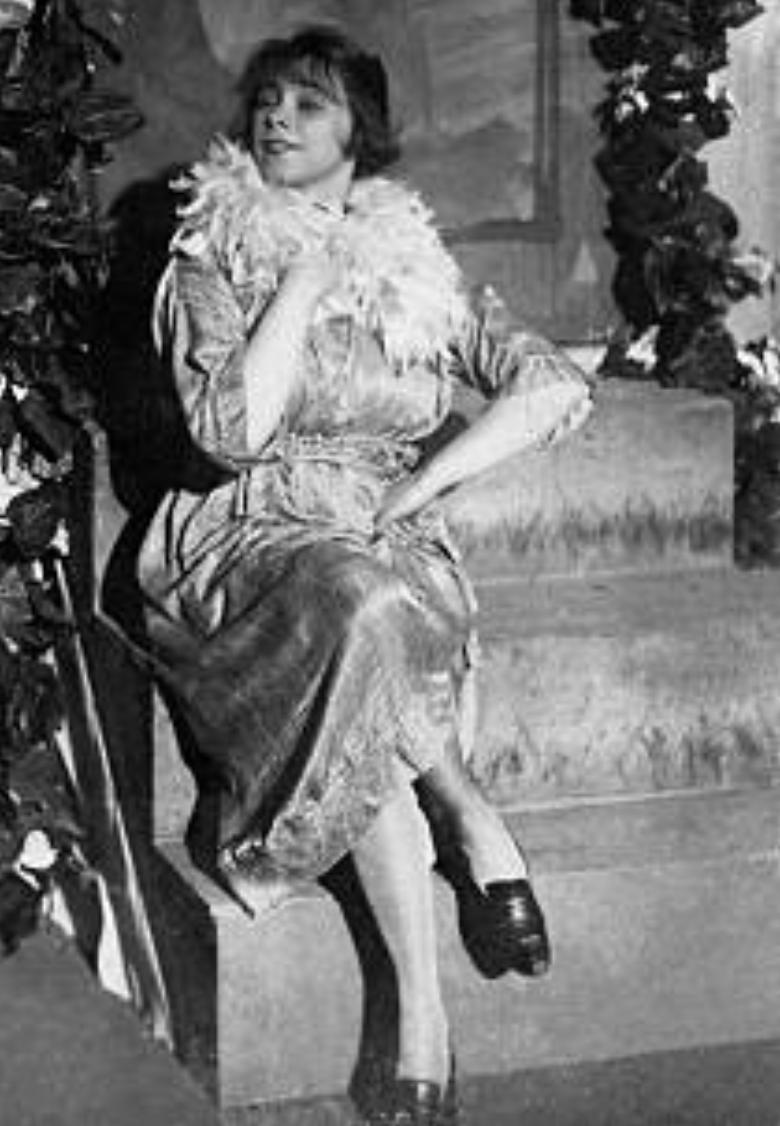
Dir: Bruno Ziener
A fascinating piece of cinema that shares thematic elements.
View Details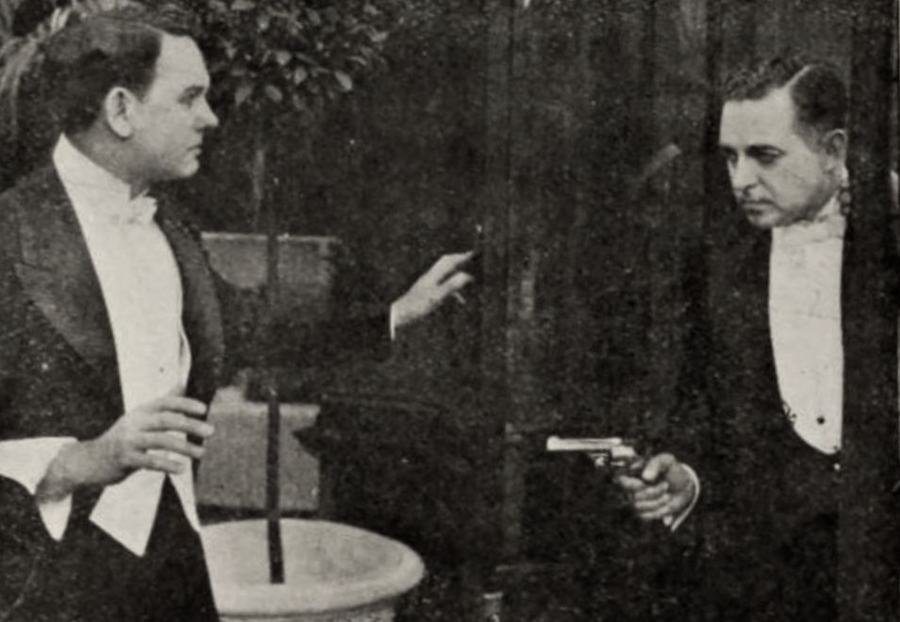
Analysis relative to Under Texas Skies
| Film Title | Atmosphere | Complexity | Similarity |
|---|---|---|---|
| The Great Shadow | Gothic | High | 94% Match |
| The Manager of the B & A | Ethereal | Dense | 92% Match |
| In the River | Gritty | High | 92% Match |
| Blackbirds | Surreal | Linear | 95% Match |
| The Night Riders | Ethereal | High | 96% Match |
This guide was algorithmically generated using the cinematic metadata of J.P. McGowan's archive. Last updated: 6/24/2026.
Back to Under Texas Skies Details →