
DbcultAccessing Vault...
Recommendations
Senior Film Conservator
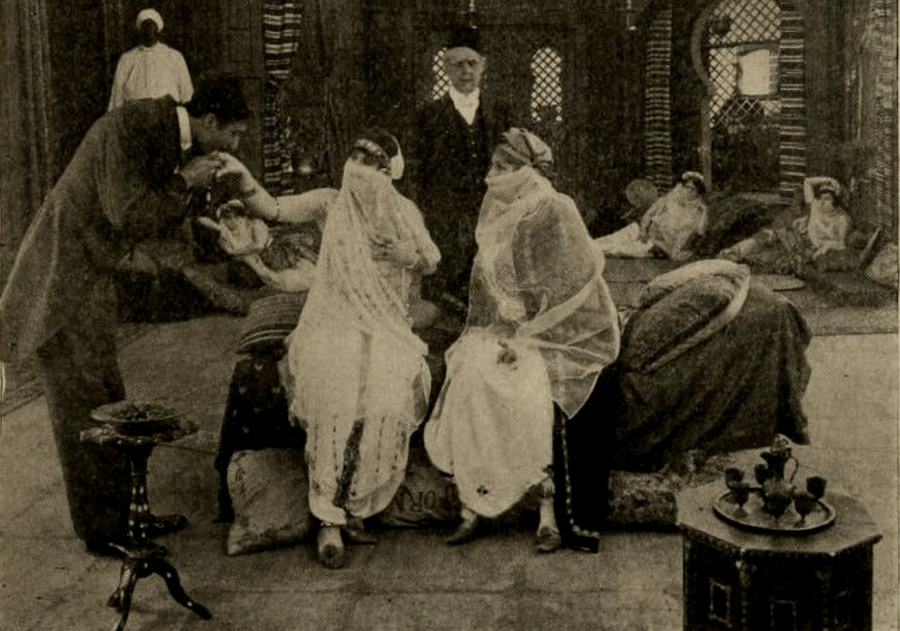
Since its 1915 debut, Under the Crescent has maintained a artistic bravery status, the legacy of Under the Crescent is a beacon for those seeking the unconventional. Our criteria for this list were simple: only the most artistic bravery and relevant titles.
The 1915 landscape was forever altered by the arrival of to sustain a sense of mystery that persists after the credits roll.
A series of six episodes involving the adventures of an American actress in Old Egypt: #1: The Purple Iris; #2: The Cage of the Golden Bars; #3: In the Shadow of the Pyramids; #4: For the Honor of a Woman; #5: In the Name of the King; #6: The Crown of Death.
Critics widely regard Under the Crescent as a cult-favorite piece of cult cinema. Its artistic bravery is frequently cited as its strongest asset, solidifying its place in United States's film legacy.
Based on the unique artistic bravery of Under the Crescent, our vault has identified these titles as the most compelling follow-up experiences for fans of cult cinema:

Dir: Burton L. King
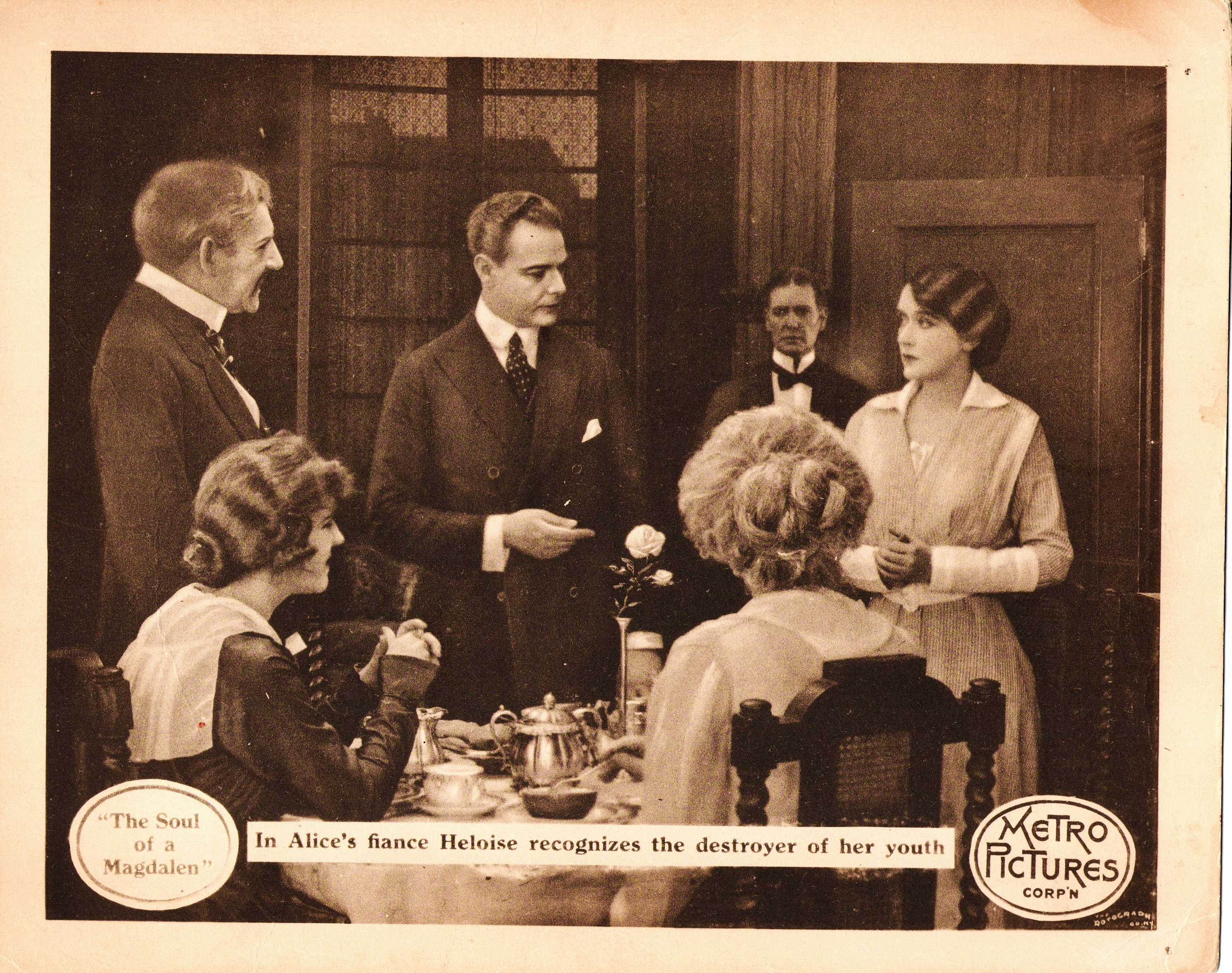
The sole support of her invalid mother and young crippled brother, Heloise Broulette is forced to become the mistress of Leland Norton in order to secure the money for an operation to save her mother's life. Mrs. Broulette recovers, but when she discovers the real source of her daughter's income, the news kills her. After her mother's death, Heloise leaves her career behind and goes to the country where she takes a job as a secretary to author Carter Vail, who falls in love with her. Ruth finds herself in a dilemma when Vail's sister Alice visits friends in the city and falls in love with Norton. Honor bound, Ruth sacrifices her own happiness to save Alice from Norton. In revenge, Norton informs Vail of Heloise's past, but Vail responds that she has the soul of a Magdalene despite the life that she had been forced to endure.
View Details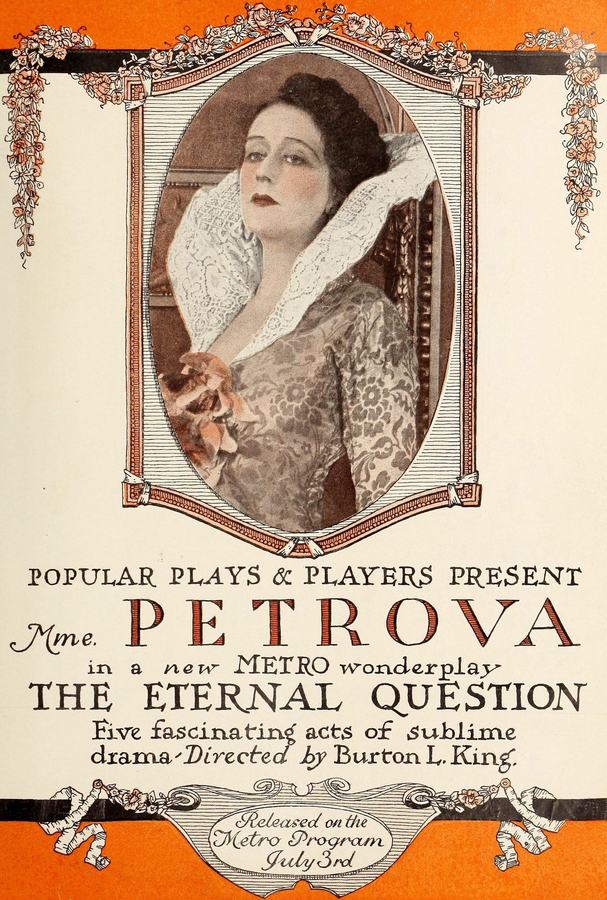
Dir: Burton L. King
Ralph Courtland and Pierre Felix are sitting in their Fifth Avenue Club discussing the eternal question, woman. Ralph contends that it is birth and breeding that make the gentlewoman, but Felix, who is a designer of fashionable apparel, claims in three months he can make a lady of any one he may happen to pick up on the street, simply by dressing her properly. An old organ-grinder and a young woman, leading a monkey by a string, stop in front of the club to gather some pennies, and Ralph and Felix decide to make her the subject of the test. The wager is for $25,000 and expenses and stakes are placed with Allen Tait, a young lawyer. Ralph goes to California, where his aeroplane is to be entered in a race, and Pierre, fitting out Bianca with beautiful clothes and installing her in a handsome apartment, begins his experiment. Bianca wears her new garments as if born to the purple, and is soon introduced to society at a charity ball and bazaar given by Ralph's mother, Pierre introducing her as a Russian Countess. Ralph returns in time to meet her, and not knowing her identity, is delighted with her. He pays her so much attention that Pierre's jealousy is aroused. Pierre, maddened by her exotic beauty attempts to embrace her, when he escorts her to her new apartments after the ball. She is so infuriated that she returns at once to the old organ-grinder. Pierre apologizes profusely, and persuades her to return, so that he may win the wager. Ralph and Bianca spend a great deal of time together. They are out horseback riding when Ralph's horse becomes frightened and he is thrown. Bianca is so overcome with fear that she rushes to him and pours forth her love in a torrent of words. Ralph is not badly hurt, and returning to consciousness, hears her and is overjoyed. He proposes marriage to her, and she accepts at once. Later Pierre reminds Ralph that he has lost the wager, since Bianca has been accepted by society. Ralph's affairs are in a precarious condition, and this threatens to ruin him. Then Bianca tells him her real identity. She is the daughter of the King of Montenaro. Being ordered to marry the Grand Duke Seridan, she has escaped to America, taking Carlo, an old servant, with her. Ralph rushes back to the club and prevents Allen from paying over the money to Pierre, since he is the one who has lost. Pierre, infuriated, vows revenge. He hurries to Bianca and forces her into an automobile. The Grand Duke has come in search of her, and Pierre promises to deliver Bianca to him. He takes her to the Duke's ship, which is in the harbor. Ralph, who has been notified by Bianca's maid that her mistress has been kidnapped, at once follows in his aeroplane, and Allen Tait gets into communication with the government officials to have the ship stopped within the three-mile limit. A cruiser is sent after the boat and stops it, but not before Ralph has dropped to the deck from his airship and fought his way to Bianca. Their immediate marriage puts a stop to further persecution from the Grand Duke.
View Details
Dir: Burton L. King
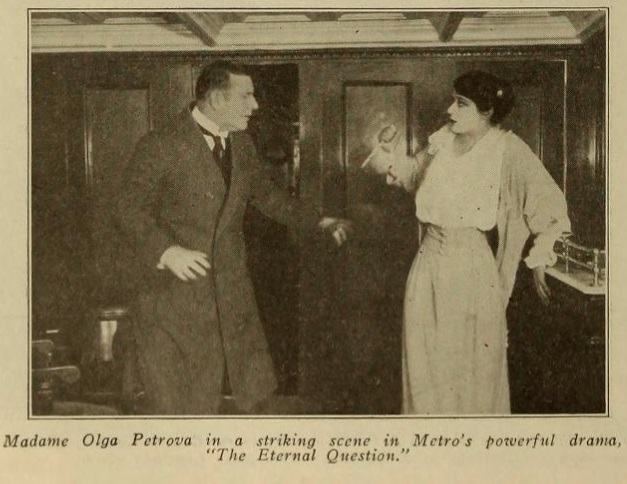
Young Dudley Kent falls in love with Grace Vaughan and leaves his wife for her. The two are very happy until Kent learns that his young son has died. He blames Grace for "luring" him away from his family and leaves her. Alone and broke, Grace is tricked into working at a "sporting house" run by madam Marie D'Arcy. Desperate to escape her circumstances, she meets a young man who she believes can rescue her from her predicament. He eventually does, but complications ensue.
View Details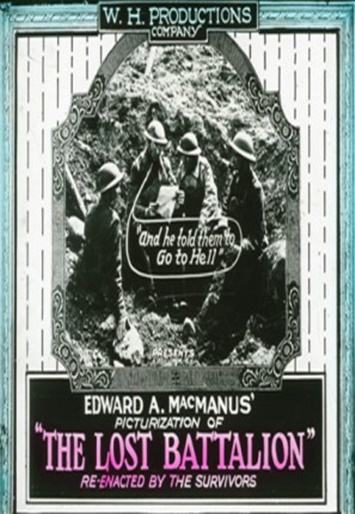
Dir: Burton L. King
A battalion of the U. S. Army's 77th Division penetrates deep into the Argonne Forest of France during the First World War. The battalion becomes surrounded and holds out for six long days, awaiting reinforcement and rescue.
View Details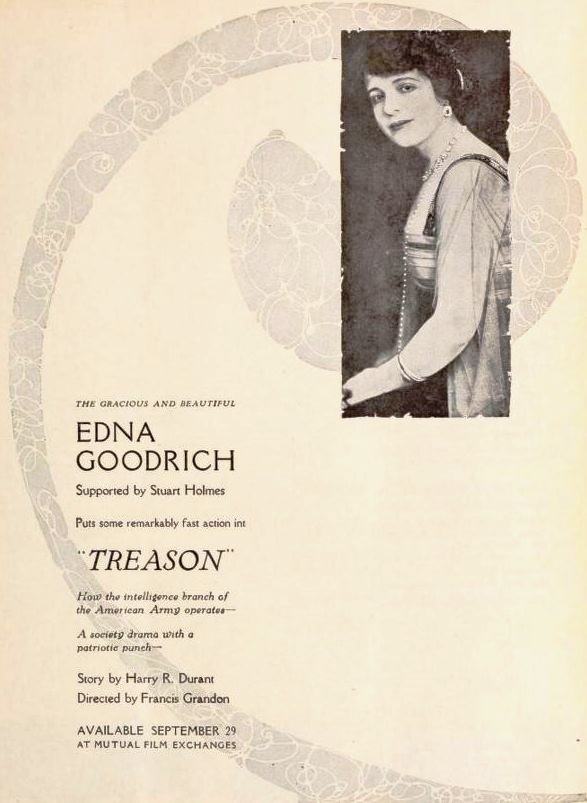
Dir: Burton L. King
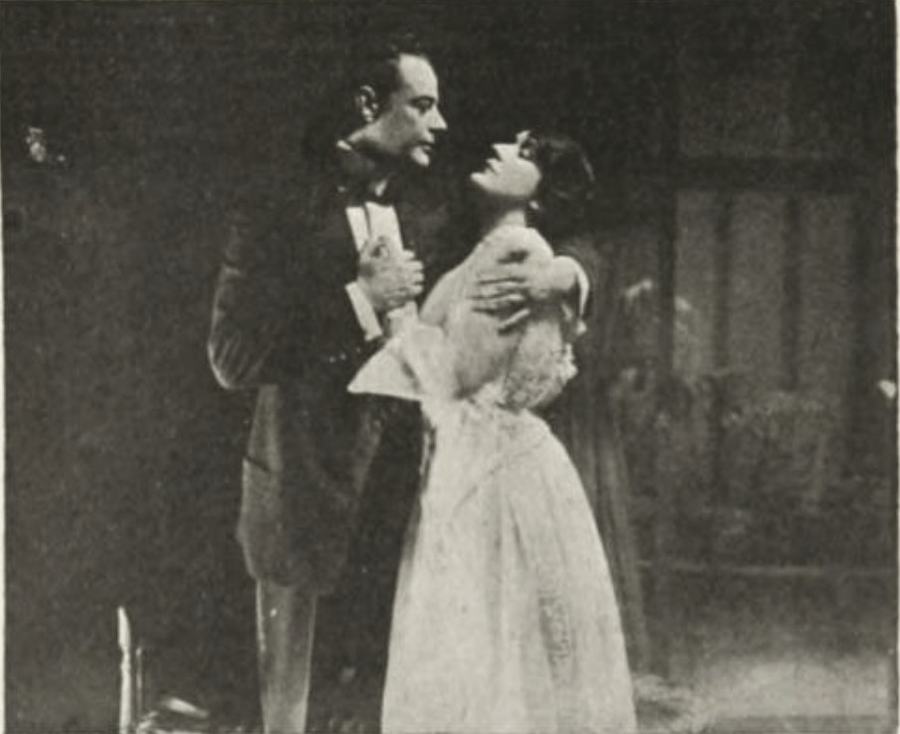
Engrossed in the perfection of a new high power explosive, the husband seems to neglect his wife. She is further piqued by the introduction into their home of a man whose presence is unexplained, but who is really a Secret Service operative guarding the invention. The Government has asked that the wife be kept in ignorance. In this frame of mind the wife lends a ready ear to Aachen, who suggests that the husband be taught a lesson by the abstraction of this all-absorbing formula. Through this means he gets the formula, but in the end the Government gathers him in, and the only permanent result is a needed lesson to the innocent little traitor.
View Details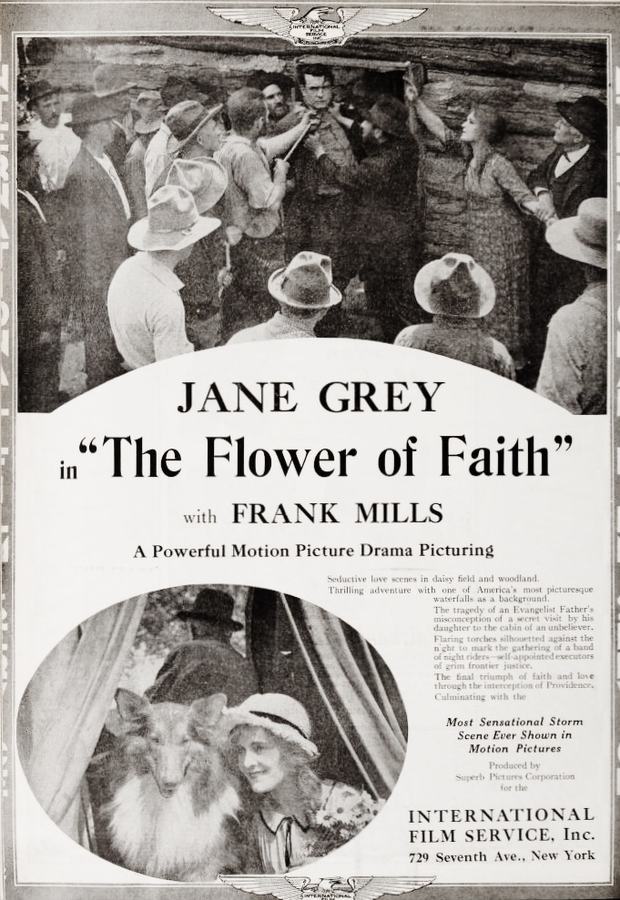
Dir: Burton L. King
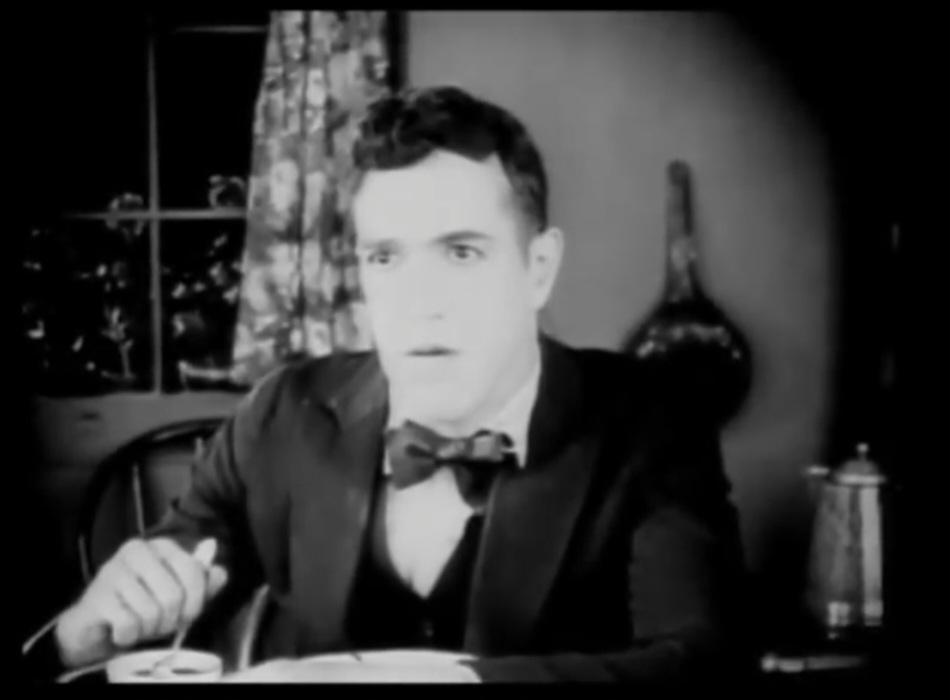
Ephram Judson is an itinerant evangelist. He is always accompanied by his daughter Ruth and his 17-year-old son Tom. They enter a community of devout Christians and hold a series of meetings. On the outskirts of the community lives Hugh Lee, an outcast. His only sister had been burned to death on her wedding day when he renounced the world and his God. Accidentally he meets Ruth Judson, the evangelist's daughter. For the first time since the tragedy, the world looks bright to him. Ruth induces him to attend the Sunday service, but in the midst of it, he pictures his sister's death, and bursts forth into a violent denunciation of religion. The worshippers are shocked and pursue him to the woods. The collection that day was large and the money is given to young Tom Judson to take to the treasurer. Tom has formed the acquaintance with the village sport, who meets him and inveigles him into a game of cards. Tom stakes the church funds and loses. The gambler turns the money over to the village grocer in payment of a bill and the distressed boy, who has witnessed the transaction, sees the grocer hide it. Tom steals the money, but is pursued and slightly wounded by the grocer. He makes his way to the only place of refuge he can think of, the cabin of Hugh Lee, the unbeliever. Tom believes he is dying and pleads for his sister. Lee fetches her at night to the cabin. Meantime the grocer has aroused the community, including the evangelist, to hunt down the thief. The boy is traced to Lee's cabin, which is attacked. Ruth, aroused, as she was from her slumber, is found in the cabin in her night clothes, but she still shields her guilty brother and Lee. The fury of the mob breaks loose, Lee is dragged from his cabin and a noose placed about his neck. Ruth refuses to tell why she was in the cabin, despite the pleadings of Lee to save her honor, and give her brother up to the law. She declares that God will save them all. A storm is raging. Lighting its way with fire-brands, the mob marches Lee to the scene of the revivals after having fired the cabin. The leader of the mob throws the end of the noose over a tree and gives the horse Lee is riding a crack with the whip. Just at that moment a terrific bolt of lightning strikes the limb, severing it from the tree and throwing Lee to the ground. It strikes, too, the mob leader, killing him instantly. Tom, driven from the burning cabin, has followed the mob and arrives on the scene just as the hand of God saves an innocent man. He confesses his guilt, clearing Lee and his sister's honor and changing a frenzied mob into a rejoiceful gathering, the picture closes with Lee acknowledging the power of faith that has saved him and clasping Ruth in his arms.
View Details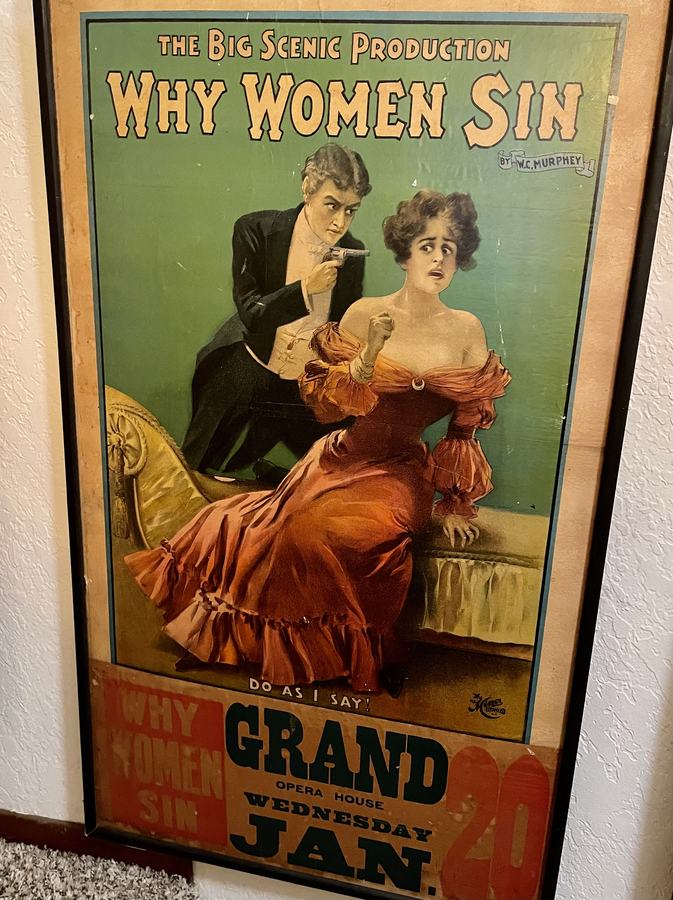
Dir: Burton L. King
So engrossed by his desire to be elected governor, Philip Pemberton neglects his wife Dorothy. Horton, a political boss opposes Pemberton's candidacy and conspires to prevent his election. To accomplish this, Horton hires two crooks to pose as the Baron and Baroness De Ville to gain Dorothy's confidence. One day while out motoring with Dorothy, the Baroness feigns illness and is taken to the bedroom of an inn, where her husband unexpectedly appears. When the Baroness steps out, the frame-up for a potential scandal is completed. Horton threatens to blackmail Pemberton with the situation unless he drops out of the race, but at the last minute a detective who has been tracking the Baroness appears and arrests her, exposing the Horton plot. Pemberton then realizes he has neglected his wife and begs her forgiveness, which she grants.
View Details
Dir: Burton L. King
Laura Sutphen breaks off her engagement with Donald Loring because he drinks excessively and she refuses to see him socially. When her automobile breaks down in front of a friend's empty estate during a storm, Laura is forced to spend the night with Von Kolnitz, a rich foreigner also stranded by the weather. After ignoring Donald's advice to get out, Laura receives a threatening phone call from the editor of the Tattle Tale . To keep her name out of the gossip newspaper, Laura agrees to invite Sue Schuyler, her best friend and an incurable flirt, and Von Kolnitz to a party and to allow Donald to attend as an employee of the Tattle Tale . At the party, Sue and Von Kolnitz arrange a compromising midnight rendezvous at which Donald appears with a camera. After a series of misunderstandings with Laura, Donald reveals himself to be a secret service agent and exposes Von Kolnitz as a social blackmailer. Her faith restored, Laura is reconciled with Donald.
View Details
Dir: Burton L. King
When Vera, the daughter of steel king Daniel Maitland, marries Blair, a young lawyer, her father cuts her off with only a small allowance. A few months later, Blair becomes famous by securing the acquittal of one of his friends who had killed his wife's lover, basing his plea on "the unwritten law." He then succumbs to the fascination of another woman. Vera discovers them in a compromising situation and shoots Blair. At her trial, her lawyer is pleading for mercy when Vera explains that she does not want mercy, but justice. She asks if there is one law for a woman and another for a man and explains that she shot her husband because he betrayed her trust. At that moment, it is revealed that the whole episode is being composed by novelist Elaine Esmond, who interrupts her story to go to the opera with her sweetheart.
View Details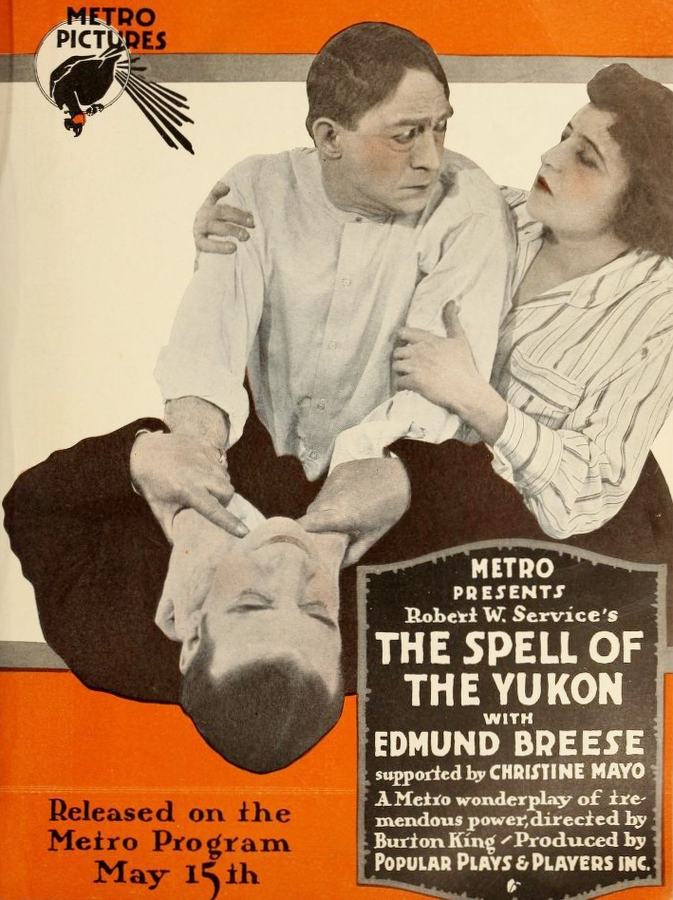
Dir: Burton L. King
Having forced Jim Carson to leave town in order to avoid a trumped-up embezzling charge, now Albert Temple is rid of his only serious rival for Helen, whom he soon marries. Jim goes to Alaska, where he adopts Bob Adams, the son of a murdered friend, and then makes a fortune in a gold strike. After eighteen years in the Yukon, Jim returns to his hometown with Bob, who falls in love with Helen and Albert's daughter Dorothy. Because he so hates Albert, however, Jim refuses to consent to a marriage between Bob and Dorothy until Helen tells him that Albert is not the young woman's father. In reality, Dorothy is Jim's own daughter, and when he learns this, Jim quickly changes his mind about the marriage.
View DetailsAnalysis relative to Under the Crescent
| Film Title | Atmosphere | Complexity | Similarity |
|---|---|---|---|
| The Soul of a Magdalen | Tense | Linear | 97% Match |
| The Eternal Question | Ethereal | Dense | 98% Match |
| The Waiting Soul | Tense | High | 89% Match |
| The Lost Battalion | Ethereal | Abstract | 93% Match |
| Treason | Gothic | Linear | 94% Match |
This guide was algorithmically generated using the cinematic metadata of Burton L. King's archive. Last updated: 6/21/2026.
Back to Under the Crescent Details →