
DbcultAccessing Vault...
Recommendations
Senior Film Conservator
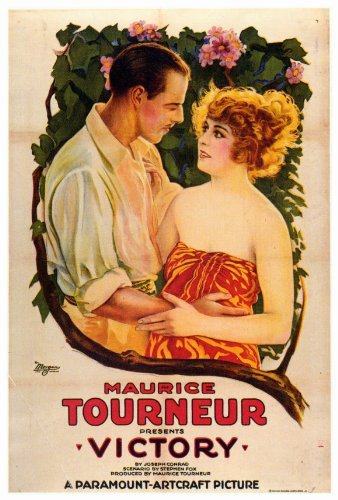
The 1919 release of Victory redefined the parameters of cult storytelling, the narrative complexity found here is a rare find in the 1919 landscape. Prepare to discover your next favorite movie in our hand-picked collection.
Historically, Victory represents to explore the darker corners of the human condition with artistic bravery.
Axel Heyst, an uncommitted wanderer, has settled on an island in the South Seas. He takes pity on a troubled young woman, Lena, and gives her refuge on her island. But the piratical Mr. Jones, who believes Heyst has treasure buried on his island, leads his cohorts in an invasion of Heyst's haven.
The influence of Maurice Tourneur in Victory can be felt in the way modern cult films handle artistic bravery. From the specific lighting choices to the pacing, this 1919 release set a high bar for atmospheric immersion.
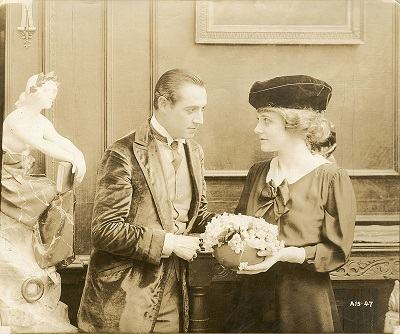
Based on the unique artistic bravery of Victory, our vault has identified these titles as the most compelling follow-up experiences for fans of cult cinema:
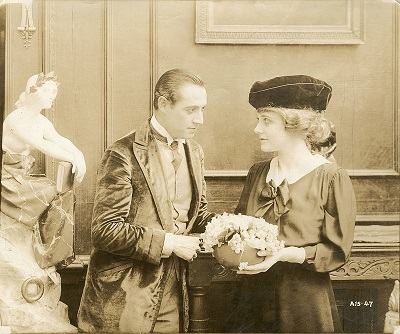
Dir: Maurice Tourneur
A resourceful young girl struggles to free herself from slum life.
View Details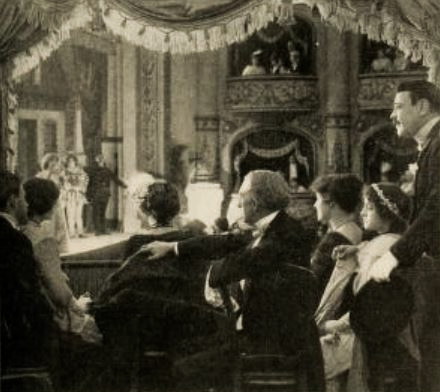
Dir: Maurice Tourneur
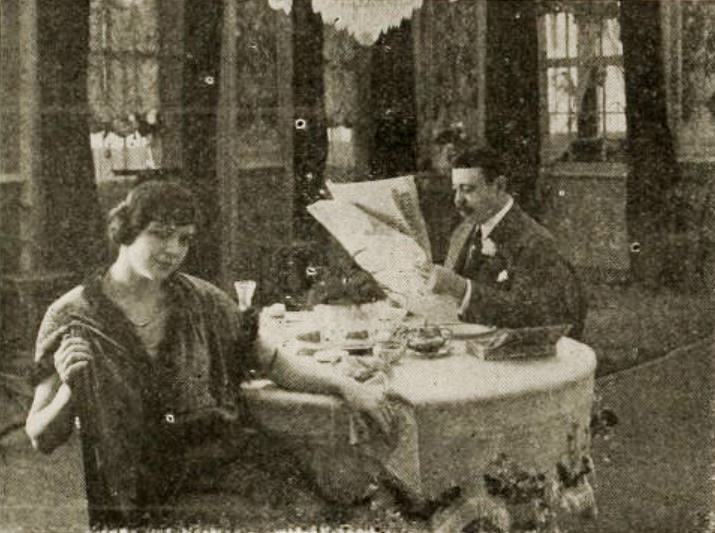
Novice businessman Curtis Jadwin ( Wilton Lackaye ) is introduced to the world of grain speculation by veteran broker Charles Cressler ( Alec B. Francis ). At a performance of Faust , Curtis meets and falls in love with Laura Dearborn ( Gail Kane ), the sweetheart of artist Sheldon Corthell ( Milton Sills ). Curtis pursues Laura and finally convinces her to marry him, but soon after their wedding, he neglects her for his business. In her loneliness, Laura renews her relationship with Sheldon and the lovers plan to elope. When Curtis is ruined on the market, however, Laura rejects her lover and comforts her husband.
View Details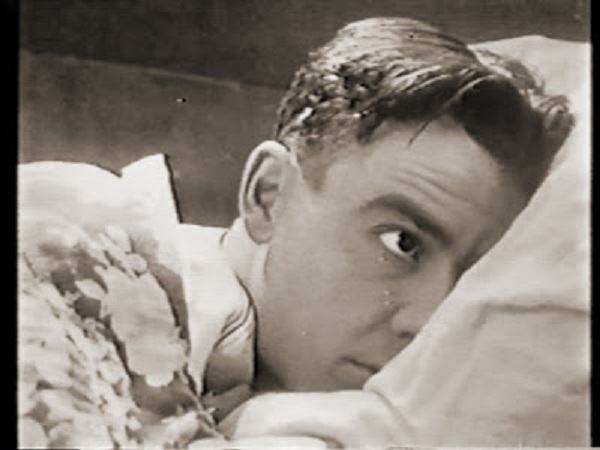
Dir: Maurice Tourneur
Editor of the Louisville Gazette sends happy-go-lucky cub reporter Steve Oldham to cover a feud in the hills that began when Jim Renlow's pig was caught eating Bill White's turnips. Although Steve tries to remain impartial, he falls in love with schoolteacher Alice Renlow. At a "Truce Dance" given to raise money for Alice's salary, Steve drinks too much and innocently kisses Peggy White, who then tells her relatives that they are engaged. Later, when Steve is seen kissing Alice's hand, the Whites take Steve captive and plan to shoot him at sunrise. Alice pleads with Tilden White, who loves her, to allow Steve to escape, but he agrees only if Steve will leave alone. When Steve refuses, Alice confesses her love. They fight until the house which they are occupying is destroyed and the cavalry, notified by Steve's newspaper, arrives. The two sides are now reconciled as Steve and Alice prepare to marry.
View Details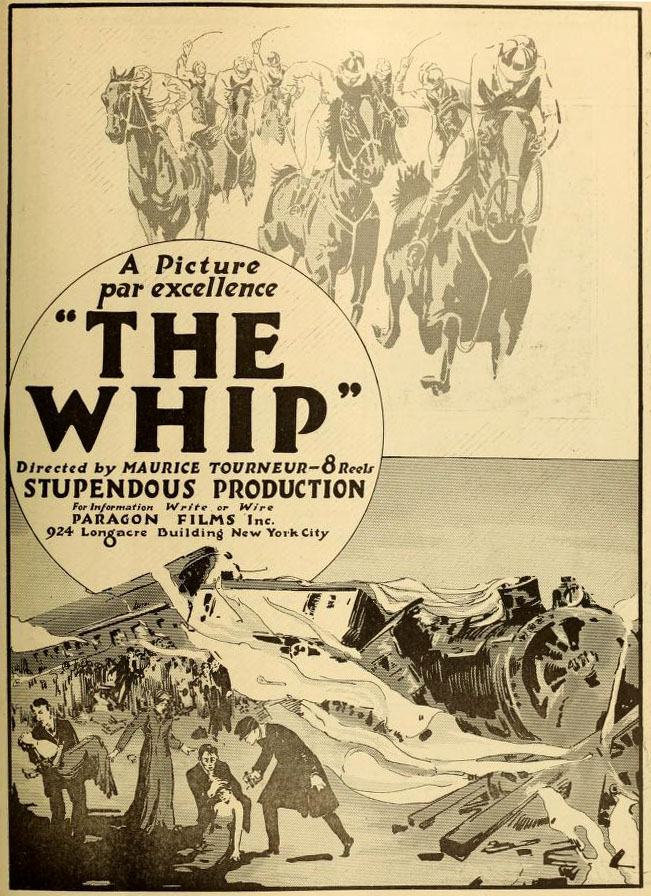
Dir: Maurice Tourneur
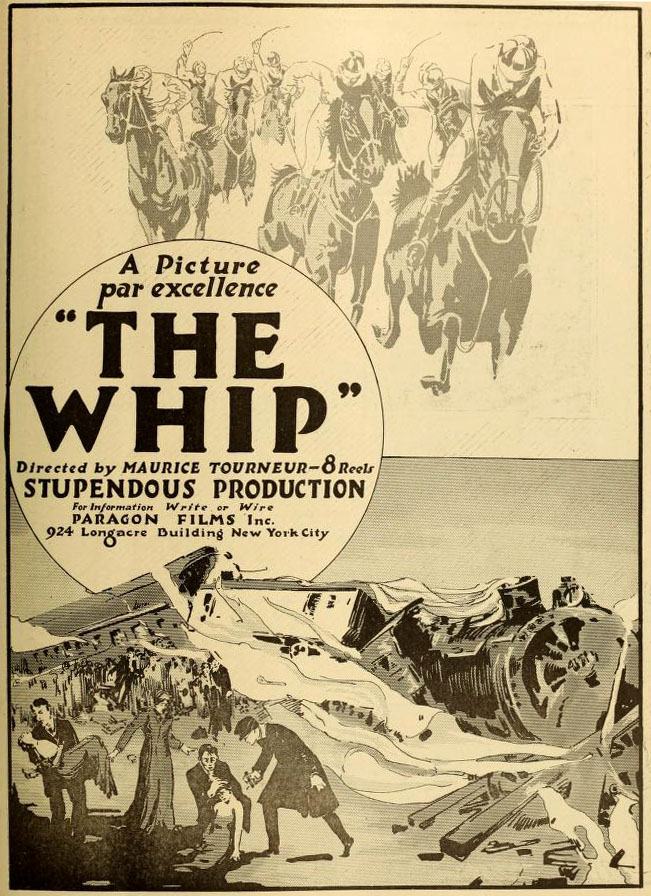
The story of the training of a racehorse, the Whip, of the amnesiac nobleman who loves the horse, and of the villains who attempt to keep it from racing.
View Details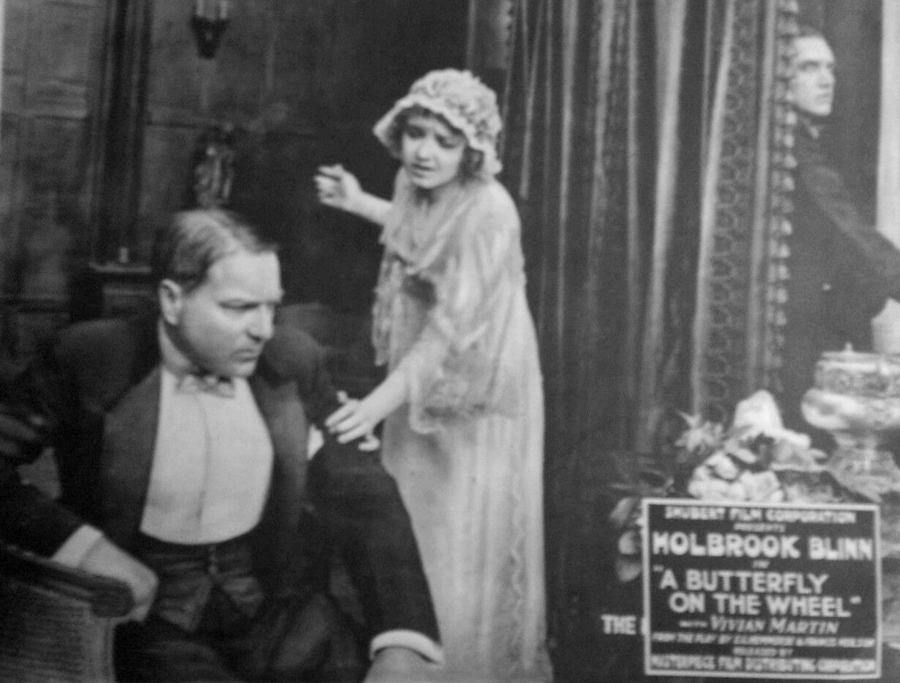
Dir: Maurice Tourneur
Peggy Admaston and her husband are socialites whose happy marriage quickly deteriorates as Admaston neglects his young wife for business matters, and is unaware of her loneliness and vulnerability. When Peggy is wooed by Admaston's friend Collingwood, who acts on his feelings without regard to consequences, she grows fond of him, but remains faithful to Admaston. After socialite Lady Attwill causes Admaston to doubt his wife's fidelity, his suspicions are furthered when a fire erupts one evening at the theater, and Admaston returns home unexpectedly to find that Peggy, who refused to accompany him because she said that she did not feel well, entertained a male visitor that evening. Admaston arranges to trap Peggy and Collingwood together at a country roadhouse, and begins divorce proceedings based on the resulting strong circumstantial evidence. Later, Lady Attwill convinces Admaston that Peggy's friendship with Collingwood was innocent and the couple is reunited.
View Details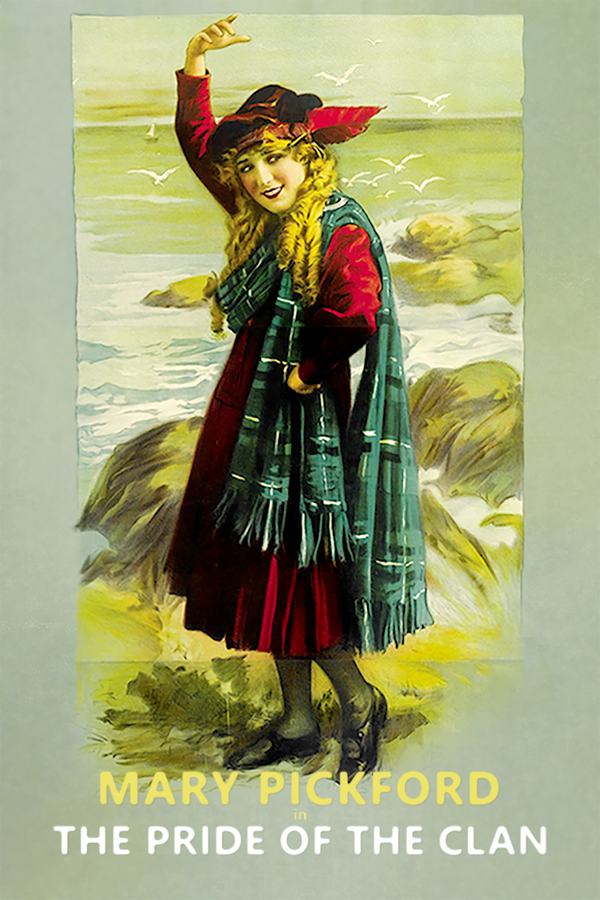
Dir: Maurice Tourneur
Among the simple fisher-folk of a little island off the west coast of Scotland lives MacTavish, head of a clan. Here he rules as a chieftain, and his word is law. One day a hurricane sweeps across the Hebrides and the fishermen turn their boats to the inlet for shelter. On the shore the women and children watch the fight of their men with the waves. Among those who wait is Margaret MacTavish, who sees her father's boat dashed to pieces in the roaring surf. A party of men headed by Jamie Campbell tries to rescue the old chieftain but the waves close over him before they can reach the battling craft. With MacTavish lost, according to the law of the island the succession of authority passes to his daughter Marget, just 18. She, with a spirit of kindness and in a tender, sweet and girlish way, rules the fishermen and their families. Her disposition wins them. Jamie Campbell, a young fisherman, has won Marget's heart. Jamie has always been regarded as the son of Mrs. Campbell, one of the clan. The old lady, realizing that Jamie is reaching his 21st birthday, feels that she cannot keep her secret longer. So she writes to the Countess of Dunstable that the baby of her first marriage, which she left with the old woman of the island, did not die but grew to be a fine young man, and is now known as Jamie Campbell. The Countess, accompanied by her husband, starts out to seek her son. It is on the eve of Jamie's betrothal to Marget that, the Countess finds the young man and tells him of his real identity. She swears him to secrecy even from his own sweetheart. The Countess goes to watch the quaint betrothal ceremony of her son and Marget. Meeting him they are seen by those who do not know the relation to embrace and this fact is told to Marget. The disappearance of the Countess has aroused the suspicions of the Earl, and he, having learned of her secret meeting with, Jamie and not knowing the relation, confronts her. The wife breaks down and confesses that the young man is her son. There having been no children by the second marriage the Earl is delighted with the news and at once starts to plan for Jamie's future. The Earl, however, means that Jamie shall cut loose from all of his former associates. He persuades Marget to believe that she is an obstacle to Jamie's future and she reluctantly decides to make the sacrifice and give up her sweetheart. As chief of the clan, Marget commands him to leave. Jamie with heart torn asunder departs for his mother's yacht. Marget decides to sail out to somewhere in the west where her father and his father were wont to sail with the fishing boats. Before she cuts the ropes that hold the frail old hulk in which she lives to the island shore she sets ashore her pets and writes a note, places it on the strap collar of her favored little goat, and sends it abroad. Grouchy, gloomy Pitcairn, the village atheist who feared no one and hated himself, has always refused to obey the rulings of Marget. Pitcairn is in a troubled sleep the night Marget cuts loose in her unseaworthy craft, and in a wakeful moment he hears the bleating of the goat at his door. He is about to drive the animal away when he finds the note Marget has written. Looking seaward he sees the old craft tossing in the sea and he realizes what has happened. The village is aroused and the church bell set to ringing. Down to the surf line rush the people. Pitcairn sends a messenger to the yacht to get Jamie. Lowering a boat he rushes to the hulk and just as the waters are closing in on the cabin he rescues his sweetheart and the atheist falls to his knees and utters a prayer for the first time in his life. Jamie takes Marget back to the yacht, a reconciliation between the girl and the Earl follows and the dreams of the courtship begin all over again but they are real dreams because they have come true.
View Details
Dir: Maurice Tourneur
When he is ruined by speculating in the stock market by bogus tips given to him by Charles Wainwright, George Garrison commits suicide, but before his death he begs his son Henry to avenge him. Henry goes West and makes a fortune prospecting, then returns to New York and assumes the name of Henry Thompson. He becomes Wainwright's protege and falls in love with his daughter Dallas, then is elected mayor of New York, backed by Wainwright's friend, political boss Richard Horrigan. In return for Wainwright's support, he is supposed to sign a franchise binding the city to the financier's railway. Henry refuses, so Wainwright and his flunkies attempt to discredit him by dredging up an old murder charge, but the charge is proved false when the supposed victim, Henry's partner Joe Standing shows up. Finally, Henry confronts Wainwright, accuses him of causing his father's death and of attempting to defraud the city. Despite his denunciation of her father, Dallas proclaims her love for Henry. In an epilogue, the hands of the victims of political boss Horrigan clutch at him from the grave.
View Details
Dir: Maurice Tourneur
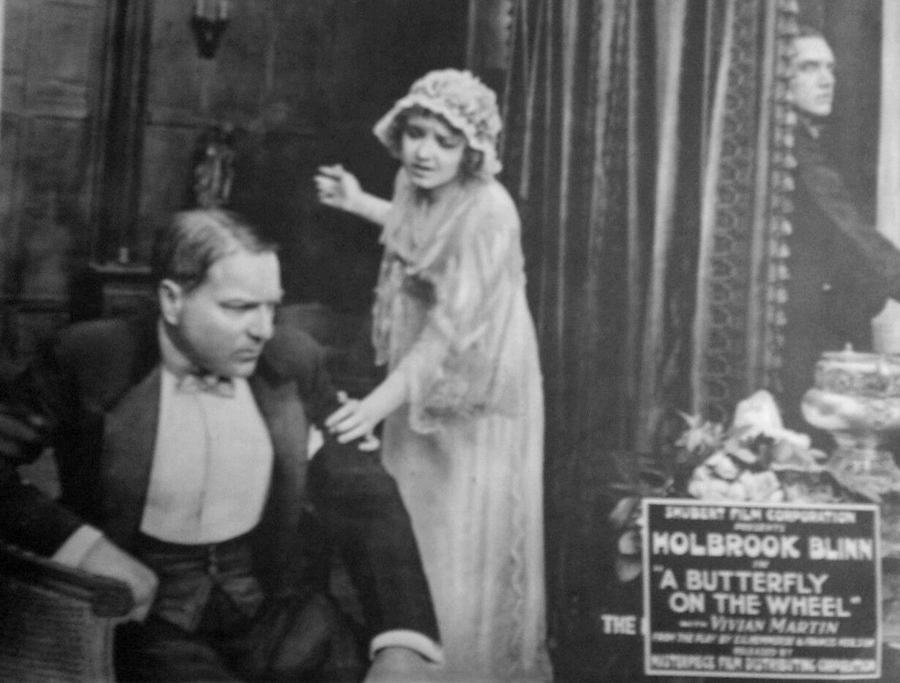
After being expelled from college, Giles runs away from home and meets and falls for a young lady.
View Details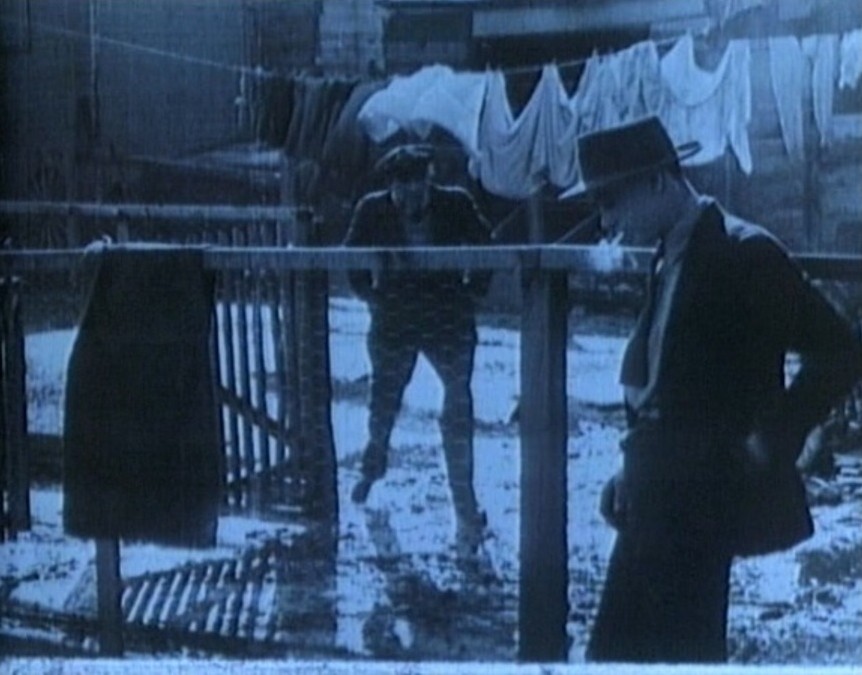
Dir: Maurice Tourneur
After robbing a bank, a criminal is wrongfully pardoned from prison.
View Details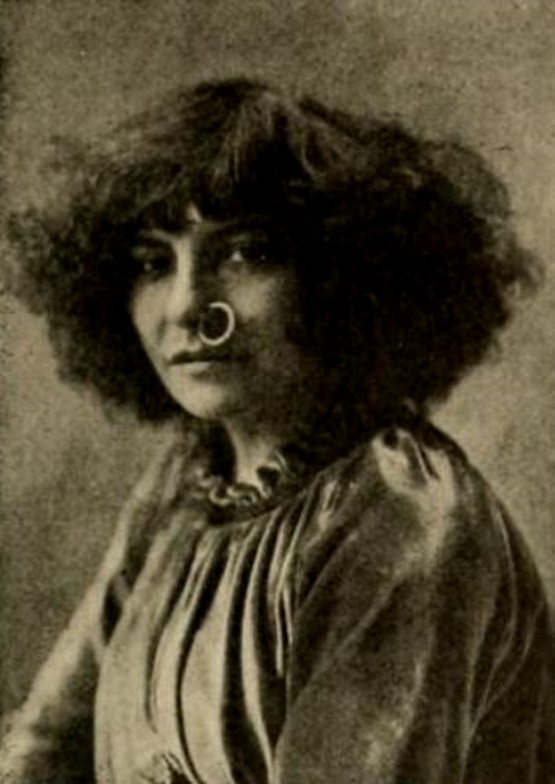
Dir: Maurice Tourneur
Mafflu, the old clown, out walking is greatly surprised to see a baby girl, fast asleep, holding in her hand a chunk of bread, at which a large number of sparrows are pecking. Mafflu decides to take the child away with him and care for it. He does this, but upon arriving at the circus where he is employed, the owner and the rest of the company have but a cold greeting for the little newcomer. However, Mafflu clings to the child. The Sparrow, as she is called, grows up and becomes the drudge of the circus. One evening, though worn out by fatigue and hunger, she must still prepare for the evening show. Scarcely has she mounted her horse and made a few rounds of the arena, when she falls and lies unconscious in the center of the arena. Romarin is in a rage and strikes the girl. Mafflu is disgusted and sends an official to the mayor. M. de Ganges, who that night happened to be a spectator. M. de Ganges takes the Sparrow with him to his home and she bids farewell to the only two beings she has ever loved, her adopted father and a poodle. Next morning, on awaking, she can hardly believe that all the beautiful things about her are a reality. The dream is indeed but a fleeting one. The Sparrow is received with jeers and mockery when she puts in an appearance in the servants' dining-room for her meals. A few days later a horse runs away in the park and the Sparrow cleverly manages to master it. This makes the groom, Charley, madly jealous. Charley abuses the Sparrow and a free fight ensues. M. de Ganges intervenes, and, disgusted with the groom's impudence, discharges him. The Sparrow is now received into the intimacy of the Mayor's family. She has fine clothes and jewels. A friend of the family, the banker Schlemmer, spends a few days at the mansion and is strangely attracted to the Sparrow. The attraction is not reciprocated, for, by degrees, the Sparrow falls in love with M. de Ganges. Alas, one day, she surprises him in a close embrace with his cousin. She is jealous. Schlemmer still persecutes the Sparrow to the extent of doing her violence. She decides to leave the house. In a few lines she thanks her benefactors for their goodness and announces her departure without, however, revealing its real cause. The Sparrow signs a very profitable contract with a new circus and she forgets, to a certain extent, her former disappointments. However, her troubles are not over yet. Charley, engaged as groom at the circus, finds occasion to exercise his hatred. After a first performance, the Sparrow goes to her dressing-room to change her costume for a second appearance. When, on hearing a noise, she turns around, and is horrified to see Schlemmer, introduced there by the groom, and who endeavors to abuse the girl, who defends herself energetically. Fortunately for her, Mafflu and the stage manager, wondering why she does not appear, enter her room and put an end to the trouble. Although not quite recovered from the shock, the Sparrow, nevertheless, takes her place on the central platform, where she is to perform her aerial act. M. de Ganges and his young wife are also spectators. In seeing the one she loves and who is forever lost to her, the Sparrow is painfully affected and, without ceasing to look at him, she makes a sudden leap, misses the rope along which she was to glide to earth, and crashes to the ground. Mafflu, in tears, picks up the girl, whose back is broken, and carries her away. M. de Ganges, deeply moved, comes to her and the Sparrow has, at least, the consolation of beholding before her death the dear face of the loved one.
View DetailsAnalysis relative to Victory
| Film Title | Atmosphere | Complexity | Similarity |
|---|---|---|---|
| The Rise of Jenny Cushing | Gritty | Linear | 96% Match |
| The Pit | Tense | Abstract | 87% Match |
| The Cub | Ethereal | High | 98% Match |
| The Whip | Ethereal | Abstract | 90% Match |
| A Butterfly on the Wheel | Gothic | Layered | 95% Match |
This guide was algorithmically generated using the cinematic metadata of Maurice Tourneur's archive. Last updated: 8/16/2026.
Back to Victory Details →