
DbcultAccessing Vault...
Recommendations
Senior Film Conservator
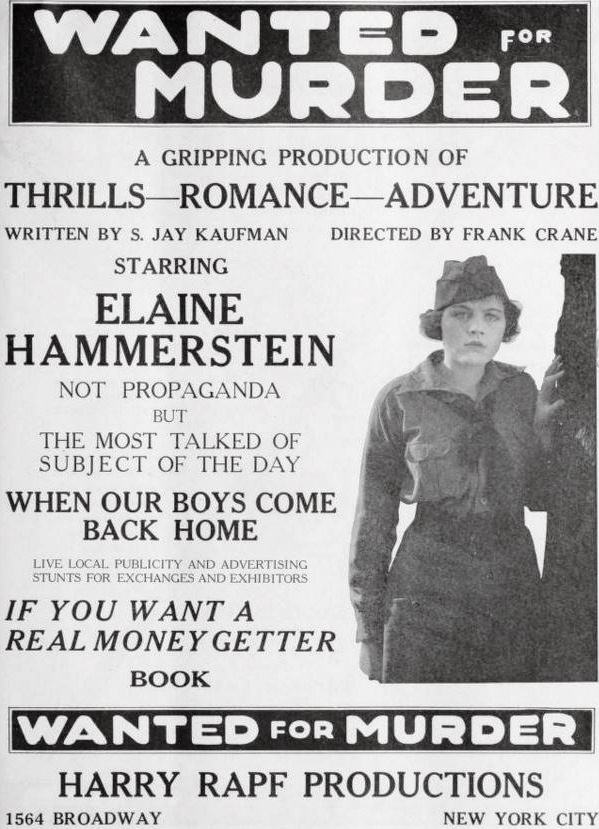
For cinephiles who admire the cinematic excellence within Wanted for Murder, its lasting impact ensures that its spirit lives on in modern recommendations. Each of these movies shares a piece of the cinematic excellence that made Wanted for Murder so special.
At its core, Wanted for Murder is a study in to provoke thought and inspire awe in equal measure.
During World War I, Dick Randall says goodbye to his mother and joins the troops in battle overseas. Dazed by the explosion of a shell, he wanders over the German lines and is hiding in a haystack when French peasant girl Corinne Frenaud discovers him. Convalescing in her mother's cottage, Dick falls in love with Corinne, and she proves her love by accompanying him across the American lines after a shell destroys the cottage. Corinne quickly becomes the favorite of Dick's regiment, but he is distracted from his jealousy by the idea of showering Berlin with pamphlets featuring a photo of Kaiser Wilhelm and the inscription "Wanted for Murder." With help from a pilot, Dick flies over Berlin and drops the photos, but the plane is shot on its way back to France. Corinne again rescues him just as the truce is declared, and later, Dick takes the brave woman to America as his bride.
Wanted for Murder was a significant production in United States, bringing a unique perspective to the global stage. It continues to be a top recommendation for anyone studying cult history.
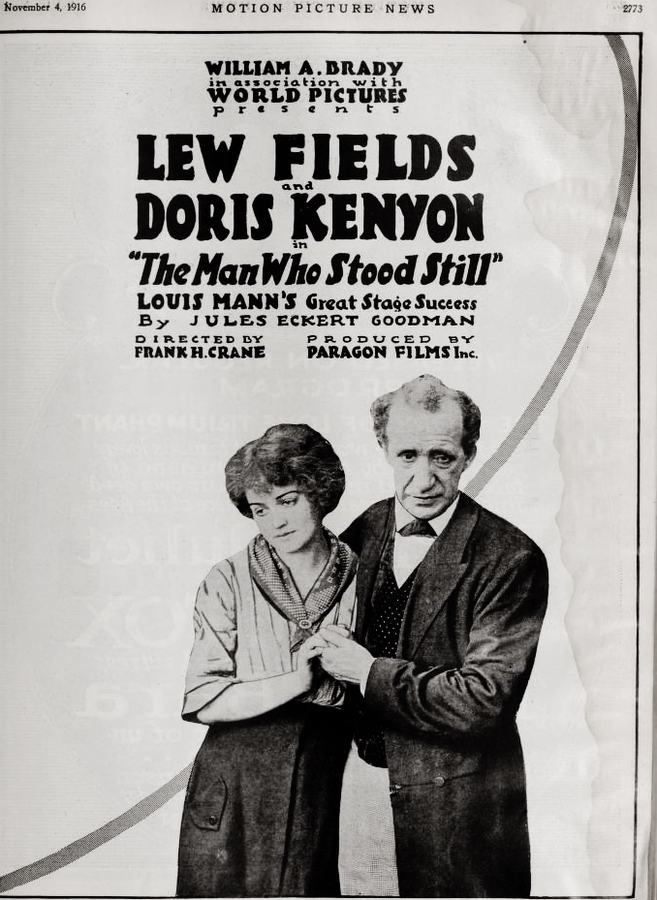
Based on the unique cinematic excellence of Wanted for Murder, our vault has identified these titles as the most compelling follow-up experiences for fans of cult cinema:
Dir: Frank Hall Crane
Kraus' little jewelry shop on the east side of New York is typical of that locality thirty years ago, and while his competitors advance with the times, he stands still in the simplicity of his kindly old soul, and devotes more time to his domestic affairs than to his business. In the rear of his small shop are the few immaculate rooms presided over by Katie, his motherly old housekeeper for many years, who also fills the vacancy of mother for Marie, the daughter of Kraus. Kraus' most intimate friend and neighbor is Spiegel, a kindred soul, and the father of Fred. Both parents have planned for years the ultimate union of their children. Marie, however, has other ideas on the subject, and has given her heart to Frank MacPherson, a worthless young "sport" and the son of her father's keenest competitor. From time to time a pinochle game at the home of one or the other is arranged by the two old Germans, as a pretext to throw Marie and Fred in each other's company. Fred's attentions to Marie on these occasions mislead the old folks, who do not see that Fred's sincerity is not returned. Marie's eighteenth birthday arrives, and in honor of the event, Kraus closes up shop, and with Marie, Katie and the Spiegels, journeys to the Jersey shore for a picnic in the woods. Frank follows them, and in the midst of their gaiety calls Marie to him. She slips away unseen, and tells him of the predicament that her blind love for him has placed her in. Unsympathetic, he speaks of her delicate condition as his "rotten luck." His craven mind plans further deception, and she becomes the victim of a mock marriage. Before leaving with Frank she sends a boy back to the picnic with a note to her father, telling of her intention. Old Kraus' grief upon its receipt is pitiful, and the holiday's joy is turned to sorrow. No word comes from Marie and Kraus broods over his loss until poverty and want confront him. He is at last compelled to accept a position in the store of his former salesman and a home with the Spiegels. Meanwhile, Marie and Frank have traveled down a parallel scale until he leaves her with her baby and goes away. Without support she is eventually dispossessed from her squalid room, and going she knows not where, encounters Fred, her father's choice. He persuades her to come home with him, where his sister Alice makes her comfortable. The Spiegels now plan a reconciliation, and by shrewd means bring father and daughter back to each other's arms. MacPherson has turned against his son Frank, and is the means of bringing him to an accounting. With his grandchild in his arms, Kraus' anger melts, and the glances he detects between Fred and Marie make him believe that his fondest hopes may yet be realized.
View Details
Dir: Frank Hall Crane
A wealthy society matron is enchanted by a world-renowned opera singer. Her jealous boyfriend, seeing his meal ticket slipping away, hypnotizes the singer and renders him mute. His ploy works, and the singer, now unemployable, soon runs out of money and is reduced to utter poverty. However, a figure from his past is in a position to help him regain his former fame and fortune
View Details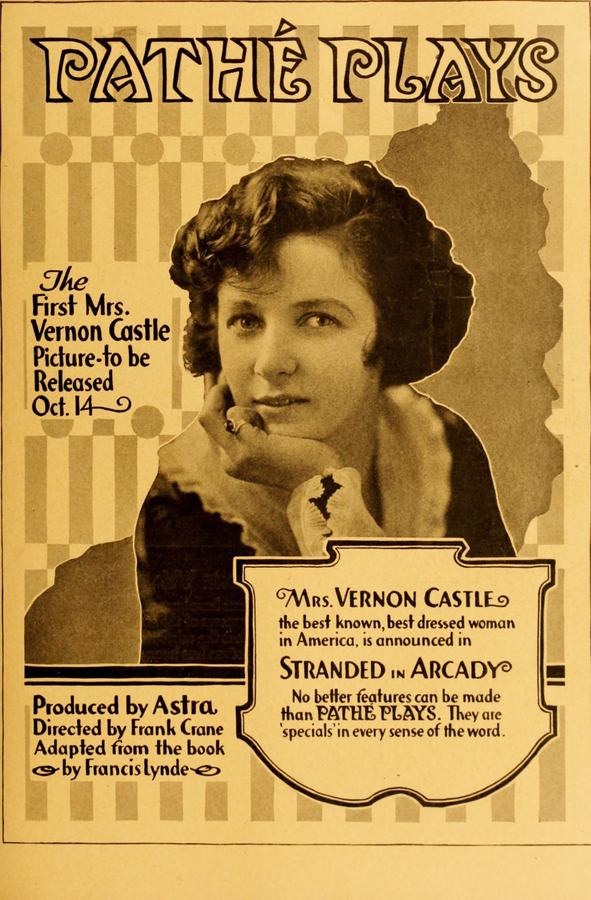
Dir: Frank Hall Crane
Lucy Millington is an independent woman who looks upon men with contempt. Novelist Donald Prime, who has written a book on women, considers himself an authority on the subject. Both are lured into the desolate backwoods of Arcady by adventurers who plan to keep them in captivity until a fortune bequeathed to them has been safely deposited in the hands of their rivals. While attempting to find their way back to civilization they face many dangers including a canoe trip in perilous waters and an encounter with a band of outlaws. Finally, through sheer pluck and daring, they reach their lawyer just in the nick of time to claim their inheritance. During their days stranded in Arcady, they discover their love for each other, and so after they leave the lawyer's office, their next stop is to the justice of the peace.
View Details
Dir: Frank Hall Crane
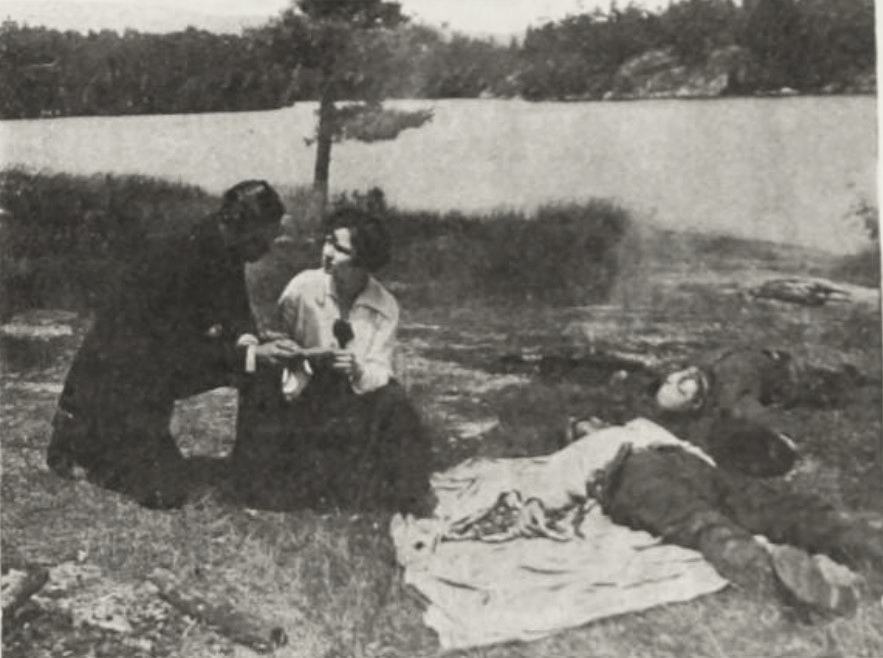
Ruined by a powerful financial ring, Farrington commits suicide, after which his daughter Paula vows to take vengeance in her own hands and hunt the man behind the ring. At a house party, Paula meets Dr. Smith, who falls in love with her, but a misunderstanding separates them. Unsuccessful in locating the man, but knowing that papers in the house of Van Brunt, one of the ring members, will identify the leader, Paula secures the papers with the aid of Old Bill Fitch, a reformed burglar. To her horror, she discovers that the man is Dr. Smith's father. Paula relinquishes vengeance for love, and Dr. Smith's father, realizing the error of his ways, agrees to make reparations.
View Details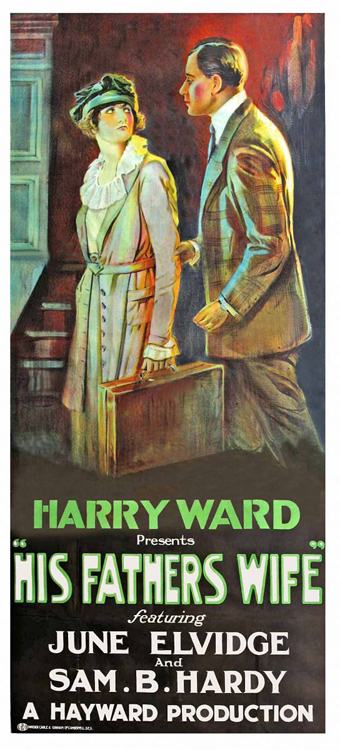
Dir: Frank Hall Crane
When Patricia "Patty" Hudson, a struggling New York writer becomes ill, her doctor, advising a restful occupation, arranges for her to be the private secretary to the aged James Winthrop, Sr. The closeness of their resulting relationship disturbs Winthrop's relatives, Mrs. Harrison Tyler and her daughter Sally, who hope to inherit his fortune. Mrs. Tyler writes slanderous letters about Patty to Winthrop's son Jim, in the aviation corps in France, and the rumors she spreads cause Patty to decide to leave. Winthrop, however, will not hear of it and proposes that they marry to quell the talk. Patty agrees but renounces all claims to his inheritance. After they marry, Winthrop dies from shock when he hears a false report of Jim's death. When Jim returns, he treats Patty with insolence, but after Patty sacrifices her reputation to protect Sally, the butler and his wife tell Jim the truth about Patty. Jim's subsequent proposal is accepted by Sally.
View Details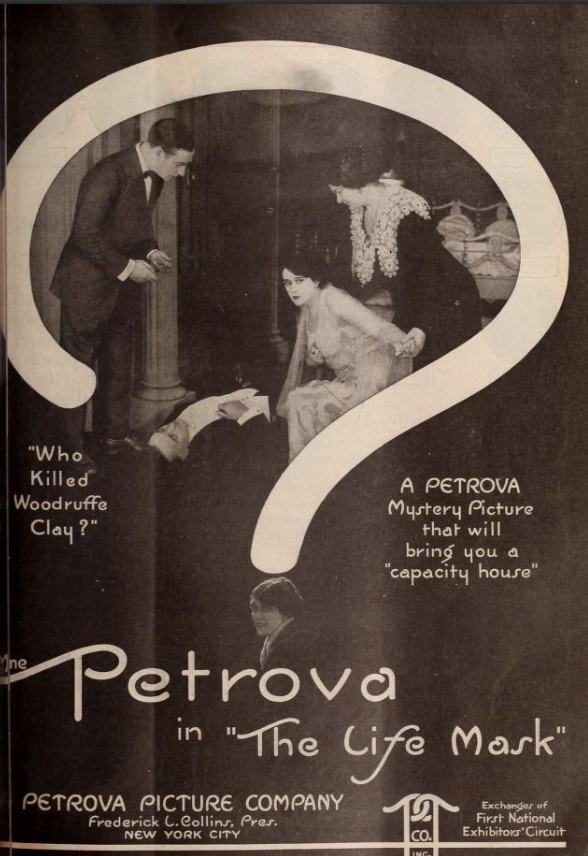
Dir: Frank Hall Crane
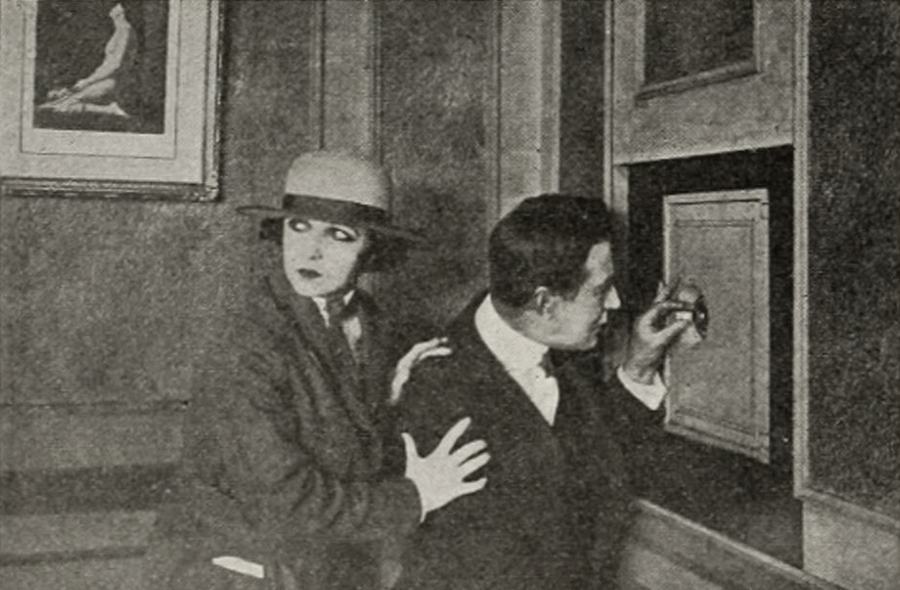
Mrs. Helen Courtland passes a fake check for $25,000 from a millionaire named Woodruffe Clay, who is in love with her daughter Anita. To save the family from a scandal in court, Anita marries Woodruffe, even though she loves Captain Hugh Shannon of the Foreign Legion. During an argument on their wedding night, Woodruffe falls and is seriously injured, and during his recovery, he makes her life miserable. Anita suffers from sleepwalking, and after one episode she dreams of poisoning her husband, she awakens to find him dead. Believing that she killed Woodruffe, Anita travels to Europe with Sarah Harden, her nurse, and there renews her affair with Hugh. When the evidence points overwhelmingly to Anita, however, she decides to return to America, but before she can confess her guilt, Sarah admits that it was she who killed Woodruffe in order to free her mistress from an unhappy marriage.
View Details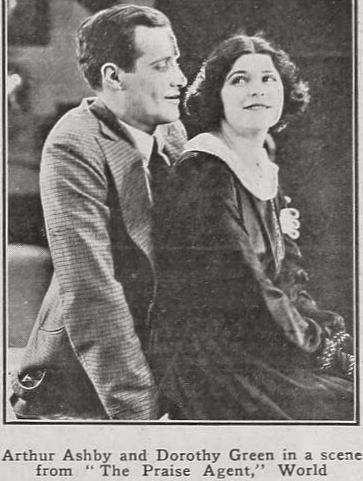
Dir: Frank Hall Crane
After a touring theatrical company goes broke on the road, press agent Jack Bartling persuades a local Suffragette leader, Mrs. Eubanks, whose husband is a Senator and soap manufacturer, to hire him for publicity. When Jack and the Eubanks' daughter Nell fall in love, her parents object, however the Senator promises his consent if Jack can keep Nell, also a Suffragette, out of prison, and Mrs. Eubanks vows her approval if Jack converts her husband to the cause. At a protest in front of the Governor's house, Jack saves Nell from being arrested, thus alienating Mrs. Eubanks who wanted her to be arrested. The Eubanks move to New York, and after Jack locates them and sneaks into their apartment disguised as a window washer, he convinces Mrs. Eubanks to have Suffragettes all over the country clip the Senator's ten-cent coupons for his "Floating Lily" Soap. After the Senator agrees to support the Suffragettes rather than pay off $650,000 for the coupons, the Eubanks finally approve Jack as their son-in-law.
View Details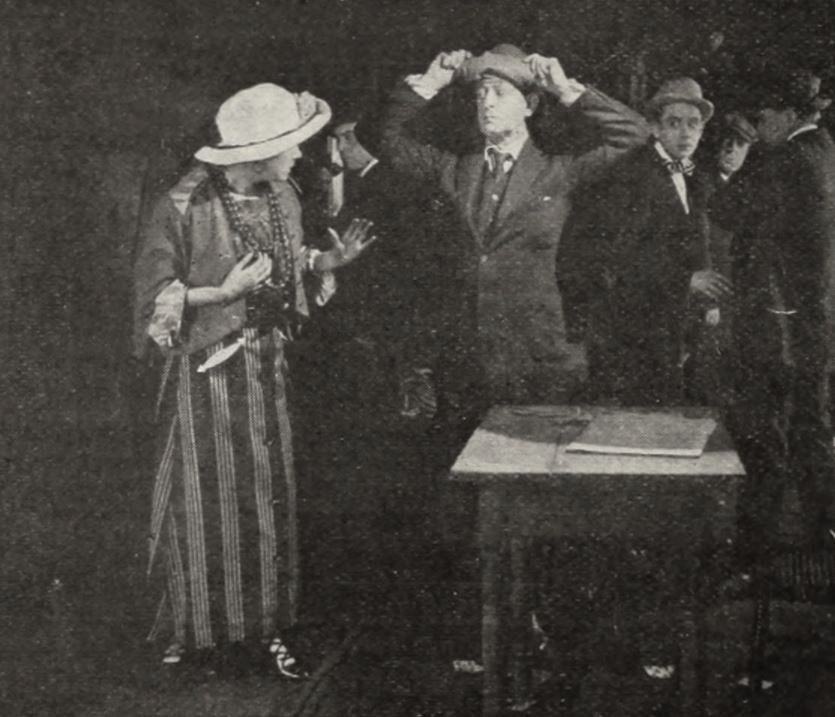
Dir: Frank Hall Crane
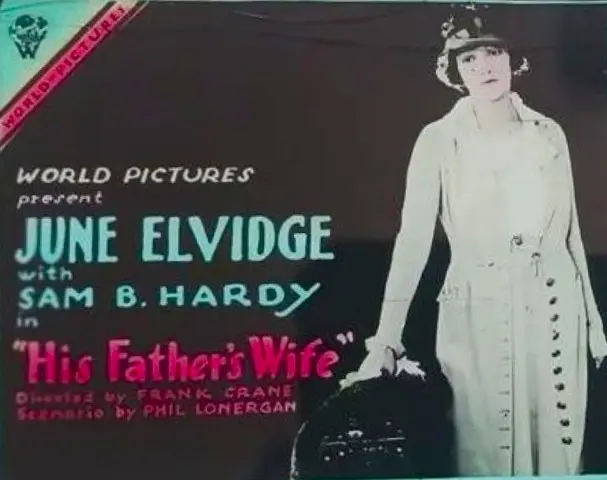
Police inspector Jim Garth, investigates the murder of Joe Kridel, another inspector, who had been tracking the Hennions, a gang of thieves plotting to steal the formula for a dangerous explosive from an old inventor. As Jim uncovers the Hennions' plans to procure the formula and sell it to an agent of an unfriendly foreign power, he encounters Nora, the former lover of Joe, who has sworn revenge for the killing and has ingratiated herself with the Hennions in order to discover the identity of the murderer. Although he assumes Nora is one of the thieves, Jim falls in love with her anyway, but she firmly rejects his advances. Disguised in a gray mask similar to the one worn by one of the gang members, Jim infiltrates the organization and foils the plot. With Joe's murderer in jail, a grateful Nora finally accepts Jim's affection.
View Details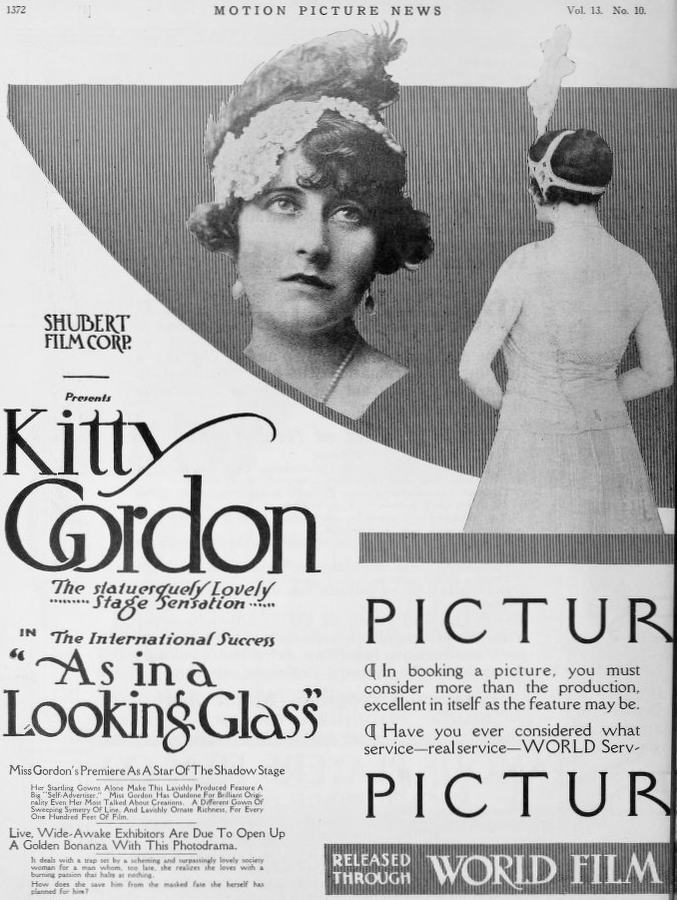
Dir: Frank Hall Crane
Scandalous European temptress Lila Despard, travels to America to escape her lover, criminal Jack Firthenbras. On the ship, she meets Andrew Livingston, a United States Navy planner, and Senator and Mrs. Gales. Her new friends host a party for Lila in Washington, D.C., where a spy named Dromiroff threatens to expose her past unless she steals Andrew's secret naval plans. In order to secure the papers, Lila makes love to Andrew, but the plan backfires when she falls in love with him. Eventually, Lila agrees to marry Andrew, but during their honeymoon, Dromiroff abducts her from the bridal suite. At headquarters, Lila is shot while destroying the documents, and before dying, she telephones Andrew to confess her misdeeds. The conspirators are killed when their car plunges from a cliff.
View Details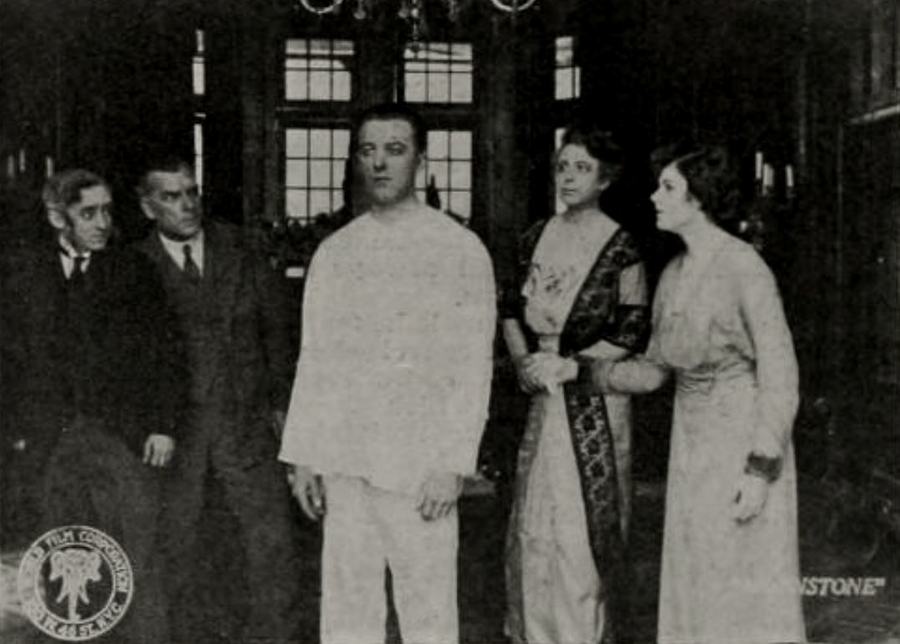
Dir: Frank Hall Crane
The story relates how a valuable diamond is stolen by an Englishman from the eye of an Indian idol. The Englishman, on his return to London, is pursued by three Indian priests in disguise whose object is to secure "The Moonstone" at all costs, as failing its recovery, the priests will lose caste. The Englishman, Hearncastle, is found drowned, presumably having been killed by the Indians. The diamond passes into possession of Franklin Blake, his friend. Blake is followed by a band of Indian magicians. He presents the diamond to his fiancée from whom it is stolen. A detective is called in. Another girl in love with Blake commits suicide and suspicion attaches to her, as she leaves a mysterious note for Blake. Subsequently, Blake finds the diamond in the possession of a money-lender. His fiancée, learning of the dead woman's attachment for Blake, quarrels with him. A doctor discovers that Blake walked in his sleep and took the diamond himself while in that state. The diamond was stolen from Blake while he was asleep and never recovered. The thief confessed and died, and Blake and his fiancée were reunited.
View DetailsAnalysis relative to Wanted for Murder
| Film Title | Atmosphere | Complexity | Similarity |
|---|---|---|---|
| The Man Who Stood Still | Tense | Dense | 96% Match |
| The Stolen Voice | Surreal | Dense | 96% Match |
| Stranded in Arcady | Ethereal | Dense | 86% Match |
| Vengeance Is Mine | Tense | Dense | 86% Match |
| His Father's Wife | Gothic | Abstract | 88% Match |
This guide was algorithmically generated using the cinematic metadata of Frank Hall Crane's archive. Last updated: 8/16/2026.
Back to Wanted for Murder Details →