
DbcultAccessing Vault...
Recommendations
Senior Film Conservator
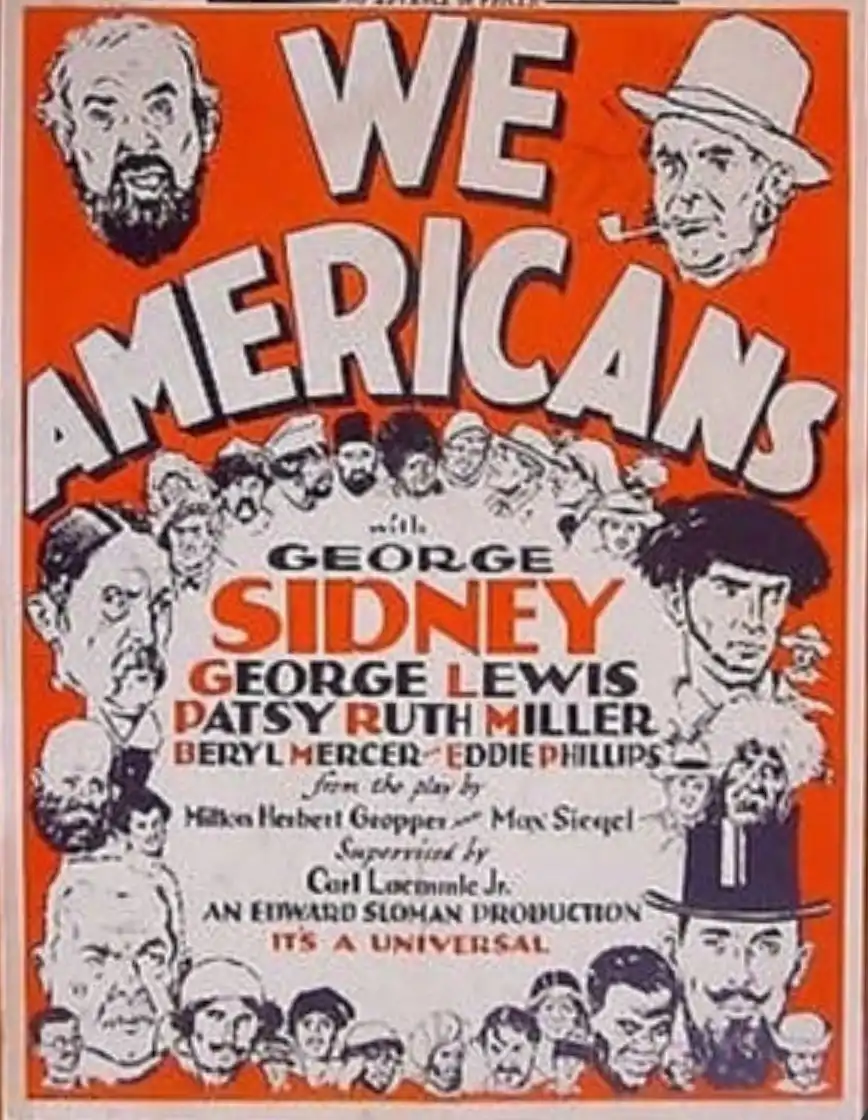
The 1928 release of We Americans redefined the parameters of Drama storytelling, the narrative complexity found here is a rare find in the 1928 landscape. Prepare to discover your next favorite movie in our hand-picked collection.
Historically, We Americans represents to explore the darker corners of the human condition with character-driven intensity.
The influence of Edward Sloman in We Americans can be felt in the way modern Drama films handle character-driven intensity. From the specific lighting choices to the pacing, this 1928 release set a high bar for atmospheric immersion.
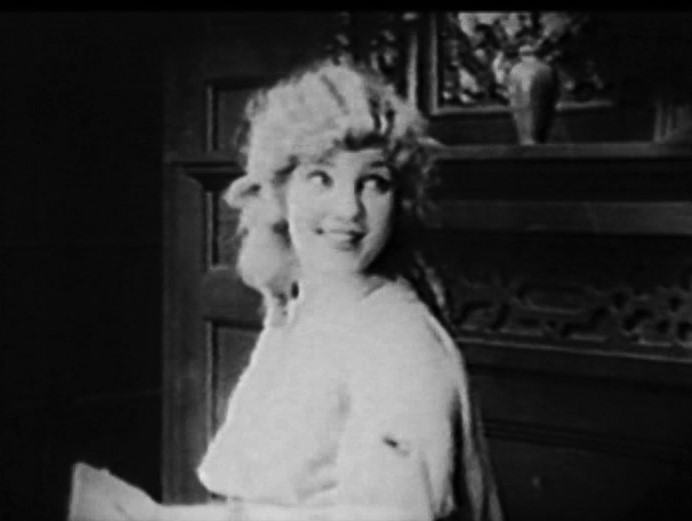
Based on the unique character-driven intensity of We Americans, our vault has identified these titles as the most compelling follow-up experiences for fans of Drama cinema:
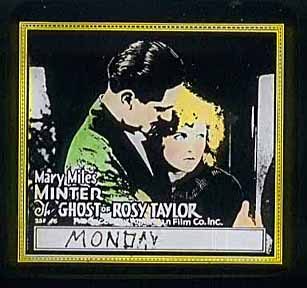
Dir: Edward Sloman
Rhoda Eldridge lives in the Paris Latin Quarter, learns at the death of her father Charles that her real name is Sayles and that she has an uncle somewhere in America. She travels to the States as a nursemaid but is discharged soon after her arrival. In the park, she finds an envelope containing a letter to Rosy Taylor from a Mrs. Du Vivier, along with a key, $2, and instructions to clean the Du Vivier mansion each week. When the penniless Rhoda learns that Rosy is dead, she cleans the home herself, and all is well until Jacques Le Clerc, Mrs. Du Vivier's brother, mistakes her for a thief and sends her to a reformatory. Rhoda, however, escapes and returns to the house. Upon discovering that Rosy has been dead for weeks, Jacques and his sister catch the mysterious housekeeper once again. Through the efforts of Jacques, who has fallen in love with her, Rhoda is united with her rich uncle, and to demonstrate her gratitude, she accepts the young man's marriage proposal.
View Details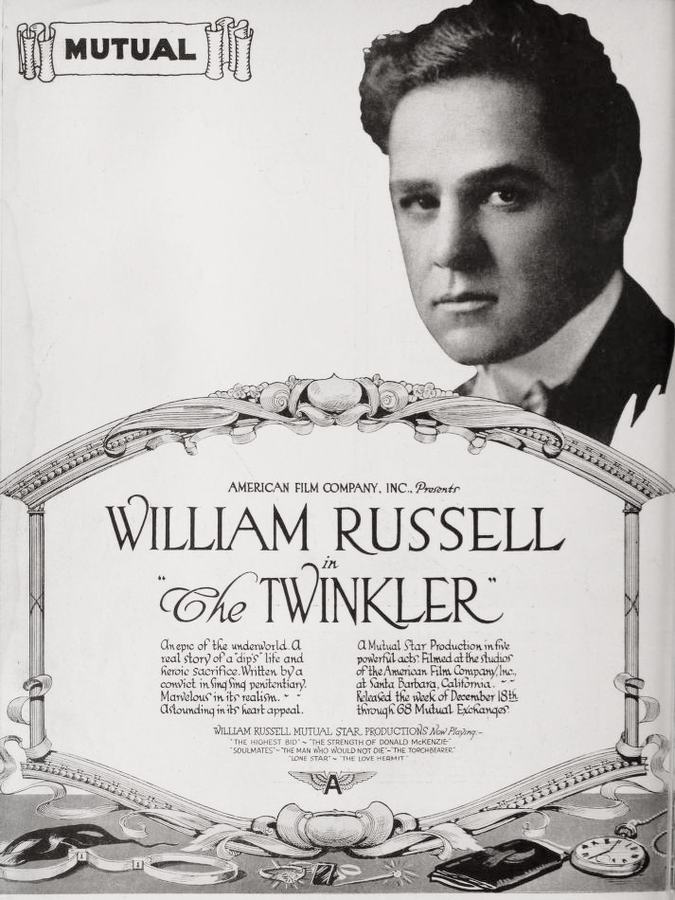
Dir: Edward Sloman
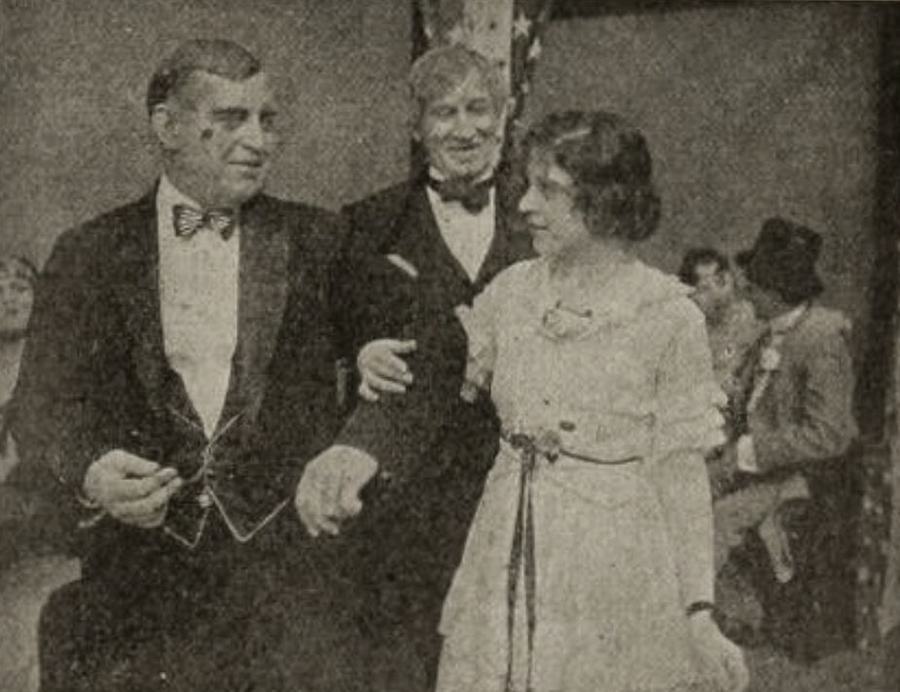
Bob Stephany, "The Twinkler," is completing a long stretch in prison. He has saved the life of Old Doc, in charge of the dynamo room, and the old man promises to repay Bob, should the opportunity present itself, Bob's fiancée, Rose Burke, whose father, Daddy Burke, has a prison record, comes to visit Bob. She tells him she has but one dream, and that comes to her every night. She pictures Bob in a responsible position, and their living in a vine-clad cottage. Bob is won over by the idea and promises to go "straight." Freed from prison, "The Twinkler" sets about to get honest work. A crooked detective discovers him and he is forced to submit to blackmail rather than lose his job. The chief, Boss Corregan, meets Rose and makes advances to her. At the Political Ball he annoys the girl and Bob comes to her rescue. Daddy Burke, Rose and Bob disappear. The next day Corregan tells Bob to send for Rose to come to his office because he wishes to apologize to her. Bob suspects that Corregan has designs on Rose and tells her to bring his revolver with her. Corregan has Bob jailed on a false charge, and when Rose comes to his office she is greeted by Boss, who takes her into his arms. In the struggle which ensues. Rose fires Bob's revolver and Daddy, who is at the window, also fires a shot and runs away. The police arrive at the scene and find Corregan dead and Rose in a faint. Rose is held for the murder and Bob is released. He is unable to find Daddy and resorts to stealing to secure the money to fight for Rose's freedom. However, Rose is sentenced to execution. On the day before Rose's scheduled execution Bob meets Daddy Burke. The old man has been seriously injured and when told of Rose's predicament confesses that he was responsible for the fatal shot. Bob hurries to the Governor with Daddy's signed statement. The Governor sends his secretary to the prison with a pardon for Rose. Bob boards a train tor the prison city. A fearful storm comes up and all telegraph and telephone communication is cut off. Bob sees a well-groomed man displaying a wallet and he cannot resist the temptation to steal it. He escapes from the train and finds his way to a deserted cabin. Here he opens the wallet and to his horror discovers that he has robbed the Governor's secretary and has Rose's pardon in his possession. Realizing that all communication is cut off, Bob hurries to a nearby town. Here he sees a train and boards it. He arrives at the prison an hour after the time set for Rose's electrocution. There he learns that Old Doc, who has learned of "The Rose's" identity, has been the means of saving her life. He had placed a file in the dynamo and when the switch was turned on, the armature had burned out and it was necessary to send to another town for a new one. "The Twinkler" makes a clean breast of his guilt and produces Rose's pardon. The prison officials agree to forget the incident and set both Bob and Rose free. Old Doc smilingly watches them go.
View Details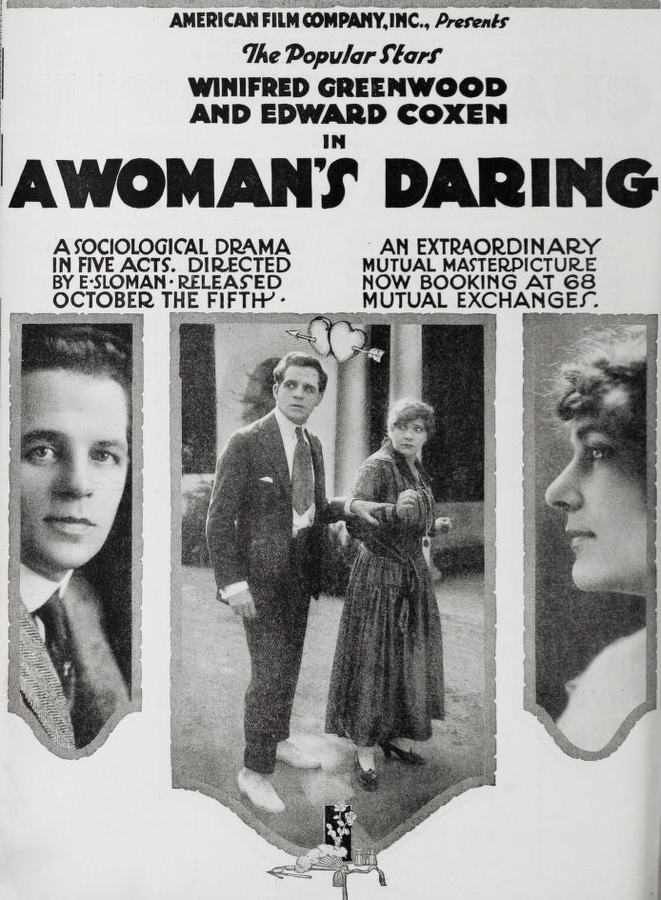
Dir: Edward Sloman
"The Woman" is brought up on a farm by a miserly uncle who denies her the company of other young people. It is no wonder then that she is introduced by a traveling mining stock broker. When the uncle learns her plight, he puts her out. A storm is raging. The girl seeks shelter in the same place as the man who has seduced her. He persuades her to go to a nearby town and marry him. She does, but shortly after the ceremony she discovers that he is already married, when his wife and the police come and take him. Deserted and alone, the girl finds out that her uncle has been killed in the storm, and has left her his money. She takes it and goes to a small city where she lives. Five years later her little son is quite a lad, and they are living happily. The woman is known as a widow. Two men fall in love with her, a prominent physician and a broker. The broker wins his suit. Later her husband engages a chauffeur for the woman. When the man arrives at the house she discovers that it is the man who betrayed her. He threatens to expose her unless she keeps him supplied with money. She dares not refuse. He treats their son cruelly. One day the broker sees the chauffeur hit the lad and discharges him on the spot. The chauffeur again threatens the woman, this time telling her that if he does not get his job back he will reveal the truth about her. The woman goes to her husband's office when he is not in, and meets the chauffeur there. He flourishes a gun and a struggle ensues. The man is shot and the woman runs away. The coroner finds a locket in the hand of the dead man that belongs to the woman. He keeps the incriminating bit of evidence for the trial. The woman hides herself, unknowing that her husband has been arrested for the murder. A vision of the penitentiary causes her to hasten to court where she tells of the man's attack upon her. This testimony clears the husband, and both are discharged. She determines to have her mind free of the shadow of her secret, and tells her husband the true story of her life when they return home. She is forgiven.
View Details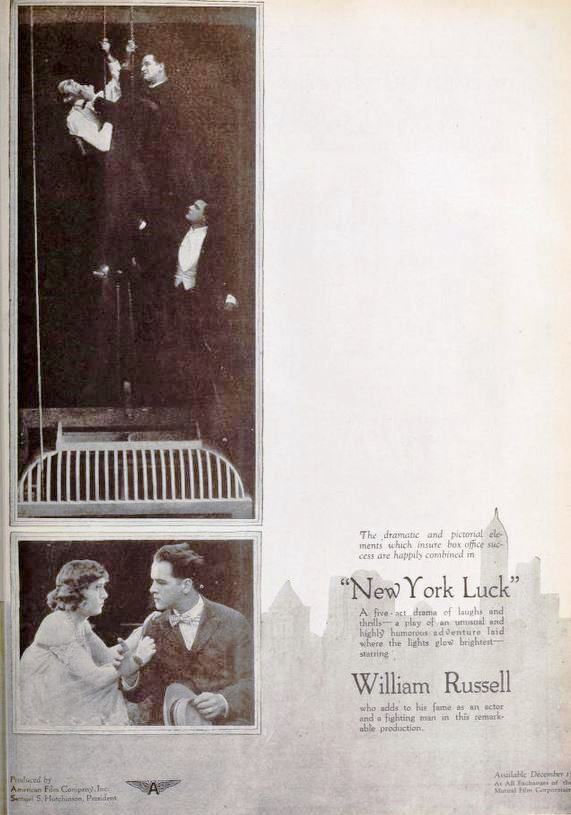
Dir: Edward Sloman
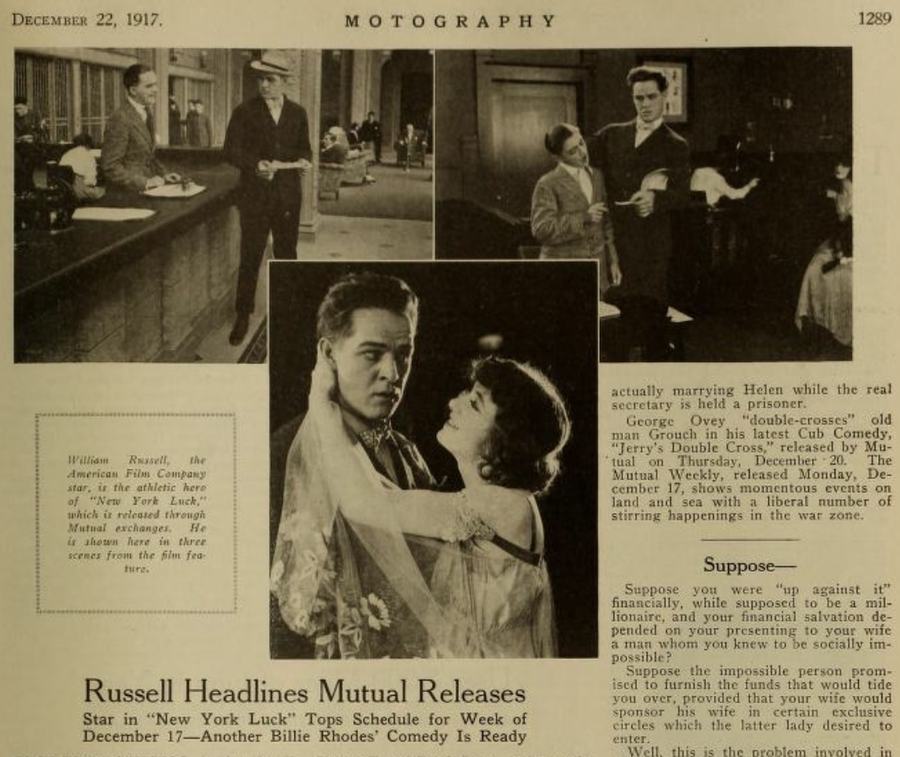
Anxious to see the world, Nick Fowler boards a train bound for New York. On board he meets Jimmie Keen, a motion picture director, and sees a mysterious beautiful girl who leaves her purse behind. Nick retrieves the purse and inside it discovers a photo of the girl, inscribed with the name Gwendolyn Van Loon. After arriving in New York, Nick pays Keen a visit, but an impertinent office boy prevents him from seeing the director. After a series of similar disappointments in the big city, Nick continues to write glowing accounts of his life to his family back home. While he's writing a letter to his father one day, a guest at an adjoining desk drops a photo of Gwendolyn. The stranger introduces himself as Lord Boniface Cheadle, and Nick becomes an unwitting tool of the man who is in reality Steve Diamond, a crook. Under Cheadle's instructions, Nick goes to the Van Loon house and presents himself as Steve Diamond, which initiates a train of events that culminates in the escape of the real Lord Cheadle while Nick grapples with the crooks until the police arrive. It is then revealed that the whole adventure was invented by Nick to impress his dad, but when Keen reads the story, he is so impressed that he offers Nick a job as a scriptwriter and introduces him to the leading lady: Gwendolyn Van Loon.
View Details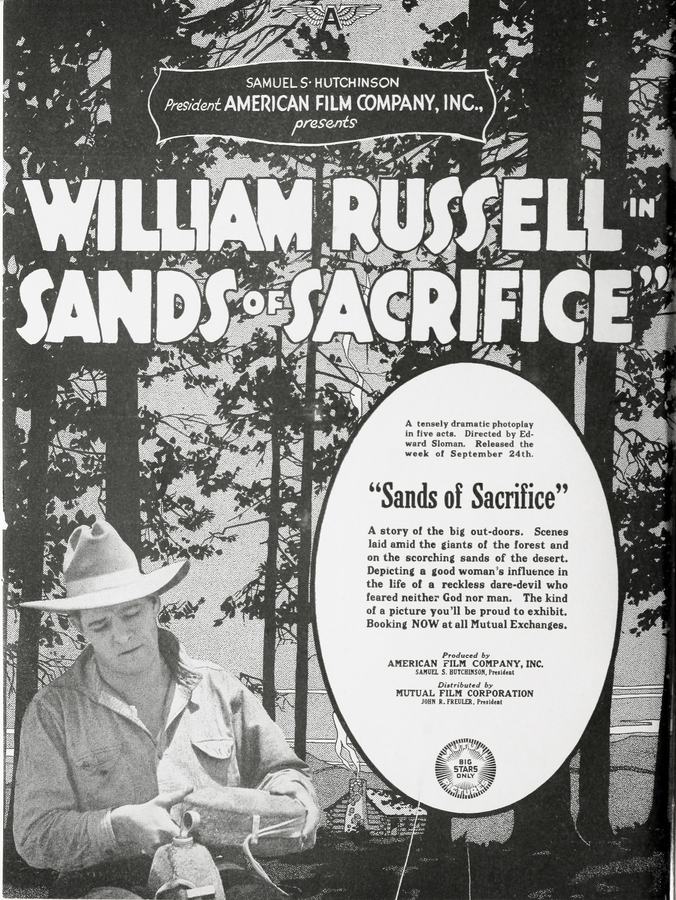
Dir: Edward Sloman
When the unruly drinking party at "Big Bill" Darcey's hunting lodge runs out of liquor, they move to the lodge of Darcey's agent, Enoch Foyle, and finding attractive Nora Farnes waiting alone, harass her. Bill, who previously was interested only in pleasure, with his consumptive friend Sammy Goode, protects Nora, who, armed with a revolver, intends to confront Foyle for swindling her mother. When Foyle returns, Nora wounds him slightly. Bill brings her to his lodge for the night, and falling in love, convinces her to marry him to protect her name. As he is preparing to leave on his honeymoon, Bill learns that Foyle fleeced him of his fortune. Finding Nora at Foyle's lodge, he loses faith in her, and leaves with Sammy for the desert because of Sammy's illness. Lost and exhausted, Sammy makes a dying request that Bill return and listen to Nora's explanation. After Bill's rescue, he finds Nora dining with Foyle, but upon learning that she has hidden detectives to overhear Foyle's confession, Bill is reconciled with Nora, and they finish the dinner.
View Details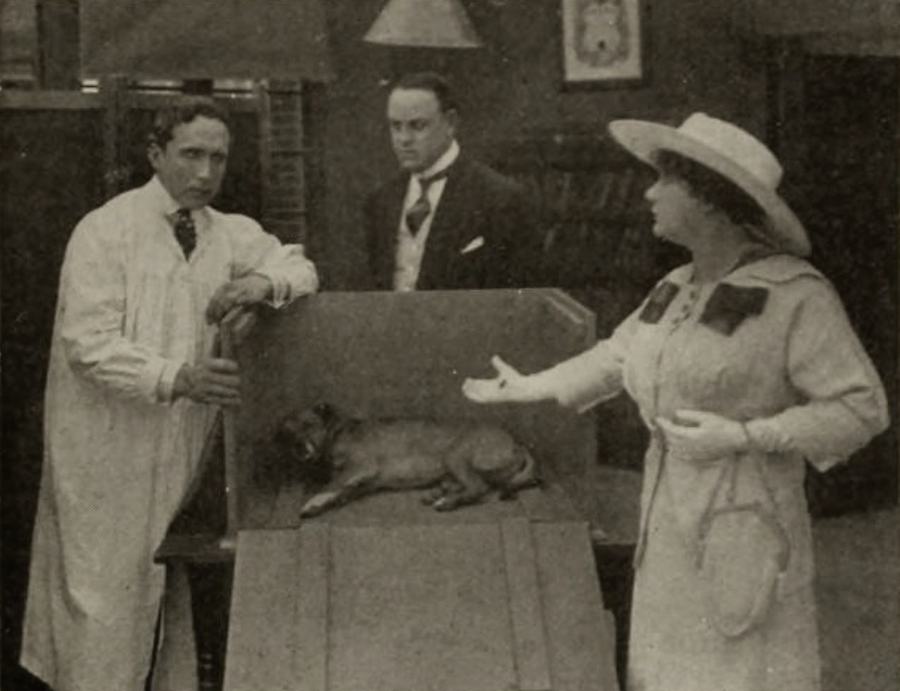
Dir: Edward Sloman
Dr. Grant, in charge of a leper colony in the far Pacific, had once loved a beautiful girl, Myra Hamilton. Then she met Harry Elliot, a dissipated young society man. Dared by the boys, Harry proposed to Myra. Grant warned her of Harry's character, but she would not listen. Myra and Harry visit Grant's laboratory, where she learns of the vivisection experiment Grant was working on. She bitterly berated him for his cruelty to his canine subject. While Grant explained to her, Harry chloroformed the dog. Grant, furious at this ruthless destruction of his months of labor, resolved that Harry would pay. Myra announced her engagement to Harry a few nights later. Myra soon found that she had a hopeless task before her in trying to reform Harry. One day she overheard Grant remonstrate with him for his actions in causing her pain, and she began to appreciate his nobility. Again she saw Harry with a cabaret singer. Overwhelmed with grief, she determined to see Grant and obtain comfort from him. Myra noticed that Harry was inclined to be jealous, and discussed with Grant a plan to bring him to his senses. Grant was to pay ardent court to Myra. Soon Harry began to notice Grant's attention to his wife. He found them together one day, and wild with rage, left a note stating that they would find his body at the country home. Grant raced after Harry to the country house. Harry, with an oath, rose and struck him, and cursed Myra. Grant, bleeding, made his way to the telephone, called up Myra, and told her he would bring Harry back to her a man. Grant then brought him to an insane asylum and showed him the ruin drink caused. After weeks of hard work Grant felt that Harry was ready for the test. He deliberately placed temptation in his way, but Harry conquered. And so Grant brought him back to Myra. She forgave him. Grant then quietly left. Soon Myra looked for him to thank him. He showed her a letter which stated that his application as physician at the leper colony had been accepted, and he left at once. Sometime later Grant received a letter from Myra asking him to come back to her as Harry had died. His first impulse was to go, but when he realized his mission he burned the letter.
View Details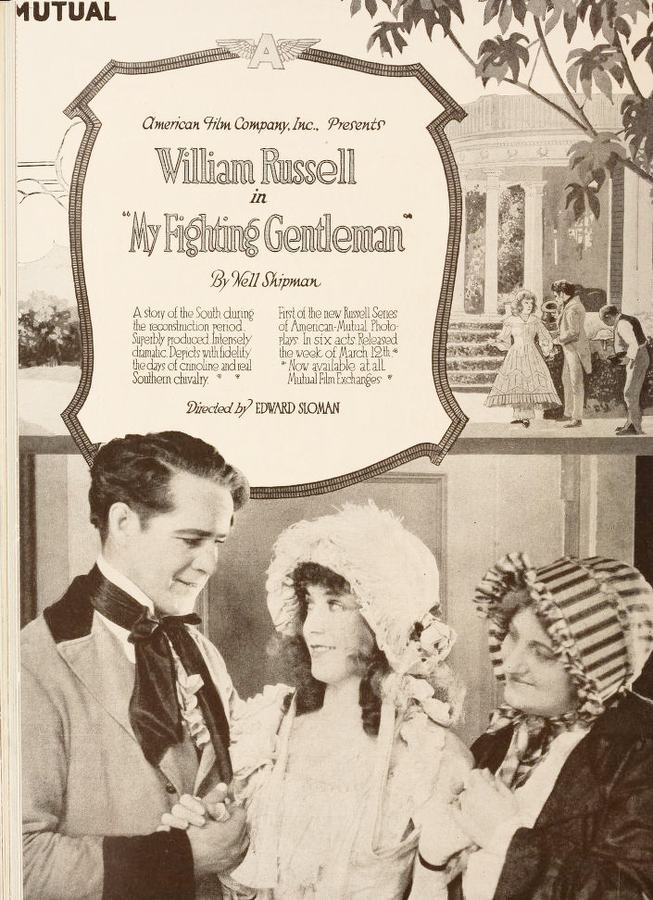
Dir: Edward Sloman
A southerner who fought with the Union army regains the confidence of his his community after the war.
View Details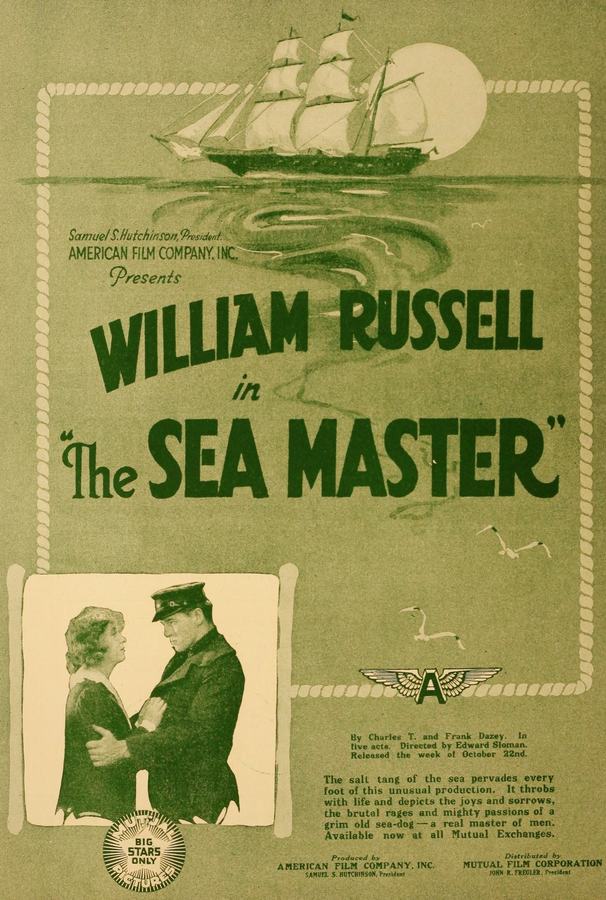
Dir: Edward Sloman
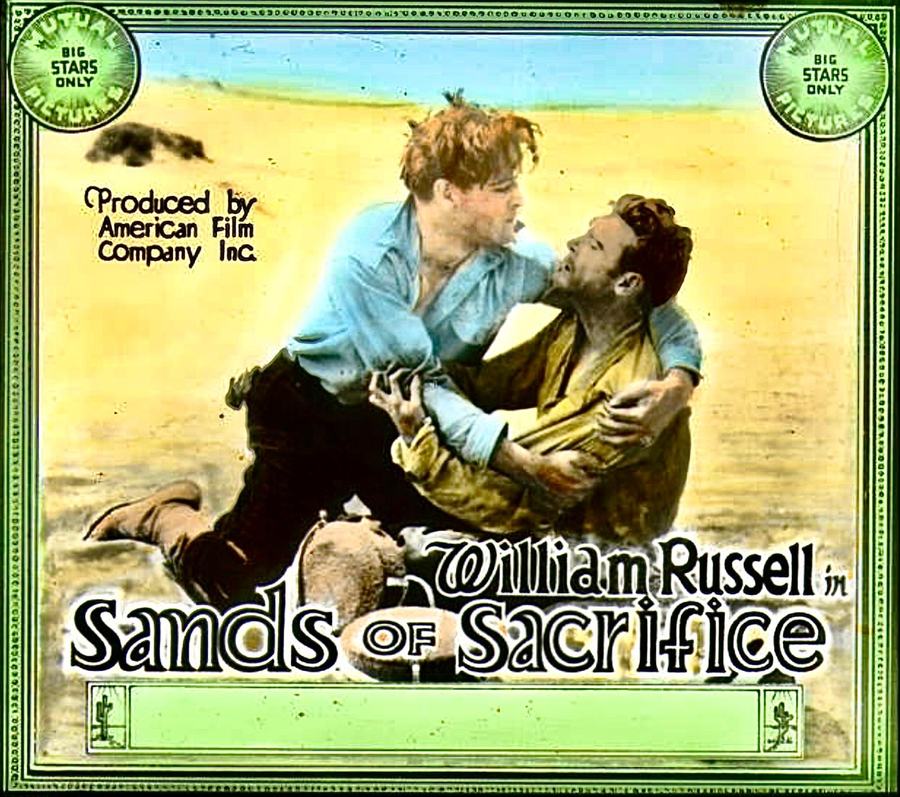
To maintain order aboard the Southern Cross, Bull Dorgan, its fierce captain, beats Pedro, a trouble-making sailor, who swears revenge as he steers the boat toward the wild Barbary Coast. While on shore, Bull hears the cries of Emily Gordon coming from a saloon, rescues her from the owner, and drags her and Hugh, a minister, to his departing ship. Bull refuses to believe that Emily came to the cabaret to visit a dying friend, but overcome with desire for her, he forces Hugh to marry them. Nine months later Emily gives birth, but Pedro, still bent on revenge, insinuates that the baby actually belongs to Hugh. When Bull goes to confront Emily with this accusation, he finds her in a compromising position with the minister. Taking advantage of Bull's confusion, Pedro foments a mutiny, but Bull and a devoted shipmate defeat the traitors. Eager to compensate Emily for her hardship, Bull allows her to return to land, but seeing his love for their child, she chooses to remain with the sea master.
View Details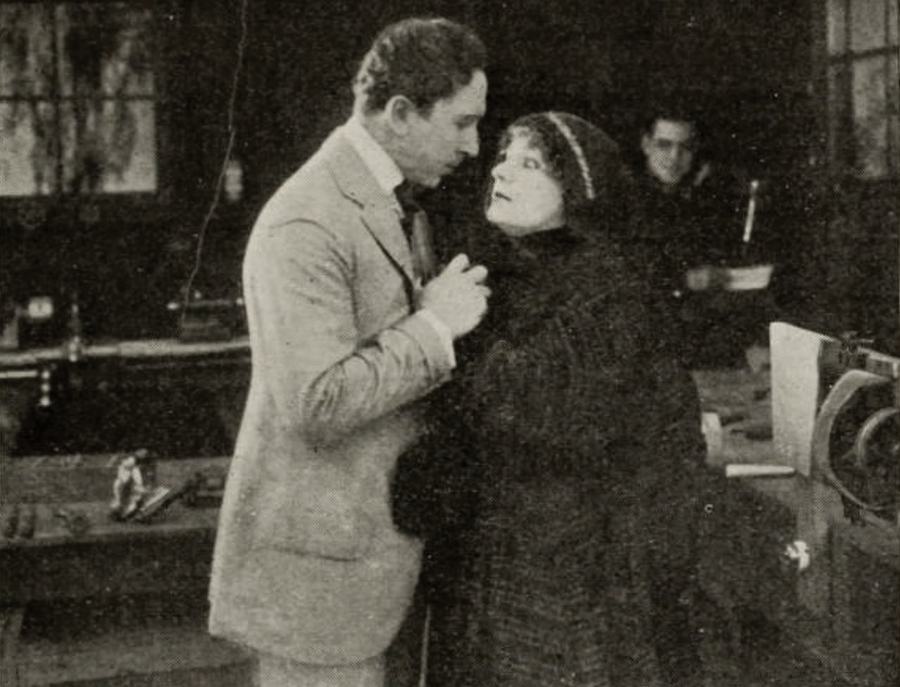
Dir: Edward Sloman
Marion Moore's sweetheart, Frank Kenyon, a young author interested in social reform, discovering that Marion's father is the owner of the worst factory in the city, pleads with her to persuade him to make better working conditions. Marion refuses. The season's society event is an entertainment for the benefit of the Belgian War Victims. Marian is to play "Humanity." That day, Mina, a child working in the factory, has her hand mangled in a machine. Frank learns of the accident from Bud and determines to bring the lesson home to Marian. He bribes her chauffeur to drive Marian to Mina's home. Marian is forced to enter the house with him. They find Mina alone and almost unconscious from an overdose of an opiate. The only hope of saving the child is by keeping her awake until he can summon medical aid. He orders Marian to walk the girl until he returns. Then he dashes away in the machine. Marian, seeing another machine approaching, leaves the child, and persuades the owner to drive her to the entertainment. When Frank returns, Mina is past saving. Wild with rage, he sets out for the entertainment. Marian has just achieved a great success when he arrives. He creates a sensation by mounting the platform and scathingly denouncing the shallow society people before him. Marian later hands him back his ring. He drives her by force to Mina's home. Marian is taken aback when she discovers that the animal mother is not weeping for love of Mina, but she wonders how she will ever pay for a cheap piano now that Mina's wages will no longer be forthcoming. Marian promises to attend to the payments. Marian laughs scornfully at Frank. Frank determines to wage a relentless war against Moore until conditions are modified. As champion of the working people, he is elected to the legislature. Frank introduces his bill for better factories. After much excitement, it is passed. Since the accident to Mina, Bud has been working to perfect a number of safety devices. With the idea of cheating the boy, Moore goes with him to a cabinet at one end of the building to look them over. Meanwhile a blaze has started. Soon the flimsy structure is ablaze. Marian escapes with the girls, hut Moore and Bud are trapped in the cabinet. From the roof of an adjoining building Frank throws a rope to the factory, where it fastens around a cornice. Then he makes his way hand over hand across the rope to the burning building, breaks through a skylight, and lowers a rope to Bud. Moore shoves the boy aside. Frank, angered, lowers the rope again for Bud. Moore rushes to the edge of the building. But as he hangs midway, the flames reach the rope, and he plunges to his death. A few weeks later the newspapers announce large gifts to charity from an anonymous source. Through Bud he discovers that it is Marian. The picture closes as she agrees to face the future with him.
View Details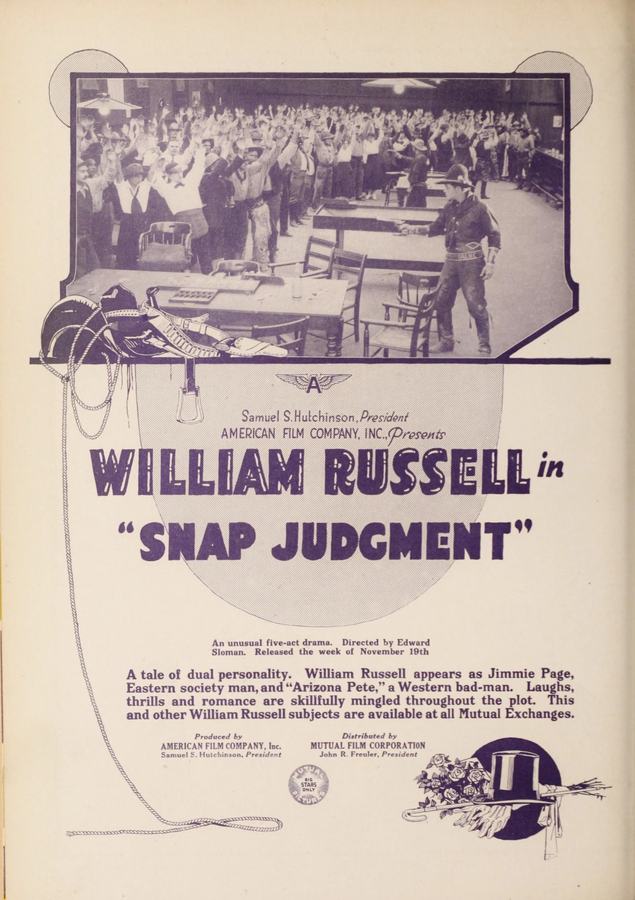
Dir: Edward Sloman
Having overslept on the morning of his wedding, James Page is rushing to the home of his bride, Marah Manning, when he sees Jed Baldwin being attacked. He goes to Jed's rescue and is arrested for his efforts. After being released, James discovers that Marah has called off the wedding; to console himself he ventures West with Baldwin. His troubles just begin when he arrives in Arizona and, mistaken for outlaw Pete Rawley, is thrown in jail. Meanwhile, the real Rawley holds up Marah and her father, who are searching for James and takes the two to his mountain retreat, where they believe that James is their captor. Then Pete's sweetheart Phoebe helps James escape, believing that he is Pete, and takes him to the mountain retreat where they find the real Rawley. After the couples straighten themselves out, Pete and Phoebe escape across the border and Marah forgives James.
View DetailsAnalysis relative to We Americans
| Film Title | Atmosphere | Complexity | Similarity |
|---|---|---|---|
| The Ghost of Rosy Taylor | Ethereal | Abstract | 97% Match |
| The Twinkler | Ethereal | Linear | 88% Match |
| A Woman's Daring | Gritty | Layered | 89% Match |
| New York Luck | Ethereal | High | 96% Match |
| Sands of Sacrifice | Gritty | High | 89% Match |
This guide was algorithmically generated using the cinematic metadata of Edward Sloman's archive. Last updated: 6/28/2026.
Back to We Americans Details →