
DbcultAccessing Vault...
Recommendations
Senior Film Conservator
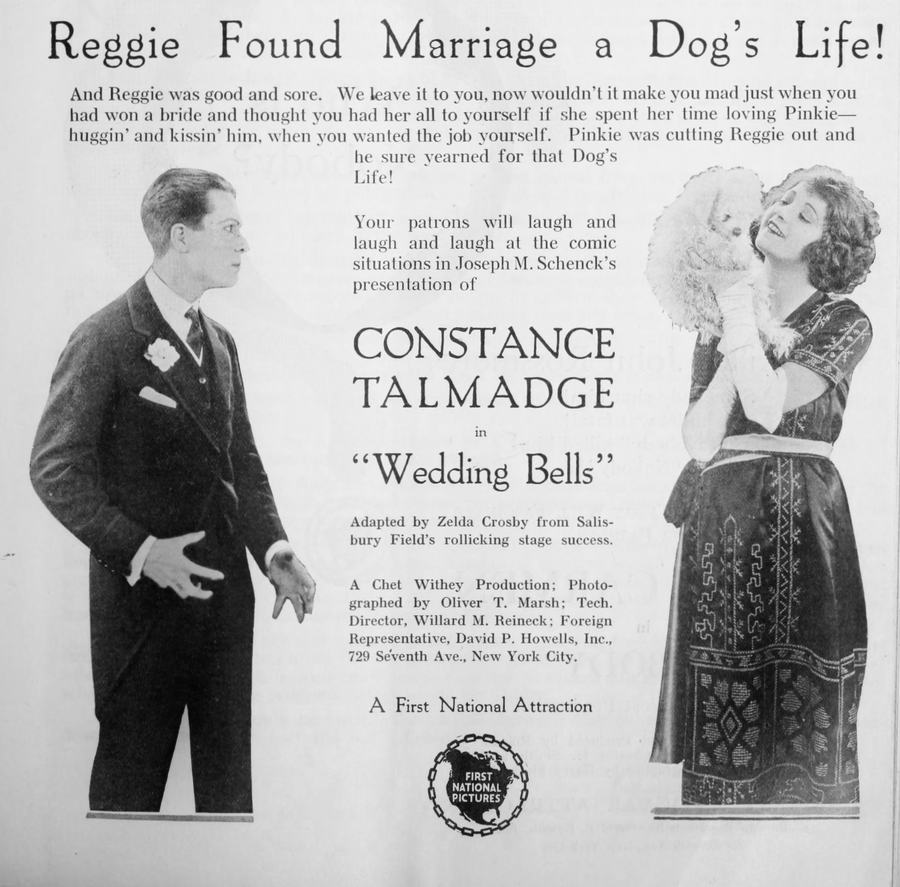
For those who were mesmerized by Wedding Bells, a true Romance masterpiece from 1921, the quest for comparable cinema becomes a journey through the fringes of film history. Our curated selection of recommendations echoes the very essence of Wedding Bells.
The legacy of Wedding Bells is built upon its ability to create a hauntingly beautiful cinematic landscape.
Rosalie and Reginald become acquainted while they are guests at a hotel in Palm Beach, Florida, and later they are married. Misunderstandings, aggravated by a case of measles, send the young wife to Reno, Nevada for a divorce. A year later she finds her ex-husband engaged to Marcia Hunter--a match promoted by Mrs. Hunter with an eye for Carter's wealth and social position. Regretting her hasty divorce, Rosalie almost succeeds in winning him back until the Hunters, a poet, and a rejected suitor interfere with her plan. Nevertheless, Rosalie stops the wedding by sending a note to the bishop, telling him that Reggie is divorced. Returning to Reggie, she becomes Mrs. Carter again.
Wedding Bells was a significant production in United States, showcasing the immense talent of Dallas Welford, Frank Honda, Ida Darling. It continues to be a top recommendation for anyone studying Romance history.
Based on the unique stylistic flair of Wedding Bells, our vault has identified these titles as the most compelling follow-up experiences for fans of Romance cinema:
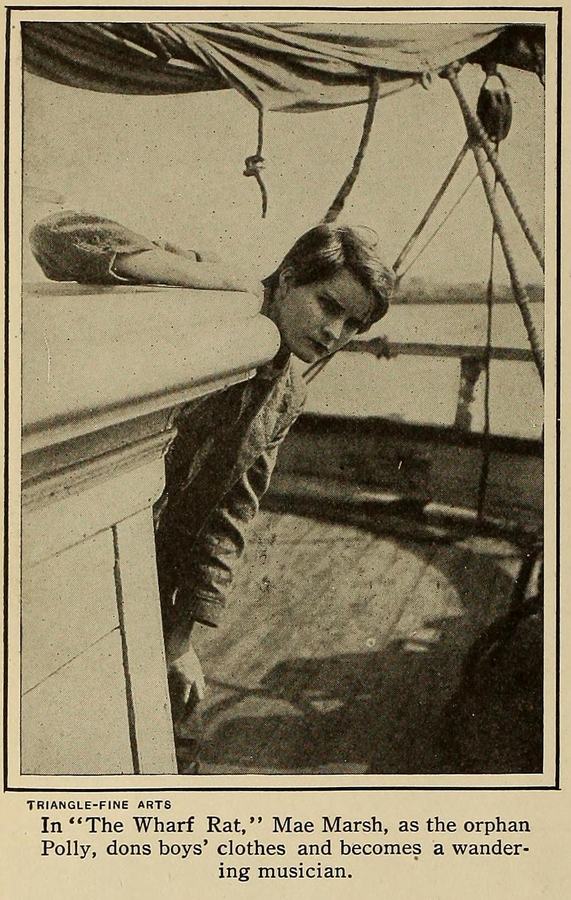
Dir: Chester Withey
Carmen Wagner is an orphan, the daughter of a musician whose career was ruined by the nagging of her stepmother. Her grandfather, also a violinist, hates all women because of his son's ruined career. He tries to save his granddaughter, whom he adores, from the stepmother. He also makes his granddaughter a woman hater and brings her up disguised as a boy. While in this garb she meets Edward Holmes, a law clerk, and the two become friends. The stepmother, catching the grandfather giving Carmen music lessons, drives him from the house. Carmen runs away, joins him, and they become vagabond musicians. They take passage on a ship, and Edward is consulted by the stepmother and delegated to find them. He takes passage on the same ship, identifies an innocent Italian musician and his daughter, whom he arrests. For this false arrest Edward is discharged. And in this plight he meets Carmen and her grandfather, who live on a derelict vessel and who make a living by playing violin in the streets. While protecting Carmen from a drunken sailor Edward is badly hurt and is taken in and cared for in the old hulk. Carmen throws aside her boy's clothes, puts on feminine apparel, imitates the dock watchman's daughter and coquettes with Edward, who at last identifies her as the girl whom he was originally employed to seek. They are in love, but keep it secret from the woman-hating grandfather. Other detectives, employed by the stepmother this time, have located Carmen, and Edward is knocked out defending her, while the stepmother and Carmen take a steamer home. Edward follows in a fast motorboat with a friend, and Carmen jumps from the steamer and is rescued by Edward. The stepmother pursues in a pilot boat, but they finally make their escape to marriage and happiness.
View Details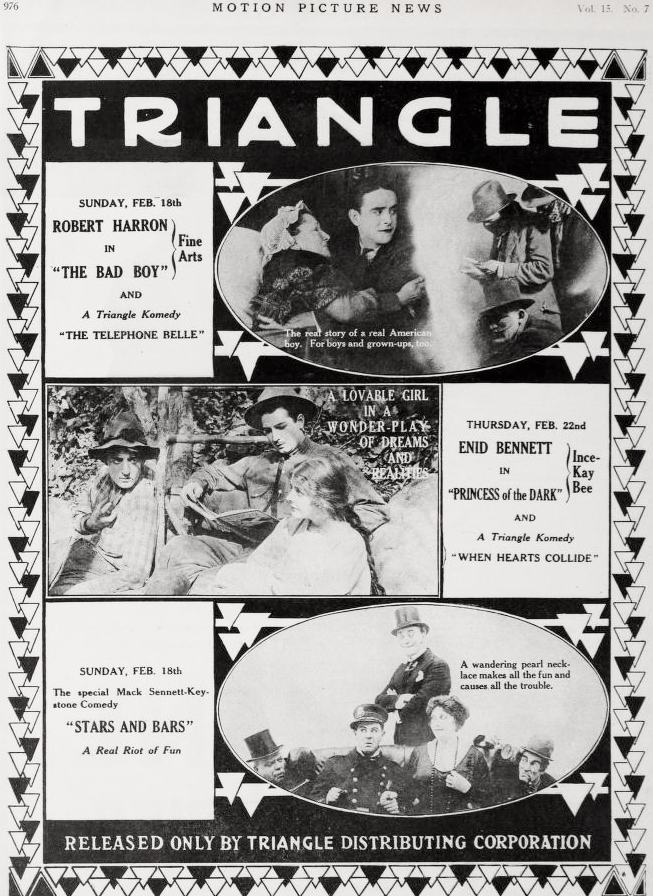
Dir: Chester Withey
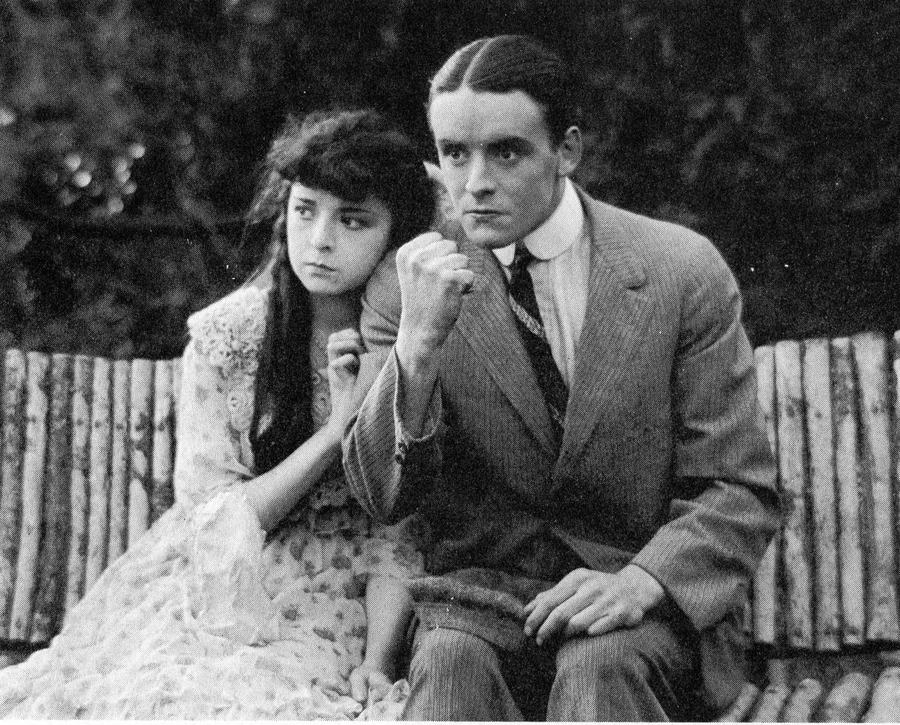
Jim is the leader of the "Slouchy Seven," a gang of small town boys. He takes the gang for a swim in the reservoir, and is reported to his father, who, as a punishment, locks him in his room. Jim, however, escapes and goes to the assistance of Clarence, a "nice" boy, who is vainly trying to secure an apple for his sweetheart, Mary. Mary is won by the prowess of Jim, but he is indifferent to girls. Clarence and Mary go for a walk and Tom, the blacksmith's boy, pushes Clarence aside and takes his place beside Mary. Jim goes to find the gang at the railroad station he meets a girl, who asks him the direction to Mr. Morton's, who, she says, is her uncle. Jim offers to take her bags and show her the house. The boys see him and have fun at his expense. He leaves the girl, whose name is Ruth, at the gate and goes to meet the gang. They have lost a member who moved away, and initiate Clarence, who proves to be a good sport. Unaware of the interest he has aroused in Mary's heart, Jim fights Tom, when he again interferes with Clarence and Mary, and is accused by Ruth of being "stuck" on Mary. This he stoutly denies. He calls on Ruth and her uncle tells her to dismiss him, that he is a bad boy. Jim then joins the gang in a prank on the schoolmaster, and as a punishment his father orders him to chop a pile of wood. Jim is rebellious and, taking his dog, leaves the house. He meets Mary and tells her he is going to the city. His dog deserts him and he falls in with a band of tramps. His mother places an ad in a local paper asking him to come home and Mary takes care of his dog. Later he comes back and is induced by the tramps to assist in robbing the bank, of which his father is vice-president. He dresses up and goes to secure the combination. Mary is impressed by his prosperous appearance, and when he hears his mother talking he almost gives up the idea of aiding the tramps, but his father's gruff remarks determine him to keep on. On going back to the tramps he sees his mother's ad in an old newspaper and refuses to help the hobos, but they take the paper with the combination away from him and bind him in a freight car. He escapes and hurries back to the town and tells the gang. They go to the bank, but are not in time to prevent the robbery, and the tramps escape with the loot. The loss ruins the bank, and although Jim is hailed as a hero his conscience troubles him. Finally he tells his father and is forgiven. The money is discovered in a woodpile, and the next day Jim carries Mary's books to school.
View Details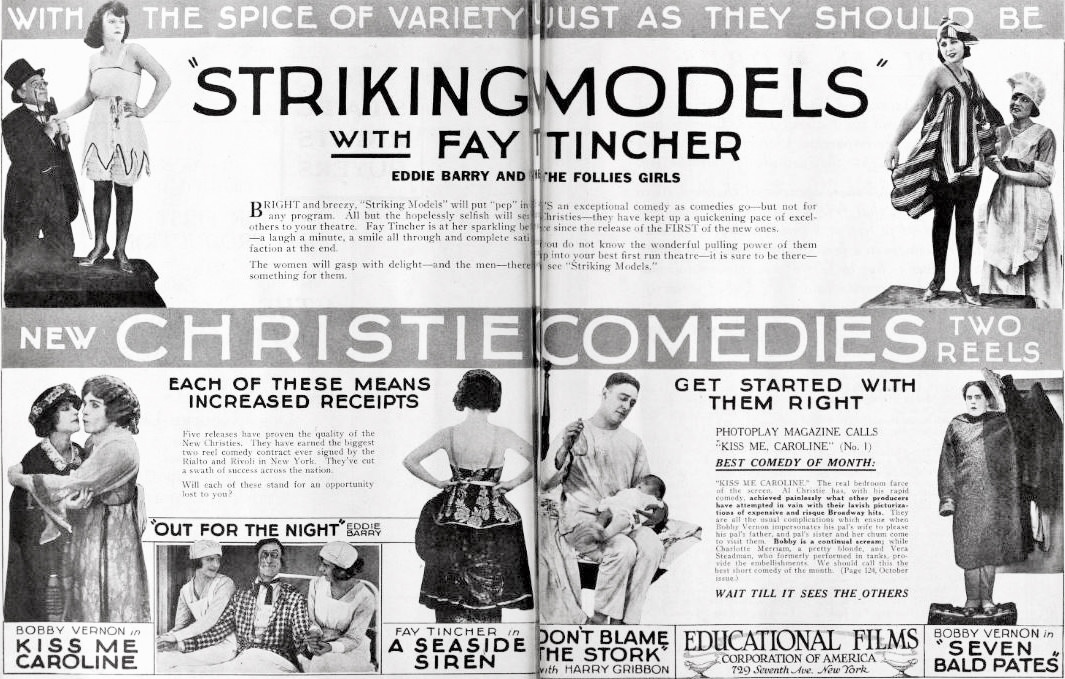
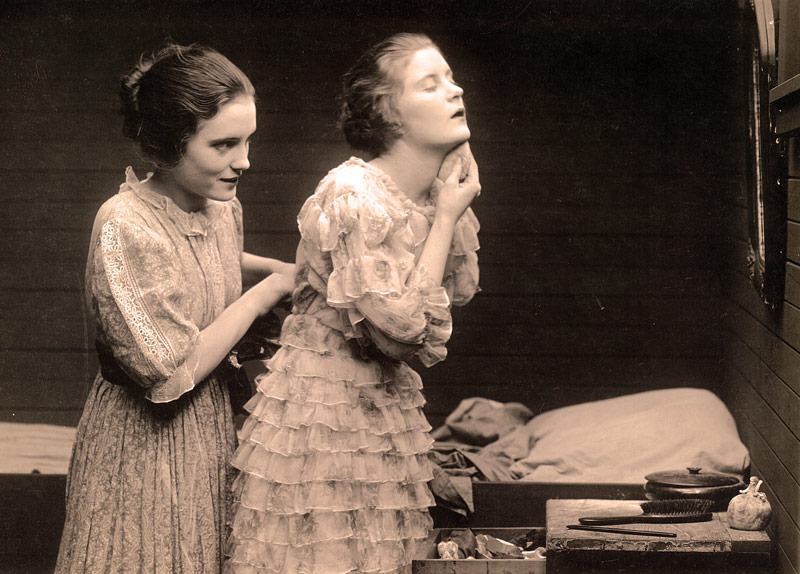
Dir: Reggie Morris
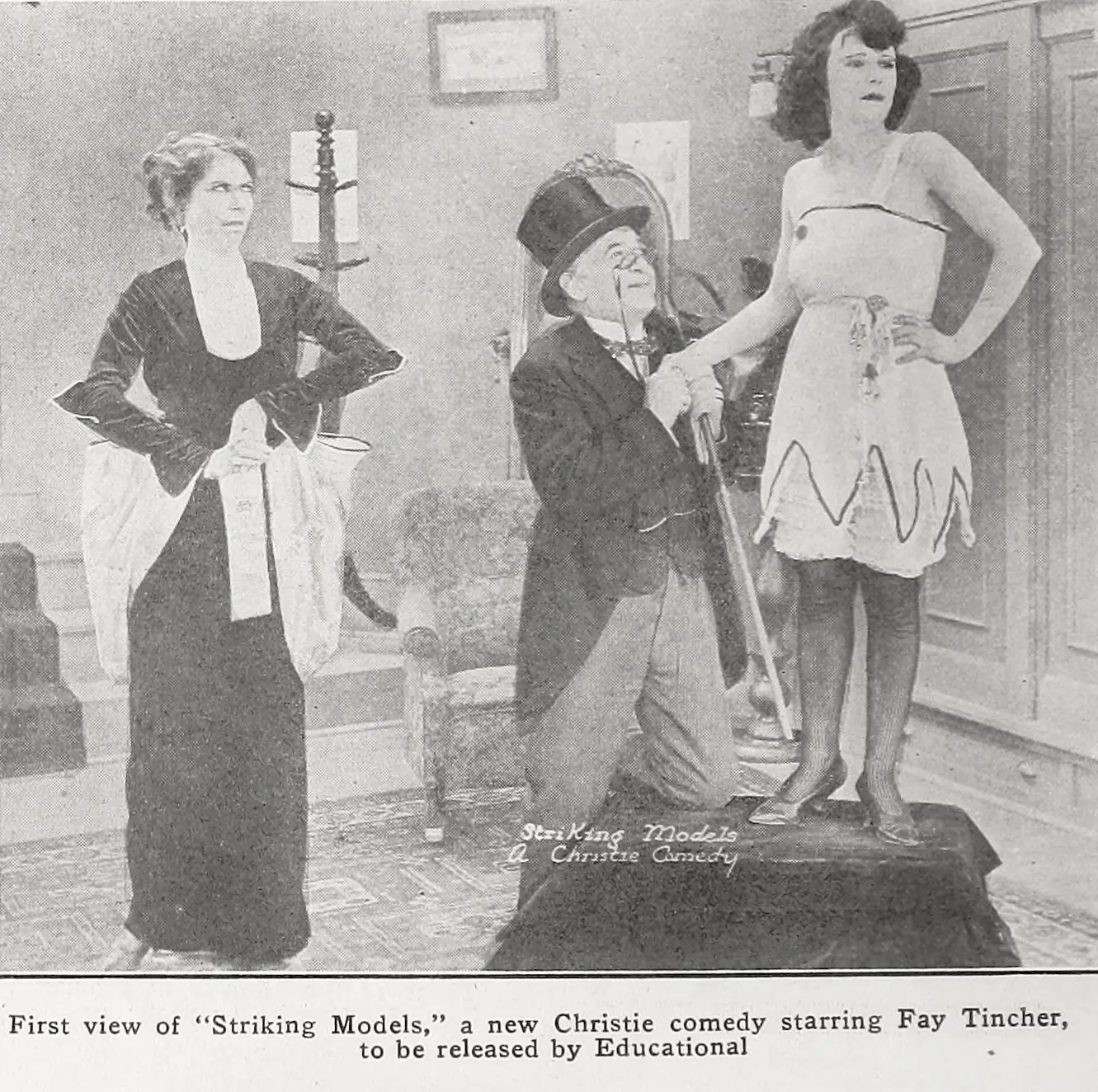
A fascinating piece of cinema that shares thematic elements.
View Details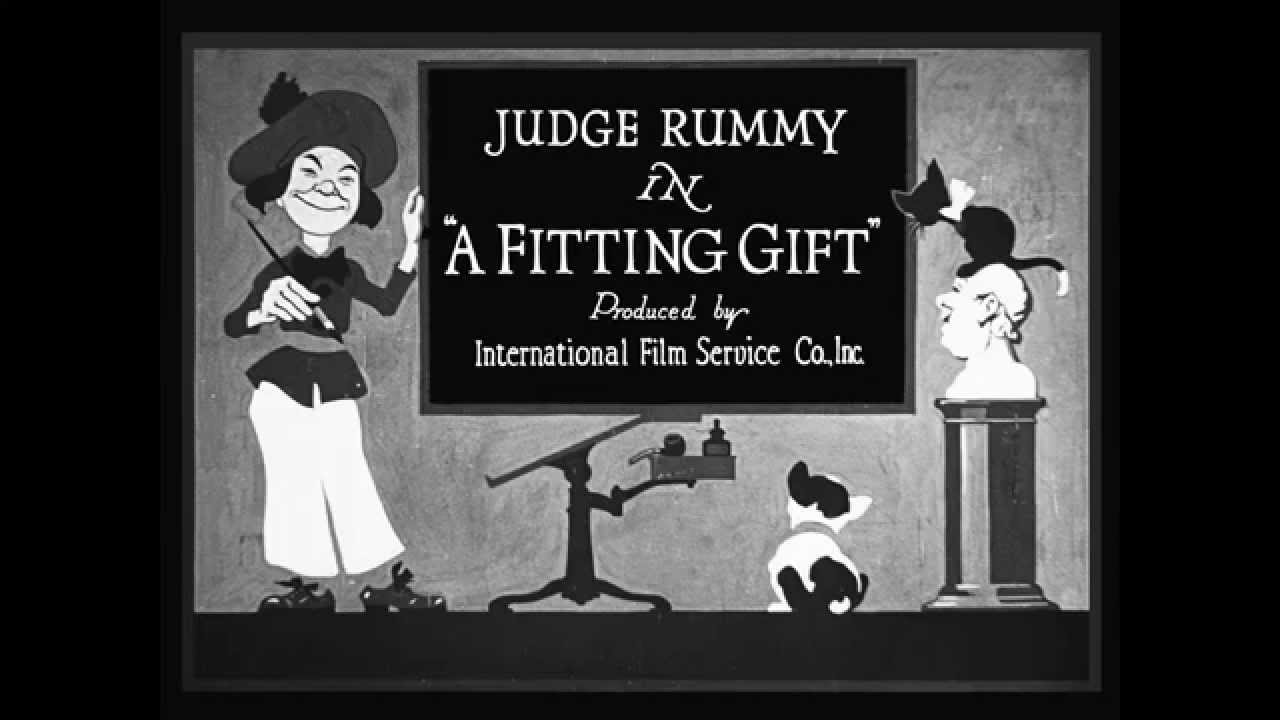
Dir: Unknown Director
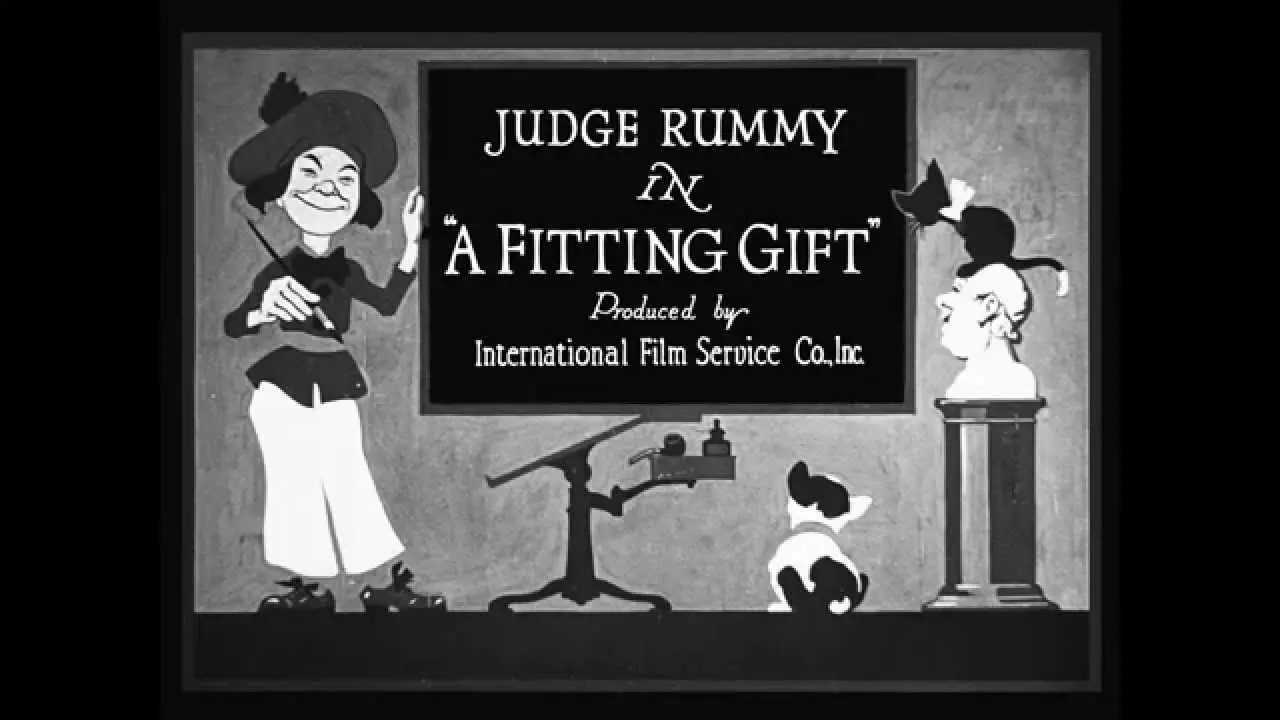
The Judge needs a present for his wife's birthday, so Harry suggests a new corset. They go to the shop, but he's so embarrassed to ask the saleslady he hides in a phone booth.Harry goes in, but finds a GUY wearing one, and runs out.They both dress as women to get back in, but Mrs. Rummy gets there and chases him out.
View Details
Dir: Chester Withey
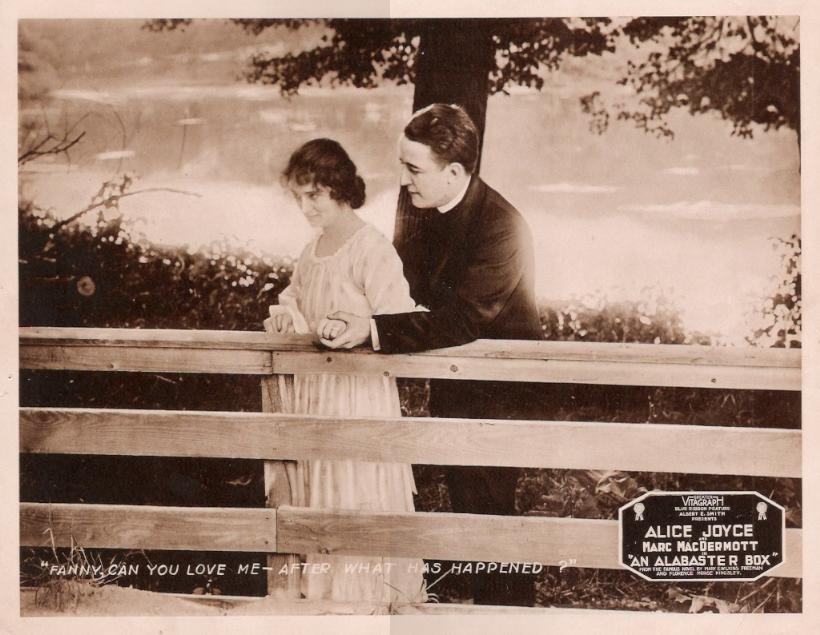
Lydia Bolton is only a child when financial difficulties overtake her father. His fellow townsmen do not give him support and he goes to the wall. Andrew Bolton goes to prison an embezzler, cursed by everyone. Lydia is taken in charge by an uncle and the old Bolton mansion, once a proud landmark, is left to neglect. Time has not tempered the disposition of the community when Lydia Bolton comes back, her identity hidden in the name of Lydia Orr. She opens her purse first at a church festival, but her generosity is rewarded only by disparaging remarks and open hints of ulterior motives. She lives at the same boarding house as the young minister and tongues of scandal are at once loosed. Then she purchases the old Bolton mansion, her childhood home, and offers to buy at unreasonably high prices all antique furniture in the town. There is a rush to get all the girl's money, but a few decent folks seek to protect her and at once the town is split in two hostile camps. The minister has a sweetheart and she is jealous of Lydia, which adds to the complexity of her troubles. And in the midst of it all, Bolton, his prison term ended, steals back to town. Lydia and a few loyal friends seek to hide his identity, for a time, at least, but the senile old man eludes them and goes to the country store and proclaims himself. All the pent-up hatred against him now is turned against the daughter and the townspeople utterly blind to all she has done for them and the town, rush to the old Bolton home to wreck it and lynch Bolton. The old man, aided by the minister and Lydia's sweetheart, are striving to protect the girl when Bolton falls dead. This tragedy disperses the mob and finally Lydia's enemies come to see her and her efforts in their true light.
View Details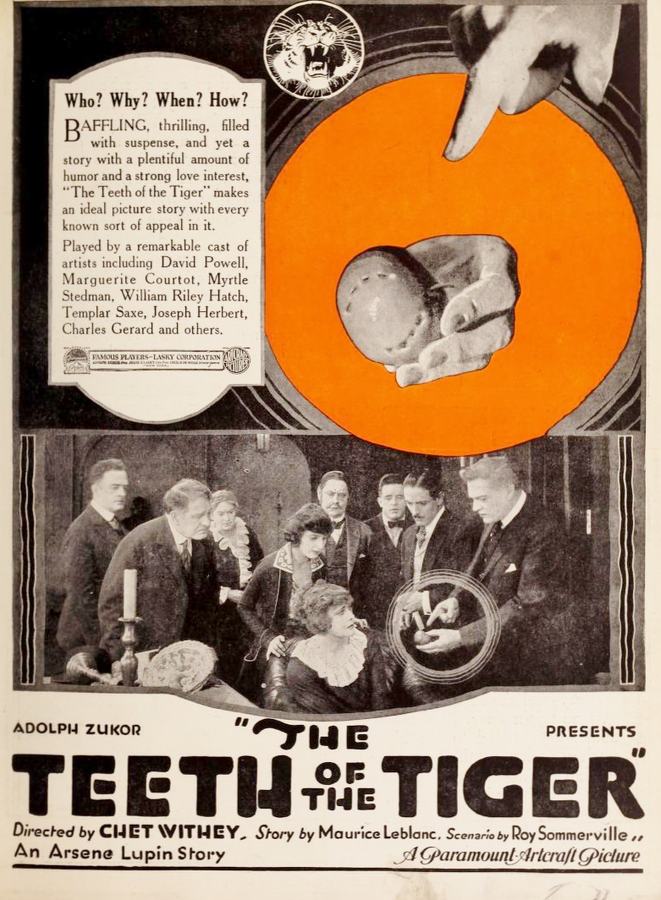
Dir: Chester Withey
Living quietly under the assumed name Paul Sernine, reformed gentleman crook Arsene Lupin is summoned to protect his invalid, wealthy friend Henry Forbes. Despite the watchfulness of Paul and Alexandre Mazeroux, a fellow criminal turned detective, Forbes is murdered. French detective Jabot and the New York detective force have many suspects including Paul, Marie Forbes, the dead man's widow who is suspected on the basis of an apple found with an imprint of her teeth on it, Gordon Savage, her lover, and Florence Chandler, Forbes' secretary and beneficiary under his will. After a series of traps, false arrests, chases through secret passageways, and an escape from handcuffs, Paul deduces that the true criminal is Doctor Varney, who cared for Forbes. Paul prevents Varney from blowing up the house, and at the same time wins the affections of Florence.
View Details
Dir: Chester Withey
Society girl Octavia rejects her fiancé, Teddy Westlake, and marries the elderly Colonel Beaupree, a wealthy rancher. When the colonel dies, Octavia discovers that he has left her only the ranch out West. When she goes to Texas to claim her inheritance, she discovers that Westlake has become manager of the ranch. Unknown to Octavia, even the ranch does not belong to her, but Westlake keeps this, and the fact that he still loves her, secret until Jose' Alvarez, the cruel overseer, tries to take advantage of her. In the end, Octavia realizes her love for Teddy and chases after him until he admits his feelings for her.
View Details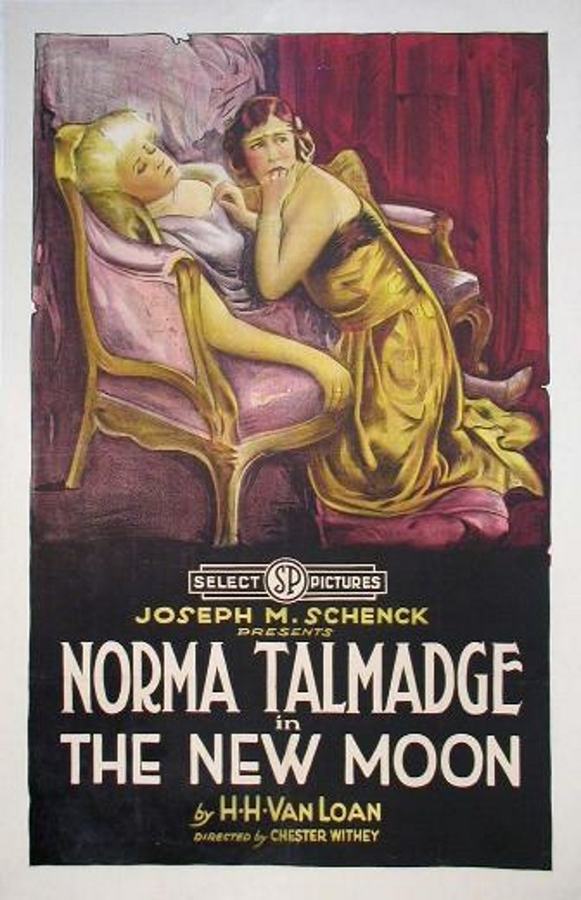
Dir: Chester Withey
When anarchist bombs disrupt the engagement ball of Princess Marie Pavlovna, her fiancé, Prince Michail Koloyar, helps her to escape in a carriage. Then Theo Kameneff, secretly in the pay of a foreign government, becomes dictator and, desiring the princess, issues an edict that all women between the ages of seventeen and thirty-two must register and become state property. Outraged, Marie, disguised as a shopkeeper, organizes women to refuse the order. After she is discovered by Orel Kosloff, Kameneff's henchman, Marie declines Kameneff's offer to repeal the edict if she will live with him. Kosloff then initiates mass brutality, killing women who do not register, including to Kameneff's dismay, his beloved sister, whom he tried to save. Meanwhile, Michail, who has infiltrated the Bolshevik ranks, is found out and narrowly escapes a firing squad. After he stops Kameneff's attack on Marie, Kameneff is shot by a potter, revenging his daughter's ravishment. Marie and Michail finally escape across the border.
View Details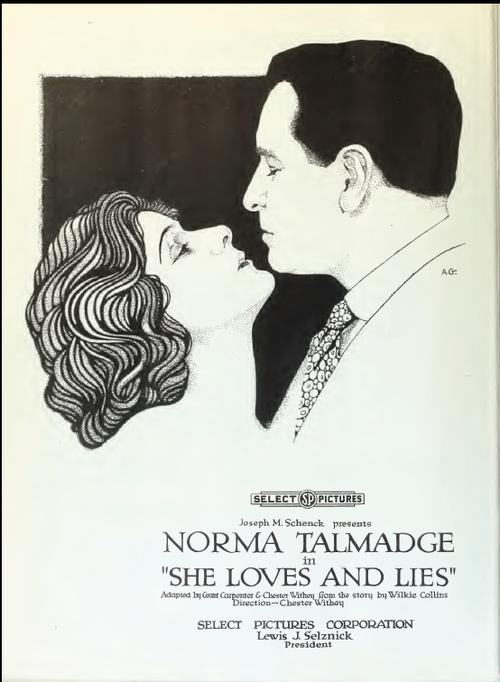
Dir: Chester Withey
When Marie Callender is left a fortune by a wealthy old admirer on the condition that she marry the man she loves, Marie targets Ernest Lismore but is too shy to ask him to marry her. Instead, Marie disguises herself as an elderly woman of considerable wealth and offers to bail Ernest out of his impending bankruptcy in exchange for marriage, with the understanding that if Ernest ever falls in love with another woman she will grant him a divorce. Then Marie disguises herself as June Dayne in order to make her husband fall in love with her. She succeeds, and when Ernest confesses his love for another woman, Marie discards her disguise and Ernest discovers that the woman with whom he is in love is his own wife.
View Details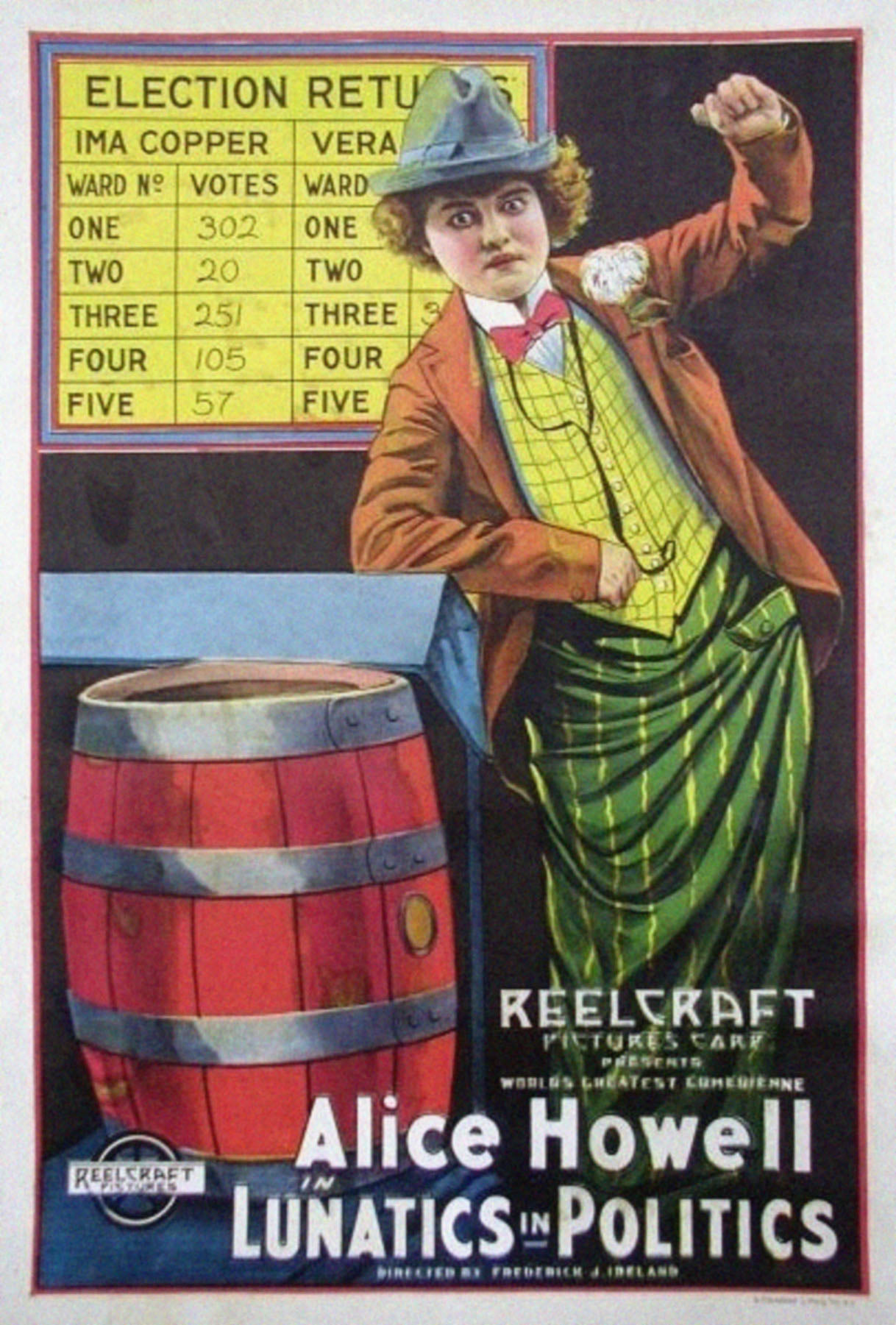
Dir: Richard Smith
Two female candidates for Chief of Police live across the hall from each other, and their political rivalry follows them home, leading to plenty of hi-jinks.
View DetailsAnalysis relative to Wedding Bells
| Film Title | Atmosphere | Complexity | Similarity |
|---|---|---|---|
| The Wharf Rat | Surreal | Abstract | 92% Match |
| The Bad Boy | Gritty | High | 98% Match |
| Striking Models | Tense | High | 96% Match |
| A Fitting Gift | Surreal | Layered | 96% Match |
| An Alabaster Box | Gothic | Dense | 97% Match |
This guide was algorithmically generated using the cinematic metadata of Chester Withey's archive. Last updated: 6/24/2026.
Back to Wedding Bells Details →