
DbcultAccessing Vault...
Recommendations
Senior Film Conservator
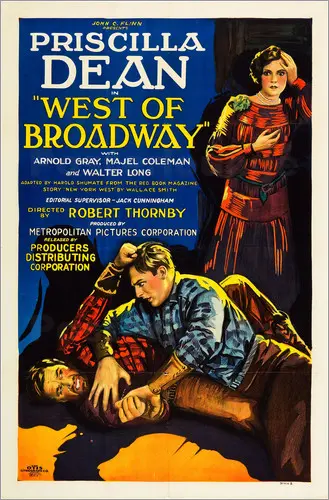
The United States-born brilliance of West of Broadway offers a unique artistic bravery, the profound questions raised in 1926 still require cinematic answers today. Our curated selection of recommendations echoes the very essence of West of Broadway.
In the Pantheon of Sport cinema, West of Broadway to provide a definitive example of Robert Thornby's stylistic genius.
When Bruce Elwood, a Wyoming rancher, hears that golf-champion Freddie Hayden is in an area golf tournament, he sends word that he would like Freddie to come teach golf lessons at his Cowboy Golf Club. Upon arriving, and much to the dismay of Elwood, Freddie turns out to be a woman. She remains and the ranch cowboys neglect their work to take lessons from Freddie. Bad Willie, the area's leading cattle rustler and baddest badman, also is attracted to Freddie.
Based on the unique artistic bravery of West of Broadway, our vault has identified these titles as the most compelling follow-up experiences for fans of Sport cinema:
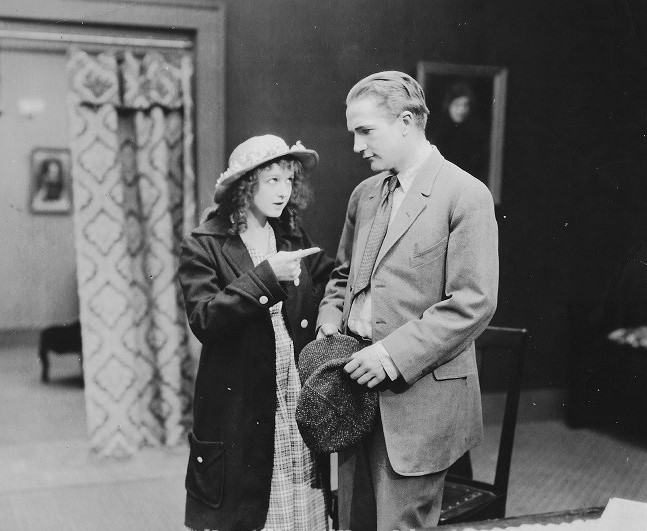
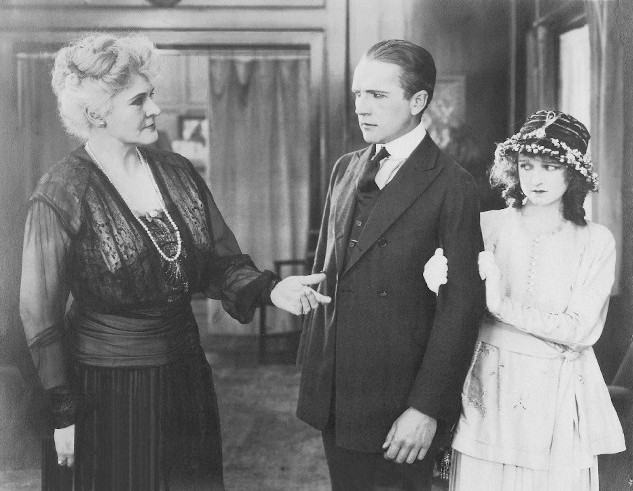
Dir: Robert Thornby
Susie is the daughter of a very good bricklayer. The lad who loves her is a very rich lad, as all lads should be, but, alas are not. To win her, he poses as a hod-carrier, certainly an unromantic disguise for a wooer. His mother has social aspirations for him, with Newport as a base of action, but what cares he? He loves the bricklayer's daughter. Is it not simple? It is. Simple, but sweet. Later Susie gets rich by means of a legacy, and the bricklayer's family moves into opulent quarters. Then sweet Susie is elegantly-gowned, but no happier. What are mere dollars to sweet Susie? The main situation in which Susie figures is one of finance. Seeing that dollars mean unhappiness, she plans to induce her father to invest in the stock market and to let him believe that he has lost all. This scheme succeeds in bringing the picture to its ideal end, and Susie marries the lad who posed as the hod-carrier. - Picture Play Magazine 1917.
View Details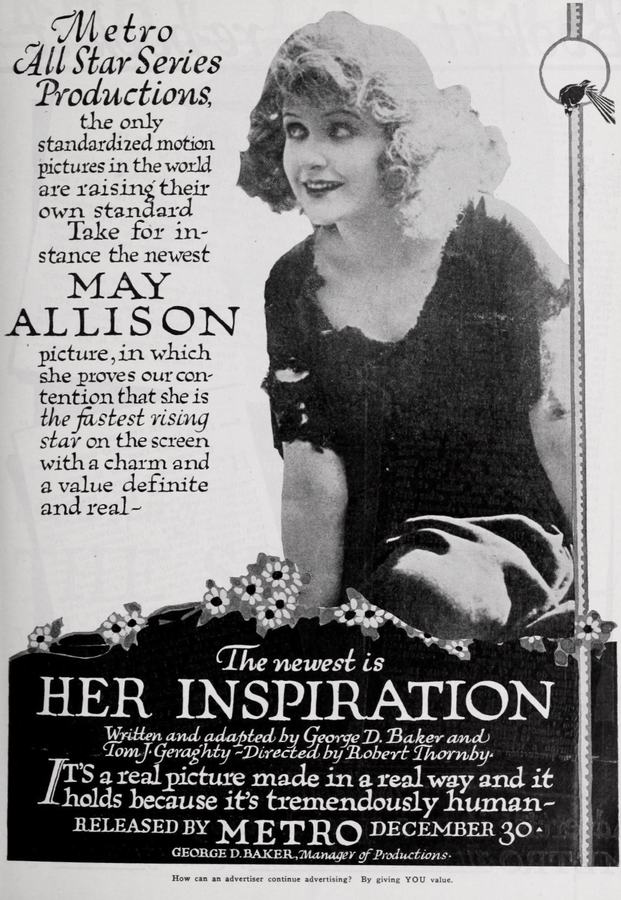
Dir: Robert Thornby
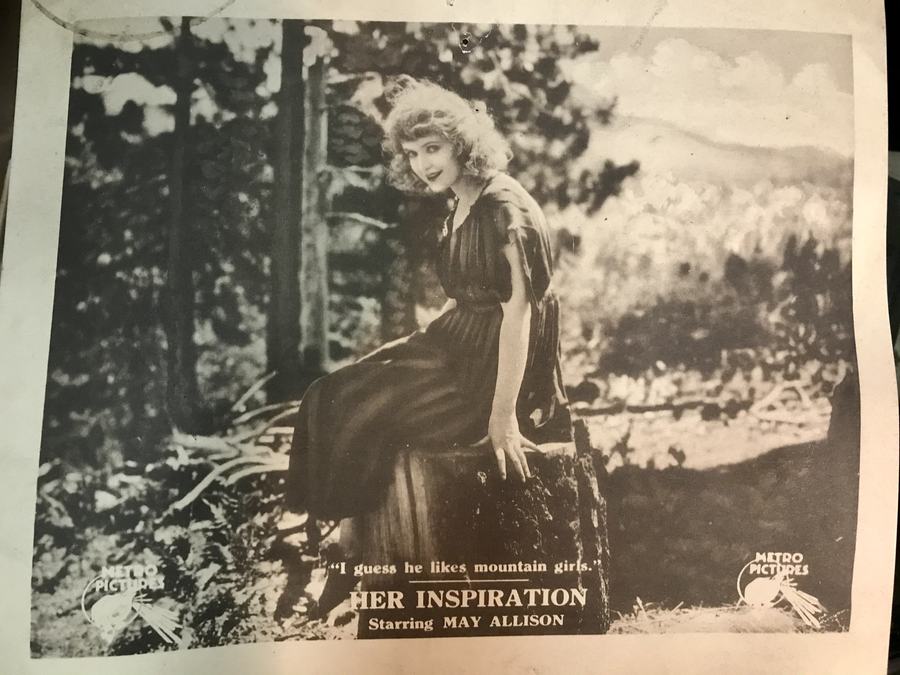
Young playwright Harold Montague travels to the Kentucky mountains to seek the local color that his manager has complained is lacking in his new play. There he falls in love with Kate Kendall, a mountain girl, and tries to befriend a group of moonshiners, who regard him with suspicion because of their fear of revenue officers. Looney Lige, jealous of Harold's success with Kate, alerts the officials to the location of the still, and the mountaineers, led by Big Hank, decide that the outsider whom they assume has betrayed them must hang. Kate saves Harold at the last moment, and, badly shaken, he catches the next train back to New York. At the rehearsal of his play, his manager introduces him to his leading lady--Kate Kendall, who had also been sent to the mountains for local color.
Dir: Robert Thornby
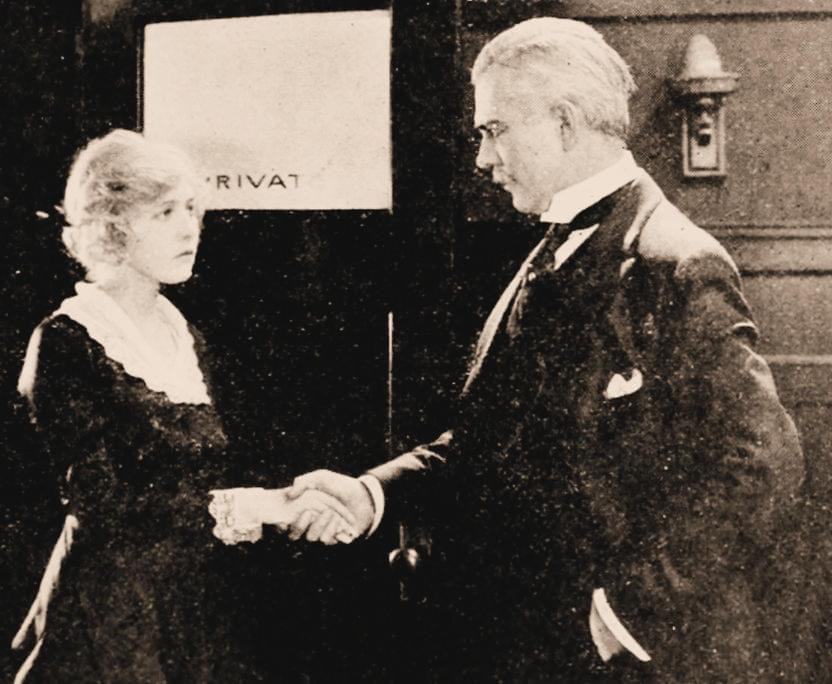
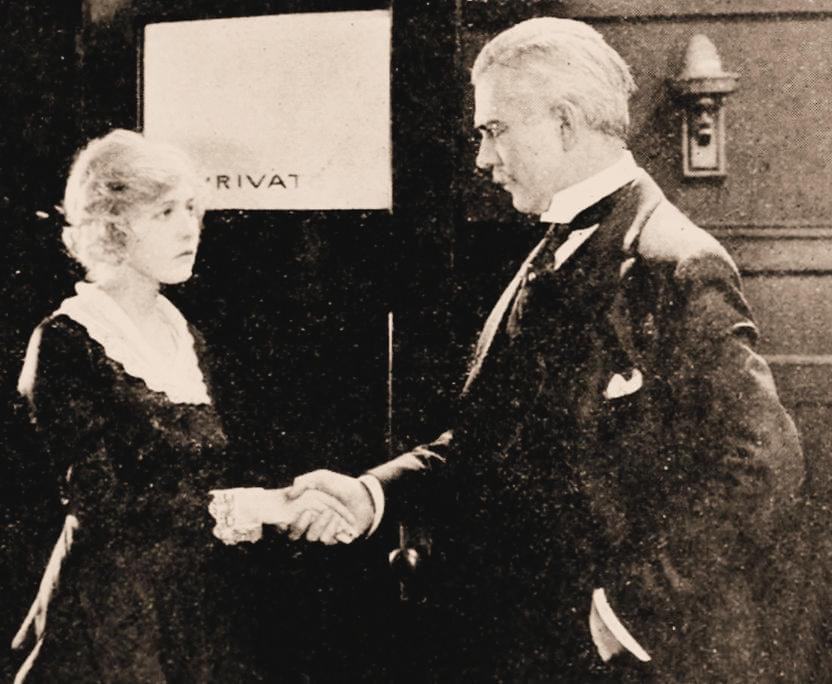
Jill Cummings and her sisters Marguerite and Jane are left penniless when their father dies. To provide for the family, Jill accepts a sales position in a department store, where she attracts the attention of her unhappily-married boss, George Hemingway. Desperate to escape her difficult circumstances, Jill accepts Hemingway's proposal that she live as his mistress and subsequently is kept in high style in a large, beautiful house. Some years later, Hemingway dies, and with the fortune he leaves her, Jill tours Europe. There she becomes engaged to Harry Adams, but when George Hemingway, Jr. appears to act as best man in the wedding, Jill is forced to confess her past to Harry. The two separate for a year to think things over, and when Harry returns, he suggests to Jill that they live together "in a happy way." Jill leaves him and continues her life alone.
View Details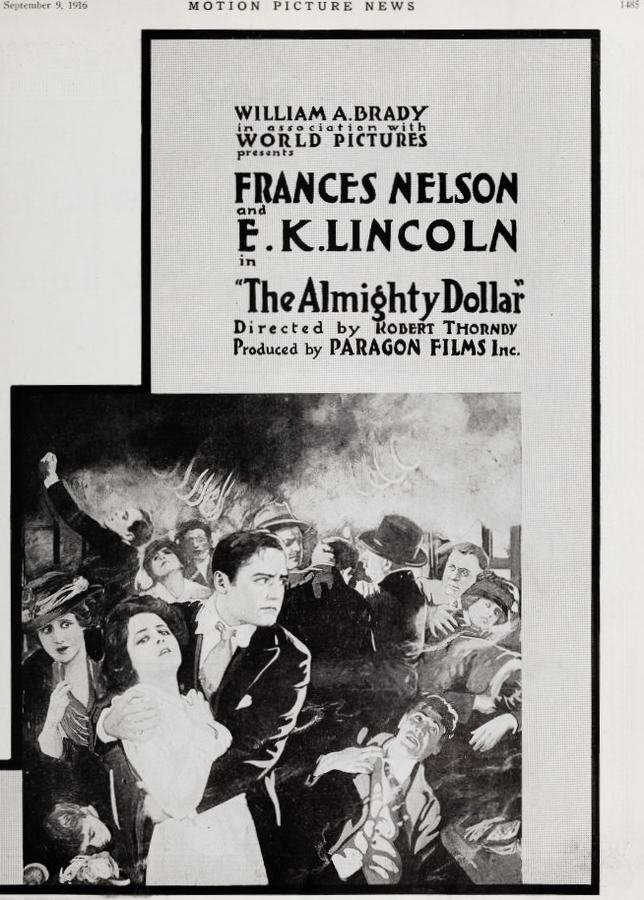
Dir: Robert Thornby
As Nan Lorimer's mother lies dying, she makes Nan promise to take care of her younger sister Masie. Unfortunately, Masie falls for the shady Dr. Thornton and travels secretly around New York City to meet him. One night she is rescued during a subway accident by wealthy John Harwood, a miner, who falls in love with her and marries her. Although the two are deeply in love, John begins to neglect his wife for his mining business, and soon Masie begins to see Dr. Thornton again. Complications ensue.
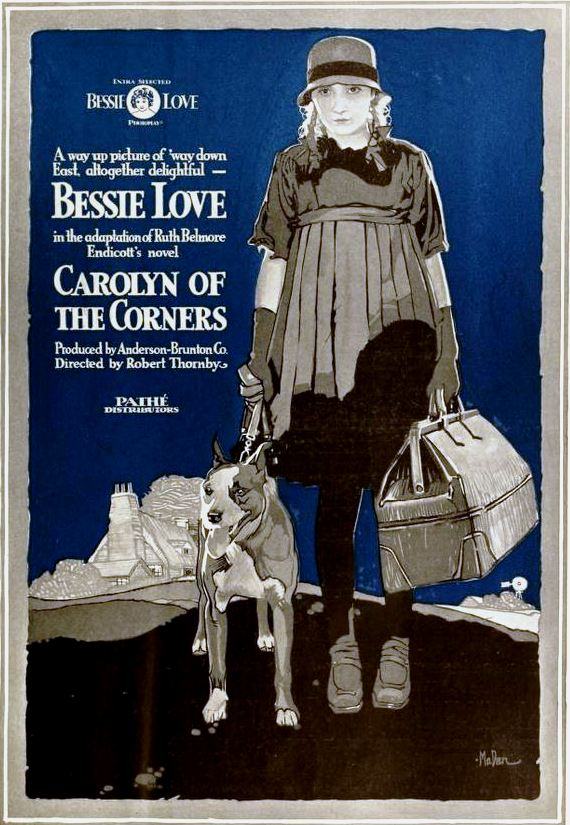
Dir: Robert Thornby
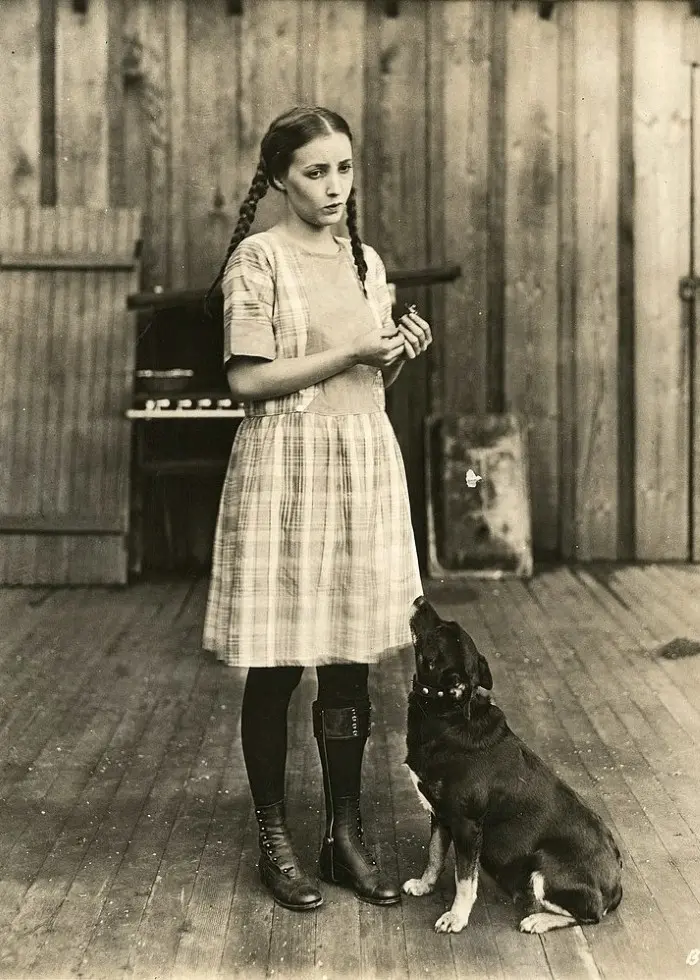
Joseph Stagg is a lonely, grouchy middle-aged man living with his housekeeper, "Aunt Rose", in a New England village. A prominent merchant in town, one day he gets a letter notifying him that his sister and brother-in-law have been lost in a shipwreck. He takes in his sister's daughter Carolyn and her dog, Prince. Carolyn meets Amanda Parlow, a local woman, and discovers that Amanda and her Uncle Joe had an affair years ago, and its breakup left Joe hurt and bitter. Carolyn resolves to get them back together, but a forest fire that breaks out in the mountains where Amanda and Carolyn are staying puts her plans, and her life, in danger.
View Details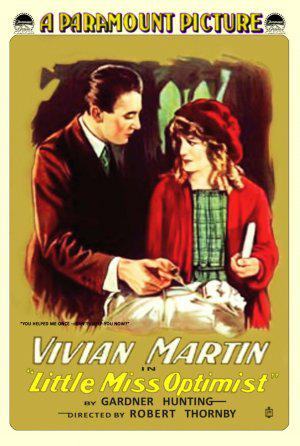
Dir: Robert Thornby
Mazie-Rosie Carden, a waif who pays her board by selling papers on the street, saves the life of starving musician Deal Hendrie by giving him her cherished "lucky dime." Meanwhile, her brother Ben, employed as a weigh-master by the West Coal Company, has been discharged on a trumped-up accusation by the company's manager, Samuel Winter, of falsifying weights. Later, West finds proof of Winter's false records, summons him to the house and, after a fight, is killed by his employee. Ben, induced by Mazie to go to West and say that he has been falsely accused, arrives in time to see Winter robbing the body of his employer and taking Mazie's dime, which Hendrie had lost. Winter attacks Ben, knocks him unconscious and escapes, but is seen by Mazie. The next Sunday, while at the church where Hendrie is employed as an organist, Mazie sees Winter contributing the lucky dime and accuses him of murder before the whole congregation. Mazie's accusation is corroborated by her brother Ben, who has regained consciousness to testify against Winter, and all ends happily when Hendrie proposes to Mazie.
Dir: Robert Thornby
An Englishman who has made his fortune in America decides to return to England. He takes his daughter Octavia to pay a visit to her relatives, especially Miss Belinda Bassett, an aunt whom she has never seen. An important business cable calls the father to America, and Octavia goes on alone to her aunt. The aunt's home, Slowbridge, is a sleepy little English village whose snobbish small-town aristocracy is headed by pompous Lady Theobald, who has everyone under her thumb, including Miss Bassett and her own granddaughter Lucia, a sweet, shy English girl. Octavia has the effect of a dynamite bomb in Slowbridge. Her dresses, her breezy ways, her unconventional conduct, all infuriate Lady Theobald, and at first terrify her aunt. Little by little, however, Octavia becomes a general favorite. She enjoys engineering a love affair between bashful Lucia and a fine young man who has no social standing in Slowbridge just because he is a mere manufacturer and not a "gentleman of leisure." The worst blow to Lady Theobald comes when her nephew Captain Barold becomes exceedingly fond of Octavia. His manner of demonstrating his affection does not please Octavia; he seems to feel that he is doing her a tremendous favor in bestowing his affection upon her. She decides to teach him a lesson. Lady Theobald wants Captain Barold to marry her niece Lucia, who is actually in love with the manufacturer. Lady Theobald is horrified when she sees Octavia snatching this wonderful catch away from Lucia. Just when Slowbridge is about to blow up with agitation, Captain Barold puts his fortune to the test. He asks Octavia to marry him. She refuses, thereby succeeding in injuring his bump of conceit. Octavia's father arrives with the news that he is more than a millionaire; that his mining stock has recently doubled in value. With him comes Jack Belsays, an energetic American youth who is a type as foreign to Slowbridge as Octavia. What is the surprise of the small township to learn that Octavia has been engaged to Jack all the time, and never at all anxious to fasten herself upon English small town society or to intrude into their affairs. A marriage ceremony follows in Miss Bassett's little villa with young Poppleton, the curate officiating. Through Octavia's good offices, another wedding follows later, that of Lucia and the young manufacturer, whom even Lady Theobald has come to realize is fully worthy of respect, and of the hand of her granddaughter Lucia.
View Details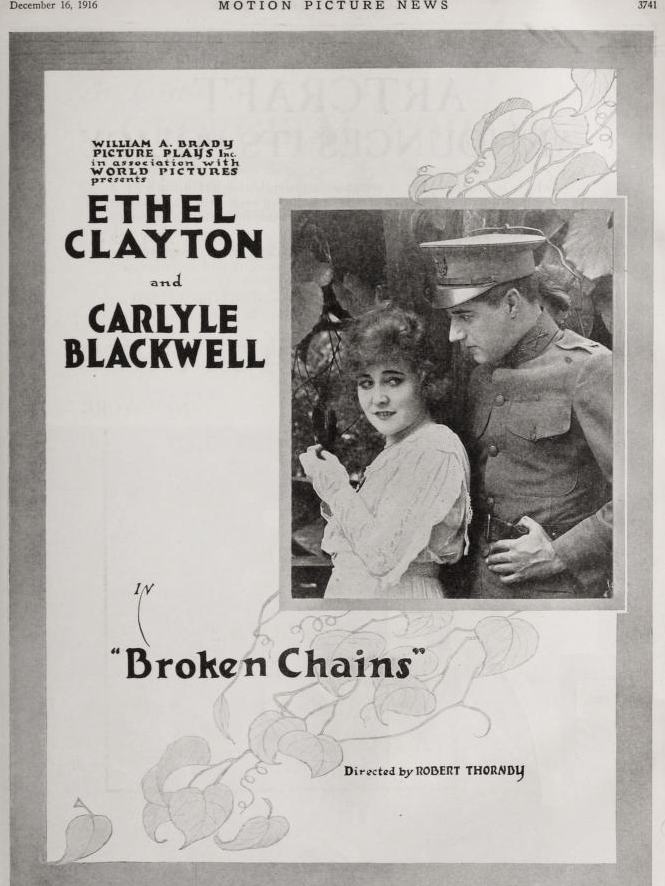
Dir: Robert Thornby
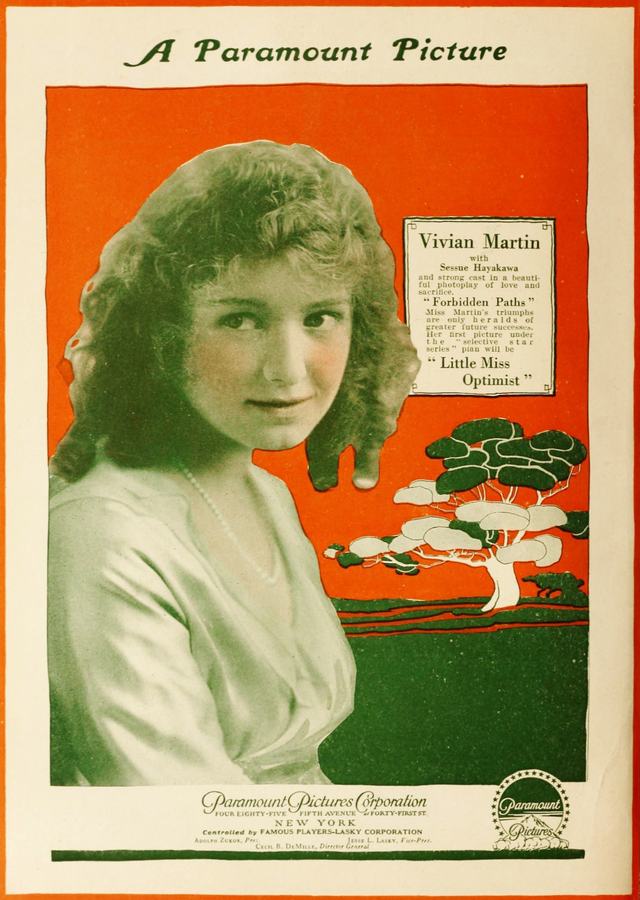
Captain Ford, U.S.A., is sent down south to trail a gang of moonshiners. Jefferson Gwynne, a lovable but rather hot-headed young southerner, believes Ford is aiding the negroes in their political fight against the whites, and as Ford is compelled to keep his mission secret, Jefferson conceives a violent dislike for this agitator as he believes Ford to be, and makes no pretension of concealing his aversion. Georgia Gwynne, Jefferson's young sister, on the other hand, is attracted to the young northerner, and after her saves her in a runaway accident, their friendship develops rapidly, to the dismay of Paul Fitzhugh, Georgia's cousin, who is much in love with her. When Georgia refuses Paul's offer of marriage, he accuses her of being in love with the strange agitator, but she also ignores his remarks and he goes away angry. Jefferson accuses Ford of stirring up the negroes to vote against the whites. Ford tries to quiet the excited boy, but his calmness only tends to heighten Jefferson's anger, and drawing Ford's sword from his scabbard, he begins a fight. Ford defends himself with a piece of wood. A scuffle ensues, and Jefferson falls wounded. Ford rushes to the house for assistance. While he is gone, Sampson, a negro political leader, who hates the Gwynnes, steals up and seeing the wounded boy and the sword lying at his side, is possessed of a demoniacal idea. He seizes the sword, and plunges it into the boy's body. Captain Ford, coming up with Georgia, her father and others, is overcome to find Jefferson dead. Circumstantial evidence points to Ford as the criminal, and despite his vehement protest of innocence, he is led away to prison. Georgia alone believes in him and comforts him with her assurance of faith. Paul, who saw Sampson stab the boy, and knows therefore that Ford is innocent, is torn by conflicting emotions, but his hatred of his rival, and his desire to get him out of the way proves stronger than a sense of justice, and he conceals his knowledge of the crime, and allows Ford to be led away to prison. Despite the unpleasantness of his surroundings in prison. Ford conducts himself bravely and manfully. In defending an old negro against the guard, he incurs the enmity of that official, and in revenge the guard has him whipped by the negro Sampson, who had been in prison for stealing a ballot-box. Angered by this unnecessary indignity, Ford still submits in silence, but that night when the prison catches fire, he seizes the opportunity to escape, and is trailed by the guards with dogs to Georgia's home. Georgia scarcely recognizes in this worn, haggard prisoner, the man whom she loves, but she receives him gladly, and struggles hard to conceal him from the guard. Her efforts, however, are futile; the door is broken in and Ford dragged out. Georgia has read that an individual can lease any convict he or she may desire, by applying to the Governor for a permit, and she determines now to make use of this knowledge. By clever maneuvering, she manages to detain the arresting party, white she rushes a messenger to the Governor, with an application for the releasing of Ford. Just as the guards are ready to lead Ford away, the messenger returns with the permit, signed by the Governor, and Georgia demands that the prisoner be turned over to her. Ford finds his new captivity much to his liking, and the affection between captor and captive rapidly grows. The old negro, whom Ford defended in prison, is released, and hurries to Col. Gwynne. to toll him the real truth about the murder; how Sampson, talking in his sleep, revealed how he seized the sword and killed Jefferson. By a clever re-enactment of the murder scene, Sampson is led to confess the truth. Ford is cleared, and he and Georgia are happy in each other's love.
Dir: Robert Thornby
A Japanese man falls in love with the daughter of his American employer.
View Details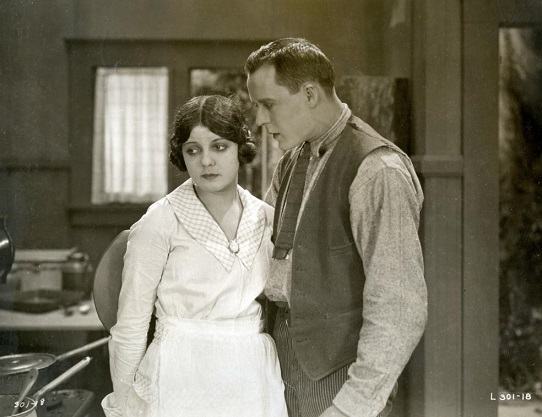
Dir: Robert Thornby
Rose, a pretty young country girl,gets engaged to Steve, a handsome young lumberman whom she loves, but Claude, a city slicker who wants Rose, cons her into believing that Steve's obsessive love for her is ruining his life and that she should leave him for his own good. Steve, however, mistakenly thinks that Rose and Claude are having an affair, and breaks off the engagement. Complications ensue.
View DetailsAnalysis relative to West of Broadway
| Film Title | Atmosphere | Complexity | Similarity |
|---|---|---|---|
| A Kiss for Susie | Tense | Linear | 98% Match |
| Her Inspiration | Gritty | Layered | 92% Match |
| Fallen Angel | Ethereal | Dense | 98% Match |
| The Almighty Dollar | Tense | Linear | 92% Match |
| Carolyn of the Corners | Surreal | Abstract | 91% Match |
This guide was algorithmically generated using the cinematic metadata of Robert Thornby's archive. Last updated: 6/23/2026.
Back to West of Broadway Details →