
DbcultAccessing Vault...
Recommendations
Senior Film Conservator
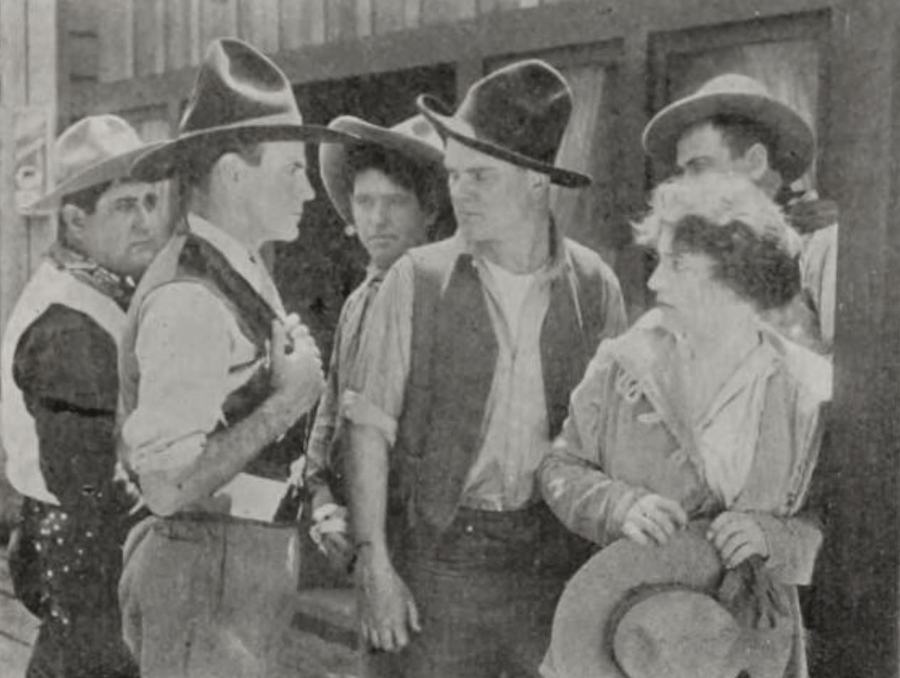
The cinematic DNA of Whispering Smith (1916) is truly one of a kind, finding other movies that capture that same lightning in a bottle is a top priority. We have meticulously scanned our vault to find hidden gems that resonate with this work.
As a pivotal work in United States cinema, Whispering Smith to challenge the status quo through its avant-garde structure.
Whispering Smith is a virile, fearless type of the true American whose theory of life is to give every man a chance to show what is in him. There is nothing of the bully or braggart about him. He is just a man who knows instinctively what is right and never falters in his steps to see that justice is given where it is deserved and crime punished on the same basis. Whispering Smith loved Marion, a carefree, beautiful Western girl. His love was that of the strong, clean-living man, who knows no physical danger, but is reticent and bashful in his love affairs. Lacking as a suitor the characteristics that made him esteemed and feared among his fellow-men, he was beaten out for her hand by Sinclair, a dashing devil-may-care sort of fellow among the women, but an unscrupulous and vindictive man at heart. Marion's life with Sinclair was not all joy and happiness. Slowly he was killing her love for him, but in the manner of his kind he believed that harshness was the way to rule women. When the story opens, Sinclair, who is foreman of a wrecking crew on a mountain section of a transcontinental railroad, is living in one of the company's cabins in the small division terminal, "Medicine Bend," a typical Western railroad and mining town. This town was located at the foot of a steep declivity, noted for the frequency of the wrecks occurring there, particularly among freight trains. The officials of the road were worried at the great number of the wrecks, but were more concerned with the robberies that took place after each collision. No trace of the thieves could be found. The railroad detectives had about given up in despair when Whispering Smith was sent to "Medicine Bend" to put an end to the robberies. Sinclair was never suspected. Smith, however, discovers soon after his arrival that Sinclair is the brains of the gang engaged in looting the freight cars. Smith, to save Marion the disgrace of having her husband branded as a thief, does not expose him, but causes the division superintendent, McCloud, to discharge him. Life for Marion soon becomes unbearable and she leaves him. This arouses to frenzy the desperate man, who plans to get revenge on the railroad by burning the "Smoky Creek" trestle. Assisted by several of the band who had been engaged in looting the cars, Sinclair sets fire to the trestle, causing a disastrous wreck. Smith, determined to capture the men responsible, discovers that Sinclair is at the bottom of the plot. Again his love for Marion induces him not to expose her husband until he talks with her. He effects a reconciliation between Sinclair and Marion and upon the former's promise to lead a better life and to leave "Medicine Bend," Whispering Smith lets him go with his wife, and the girl he still loves.
Critics widely regard Whispering Smith as a cult-favorite piece of cult cinema. Its cinematic excellence is frequently cited as its strongest asset, solidifying its place in United States's film legacy.
Based on the unique cinematic excellence of Whispering Smith, our vault has identified these titles as the most compelling follow-up experiences for fans of cult cinema:
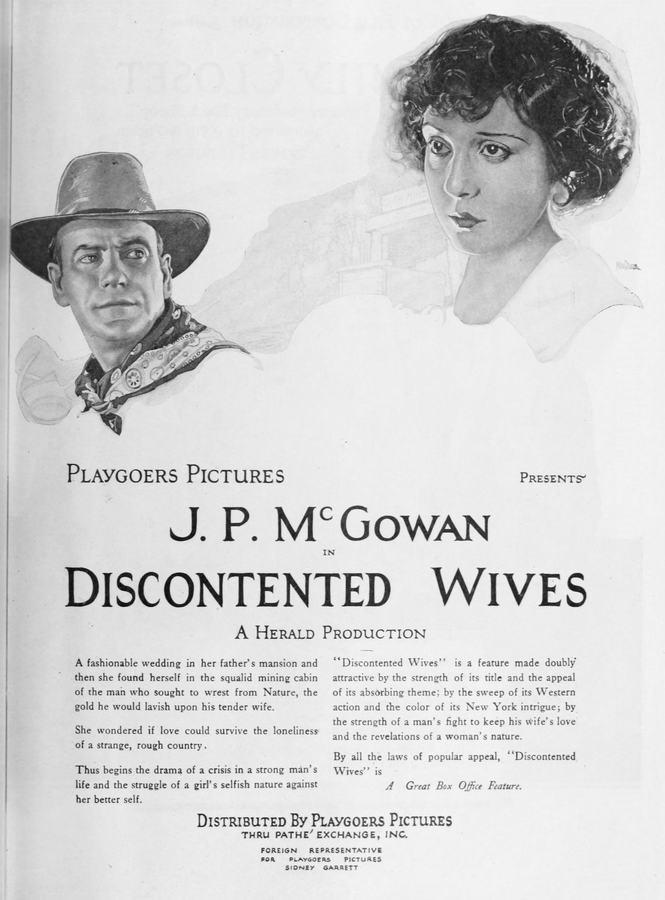
Dir: J.P. McGowan
Ruth Gaylord gives up her home in New York to marry John Gaylord but grows discontented with the loneliness and desolation of life in the West and leaves her husband. After returning home, she hears that he has struck one of the richest gold veins in California. A letter surrendering her interests in the mine falls into the hand of Kirk Harding, an eastern capitalist; and John, tricked into surrendering his rights and discovering the truth, struggles with Harding. Ruth awakens, discovering it was all a dream, and decides not to leave her dedicated husband after all.
View Details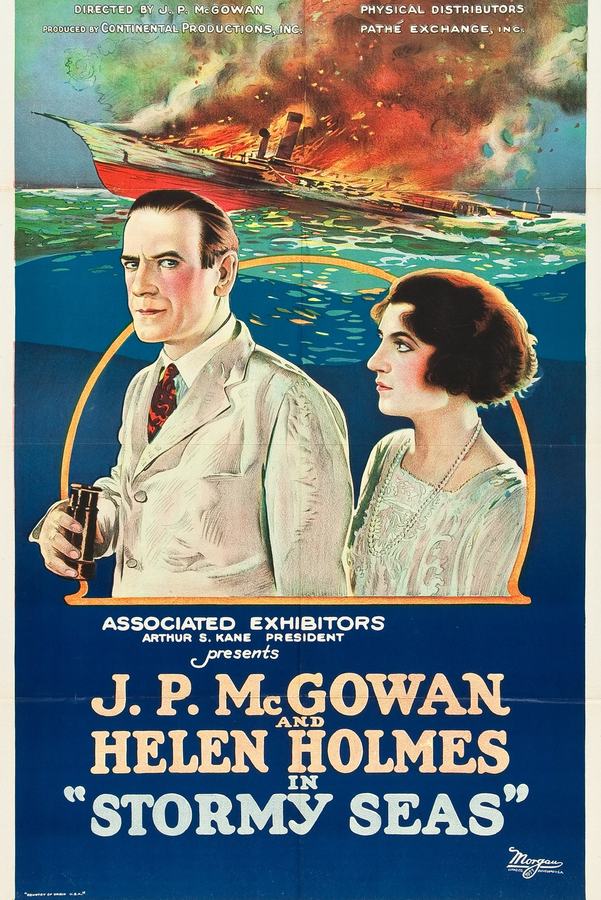
Dir: J.P. McGowan
Two men in love with the same girl race to save her when she is trapped aboard a ship on fire in storm-swept seas.
View Details
Dir: J.P. McGowan
A train that is carrying the formula for a valuable form of granulated gasoline disappears before it reaches its destination. Railroad investigators and the authorities try to determine where it is and who took it.
View Details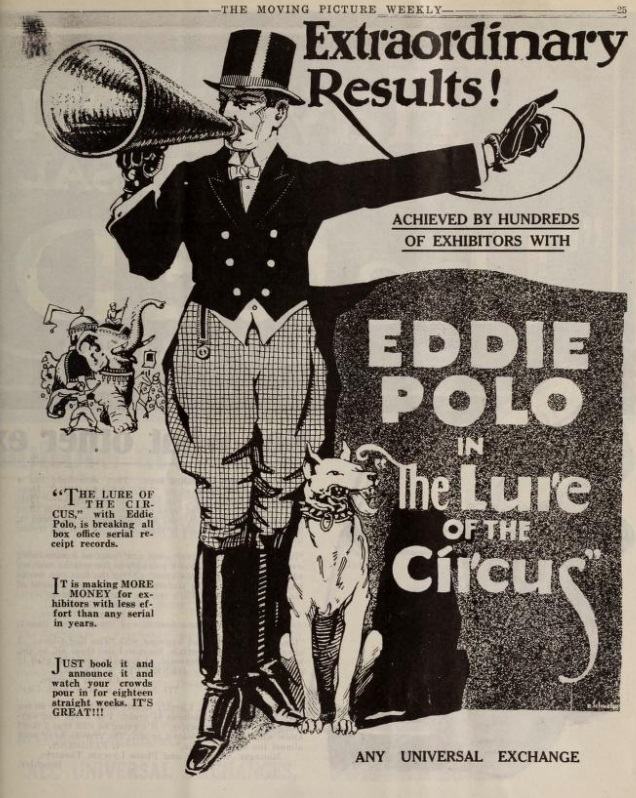
Dir: J.P. McGowan
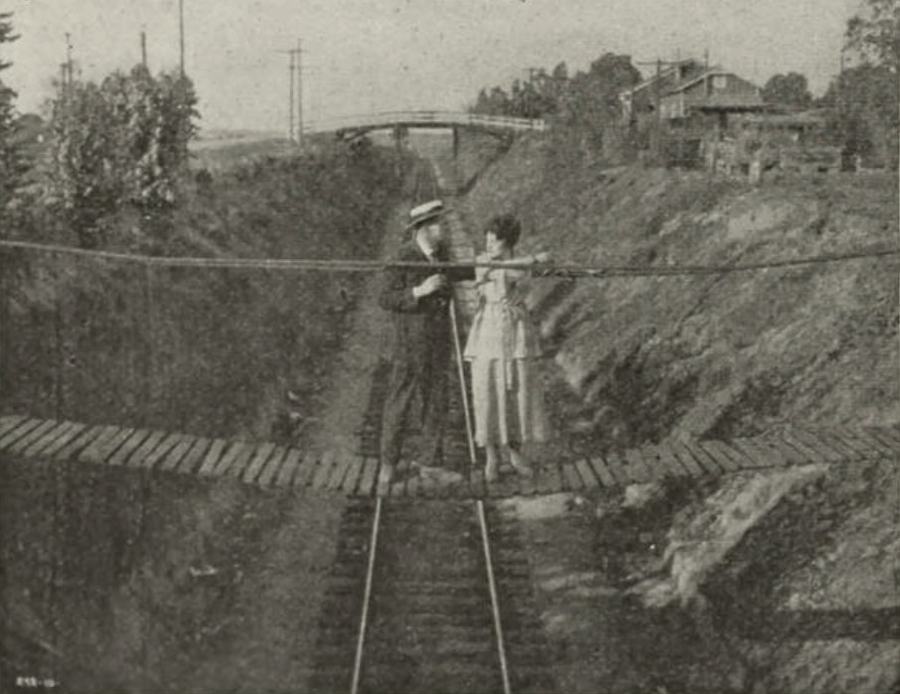
A fascinating piece of cinema that shares thematic elements.
View Details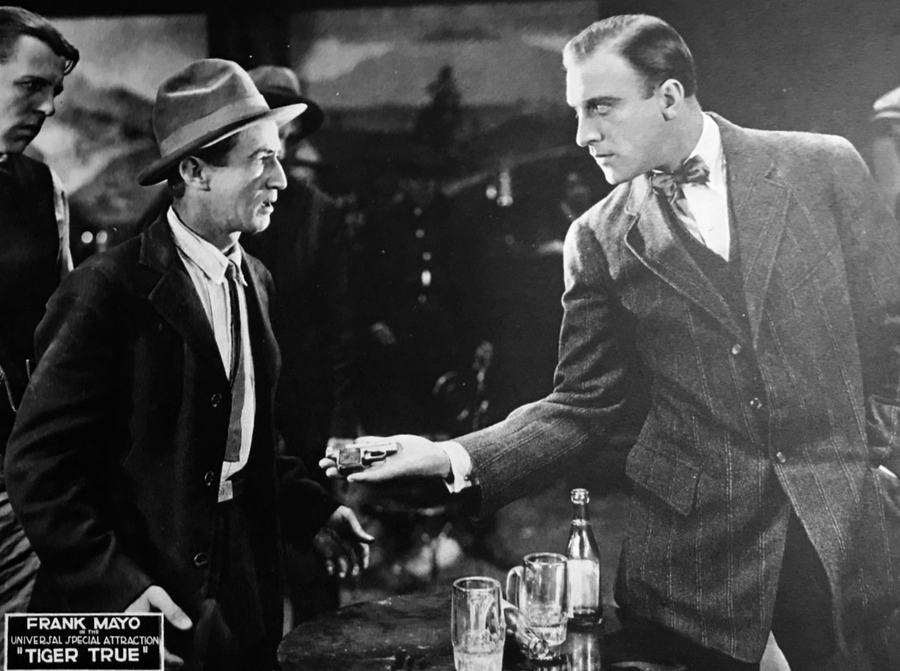
Dir: J.P. McGowan
Tiring of hunting big game in the jungle, Jack Lodge, son of a wealthy man, seeks adventure in the underworld district of a big city. With his companion, Sanford, he visits a saloon, where Jack soundly beats the bouncer. As a reward, Mary Dover, the owner, hires him; and all goes well until The Baboon, a jealous intruder, orders Jack to leave the establishment within an hour. After consulting with Old Whitey, Mary bids him leave, but Jack discovers that Old Whitey and The Baboon are not only one and the same but also Mary's half-brother. Jack wins the girl and takes her to his home.
View Details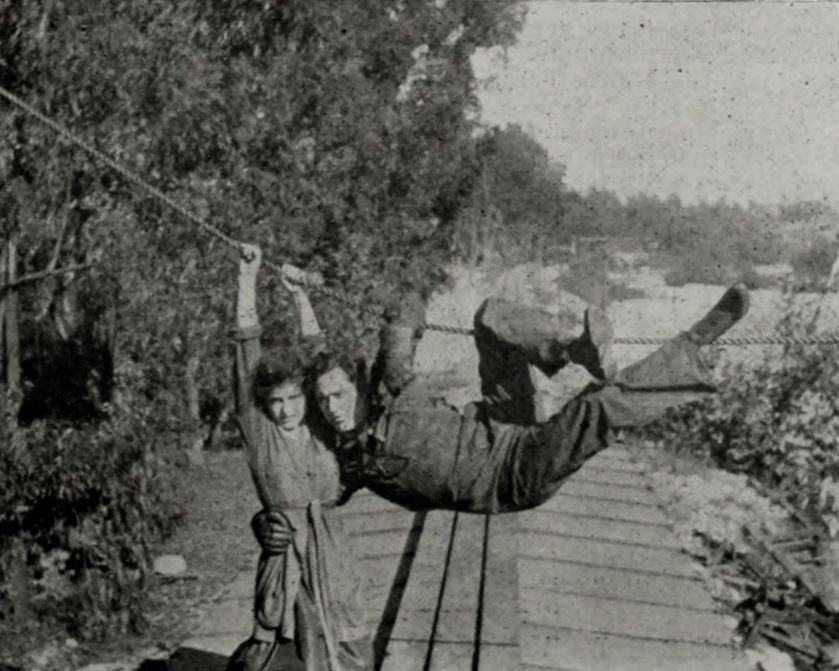
Dir: J.P. McGowan
Episode 1: "Helen's Race with Death" Helen Holmes, age three, accompanies her father, General Holmes, president of the C.W.R.R., to the beach depot each morning as he departs for his office. The nurse takes her to the park, and while her erstwhile guardian chats with the family chauffeur Helen forms a chance acquaintance with a stray dog. The pup, unused to affection, runs away and Helen goes in pursuit. Nearby is a miniature railroad and Storm, an orphan newsboy, seeking to learn the mysteries of the small engine, has struck up an acquaintance with the engineer. Storm is ambitious; he has dreams of operating a real locomotive when he grows up. The miniature train pulls out with its load of passengers. The pup, with Helen in close pursuit, runs in front of the train. Throwing aside his newspapers, Storm dashes forward, and seizing Helen, throws her out of harm's way. Helen likes her rescuer and he tells her of his great ambition to run a big locomotive just like his father before an accident ended his life. Meantime the nurse and chauffeur gather Helen up and she waves a farewell to her new-found friend. The years roll by. Helen, raised in luxury, has developed into a beautiful young girl, in whom is centered all her father's affections. She receives a message from her father, telling her to meet him on No. 19, and that he is bringing home his nephew and a friend of the latter's. After years of disappointments and hard work, Storm has become a fireman on the road presided over by General Holmes. On this day he pulls out on No. 245 over the Black Rock Pass. Half way over the grade the air pump on his engine breaks. The long train is brought to a stop. Connecting up an emergency telephone, the conductor, talking to the dispatches receives orders to "bring on train by hand brakes." With the crew on decks, No. 245 is again in motion. Passing the summit, the crew realizes it can no longer control the long drag of cars, for the freight's speed has put it on the schedule of No. 19, the passenger aboard of which is General Holmes. The crew decides to cut off the caboose and escape, but Storm doggedly insists on sticking to the engine. Writing a message on a white signal flag and wrapping it around a wrench, the conductor hurls it through the window of the first telegraph office they pass. The operator wires news of the runaway to the next station, but it is too late; No. 19 has left. This put the passenger in the path of the runaway. Helen learns of the danger from the operator, where she is waiting. She rushes out and mounts her pony and rides for the bridge, but reaches it just as it is raised to permit the passage of a battleship. Digging her spurs into her mount, she makes a wild attempt to reach it, but fails. Into the river go horse and rider. As she rises to the surface Helen strikes out for the opposite shore. The two trains are drawing closer together. Arrived on shore, Helen mounts her pony and resumes her race with death. Down the track she gallops to a switch, the lock of which she breaks with a stone. Seizing the lever, she throws the switch as the head end of the freight thunders into the passing track. The hind end just clears the switch as the passenger tears by. At the far end of the passing track three box cars are standing. As Storm, still at his post, see the impending collision he jumps to safety. Helen rushes forward and picks up the gallant fireman. She has repaid her debt to her newsboy hero.
View Details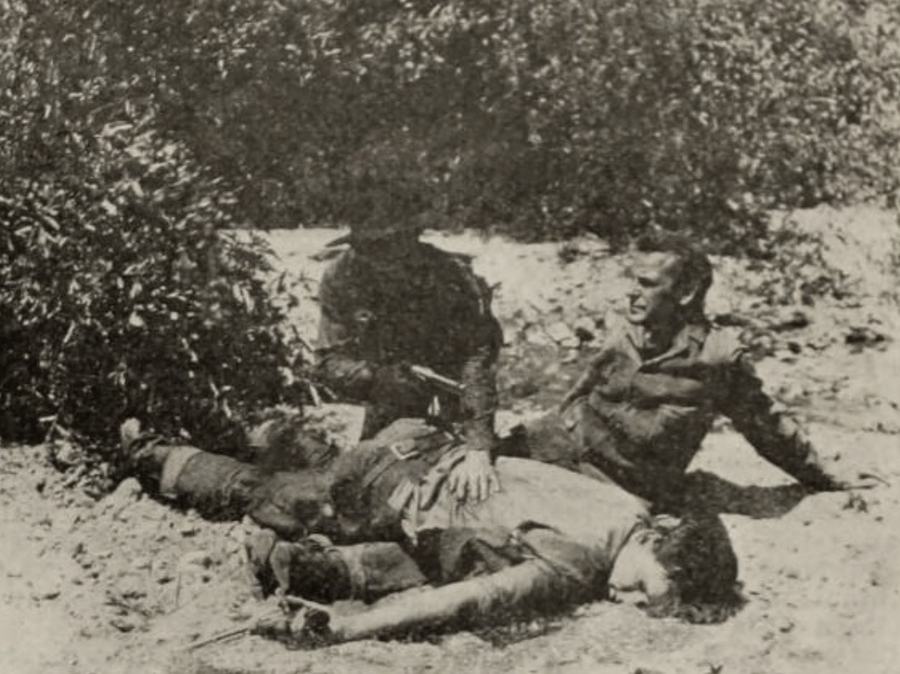
Dir: J.P. McGowan
Whispering Smith, a railroad detective, is sent to Medicine Bend to suppress the looting of cars. Smith meets two childhood friends, Murray Sinclair and his wife, Marion. Smith's arrival kindles an old spark of love in Marion's bosom. Sinclair is discharged for looting wrecked cars and Marion leaves her husband when he threatens to ruin the road if he is not put back to work. After trying for weeks to get an interview with Bucks, general manager of the railroad, Murray Sinclair and his followers, Du Sang and Karg, are granted an audience. They state their side of the case. Bucks refuses to put them back to work. He says that McCloud was right in discharging them. Sinclair becomes violent and tries to attack McCloud but is prevented by Whispering Smith. During the scuffle, Du Sang manages to secure a wire that has just been delivered to McCloud. The wire reads: "Notify Dunning Cattle Co. shipment of $65,000 delayed till No. 10 Friday." They decide to hold up the train, get the money, and leave the country. In the Three Horses saloon Sinclair plots to kill McCloud before they hold up the train and Du Sang agrees to do it for him. Tony Wickwire, the Mexican whose life McCloud saved at the Central Mine, walks up behind them and overhears their plan to kill his friend. He shadows Du Sang. Du Sang takes his place at the window of a hotel and waits for McCloud to pass. Wickwire hides behind a lamp post and when Smith and McCloud appear, he warns them in time to save them from Du Sang's bullets. Du Sang thinks McCloud is dead and repairs to a gambling house. Smith, Wickwire and McCloud follow him there. Smith tells him he must leave town or he will "rope him like a cow and drag him down Front Street." The following day Sinclair, Du Sang, Karg and three other followers hold up Number Ten, and kill the messenger. Before he dies, he tells that he recognized Sinclair in the gang. McCloud, notified, starts to the scene of action with the sheriff and a posse. Whispering Smith takes Wickwire, Lloyd and three other men and starts for Williams Cache to head off the bandits there. In the meantime the gang has split into two factions; Sinclair and two followers have decided to leave the country and Du Sang, Karg and Sam have decided to go back to their rendezvous, Williams Cache. Before starting out of the state, Sinclair turns a switch against the relief train which he is sure will be sent out. The train runs into the open switch and crashes through a string of cars on the siding. The posse get out their horses and start in pursuit of the robbers. They finally run them down, but Banks, the sheriff is killed. They return to Medicine Bend with him. Du Sang and his men beat Smith to the cache. Rebstock, who controls the cache, refuses to help Smith run down Du Sang, so Smith and his men start to round up the cattle that have been stolen and hidden there. They clean out the cache and then Smith, Wickwire and Lloyd start after Du Sang. They meet and a fight follows in which Du Sang and Karg are killed and Sam taken prisoner. Lloyd sees Smith thrown from his horse and thinks he is dead, so he rides to Medicine Bend for help. Marion hears him say that Smith is dead. She is carried to her house where she lies ill. Sinclair and his men return to Medicine Bend the same night. Sinclair insists that his wife accompany him out of the country. She refuses. He is about to kill her rather than leave her for Smith, when the doctor arrives and tells him to get away, before the town learns he is there. Sinclair takes his advice. That same evening Smith rides into town with his captives. On his deathbed Banks gives Smith the warrant for Sinclair's arrest and tells him to serve it. After several days of trailing them, Smith and Wickwire came upon them in an arroyo drinking from the stream. They dismount and Wickwire starts to skirt out around to take them on the flank. After Wickwire leaves, Smith shoots and kills two of the men leaving only Sinclair who manages to wound Smith in return. When Smith falls, Sinclair sneaks through the brush and coming upon Smith, tells him he is going to kill him. He reloads his revolver and is about to shoot Smith, when Wickwire reaches a higher spot of ground and sees it all. He draws his revolver and fires at Sinclair killing him before he has pulled the trigger, and Smith's life is saved. When Smith is well enough to travel, he goes to see Marion. They come to an understanding and are married.
View Details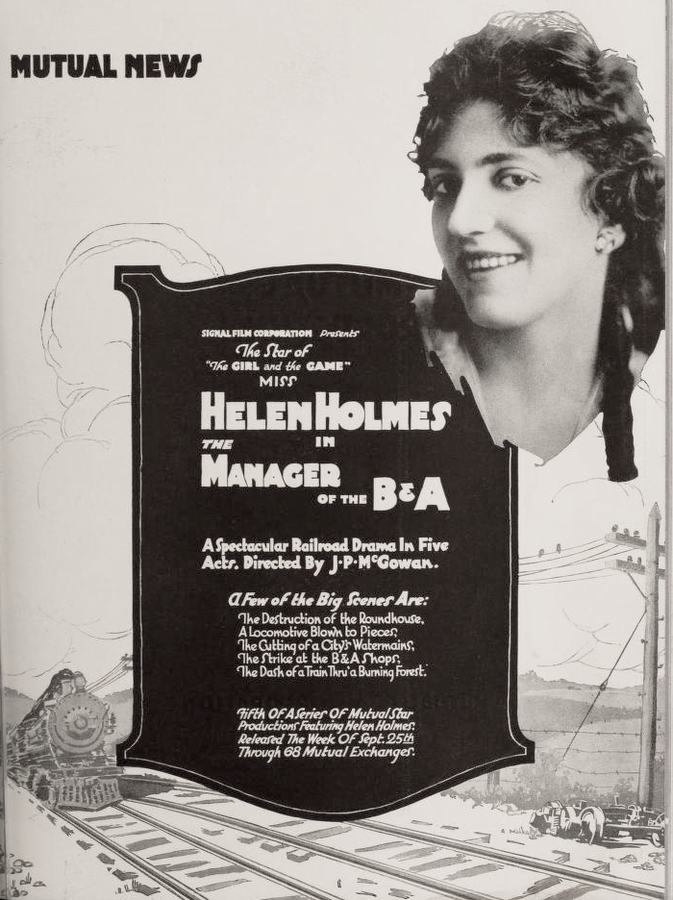
Dir: J.P. McGowan
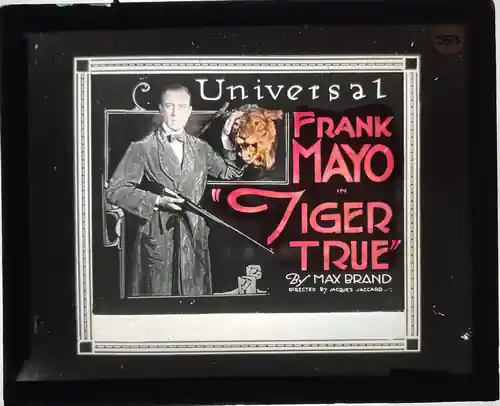
Thomas Emory, manager of a local branch of the Buckhorn and Antioch, finds one day that he is minus a position due to his negligence in office. In his place is appointed temporarily his former assistant, Gordon Holt. Later, on an unexpected trip to the branch office, General Coming, the president of the B.&A., and his private train are narrowly saved from accident by the act of one of the minor superintendents along the division, Dan Oakley. In reward for the deed of daring which shows to the company's president of what stuff the young mechanic is made, Oakley is made manager over the head of Holt. With the introduction of new blood into "the works" the old regime of banker's hours and shiftless work is dealt its death blow. As a consequence the radical young manager incurs the enmity of the editor of the Antioch Herald and the leader of the Labor Party, one Griffith Ryden, who stirs up the men against him. But in spite of opposition the new manager "makes her pay." Due to the activities of the Labor Leader, a strike is called. Although the subsequent turmoil, hunger and dissatisfaction among the strikers is distasteful to the fighting manager, he stands his ground and keeps up his record by means of the men who remain loyal. A personal bitterness grows up between Ryder and Oakley since Constance Emory, the daughter of old Thomas Emory, the former manager, has evinced an interest in both which sways from one to another as her father's sympathies vary. The strike culminates in the cutting of the pipes leading to the water tanks, which results in the explosion of an over-heated engine boiler and a fire. The journey for aid to the next town to get the fire-fighting apparatus through a roaring forest fire which threatens to lick up the puny train with its tongue of flame, falls to the brave young manager. On his return he has won not only the hearts of his men, but that of the beautiful Constance, who promises to become his partner for life.
View Details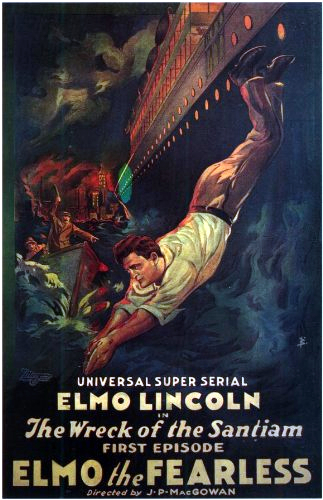
Dir: J.P. McGowan
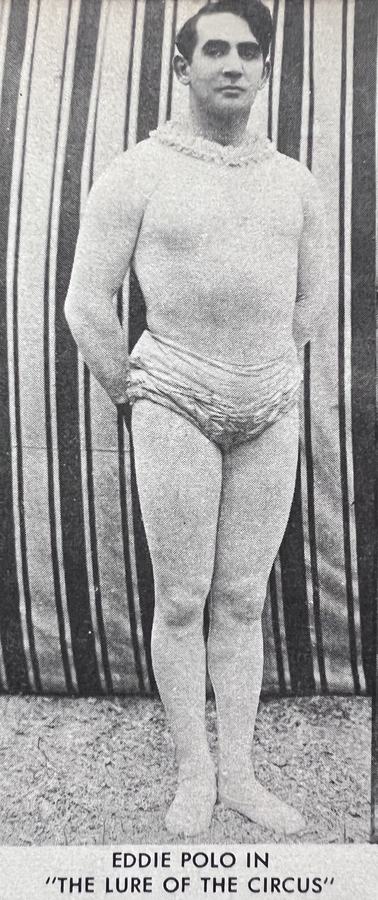
A fascinating piece of cinema that shares thematic elements.
View Details
Dir: J.P. McGowan
A fascinating piece of cinema that shares thematic elements.
View DetailsAnalysis relative to Whispering Smith
| Film Title | Atmosphere | Complexity | Similarity |
|---|---|---|---|
| Discontented Wives | Tense | Dense | 97% Match |
| Stormy Seas | Ethereal | Abstract | 85% Match |
| The Lost Express | Tense | Linear | 85% Match |
| The Lure of the Circus | Ethereal | Linear | 94% Match |
| Tiger True | Tense | Abstract | 88% Match |
This guide was algorithmically generated using the cinematic metadata of J.P. McGowan's archive. Last updated: 8/16/2026.
Back to Whispering Smith Details →