
DbcultAccessing Vault...
Recommendations
Senior Film Conservator
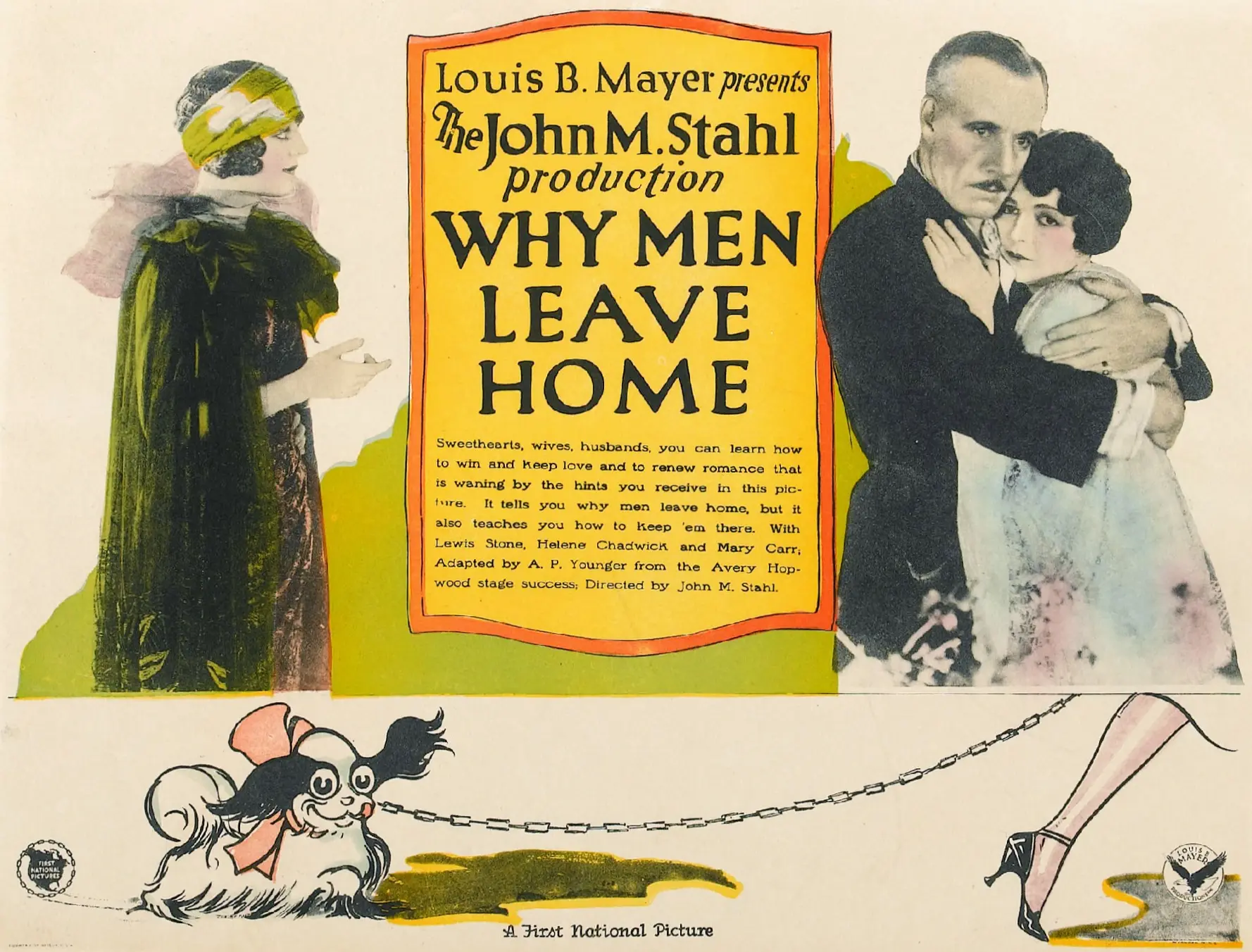
For those who were mesmerized by Why Men Leave Home, a true Drama masterpiece from 1924, the quest for comparable cinema becomes a journey through the fringes of film history. Our curated selection of recommendations echoes the very essence of Why Men Leave Home.
The legacy of Why Men Leave Home is built upon its ability to create a hauntingly beautiful cinematic landscape.
John and Irene Emerson's marriage begins well enough, but it is not long before John becomes less attentive. Feeling neglected, Irene spends more time with her girl friends, and John, consequently, falls prey to the vamping wiles of his secretary, Jean Ralston. When John comes home from the theater smelling of Jean's perfume, Irene procures a divorce; John then marries Jean. Grandma Sutton cleverly maneuvers John and Irene into her house and has it quarantined. They realize they love each other; John divorces Jean, remarries Irene, and takes her on a second honeymoon.
Based on the unique character-driven intensity of Why Men Leave Home, our vault has identified these titles as the most compelling follow-up experiences for fans of Drama cinema:
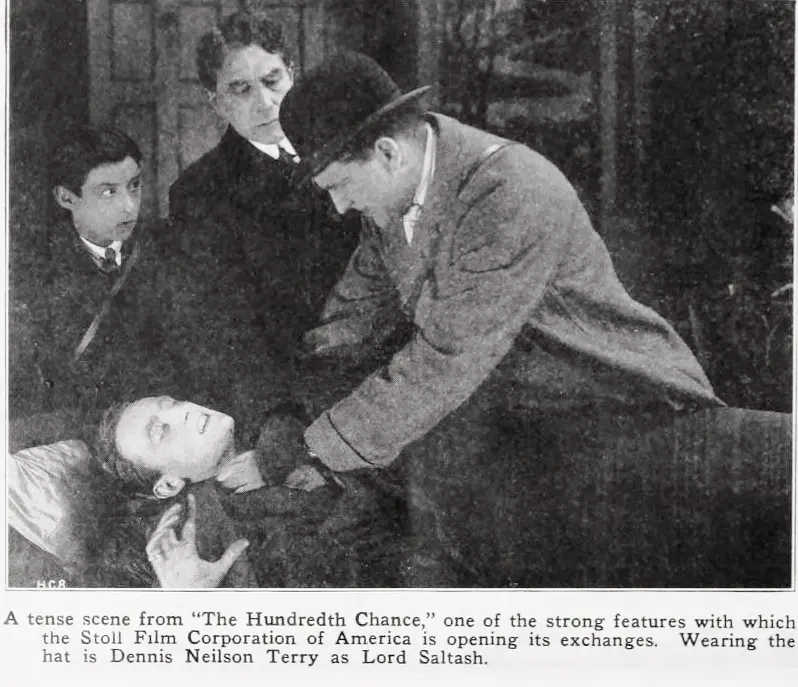
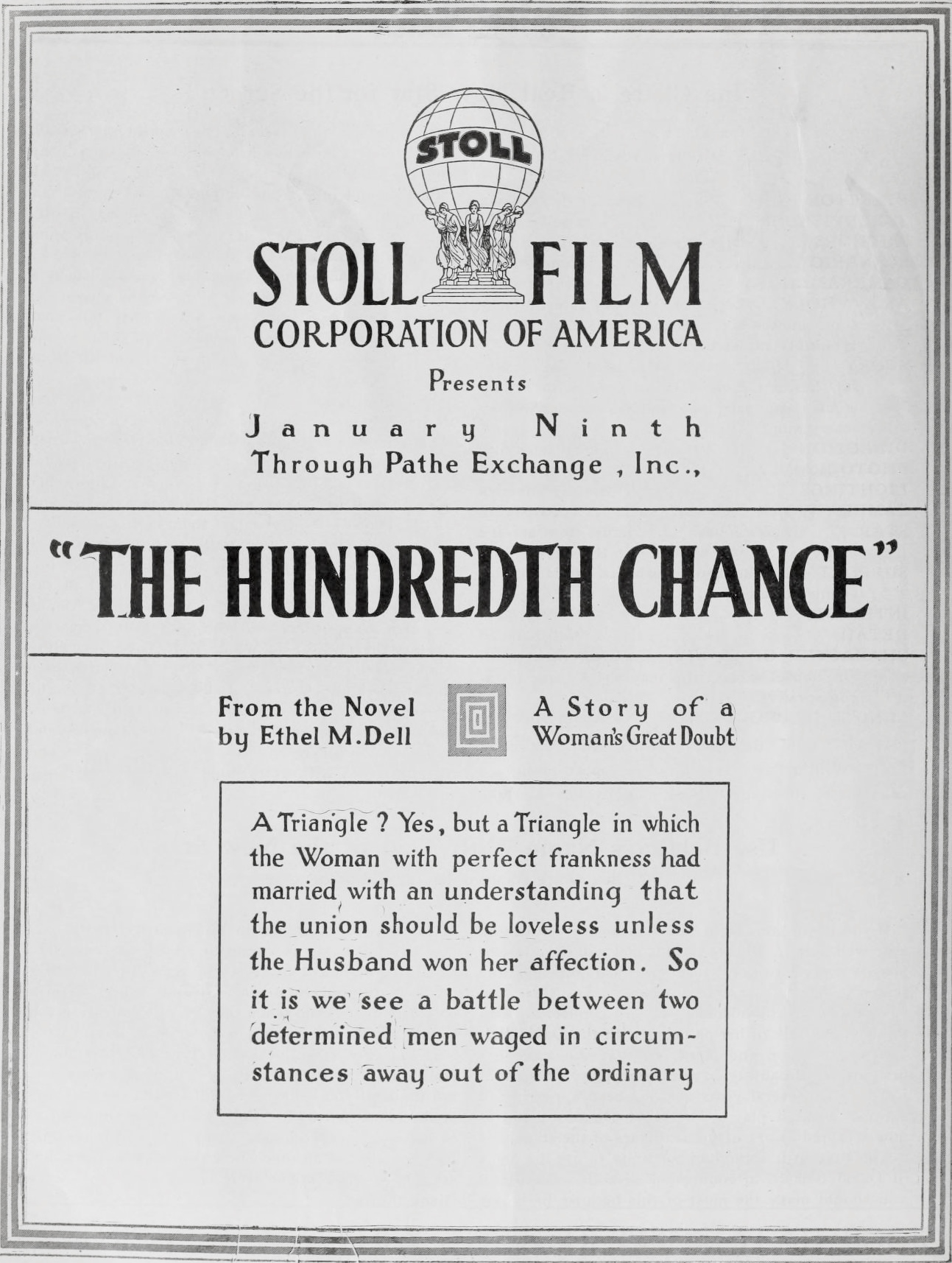
Dir: Maurice Elvey
A lady marries a horse trainer but withholds herself until her crippled brother is cured.
View Details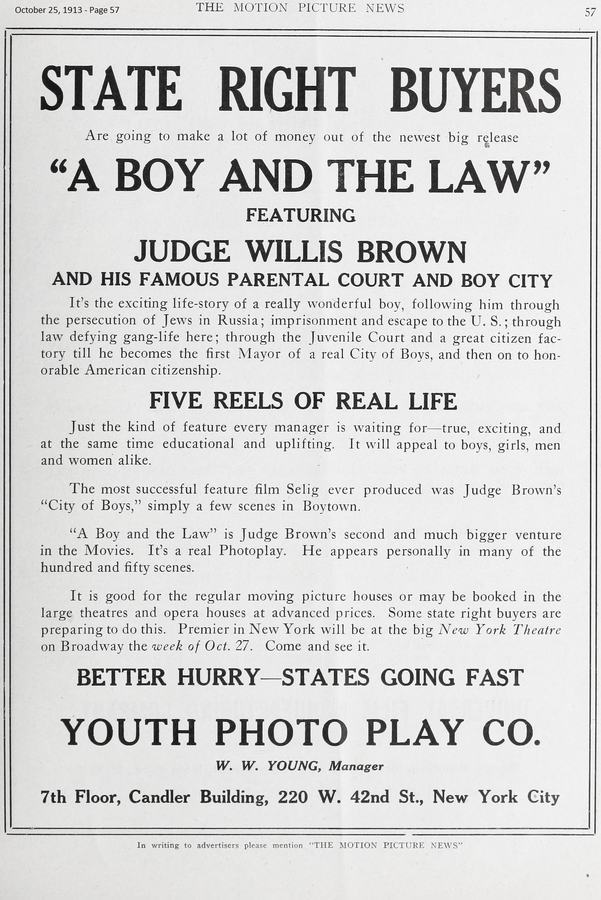
Dir: John M. Stahl
Around 1903, in czarist Russia, William ("Willie") Eckstein is at boarding school when he receives a letter from his mother describing how their prosperous Jewish family has been forced by government edict to pack up their belongings and move to a poor village. Willie joins the Eneckva, a secret Nihilist society that meets on the outskirts of town, and quickly becomes a leader because of his speaking ability. In the meantime, Cossacks kill Willie's father for defending a tavern waitress. At school, a teacher finds one of Willie's pamphlets and turns him in to local authorities, who ransack his room and throw Willie and two friends into jail. Other boys come to their rescue, however, and they escape down a cliff. Willie hurries home to his mother, to tell her he is fleeing Russia, and she gives him a peasant suit that will allow him to travel without being molested. He flees to America, where he claims he will "live free from the law." After reaching the United States, Willie makes his way to Salt Lake City, Utah, where his uncle owns a clothing store. He starts his new life as a newspaper boy, but becomes a hoodlum and ends up in the hands of truant officers. Summoned to the Parental Court of Judge Willis Brown, Willie at first defies the judge, but later realizes that Brown sincerely wishes to help him. Supported by local progressive women who see the need of moral education for wayward children rather than punishment in a reform school, Judge Brown is given an 800-acre farm for the purpose of building a community for juveniles. He chooses eighteen young felons, including Willie, and drives them to the farm to start building "Boy Town," and Willie is soon elected mayor. At Boy Town, the youths practice discipline and self-government, learning how to farm the land, deal with troublemakers, and earn a profitable living. Many of the boys grow into successful, law-abiding adults. Judge Brown sends Willie to an Eastern college, and then to a university in Missouri, where Willie studies agriculture. Finally, Judge Brown makes him the manager of a large private farm, and the young man becomes a U.S. citizen. He also sends his mother one of his regular letters with a money-order enclosed, along with a photograph of himself, and then dreams of her joy in receiving it. The judge comes in, presses Willie's hands, and assures the sleeping youth that his belief in a square game will help him prosper and be an example for other boys.
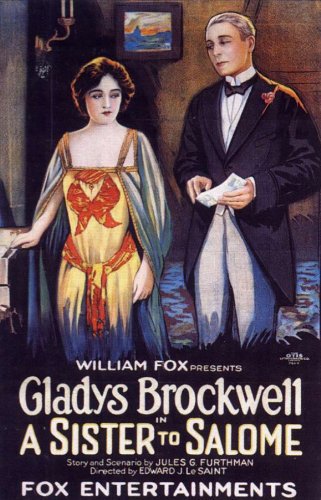
Dir: Edward LeSaint
When famous opera singer Elinore Duane undergoes an operation on her throat, she has a series of ether-induced visions. In one, she is transported to ancient Rome where she appears as a much-admired woman in love with Paul, a young heretic, and at odds with Lutor, the high priest. To save her love, she poisons Lutor with her ring. After several other visions which involve variations on this love triangle, Elinore awakens to discover that Lutor is actually her doctor, Sascha Jaccard, and that Paul is the son of a friend who has come to visit the recovering prima donna.
View Details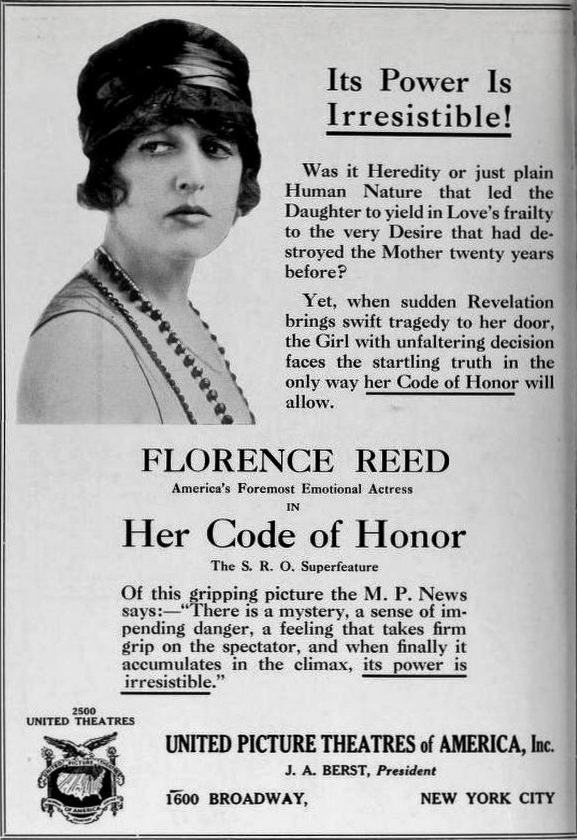
Dir: John M. Stahl
A man brings up, on Long Island, the illegitimate daughter of a deceased woman who'd been an art student in love with a married Parisian. Is a French man the daughter, now grown up, attracted to a descendant of that same Parisian as well?
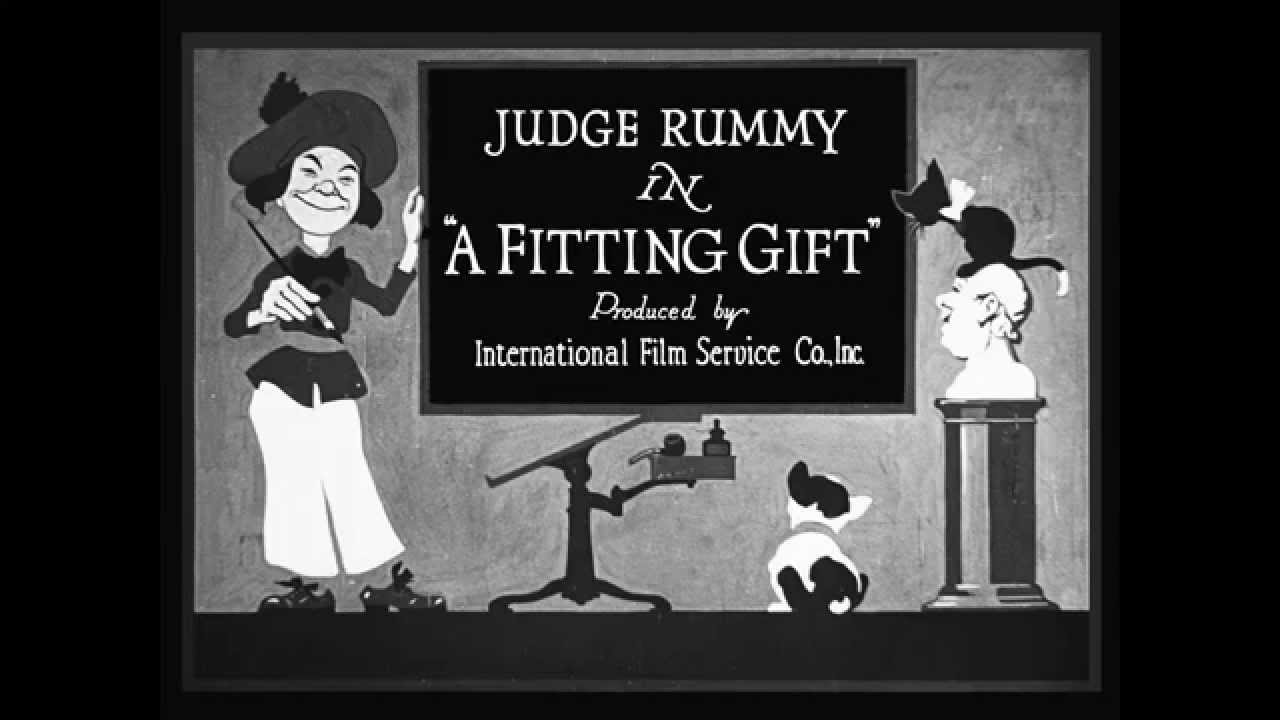
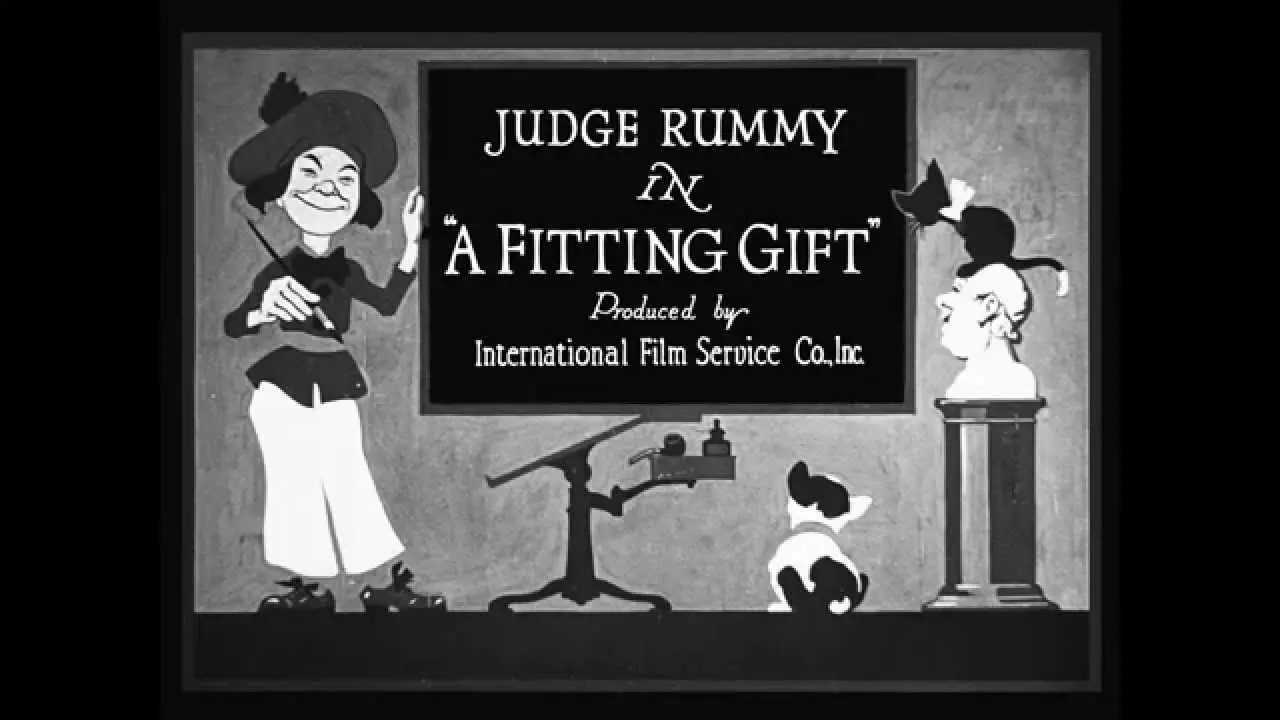
Dir: Unknown Director
The Judge needs a present for his wife's birthday, so Harry suggests a new corset. They go to the shop, but he's so embarrassed to ask the saleslady he hides in a phone booth.Harry goes in, but finds a GUY wearing one, and runs out.They both dress as women to get back in, but Mrs. Rummy gets there and chases him out.
View Details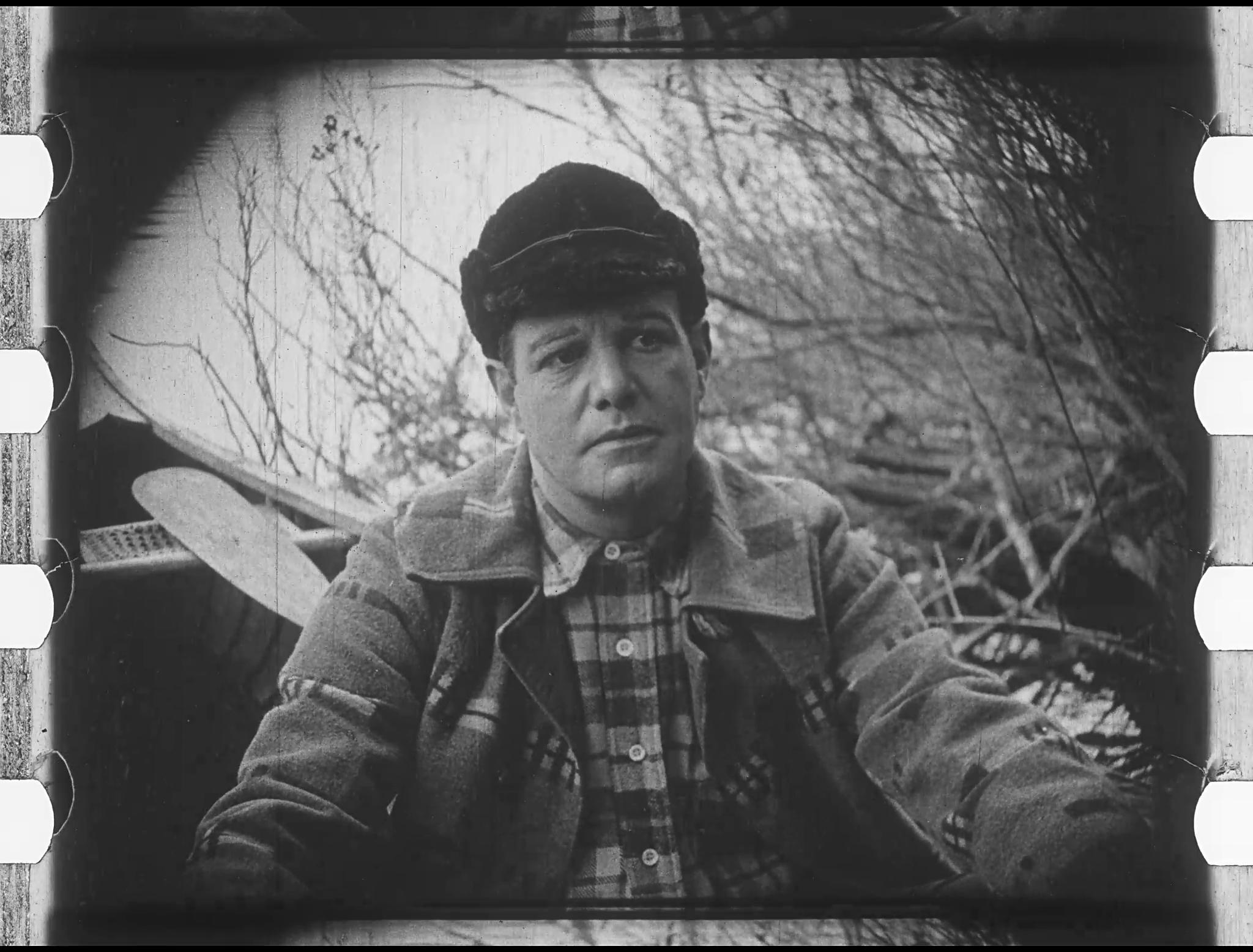
Dir: Edgar Jones
A mail-order bride arrives at a Maine lumber camp but doesn't like her prospective husband.
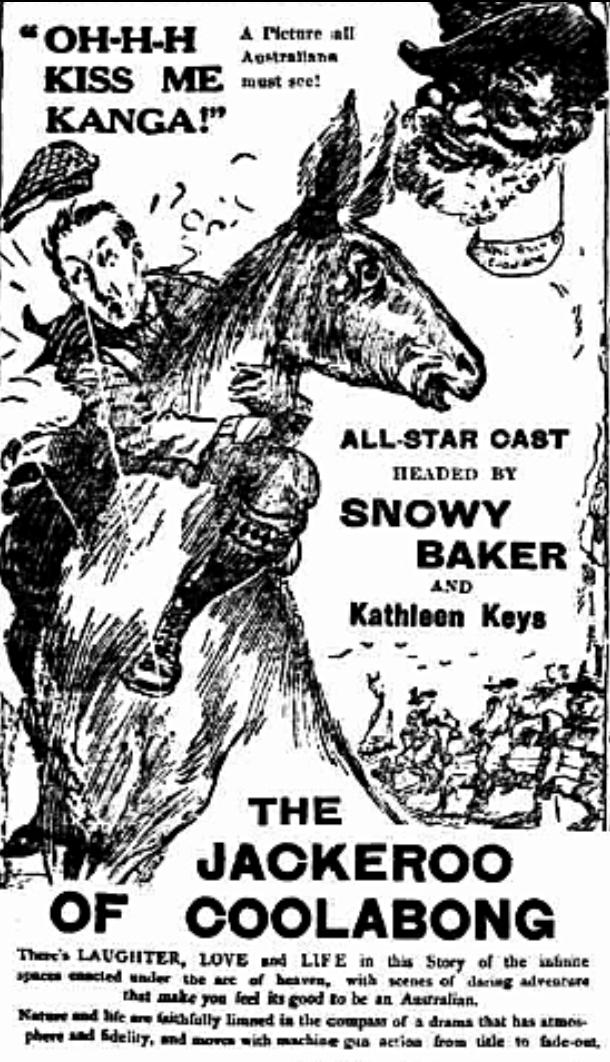
Dir: Wilfred Lucas
Brian O'Farrell (Snowy Baker), is an English 'new chum' who takes a job at an Australian cattle station. He is teased by station hands because of his appearance (including spats and a monocle) but he soon impresses them with his skills at riding and boxing. The station manager, John MacDonald (Wilfred Lucas), takes O'Farrell to Sydney to meet his daughter Edith (Kathleen Key) who is working in the slums. Edith is kidnapped by criminals after witnessing a crime but O'Farrell rescues her. It is later revealed he is the owner of the station.
View Details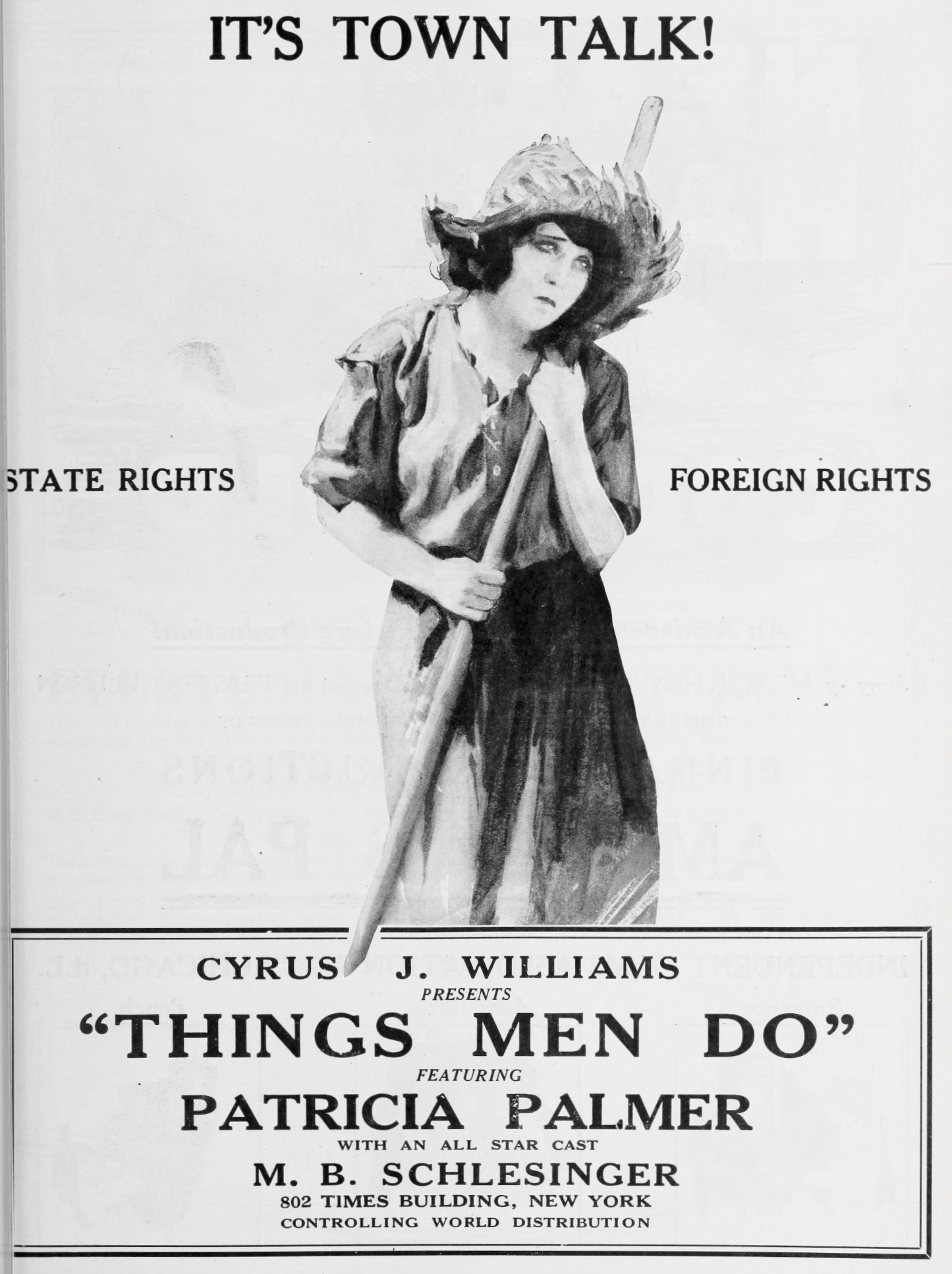
Dir: Robert N. Bradbury
A simple country girl, brutally mistreated by her stepfather, awakens first the sympathy, then the love, of The Boy. The Spider, who lusts after The Girl, makes a bargain with the stepfather and takes her to the city where, kept prisoner, she is soon broken in health and spirit. Cast out and near death, she is taken in by The Boy. Following the demise of The Spider, The Boy takes her to church, where he prays, and after many hours she is restored to health.
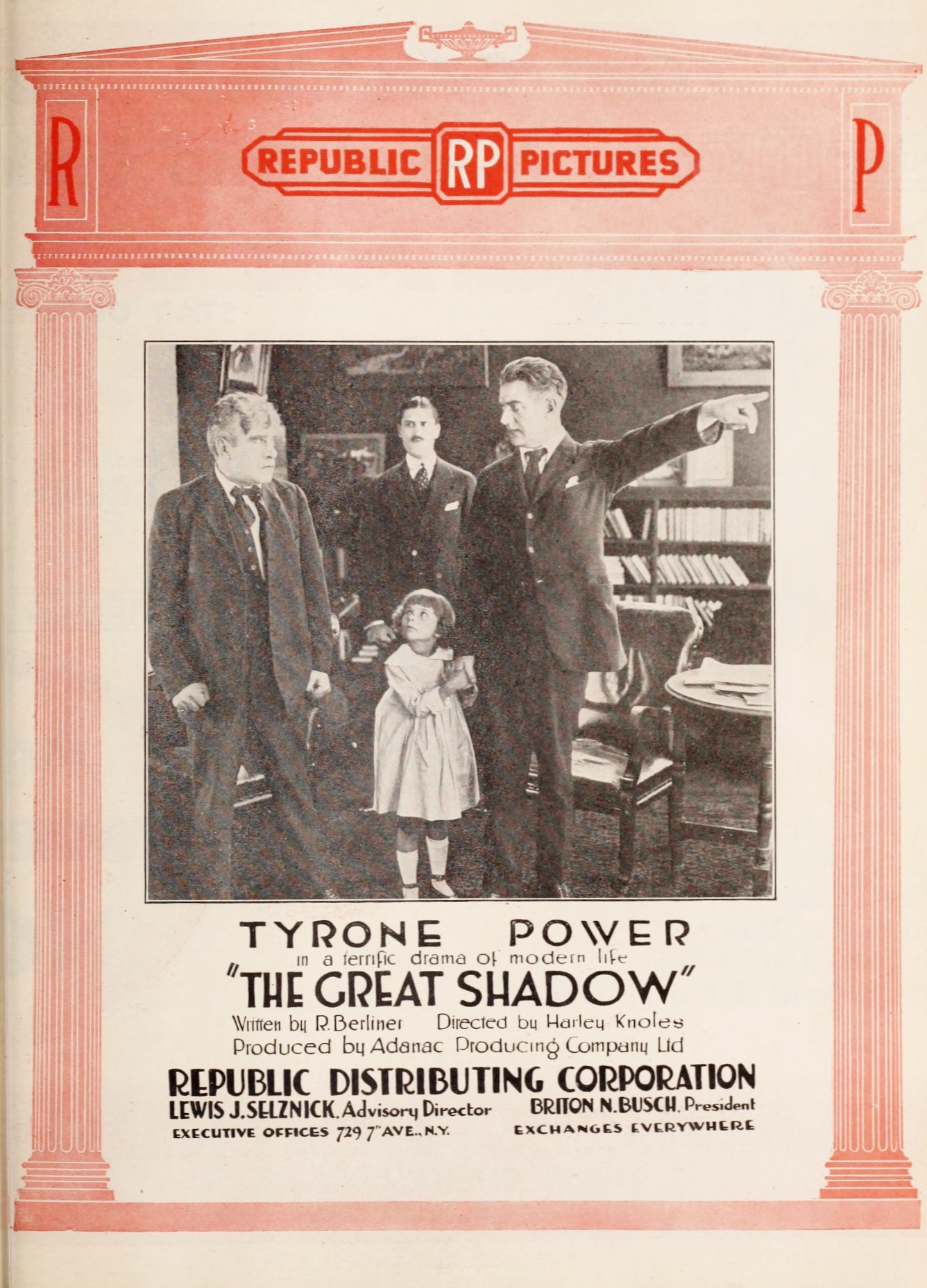
Dir: Harley Knoles
Jim McDonald, the foreman of a shipbuilding plant and head of the labor union, strives to combat the anarchistic propaganda being put forth by Klimoff, the leader of a Bolshevik gang whose goal is to disrupt the country with strikes and anarchy. Despite McDonald's efforts, a strike is called, resulting in chaos. McDonald's child is knocked down by runaway horses abandoned by their striking driver, and dies. Mob scenes take place in America, as well as in Russia. Eventually, the unrest is quelled with an armistice called between Capital and Labor for a year, during which time wages are to be increased to reflect the cost of living, and leaders are to work out a common plan for their mutual advantage. The strikers now realize that they have been pawns of the Bolsheviks and call off the strike, agreeing to the plan.
View Details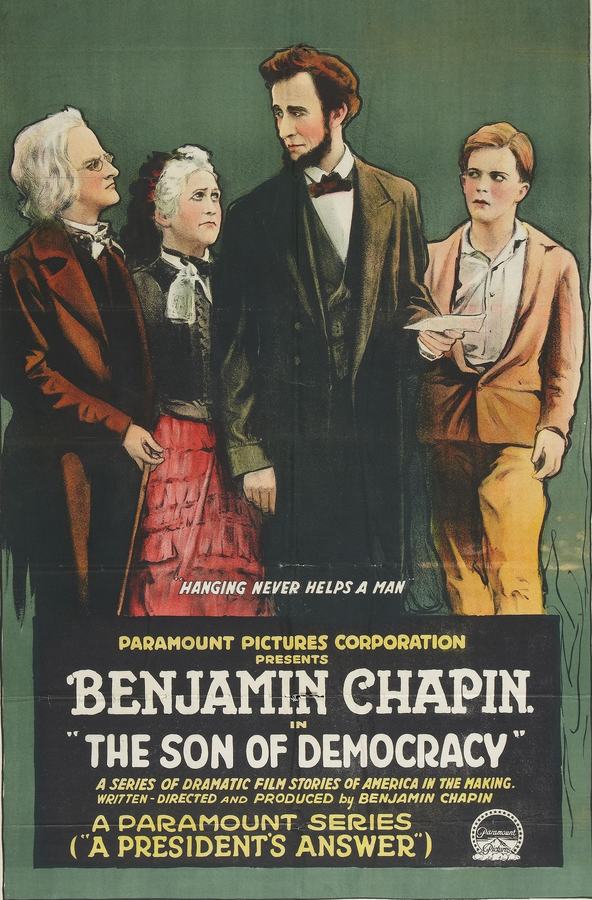
Analysis relative to Why Men Leave Home
| Film Title | Atmosphere | Complexity | Similarity |
|---|---|---|---|
| The Hundredth Chance | Gritty | Dense | 87% Match |
| A Boy and the Law | Ethereal | Dense | 93% Match |
| A Sister to Salome | Gothic | High | 88% Match |
| Her Code of Honor | Tense | Linear | 98% Match |
| A Fitting Gift | Surreal | Layered | 96% Match |
This guide was algorithmically generated using the cinematic metadata of John M. Stahl's archive. Last updated: 8/17/2026.
Back to Why Men Leave Home Details →