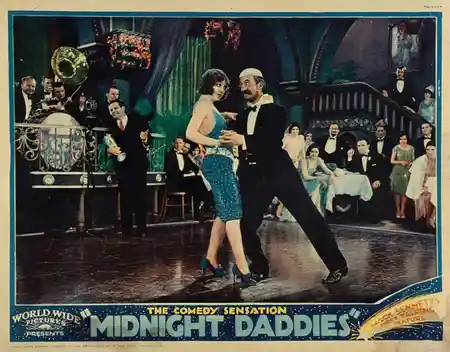
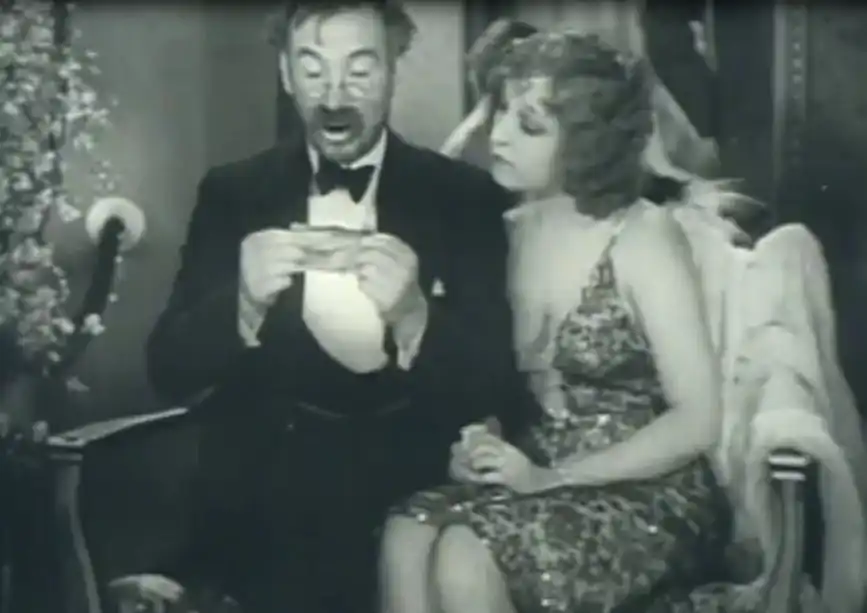
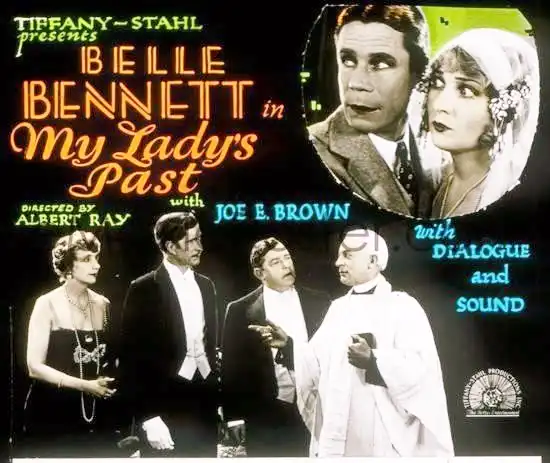
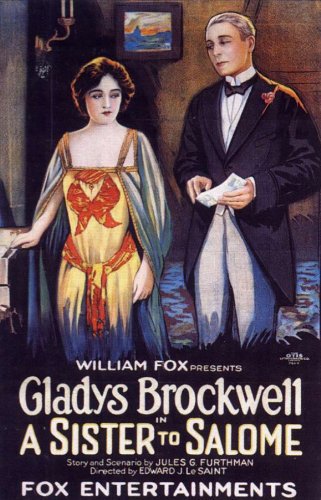
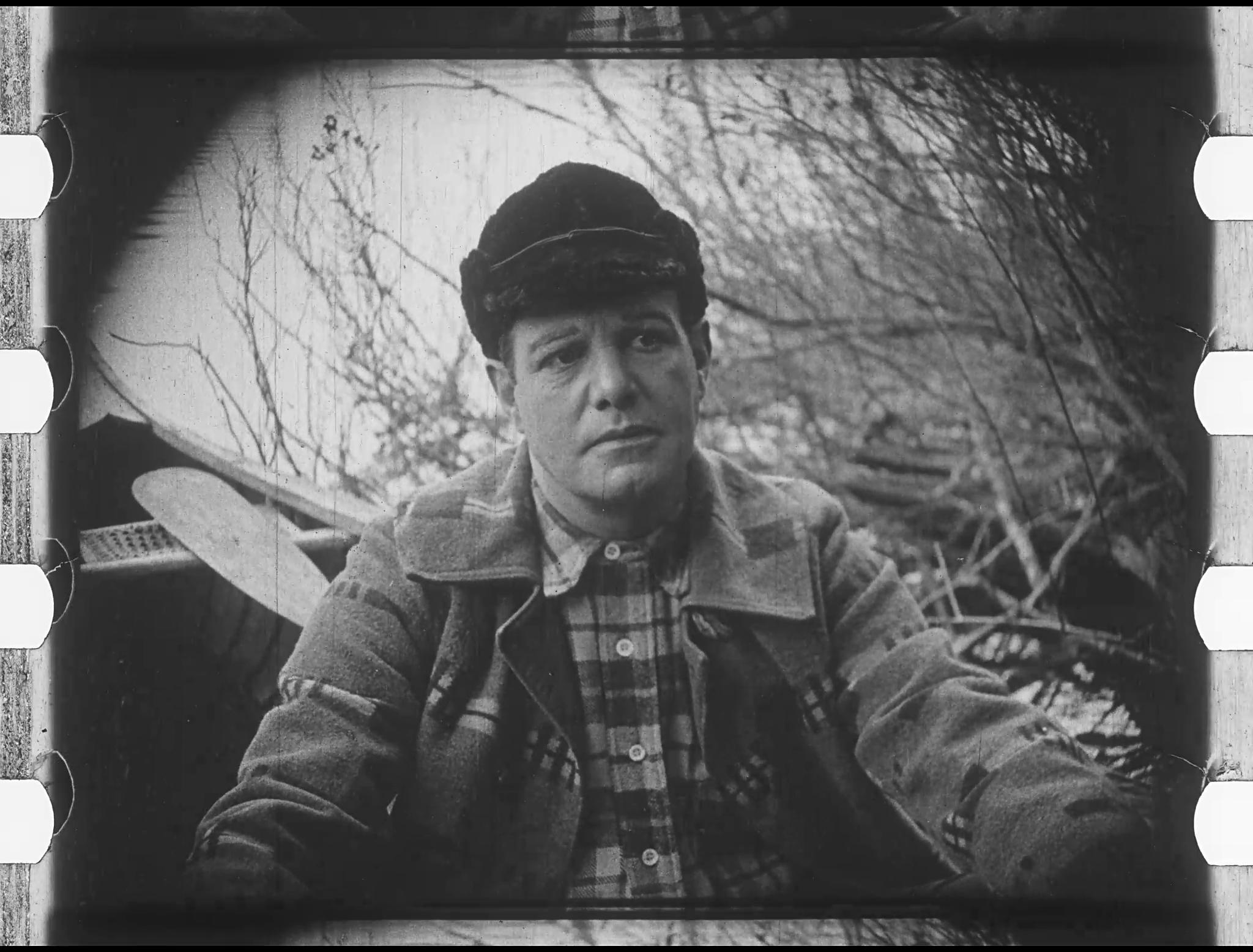
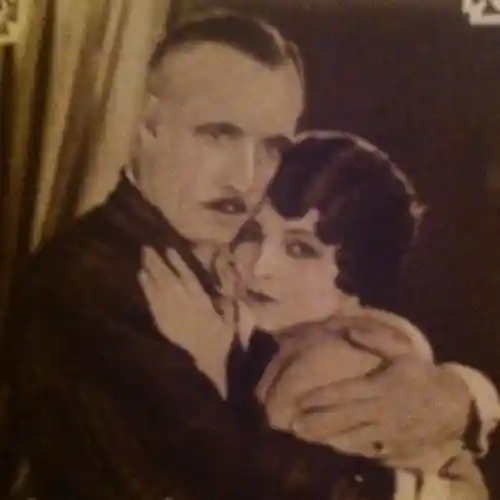
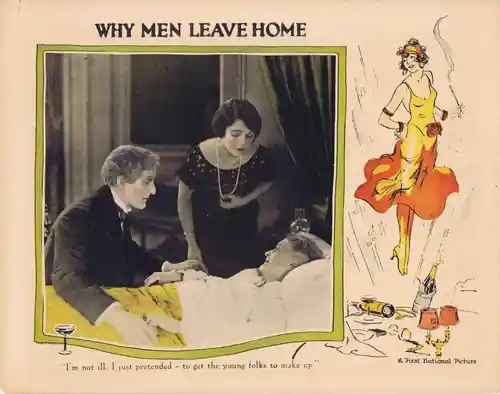
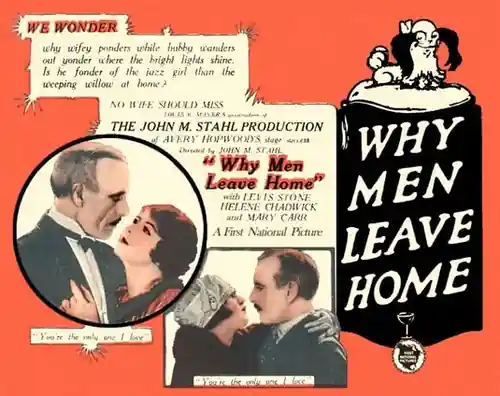
John and Irene Emerson's marriage begins well enough, but it is not long before John becomes less attentive. Feeling neglected, Irene spends more time with her girl friends, and John, consequently, falls prey to the vamping wiles of his secretary, Jean Ralston.

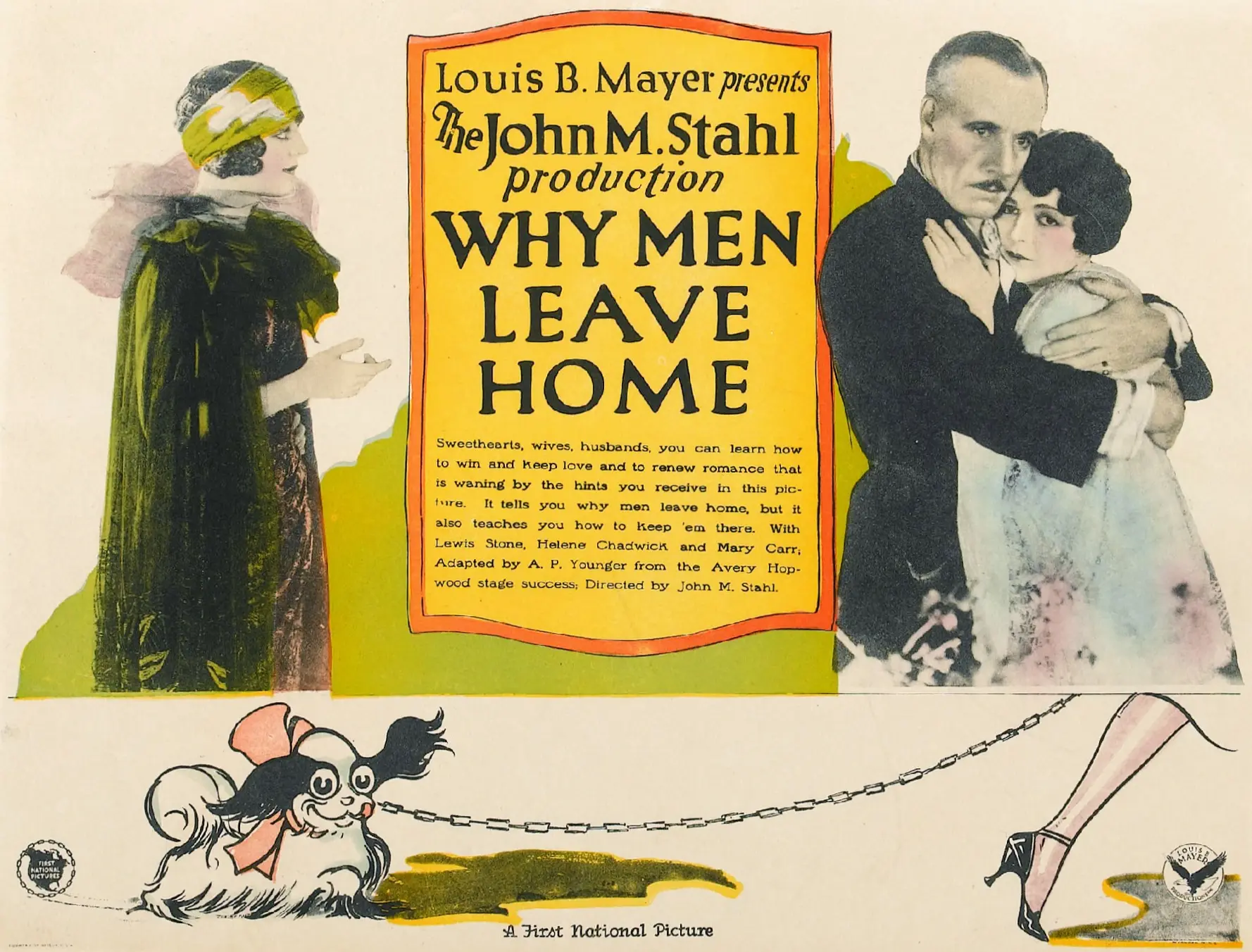
TThe cinematic landscape of 1924 was one of profound transition, caught between the lingering Victorian sensibilities of the previous century and the burgeoning hedonism of the Jazz Age. In this volatile cultural climate, Why Men Leave Home emerges not merely as a bedroom farce, but as a piercing sociological examina...
still_frame
production_art
production_art
Comparing the cinematic DNA and archive impact of two defining moments in cult history.
John M. Stahl
Bruno Ziener
Community
Log in to comment.
" TThe cinematic landscape of 1924 was one of profound transition, caught between the lingering Victorian sensibilities of the previous century and the burgeoning hedonism of the Jazz Age. In this volatile cultural climate, Why Men Leave Home emerges not merely as a bedroom farce, but as a piercing sociological examination of the fragile bonds of matrimony. Directed with a keen eye for the absurdities of human behavior, the film dissects the anatomy of a failing marriage with a precision that fe..."
Helene Chadwick
Avery Hopwood, Andrew Percival Younger
United States
Deep dive into the cult classic
Discover similar cinematic experiences
A Directorial Spotlight on John M. Stahl