
DbcultAccessing Vault...
Recommendations
Senior Film Conservator
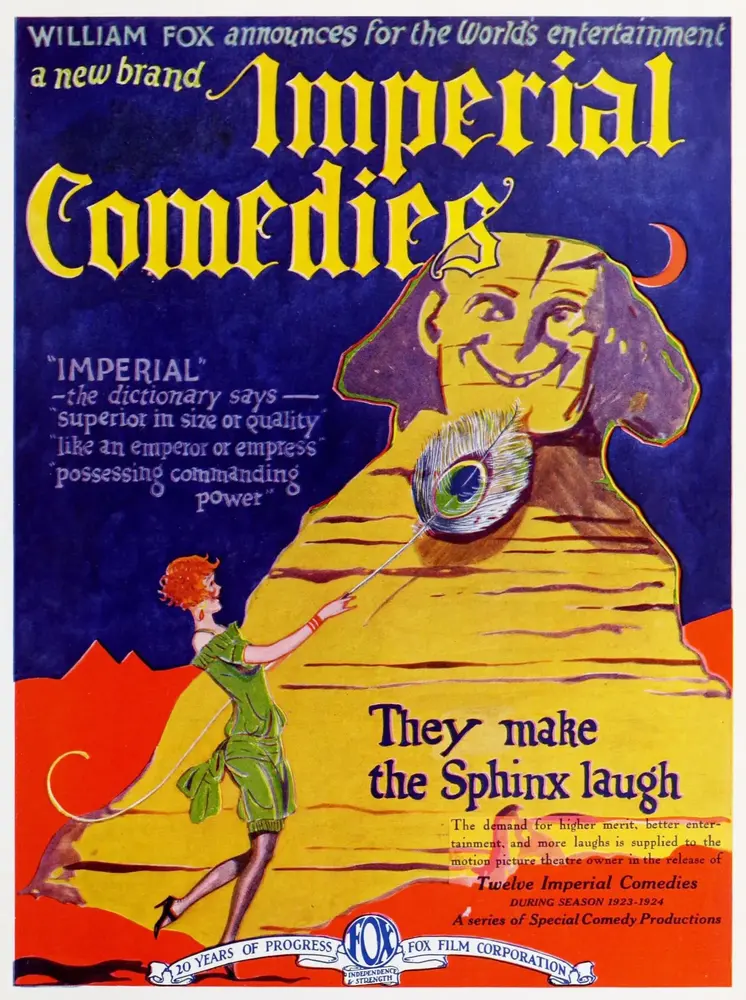
Exploring the cinematic excellence in Why Pay Rent? is a journey into United States cinema, the thematic layers of this 1923 classic invite a wider exploration of the genre. If Ernie Adams impressed you, these next recommendations will too.
With John G. Blystone at the helm, Why Pay Rent? became to reinvent the tropes of Short cinema for a global audience.
Based on the unique cinematic excellence of Why Pay Rent?, our vault has identified these titles as the most compelling follow-up experiences for fans of Short cinema:
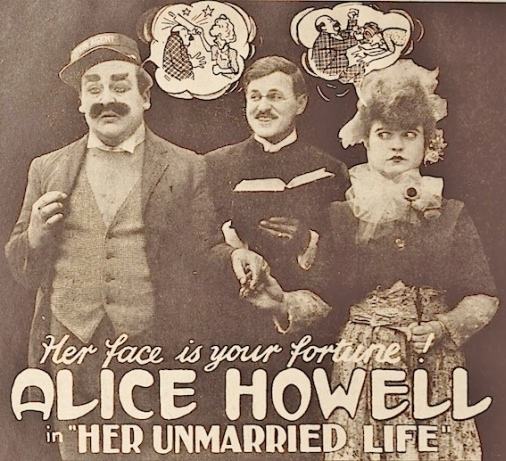
Dir: John G. Blystone
Pansy Pickles was the step-daughter of Peter Pickles who kept the most fashionable boarding house in Corncob Corner. He had ambitions of either sending Pansy to school or marry her off so that he could live comfortably from his son-in-law. Pa Pickles receives a letter from some attorneys stating this his step-daughter's uncle died and left a vast estate but that Pansy was not mentioned in the will. At and the same time the school teacher who taught Pansy her P's and Q's, received a letter stating that his inheritance was being shipped by express. The station agent hears of this inheritance and knows right well old Pa Pickles will favor the school teacher. He takes a bank book from one of the men, crosses out the name and puts his name on it, adding several figures too. Pansy goes off to school, but when teacher calls the roll, Pansy is not present. He sends a notice to her Pa, who searches for her, finds her sitting in a tree reading a book. He throws a stone at her and she falls right into the school room under the spanking machine. She, in turn, throws the teacher under the spanking machine and the poor fellow has matches in his pocket, that burn and blaze like fury. Pa Pickles finds the bank book with the station agent's name on it and decides that Pansy shall marry the agent. Some one put's Pa wise that it isn't his book at all, and the agent is thrown out. The wealthiest man in town is at the wedding and offers his son as a groom, the minister sets them up again and just as he's about to pronounce them man and wife, Pa discovers that the bridegroom isn't worth a cent, and he too is thrown out. Pansy is thoroughly disgusted now and changes place with another girl who has come to the wedding. This time the school teacher is pronounced bridegroom and they are married. His inheritance comes at the same time and to Pa's dismay he finds it is a pig, he is just about to murder the teacher he discovers the change in brides. Pa gets a bridegroom whom Pansy likes and they are married with a whoop and hooray.
View Details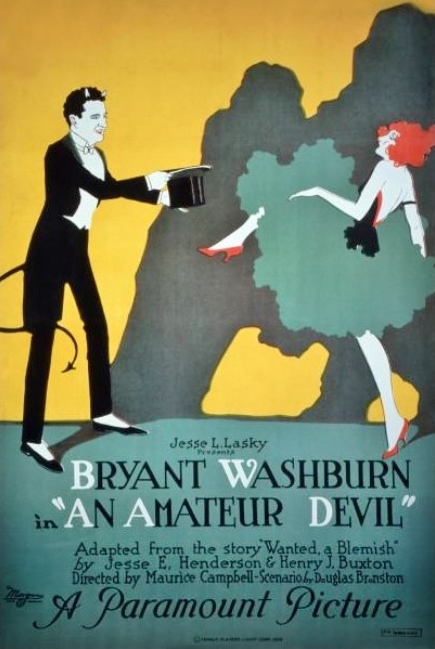
Dir: Maurice Campbell
Carver Endicott, a young sophisticate, is rejected by his fiancée for being too foppish and dull. When she feigns an interest in his father, Carver attempts to disgrace his family name by working as a farmhand and later as a busboy in a hotel. However, the newspapers only praise him for his self-sacrificing principles; and finding that he cannot bring shame to the family through menial labor, he takes up with a notorious actress. But when this maneuver also fails, he returns to his former fiancée, who has no further complaint about his being an inexperienced dullard.
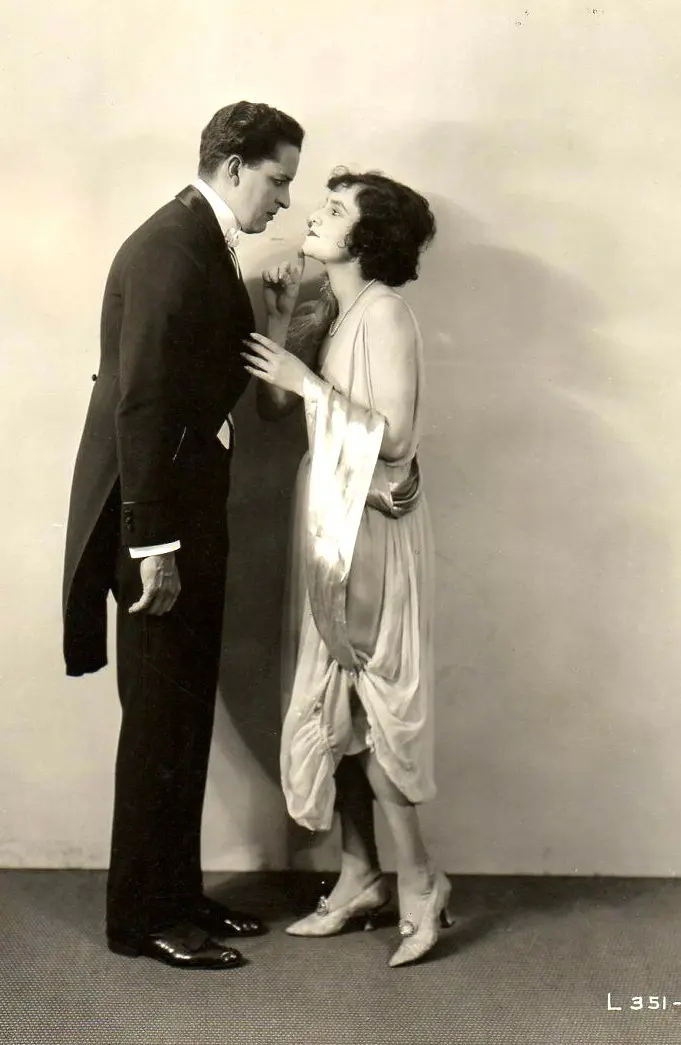
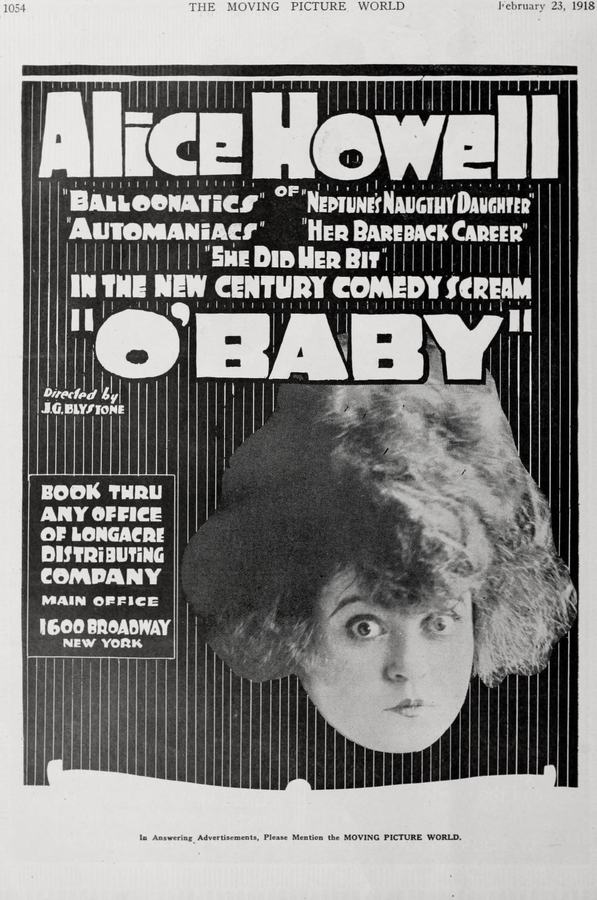
Dir: John G. Blystone
Alice appears as Minnie Grabit, just released from prison. She poses as a Salvation Army girl long enough to collect loose change, then later becomes a nurse and finally a servant girl. The incidents are of the knockabout sort, and the eccentric characterizations are funny.
View Details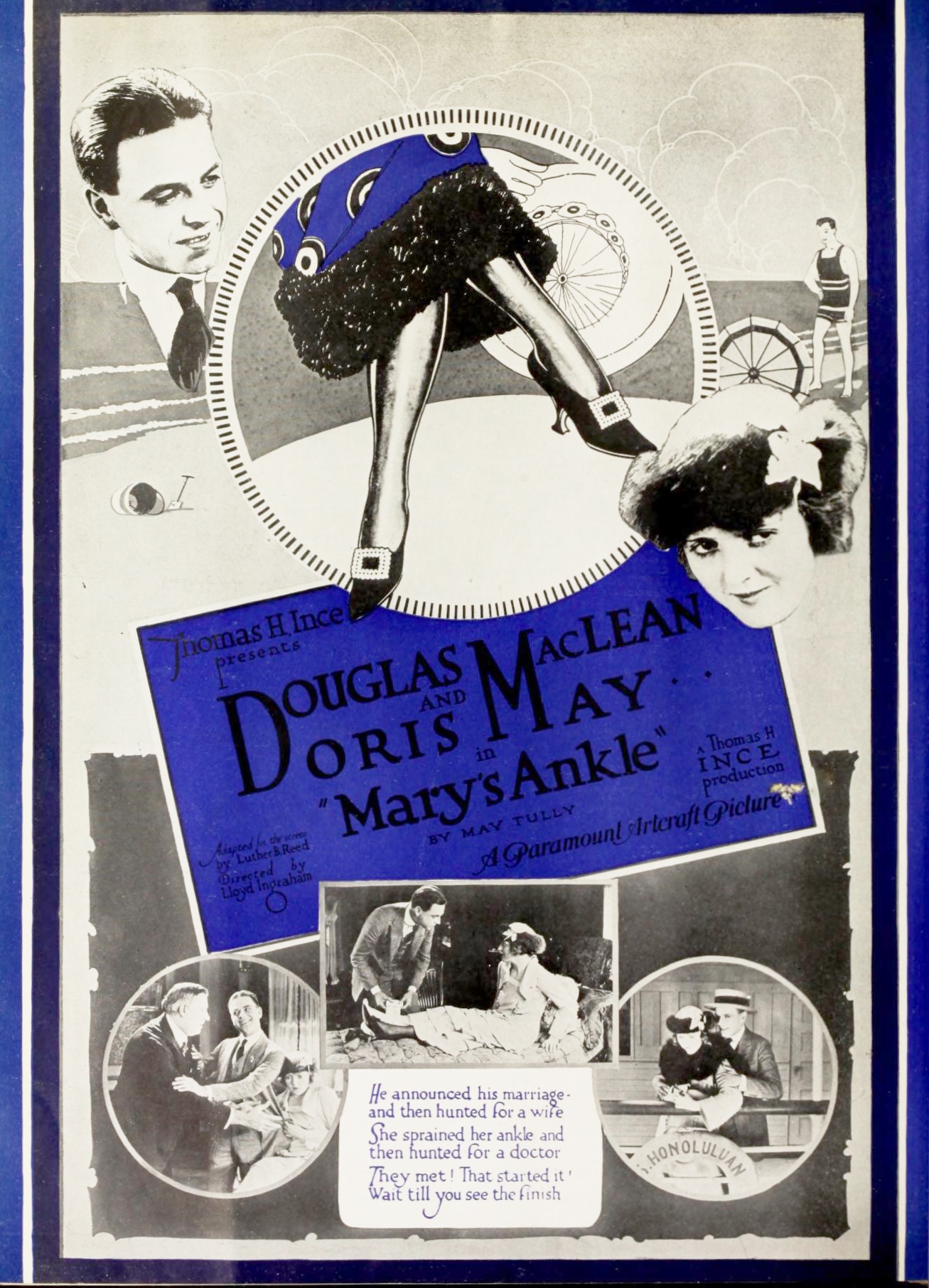
Dir: Lloyd Ingraham
While walking along the street one day, Arthur P. Hampton, an impoverished young doctor, and his chums, Stub Masters and Johnny Stokes, are persuaded to part with their last remaining funds by tag day solicitor Mary Jane Smith, with whom the doctor promptly falls in love. Doc's friends then hit upon a get-rich-quick scheme. Knowing that his Uncle George has promised a large sum of money upon his nephew's marriage, they persuade Doc to send out fake wedding invitations naming Mary Jane as the blushing bride. Uncle George, elated at the good news, writes to Mary Jane's aunt, Angelica Burns, an old sweetheart, to invite Mary Jane and Angelica to be his guests on an ocean voyage. Meanwhile, Mary Jane pays a visit to the doctor's office and, upon seeing the wedding invitations, becomes so flustered that she trips and sprains her ankle. Doc comes to her rescue and then begs her to pose as his wife. She agrees, but at ship-side, Stub and Johnnie confess all to Uncle George, who flies into a rage until Doc announces that he and Mary Jane have chosen a wedding at sea.
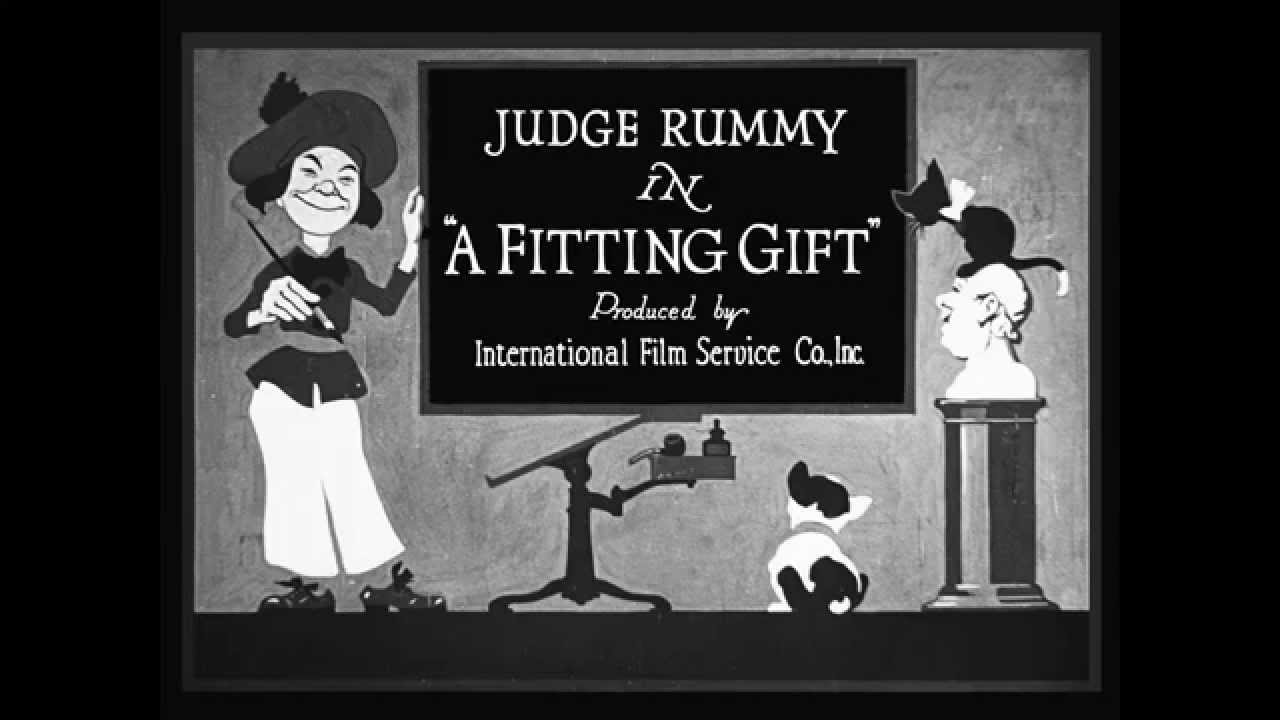
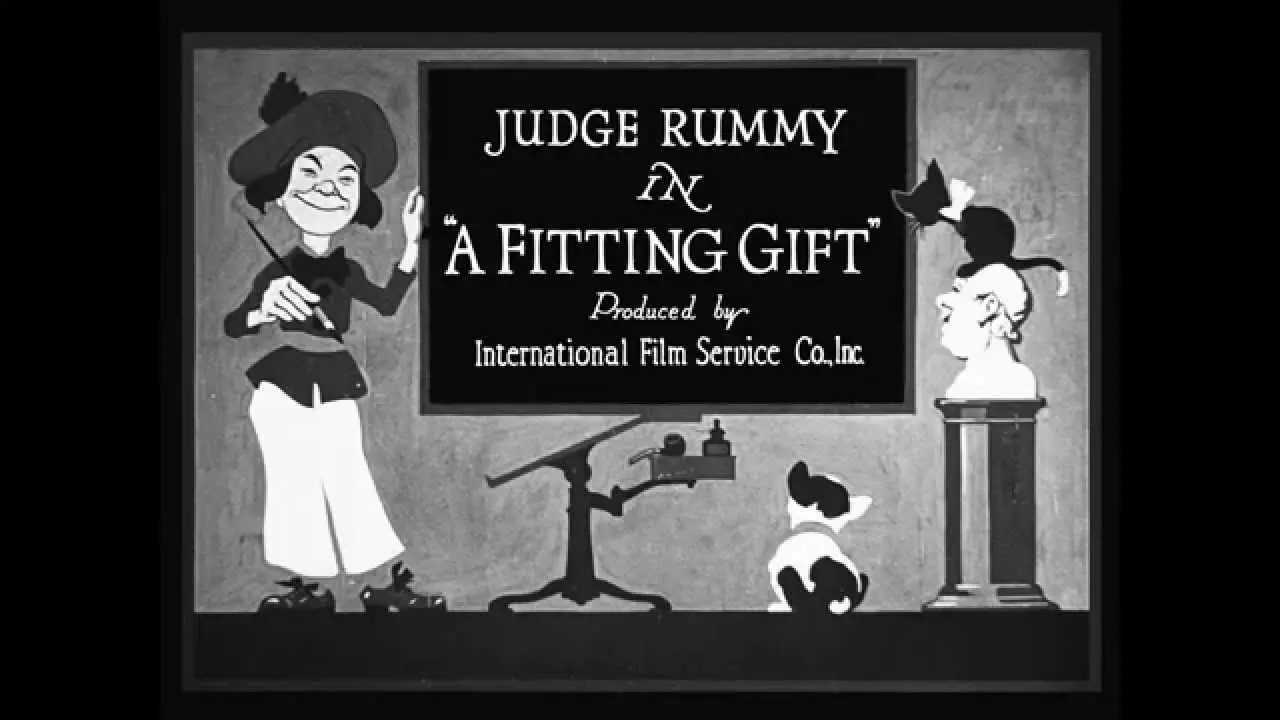
Dir: Unknown Director
The Judge needs a present for his wife's birthday, so Harry suggests a new corset. They go to the shop, but he's so embarrassed to ask the saleslady he hides in a phone booth.Harry goes in, but finds a GUY wearing one, and runs out.They both dress as women to get back in, but Mrs. Rummy gets there and chases him out.
View Details
Dir: Malcolm St. Clair
A dancing instructor gets involved with a newly rich family.
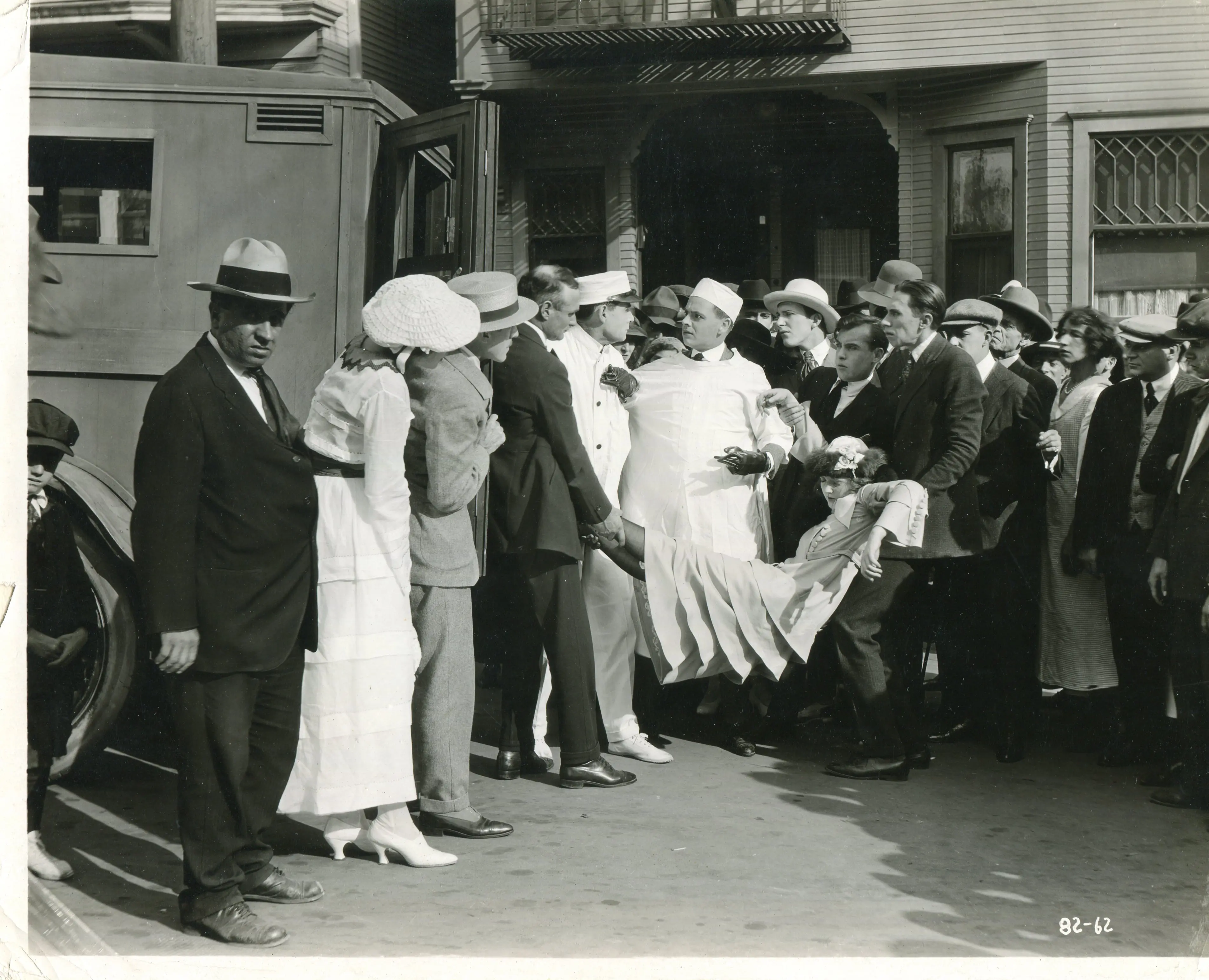
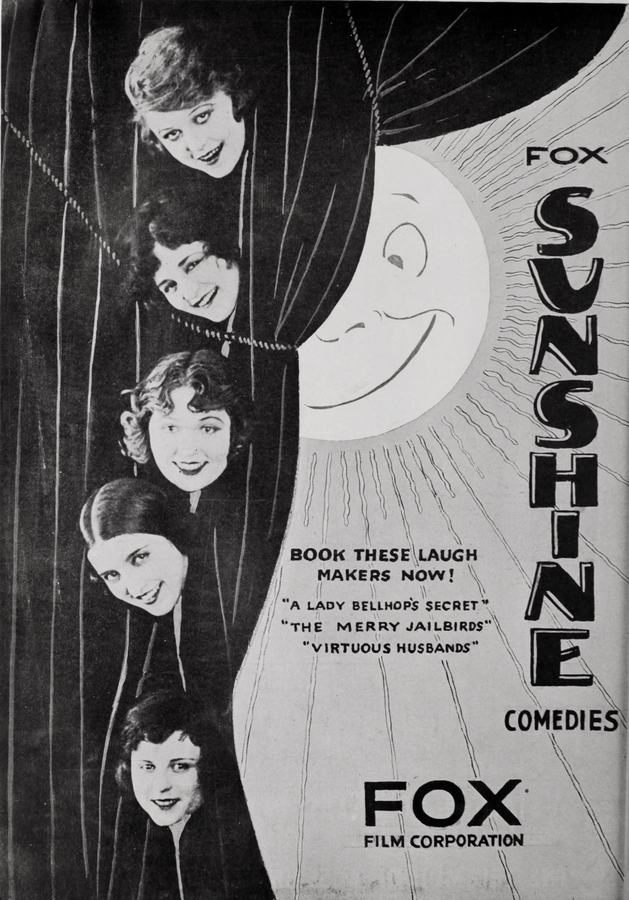
Dir: John G. Blystone
A fascinating piece of cinema that shares thematic elements.
View Details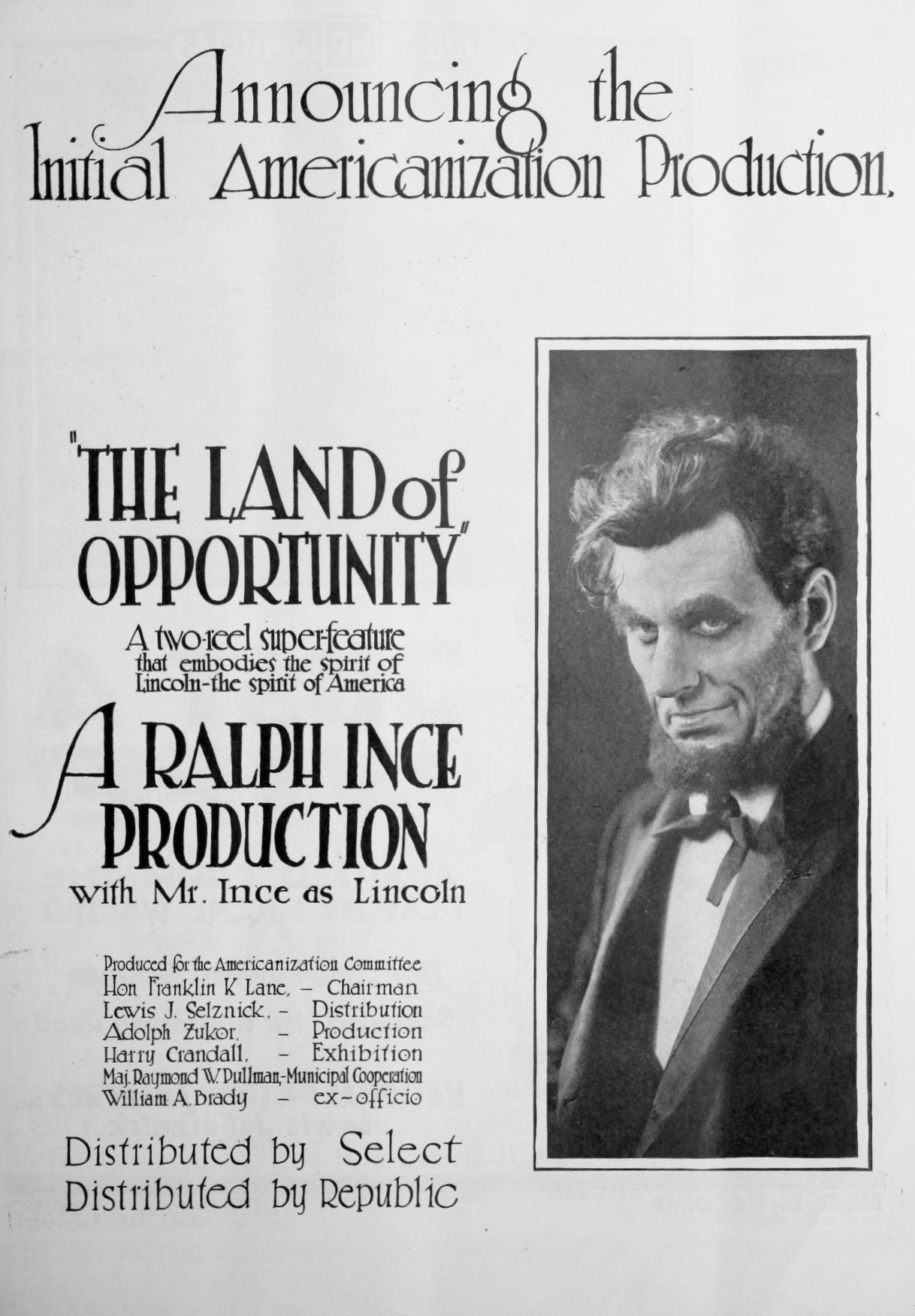
Dir: Ralph Ince
A fascinating piece of cinema that shares thematic elements.
Dir: Eduardo Notari
A crime drama in the Gennariello-series. The police detective in Naples that is confronted with modern gangsters and crime events.
View DetailsAnalysis relative to Why Pay Rent?
| Film Title | Atmosphere | Complexity | Similarity |
|---|---|---|---|
| Her Unmarried Life | Surreal | Layered | 94% Match |
| An Amateur Devil | Tense | Linear | 98% Match |
| Oh, Baby! | Tense | High | 96% Match |
| Mary's Ankle | Surreal | High | 86% Match |
| A Fitting Gift | Surreal | Layered | 96% Match |
This guide was algorithmically generated using the cinematic metadata of John G. Blystone's archive. Last updated: 8/17/2026.
Back to Why Pay Rent? Details →