
DbcultAccessing Vault...
Recommendations
Senior Film Conservator
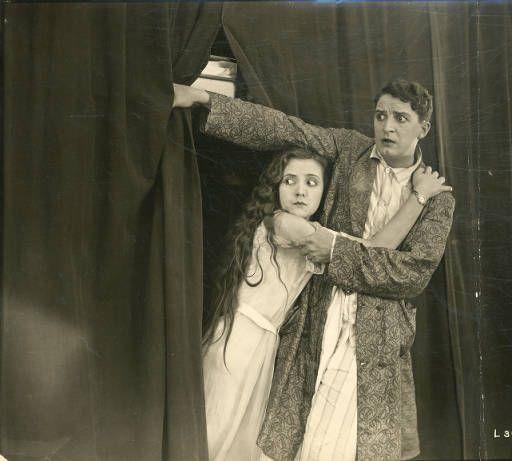
In the vast archive of cult cinema, Why Smith Left Home stands as a unique vision beacon, the narrative complexity found here is a rare find in the 1919 landscape. From hidden underground hits to established classics, these are our top picks.
Few films from 1919 manage to capture to explore the darker corners of the human condition with unique vision.
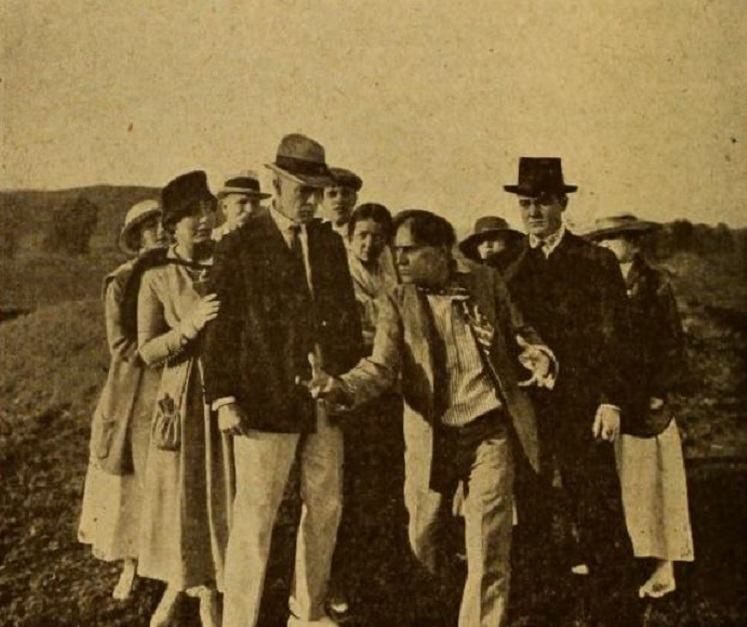
John Brown Smith and Marian elope suddenly because her Aunt Mary disapproves of Smith. The couple rush to the train to honeymoon at their friend Bob White's bungalow at Loon Lake, but a melange of forces prevent Smith from receiving a first kiss from his bride. A train wreck, a country hotel fire, the sudden appearance of Aunt Mary and The General, and a storm ruin their plans. Then, when Julie, a scheming maid compromises the innocent Smith, Marian decides to return home with her aunt and uncle. Smith then kidnaps his wife back to their honeymoon retreat, but an earthquake ensues. Julie finally confesses her guilt, and Smith succeeds in the long-awaited kiss.
The influence of Donald Crisp in Why Smith Left Home can be felt in the way modern cult films handle unique vision. From the specific lighting choices to the pacing, this 1919 release set a high bar for atmospheric immersion.
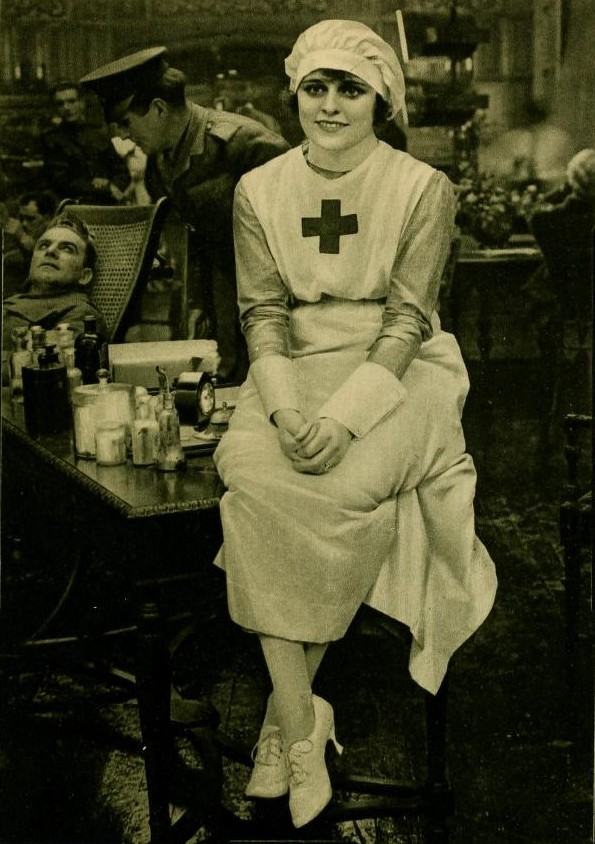
Based on the unique unique vision of Why Smith Left Home, our vault has identified these titles as the most compelling follow-up experiences for fans of cult cinema:
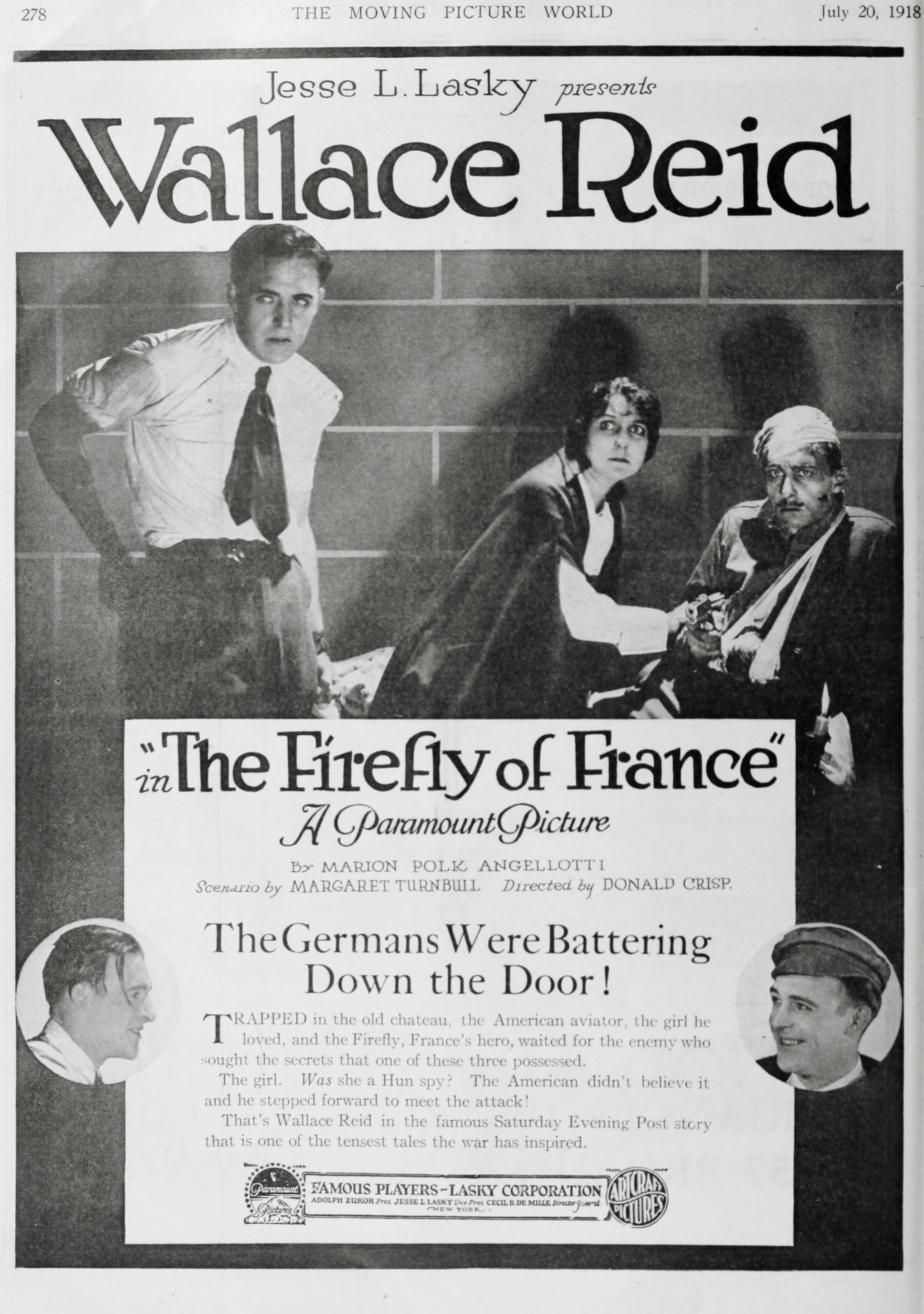
Dir: Donald Crisp
The Firefly of France, a famed Allied airman in the First World War, is lost while transporting valuable plans, and it is feared that he and the plans are now in the hands of the Germans. A member of the Lafayette Escadrille endeavors to find the Firefly and the plans, but encounters a mysterious girl and several German spies who want the same thing.
View Details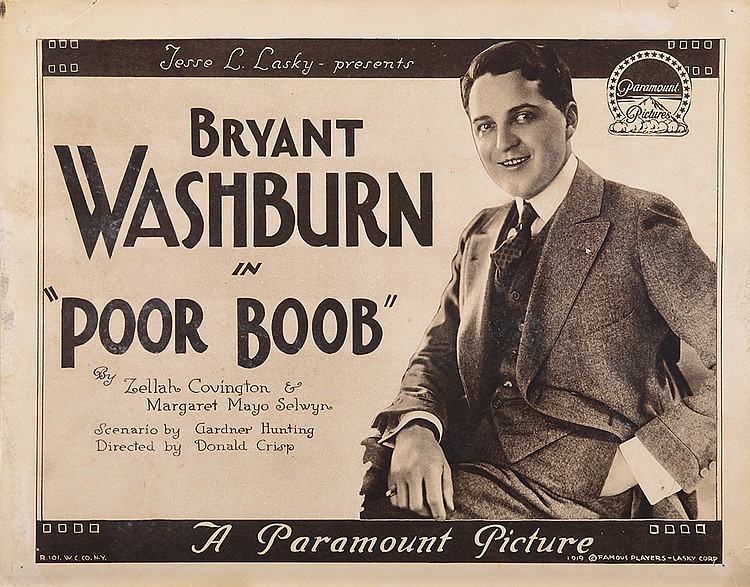
Dir: Donald Crisp
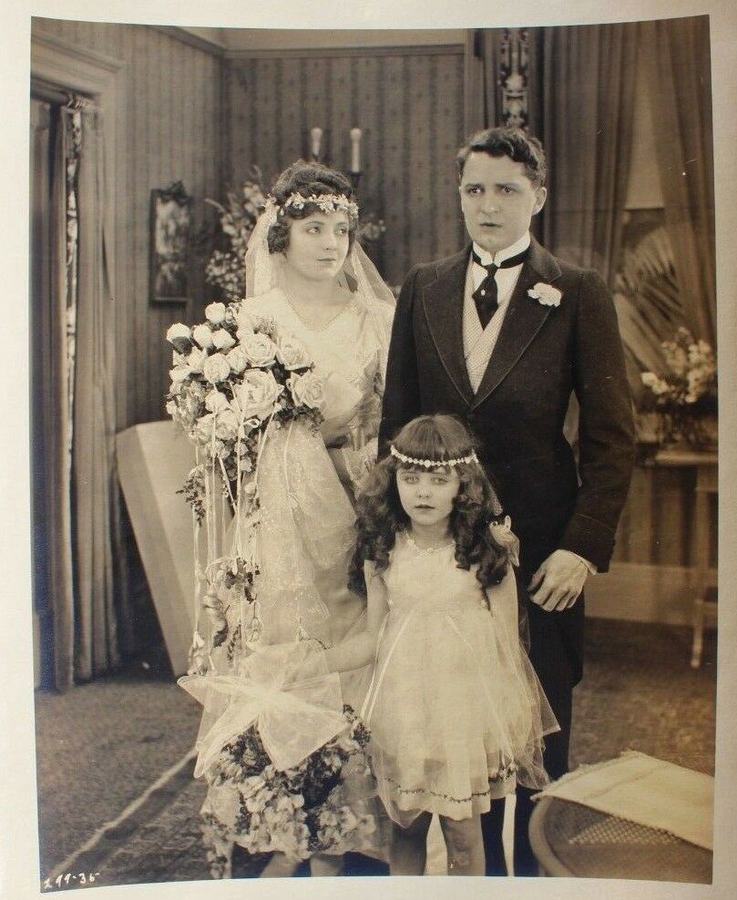
Self-effacing Simpson Hightower leaves his small village after he loses his father's canning factory to Stephen Douglas, who also wins Simpson's plump girlfriend Tiny. Simpson then goes to work in a New York provisions office along with stenographer Hope and office boy Jimmy. Hope and Jimmy scheme to introduce Simpson as a silent partner when the Danish consul proposes a large contract. After a series of errors, Simpson is discharged and persuaded by his friends to return to his home town posing as a successful businessman accompanied by his secretary "Pep" and valet Jimmy. With their help, Simpson manages to get the Danish contract and buy his factory back. He also outgrows his love for Tiny, who has gained even more weight, and recognizes his love for "Pep."
View Details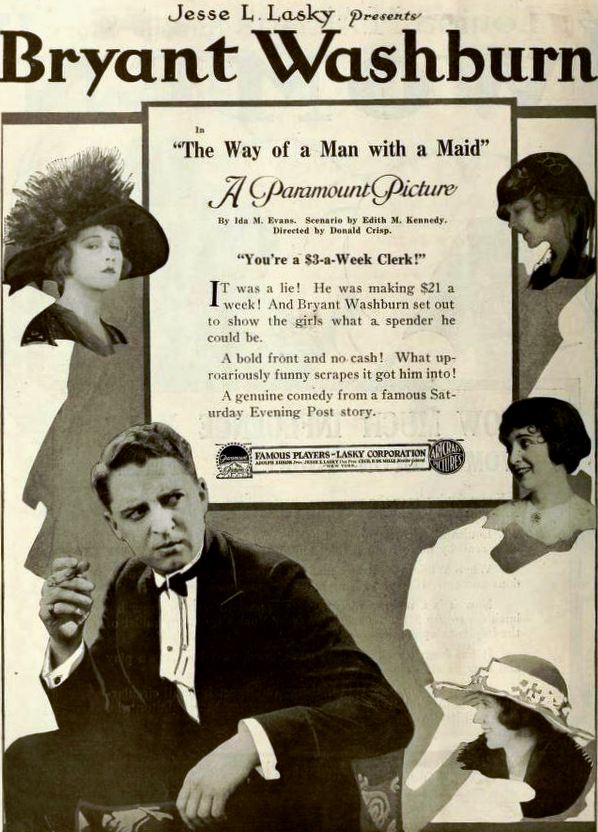
Dir: Donald Crisp
When shipping clerk Arthur McArney falls in love with pretty stenographer Elsa Owenson, he finds himself in stiff competition with a fat but wealthy broker named Sankey. Elsa's expensive tastes lead Arthur to spend a week's salary on an evening's entertainment, part with his watch to pay their taxicab fare, and borrow money from his friends to buy her extravagant gifts. Finally, Arthur is forced to take on odd jobs and night duty, which so impresses his employer, Hallet, that he gives the clerk a small raise. After Arthur spends $200 on the proper attire to wear to a lavish Halloween party, Hallet calls him to the office that evening, and Elsa attends the affair with Sankey. To reward his employee's dedication, Hallet promotes Arthur to the post of branch manager. Elsa accepts Arthur's marriage proposal with the promise that she will henceforth economize.
View Details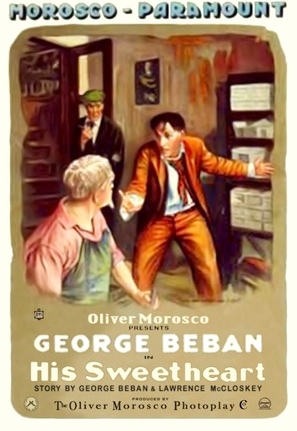
Dir: Donald Crisp
Joe, a good natured Italian, runs a basement ice, coal, and wood establishment in the cheap Italian "East Side." Trina, daughter of old Capino, a cobbler, lives next door. She is fond of Joe and is relieved when she learns that Joe's "sweetheart," who arrives from Italy, is none other than his little old "Mama Mia," his mother. Godfrey Kelland, district attorney, is a candidate for the governorship, and Joe's sympathies and efforts are enlisted in his behalf. The Weasel, a notorious crook, is arrested as he seeks refuge in Joe's house, and suspicions are cast upon Mama Mia. Just at this time Mrs. Kelland loses a diamond pin which is discovered in Mama Mia's possession. Baby Kelland has placed the pin in the basket of clothes which Mama Mia is to wash and she is found "guilty" and sentenced to two years in the penitentiary. In the meantime, Joe and his mother have witnessed an attempt upon Kelland's life and assisted him, but nevertheless Kelland is vigorous in his prosecution of Mama Mia. A little later Mrs. Kelland discovers the baby putting another piece of jewelry in the basket and she decides that Joe's mother is innocent. Two crooks from the gang determine to put a stop to Kelland's activities and to "plant" a golf ball filled with nitroglycerin so that Kelland will be blown up as by an unknown accident. They play upon Joe's feelings and induce him to place the ball. Just as Kelland is about to strike the ball, Mrs. Kelland and Trina come into the grounds, and to save them Joe takes the blow upon his own body. Joe's confession that the ball was intended for him incites Kelland's anger, but Mrs. Kelland's story of the baby's innocent part in the tragedy, and her pleadings, soften the politician's heart, the little Italian family is reunited, and Trina's happiness also secured.
View Details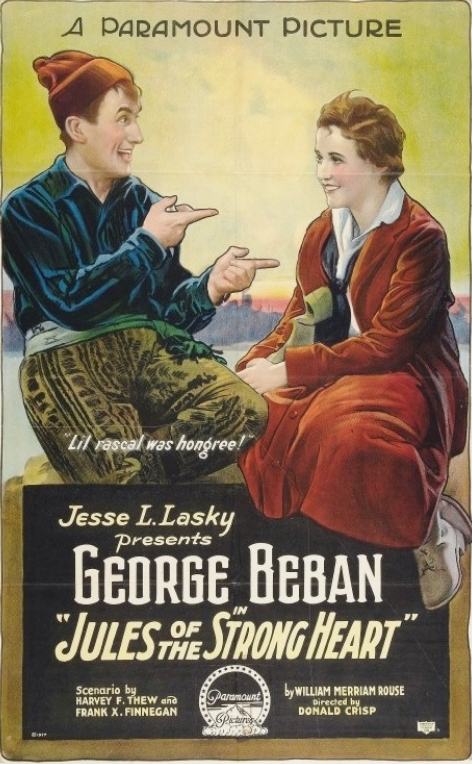
Dir: Donald Crisp
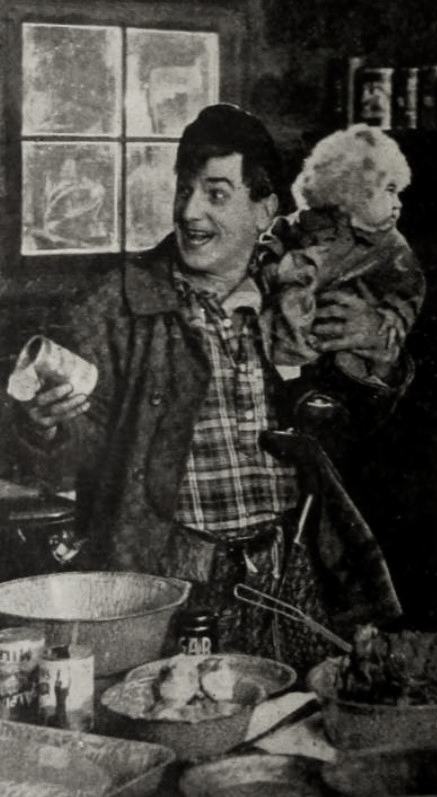
Jules Lemaire, a happy-go-lucky French-Canadian lumberman, arrives at the Nemo lumber camp carrying a baby. His love for the child wins him the respect of Joy Farnsworth, the daughter of the camp's foreman, but this arouses the jealousy of Big Jim Burgess, the camp bully. Burgess incites the men to strike when the delivery of their paychecks is delayed because of a storm, whereupon Jules offers to cross the river and retrieve the payroll. Burgess volunteers to accompany Jules, but after their departure, he ties the lumberman up and attempts to torture him into giving up the order of delivery for the money. In the meantime, a stranger appears at the camp and tells Joy that Jules had been caring for his child while he was in England. Joy and the stranger rescue Jules and turn Burgess over to the foreman, after which Joy proposes to the French-Canadian.
View Details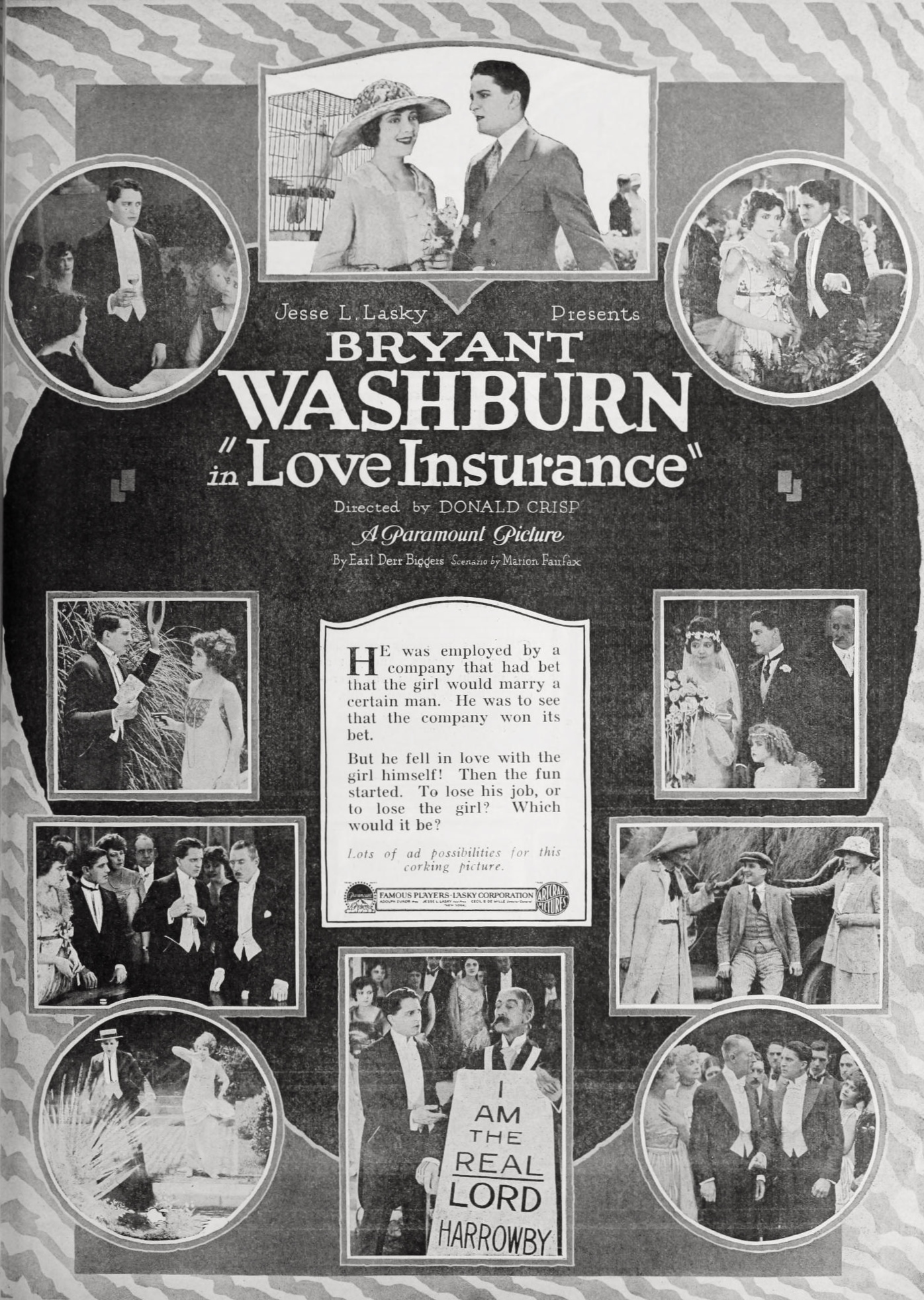
Dir: Donald Crisp
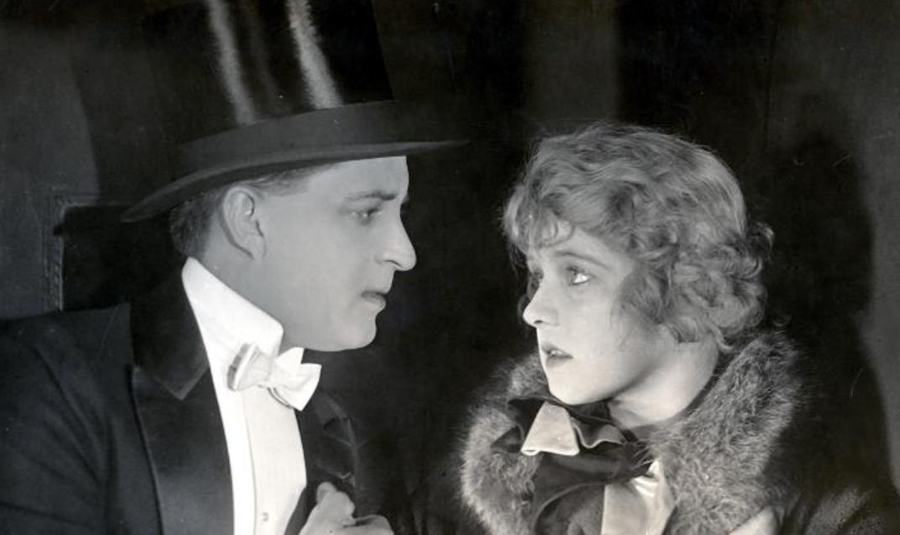
Posing as a nobleman, Allan Harrowby takes out a policy with Lloyd's to insure that his upcoming marriage will occur, Dick Minot, Lloyd's assistant manager in the U. S., travels to San Marcos, Florida to handle anything that threatens to disrupt the wedding. On the train, Dick falls in love with Cynthia Meyrick, then discovers she is Harrowby's bride-to-be, he subdues his feelings. After a blackmailing valet claims to be Harrowby's older brother, the real brother and heir, George Harrowby, arrives and accuses the valet of stealing his yacht. Cynthia's father forbids the marriage until George, who says his children in Chicago would laugh at him if he called himself "Lord," resigns his title in favor of Allan. Cynthia, however, indignant when she learns of the insurance policy, calls off the wedding and spurns Dick for his part in it. Later, Dick once again meets Cynthia on a train, and love blossoms without trouble.
View Details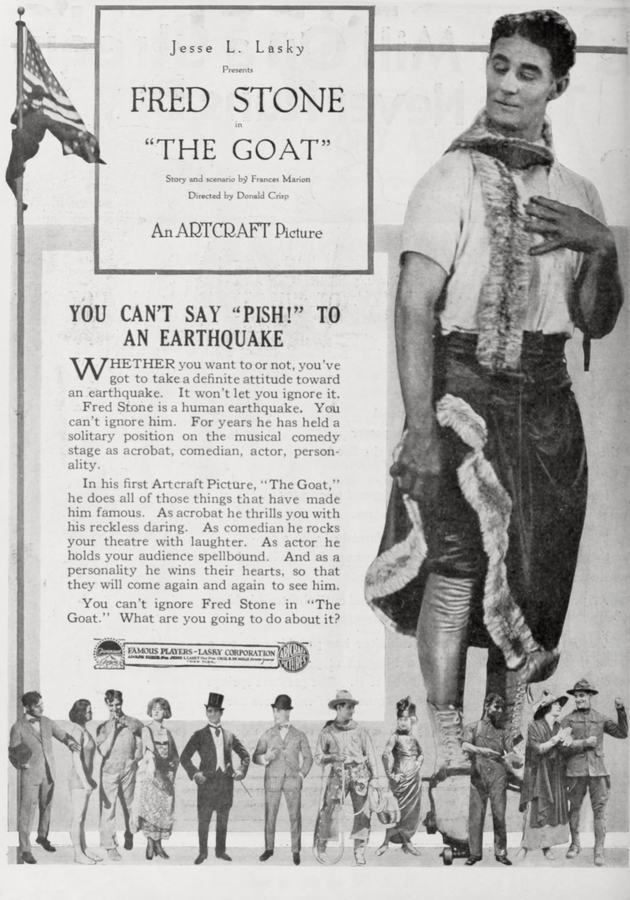
Dir: Donald Crisp
Chuck McCarthy, an intrepid young ironworker, longs to become an actor, despite the protests of his girl, Molly O'Connors, and his family. In dashing up the frame of a building to catch actress Bijou Lamour's runaway pet monkey, he attracts the attention of the studio managers, who make him a stuntman. For a time Charles is happy executing life-risking feats and strutting around in new clothes, although the company laughs at him behind his back. When leading man Marmaduke X. Caruthers refuses to perform a particularly dangerous stunt in a war film, Chuck doubles for him and is seriously injured. The studio manager, who recognizes in the incident an opportunity to promote his star, quickly wraps Marmaduke in bandages and sends him to the hospital, while Chuck is secretly removed through the back door. The next day, the Filmcraft Company sends Chuck a check for $1,000 to keep quiet about the accident. He and Molly use the money on their honeymoon to Niagara Falls.
View Details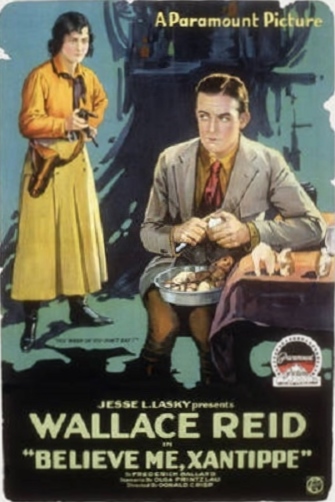
Dir: Donald Crisp
George MacFarland, a wealthy young man who loves adventure, bets his friends Thornton Brown and Arthur Sole $20,000 that he can commit a crime and elude the police for a year. After he forges a check, George heads West and does escape arrest for nearly a year, despite the proliferation of police circulars bearing his name and his favorite expression, "Believe me, Xantippe." In a Colorado hunting lodge, he meets Sheriff Kamman's pretty daughter Dolly, who recognizes and tries to arrest him. According to the terms of the bet, however, he must be captured by a genuine officer of the law, which Dolly is not. With the stroke of midnight, the year elapses and George wins the bet as well as the sheriff's daughter.
View Details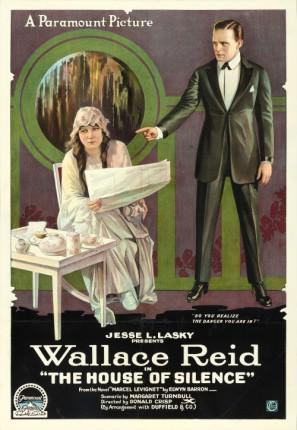
Dir: Donald Crisp
A young woman, disheveled and greatly distressed, stops criminologist Marcel Levington on the street and begs him to find a doctor for a man who is dying inside a nearby house of ill repute. Marcel and his friend, Dr. Rogers, enter the house and find the man, a prominent lawyer, dead, his heart pierced by a hatpin that the doctor recognizes as the one he recently gave his daughter Toinette. Rogers announces that the man has died of heart failure, returns home and demands an explanation from his daughter, who explains that she was lured into the house and attacked by the man. Realizing that Toinette killed the lawyer to defend her honor, Rogers and Marcel agree to protect her. Marcel retrieves Toinette's pocketbook from the proprietor of the house, Mrs. Clifton, who had planned to blackmail the girl, and then returns to Toinette, with whom he has fallen in love.
View Details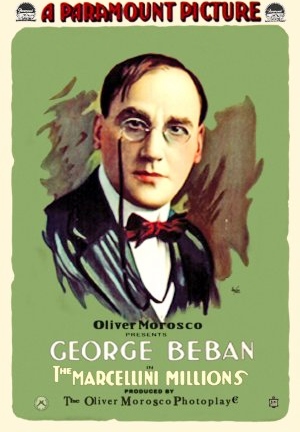
Dir: Donald Crisp
Marcellini, a successful wine dealer, has a sudden heart attack and dies. His will leaves his entire fortune to his only kin, a husband and wife who operate a small farm. Guido, the husband, agrees against his better judgment to move on to the Marcellino estate. Before he knows it he is up to his neck in marriage troubles, people trying to swindle him out of his inheritance and blackmail.
View DetailsAnalysis relative to Why Smith Left Home
| Film Title | Atmosphere | Complexity | Similarity |
|---|---|---|---|
| The Firefly of France | Gothic | Abstract | 85% Match |
| The Poor Boob | Gothic | Abstract | 85% Match |
| The Way of a Man with a Maid | Tense | Linear | 89% Match |
| His Sweetheart | Ethereal | Abstract | 95% Match |
| Jules of the Strong Heart | Gritty | Layered | 88% Match |
This guide was algorithmically generated using the cinematic metadata of Donald Crisp's archive. Last updated: 6/25/2026.
Back to Why Smith Left Home Details →