
DbcultAccessing Vault...
Recommendations
Senior Film Conservator
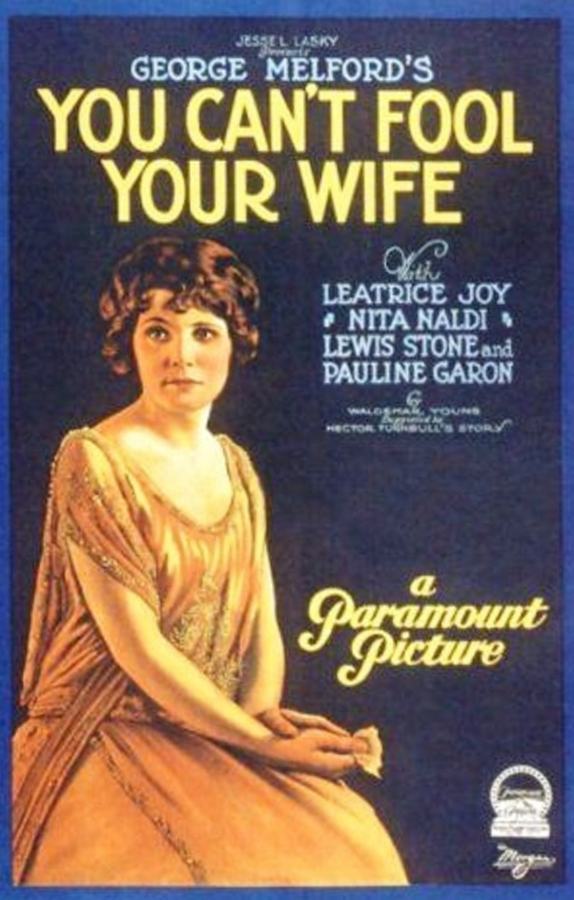
As a cultural touchstone of United States, You Can't Fool Your Wife resonates with its poignant storytelling, its lasting impact ensures that its spirit lives on in modern recommendations. Our archive is rich with titles that mirror the poignant storytelling of George Melford.
For many, the first encounter with You Can't Fool Your Wife is to provoke thought and inspire awe in equal measure.
Edith sets out to prove that a wife can never be fooled by her husband - but will she succeed?
You Can't Fool Your Wife was a significant production in United States, showcasing the immense talent of Nita Naldi, Thomas Carrigan, Julia Swayne Gordon. It continues to be a top recommendation for anyone studying Drama history.
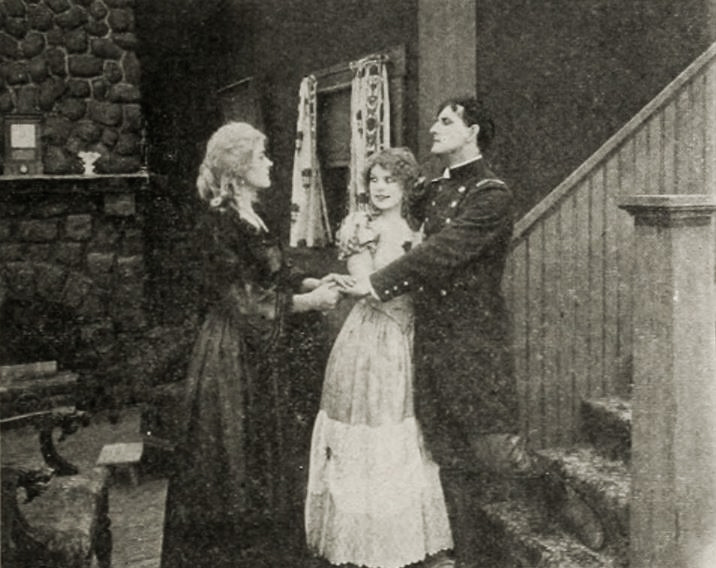
Based on the unique poignant storytelling of You Can't Fool Your Wife, our vault has identified these titles as the most compelling follow-up experiences for fans of Drama cinema:
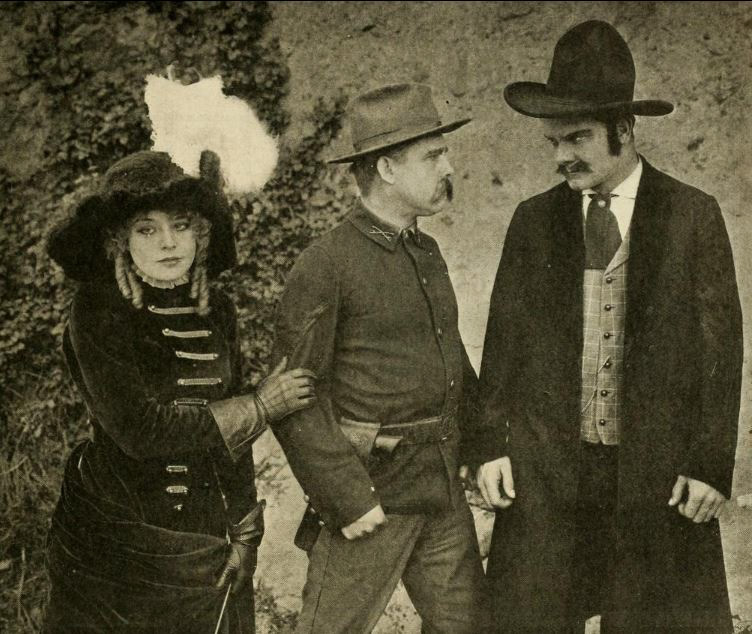
Dir: George Melford
Major Dean's developed mental powers have enabled him to give demonstrations in thought-suggestion. Interested in character types, the major, who is an army surgeon, visits a notorious dance hall owned by Lorenzo. The surgeon is struck by the beauty of Mabel, one of the dance hall girls. Mabel lives in deadly fear of Lorenzo. Due to the interest he takes in her Major Dean again demonstrates his wonderful power of mental suggestion by causing the girl to lay down the glass she raised to her lips. Later, a fight is started in the dance hall. All lights are shot out. Mabel is stunned by a bullet. Seizing her in his arms, Major Dean takes her to his home. The following morning finds the girl still unconscious. Major Dean's diagnosis leads him to believe that due to the wound caused by the bullet, a pressure on certain brain cells has wiped all memory of the past from Mabel's mind. Realizing that despite her condition, the girl's subconscious mind is capable o£ registering impressions, the surgeon forces upon Mabel's mind the thought she is, and always has been, his daughter. The girl is possessed of this belief when she recovers. She later accompanies Major Dean to the western army post to which he has been assigned. Sergeant Whitney, an old soldier, is stationed at the post. The man is struck by the wonderful resemblance which Mabel bears to his daughter who, several years previous, had been enticed from her home by a gambler. Although Whitney has never seen the man, he has vowed to find and kill him. Meanwhile, Lorenzo learns what has become of his former victim. Resolved to regain her, he leaves for the west. Arriving at the army post, Lorenzo demands that Dean surrender Mabel. Knowing the girl will not recognize the man, the surgeon allows her to comfort him. Mabel shrinks from Lorenzo in repulsion. Suspecting the truth, Lorenzo later waylays his former victim while she is out riding and endeavors to revive in her mind the memory of her life with him. At the same instant, Major Dean is obsessed by a sense of impending danger. The surgeon gazes out of the window through a pair of field glasses. He discovers Lorenzo talking to Mabel. Aware of the man's nefarious scheme, Major Dean concentrates his powerful will in an effort to so influence Mabel's mind as to enable her to withstand Lorenzo's hypnotic influence. The girl, who had been wavering, receives the message emanating from the major's mind. It causes her to shrink from her former master with the assertion she has no recollection of the incidents he has mentioned. The opportune arrival of Sergeant Whitney prevents Lorenzo from seizing Mabel and carrying her away. That night, Lieutenant Sibley, a young army officer who has fallen in love with Mabel, asks the major for her hand. Feeling it to be his duty, Dean informs Sibley of the girl's past. The surgeon declares it is his belief that Mabel is the daughter of Sergeant Whitney, and that Lorenzo is the man who enticed her from home. So great is his love, that Sibley vows to marry Mabel in spite of what has happened. Unknown to the two, Whitney has overheard the story. Mad with hate, he seeks Lorenzo. Unaware of his impending doom, Lorenzo resolves to make one supreme effort to regain Mabel. Seated by his window, the man fixes his mind upon Mabel with every ounce of power he possesses. Although fast asleep, the girl's mind receives the command sent forth by her former master. As though in a trance, she dons her clothes. Again the sense of danger overcomes Major Dean. He hastens towards Mabel's room. Just at this instant, Whitney enters Lorenzo's room. The rage-maddened father engages the gambler in a death struggle. While this combat rages, Mabel stands as though petrified. Securing possession of Whitney's revolver, Lorenzo shoots, wounding the old soldier mortally. Although he has received his death wound, Whitney's consuming hatred gives him strength to continue the struggle. A sudden twist, and the sergeant secures a vise-like grip on Lorenzo's throat. He forces the man back towards the bed. Mabel awakens with a start. In answer to Major Dean's anxious query, she replies that a bad dream had caused her to walk in her sleep. In Lorenzo's room, Whitney draws back from the silent form on the bed. The soldier attempts to reach the door, but his strength fails. The man staggers and crumples to the floor.
View Details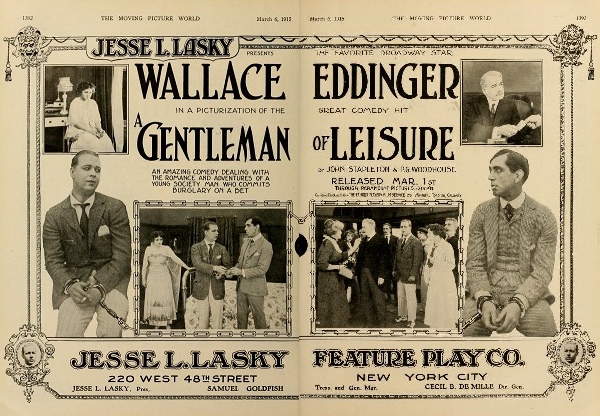
Dir: George Melford
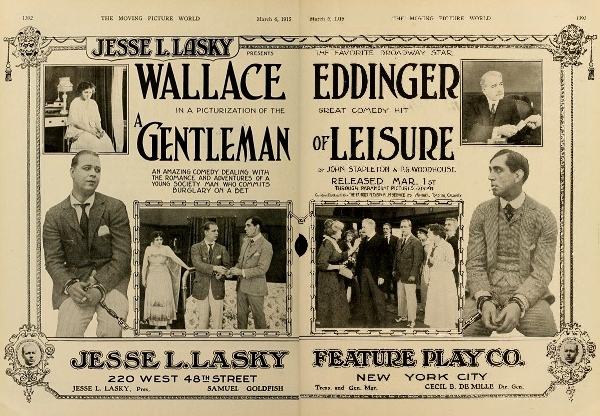
A young New York society man makes a bet that he can rob a house and get away without being caught by the police. Shortly after making this wager, he overpowers a professional burglar in his own house, and instead of giving the man up, decides to use him in winning the bet. However, the house that he attempts to rob is the home of the Deputy Police Commissioner, with whose daughter he is in love. The succeeding complications, which arise out of this altogether original situation, are due to the Commissioner's willingness to accept graft and the professional burglar's inability to restrain himself when tempted to steal a valuable necklace. The final result is a happy conclusion to the very troubled love-story.
View Details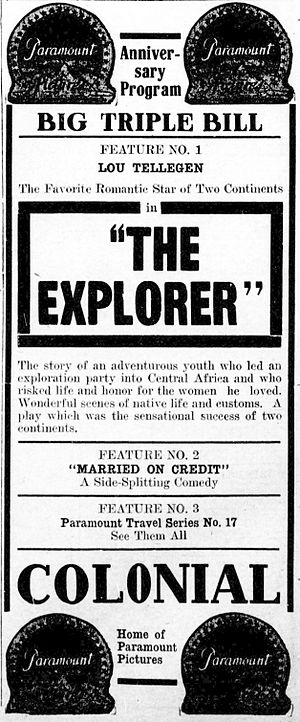
Dir: George Melford
A fascinating piece of cinema that shares thematic elements.
View Details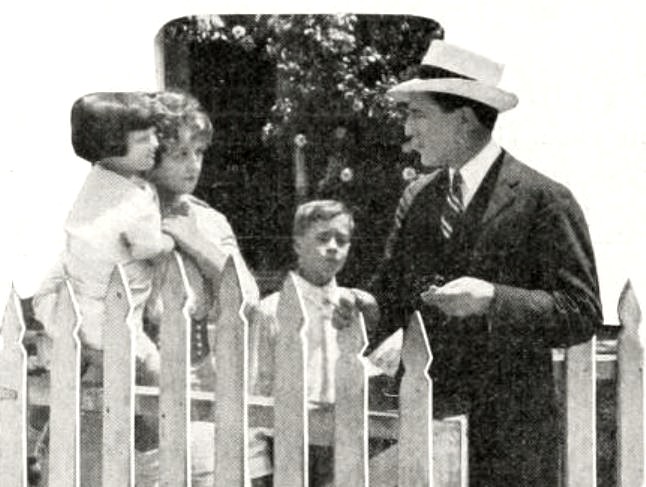
Dir: George Melford
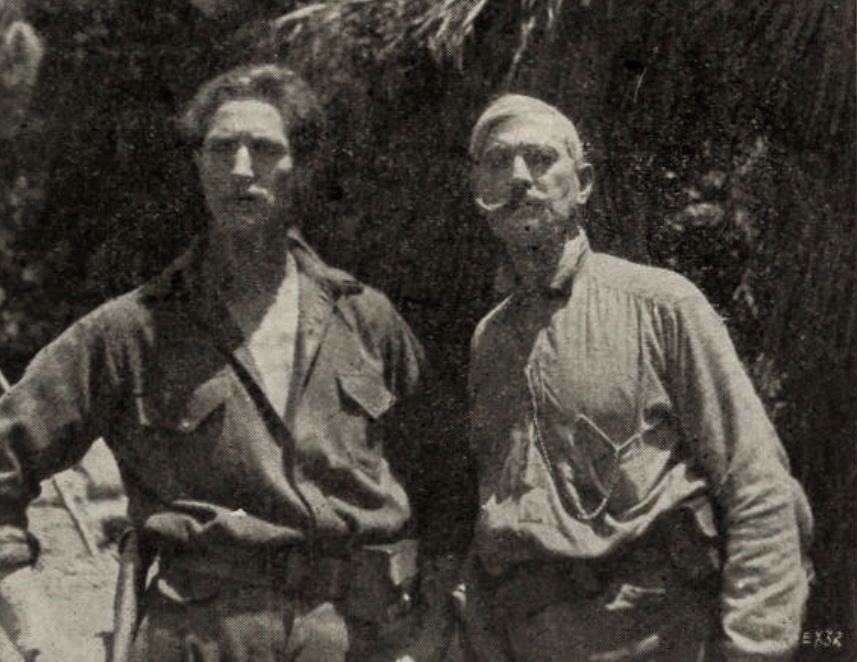
Anna Granger's husband commits a fraud at the bank where he works and is condemned to pay the penalty of a jail sentence. In the hope of proving his innocence she goes to work, under an assumed name, for the President of the closed bank. This man is now indicted himself, though unjustly, and employs detectives who finally unearth a letter positively establishing the guilt of Granger. In spite of everything, Anna remains faithful until she learns that the theft her husband committed was to get money for another woman. Then comes a sudden climax which puts an end to a situation which she could not possibly endure.
View Details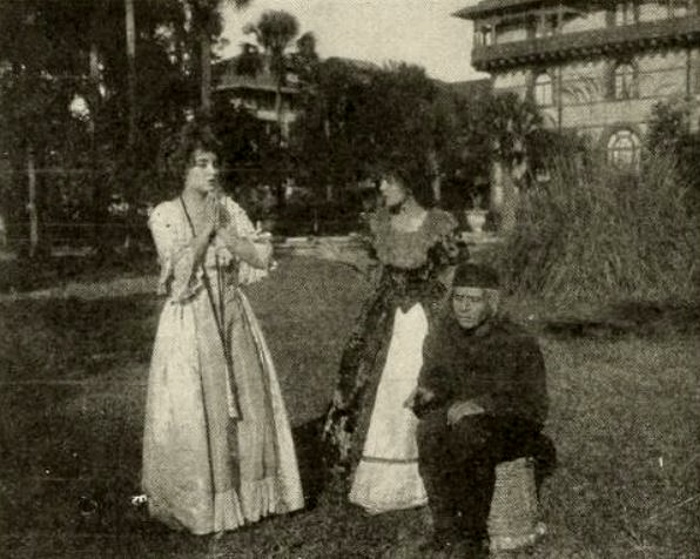
Dir: George Melford
Foster sister of the Duchess d'Aubeterre, Madeline, marries Jean Renaud, a French soldier, and has a daughter named Adrienne. Five years later, on a battlefield, Renaud is entrusted by the Count de Moray with jewels and papers proving that Adrienne is his heir. After Moray's death, Renaud gives everything to Madeline and then returns to the battle. Lazarre, who had followed Renaud, then goes to Madeline and demands the jewels. Madeline's refusal awakens Adrienne, but Madeline quiets her by saying that her father is home. When Madeline still refuses Lazarre's request, he stabs her. Later, Adrienne tells the neighbors that her father had just been with her mother. Renaud is sentenced to prison for life, after which the Duchess adopts Adrienne. Many years later, Adrienne re-encounters her father and eventually the true murderer is revealed and Renaud is pardoned.
View Details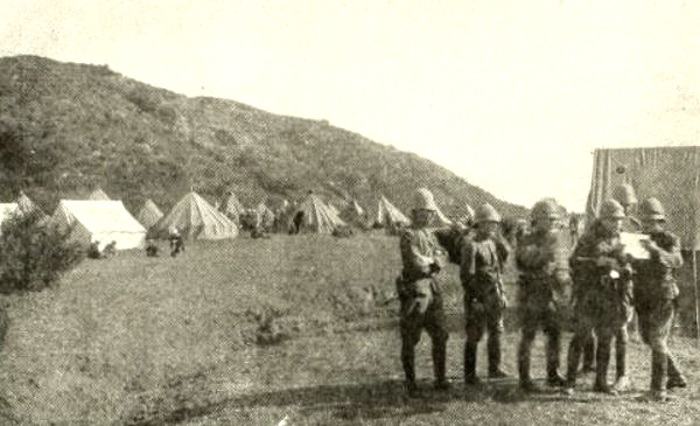
Dir: George Melford
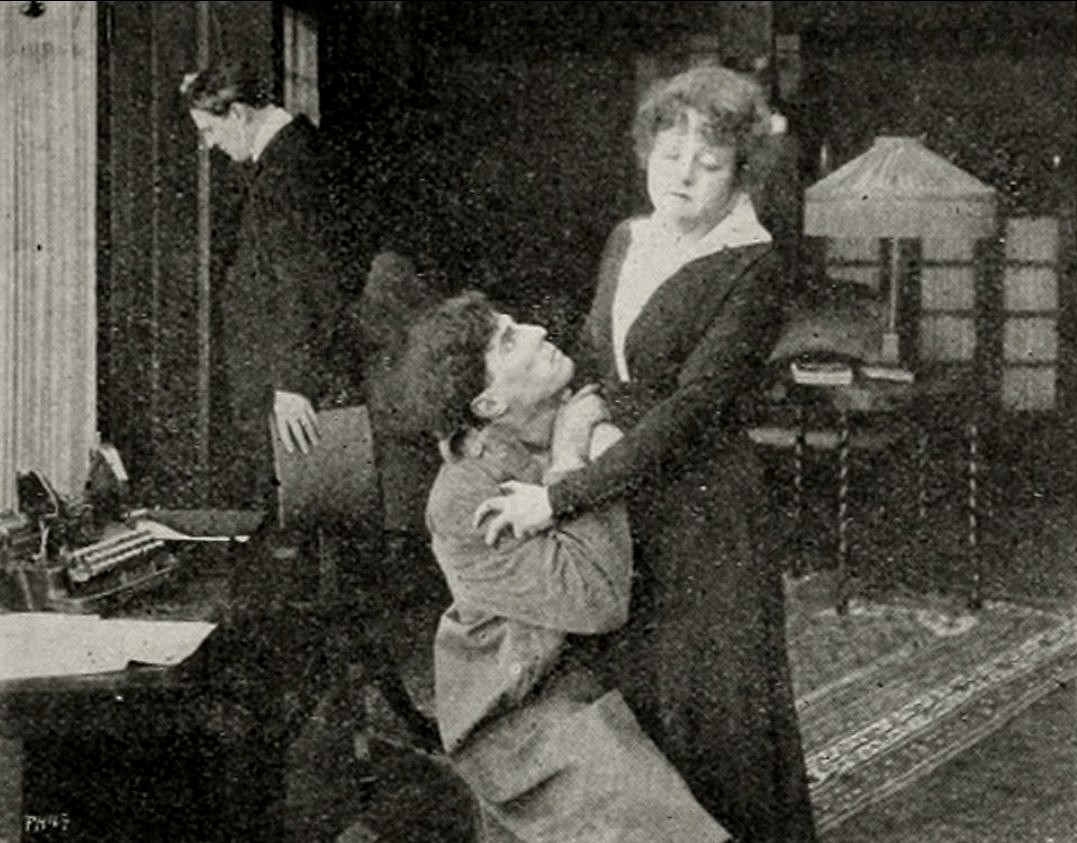
The Lamberts give a charity ball for the benefit of the Widows' and Orphans' Fund. Captain Doane is among the guests. The young officer is in love with Jane, the general's daughter. During the affair, he secures her consent to be his wife. Jane's parents both favor Doane's suit. General Lambert places the box containing the receipts of the ball on his library tale. A moment later he is called away. At the same time, Jack, his son, loses heavily at cards to a professional sharp. The man holds several I.O.U.'s for which he demands payment. Desperate, Jack promises to let him have the money at once. The boy hastens home. Entering the library, he sees the cash box. Abstracting the money. Jack gives it to the gambler, who waits outside. General Lambert receives a telegram, stating that war has been declared between Great Britain and the Boers. He spreads the news. The general relates an incident of the first Boer campaign, telling how one of his comrades had been treacherously slain by the Boers. Turning to Jack, the father bids him avenge the man's death in the coming fray. Jack, however, confronts the knowledge that he is a thief. Entering the library he desperately searches for a way out. He decides upon the course he must follow. Writing a confession of his guilt, the boy places the note where it can be found and then picks up a revolver. Doane enters the room and views the proceedings in amazed silence. He grasps Jack's hand, just as the boy is about to shoot himself. Jack breaks down. The note tells Doane the whole miserable story. He promises Jack to find a way to clear him. General Lambert and the board of trustees enter the room after Jack leaves. They are about to look for the money, when Doane announces that he has stolen it. Shocked, the general calls in the guests and tells them the story. Jane is brokenhearted at her lover's supposed dishonesty. Disgraced, Captain Doane returns home where he receives a note, demanding his resignation. He complies with the order. The next day, he sees his beloved regiment leave for the front. Another officer marches past, in command of the company that was his. His health undermined by the strain, Doane is stricken with brain fever. When her recovers, a few weeks later, the man enlists under an assumed name and is sent to the Transvaal. By rare good fortune, Doane meets Jack. The young officer recognizes in the private, the man who had saved him from disgrace. Jack succeeds in securing Doane as his orderly. The two armies meet in a terrific battle. The Boers, under General Jaubert, successfully hold the British in check. Lieutenant Lambert is sent to one of the British commanders with dispatches. He is accompanied by Doane. On their way they discover a Boer force creeping upon the British flank. Their warning saves the English troops from destruction. From the top of a hill, the Boers under Jaubert are inflicting terrible punishment upon the British by means of heavy siege guns. A charge gradually drives the Boers back. The British succeed in dislodging their foe from shelter by means of the hail of death from rapid-fire guns. With a superb rush, the English gain the ton of the hill and capture the battery that has inflicted the most damage. Jack and Doane are foremost in the fray. The battery is blown skyward. Jack and Doane's unusual valor win them the commendation of the general in command. Doane wearily returns to his tent. His mind goes back to the night of the ball. His hand wanders to the pocket over his heart and brings to view the picture of Jane. Sadly he gazes upon the face of the girl whose love he had surrendered. With a sigh, the man replaces the picture in its resting place. In another tent, a totally different scene is transpiring. Torn by his conscience, Jack is penning a confession which exonerates Doane, whom he has grown to idolize. Leaving his tent, he hands the letter to Doane, requesting him to keep it in event of his death. He informs his savior that should death overtake him on the field, he wishes to die with the knowledge that he had made reparation. Doane watches the boy depart. He slowly tears the letter to pieces. That day another attack is made upon the Boers. The hills are covered with the heavy smoke of artillery and thousands of rifles. The Lancers sweep the enemy before them in a heroic charge. Jack, leading a bayonet charge against a Boer battery, is struck by a bullet and falls. Fighting like fury, Doane rescues the boy and carries him off the field. Immediately afterward, Doane wires the Lamberts, telling them of Jack's injury. Upon receipt of the message, Jane immediately announces her determination to go to her brother's side. Her father's influence enables her to go to the front as a Red Cross nurse. She reaches Jack's force and is assigned to his hospital tent. As she enters the tent, she sees Doane bending over her brother. Doane is electrified at the sight of his sweetheart. Remembering the offense with which he was charged, the girl draws back in contempt. Jack sees the movement and realizes what caused it. With tears streaming down his face, and despite Doane's efforts to stop him. the boy confesses his story. Thunderstruck, Jane stares at Doane. The man turns away in distress. The next moment. Jane's hand is on his arm. She pleads with him for forgiveness. Surrounded, and facing defeat, the Boers fight with the desperation born of despair. Again and again their fire sweeps the charging British, mowing them down like grass. From the overlooking hills the batteries of the English hurl their deadly missiles in the midst of the shelters which cover the Boers. Doane, assigned to one of the batteries, imbues his comrades with heroic spirit. Time and again the Boers strive to capture the battery, their rifle fire brings the men down one by one. Doane finally remains the sole survivor, but the battery still belches forth the shots placed in it by the men who had manned them. A Boer shell lands next to Doane's gun and explodes. When the smoke lifts, the hero strives in vain to arise. Blood gushes from his eyes. Jane is by her brother's bedside when Doane is brought in on a stretcher. She anxiously hovers over the doctor as he examines the man. The surgeon finally declares that while Doane will recover, he will be blind for life. The girl nurses her sweetheart and brings him back to health. Jack tells his story to the commanding officer. He reveals Doane's nobility and the sacrifice he had made. When Doane recovers the story of his heroism has been spread broadcast. The War Office reinstates him to his former rank and in addition Doane receives a medal of valor. Jane is by her hero's side when the emblem is placed upon his breast.
View Details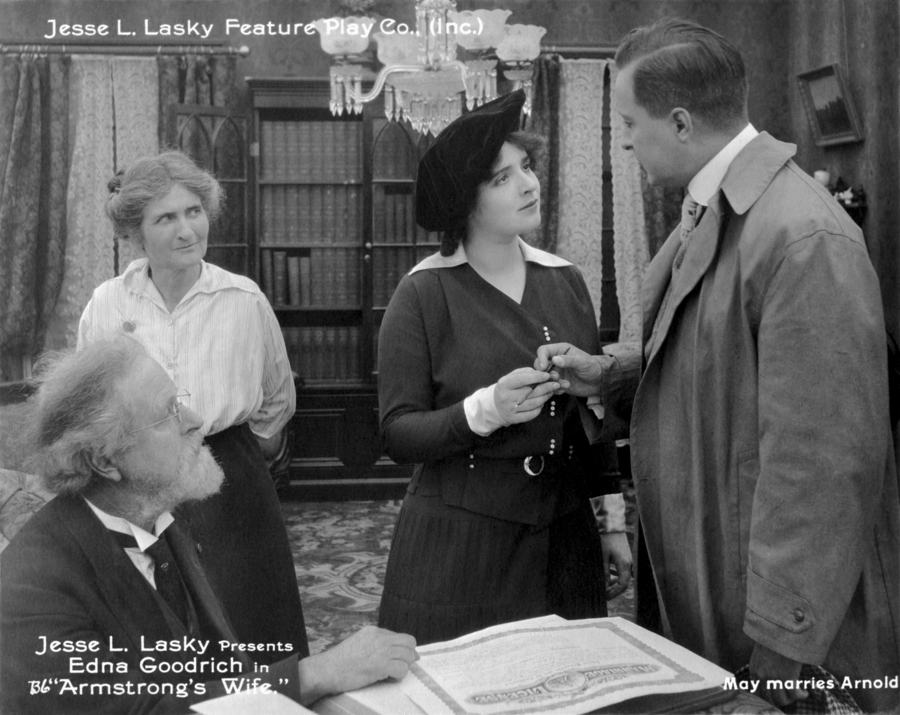
Dir: George Melford
Gambler Harvey Arnold is forced to leave San Francisco and winds up in a small country town that is in the midst of a reform movement. He marries local girl May Fielding, who has no idea of his profession. When she finds out, he promises to quit, but it turns out that his profession wasn't the only secret he was keeping from May.
View Details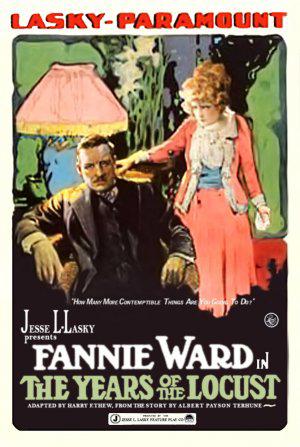
Dir: George Melford
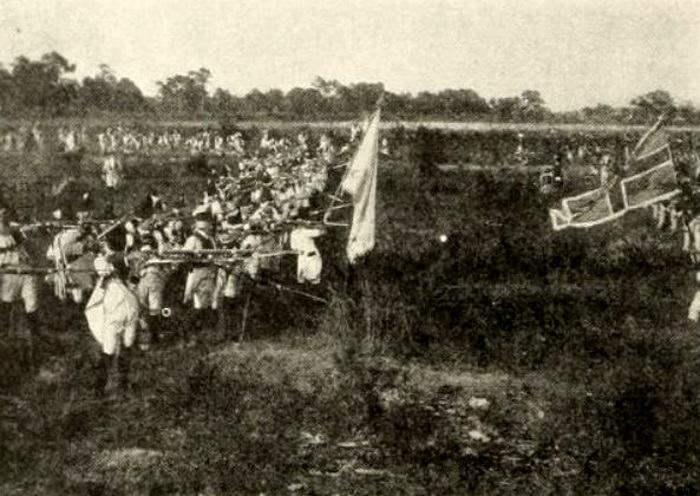
Despite her love for penniless Dirck Mead, Lorraine marries wealthy Aaron Roth to save her family from financial ruin. Roth is a swindler and when trying to escape the wrath of the law, he jumps from a ship and is declared dead. Mead, now a diamond magnate, finds Lorraine in New York, marries her and takes her to live in South Africa, where, as it happens, Roth, who survived his leap from the ship, is currently conducting his shady business. Roth discovers Lorraine's situation and threatens her with exposure, and Lorraine is about to leave Mead when she learns of Roth's plan to steal a valuable diamond that Mead is escorting to the city. Summoning help, Lorraine reaches Mead in time to thwart the robbery. Roth is killed in the fight, and Lorraine is spared the task of resolving her marital status.
View Details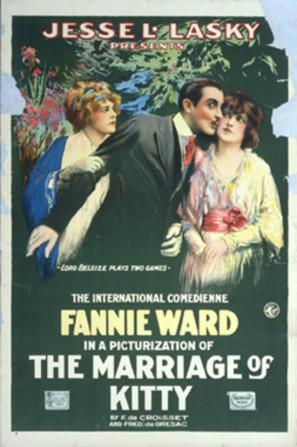
Dir: George Melford
For the first time in her life Katherine Silverton--Kitty to her friends--hesitated about spending carfare to ride six blocks to the law office of her godfather, John Travers. She was not used to walking and she didn't intend to start just because her money supply was short and she faced a future which threatened economy of the strictest sort. Kitty's father had died leaving her practically nothing. She sought the advice of Mr. Travers. At the moment she entered the outer office, Mr. Travers had a perplexing problem on his hands. He was attorney for a large estate, the heir to which, Lord Reginald Belsize, had that morning arrived in New York to claim his inheritance. Lord Reginald was young, good-looking and ambitious to marry Mme. Helen de Semiano. Mme. Helen saw a favored match in Lord Reginald, who was soon to be wealthy, and her young-spendthrift brother Jack Churchill encouraged the match. But certain provisions of the will perplexed Mr. Travers. They also perplexed Lord Reginald. It was stipulated that Lord Reginald was to marry within a year or lose his inheritance; it further was stipulated that he was not to marry an actress. Lord Reginald didn't see how it could be arranged as he had brought Mme. Helen and her brother to New York. Mr. Travers suggested that he marry someone else first, leave her after the wedding and in six months she will obtain a divorce on grounds of desertion, making you free to marry whom you please. Then Kitty entered the office. Kitty assented to the proposition readily. She had the promise of a large sum of money, a quick divorce, and a chance to look around the world. But Kitty was very attractive and pretty, and Lord Reginald said that if Mme. Helen, who had reluctantly agreed to the arrangement, should see such an attractive young woman, she would refuse her consent. But resourceful Kitty rearranged her hair, put on a gingham apron, rolled up her sleeves, and made herself into a most unpromising person. Mme. Helen passed approval, not knowing the hoax. The ceremony was quickly performed and Lord Reginald and his bride left to be gone for several months until Kitty had gained her divorce. Meanwhile the jealousy of Mme. Helen was discouraging Lord Reginald, so one day he went to Long Island where Kitty was living. Realizing her opportunity, Kitty did everything within her power to make him happy. When Mme. Helen arrived, having followed Lord Reginald, the latter told her the time had come for the parting of their ways. Kitty, he said, was the woman he loved, and Kitty admitted that she loved him.
View Details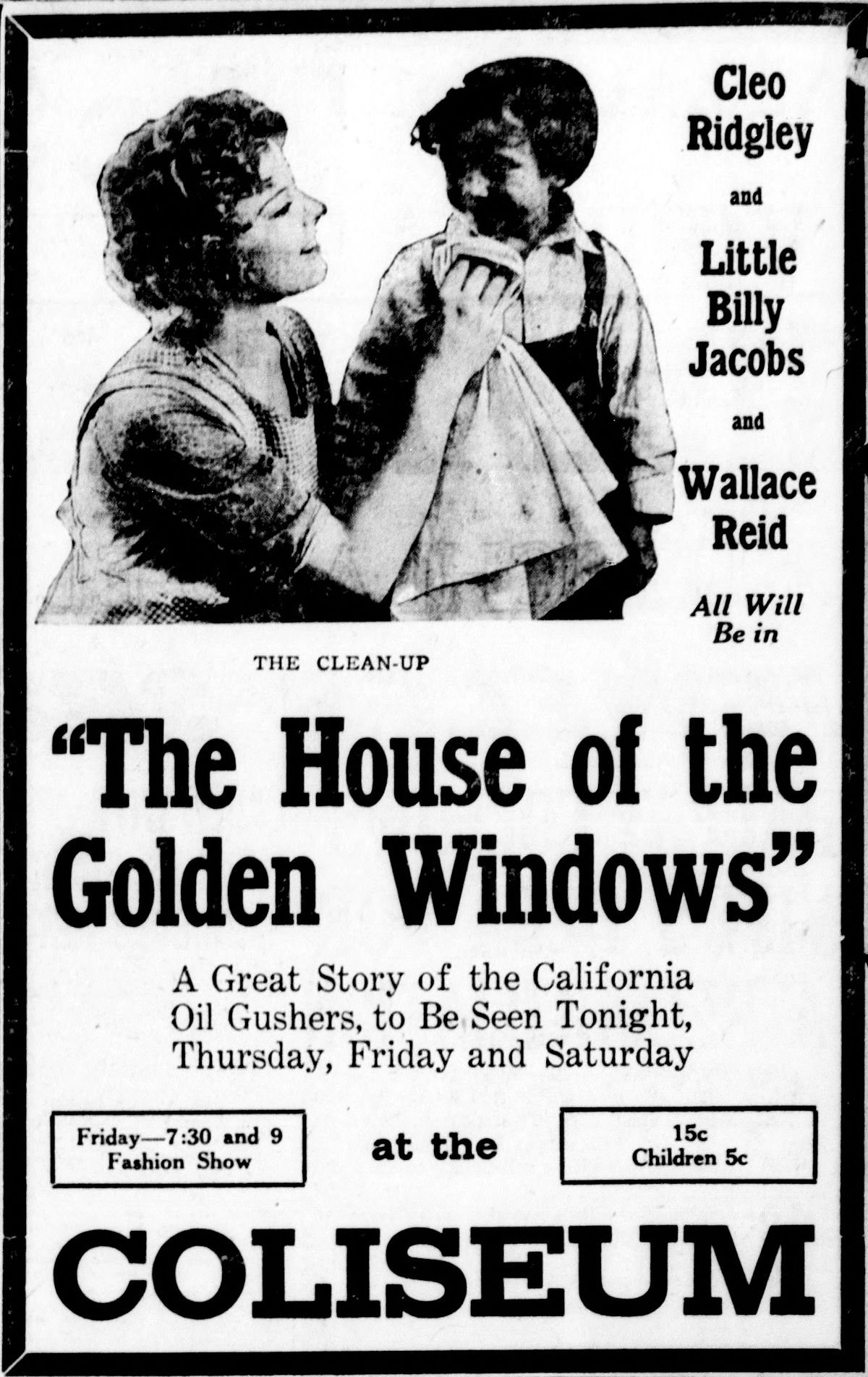
Dir: George Melford
Sue Wells husband Tom works as a shepherd, is sick of being poor, living in the shadow of Mr. and Mrs. James Peabody's opulent estate. When the Peabodys leave for a vacation, Sue and Tom carry out a check fraud scheme and take advantage of a loophole in the Peabody's lease, resulting in their becoming the owners of the estate. However, living in the mansion does little to make Sue happy, and when James returns and discovers what she and her husband have done, he kills Tom. He is about to murder Sue, too, when she wakes up, and realizes that her life as a wealthy landowner has been only a dream. James then enters, and announces that he has made Tom the estate manager, which forever ends Sue's financial worries.
View DetailsAnalysis relative to You Can't Fool Your Wife
| Film Title | Atmosphere | Complexity | Similarity |
|---|---|---|---|
| The Invisible Power | Gritty | Layered | 93% Match |
| A Gentleman of Leisure | Tense | Dense | 91% Match |
| The Explorer | Gritty | High | 97% Match |
| The Fighting Hope | Gothic | High | 85% Match |
| A Celebrated Case | Gritty | Layered | 94% Match |
This guide was algorithmically generated using the cinematic metadata of George Melford's archive. Last updated: 6/25/2026.
Back to You Can't Fool Your Wife Details →