
DbcultAccessing Vault...
Recommendations
Senior Film Conservator
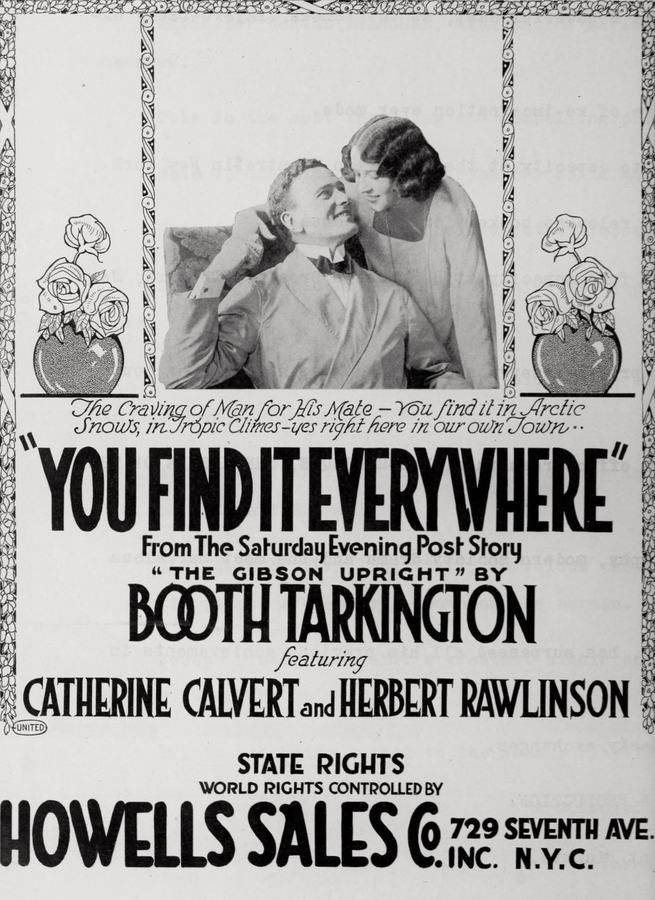
The cinematic DNA of You Find It Everywhere (1921) is truly one of a kind, the search for similar titles reveals the deep impact of Charles Horan's direction. Our cinematic experts have identified several titles that reflect the spirit of 1921.
As a pivotal work in United States cinema, You Find It Everywhere to capture the existential zeitgeist of 1921.
Andrew Gibson inherits problems when his father dies and leaves shares of his piano manufacturing business to his workmen. To add to his troubles, Andrew's girl, Nora Gorodna, is being pursued by José Ferra, one of the workmen; and Lila Normand, a society girl, tricks Andrew into proposing. José finds out about the proposal and informs Nora. Andrew tries to solve the factory difficulties by turning the plant over to the workmen. No longer having a job, Andrew is rejected by Lila, and Nora has accepted José. Andrew goes to the Maine woods for a rest, while José hires thugs and begins to destroy the factory. Andrew returns in time to head off José's plans and to convince Nora he loves her. She willingly forsakes José.
The influence of Charles Horan in You Find It Everywhere can be felt in the way modern Drama films handle thematic gravity. From the specific lighting choices to the pacing, this 1921 release set a high bar for atmospheric immersion.
Based on the unique thematic gravity of You Find It Everywhere, our vault has identified these titles as the most compelling follow-up experiences for fans of Drama cinema:
Dir: Bruno Ziener
A fascinating piece of cinema that shares thematic elements.
View Details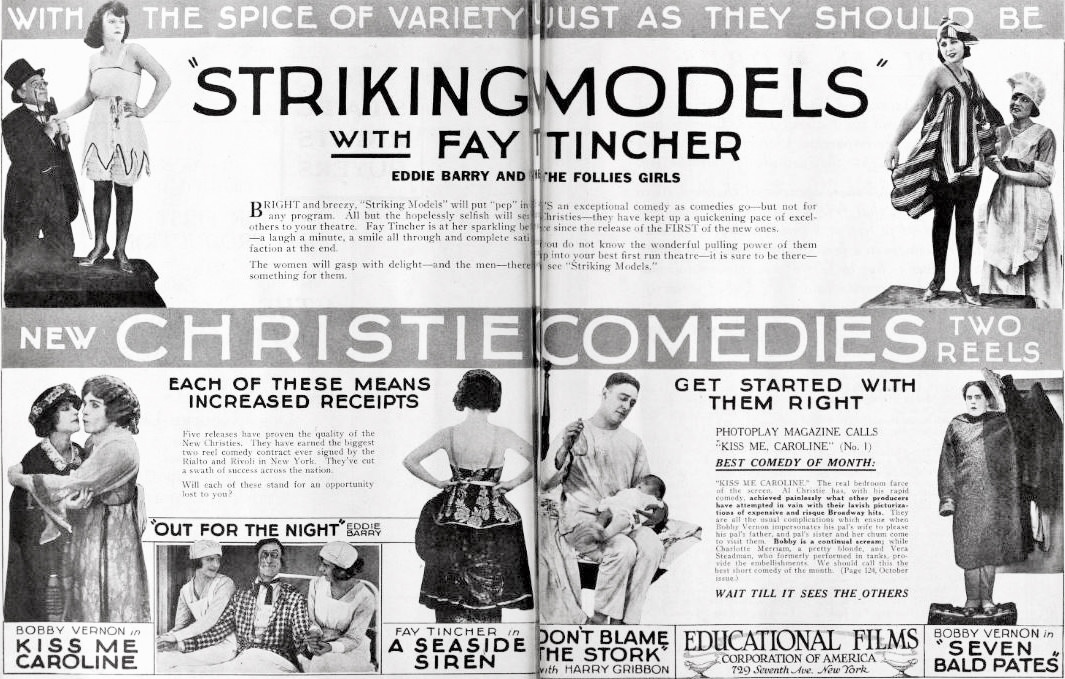
Dir: Reggie Morris
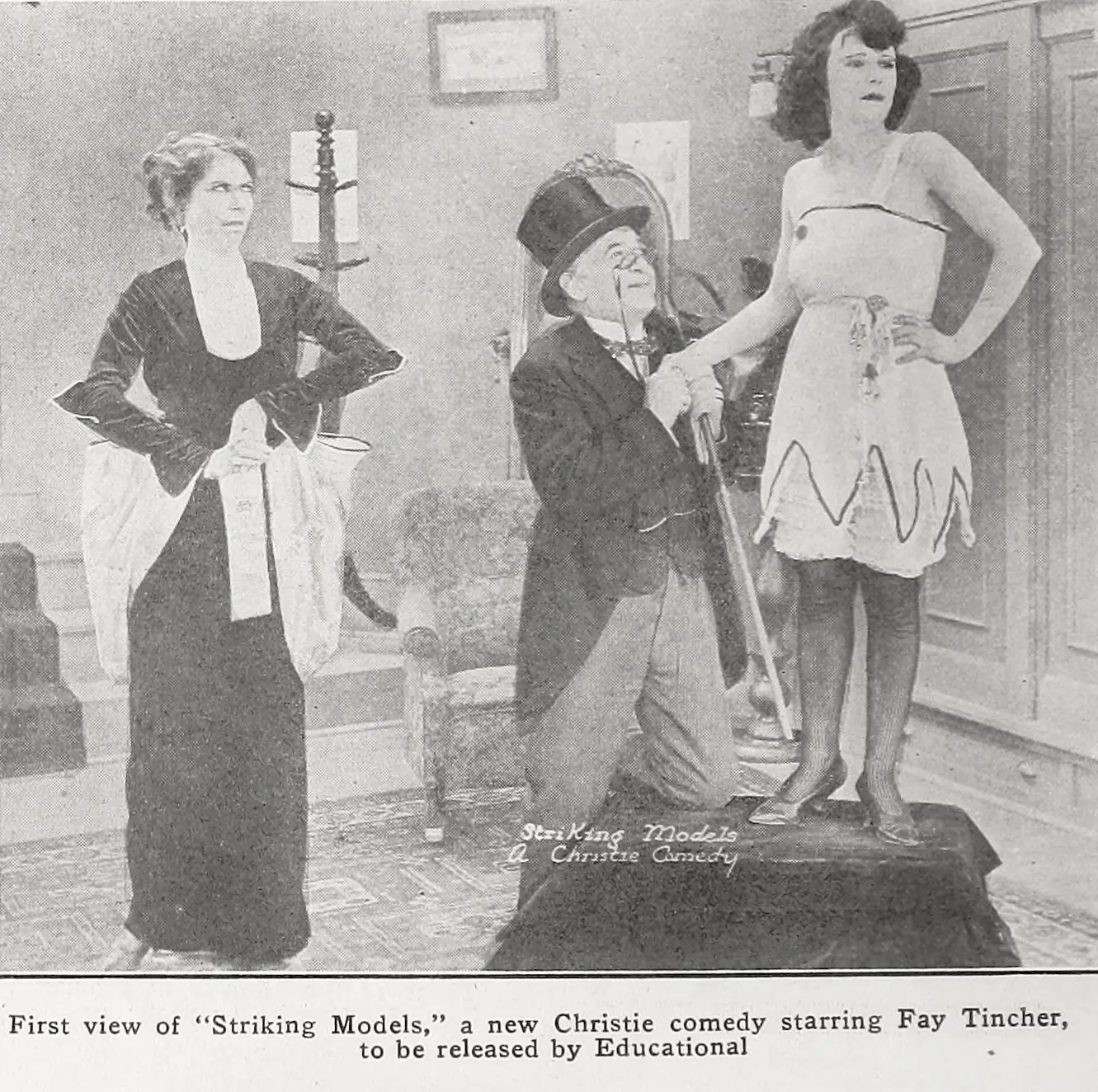
A fascinating piece of cinema that shares thematic elements.
View Details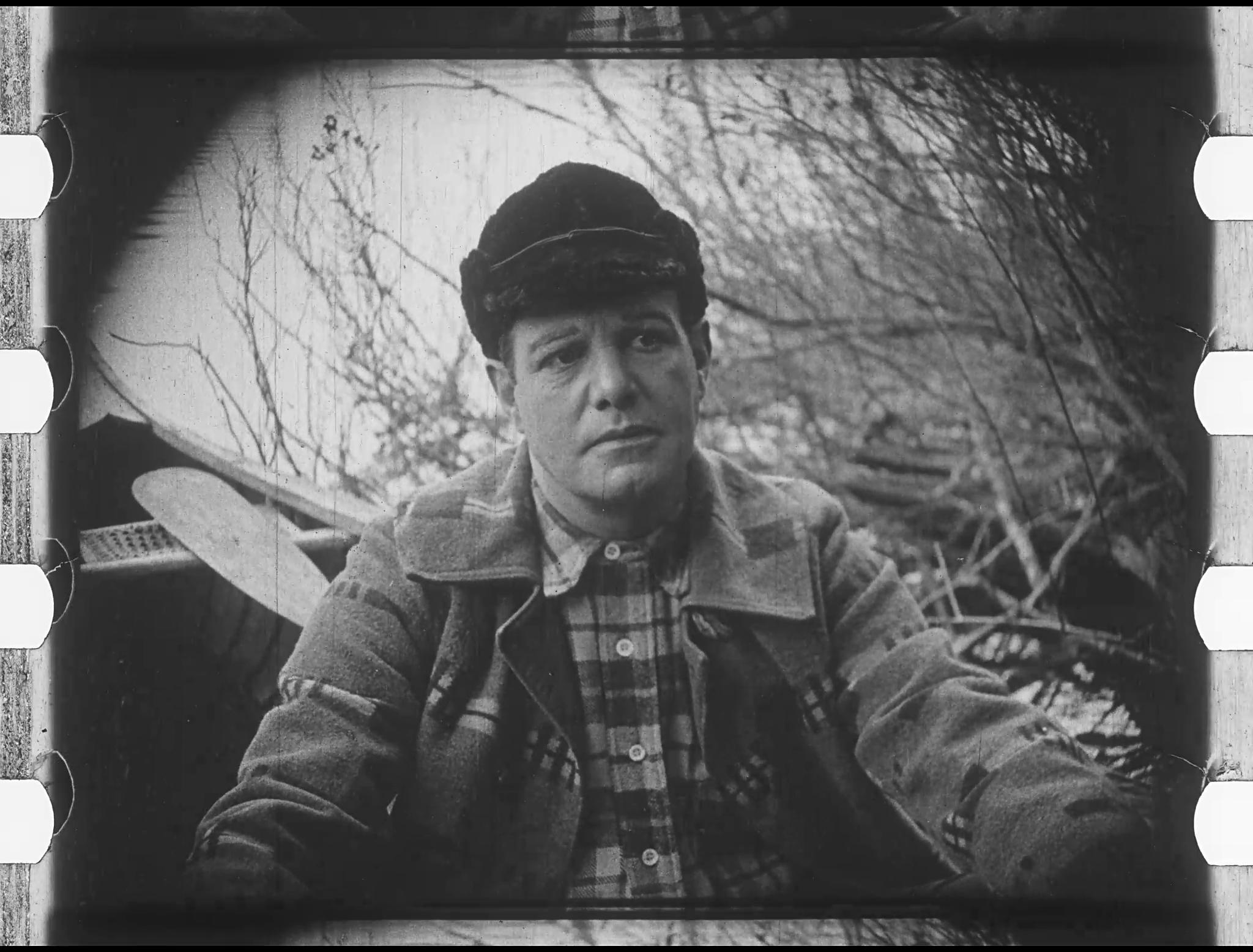
Dir: Edgar Jones
A mail-order bride arrives at a Maine lumber camp but doesn't like her prospective husband.
View Details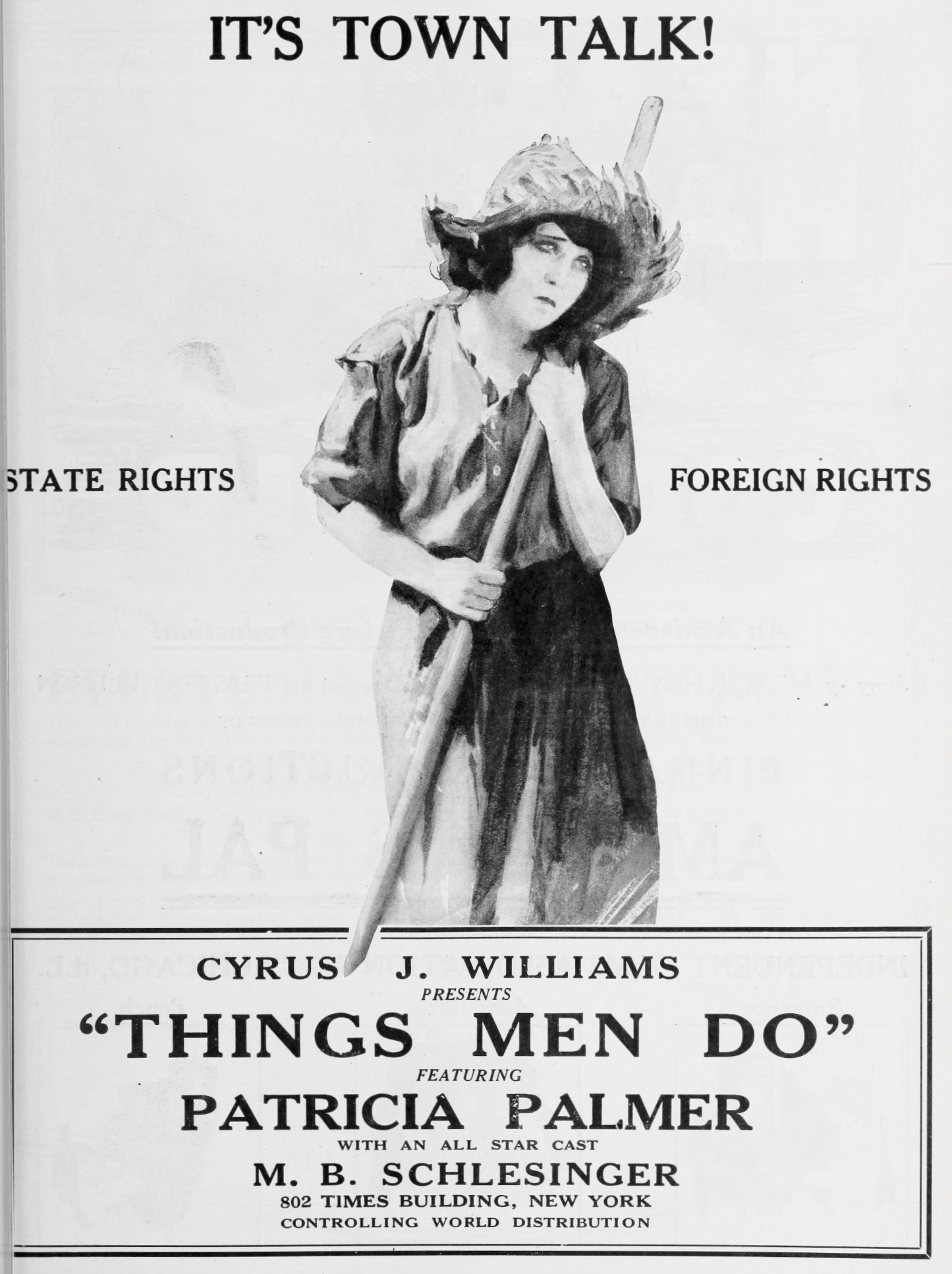
Dir: Robert N. Bradbury
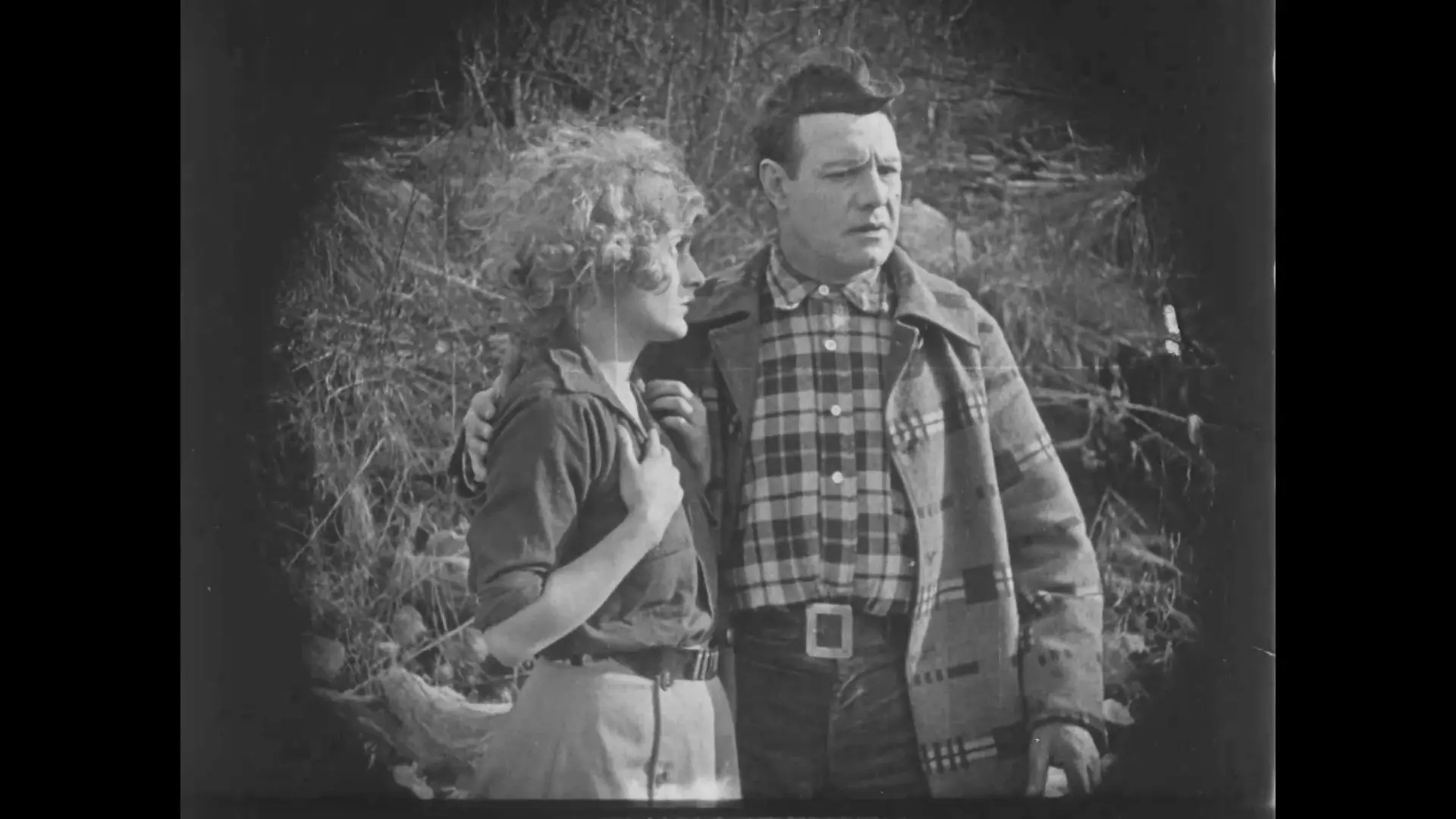
A simple country girl, brutally mistreated by her stepfather, awakens first the sympathy, then the love, of The Boy. The Spider, who lusts after The Girl, makes a bargain with the stepfather and takes her to the city where, kept prisoner, she is soon broken in health and spirit. Cast out and near death, she is taken in by The Boy. Following the demise of The Spider, The Boy takes her to church, where he prays, and after many hours she is restored to health.
View Details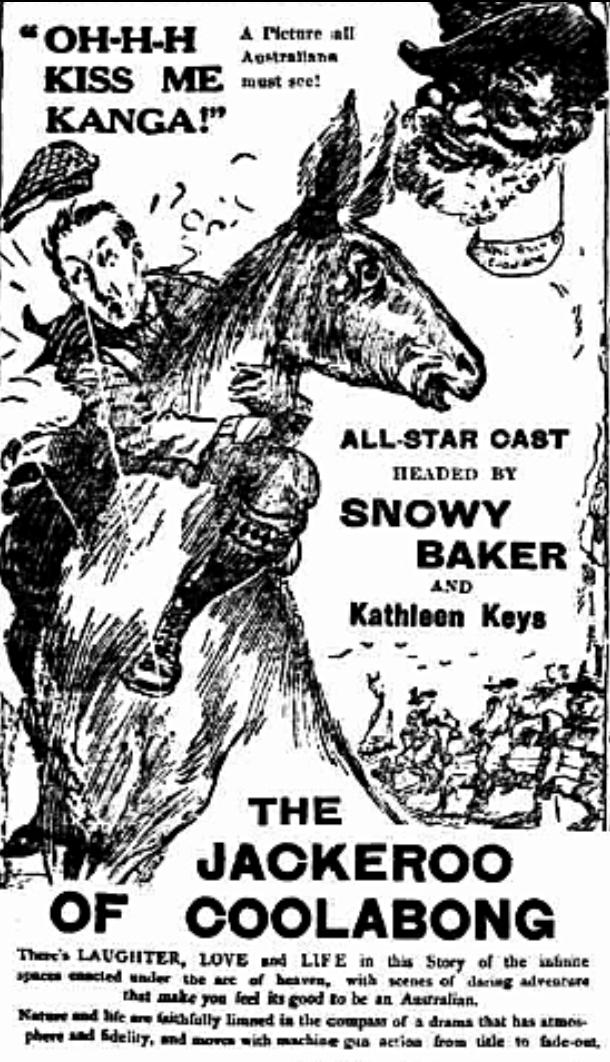
Dir: Wilfred Lucas
Brian O'Farrell (Snowy Baker), is an English 'new chum' who takes a job at an Australian cattle station. He is teased by station hands because of his appearance (including spats and a monocle) but he soon impresses them with his skills at riding and boxing. The station manager, John MacDonald (Wilfred Lucas), takes O'Farrell to Sydney to meet his daughter Edith (Kathleen Key) who is working in the slums. Edith is kidnapped by criminals after witnessing a crime but O'Farrell rescues her. It is later revealed he is the owner of the station.
View Details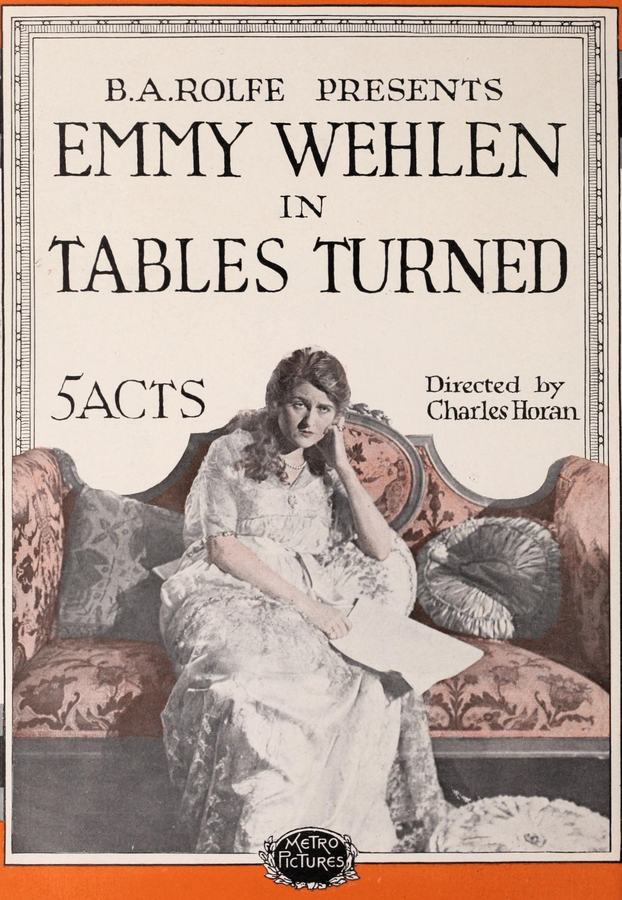
Dir: Charles Horan
Howard Sherbrooke, a wealthy senior at a law university, is infatuated with Ethel Stratton, a girl who is a favorite with the students. Dick Leslie, his chum, is also in love with her. Dick is from the west, working his way through college, and Howard has assisted him financially. Howard does not know of Dick's love for Ethel. After graduation, Howard, whose interest in Ethel has ripened into love, realizes that his family and social friends will not tolerate her as his wife. He plans a mock marriage, intending to take her to New York with him. He tells Dick of this proposed arrangement, and asks him to get someone to impersonate a minister for the ceremony. Dick veils his indignation, but agrees to carry out the plan. Instead, he engages a real minister, who marries Ethel and Howard. Dick goes west. The couple live happily in a Brooklyn flat for several months when Howard receives a letter from his father, stating that he is planning for his son to marry Beatrice Ford, daughter of his friend, Randolph Ford, a multi-millionaire. He adds that Mr. Ford intends making Howard head of the law department in his firm. Howard realizes he must break off his affair with Ethel. He tells her that he is not married to her, and that he must leave to marry a girl of his own caste. Broken hearted, Ethel informs him she is soon to become a mother. Howard blames the mock marriage on Dick, and leaves. Ethel writes a scathing letter to Dick. Dick hurries east and finds the minister who performed the ceremony. It is the morning of the Sherbrooke-Ford wedding. Ethel goes to the church, and as she starts to denounce her husband during the ceremony, falls in a swoon and is carried into the vestry. Dick and the minister arrive at the church, but the guests are leaving. Ethel comes out of the church alone and meets Dick, who tells her she is really married to Howard. Accompanied by the minister they hurry to the Ford home, where they convince Mr. Ford his son is a bigamist. Mr. Ford, in a rage, declares he will send his son to prison. Horrified at the prospect of a prison term and the attending disgrace, Howard goes into the library where a flash from a pistol shot records his unhappy end. A few months later Ethel and Dick are married.
View Details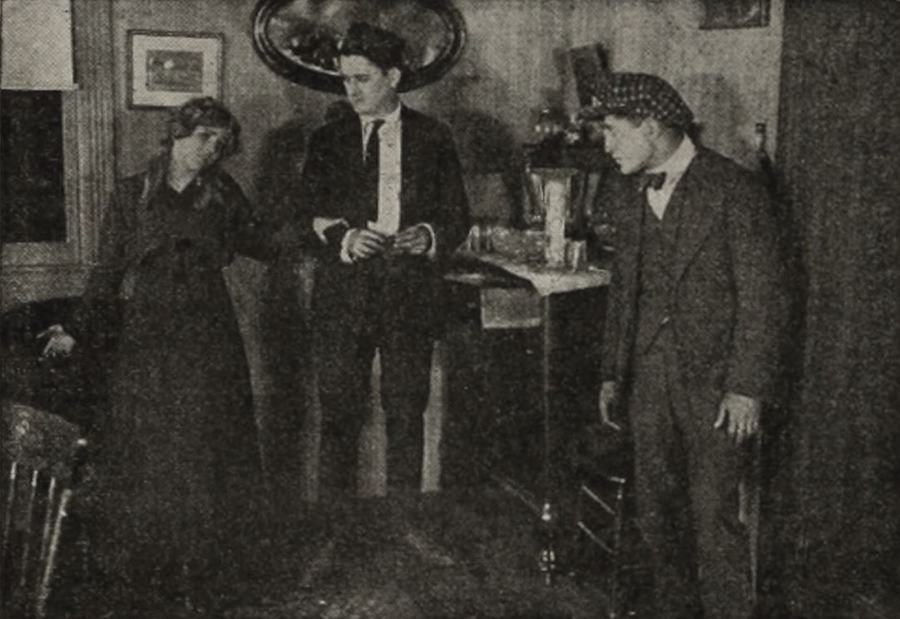
Dir: Charles Horan
When Tom Drogan drunken, wild ways, cause his mother's death, his sister Nell swears to protect and reform him. On the pretext of paying back a gambling debt, Tom brings "Kid" Hogan to the house, but ends up shooting him in the forearm. Dan Hogan, Kid's brother who is a policeman, rushes to the scene and catches Tom running away. To avoid arrest, Tom tells Dan that he fired at Kid for molesting Nell, and in the face of scandal, Dan and Kid back down. As revenge, Kid enlists Mamie, his girlfriend, to force Nell into a compromising situation with a man on a street corner. Conveniently placed, Dan arrests Nell for solicitation, but Frank Roberts, her boyfriend, arrives and extricates her. When Tom hears of the plot, he confronts Kid in a dance hall and soon a raging gun battle breaks out in which Kid is killed. Badly wounded, Tom seeks refuge with Nell, who prepares to protect him with his gun. As the police break down her door, Tom dies.
View Details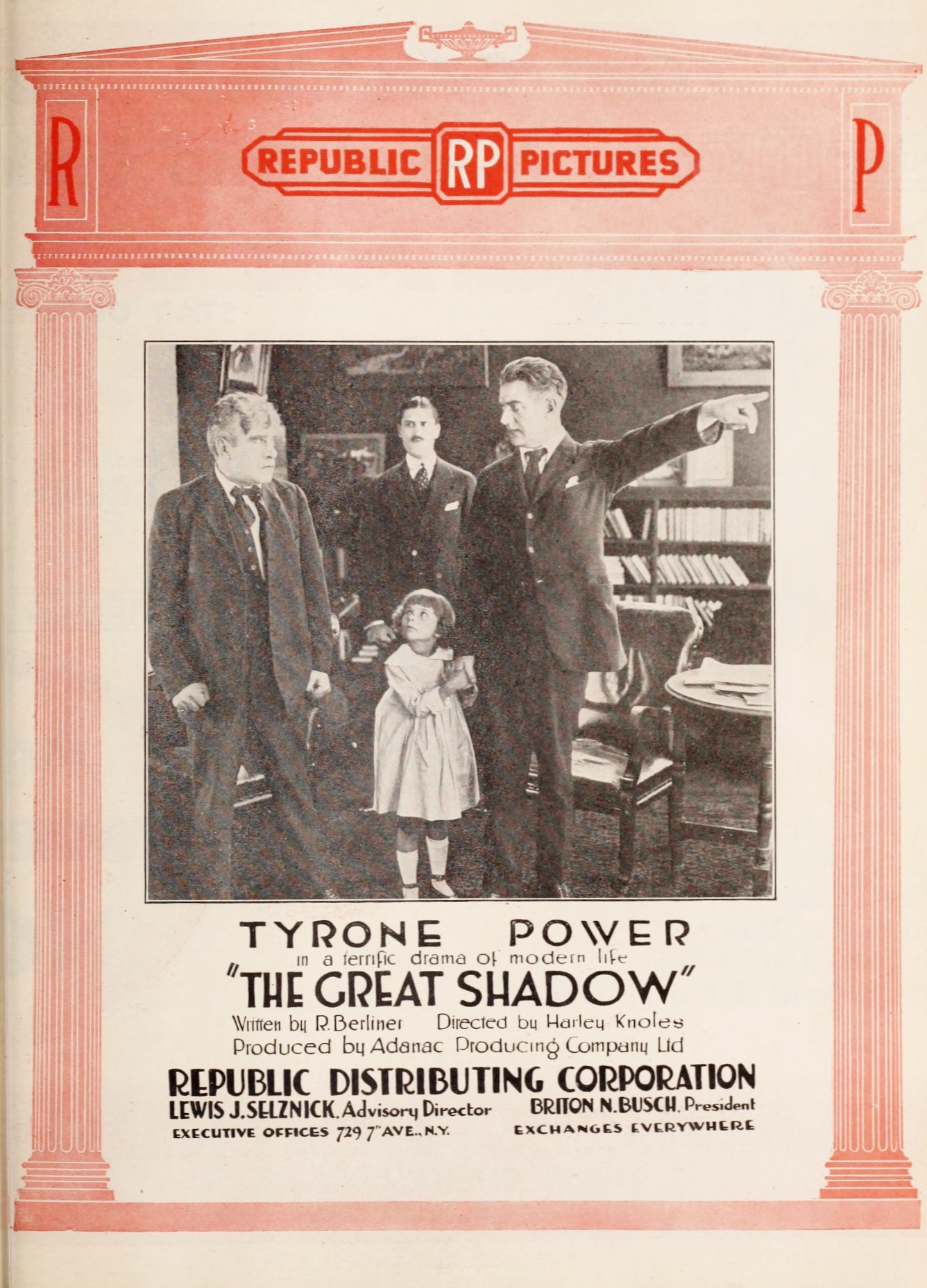
Dir: Harley Knoles
Jim McDonald, the foreman of a shipbuilding plant and head of the labor union, strives to combat the anarchistic propaganda being put forth by Klimoff, the leader of a Bolshevik gang whose goal is to disrupt the country with strikes and anarchy. Despite McDonald's efforts, a strike is called, resulting in chaos. McDonald's child is knocked down by runaway horses abandoned by their striking driver, and dies. Mob scenes take place in America, as well as in Russia. Eventually, the unrest is quelled with an armistice called between Capital and Labor for a year, during which time wages are to be increased to reflect the cost of living, and leaders are to work out a common plan for their mutual advantage. The strikers now realize that they have been pawns of the Bolsheviks and call off the strike, agreeing to the plan.
View Details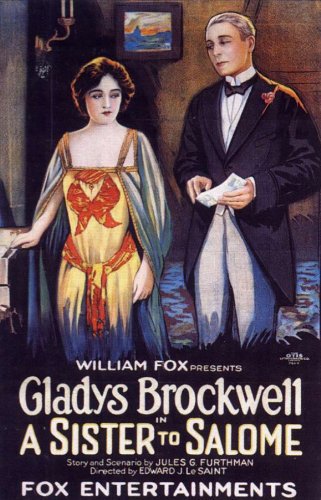
Dir: Edward LeSaint
When famous opera singer Elinore Duane undergoes an operation on her throat, she has a series of ether-induced visions. In one, she is transported to ancient Rome where she appears as a much-admired woman in love with Paul, a young heretic, and at odds with Lutor, the high priest. To save her love, she poisons Lutor with her ring. After several other visions which involve variations on this love triangle, Elinore awakens to discover that Lutor is actually her doctor, Sascha Jaccard, and that Paul is the son of a friend who has come to visit the recovering prima donna.
View Details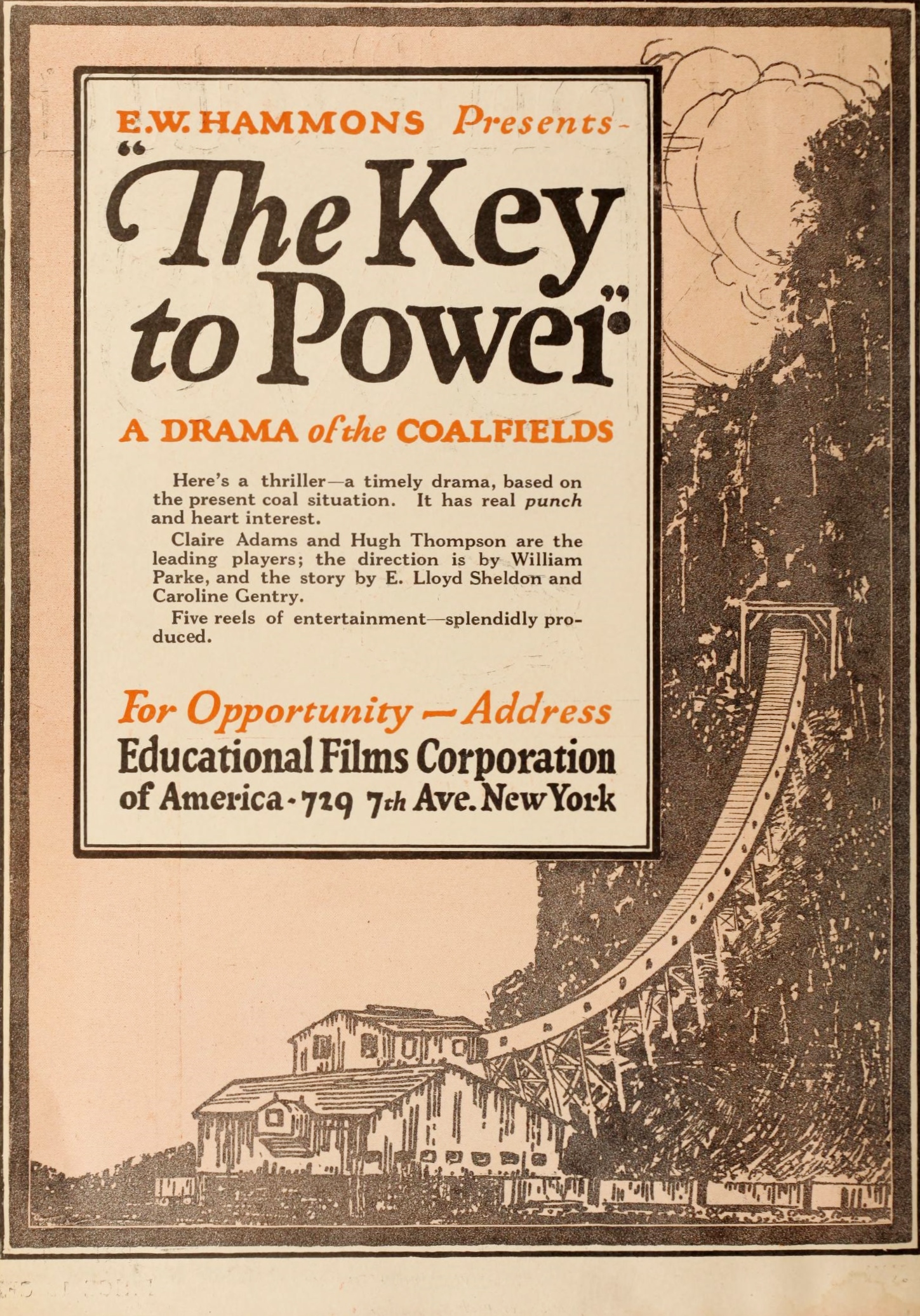
Dir: William Parke
Bruce Wendell, the son of West Virginia coal mine owner James Wendell, graduates from West Point and prepares to lead a fighting unit to the front during World War I. As his father lies dying, however, he convinces Bruce to remain at home and guard the mine. Bruce's fiancée Ann Blair assumes that he is a coward and breaks off their engagement, but her brother Bobbie remains Bruce's loyal friend. Meyer, a German agent, persuades railroad president Parrish to refuse to transport Wendell's coal, but when Bruce adamantly refuses to close the mine, the spy's men decide to blow it up. While Ann is being abducted by Meyer, Bobbie is buried in an explosion at the mine. Bruce rescues Bobbie and then sends a plea to Lieutenant Parrish to rescue Ann. Meyer and his gang are captured and Ann renews her vow of love to Bruce.
View DetailsAnalysis relative to You Find It Everywhere
| Film Title | Atmosphere | Complexity | Similarity |
|---|---|---|---|
| Eva, wo bist du? | Gothic | Dense | 86% Match |
| Striking Models | Tense | High | 96% Match |
| In the River | Gritty | High | 92% Match |
| Into the Light | Gothic | Abstract | 89% Match |
| The Jackeroo of Coolabong | Ethereal | High | 85% Match |
This guide was algorithmically generated using the cinematic metadata of Charles Horan's archive. Last updated: 6/25/2026.
Back to You Find It Everywhere Details →