
Cult Cinema
Beyond the Midnight Screen: The Primal Architecture of Cult Cinema's Forgotten Outlaws
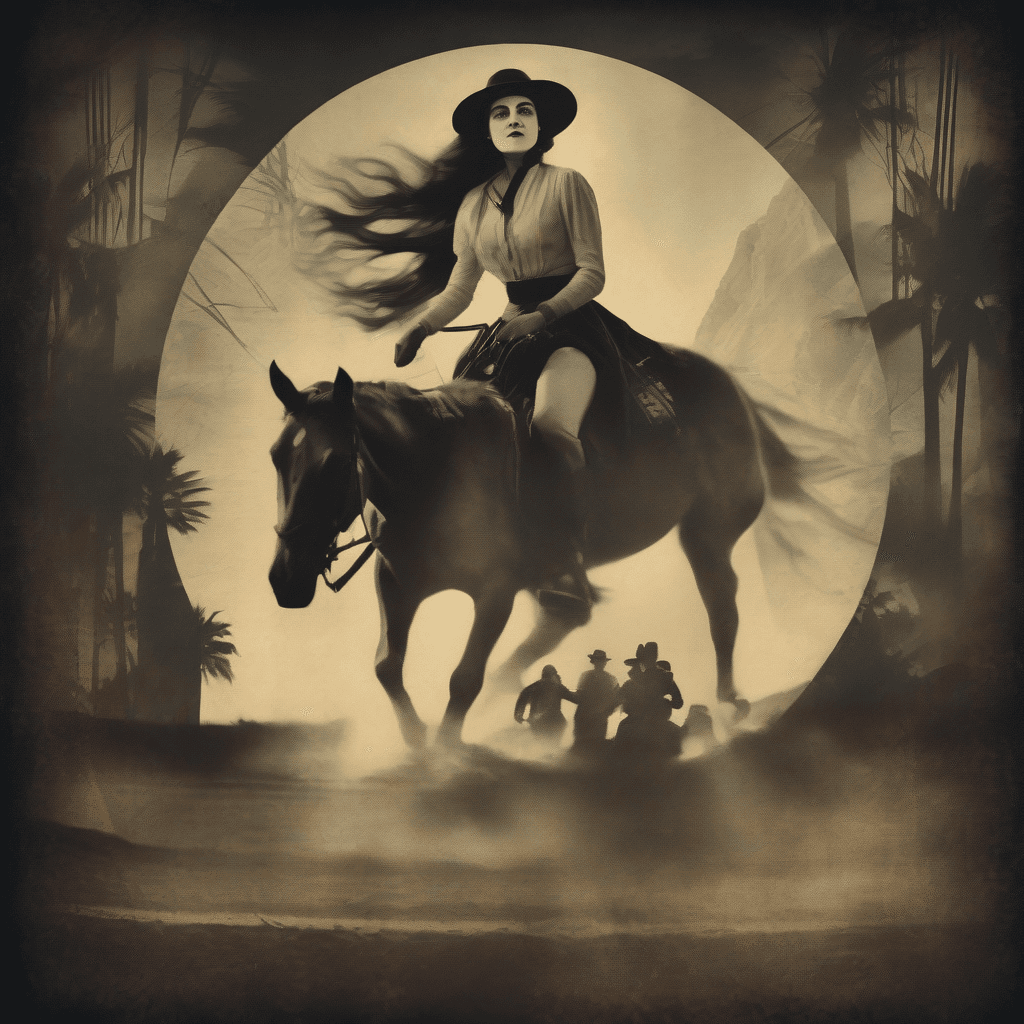
“Discover how the silent era's transgressive narratives and genre-bending experiments laid the foundational DNA for modern cult cinema obsession.”
The history of cult cinema is often told through the lens of the 1970s midnight movie circuit—a neon-soaked era of Rocky Horror and Pink Flamingos. However, to truly understand the magnetic pull of the unconventional, one must descend deeper into the celluloid strata. Long before the term 'cult film' was coined, the early 20th century was already producing a breed of cinematic anomalies that defied the burgeoning hegemony of Hollywood’s moral and narrative codes. These films, often relegated to the fringes of history, served as the primal architecture for what we now recognize as the cult aesthetic.
The Outlaw Archetype and the Birth of the 'Good-Bad' Protagonist
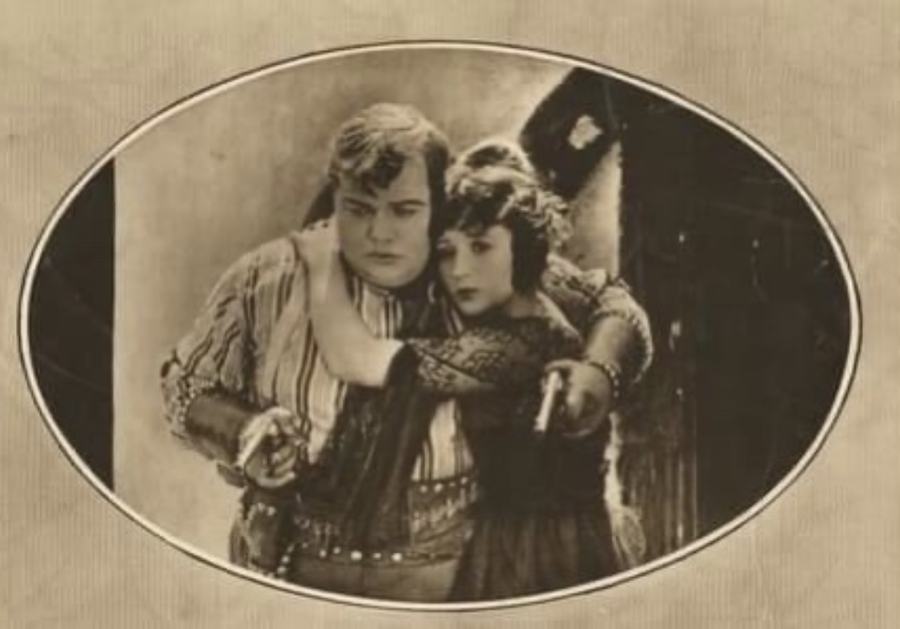
In the formative years of the 1910s and 20s, the concept of the 'outlaw' was not merely a plot device; it was a subversive challenge to the Victorian sensibilities that still gripped much of the public imagination. Take, for instance, the 1919 film Bull Arizona - The Legacy of the Prairie (Das Vermachtnis der Prarie). This German-produced Western introduced an outlaw with a 'golden heart,' a trope that would eventually evolve into the complex anti-heroes of modern cult classics. By centering a narrative on a bank-specialized criminal, the film invited the audience to align their sympathies with a social deviant—a hallmark of the cult experience.
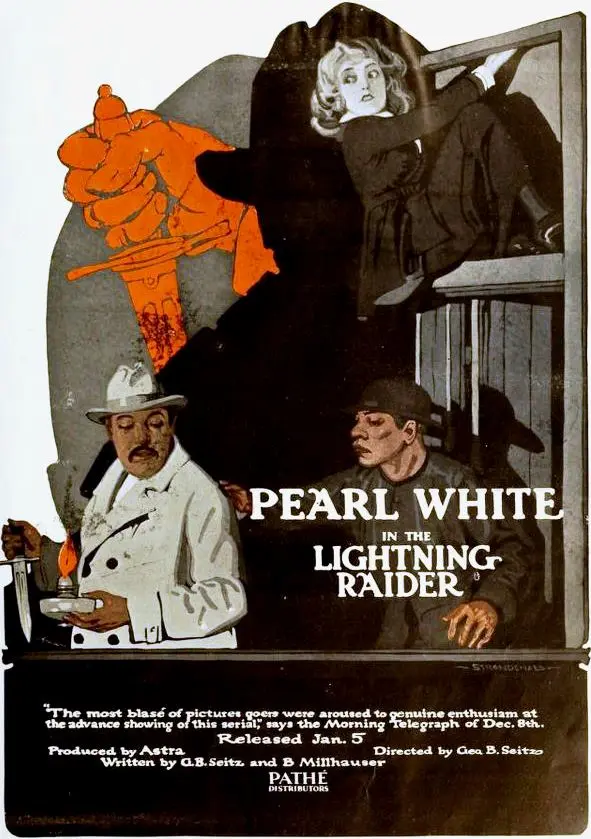
Similarly, The Lightning Raider (1919) showcased a daring master thief as its protagonist. In an era where cinema was expected to be a tool for moral instruction, these films functioned as radical disruptions. They didn't just tell stories; they offered a sanctuary for the rebellious spirit. The cult film, at its core, is a celebration of the outsider, and the silent era provided a fertile ground for these characters to take root. Whether it was the misunderstood cowardice in The Sheriff's Son or the redemption of a gang leader in Martin Eden, these narratives focused on the friction between the individual and the societal machine.
Theda Bara and the Cult of the Femme Fatale
No discussion of early cult icons is complete without the 'Vamp.' Theda Bara’s performance in The She Devil (1918) remains a masterclass in the construction of the exotic other. Playing Lolette, a spirited peasant girl who manipulates bandits and swains alike, Bara embodied a form of female agency that was both terrifying and intoxicating to contemporary audiences. This brand of 'transgressive femininity' created a proto-fandom—a group of devotees who were drawn to the dark, the mysterious, and the forbidden. The cult of personality surrounding Bara was perhaps the first true instance of a niche obsession that bypassed traditional critical approval.
Visual Anarchy: The Surreal and the Absurd
Cult cinema is frequently defined by its visual idiosyncrasies—moments where the medium itself seems to break. In the 1921 short Modeling, we see an early example of meta-narrative experimentation. The interaction between the animated clown and the live-action cartoonist predates the reality-bending antics of later cult favorites like Who Framed Roger Rabbit or the works of Jan Švankmajer. This willingness to play with the boundaries of the frame is what gives cult films their enduring power; they remind us that cinema is a construct, a dream made manifest.
This dream-logic is pushed even further in Call a Taxi (1920). The premise—two men falling asleep on a curb and dreaming of a land without wives—utilizes the surrealist impulse to comment on social anxieties. While ostensibly a comedy, the film’s descent into a bizzare, logic-defying landscape mirrors the 'midnight' sensibility of later decades. It suggests that the world we inhabit is merely a thin veneer over a much stranger, more chaotic reality. This thematic thread runs through the heart of cult cinema, from the silent era to the present day.
The Horror of the Industrial Labyrinth
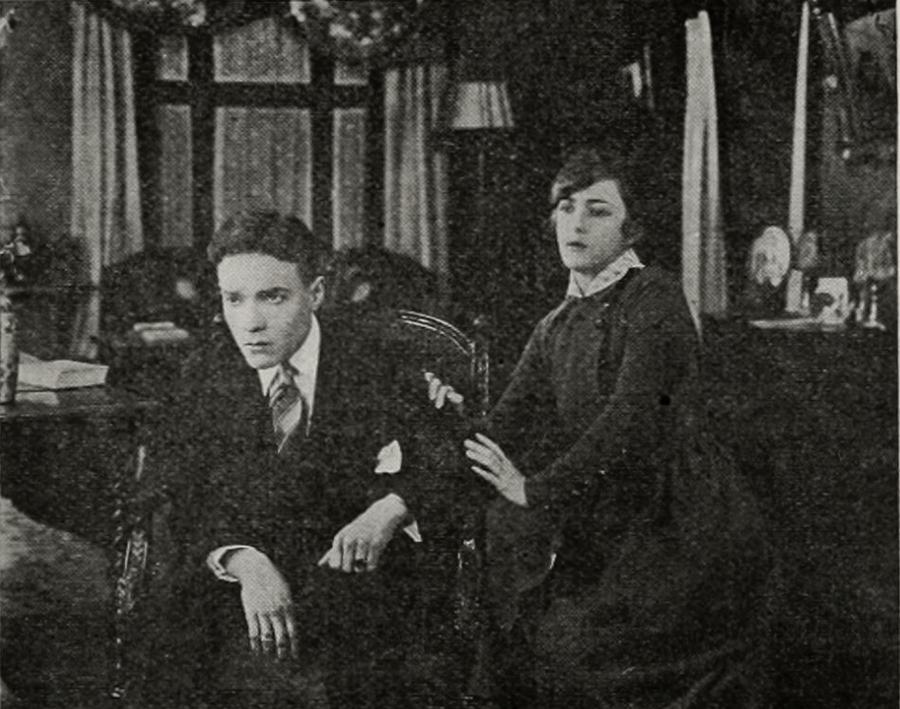
In Labyrinth of Horror (1921), the 'cult' element emerges from the intersection of class struggle and genre-bending. The film juxtaposes the sterile world of industrialists with a darker, more visceral human experience. It uses the visual language of horror to articulate the existential dread of the modern age. This is where cult cinema finds its social utility: it acts as a pressure valve for the collective subconscious, articulating fears that the mainstream often ignores. The 'labyrinth' is not just a physical space; it is a psychological one, inhabited by the 'misfits' and 'modest employees' who find themselves trapped by the machinations of the powerful.
Identity and the 'Other': Breaking the Social Contract
The most potent cult films are those that challenge our understanding of identity. The Young Rajah (1922), starring the legendary Rudolph Valentino, is a fascinating artifact of cultural displacement. By casting Valentino—himself an immigrant and a figure of intense niche devotion—as an Indian prince raised in the American South, the film tapped into a sense of 'otherness' that resonated deeply with marginalized audiences. It was a narrative of hidden royalty and stolen thrones, a fantasy of self-actualization that bypassed the mundane realities of the 1920s.
Even more transgressive for its time was The Bronze Bride (1917). The story of a white fur-trapper marrying an Indian maiden and the subsequent societal disapproval was a direct confrontation with the racial taboos of the era. Cult cinema has always been a space where these difficult conversations can occur, often shielded by the artifice of genre. These films didn't just entertain; they forced the viewer to confront the 'unseen' and the 'unspoken.' When we look at the enduring legacy of films like A Modern Magdalen or The Market of Souls, we see a consistent interest in the lives of those who have been cast out by 'polite' society.
The Mechanics of Obsession: From Serials to Sacred Reels
The rise of the serial, such as The Evil Eye (1920), introduced a new type of cinematic engagement: the recurring ritual. Audiences would return week after week, creating a community of viewers who shared a specific, localized knowledge of the plot’s twists and turns. This 'seriality' is the ancestor of the modern fandom. It transformed the act of watching a movie from a passive experience into an active participation in a larger mythos. Whether it was following the adventures of Willy Reilly and His Colleen Bawn or the tragic melodrama of The Stolen Paradise, the early audience was learning how to become 'fans'—a term derived from 'fanatic.'
The Aesthetic of the Forgotten: Why Obscurity Fuels Cult Status
One of the most intriguing aspects of cult cinema is the role of scarcity and loss. Many of the films from this period, like Flimmersterne or Drei Nächte, exist only in fragments or within the footnotes of film history. This 'ghostly' presence adds a layer of mystique to the works. To be a cult film enthusiast is often to be an amateur archaeologist, piecing together the narrative of a lost masterpiece. The Agonies of Agnes, with its bizarre description of a 'tiny tot' weighing two hundred pounds and a fondness for mixed ale, sounds like a fever dream of transgressive comedy. Its very obscurity makes it more alluring, a secret shared only by those willing to dig through the archives.
This allure of the hidden is evident in the fascination with films like The White Pearl or The Princess of New York. These are stories of stowed-away lovers and pawned gems—melodramas that pushed the limits of the 'acceptable' narrative. They represent a time when the rules of cinema were still being written, and the experimental spirit was not yet stifled by the demands of the global box office. The cult film is, in many ways, a preservation of this experimental spirit.
Preserving the Maverick Spirit
As we move further into the digital age, the importance of these early 'misfit' films only grows. They remind us that cinema has always been a medium of radical possibilities. From the social critique of The Barricade to the intense personal dramas of Shattered Idols and The Galley Slave, the silent era was a laboratory for the human condition. These films explored the depths of despair, the heights of ecstasy, and the messy, complicated middle ground where most of us actually live.
Conclusion: The Eternal Return of the Cult
Cult cinema is not a genre; it is a relationship. It is the bond between an unconventional vision and an audience that recognizes itself in that vision. By looking back at the silent era's renegades—the thieves, the dreamers, the vamps, and the outcasts—we see the origin of this bond. Films like The She Devil and Bull Arizona were not just products of their time; they were the first sparks of a fire that continues to burn in the hearts of film lovers everywhere.
The next time you find yourself at a midnight screening or diving into a niche streaming category, remember the pioneers of the fringe. Remember the sailors of The Way of a Woman and the orphans of Jackie. They are the reason we still search for the strange, the beautiful, and the beautifully strange. The primal pulse of cult cinema is still beating, a rhythmic reminder that as long as there are stories that defy the norm, there will be a tribe of devotees ready to call them home. The maverick soul of cinema is eternal, and it is found in the shadows, waiting to be rediscovered by the next generation of seekers.
Community
Comments
Log in to comment.
Loading comments…