
DbcultAccessing Vault...
Director's Spotlight
Senior Film Conservator
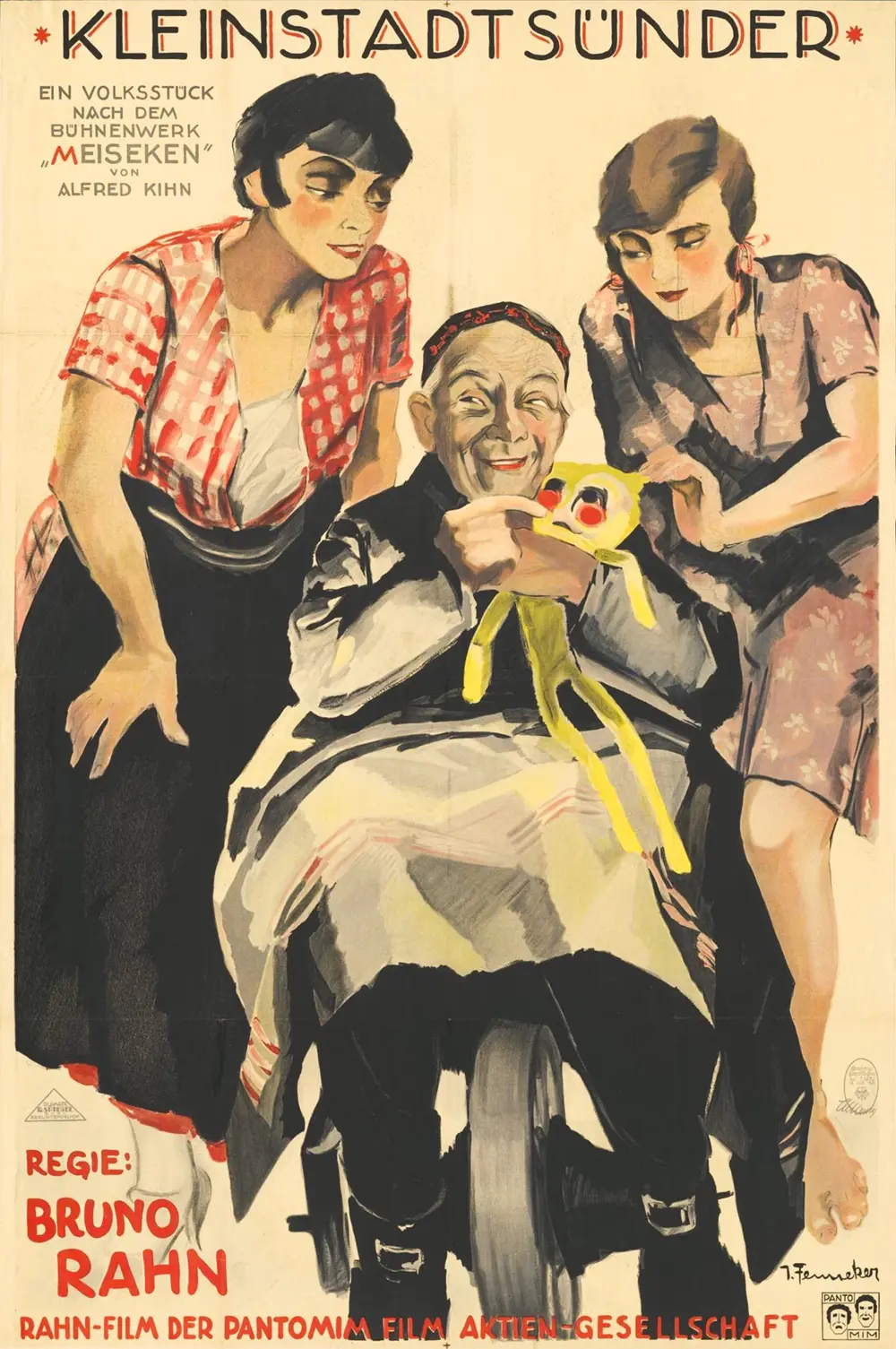
Director's Spotlight: Germany
A Deep Dive into the 1927 Vision of Bruno Rahn
The brilliance of Small Town Sinners (1927) is inseparable from the visionary mind of its creator, Bruno Rahn. Serving as a mirror to the anxieties of a changing world, it persists as a haunting reminder of our own cinematic history.
In Small Town Sinners, Bruno Rahn pushes the boundaries of conventional narrative. The film's unique approach to its subject matter has sparked endless debates and interpretations among cinephiles and critics alike.
While deeply rooted in Germany, Small Town Sinners has achieved a global reach, influencing directors from various backgrounds. Its ability to translate Drama tropes into a universal cinematic language is why it remains a cult staple decades after its 1927 release.
| Cinematography | Static |
| Soundtrack | Minimalist |
| Editing | Slow-Burn |
| Art Direction | Brutalist |
Visualizing the convergence of Bruno Rahn's style and the core Drama narrative.
Even though Grandad died years ago, the innkeeper continues to draw his pension. In order to keep the scam going they to find a substitute for Grandad. The snooping insurance agent and the innkeeper's wife fall in love and elope to Berlin.
Decades after its release, Small Town Sinners remains a vital piece of the cinematic puzzle. Its influence can be seen in countless modern works, solidifying Bruno Rahn's status as a master of the craft in Germany and beyond.