
DbcultAccessing Vault...
Director's Spotlight
Senior Film Conservator
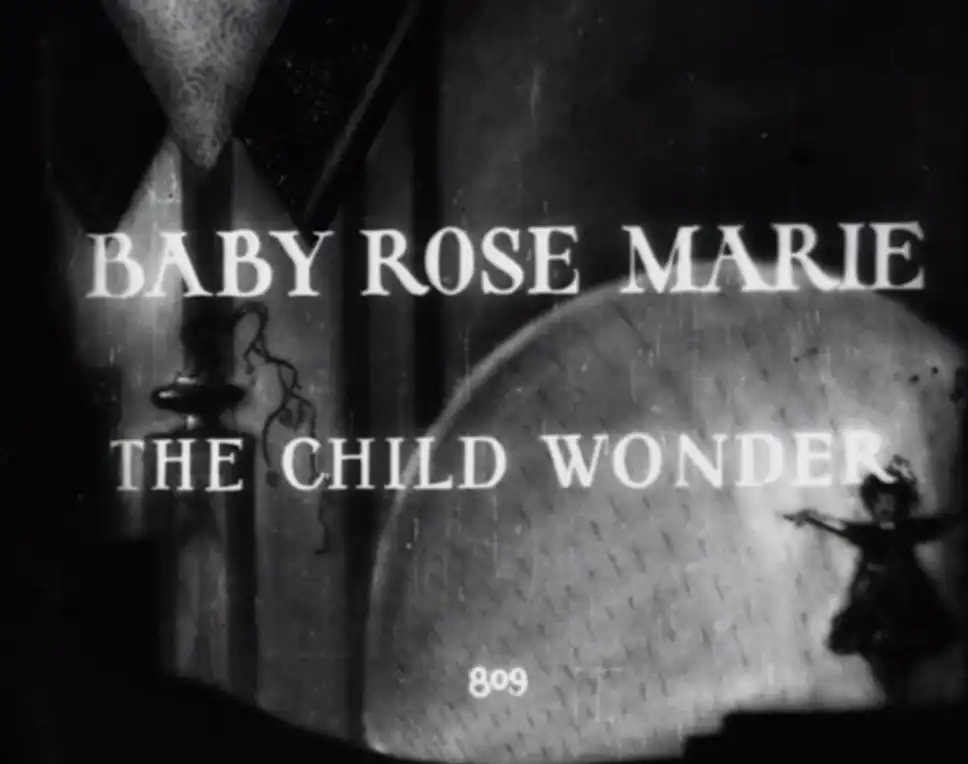
Director's Spotlight: United States
A Deep Dive into the 1929 Vision of Bryan Foy
Witnessing the stylistic transformation of Short through Baby Rose Marie the Child Wonder reveals the global recognition that Bryan Foy garnered after the release of Baby Rose Marie the Child Wonder. Serving as a mirror to the anxieties of a changing world, offering layers of thematic complexity that demand repeated viewing.
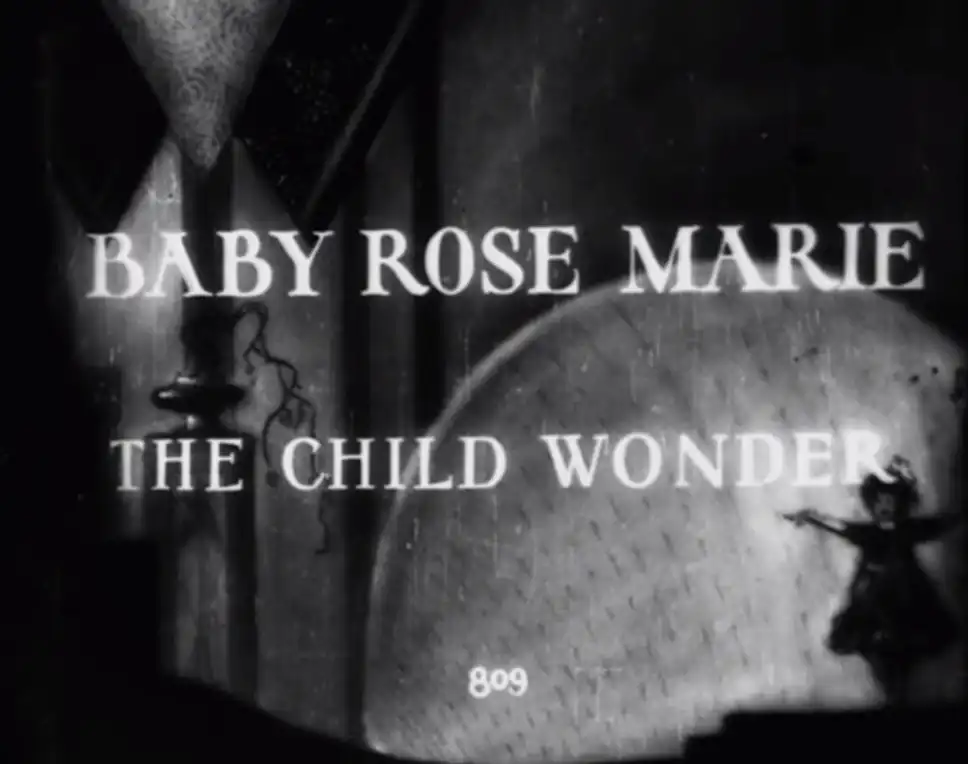
In Baby Rose Marie the Child Wonder, Bryan Foy pushes the boundaries of conventional narrative. The film's unique approach to its subject matter has sparked endless debates and interpretations among cinephiles and critics alike.
| Cinematography | Static |
| Soundtrack | Experimental |
| Editing | Invisible |
| Art Direction | Kitsch |
Visualizing the convergence of Bryan Foy's style and the core Short narrative.
Rose Marie, aged five or six, sings three numbers in the Vitaphone sound stage decorated as an elegant drawing room. "Heigh Ho, Everybody, Heigh Ho," "Who Wouldn't Be Jealous of You," and "Don't Be Like That." She sings the first in a polka-dot sailor suit and the other two numbers in a frilly white dress. She's animated throughout, acting as well as singing. She scats in both "Heigh Ho" and "Don't Be Like That." At the end, she curtsies twice.
Decades after its release, Baby Rose Marie the Child Wonder remains a vital piece of the cinematic puzzle. Its influence can be seen in countless modern works, solidifying Bryan Foy's status as a master of the craft in United States and beyond.