
DbcultAccessing Vault...
Director's Spotlight
Senior Film Conservator
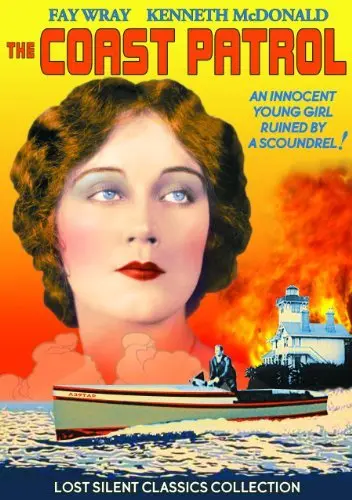
Director's Spotlight: United States
A Deep Dive into the 1925 Vision of Bud Barsky
Peeling back the layers of Bud Barsky's The Coast Patrol exposes the collaborative alchemy between Bud Barsky and the 1925 creative team. Anchored by a narrative that is both personal and universal, it reinforces the idea that cinema is a medium of infinite possibilities.
In The Coast Patrol, Bud Barsky pushes the boundaries of conventional narrative. The film's unique approach to its subject matter has sparked endless debates and interpretations among cinephiles and critics alike.
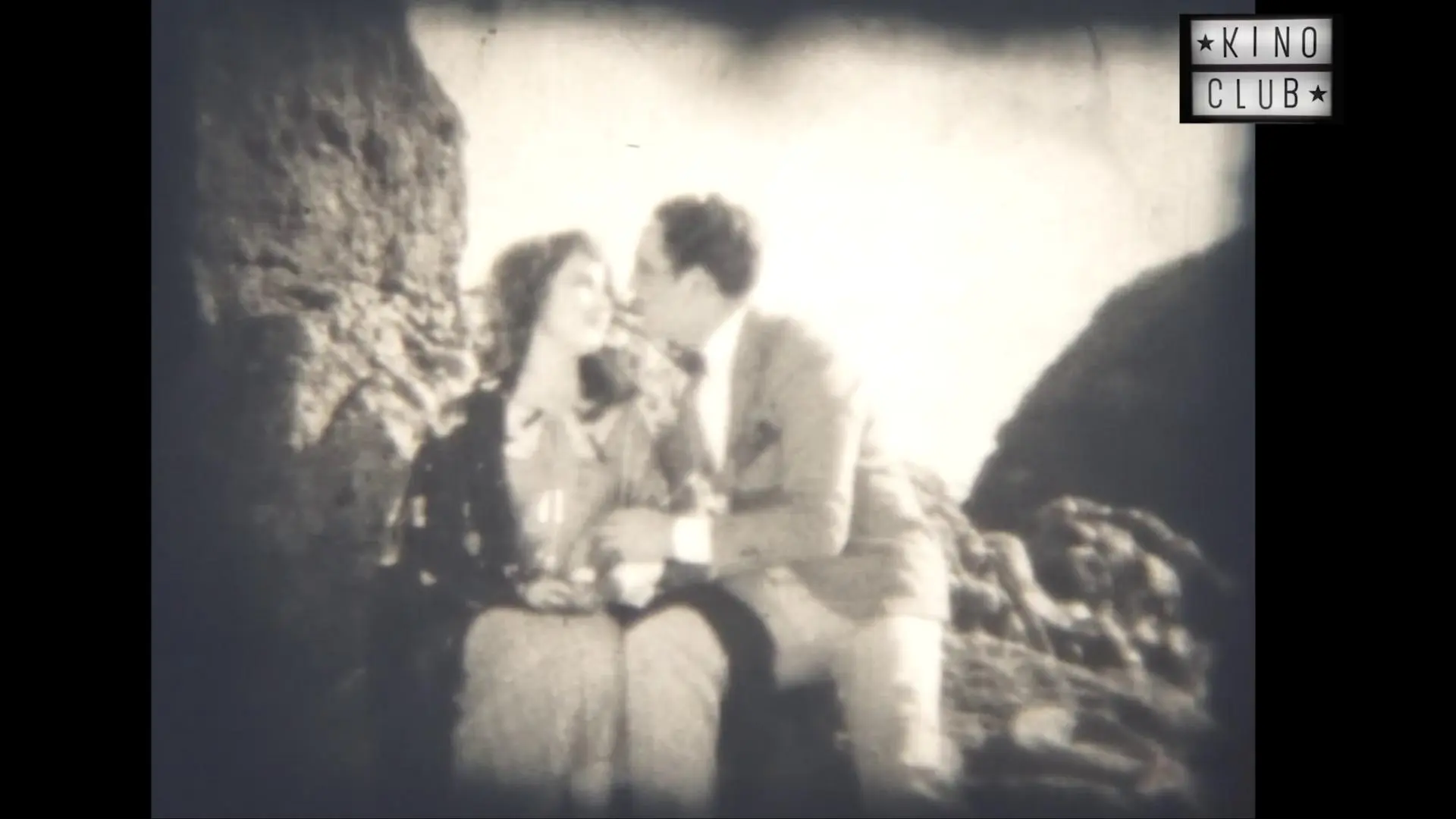
The visual language of The Coast Patrol is defined by its use of shadows and framing, a hallmark of Bud Barsky's style. By utilizing a 1925-era palette, the film creates an immersive experience that perfectly complements its Action themes.
| Cinematography | Handheld |
| Soundtrack | Minimalist |
| Editing | Disjunctive |
| Art Direction | Baroque |
Visualizing the convergence of Bud Barsky's style and the core Action narrative.
John Slocum, a retired naval officer, runs a lighthouse, but the job he likes best is taking care of his young ward Little Beth. However, a sly smuggler named Eric Manmont and his beautiful accomplice Valerie are about to use John and Beth in a clever smuggling scheme. What they don't know is that the Coast Patrol has assigned agent Dale Ripley to find and capture the smugglers.
Decades after its release, The Coast Patrol remains a vital piece of the cinematic puzzle. Its influence can be seen in countless modern works, solidifying Bud Barsky's status as a master of the craft in United States and beyond.