
DbcultAccessing Vault...
Director's Spotlight
Senior Film Conservator
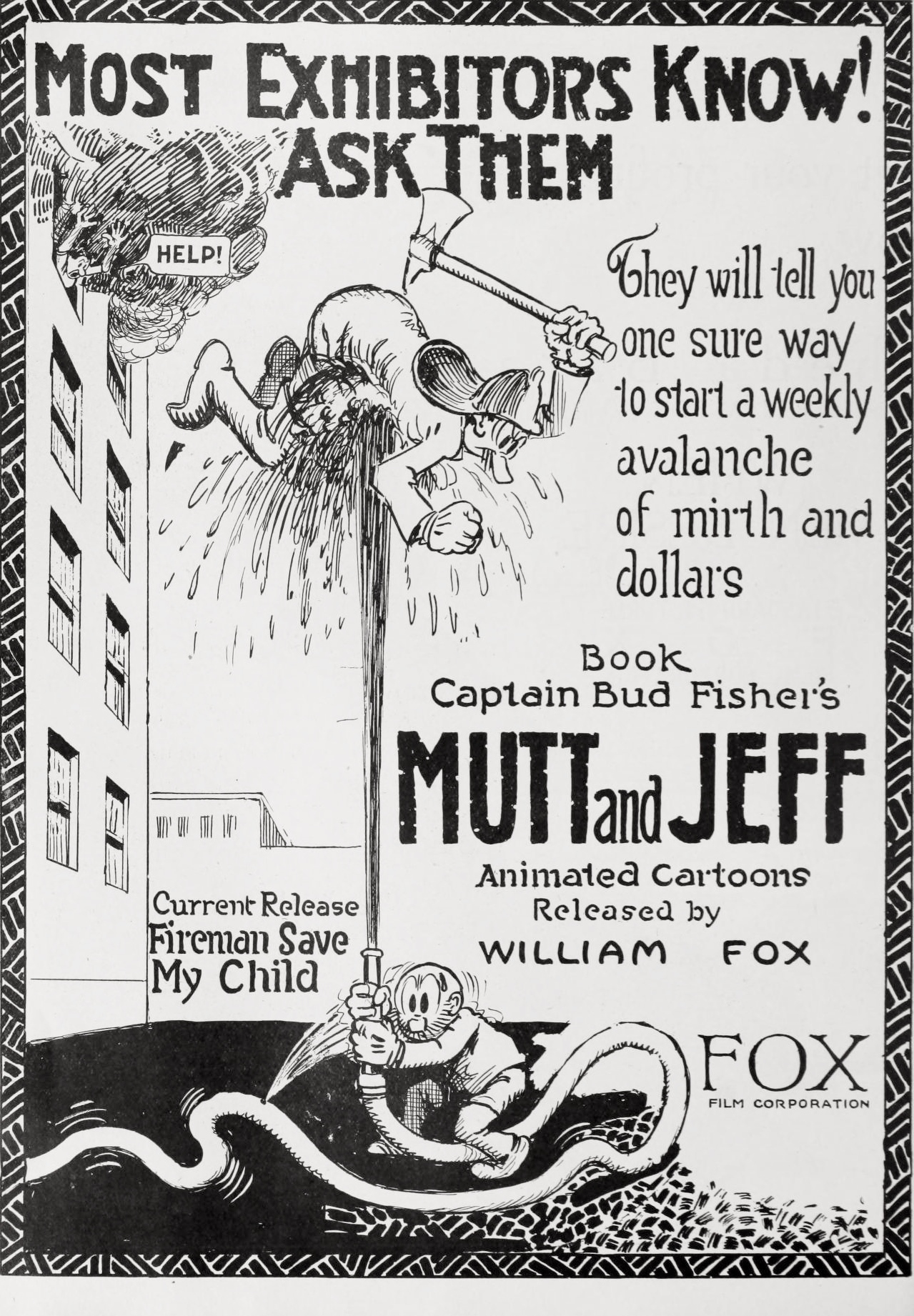
Director's Spotlight: United States
A Deep Dive into the 1919 Vision of Bud Fisher
As we revisit the 1919 masterpiece Fireman Save My Child, we are struck by the meticulous attention to detail that Bud Fisher applied to every frame. Anchored by a narrative that is both personal and universal, it bridges the gap between traditional cult and contemporary vision.
In Fireman Save My Child, Bud Fisher pushes the boundaries of conventional narrative. The film's unique approach to its subject matter has sparked endless debates and interpretations among cinephiles and critics alike.
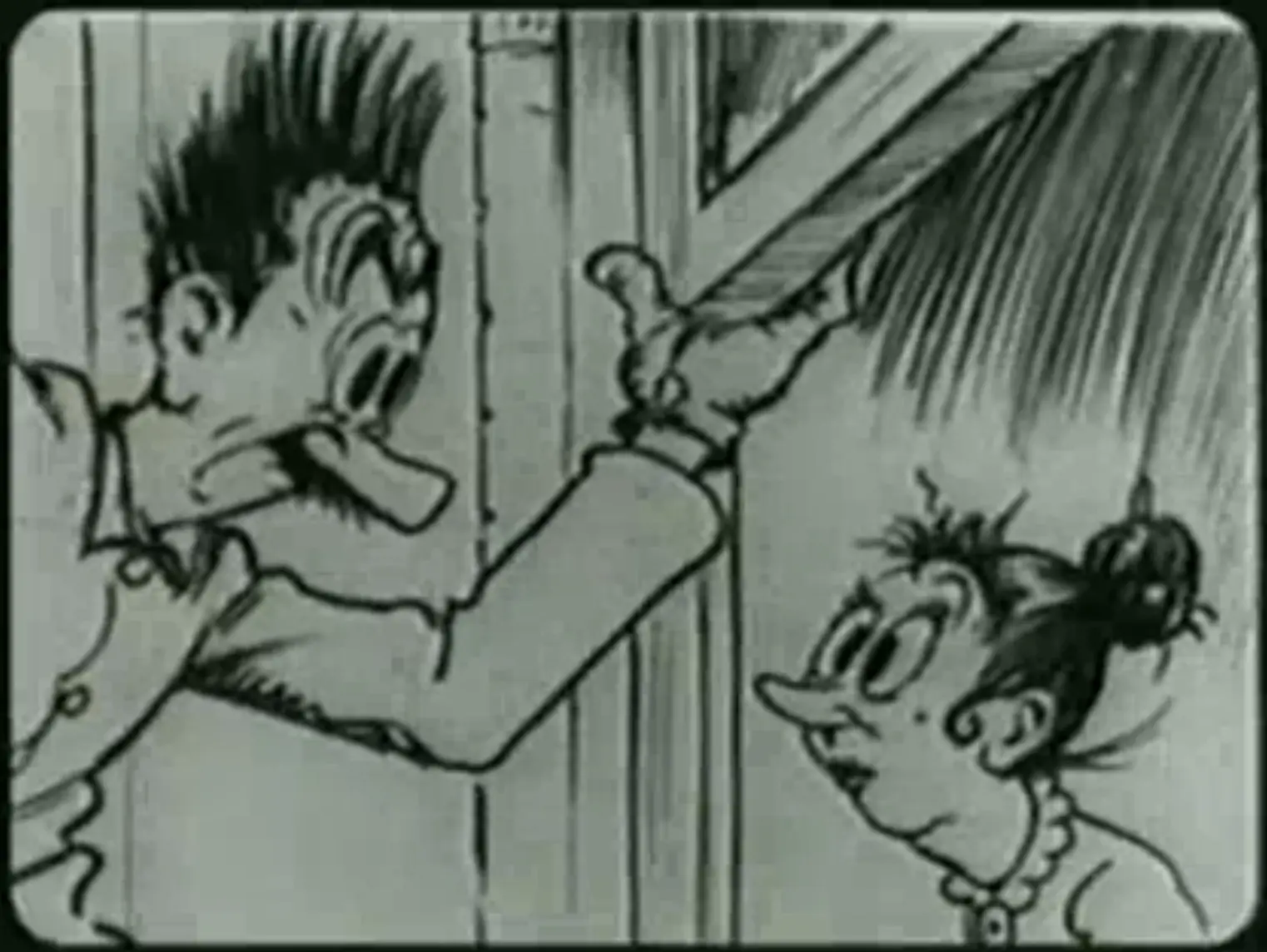
The visual language of Fireman Save My Child is defined by its use of shadows and framing, a hallmark of Bud Fisher's style. By utilizing a 1919-era palette, the film creates an immersive experience that perfectly complements its cult themes.
| Cinematography | Noir-Inspired |
| Soundtrack | Orchestral |
| Editing | Slow-Burn |
| Art Direction | Brutalist |
Visualizing the convergence of Bud Fisher's style and the core cult narrative.
Mutt and Jeff own and operate their own firehouse. Mutt believes where there's smoke, there's fire, which gets them into an early scrape. But they are called to an actual fire of a several storied residential building. A frantic woman asks them to save her baby who is located on the top floor of the burning building. Their first problem is how to get up to the top floor, which Jeff inadvertently figures out how to do. But other distractions plus trying to find the baby through the thick smoke may be obstacles in achieving their mission. But something that the woman doesn't tell them may be the biggest hurdle.
Decades after its release, Fireman Save My Child remains a vital piece of the cinematic puzzle. Its influence can be seen in countless modern works, solidifying Bud Fisher's status as a master of the craft in United States and beyond.