
DbcultAccessing Vault...
Director's Spotlight
Senior Film Conservator
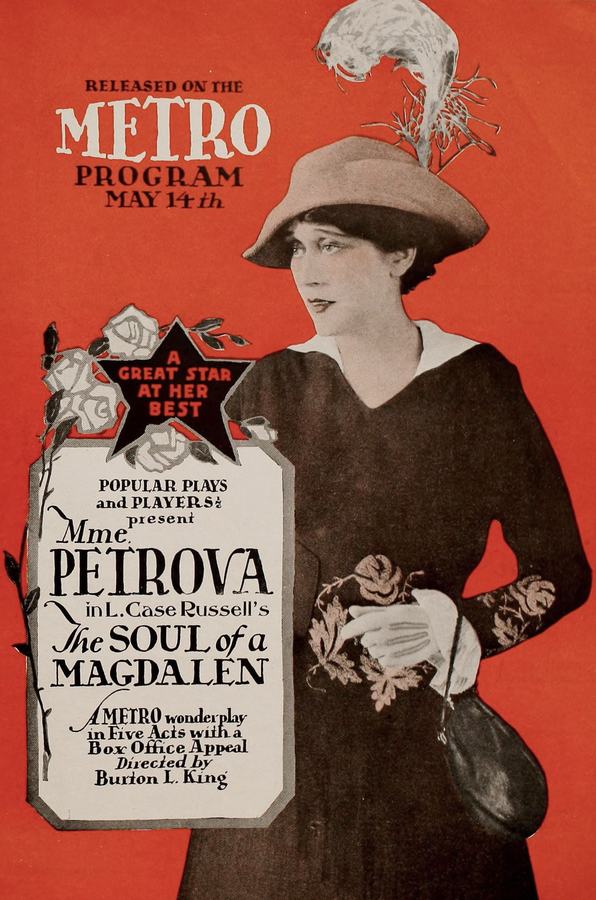
Director's Spotlight: United States
A Deep Dive into the 1917 Vision of Burton L. King
The 1917 release of The Soul of a Magdalen marked a significant moment for the enduring legacy of Burton L. King's artistic contribution to the genre. By challenging the status quo of 1917 cinema, it has cemented its place in the global cult cinema archive.
In The Soul of a Magdalen, Burton L. King pushes the boundaries of conventional narrative. The film's unique approach to its subject matter has sparked endless debates and interpretations among cinephiles and critics alike.
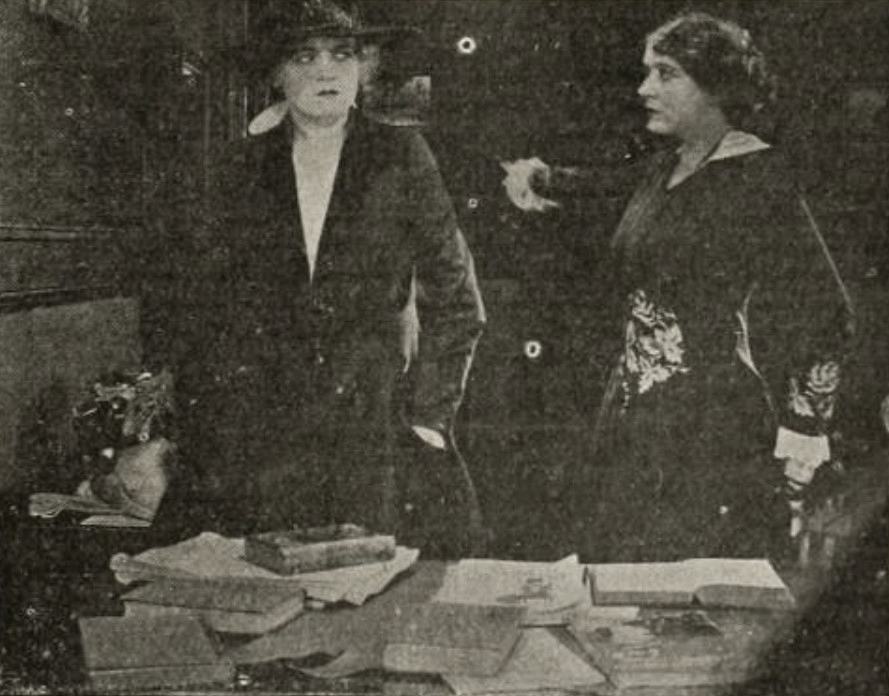
While deeply rooted in United States, The Soul of a Magdalen has achieved a global reach, influencing directors from various backgrounds. Its ability to translate cult tropes into a universal cinematic language is why it remains a cult staple decades after its 1917 release.
| Cinematography | Noir-Inspired |
| Soundtrack | Synth-Heavy |
| Editing | Disjunctive |
| Art Direction | Baroque |
Visualizing the convergence of Burton L. King's style and the core cult narrative.
The sole support of her invalid mother and young crippled brother, Heloise Broulette is forced to become the mistress of Leland Norton in order to secure the money for an operation to save her mother's life. Mrs. Broulette recovers, but when she discovers the real source of her daughter's income, the news kills her. After her mother's death, Heloise leaves her career behind and goes to the country where she takes a job as a secretary to author Carter Vail, who falls in love with her. Ruth finds herself in a dilemma when Vail's sister Alice visits friends in the city and falls in love with Norton. Honor bound, Ruth sacrifices her own happiness to save Alice from Norton. In revenge, Norton informs Vail of Heloise's past, but Vail responds that she has the soul of a Magdalene despite the life that she had been forced to endure.
Decades after its release, The Soul of a Magdalen remains a vital piece of the cinematic puzzle. Its influence can be seen in countless modern works, solidifying Burton L. King's status as a master of the craft in United States and beyond.