
DbcultAccessing Vault...
Director's Spotlight
Senior Film Conservator
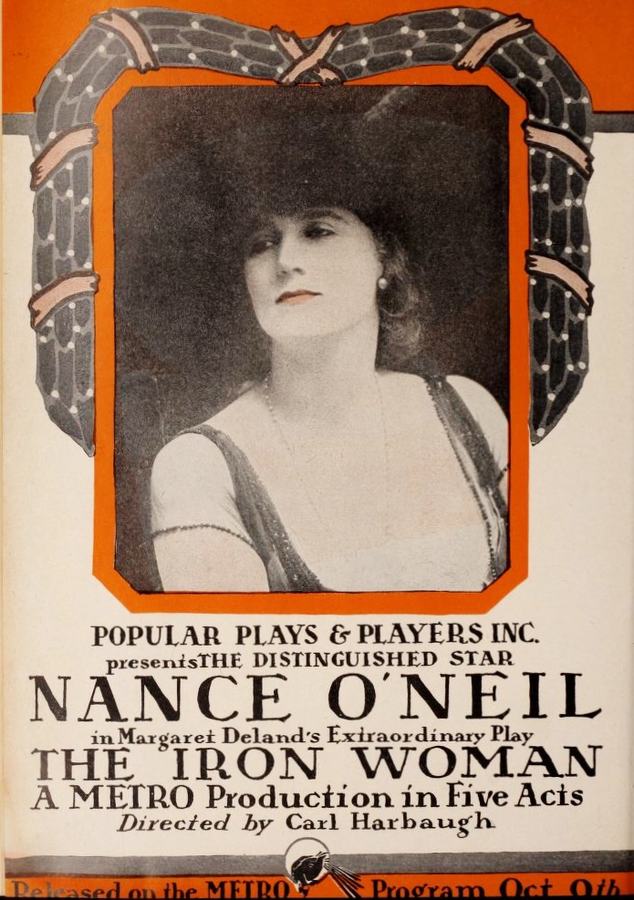
Director's Spotlight: United States
A Deep Dive into the 1916 Vision of Carl Harbaugh
The cult DNA of The Iron Woman is a reflection of United States's the historical context that Carl Harbaugh weaves into the cult fabric. Challenging the viewer to find meaning in the cult shadows, it transcends regional boundaries to tell a universal story.
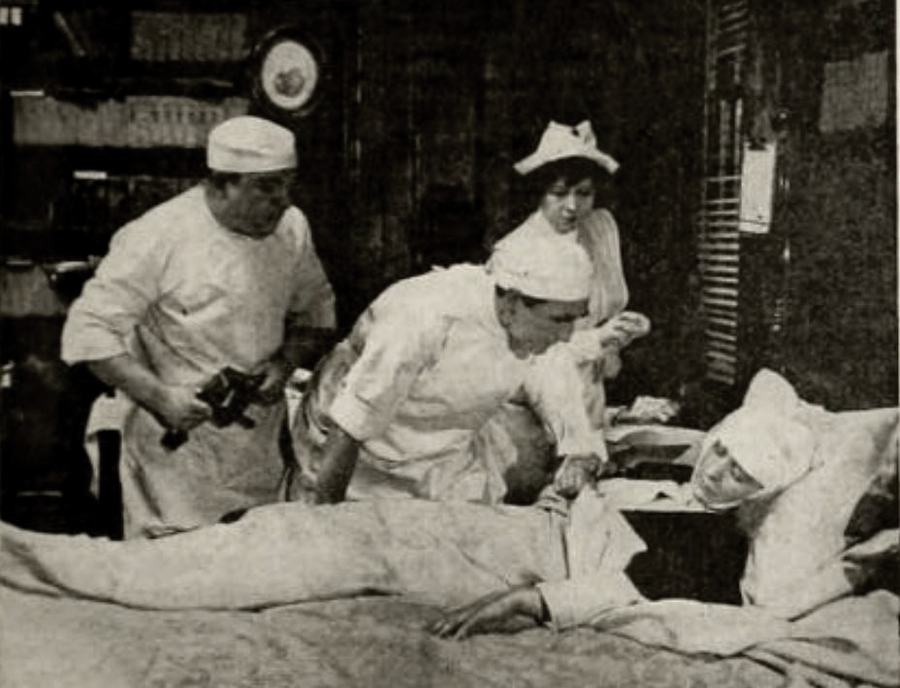
In The Iron Woman, Carl Harbaugh pushes the boundaries of conventional narrative. The film's unique approach to its subject matter has sparked endless debates and interpretations among cinephiles and critics alike.
| Cinematography | Noir-Inspired |
| Soundtrack | Orchestral |
| Editing | Invisible |
| Art Direction | Kitsch |
Visualizing the convergence of Carl Harbaugh's style and the core cult narrative.
Sarah Maitland is consumed by two interests, managing her steel mill and raising her children, Blair and Nannie, to be honest and caring. As a result, she is shocked when Blair seduces Elizabeth Ferguson away from his best friend, Doctor David Ritchie, and marries her. Elizabeth soon realizes her mistake and begs David to take her back, but his mother Helena, calling upon personal experience, warns the couple against an extra-marital affair. Then, Sarah is injured in a mill accident and doctors predict that she will die in a few hours. David manages to save her, however, and when Blair comes to see her, he vows to divorce Elizabeth so that she can marry the man she really loves.
Decades after its release, The Iron Woman remains a vital piece of the cinematic puzzle. Its influence can be seen in countless modern works, solidifying Carl Harbaugh's status as a master of the craft in United States and beyond.