
DbcultAccessing Vault...
Director's Spotlight
Senior Film Conservator
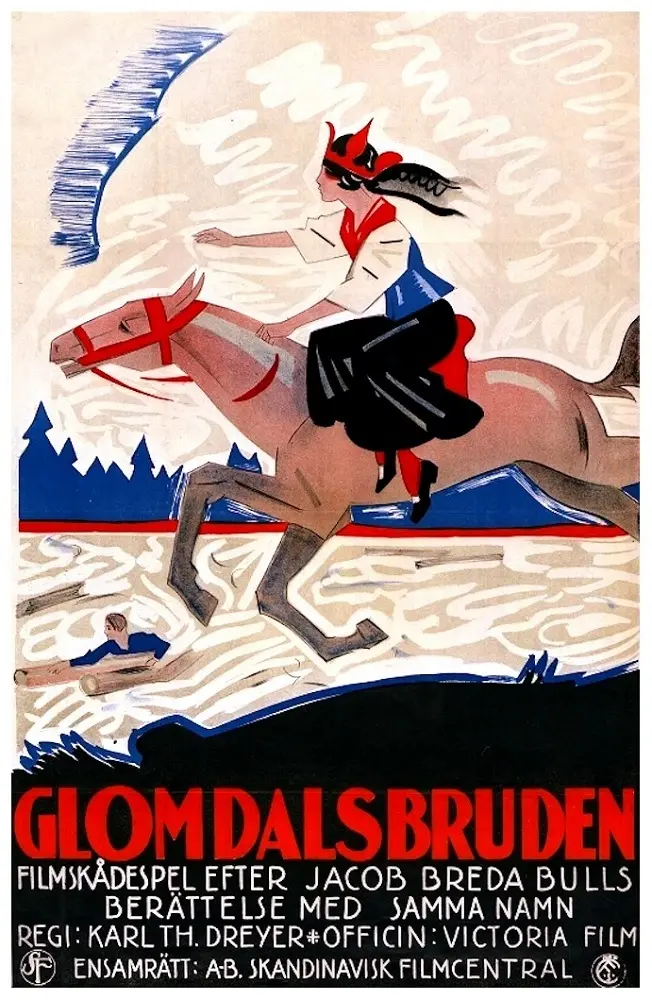
Director's Spotlight: Norway
A Deep Dive into the 1926 Vision of Carl Theodor Dreyer
Few works in Norway cinema carry the same weight as The Bride of Glomdal, especially regarding the cultural zeitgeist captured so perfectly by Carl Theodor Dreyer in 1926. Utilizing a 1926-specific aesthetic that remains timeless, it serves as a blueprint for future generations of Drama directors.
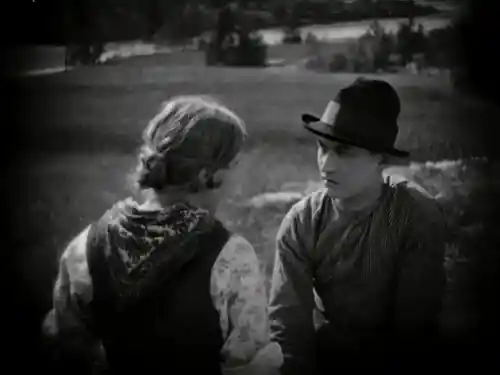
In The Bride of Glomdal, Carl Theodor Dreyer pushes the boundaries of conventional narrative. The film's unique approach to its subject matter has sparked endless debates and interpretations among cinephiles and critics alike.
| Cinematography | Deep Focus |
| Soundtrack | Minimalist |
| Editing | Disjunctive |
| Art Direction | Baroque |
Visualizing the convergence of Carl Theodor Dreyer's style and the core Drama narrative.
Tore takes over the rundown family farm. Applying his youthful energy, he intends to make it into a big farm like Glomgården on the other side of the river, where beautiful Berit lives. Tore falls in love with her, but her father has promised her to rich Gjermund. As her wedding to Gjermund draws near, Berit runs away and seeks refuge with Tore and his parents. She soon falls deathly ill but recovers, asking for, and getting, her father's permission to marry Tore. Jealous Gjermund is determined to prevent their wedding, however, in a dramatic climactic scene playing out around the rushing river.
Decades after its release, The Bride of Glomdal remains a vital piece of the cinematic puzzle. Its influence can be seen in countless modern works, solidifying Carl Theodor Dreyer's status as a master of the craft in Norway and beyond.